
Deep-sea researchers have discovered the fossilised remains of a prehistoric coral atoll in the Atlantic Ocean, confirming that these ring-shaped coral islands once existed in the mid-Atlantic, a region where they are not found today.
The sunken atoll, which was found 900m below the surface, is 300m tall (nearly the height of the Eiffel Tower), made of fossilised coral, and sits atop a vast ridge that rises 4,100m above the seafloor.
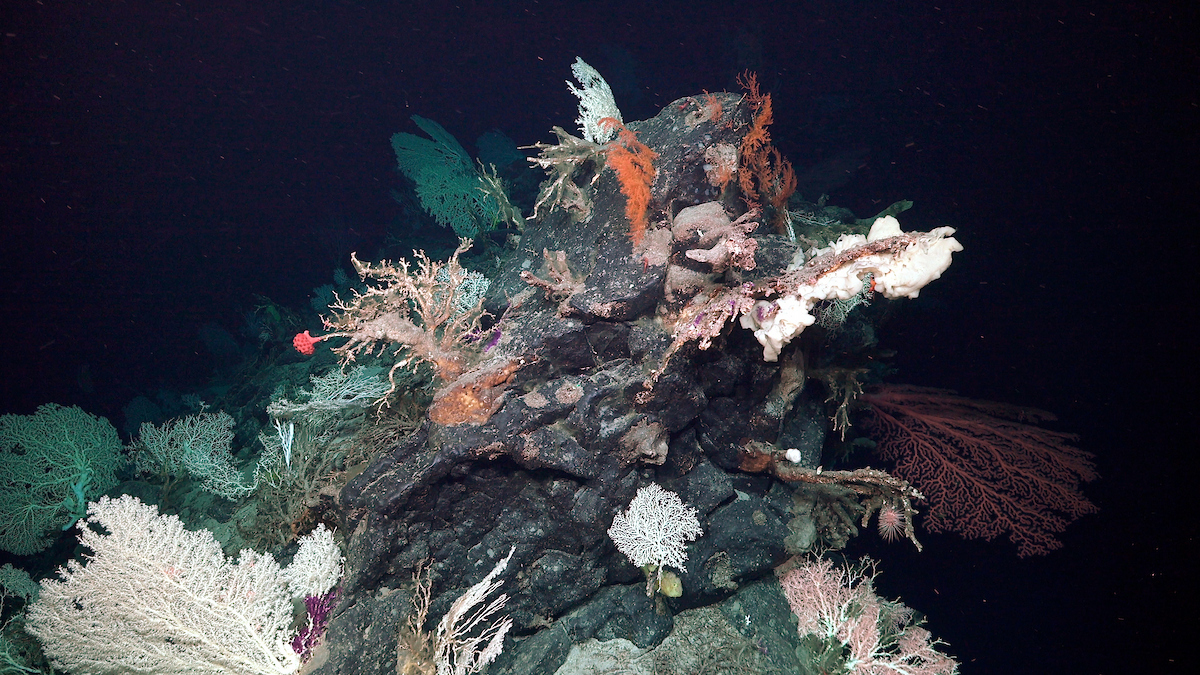
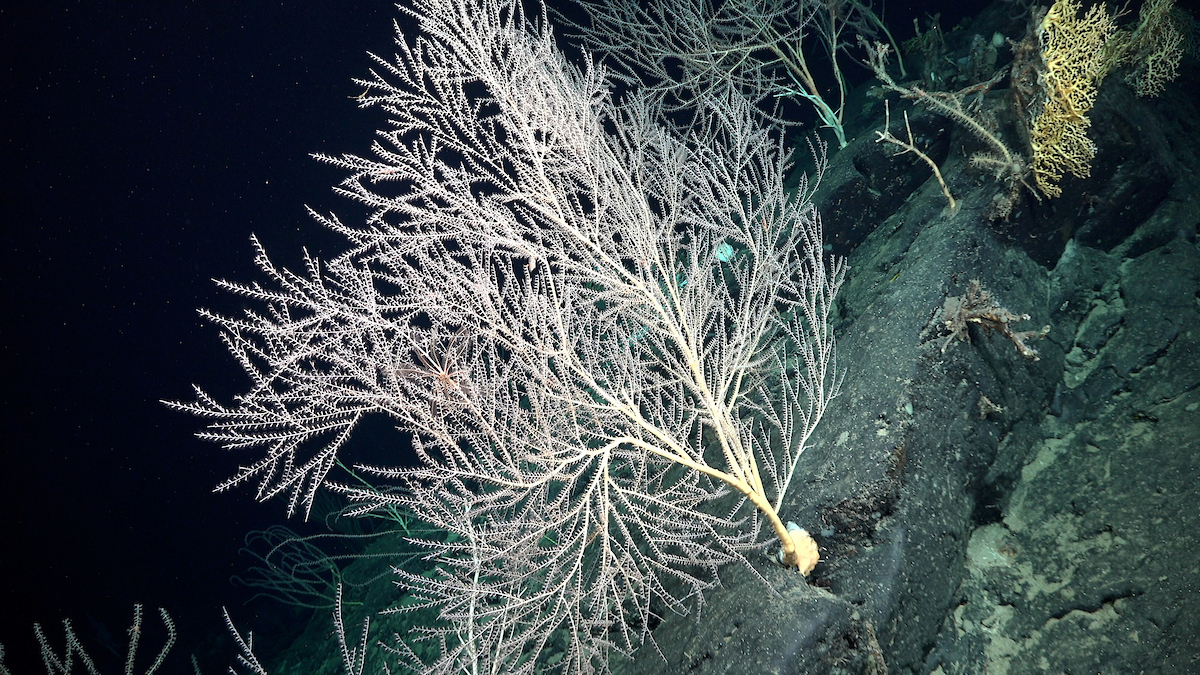
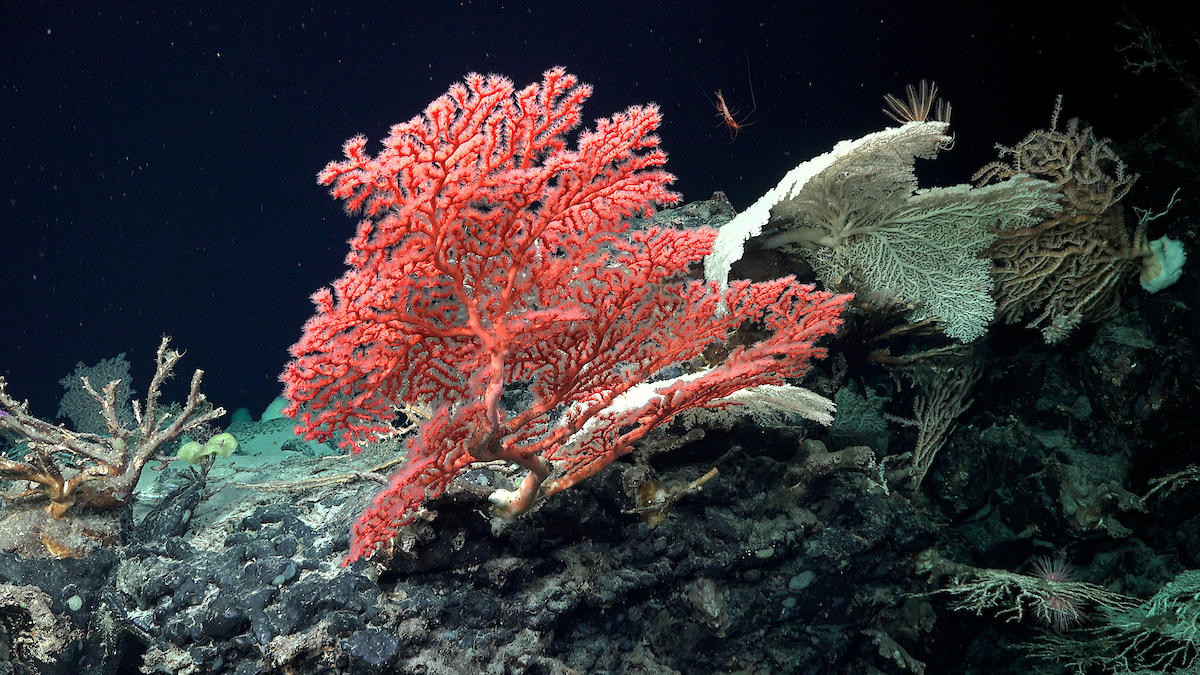
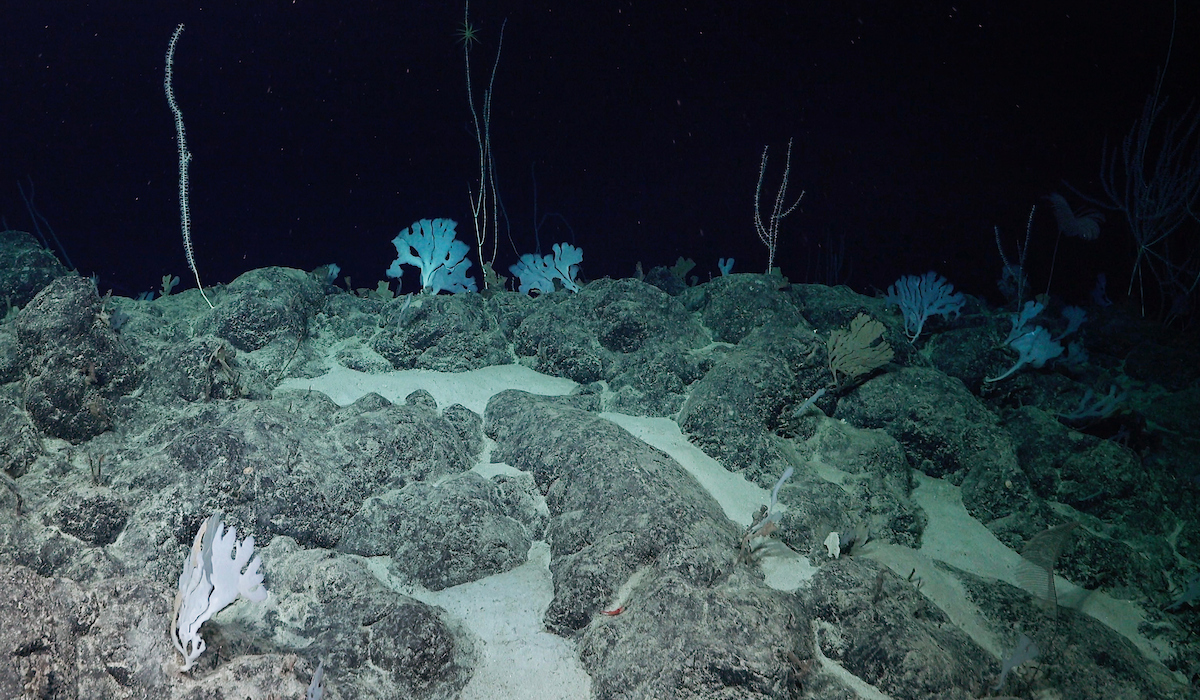
Estimated to be around five million years old, the atoll is now topped with a bustling deep-sea coral garden.
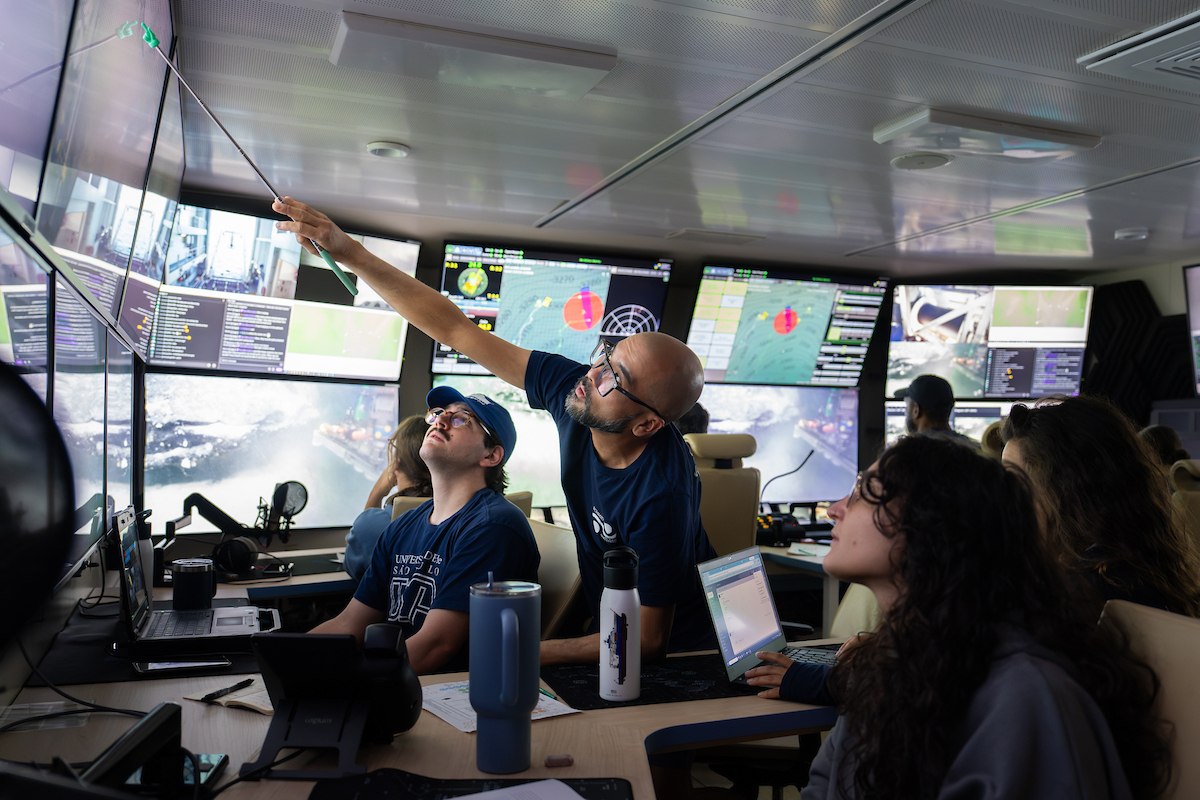
The extraordinary find was made by scientists on a 35-day expedition on board Schmidt Ocean Institute’s research vessel Falkor (too) to the Romanche Fracture Zone – the longest geological fault in the Atlantic Ocean.
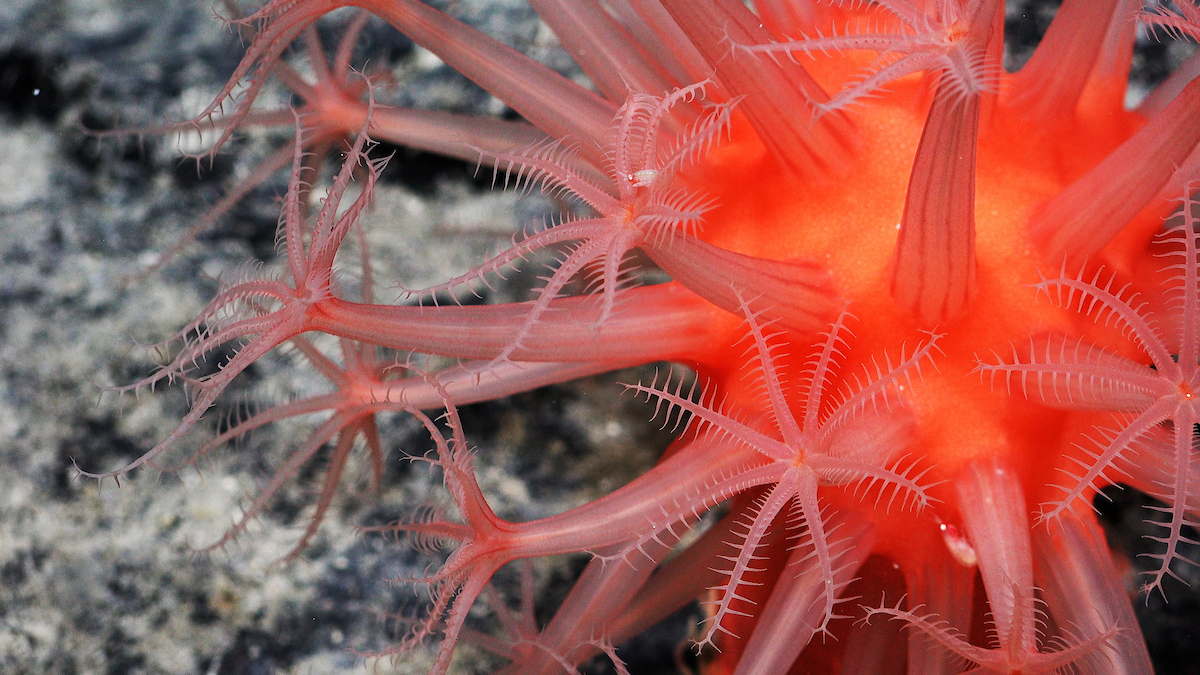
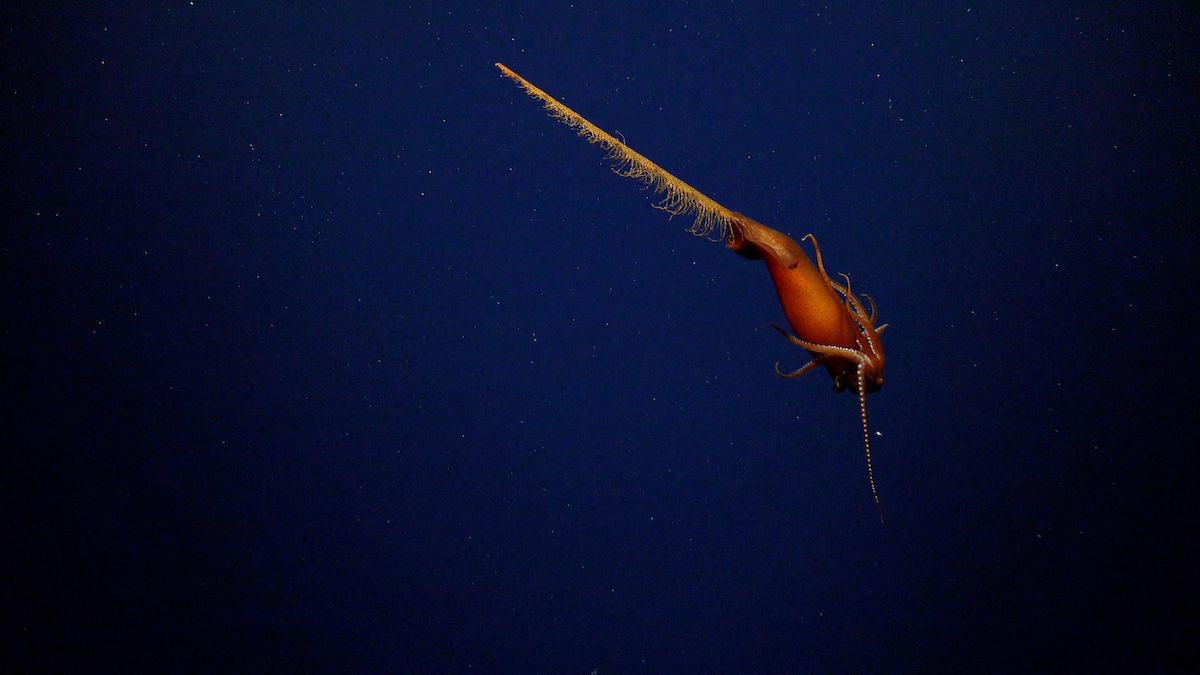
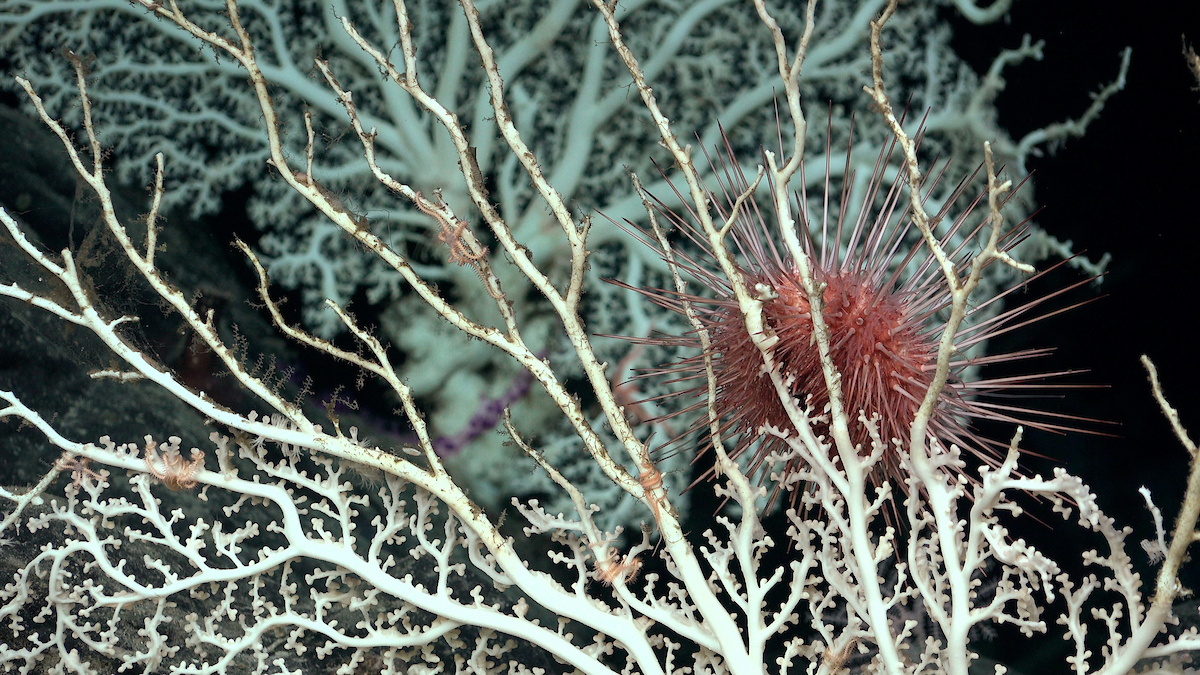
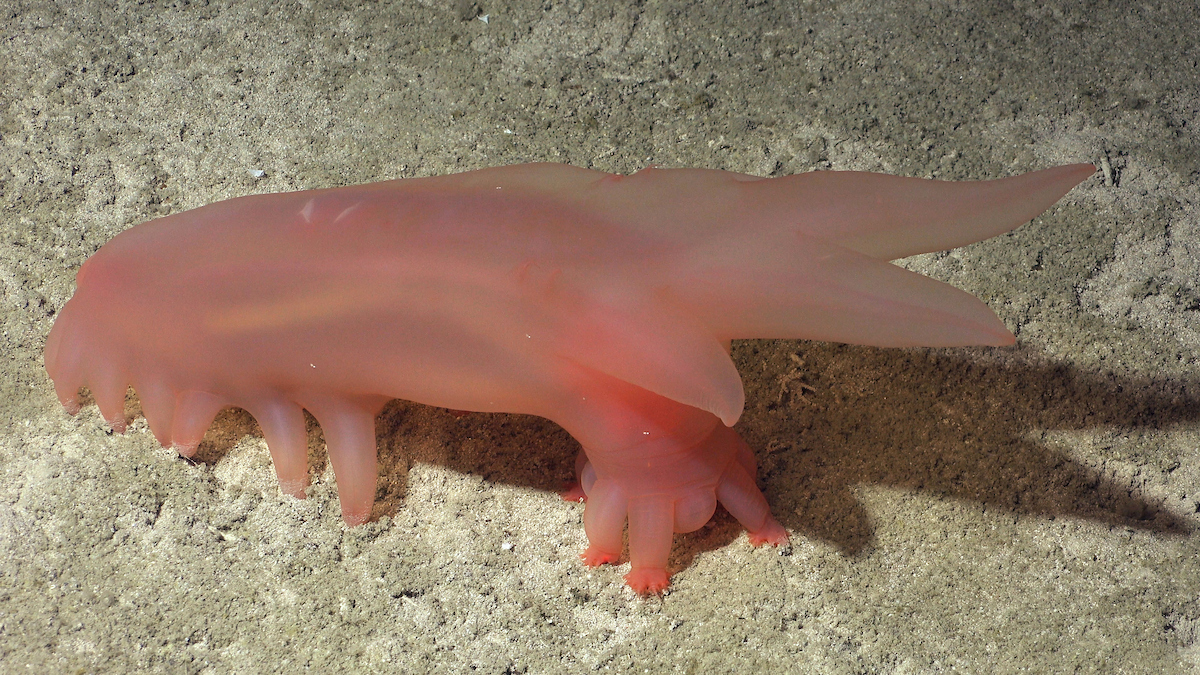
The Brazilian-led team made numerous other discoveries, including squids and octopuses, ancient sponge gardens, 1,000-year-old cold-water corals and rare zoanthid meadows.
The Romanche Fracture Zone is being considered for international marine protection, and the team say their expedition shows just how important the area is for a wealth of marine animals.
“We produced the first scientific evidence confirming the ecological and biological uniqueness of this region,” says the expedition’s chief scientist, Jose Angel Perez. “Our data strengthens the importance of the Romanche Fracture Zone as an area to be considered for protection under the recently ratified High Seas Treaty.”
With the aid of the autonomous underwater vehicle (AUV), The Childlike Empress, and the remotely operated vehicle (ROV) SuBastian, the researchers were able to see parts of the seafloor in the Romanche Fracture Zone, and document the animals that live there, in a way never done before.
One of the most exciting discoveries was a rare, 4,300m-deep sponge and coral garden. Usually, at these depths, the ocean lacks the necessary food and minerals for this ecosystem to survive.
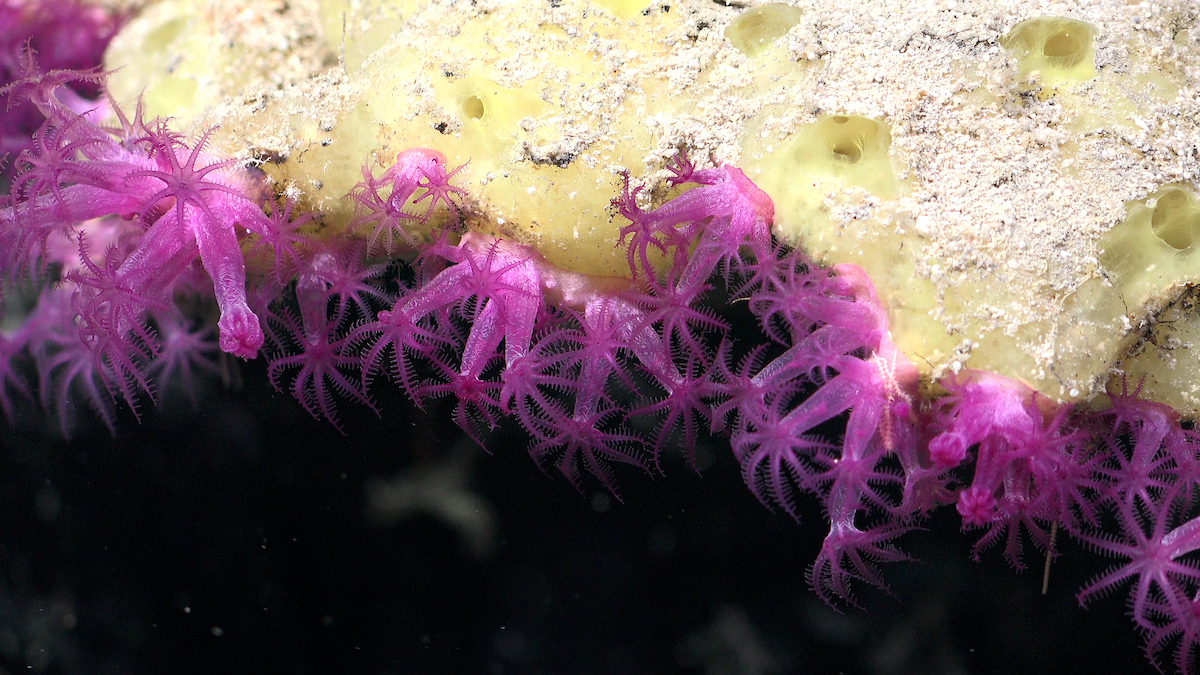
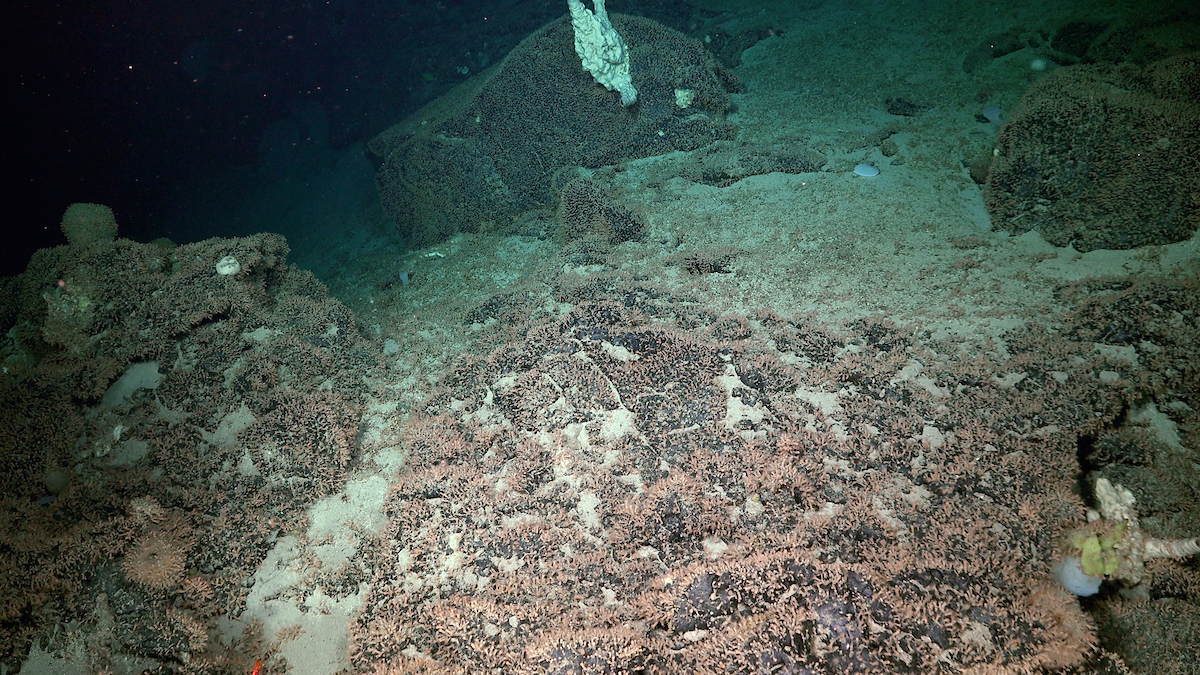
The researchers also found thousands of tiny pink zoanthids carpeting the seafloor at a depth of 1,200m. These animals, which are related to anemones and corals, are common in shallow waters, but rarely observed in the deep sea.
"Everywhere we looked, we saw stories emerging," says Paulo Sumida, a professor at the University of São Paulo.
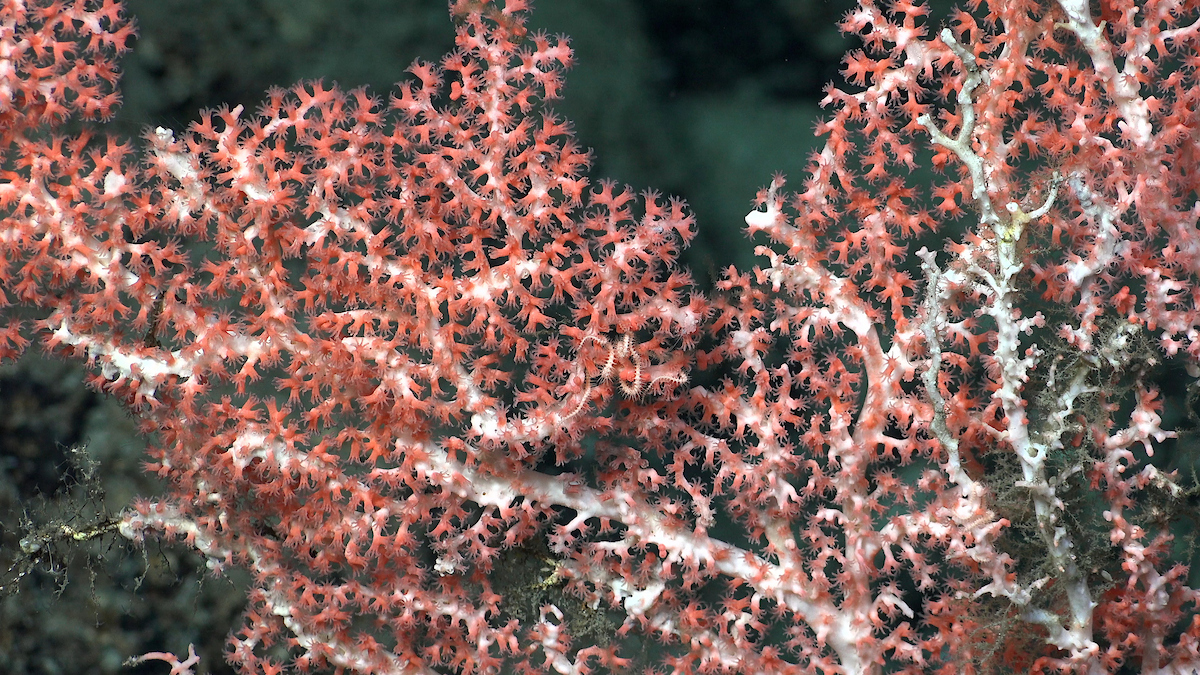
"While there are big stories like sponges living at depths that far exceed our expectations, there were also small ones that are just as important – like little animals hiding in the mud or dangling from coral branches. Every animal living in these ecosystems plays a vital role that we want to understand."
Schmidt Ocean Institute’s executive director, Jyotika Virmani, adds: "Finding thriving deep-sea ecosystems atop a prehistoric coral atoll is an extraordinary reminder that our ocean still holds monumental secrets."
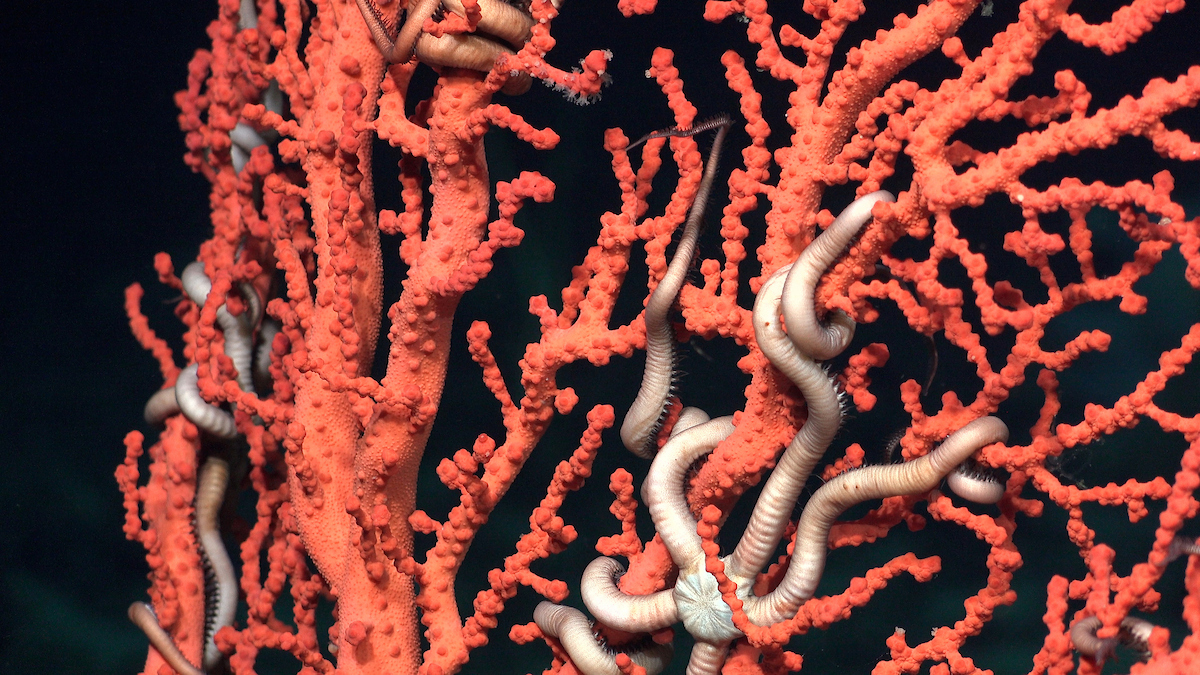
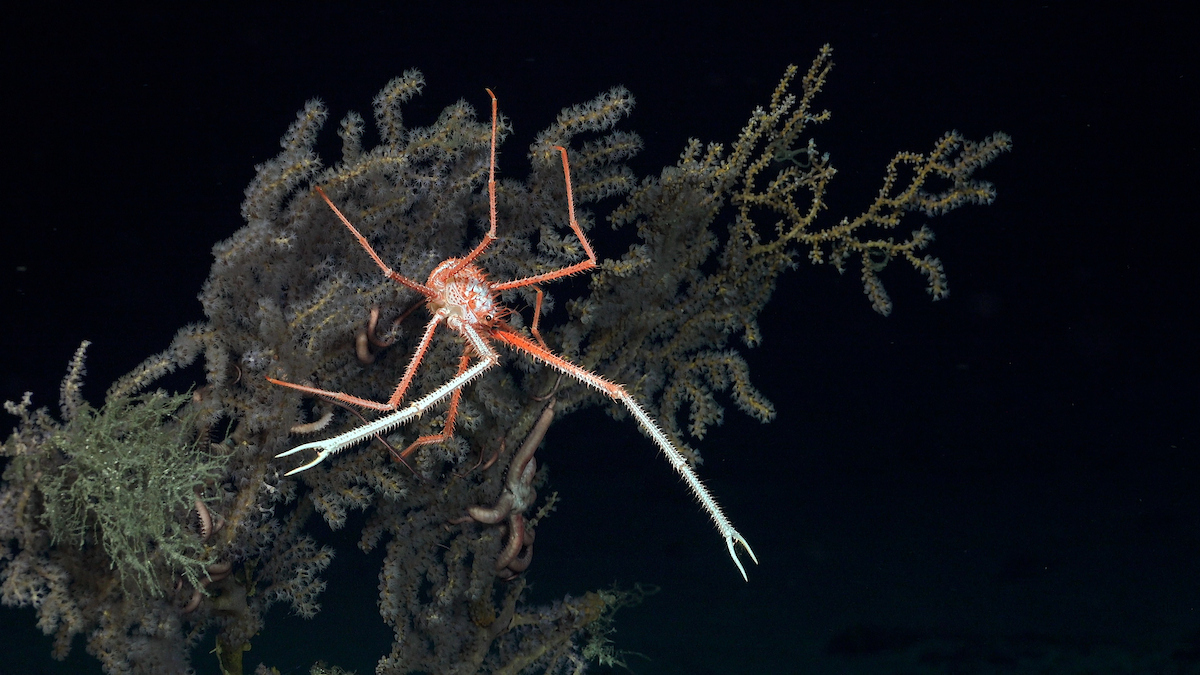
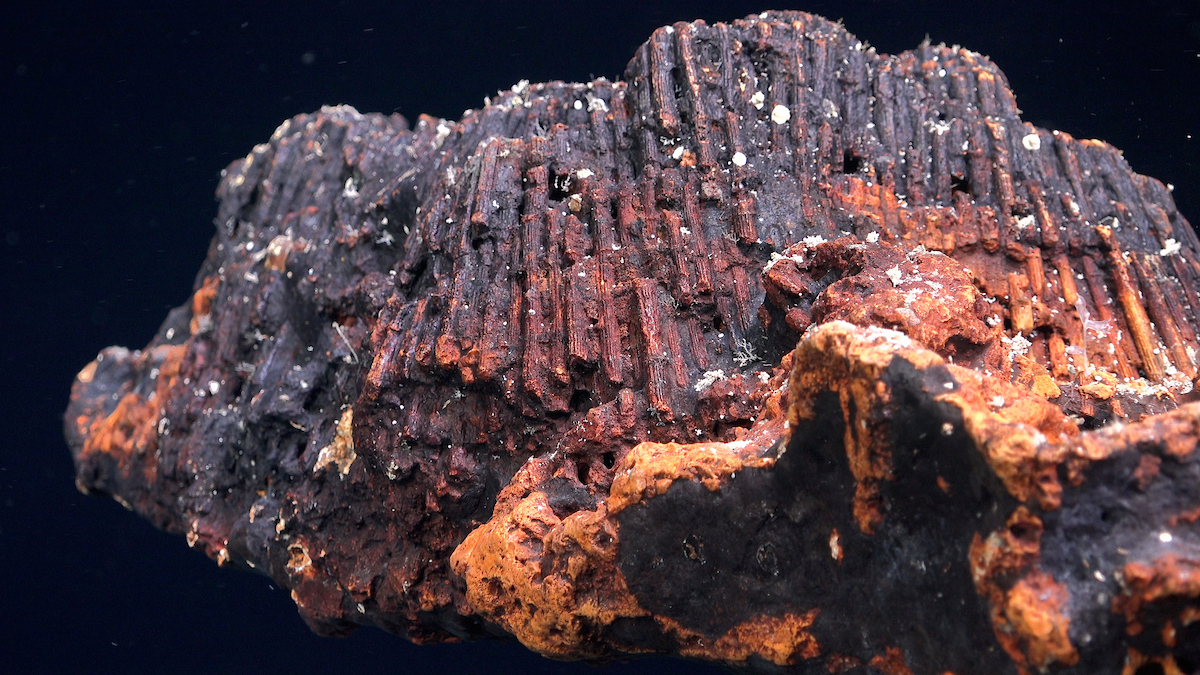
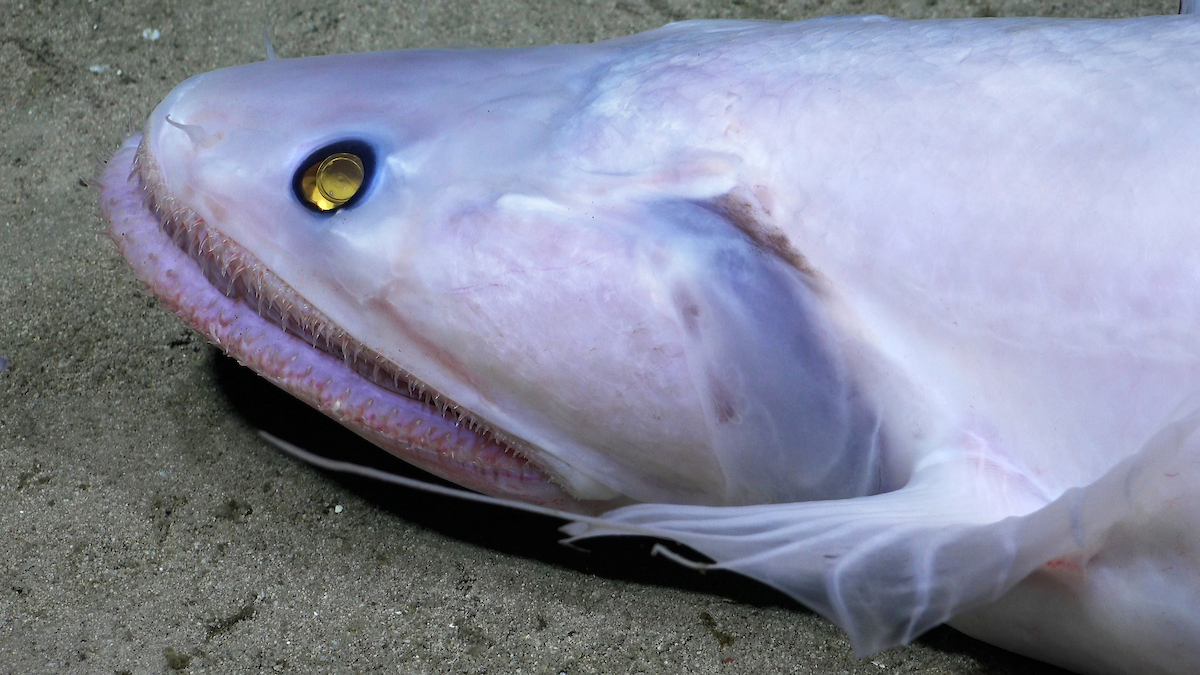
In pictures: Romanche Fracture Zone

More amazing wildlife stories from around the world
- This giant ship sank off the Egyptian coast in 1941. Now a creature that looks like a crocodile hides in its shadows
- Nazi warheads found off German coast. What's living on them stuns scientists
- Scuba divers went to an airplane graveyard in the Pacific and found souls lurking among the wrecks
- “Probably ate it headfirst”: the day experts discovered what was inside this deep-sea fish’s bulging belly
Top image: Cusk eel. Credit: ROV SuBastian / Schmidt Ocean Institute


