
What is an atoll?
An atoll is a ring-shaped island (often made up of multiple small islets) with a coral rim encircling a lagoon. Atolls are located in warm tropical or subtropical parts of the oceans and seas because that's where reef-building corals can develop.
An exact number of atolls worldwide varies depending on source, but a census published in 2023 yielded 494 oceanic atolls and 104 continental atoll systems. 344 were located in the Pacific Ocean (including Japan), 77 in Indonesian waters, 68 in the China Sea, 54 in the Indian Ocean, and 29 in Australia's Coral Sea and the Pacific and Indian ocean waters surrounding the continent.
The word ‘atoll’ derives from the Maldivian word ‘atholhu’, which can be understood as ‘circular group of coral islets.’
- 'Coral superhighway' spanning more than one million square kilometres found in Indian Ocean
- Snake Island, Anthrax Island and beyond: 9 deadly Islands you'd be a fool to visit...
How do atolls form?
It was Charles Darwin who first proposed a theory on atoll formation in 1842 – this theory is called the subsidence model. According to it, atolls develop from underwater volcanoes, called seamounts. First, the volcano erupts and lava piles up on the seafloor. The elevation grows higher and higher, eventually emerging above the surface of the water and becoming an island.
In the next stage, corals build a reef around the island – a fringing reef forms, surrounding the island just below the surface. The strip of water between the reef and the island is the lagoon.
Over time, the volcanic island erodes and sinks, dissipating into the sea in a process called subsidence. The top of the reef keeps growing upwards at roughly the same rate that the island sinks, so it stays close to the surface even as the land beneath disappears. Eventually, the volcanic peak vanishes, leaving only the ring of coral, which has now become a barrier reef.
The atoll is now fully formed – this entire process can take between 1 and 30 million years.
However, this model has been challenged and an alternative theory, first proposed in the 1930s, is the antecedent karst model.
In this model, a limestone island built from an old, long-dead reef sits exposed above the sea during a period of low sea levels. Rainwater slowly dissolves the limestone through a process called karstification, forming a hollowed-out basin in the middle of the island. When sea levels rise, coral colonises the raised outer rim of this basin, and the centre floods to become the lagoon.
What is the largest atoll?
Great Chagos Bank – largest total area
The Great Chagos Bank, located in the Indian Ocean roughly 500km south of the Maldives, stretches over a massive 12,642 square kilometres. Most of it is located underwater; only a handful of small islets break the surface, with a combined land area of just 5.6 square kilometres. Administered by the UK as part of the British Indian Ocean Territory, it’s also a protected Strict Nature Reserve.
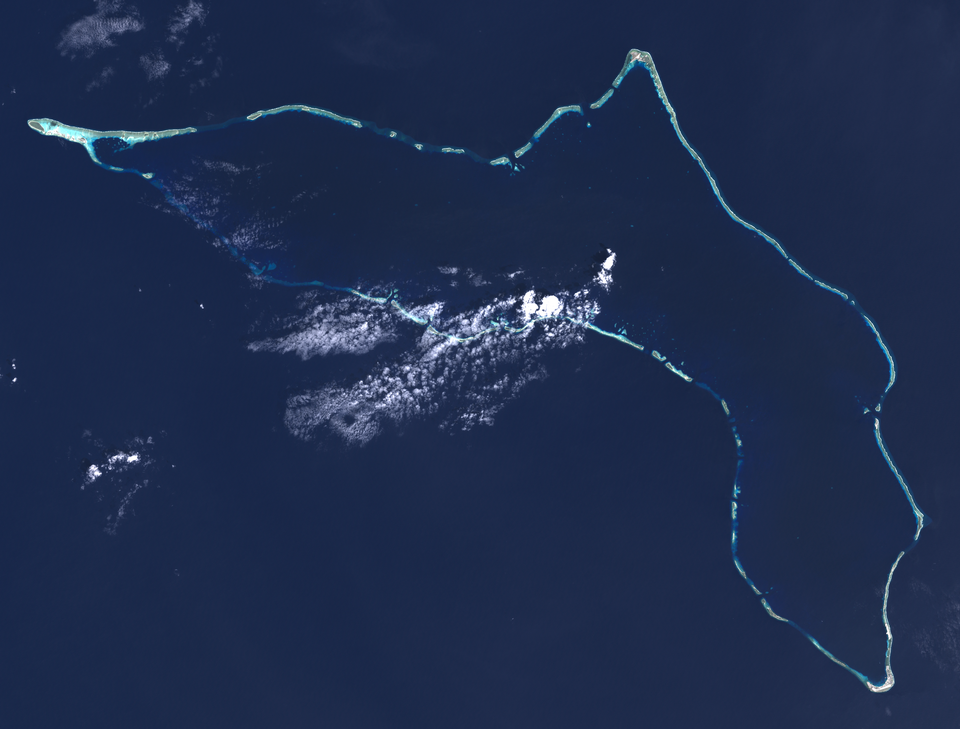
Kwajalein Atoll – largest lagoon
Located in the Marshall Islands in the Pacific Ocean, Kwajalein is made up of around 97 islands and islets ringing a lagoon often cited as the largest in the world at roughly 2,174 square kilometres – though its land area is just 16.4 square kilometres.
Kiritimati Atoll – largest land area
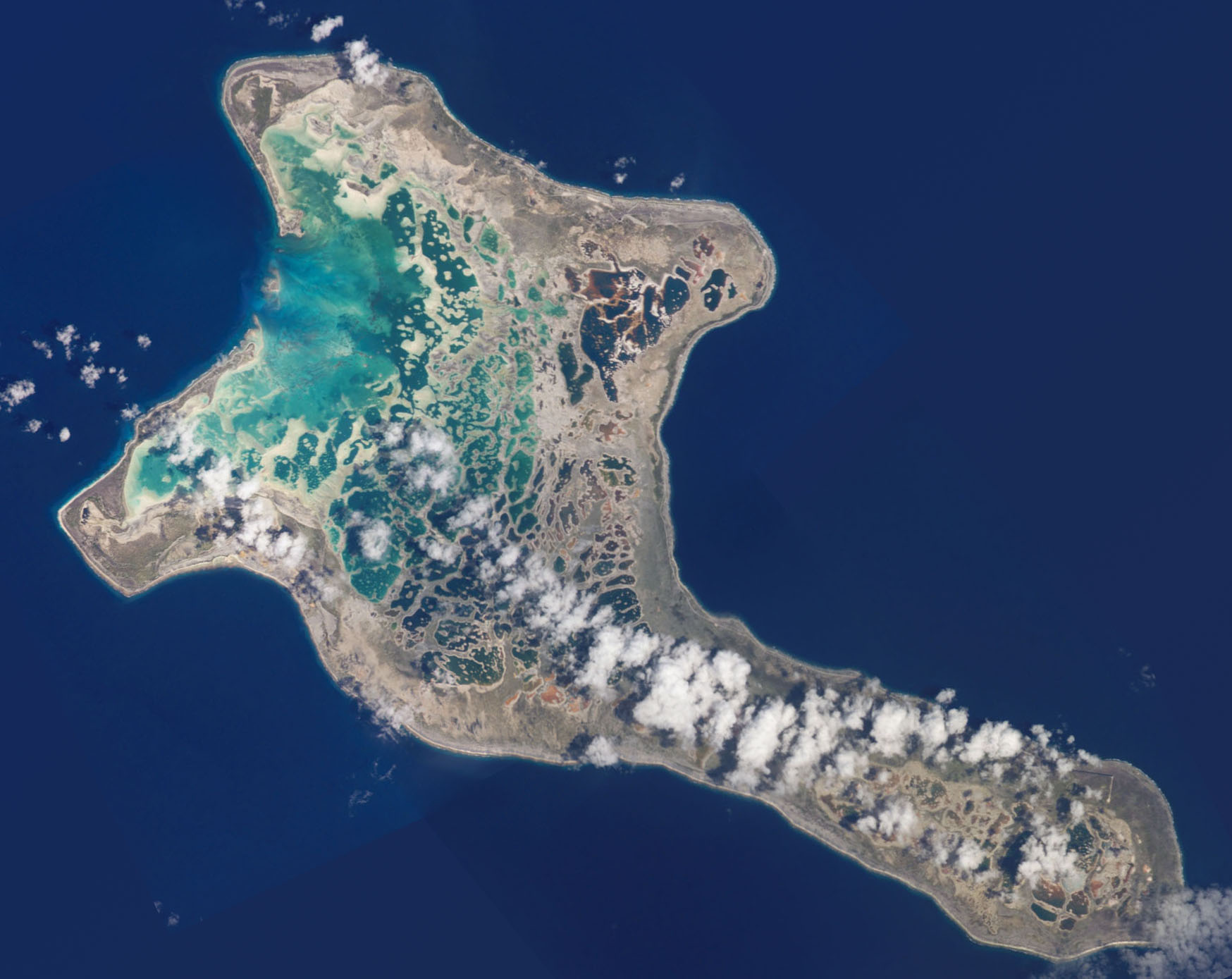
Kiritimati, also known as Christmas Island, has the biggest dry land area of any atoll on the planet at 321 square kilometres. This atoll is part of Kiribati, an island nation in the Pacific Ocean.
Huvadhu Atoll – most individual islands
This atoll lays in the southern Maldives, in the Indian Ocean, and wins on sheer number of islands: 255 in total, spread across a total area of 3,152 square kilometres.
How many people live on atolls?
About one million people inhabit coral atoll islands worldwide, with roughly half of this population residing across major atoll-based island nations and territories, such as the Maldives, Kiribati, Marshall Islands and Tuvalu.
What wildlife lives on atolls?
Land fauna on atolls is sparse due to small land areas, but they still support a rich variety of life, from thriving marine ecosystems in their shallow lagoons to critical breeding grounds for seabirds on their sandy islets.
According to a study published in the journal Nature Ecology & Evolution, there are 37 species of seabirds that breed on atolls - and the populations of each range from a few dozen to over 3 million individuals per atoll. The study estimates that, in total, over 31 million seabirds nest on atolls - about one quarter of all tropical seabirds in the world.
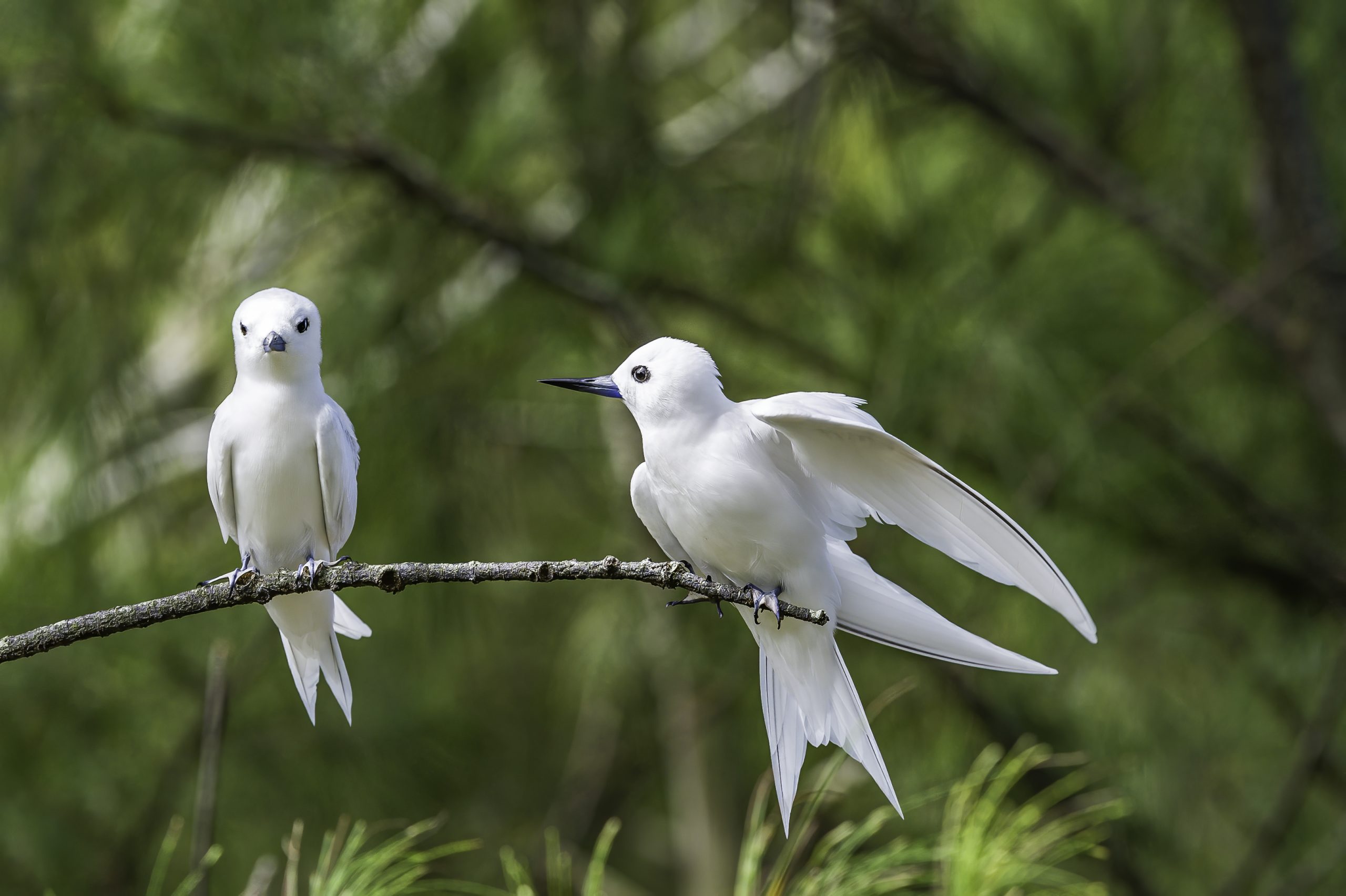
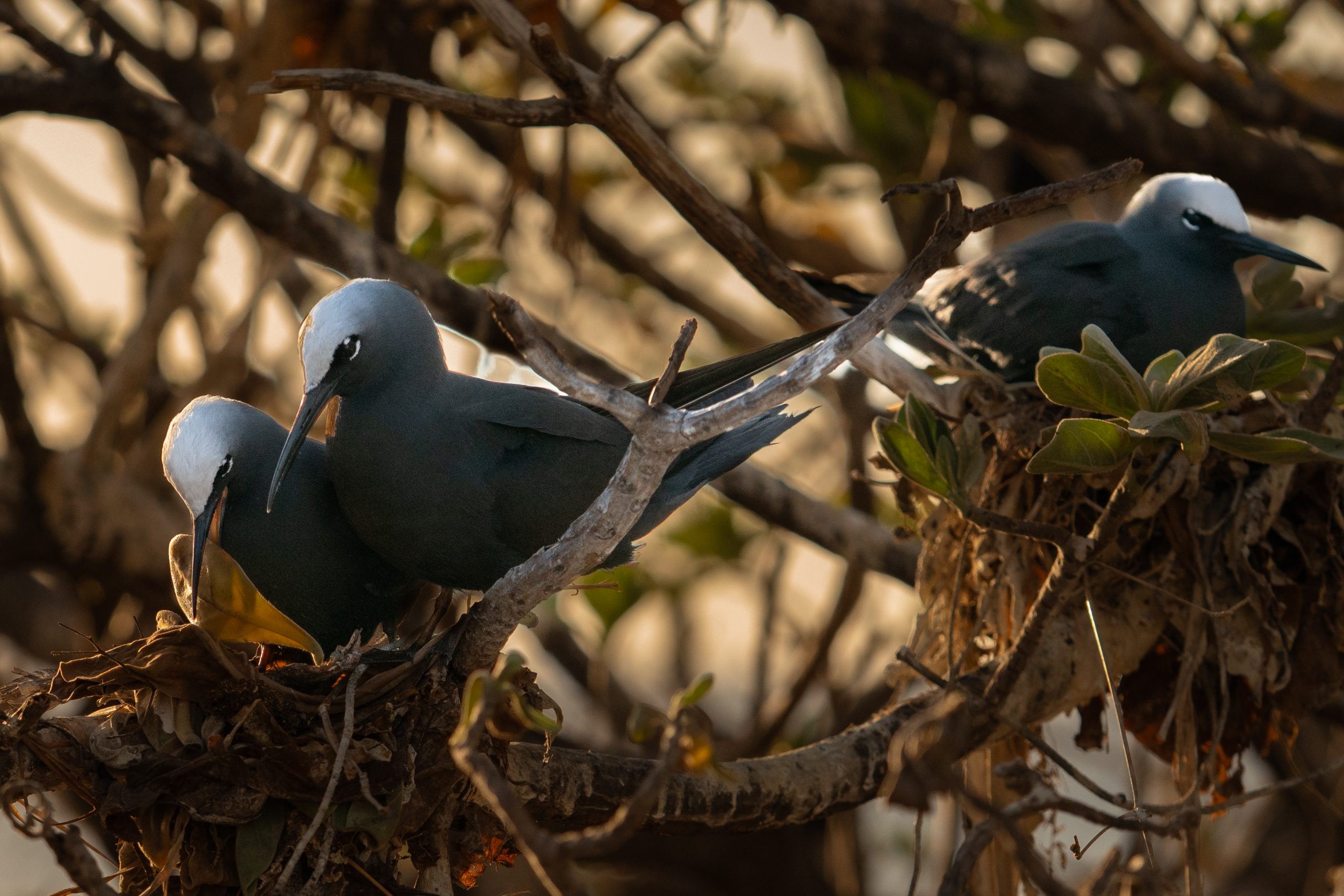
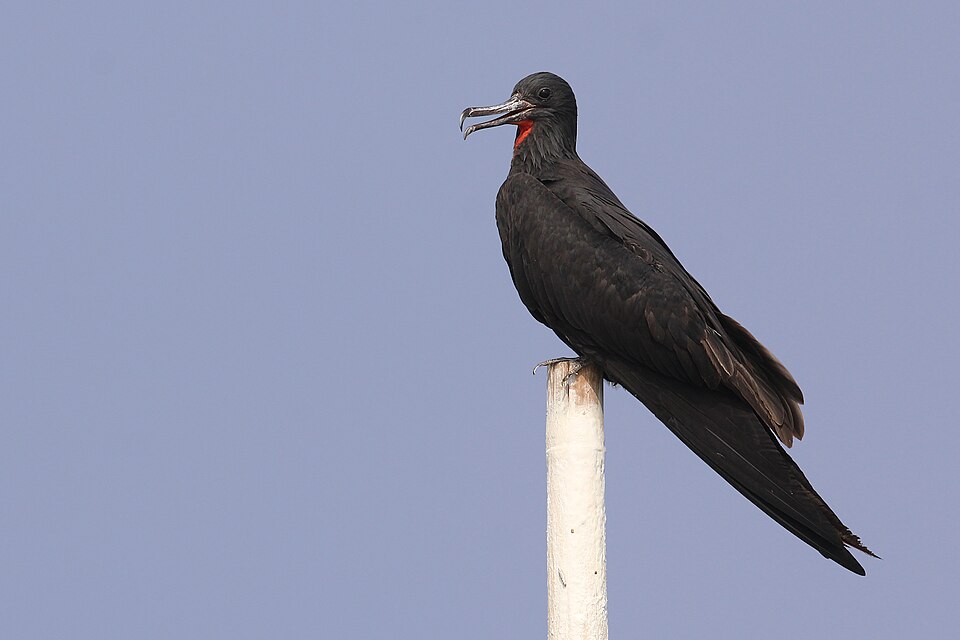
Atolls are critical for the survival of species such as white terns, black noddies and lesser frigatebirds, since over half of their global populations nest there.
Are atolls at risk due to climate change?
Atolls are especially vulnerable to climate change because most of their land sits only 1-2 metres above sea level. This makes them highly exposed to even modest increases in sea level, since a rise of just half a metre can dramatically shrink habitable land area.
The land itself isn’t sinking (in most cases) – rather, sea level is rising around them, and the coral’s ability to grow upward to keep pace is also under threat from ocean warming, acidification and bleaching.
The threat isn’t just in the island being submerged – the low elevation makes atolls vulnerable to storm surge, saltwater intrusion into drinking water supply, and coastal erosion.
Some studies have found that certain atoll islands are actually growing in land area, as waves redistribute sediment onto the island. For example, a 2020 study published in the journal Geophysical Research Letters has documented that Jeh Island, which is part of the Marshall Islands, has grown through a merging of at least two islands between 1943 and 2006.
Top image: An atoll near the island of Ternate in Indonesia. Credit: Velvetfish/Getty Images
