Nature truly is red in tooth and claw, and violence is common in the natural world. This is nothing personal, however. It’s about survival.
Animals frequently fight with members of their own species, often over mates, territory, food or dominance. Here are some of the species known for having the most brutal, intense or deadly interactions with members of their own kind.
- Is this the world's most aggressive animal? Just the size of a fox, this badass raids beehives, steals from lions, shrugs off snake venom and never backs down…
- Head-butting, drowning and dive-bombing – discover 10 most aggressive, badass animals on the planet that aren't afraid to put up a fight
Most violent animals on the planet
Killer Queen

What could be more violent than a group of sisters working together to kill their own mother, and in this case, queen. In a plot worthy of a Greek tragedy, the workers of yellow meadow ants – a common species found in many parts of Europe, Asia and North Africa – attack and destroy their queen on the instruction of an ‘evil mastermind’.
When the queen of a related ant species, Lasius orientalis, infiltrates their nest, she sprays the host queen with jets of a foul-smelling abdominal fluid. This makes the resident queen smell like an enemy, prompting the workers to kill and then eat her. After that, they serve their new queen until they too die.
Shrimp Fight Club

The mantis shrimp packs a punch, literally. The feisty crustaceans sport a pair of powerful club-like appendages which they use to wallop prey and rivals. Forget Muhammad Ali, at 23 metres per second, their strike is one of the fastest in the animal kingdom.
Delivered with a force of 1,500 newtons, the strike can shatter shells and aquarium glass. Undeterred by this, researchers at Duke University established a Mantis Shrimp Fight Club, and the first rule of Mantis Shrimp Fight Club?
You do not talk about Mantis Shrimp Fight Club. What I can tell you, however, is that the winner of each bout is not the shrimp that hits hardest, but the one who lands the most blows. Do say: Nice left jab. Don’t say: Who are you looking at shrimpy?
Betta Warriors

Humans have selectively bred certain species to become more violent. Think American Pit Bull Terriers and the male chickens used for cock fights. Siamese fighting fish epitomise this trend. Centuries of breeding in Southeast Asia for paired-staged fights, has produced males that are three times more aggressive than their wild counterparts. They fight differently too.
When wild fish fight, they flare their gills before escalating to close-up contact that involves biting and nipping. Captive bettas, on the other hand, display from a distance before engaging in combats that are more frantic, and involve frequent, fast strikes.
Brawny Boxers

Kangaroos are usually peace-loving herbivores, but sometimes they kick off. Literally. Males fight males to establish dominance and access to females. These are brutal ‘bare knuckle’ brawls where anything goes, including eye gouging, grappling and blows beneath the belt.
- The kangaroo: All you need to know about Australia's most iconic animal - and its famous hop
- How long does a joey spend in a kangaroo's pouch? Here's your ultimate baby kangaroo guide
Males box with their forepaws and kick with their hindlegs, which are powerful enough to break bones and damage internal organs. The hind feet have four toes but the middle two are fused together to make a strong, long, sharp weapon that can rip flesh. Meanwhile the tail acts as ballast to steady the animal as it kicks.
Most fights end when the weaker male backs down, but sometimes they fight to the grizzly death.
It’s War
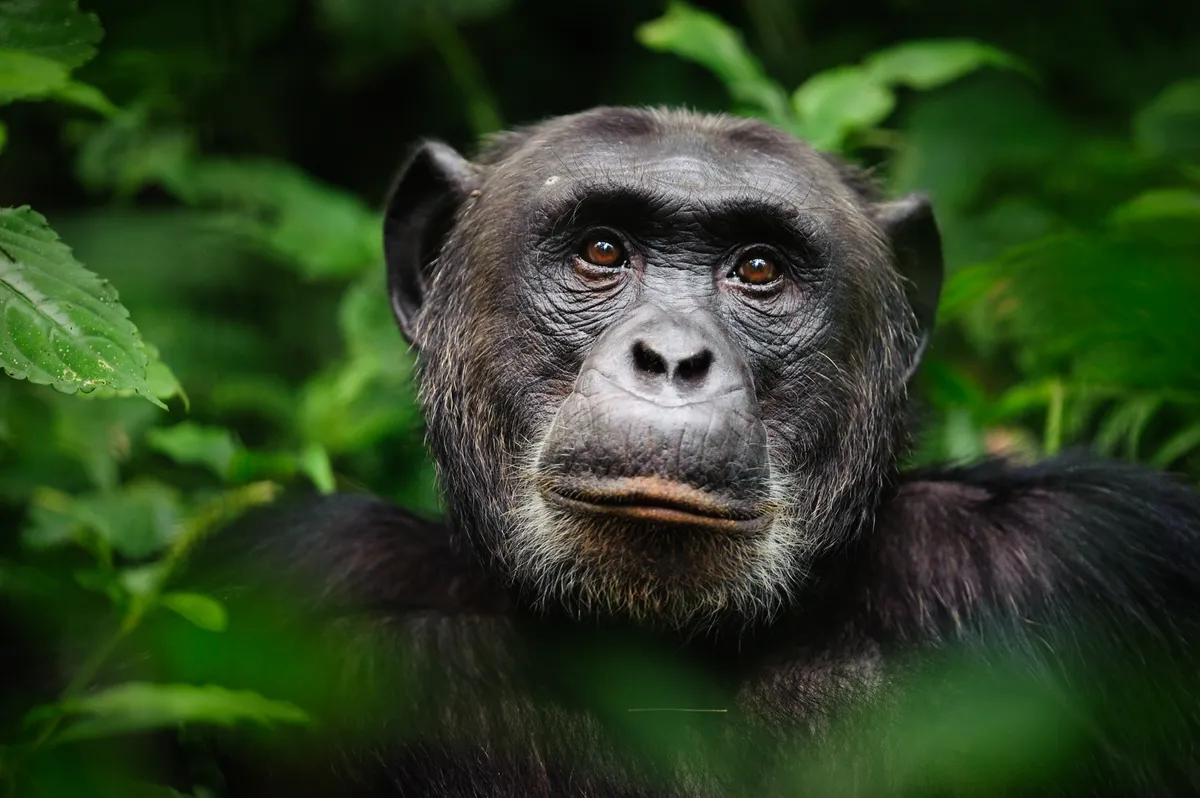
As one of our closest living relatives, it’s no surprise that chimpanzees have a capacity, not just for violence, but for war. This was first documented in 1974 by the late primatologist Jane Goodall, who witnessed the chimpanzee community in Tanzania’s Gombe National Park fracture into two warring groups.
- They use tools, fight to the death and live in social groups – and are the closest living relative to humans
- Watch amazing BBC footage showing an unexpectedly adorable friendship develop between baby chimps and puppies
Males from the northern Kasakela group started to systematically stage lethal attacks on isolated groups from the smaller Kahama group. This included gang-style killings and the cannibalism of infants. Four years later, all of the adult Kahama males had been killed and the group disappeared.
The Kasakela group claimed the vacant territory, but their victory was short lived. They were forced to retreat when males from a third rival group, killed some of their males.
- Do chimps and gorillas ever fight with each other?
- 6 animals that battle to the death – whether it's for territory, dominance or survival
Cub Killers
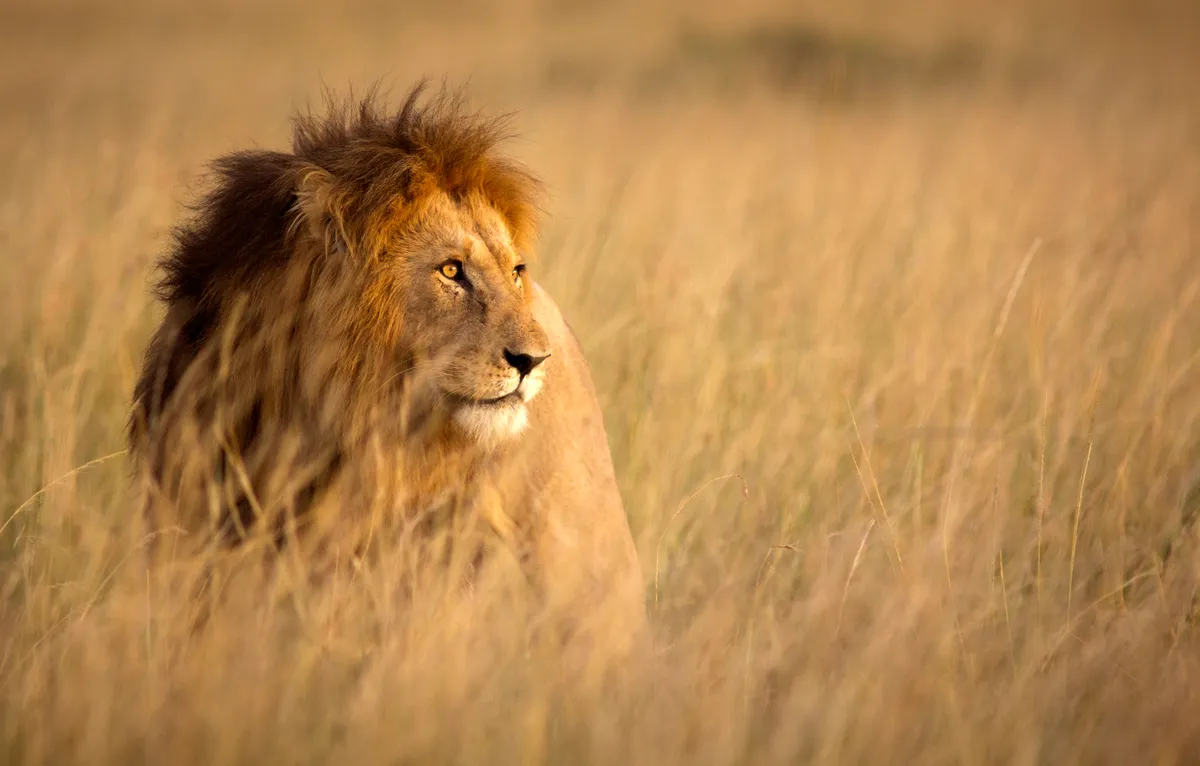
Infanticide, which occurs when adult animals deliberately kill young members of their own species, can be particularly violent. It is widespread in the animal kingdom, where it has been witnessed in insects, fish, amphibians, birds and mammals.
- 10 animals that can kill a lion
- It is one of the most iconic, revered – and feared -mammals in the world – with a powerful roar that can be heard for miles
Most infamously, when a male lion takes over a pride, he kills any cubs that are not related to him. This is part of the reason why most lion cubs die before their second birthday. The practice forces the females to come into oestrus, so the male can then mate and father his own offspring more quickly.
- Why do lions take so many sexual partners?
- From a tender lioness cuddling her cub to a majestic male, king of all he surveys - 13 beautiful lion photographs from the book 'Remembering Lions'
When Kin is not ‘In’

Blood may be thicker than water, but not if you’re a black-tailed prairie dog. The North American mammals also practice infanticide, which damages or destroys half of all litters born. This makes infanticide the biggest source of juvenile prairie dog mortality.
Surprisingly, it’s not the males but the females who are responsible. Lactating females kill the offspring of other females, who they are often closely related to. In a crowded, resource-limited colony, the extreme behaviour is thought to have evolved because the benefits to the killer’s own pups outweigh the costs of harming kin.
Making a Meal of Mum

Kids eh? You raise them. You feed them. Then they eat you alive, at least if you’re a mother crab spider. Crab spiders are native to Australia. Females produce just one clutch of young, which they feed by producing unfertilised, nutrient-dense ‘nurse eggs.’
However, the nurse eggs are too large to physically leave the mother’s body, and when the nutrients they contain leak into the spider’s body, the youngsters start to eat her alive. This is a slow motion act of violence, but the mother does not resist. Sucking on her leg joints, they slowly drain her, before eating her whole.
The Big Face Off

Elephant seals spend most of their lives in the water but come ashore once a year to give birth and mate. During this time, male elephant seals do not like it when rival males show an interest in their harem of females.
- Despite weighing up to 4 tonnes, this mammal can dive to depths of 2000 metres, hold its breath for an incredible two hours and even control its heart rate
- Sea lion vs seal: What's the difference between these two popular pinnipeds
Pushing themselves up on their front flippers, the bulls face off. Then, if no one backs down, a fight ensues. Thunderous bellows. Chest-ramming. Biting and slashing with large canine teeth. The bloody battle escalates rapidly but tends to end within minutes when the loser beats a hasty retreat.
The Great Hamster Massacre
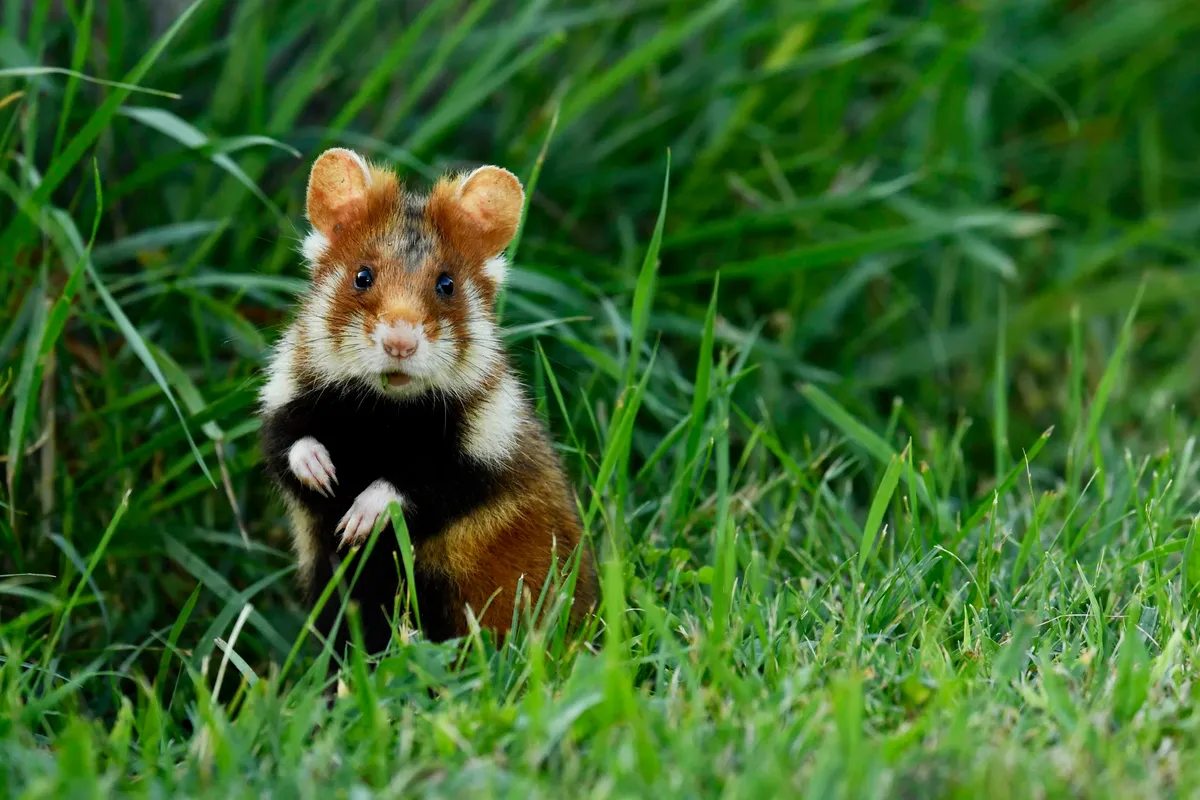
No list of this kind would be complete with a brief nod to hamsters, the cheek-stuffing, wheel-running family pets that are famed for cannibalising their own babies.
Captive and wild hamsters do sometimes scarf their newborns, but when this happens it’s generally a sign of stress in the form of poor diet, over-crowding or neglect.
The mother decides to cut her losses. By recouping nutrients from a litter that was unlikely to survive, she improves her fitness and increases her chances of producing a future healthy litter.