From cool mountain streams bubbling out of the Ethiopian Highlands to papyrus swamps alive with birdsong, the scorching Sahara Desert and the shimmering waters of the Mediterranean, the Nile flows through some of the most spectacular landscapes on Earth.
Stretching for more than 6,600km across 11 countries and draining a basin of around 2.6 million square kilometres, it is often celebrated as the world's longest river. But its greatest wonder lies in the astonishing diversity of landscapes, wildlife and people it connects along the way.
- "He described animals swallowing 94°C water and cooking from the inside out, boiled alive, before being able to escape." 10 deadliest rivers in the world
- "Hippos and crocodiles have been known to capsize boats and kill the occupants..." 10 most dangerous, deadliest swamps on the planet
Stretching across northeastern Africa, the Nile links cool mountain forests, vast freshwater lakes, one of the world's largest wetlands, scorching desert and a fertile delta teeming with life.
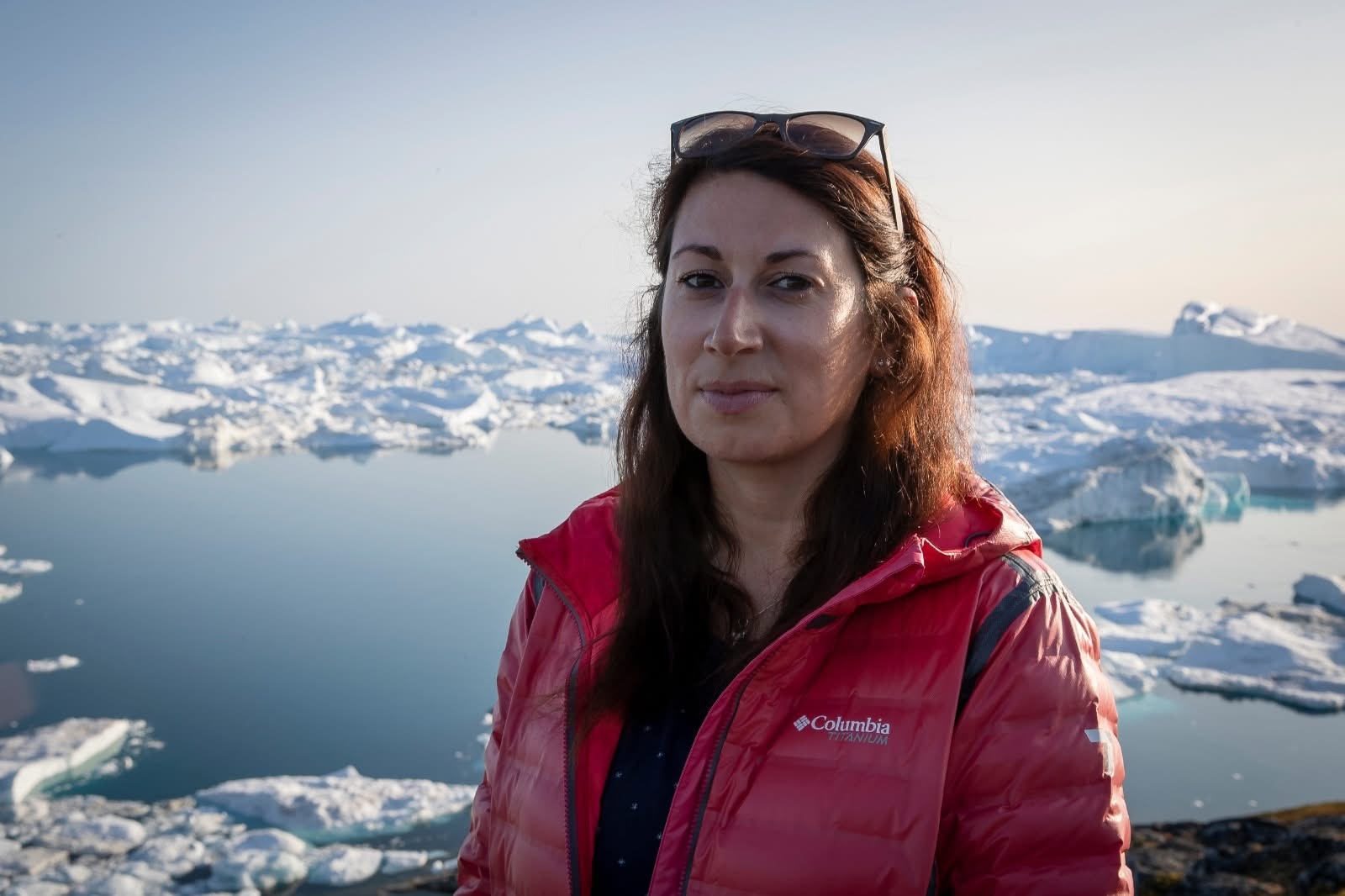
"The Nile is much more than the world's longest river," says Eric Oyare, Freshwater Programme Officer at WWF Kenya. "It is a living system that connects an extraordinary diversity of landscapes, climates and species across northeastern Africa. Few rivers in the world travel through such dramatically different environments."
- "If the ‘gators don’t get you, the algae just might..." 10 most dangerous, deadliest lakes on the planet, including one that turns animals to stone
- "One day it’s there. The next it’s gone. Then it’s back again." 11 weirdest, bizarrest lakes on the planet – including one that contains a fluid that's not water...
The river has two main tributaries. The White Nile begins around Africa's Great Lakes, with Lake Victoria widely regarded as its principal source, while the Blue Nile rises from Ethiopia's Lake Tana. The two meet at Khartoum before flowing north through Sudan and Egypt to form the rich Nile Delta on the Mediterranean coast.
For thousands of years, the Nile's annual floods sustained one of the world's greatest civilisations. Today, the river continues to provide food, freshwater and livelihoods for millions of people across its basin.
Near its headwaters, cool, oxygen-rich waters flowing from the Ethiopian Highlands provide ideal conditions for rare freshwater fish found nowhere else on Earth. Lake Tana is home to the world's only remaining flock of Labeobarbus species, a large, ray-finned freshwater fish better known as yellowfish- an extraordinary example of evolution that has fascinated scientists for decades.
Further downstream, the river expands into the vast freshwater systems around Lake Victoria before reaching the Sudd in South Sudan, one of the world's largest tropical wetlands. Here, papyrus swamps, lagoons and floodplains provide breeding grounds for fish, feeding areas for millions of migratory birds and habitat for hippos, Nile crocodiles and antelope.
As the Nile continues north through Sudan and Egypt, the surrounding landscape becomes increasingly arid. Here, the river forms a narrow ribbon of life cutting through the Sahara, sustaining wildlife, agriculture and millions of people in landscapes that would otherwise be inhospitable. Finally, it reaches the Nile Delta, where freshwater meets the Mediterranean, creating internationally important wetlands used by migratory birds travelling between Africa, Europe and Asia.
- "At worst it can cause necrosis, the death of tissues and organs while the rest of your body still lives." 10 deadliest animals in the Sahara Desert
- It’s almost the size of the US, spans 11 countries and is home to a creature that looks like a sabre-toothed sausage
"What makes this so special is that every section of the river creates different ecological conditions," says Eric Oyare. "Those changing environments have allowed hundreds of freshwater fish species to evolve, each adapted to particular habitats and ways of life."
Although crocodiles and hippos are the Nile's most famous residents, its greatest biodiversity lies beneath the surface. The basin supports hundreds of freshwater fish species, many found nowhere else. Among the most remarkable are elephant fish, which use weak electrical signals to navigate, locate prey and even communicate with one another.
- Staggering crocodile photos reveal just how ferocious these apex predators can be
- Crocodile vs alligator: what's the difference between these two fearsome predators?
Ancient lungfish survive drought by burrowing into mud and entering a dormant state until rains return, while bizarre-looking bichirs can breathe air and even wriggle across short stretches of land between water bodies. The mighty Nile perch, meanwhile, can grow to around two metres long, making it one of Africa's largest freshwater predators.
Above the water, African fish eagles, kingfishers, herons and storks patrol the river's banks, while the Nile Delta provides a vital resting and feeding ground for millions of migratory birds travelling between Africa, Europe and Asia.
"In many ways, the Nile acts as a biological corridor, connecting ecosystems that would otherwise be completely isolated from one another," Eric Oyare explains. It supports hundreds of freshwater fish species, many of which occur nowhere else, while also sustaining wetlands, floodplains and lakes that provide habitat for birds, mammals, reptiles and countless other organisms.
The Nile's importance extends far beyond wildlife. For thousands of years it has sustained agriculture, transport and trade, while today millions of people still depend on the river for food, clean water and their livelihoods.
Yet this extraordinary river faces mounting pressures. Dams, wetland drainage, pollution, deforestation, unsustainable fishing and climate change are all placing increasing strain on freshwater habitats. Changes to the river's natural flow disrupt fish migration and breeding, while declining water quality threatens species throughout the basin.
Despite these challenges, the future is far from hopeless. "Protecting wetlands, restoring degraded habitats, improving water quality, managing fisheries sustainably, maintaining more natural river flows and conserving free-flowing rivers can all help reverse these trends," says Eric.
Few rivers have shaped both wildlife and humanity so profoundly. Protecting the Nile means safeguarding not just one river, but one of Earth's greatest living landscapes.