
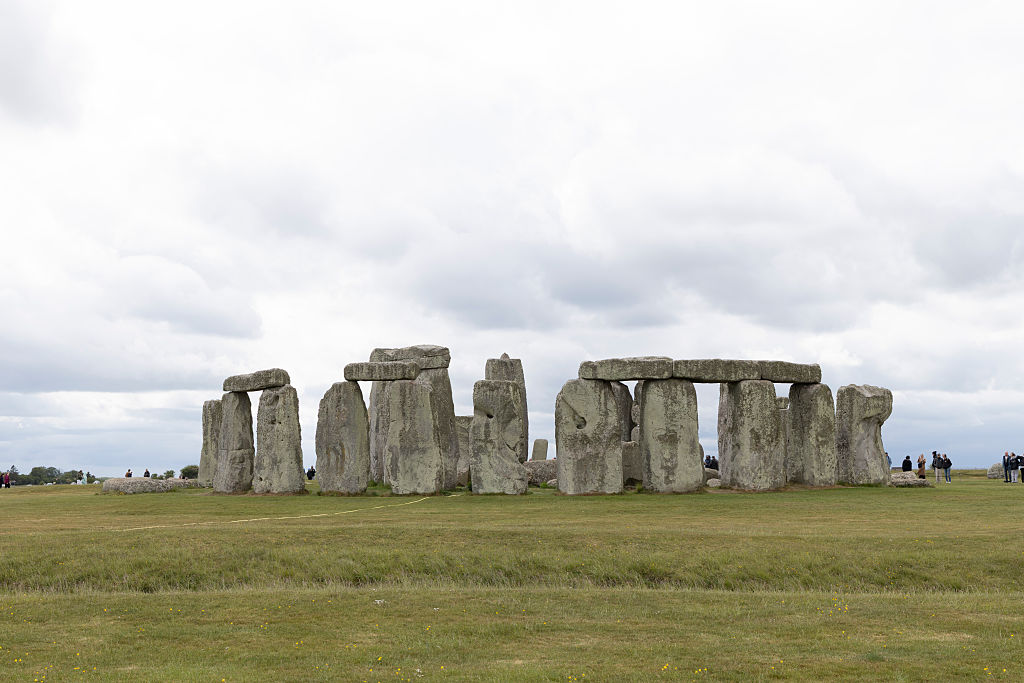
The iconic monument of Stonehenge is one of the must-see sites in Britain, with its mysterious history and unique solstice celebrations. The stones are a prehistoric temple aligned with the sun’s movements, as the sun rises over the Heel Stone on the longest day of the year (summer solstice) and sets over it on the shortest (winter solstice).
But beyond the famous stone circle and reconstructed Neolithic houses at Stonehenge lies a historic Wiltshire landscape. This rich archaeological environment does not just encompass an ancient World Heritage Site – it also plays host to a wide array of native wildlife species.
Thanks to the carefully preserved chalk downland of Stonehenge, the area provides vital habitats for an extraordinary variety of British flora and fauna.
- What's the oldest tree on the planet? Clue – it's older than Stonehenge
- When a 3,700m mountain collapsed, it created the deepest lake in the US. Here's what lives there now
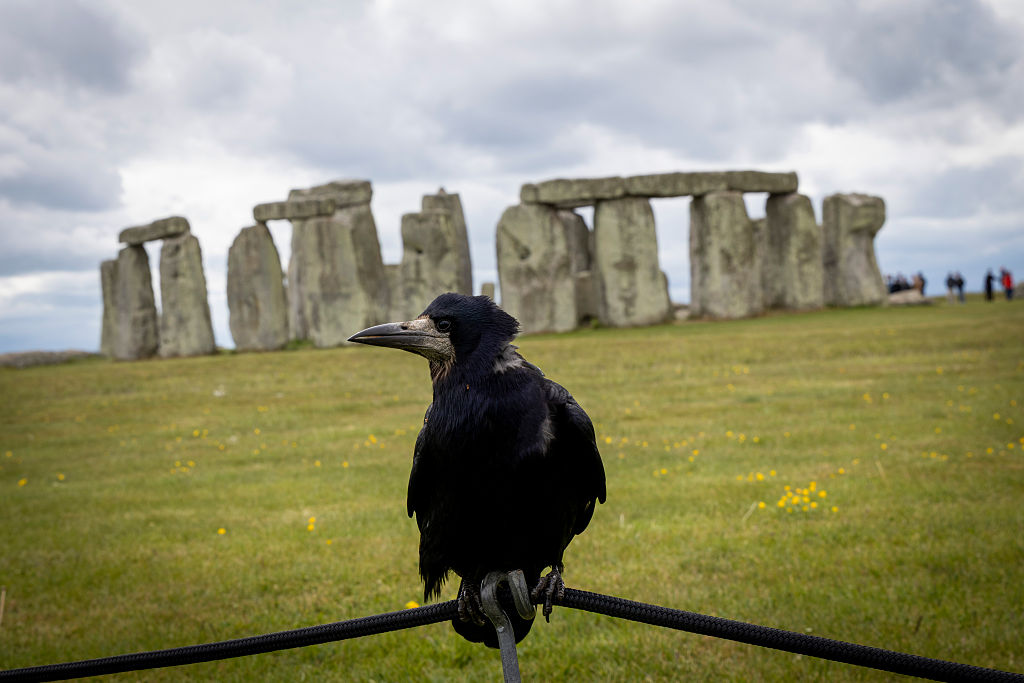
Birdlife at Stonehenge
There are eight different species of corvid in the UK, and four are commonly seen in the surrounding landscapes of Stonehenge: carrion crows, rooks, jackdaws and magpies.
Great bustards became extinct in the UK in the 1830s as a result of habitat loss and hunting. Fortunately, these birds have been reintroduced to Wiltshire thanks to the efforts of the Great Bustard Group, now with a self-sufficient breeding population in the county.
Goldfinches are often spotted near the stones in spring, while house sparrows are a regular sight at the visitor centre, enticed in by the promise of food scraps.
Visitors can also witness murmurations of starlings overhead during the winter months.
Although the skylark isn’t often spotted, it’s more regularly heard, with singing heights of between 50 and 100 metres.
Birds of prey, including kites, owls, kestrels and buzzards, are also a regular sighting at Stonehenge.
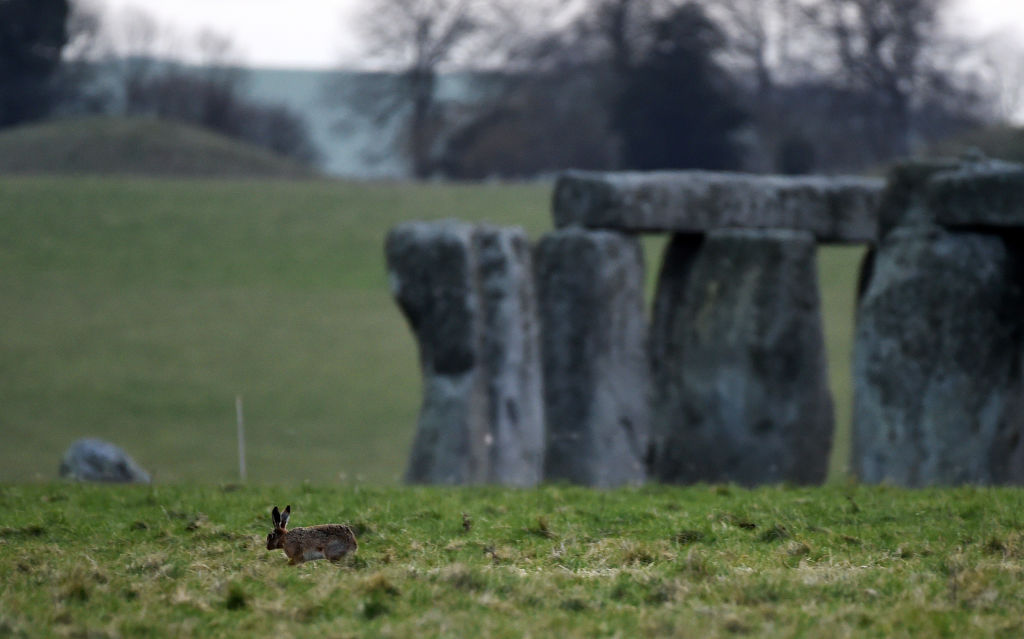
Mammals at Stonehenge
Brown hares often travel around the site in spring, which is their breeding season. This is also the period in which they engage in their famous ‘boxing’ behaviour.
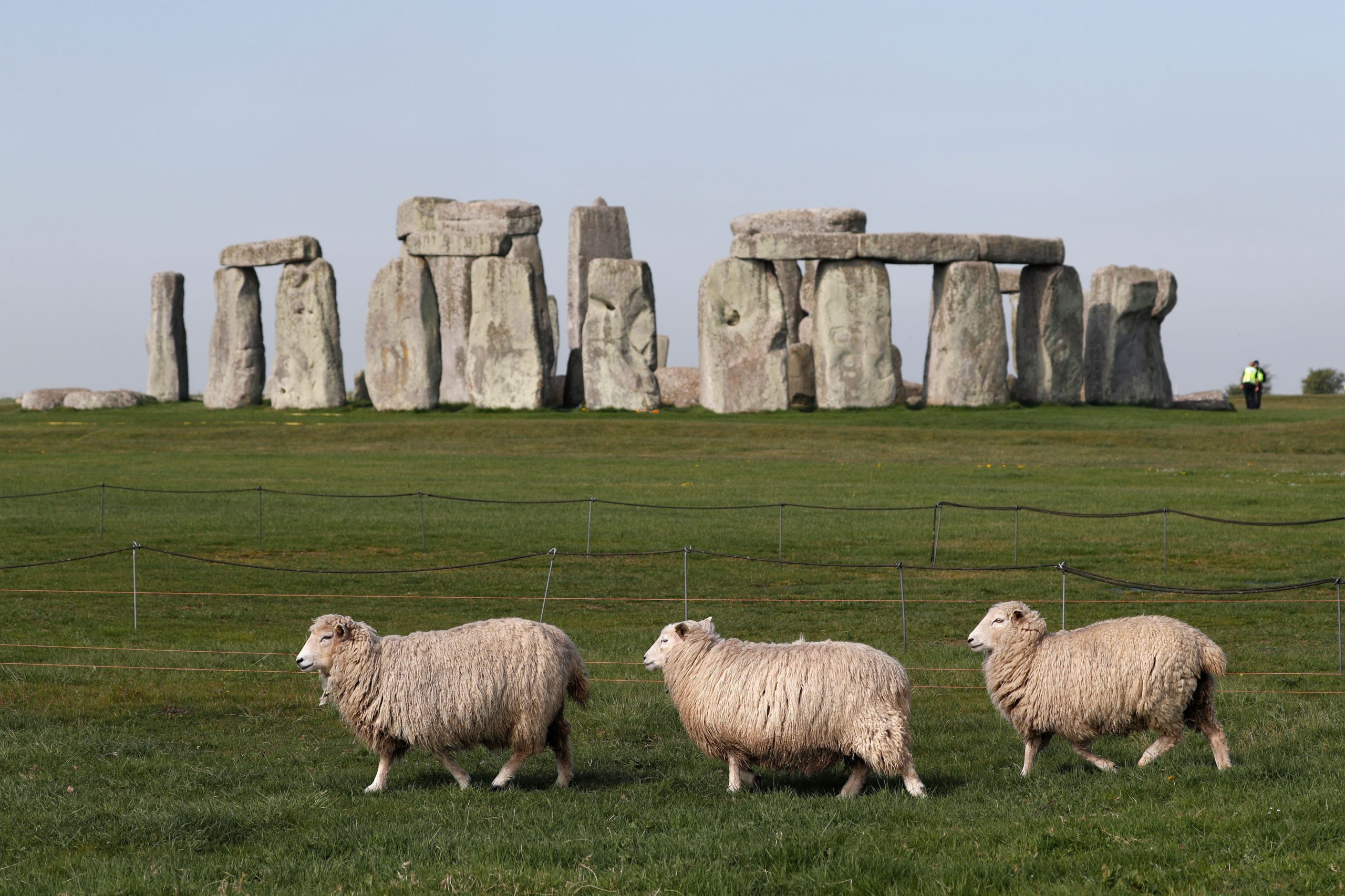
Herds of cows and flocks of sheep have long been a familiar sight at Stonehenge, as the land around the stones has been tended to by grazing animals for many thousands of years.
Interestingly, recent research found that 4,000 years before the stones were constructed, the wildlife in the area would have included red deer, elk and wild boar.
Butterflies at Stonehenge
Some of the UK’s most endangered butterflies can be spotted at Stonehenge, thanks to its chalk downland habitats. Included among these are the Adonis blue and the Duke of Burgundy.
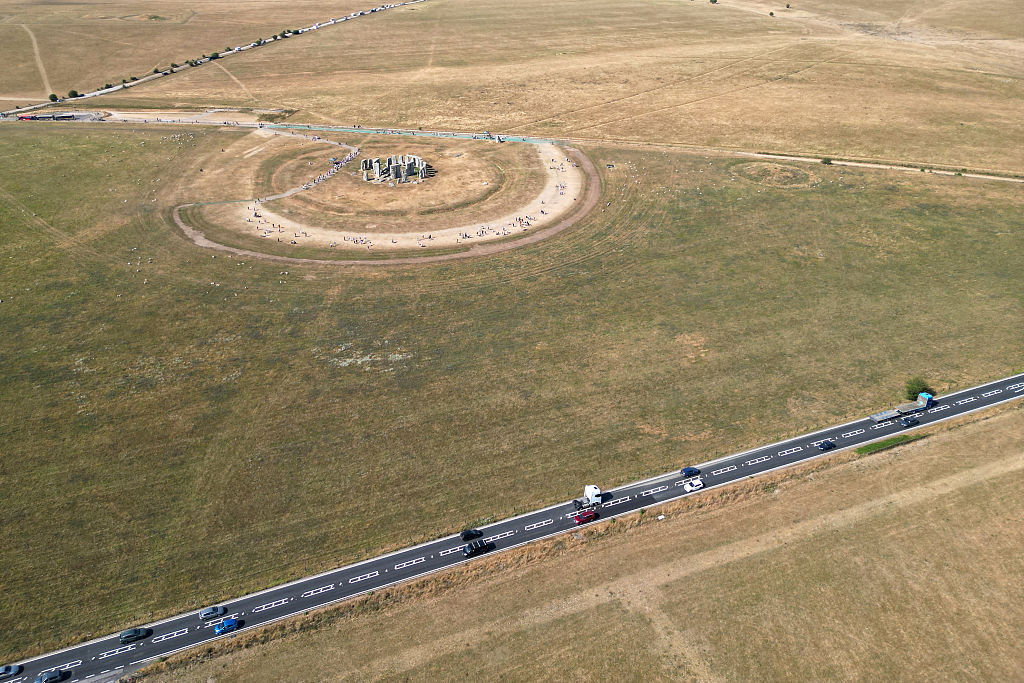
Top image: an aerial view of Stonehenge Karl Hendon/Getty Images


