In a practice that goes back hundreds of thousands of years, hunter-gatherer groups today light fires at night to keep wild animals, and predators especially, at bay – animals are afraid of fire, the reasoning goes, and a campfire will keep you safe while you sleep.
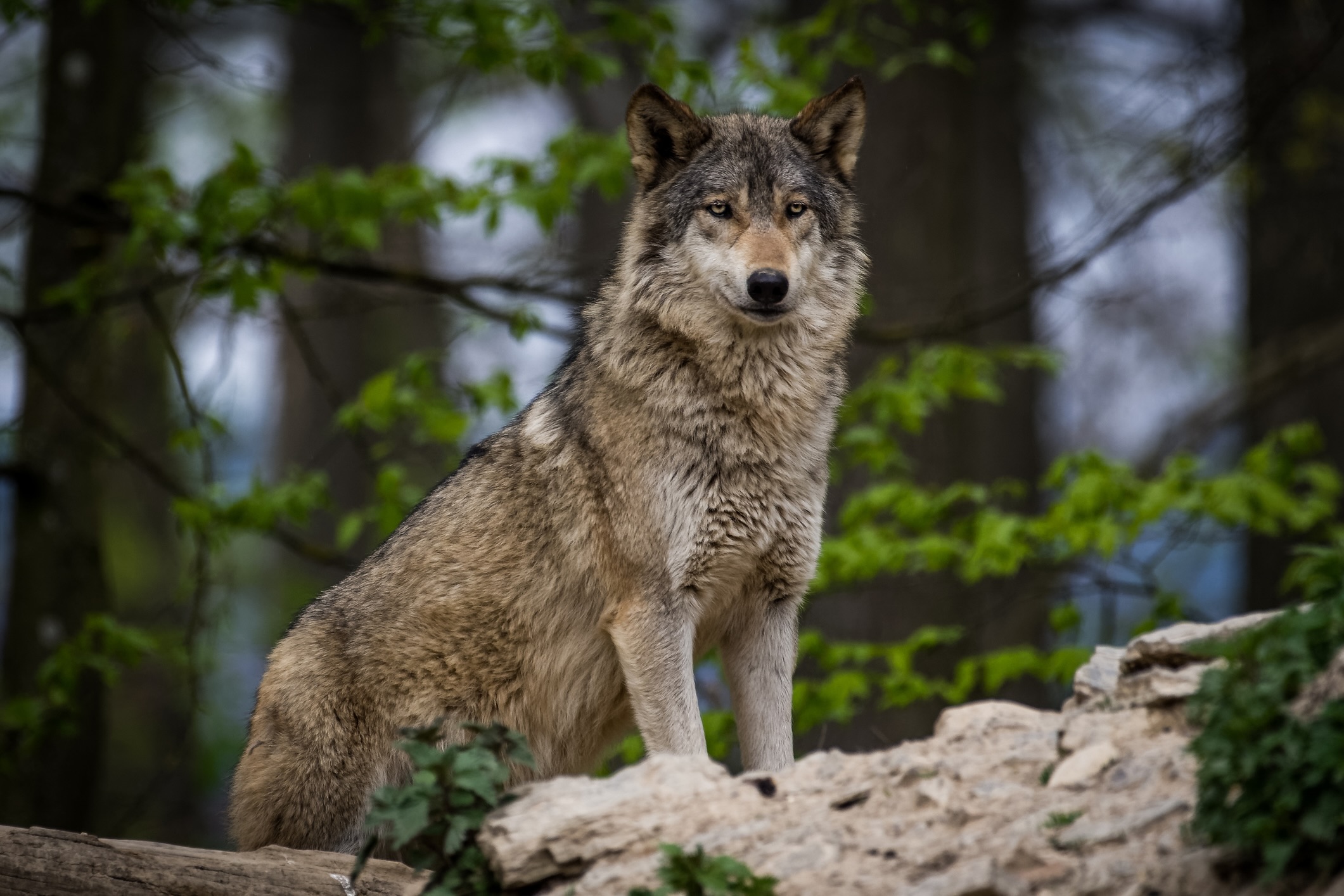
But not all predators, it seems. A new paper published in the Journal of Animal Ecology has found that wolves in north-east British Columbia are actively drawn to wildfires.
The scientists from the ecological consultancy SwampDonkey Solutions speculate the wolves may sense hunting opportunities presented by the fires as their prey, such as moose (or elk in Europe), caribou and beavers flee for their lives.
“Wolves are either stalking around the edges of the fires and seeing if they can make a go of picking stuff off as they’re running away,” says Jesse Tigner, an applied ecologist who set up SwampDonkey. “Or they are coming back to unburned inclusions in the recently burned areas to suss out prey.”
Wolves are trading off potential risks and benefits of getting closer, not further away, from fires, the paper explains. “Wolves selected habitats near active fires, especially longer-lasting ones, while avoiding hazardous fronts and moving faster through smokier areas,” it says.
Wildfires are common in boreal ecosystems, which are cold northern habitats with extensive conifer forests. “There have been fires in the boreal since the boreal became an ecosystem,” says Tigner.
Recent years have shown a massive increase in the extent of these wildfires. In the more than 6 million hectares of the study area, nearly 1.4 million hectares were affected by wildfires in 2023 and more than 650,000 hectares in 2024.
“In those two years combined, more burned across this area than in its entirety since BC started keeping records in 1911,” Tigner says.
The paper says more research should be carried out to assess how wildfires affect the wolves hunting success and prey behaviour and also wolf survival – though no fire-related deaths of wolves were recorded during the course of this study.
There are very few other examples of animals exploiting wildfires for predation opportunities – one other is raptors such as black kites intentionally transporting smouldering sticks to areas of unburned grasslands to flush out prey.
This research did not look at whether other predators in the area – which include black and grizzly bears and wolverines – also potentially take advantage of the fires in the way the wolves do. Tigner will only say that wolves do stand out from these other carnivores.
“Wolves are very smart,” he says. “They’re pack animals and I suspect there’s a lot of information gathering and then communication back to the pack, and that is very different behaviour to those other species.”
Find out more about the study, published in the Journal of Animal Ecology.
More wildlife stories from around the world
- Fighting fire from space: How AI could save millions of Australian animals from deadly wildfires
- “I moved to remote cabins in Yellowstone National Park and learned to speak with the wolves – this is what they’ve taught me”
- Rare black wolves caught on trail camera in Polish forest
- Coastal wolf found dead in lair on Alaskan island – dissection reveals curious thing that caused it