Saltmarshes are low-lying areas of salt-tolerant vegetation that are flooded daily by tidal water, and they are important feeding areas for many bird species and nurseries for young fish.
They are also increasingly recognised for the ecosystem services they provide to humans – they are significant carbon stores and help to take carbon dioxide out of the atmosphere, and they can protect against storm surges that threaten people living in coastal areas.
But Pim Willemsen, a postdoctoral researcher studying nature-based solutions at Wageningen University & Research and Deltares in the Netherlands, and colleagues from other Dutch institutions, wanted to find out whether saltmarshes were damaged by the storm surges they protect us from and whether that compromised their usefulness as the first line of defence.
As Willemsen says, in the Netherlands there is substantial artificial protection, in the shape of dykes, against extreme weather events that could potentially flood vast areas of low-lying land.
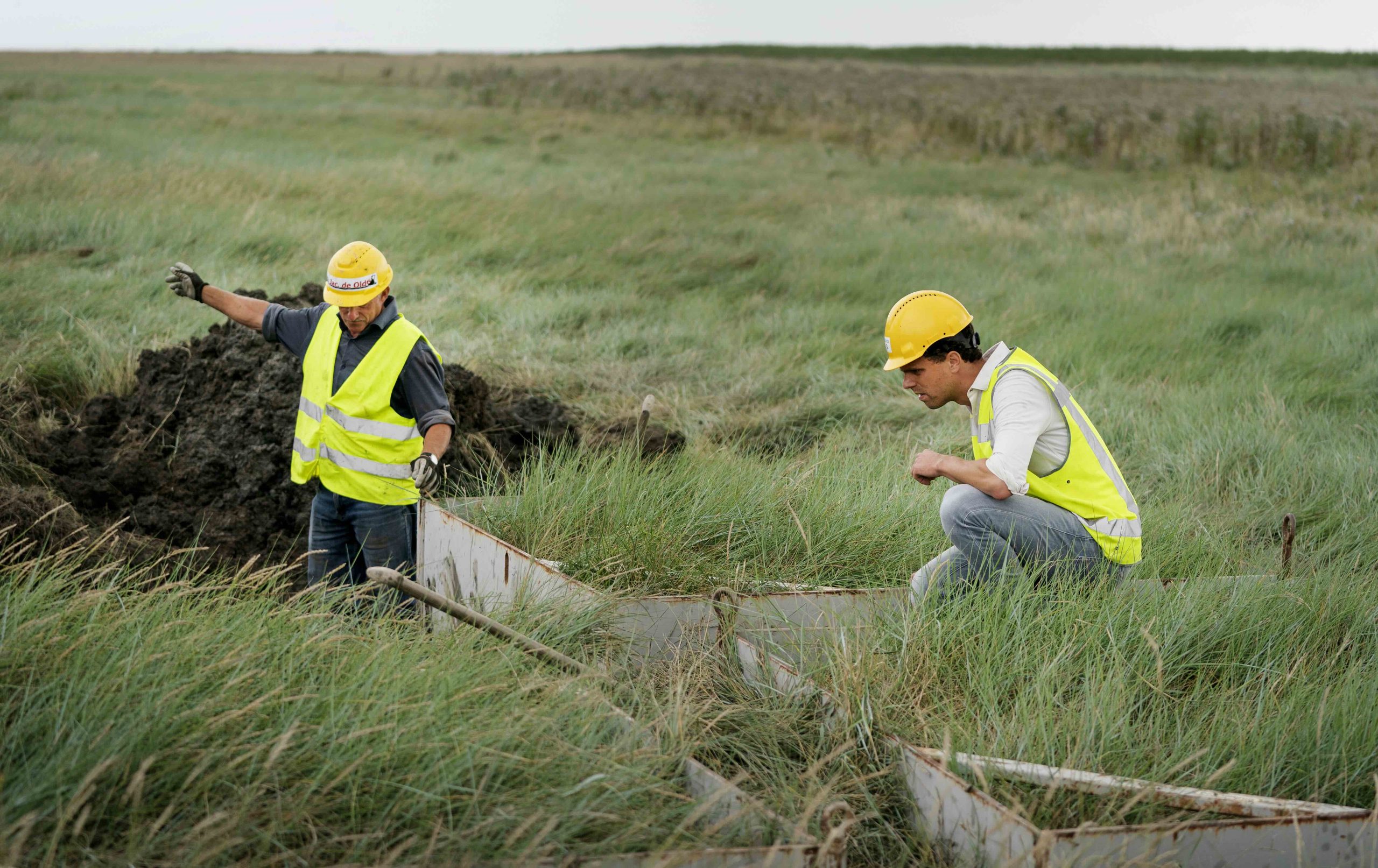
Saltmarshes also supplement these human defences. First, they provide a slightly higher substrate on which the waves can break and second the vegetation itself creates friction that reduces the height of the waves.
But those plants can be broken by strong waves, potentially reducing effectiveness of the marsh in subsequent storms.
“The Dutch national Flood Protection Programme were not sure what a saltmarsh could do,” Willemsen says. “They were not sure whether it is resistant to erosion and whether it could be taken into account as a coastal protection measure.”
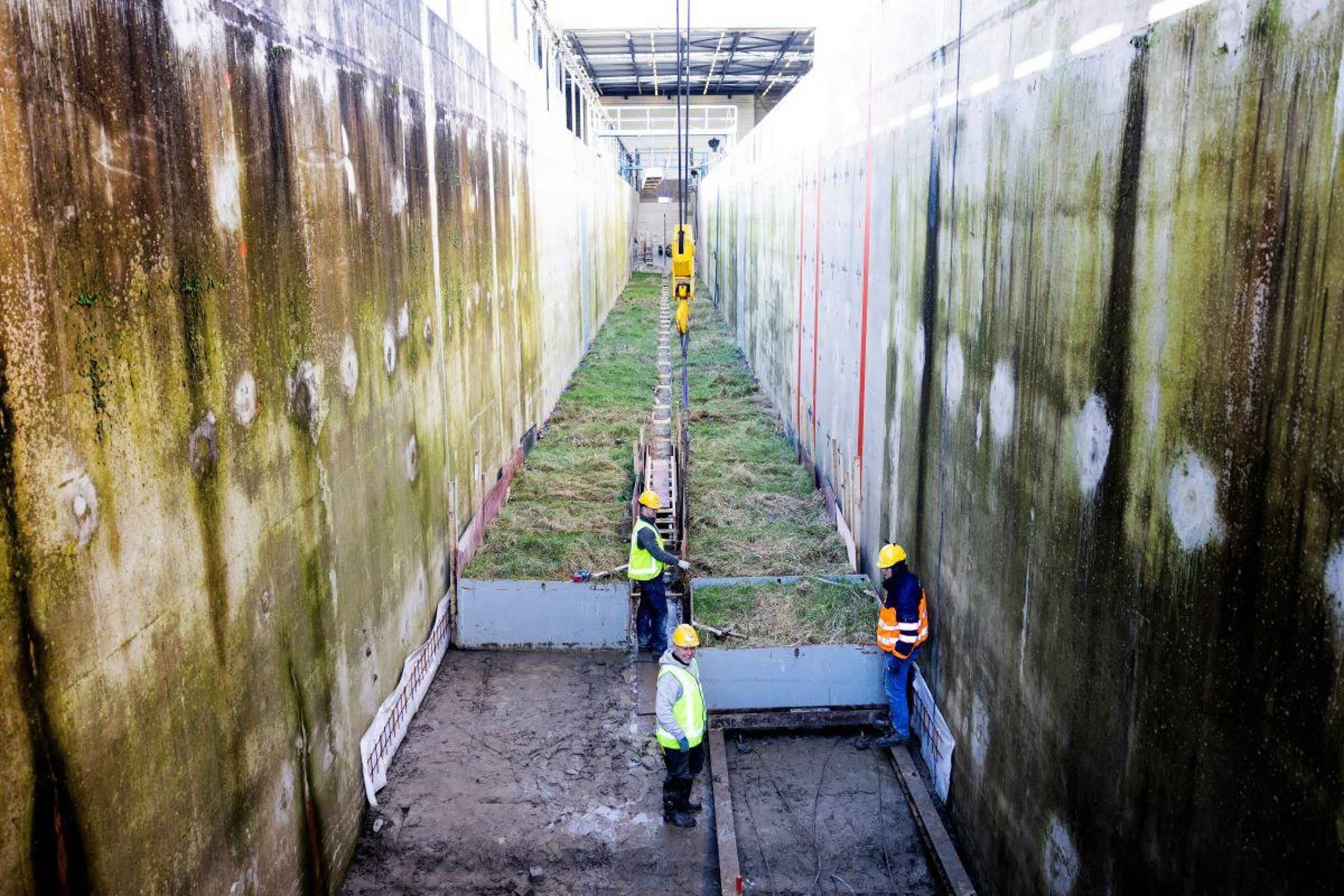
So Willemsen and his colleagues devised an experiment in a giant, artificial wave flume in which they pounded huge sections of saltmarsh, that had been transferred from natural habitat, with up to two-metre waves at eight second intervals for 21 hours. The results of this study have been published in Nature.
- From New York to Mexico City, some of Earth's biggest cities are sinking, say scientists
- 10 sinking islands that could be lost forever
The results show that the saltmarsh remains remarkably intact even after experiencing conditions that would represent a very severe storm. Its surface was reduced by an average of just 7mm during the experiment, and about 30 per cent of the plant material was lost.
“It surprised us how strong the saltmarsh was under these extreme waves, with almost no erosion during the experiment,” says Willemsen.
The presence of the saltmarsh resulted in a reduction in the height of the waves of at least 10 per cent and up to 50 per cent, the researchers report. Willemsen’s colleague Victoria Mason, from the Royal Netherlands Institute for Sea Research (NIOZ), says, “The marsh plants were able to withstand the waves and broke surprisingly little, enabling them to consistently contribute to wave attenuation.”
Willemsen says the unexpectedly strong results for the performance of the saltmarsh is already having real world benefits. Along one 15km stretch of the Netherlands coast, engineers can reduce the expected upgrades to the dyke because they know more about the level of protection provided by the saltmarsh, saving millions of Euros as a result.
And that’s important because there are an estimated 680 million people worldwide living in low-lying areas. Knowing they can rely on the ecosystem services of saltmarshes or other coastal habitats will help provide incentives to conserve them, for the benefit of humans and wildlife.
More wildlife stories from around the world
- “That's just insane.” Elephant dies in South Africa – and scientists are stunned at what happens next
- Forest eagle finds goose eggs in nest. What happens next is staggering
- Alaska's rivers are turning bright orange - and we know why
- Scientists put tiny greenhouses over Antarctica’s only two flowering plants and left them there for 7 years. Here's why