
Antarctica is home to only two flowering plants. Scientists have just discovered they’ve developed different strategies for surviving long-term warming.
A seven-year-long study – one of the longest of its kind ever conducted in maritime Antarctica - has revealed that the continent’s only two native flowering plants have responded differently to simulated warming in the field. The study offers some hope for those ecosystems on the edge of the world and most susceptible to climate change.
Antarctic hairgrass (Deschampsia antarctica) and Antarctic pearlwort (Colobanthus quitensis) are Antarctica’s only two native vascular plant species. Neither grow very large, forming low clumps no taller than 5cm in wet, protected habitats between rocks.
While they may be small and unassuming, a study conducted by a team of Chilean and Spanish researchers has demonstrated that these plants are fighters. The study, published recently in Physiologia Plantarum, shows that D.antarctica and C.quitensis developed contrasting physiological responses to the same warming conditions.
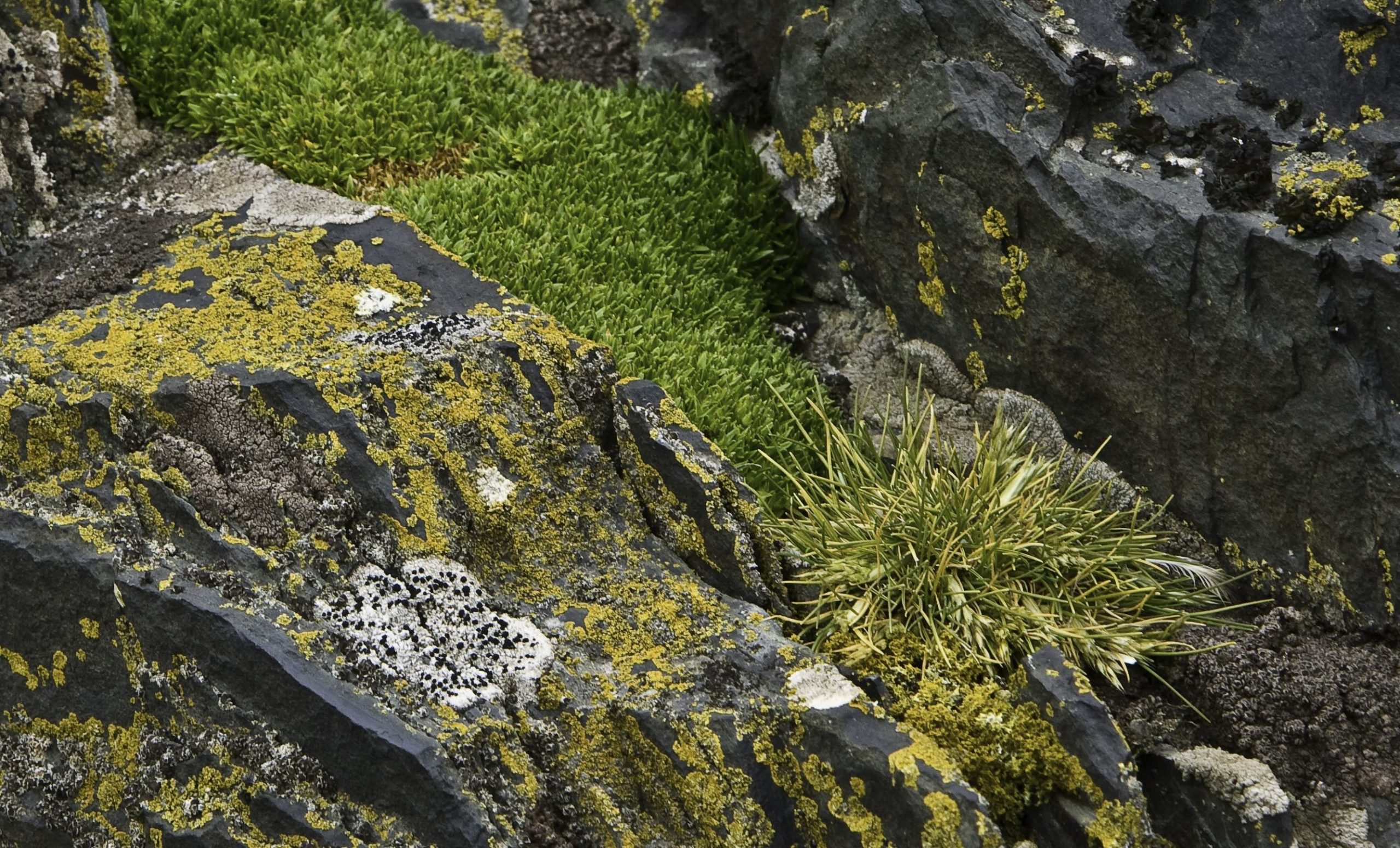
“What we found is that coordination between water transport and photosynthesis is essential for these plants to survive in Antarctica, but each species addressed this challenge differently under warming,” said Patricia Sáez, a co-author of the latest study.
“D.antarctica prioritised stability, while C.quitensis prioritised plasticity. This contrast provides valuable clues about how Antarctic vegetation may respond to an increasingly changing climate.”
While they may be small and unassuming, a study conducted by a team of Chilean and Spanish researchers has demonstrated that these plants are fighters.
After seven years under passive warming conditions, D.antarctica reduced both its leaf hydraulic conductivity and photosynthetic rate – adaptations the authors interpret as a conservative water-use strategy. Meanwhile, C.quitensis showed the opposite response: it increased its hydraulic conductivity, photosynthetic capacity, cell-wall elasticity, and water and CO₂ transport, seemingly in a bid to conserve heat.
Indeed, warming temperatures have prompted C.quitensis to spread rapidly in the last decade. A 2017 study found that northern populations of C.quitensis had spread to areas outside Antarctica, while southern populations were held back by lower temperatures.
- East Antarctica recently gained almost 700 billion tonnes of ice – and scientists know why
- Amazing new penguin discovered for first time in over 100 years
To study the plants’ responses to long-term warming, a team of researchers from the Institute of Ecology and Biodiversity, Universidad de La Frontera, Universidad de Concepción, and the Anillo ATE253400 project established several plots and surrounded them with open-top chambers (OTCs). OTCs passively warm internal air by several degrees and allow researchers to study how plants respond to increased temperatures.
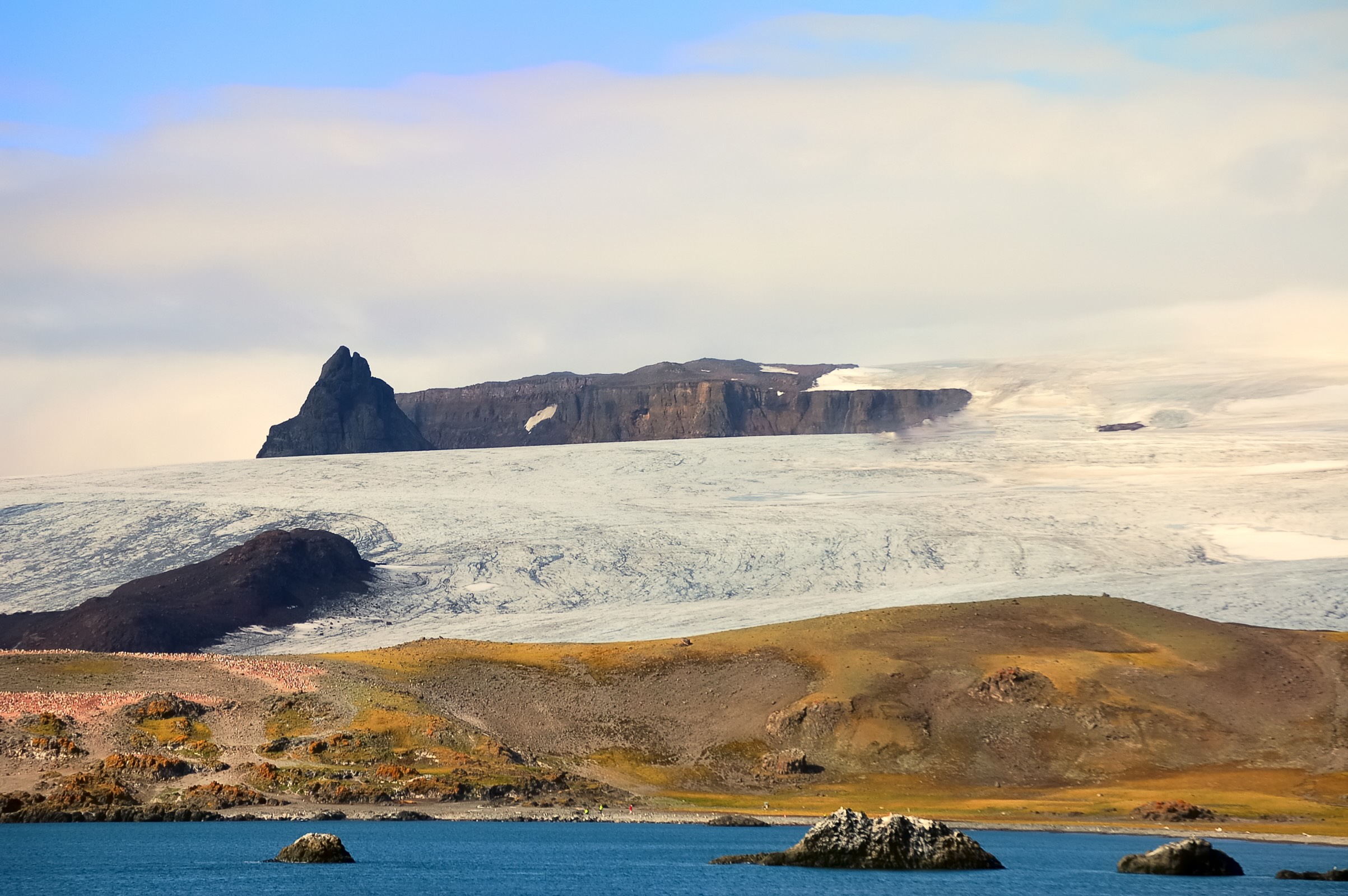
The experiment began in 2012 on King George Island, just north of the Antarctic Peninsula. It ran for a total of seven years and was the first field study to jointly assess leaf hydraulic traits, xylem anatomy, and photosynthetic performance in both plants under a sustained warming regime.
By conducting the study in the field, the researchers were able to document ecologically relevant aspects of climate change, such as increases in freeze-thaw events, rather than focussing solely on rising mean temperatures - an experiment that could have been conducted in a laboratory environment.
The findings of this latest study help explain why both species have expanded in Antarctica over recent decades, despite regional warming.
“What is interesting is that there is no ‘single’ way to respond to climate change. These two plants represent two extremes along the same adaptive continuum, and this diversity of strategies is probably part of what explains their shared success in one of the most extreme environments on the planet,” said another co-author, Lohengrin Cavieres.
The findings also help to explain how both species have been able to coexist, even though they grow in very similar habitats.
“These two plants have coexisted in Antarctica for a long time,” added Cavieres. “This study shows us one possible reason why: they do not compete for resources in the same way because they respond to warming differently. Understanding this complementarity is key to anticipating how Antarctic vegetation will change over the coming decades.”
While climate change threatens to wreck ecosystems worldwide, particularly those at higher latitudes like Antarctica, this study shows that some may be able to weather the upcoming storm and even thrive in a warmer world. As warming trends continue, the resilience of plants like D.antarctica and C.quitensis shows us that nature isn’t yet ready to give up the fight.
Find out more about the study, published in Physiologia Plantarum.
More stories from around the world
- Massive iceberg hits Antarctic island. Here's what happened to the penguins that live there
- Arctic bobtail squid seen alive in natural habitat for first time ever
- When a giant iceberg calved from the Antarctic Peninsula, it revealed a deep-sea world never seen by humans
- Colossal flood explodes through Greenland Ice Sheet. What scientists find in aftermath astounds them


