
In July 2025, a huge iceberg grounded off Coulman Island in Antarctica, 3–5km north of a large emperor penguin colony. The iceberg – which was 13.9km long and 4km wide – remained there until January 2026, when it eventually detached from the island and drifted off eastwards.
The event coincided with the penguin colony’s breeding season (June to January), which had one of its worst years on record – the number of chicks in the colony decreased by around 69% in 2025 compared with 2024.
In a new paper published in Communications Earth & Environment, scientists suggest that the iceberg likely restricted the adult penguins’ access to important food sources, which they need to feed their unfledged chicks.
- “Unbelievable thing to see.” Drone captures never-seen-before footage of penguin chicks plunging 50 feet into Antarctic Ocean
- Gigantic iceberg breaks free in Antarctica, revealing ghostly mega-nest beneath
Standing 1.2m tall, emperor penguins are the largest of the world’s 18 penguin species. These Antarctic birds rely on two things for a successful breeding season: stable ice and access to foraging grounds. The latter requires access to open water food sources, where the penguins prey on silverfish and other fish species, as well as krill and the occasional squid.
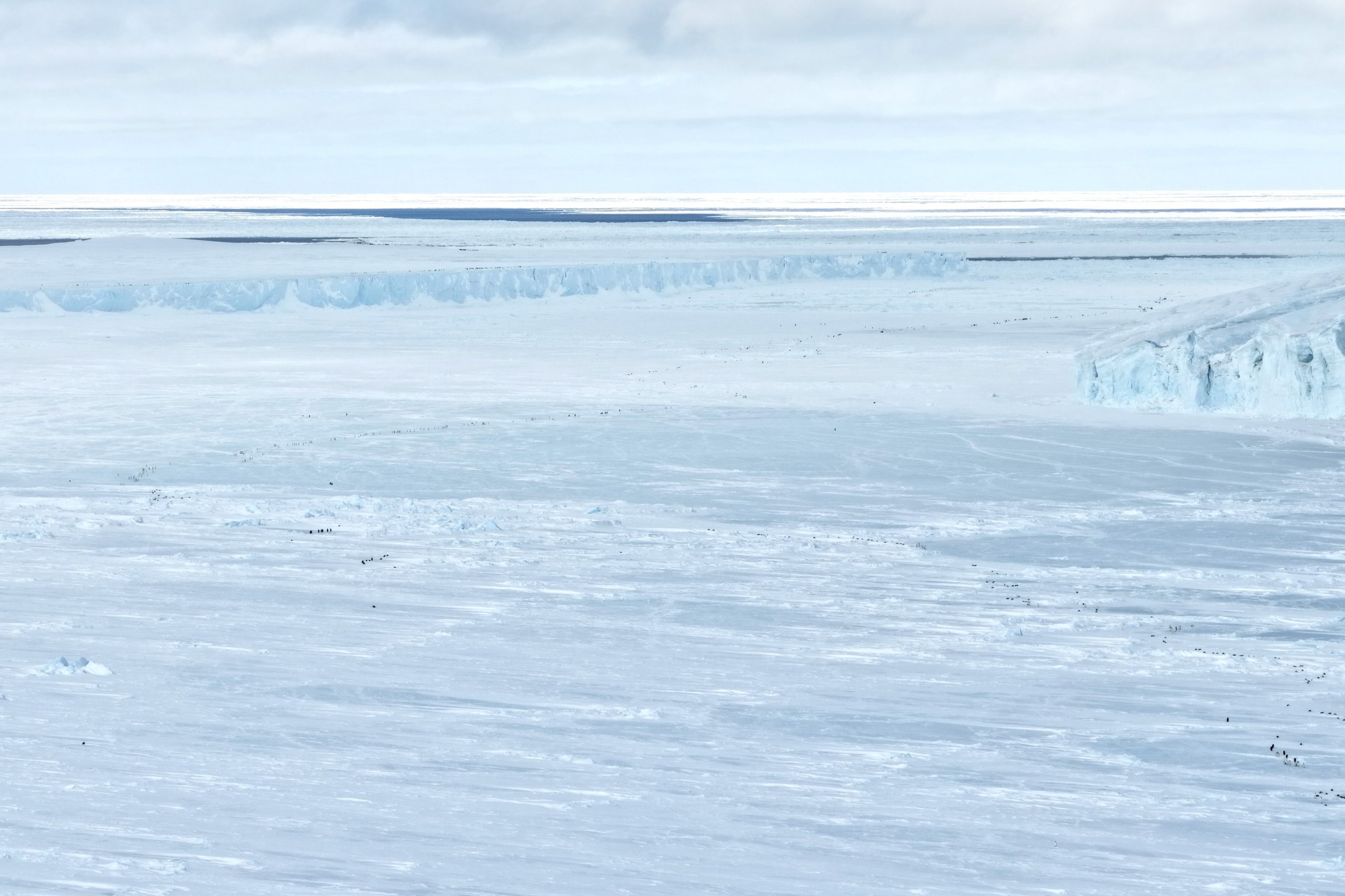
However, the grounded iceberg impeded the penguins’ usual route to their feeding grounds, say the authors in the study: “The iceberg was positioned along a primary commuting route between the breeding site and offshore foraging areas extending northward and northeastward from the colony.”
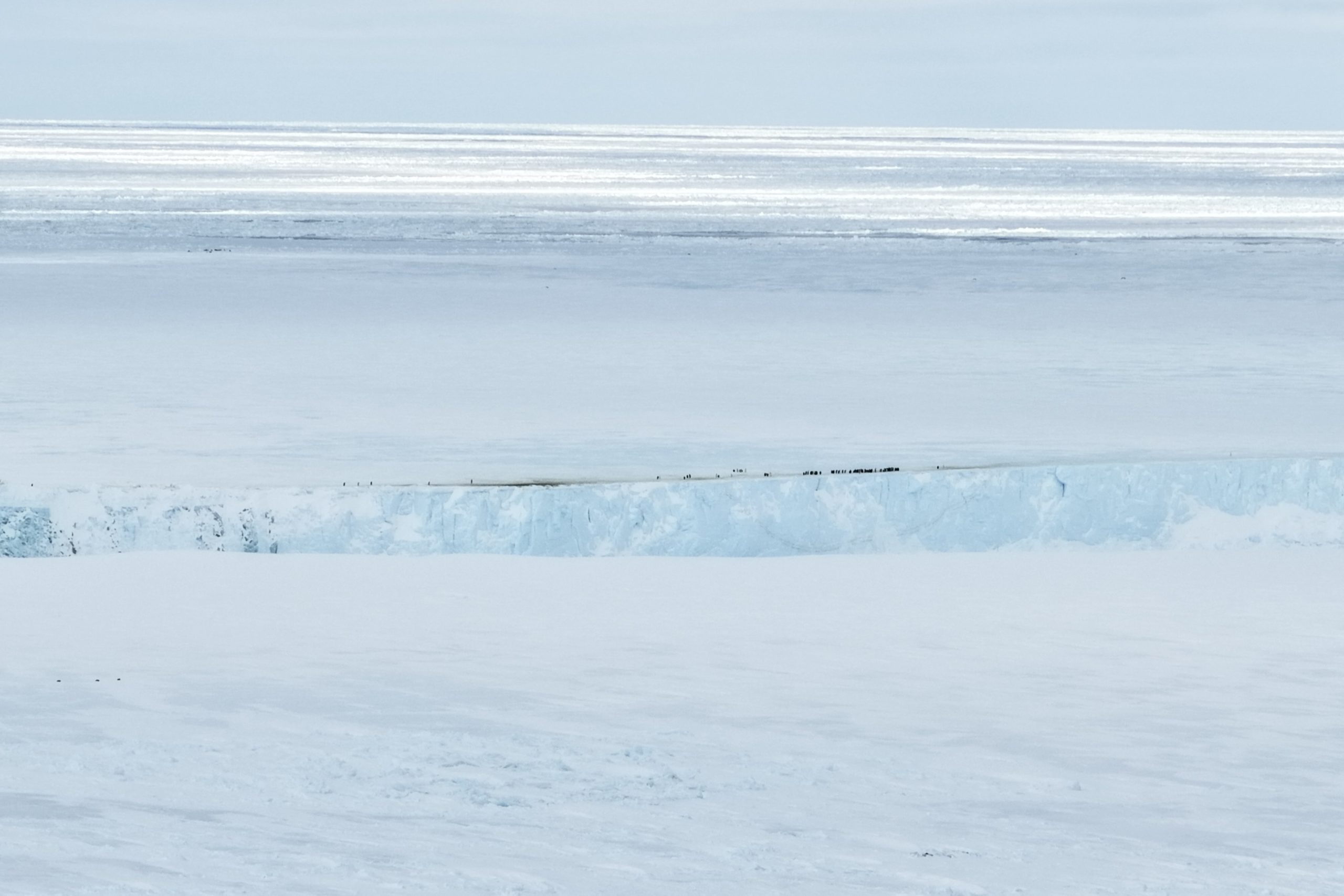
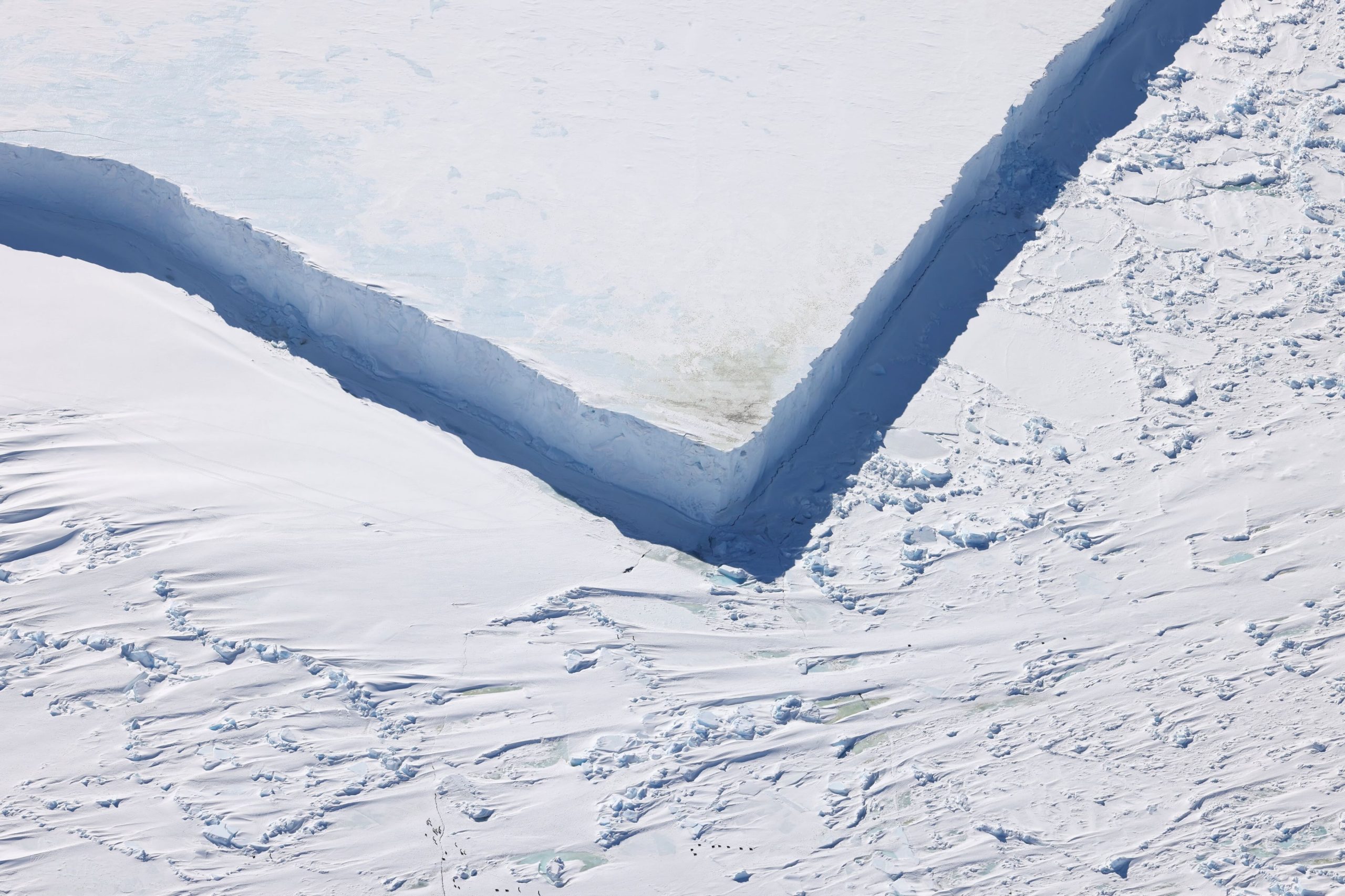
Using a combination of field observations and aerial imagery, lead author Jeong-Hoon Kim and the team calculated that the iceberg’s steep southern wall measured more than 20m in height – a formidable obstacle for the penguins that increased the distance they needed to travel for food from around 9.3km in 2024 to around 14.9km in 2025.
The researchers suggest that the additional 5.6km of commuting to find food contributed to the penguins’ reduced breeding success in 2025. Aerial surveys conducted in November and December 2025 recorded 6,658 live chicks, roughly 69% fewer than both the 2024 count and the 2017–2024 mean count.
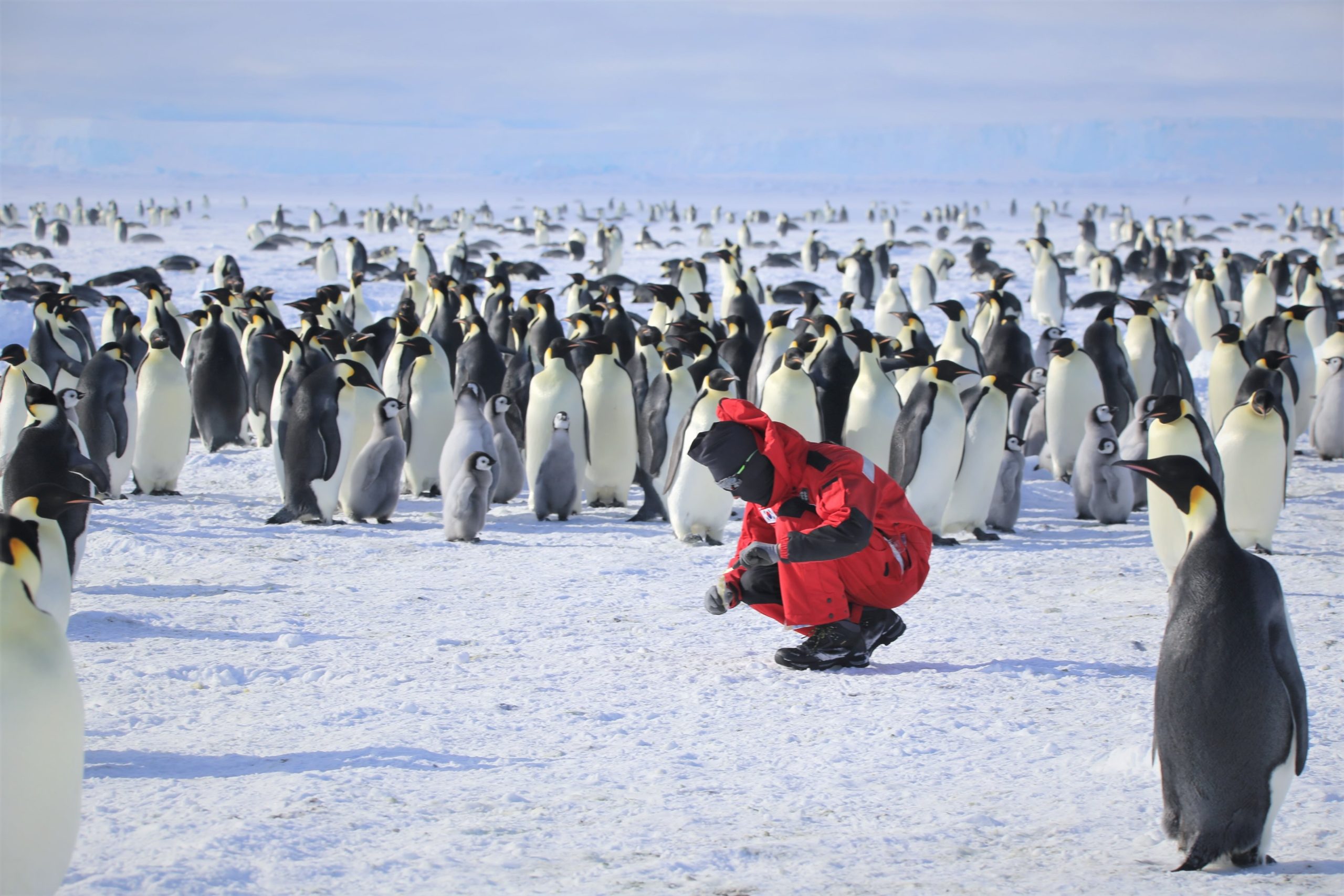
The study shows that icebergs have the potential to affect the breeding success of penguin colonies, even when other variables, such as sea ice conditions, are favourable.
The authors add that “future assessments of emperor penguin breeding prospects would benefit from accounting for the potential influence of stochastic [random] iceberg–sea-ice interactions, including calving timing, drift pathways, grounding probability, and residence time near breeding sites.”
In pictures: Coulman Island emperor penguin colony
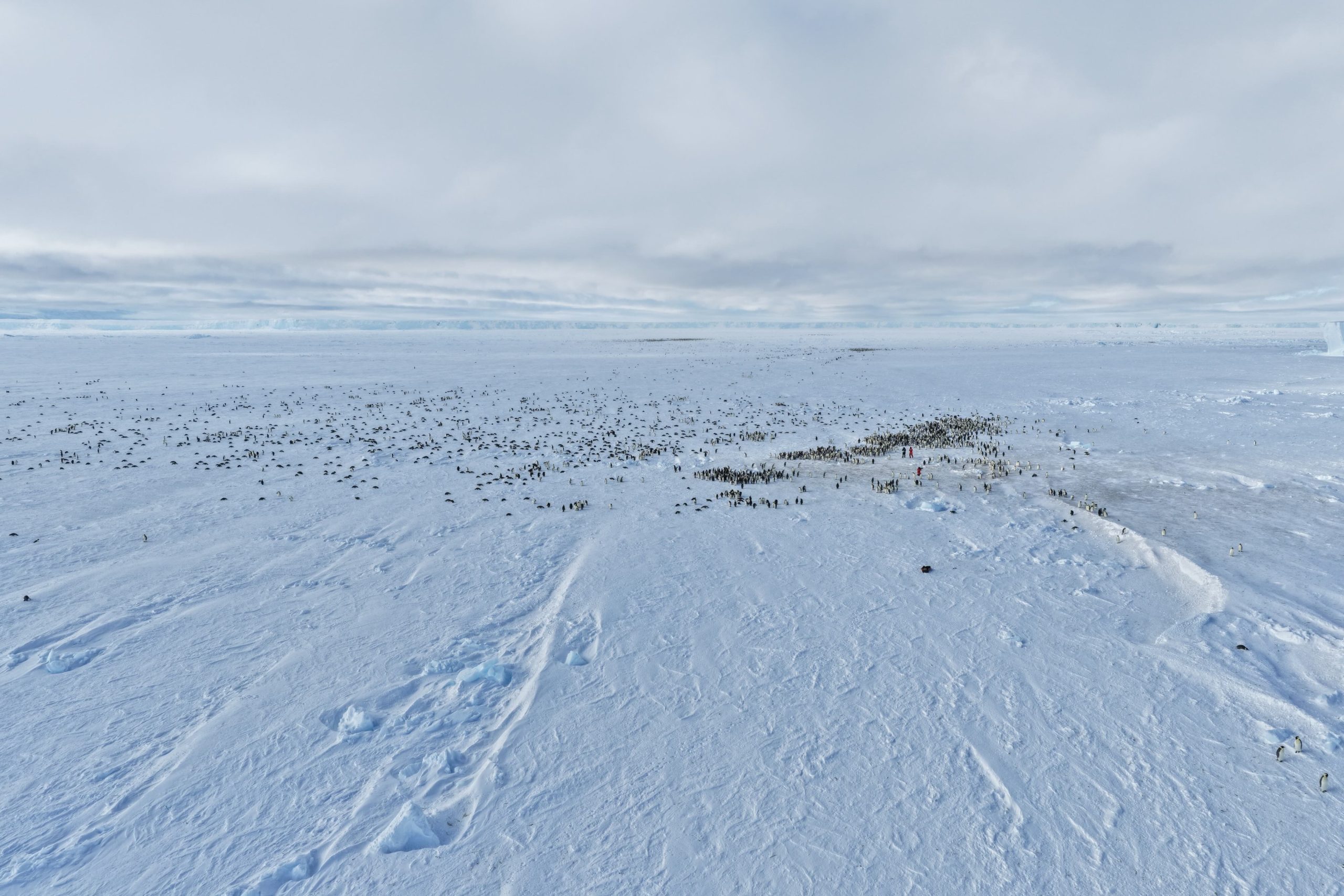
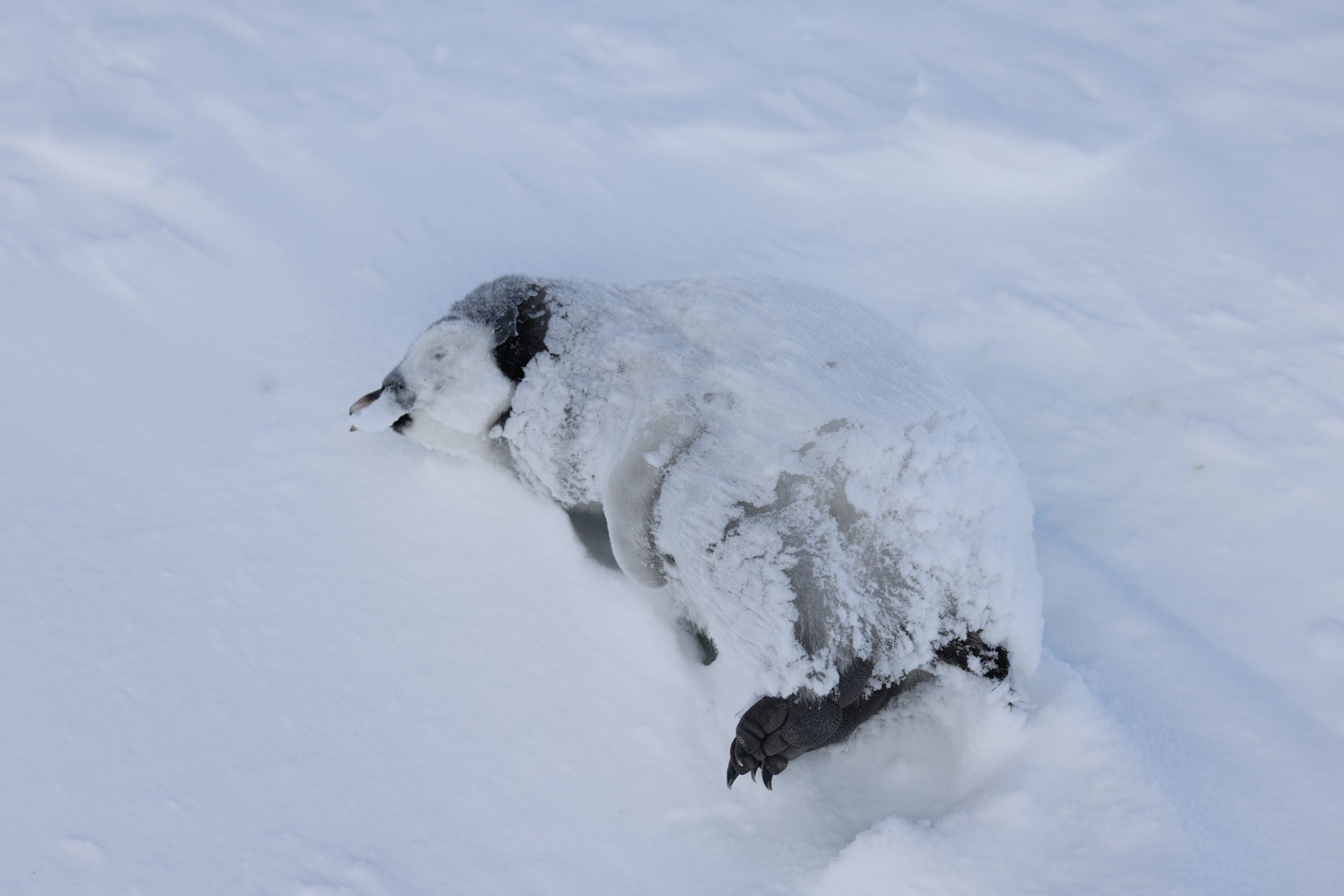
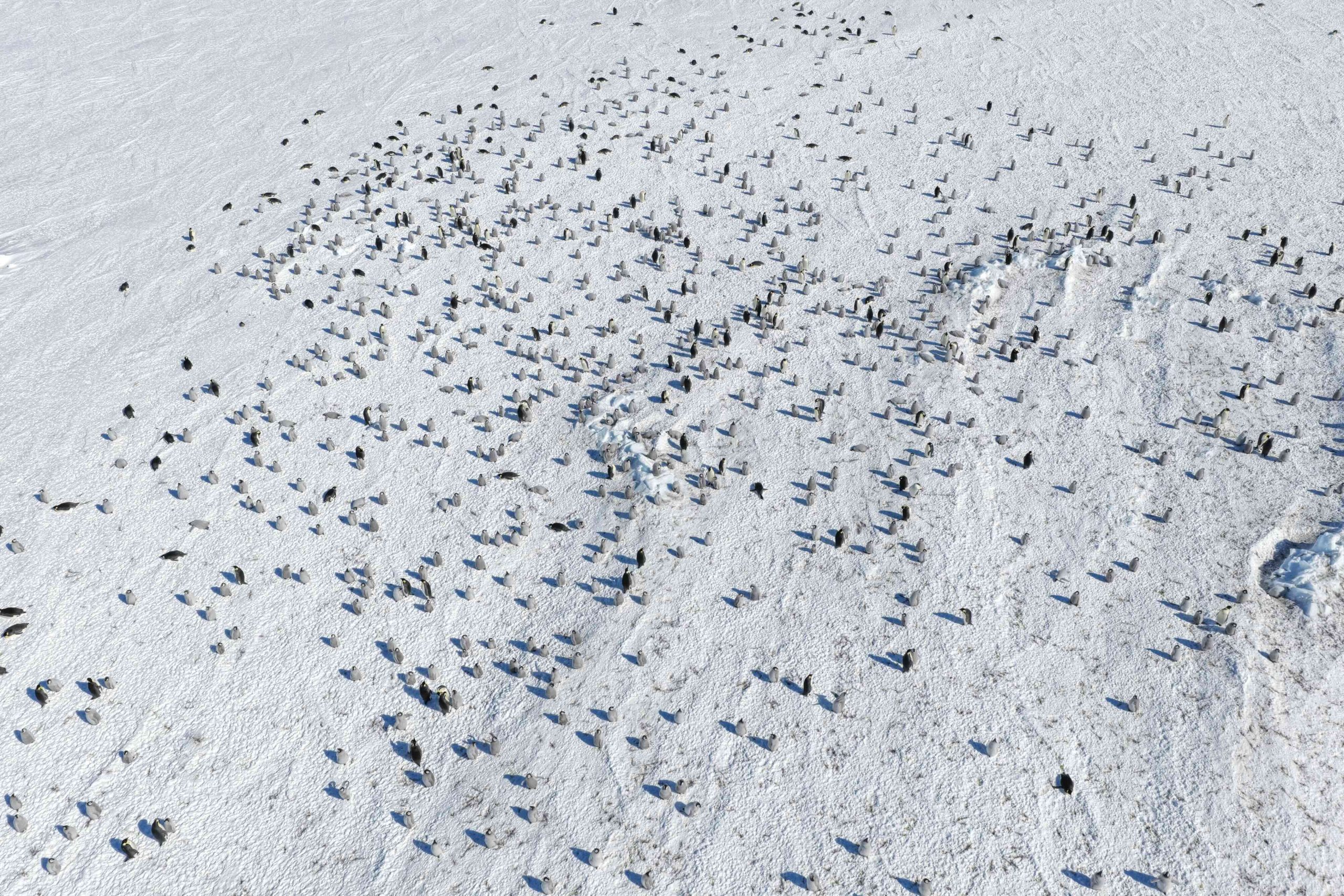
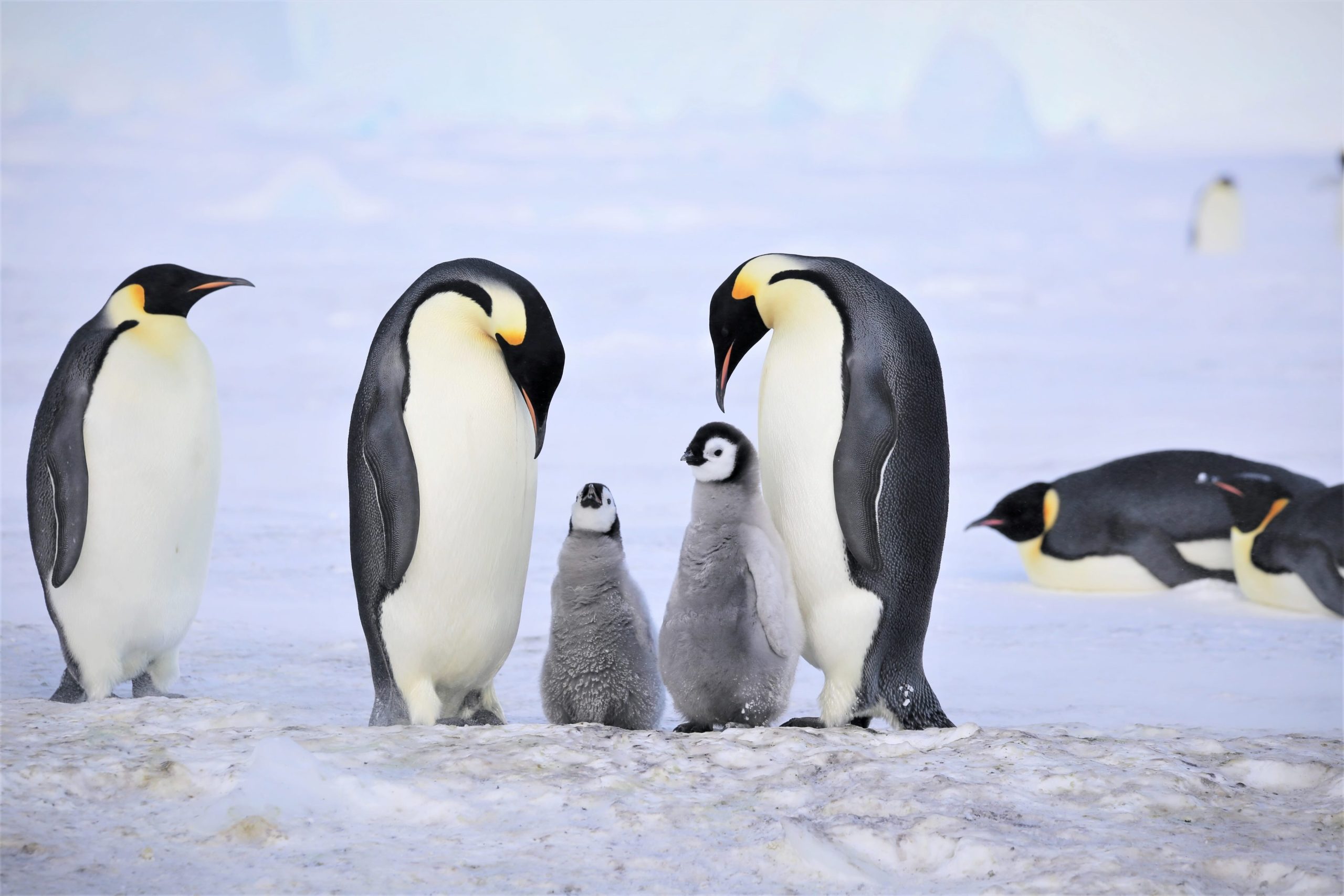
Top image: Coulman Island on the right, with the grounded iceberg on the left. Credit: Myeongho Seo
More penguins stories from around the world
- Penguin's-eye view: take a bumpy ride into the deep blue with this spellbinding footage from Antarctica
- "Mission Penguin was born": How one woman’s epic quest to photograph every penguin species helped heal her grief
- "We were the first": researchers in Antarctica stumble across animals that have never seen humans before
- "Seeing these iconic birds marching through the wilderness fills me with wonder": a day in the life of a penguin researcher


