
The United States' Okefenokee Swamp has been designated as a UNESCO World Heritage Site for its exceptional biodiversity and its important role as a carbon sink.
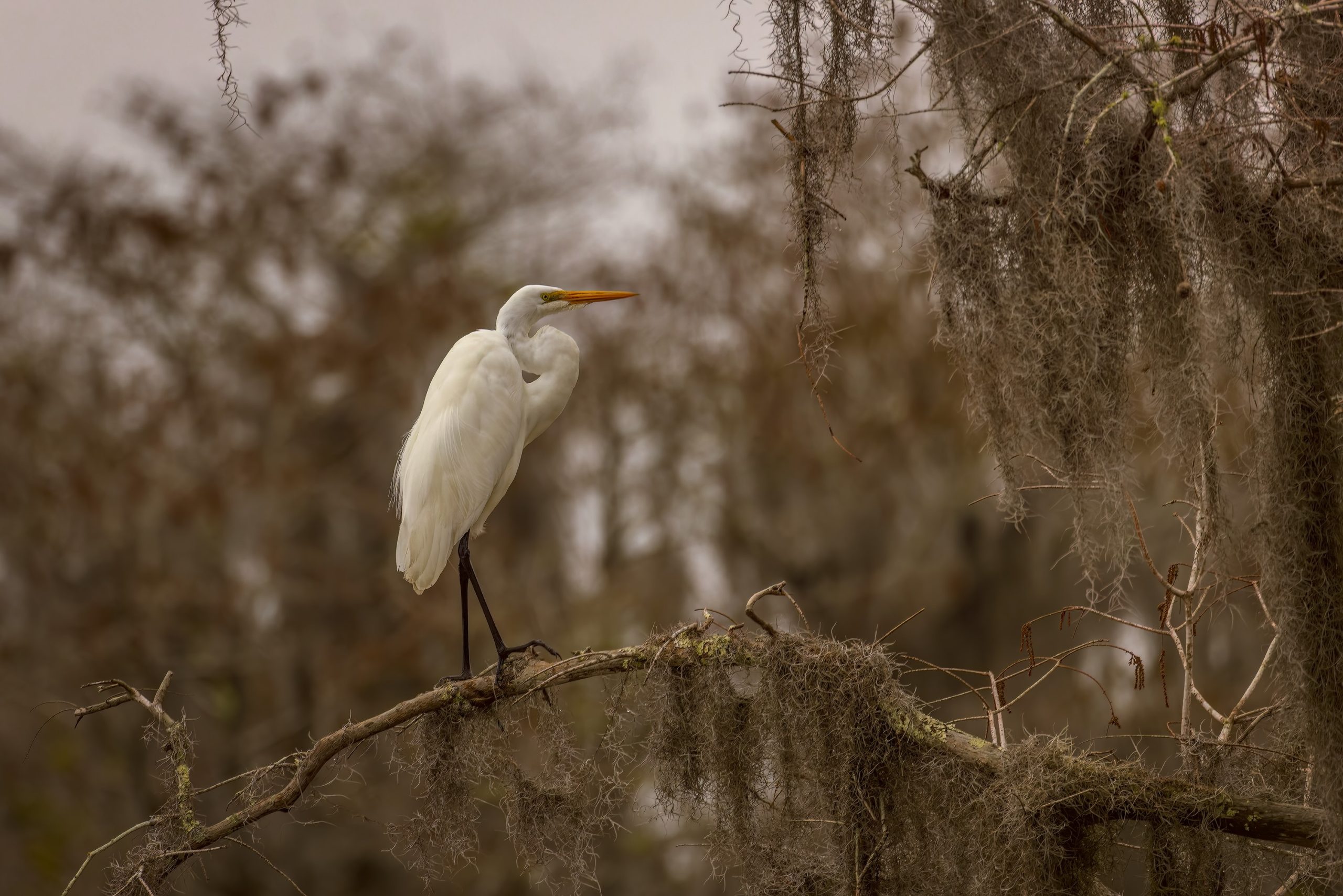
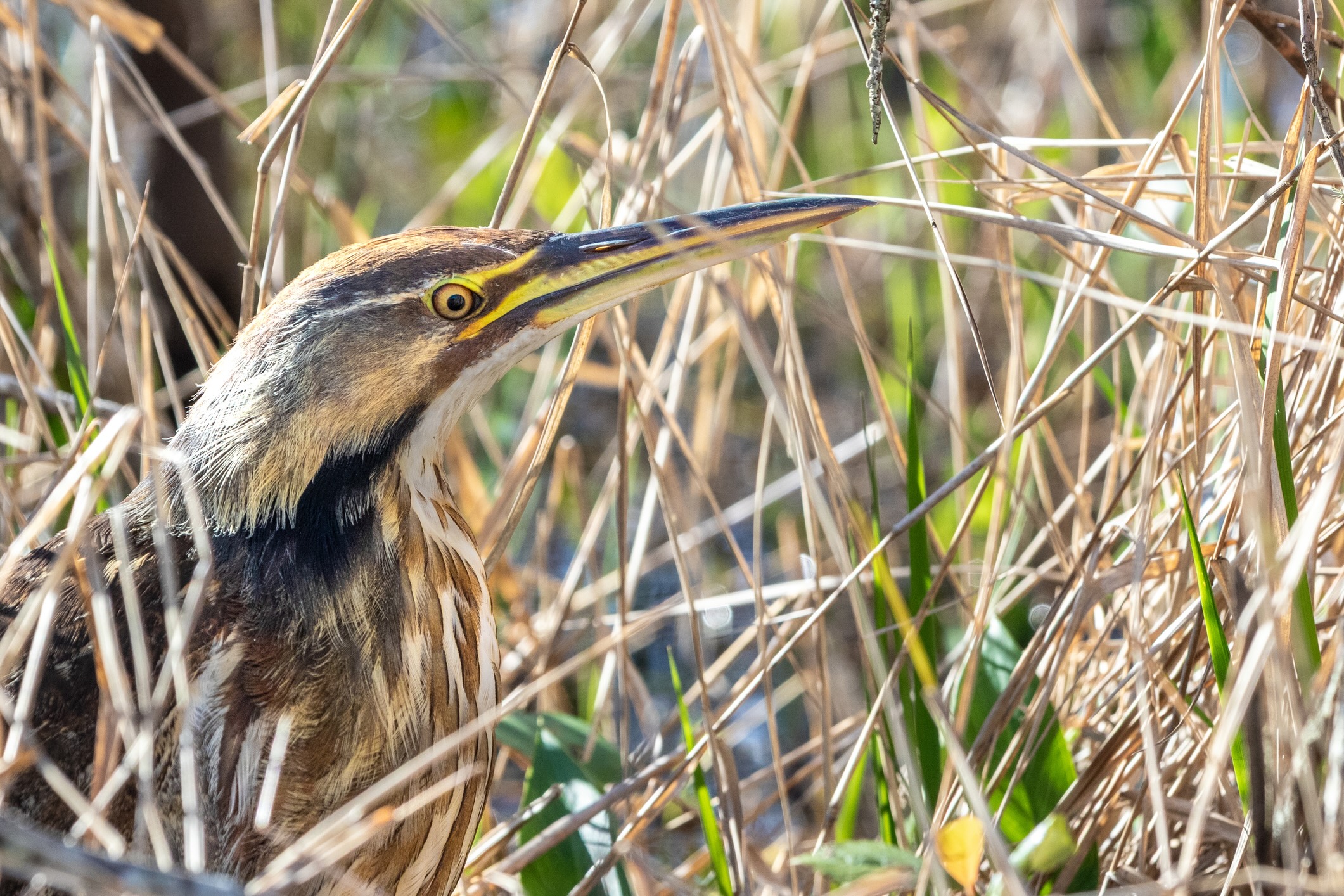
This vast freshwater environment covers 1,646 km² of south-east Georgia and north-east Florida and is home to hundreds of species, including at least 856 plants, 238 birds, 90 reptiles and amphibians, 48 mammals and 39 fish.
Okefenokee’s wetlands, savannahs and forests are an important refuge for migratory birds, as well as several threatened plant and animal species, such as the endangered longleaf pine tree, the gopher frog and the eastern indigo snake.
The non-venomous eastern indigo is the United States' longest native snake species, typically growing to 1.5–2.4m – to put that into perspective, the average bed is around 2m long.
- 11 of the biggest animals on Earth – number 4 is absolutely massive!
- More than 100 swamp alligators caught in Georgia – something worrying has been found in their blood
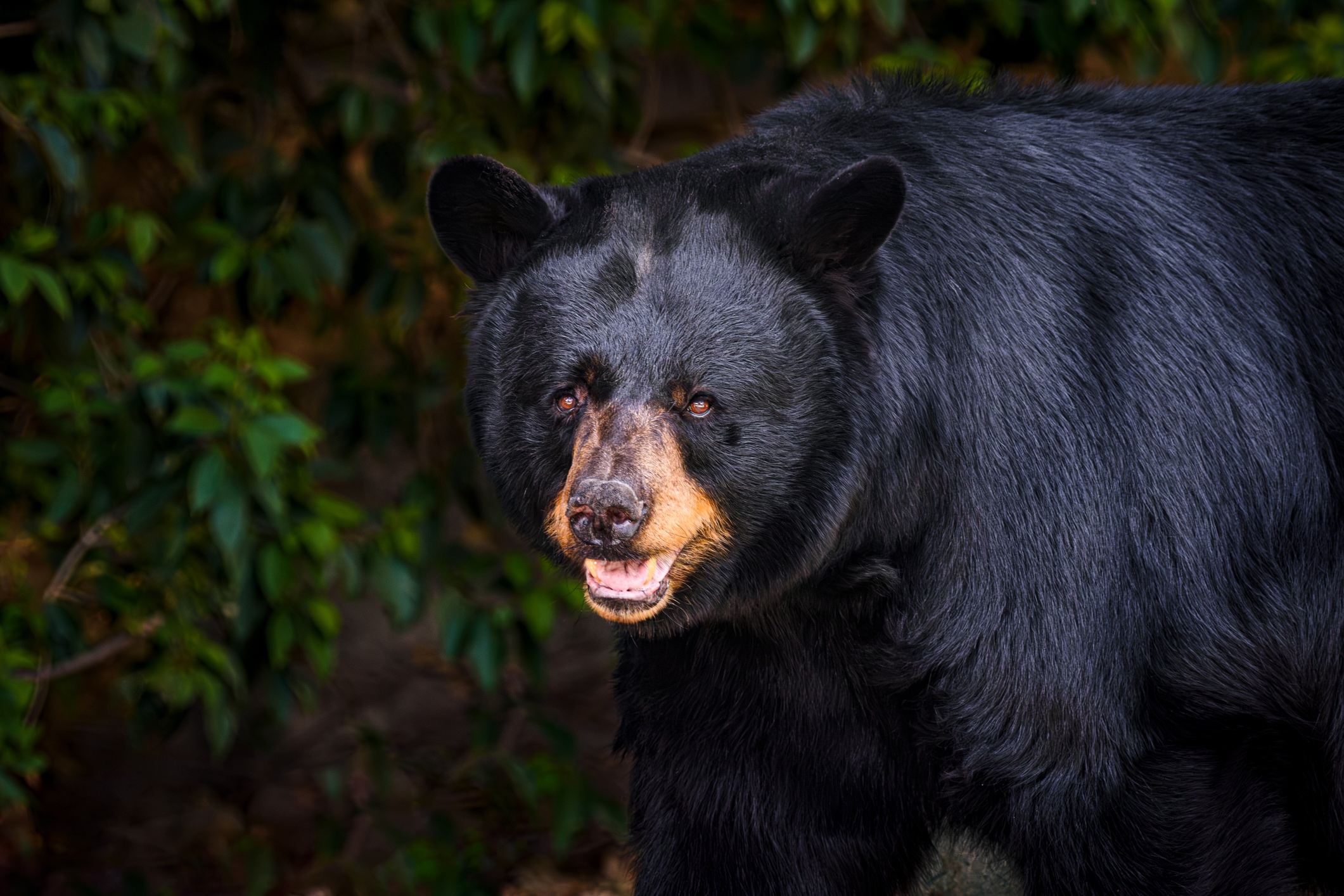
Secretive bobcats slink through the pine forests, otters play in the waterways, and black bears forage among the scrub.
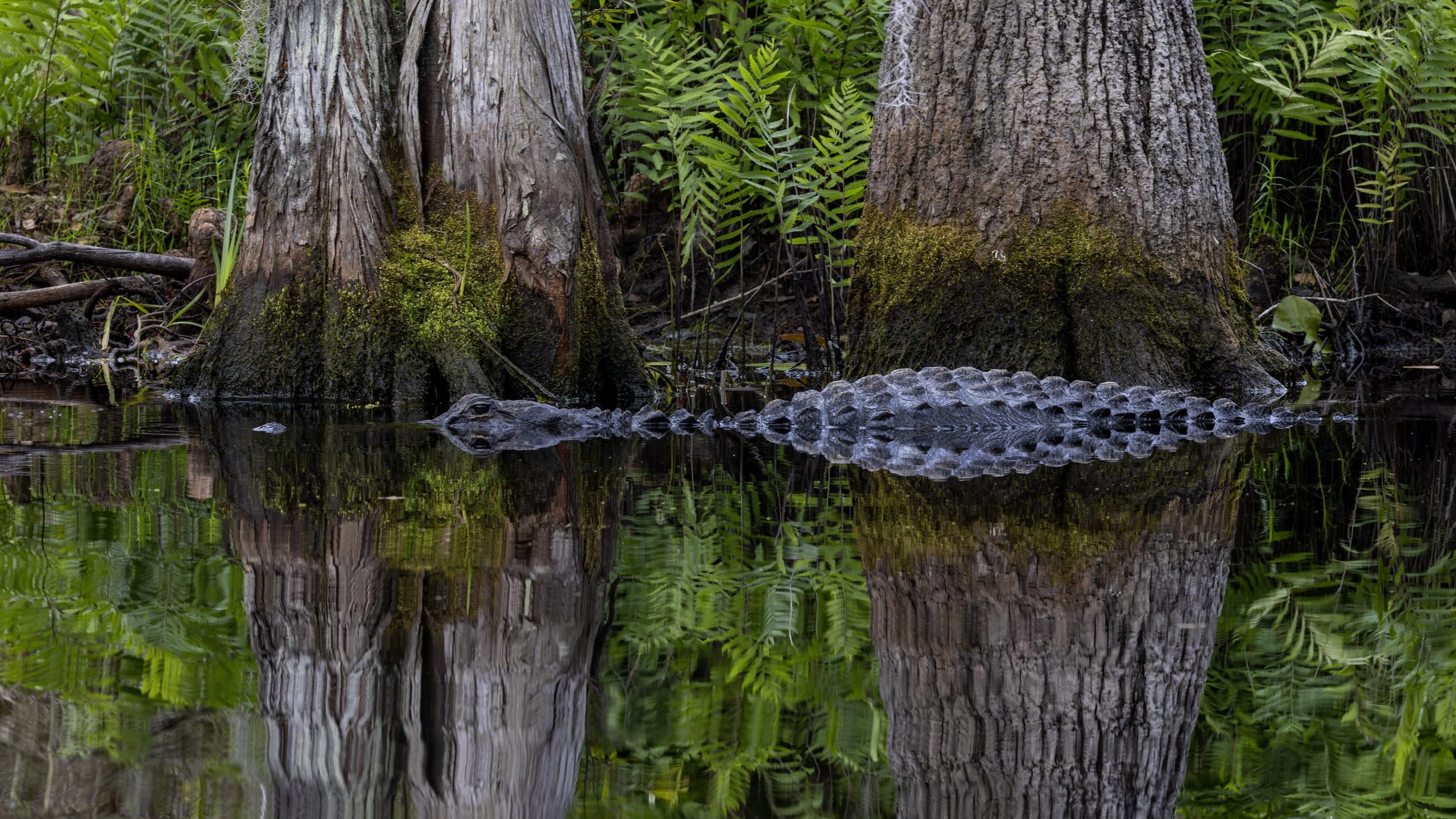
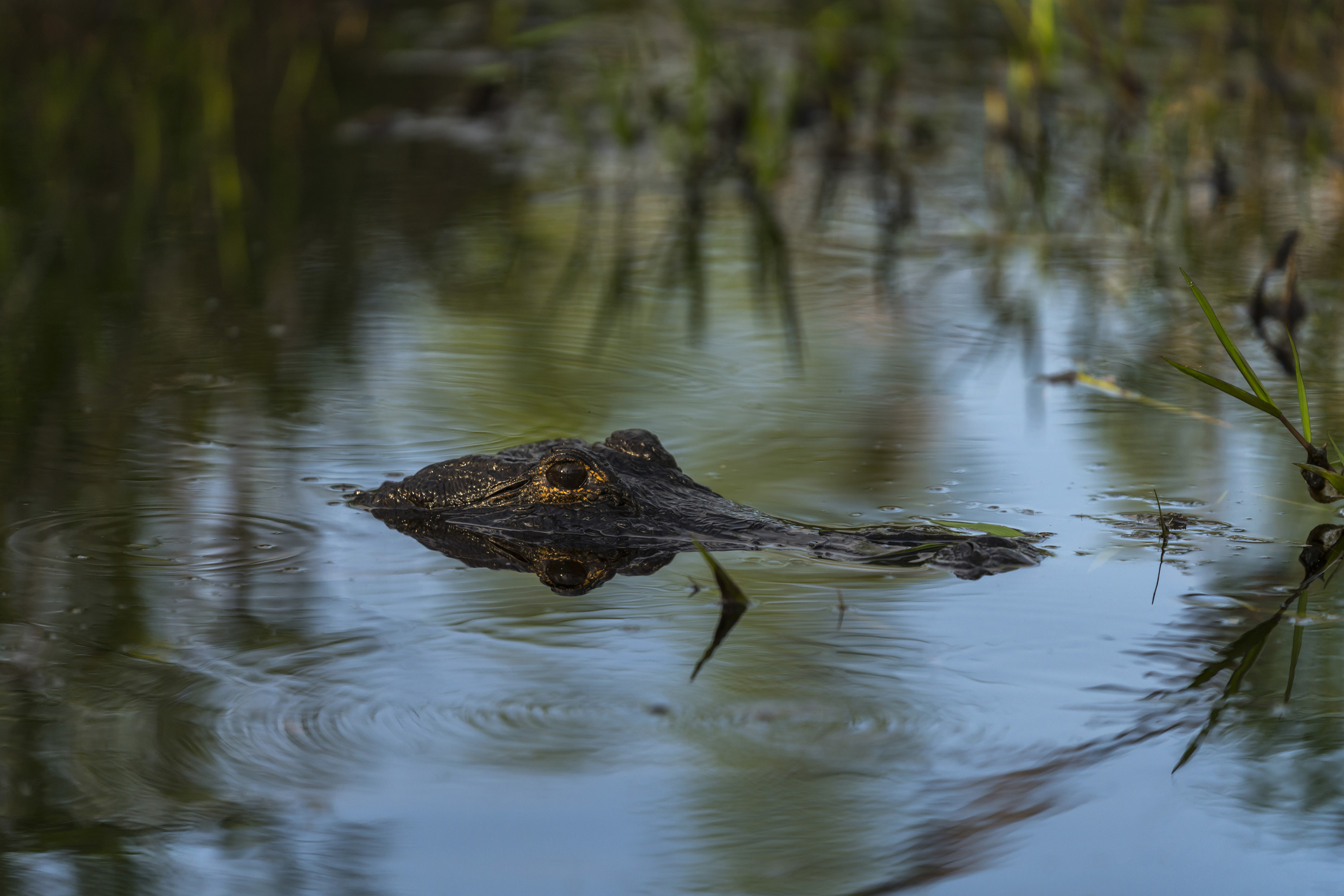
The swamp is also home to a significant population of American alligators. There are estimated to be around 15,000 of these large reptiles living in the wetlands, according to the U.S. Fish and Wildlife Service, which manages the site.
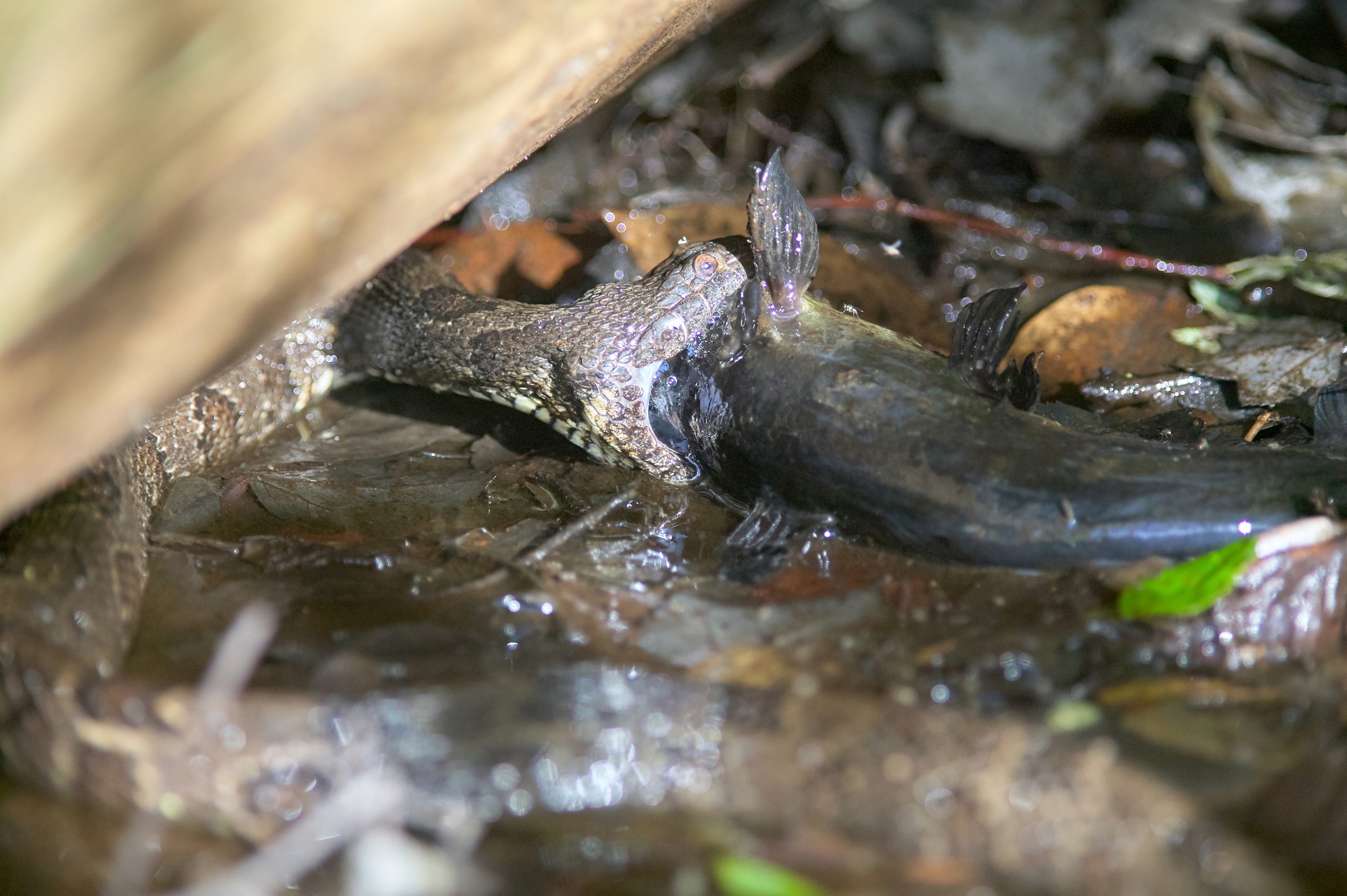
Okefenokee Swamp wildlife





Top image credit: Alexander Ließ/Getty Images
More wildlife stories from around the world
- A carnivore has moved into Florida's Everglades – and it's threatening native crocodiles and alligators
- China's giant sinkholes are a refuge for a rare tree – but they're also cutting off its escape route
- Mountain lions moved into a tiny Californian preserve. What happened next astounded scientists
- This Turkish mountain has been on fire for thousands of years. Scientists think they know why


