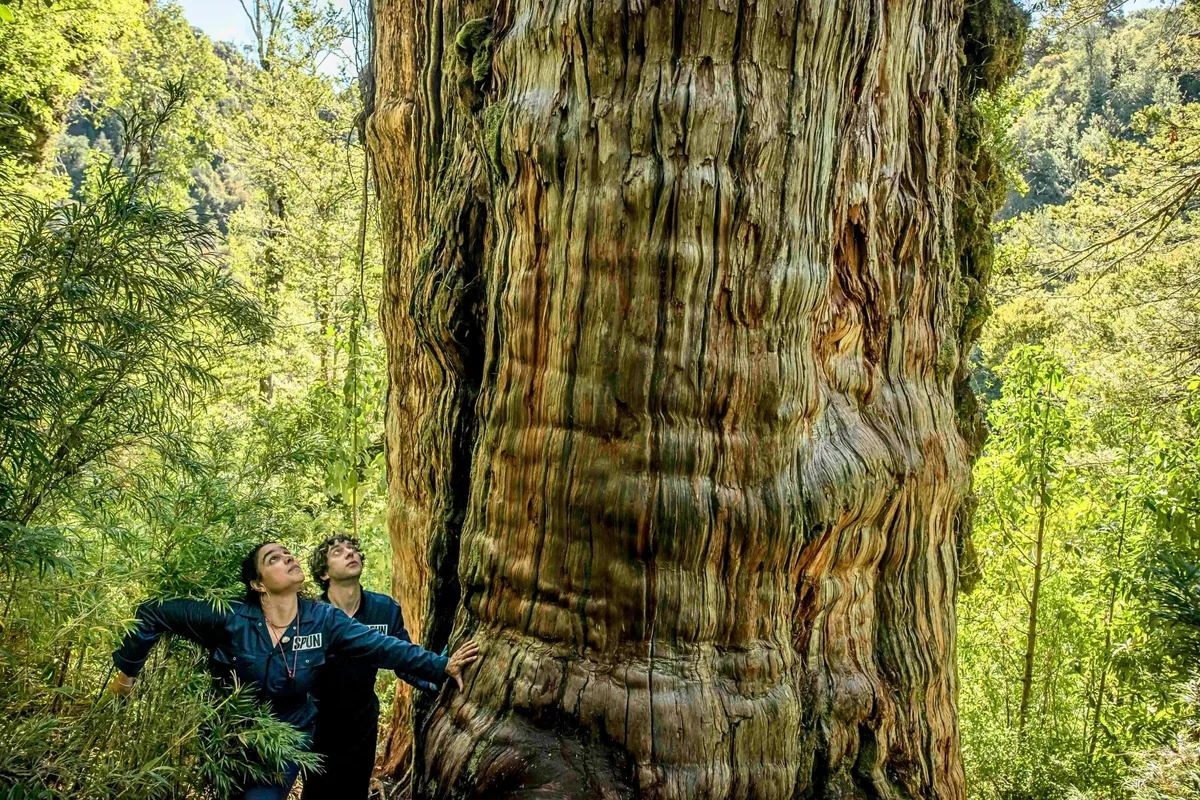
An ambitious global effort to attempt to bring 100 of the world’s most threatened species back from the brink of extinction has been announced.
The $200 million (£150 million) Phoenix Species Project is the largest ever single philanthropic initiative dedicated exclusively to the recovery of critically endangered species across diverse taxonomic groups, habitats and countries.
Collaborating with Indigenous Peoples, local communities, scientists and conservationists, it will provide long-term support to help recover species facing imminent extinction, including those that are down to tiny populations, that exist in isolated locations or are already extinct in the wild.
The effort has been kickstarted with an initial $100 million (£75 million) provided by the Amazon founder Jeff Bezos’ Bezos Earth Fund and $100 million from Re:wild, the conservation organisation set up by actor Leonardo DiCaprio and Dr. Wes Sechrest, with support from Leonardo DiCaprio, Age of Union, and the Todd Graves Family Foundation.
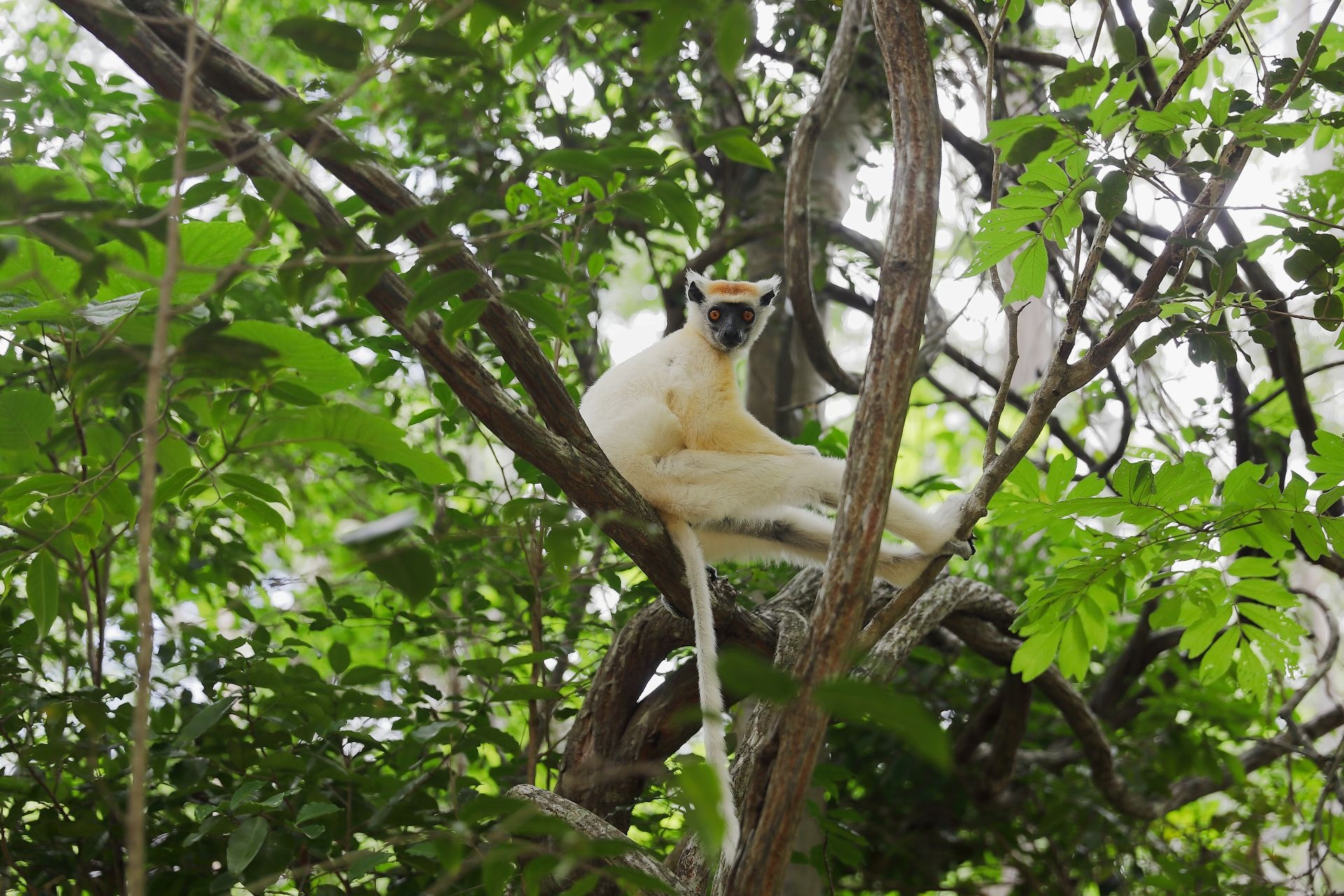
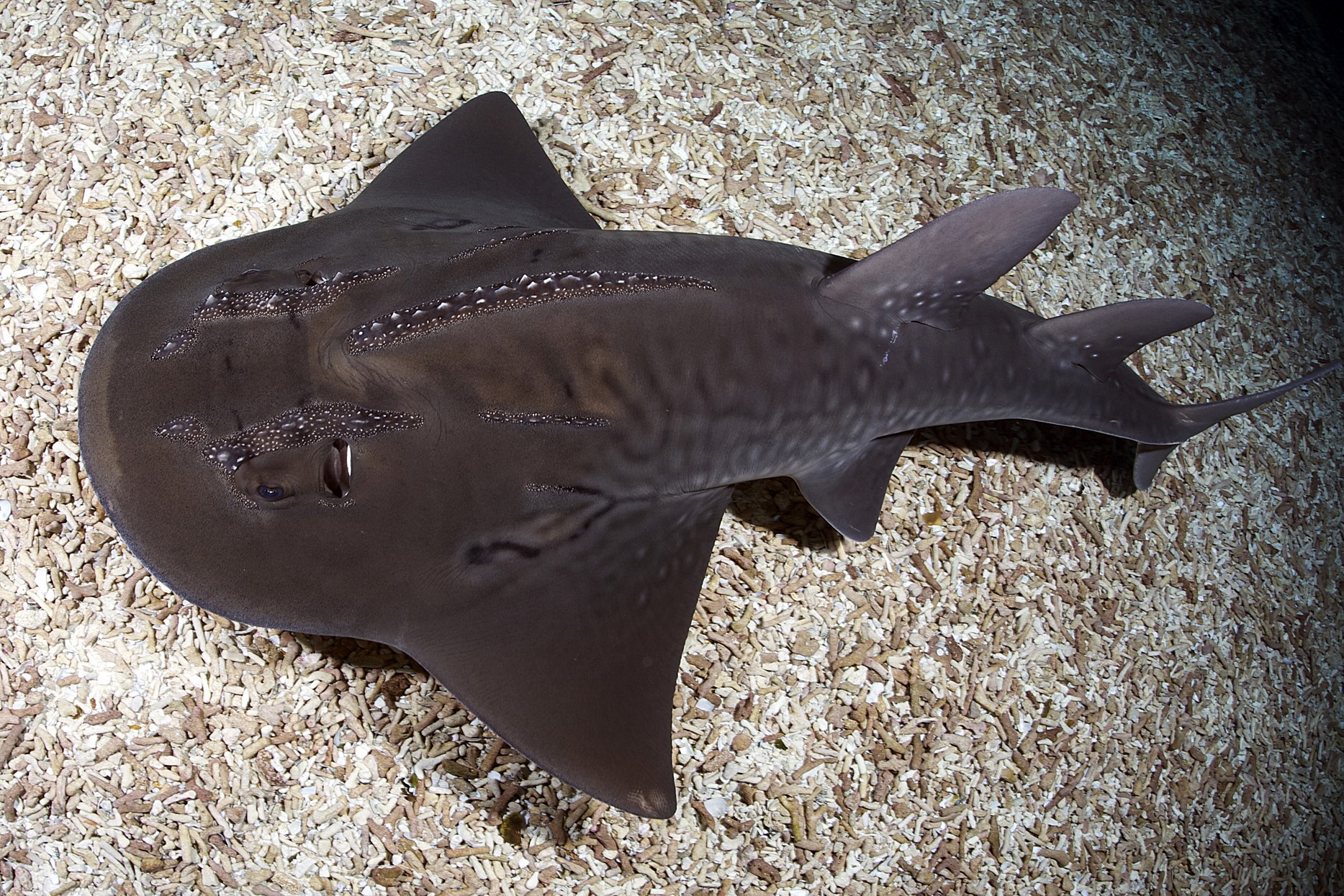
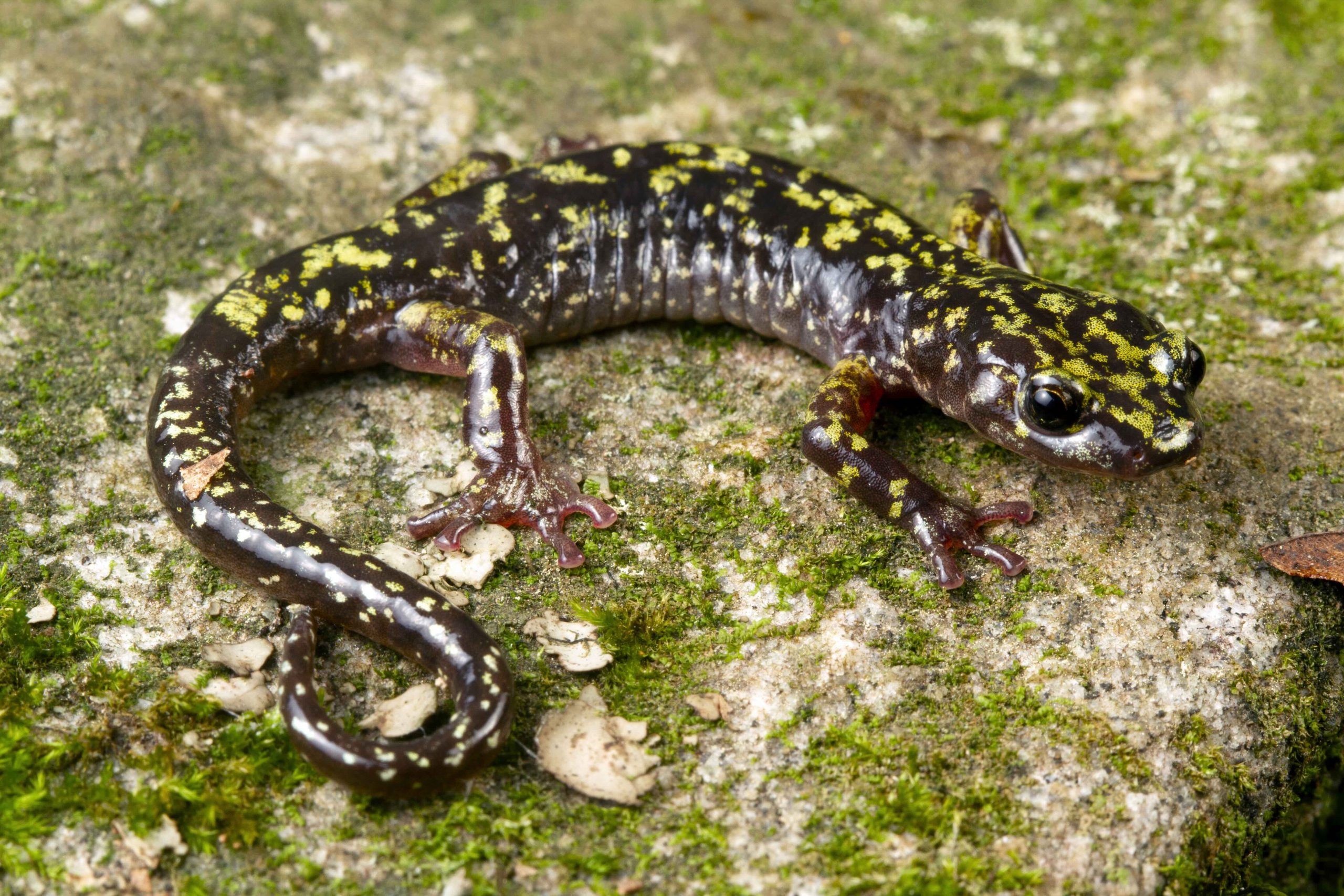
The 100 species span mammals, amphibians, reptiles, birds, fish, invertebrates and plants from 30 countries and habitats, from oceans to tropical rainforests, including: the golden-crowned sifaka in Madagascar; the shark-like bowmouth guitarfish, a ray found in shallow ocean waters from South Africa to Japan and Australia; the tree-dwelling Hickory Nut Gorge green salamander in the United States; and fuzzy belly button, a tiny desert succulent in South Africa.
- Which country has the longest coastline? Clue – there's a colossal 265,523km of it
- Jungle vs rainforest: what exactly is the difference?
“It’s important to prevent every species from going extinct,” says Yula Kepetanakos, senior manager for the Phoenix Species Project at Re:wild. “Each of these species are important because they play a vital role in their ecosystems, whether that’s dispersing seeds, regulating prey, pollinating plants, providing clean water or helping with climate resilience.
“This project will let organisations really focus on their work, instead of chasing funding. We know conservation works but we need to invest in it. We can bring species back from the brink and shift their trajectory from declining to recovery. We’re hopeful that this is just the beginning and the project will expand beyond these 100 species.”
Protecting species is crucial to securing the future biodiversity and health of the planet. The listed species, like many others, face a range of threats, including the illegal wildlife trade, the illegal plant trade, habitat loss, pollution and climate change.
“Some populations of species are so small that a single weather event, natural disaster, disease event, chemical spill or new infrastructure project could wipe them out,” says Kepetanakos. “We need to act fast for those species.
“Historically, the majority of conservation funding has gone to charismatic species,” adds Kepetanakos, “but species like critically endangered snails, shrimp, plants, or warty pigs also need help, even if they’re not as well recognised by the general public.”
The Phoenix Species Project is being conducted in collaboration with the IUCN Species Survival Commission. Of the nearly 176,000 species assessed on the IUCN Red List of Threatened Species, more than 31,000 are listed as Critically Endangered, Endangered, or Extinct in the Wild.
There has been some backlash, though, including suggestions of 'greenwashing' (reported by Canadian news broadcaster CBC News) levelled at Amazon, with critics arguing that the project to recover endangered species does not address or compensate for the environmental impact of the company, which has been called out over plastic pollution (ocean conservation organisation Oceana), deforestation (Hagens Berman) and excessive water use by its data centres (reported by CBC News).
The full Phoenix 100 can be found on the Phoenix Species Project website.
More wildlife stories from around the world
- 10 sinking islands that could be lost forever
- 1,900 giant sequoia trees saved from death in California. This is how
- “Some believe that Gibraltar Falls was 1,000 times higher than Niagara Falls.” This could be the largest flood of all time
- In the 1970s, scientists noticed that trees in a US mountain range were migrating. Now they know why