
It’s 113 metres long and weighs 499 tonnes – now this vast shipwreck 42m beneath the Gulf is teeming with sharks and fish
The Kraken is renowned around the world as a mythical squid-like sea monster that sank ships and dragged sailors down to the murky depths of the ocean never to be seen again.
But there’s another Kraken that ocean-goers actively want to visit: an artificial reef that was sunk around 65 miles off the coast of Galveston, Texas, back in January 2017.
- It's been confirmed – the kraken monster really did exist, 84 million years ago...
- 10 gigantic, deadly and terrifying sea monsters that were inspired by humongous real-life ocean animals
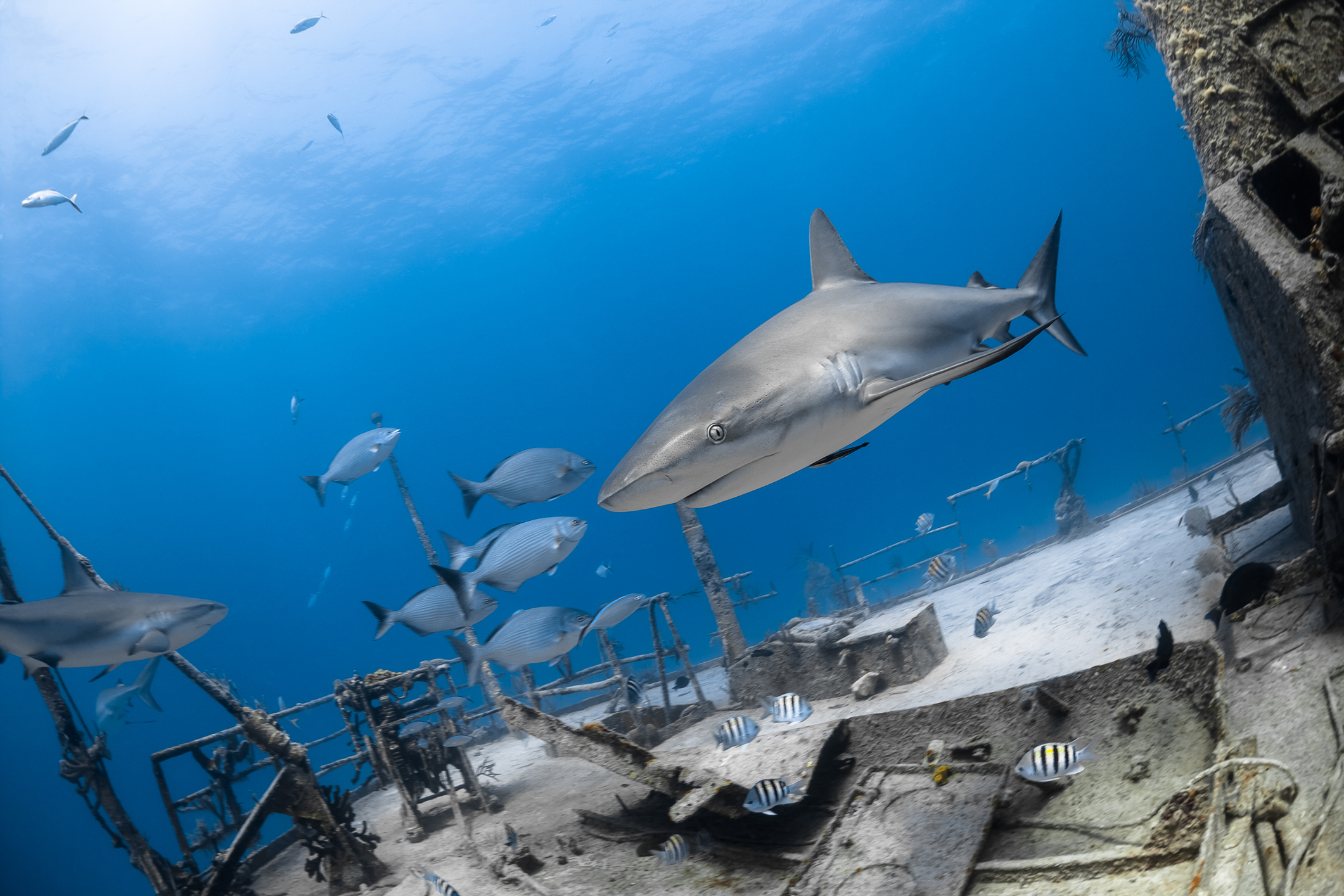
Once a cargo ship, the 113-metre vessel is now encrusted with marine organisms and surrounded by clouds of fishes including mackerel and red snapper.
Many of these animals have made their home here purely because of the presence of the ship’s structure around 42 metres deep.
“In the Gulf of Mexico, the bottom is mainly mud and sand. There’s not a lot of hard substrate for marine organisms and invertebrates to attach to,” explains Dale Shively, artificial reef programme leader at Texas Parks and Wildlife Department (TPWD) in a 2019 video about the wreck. “This is why we put these out here.”
The film captures the moment the freighter made its final descent to the seafloor as well as revealing what happened to it months later.
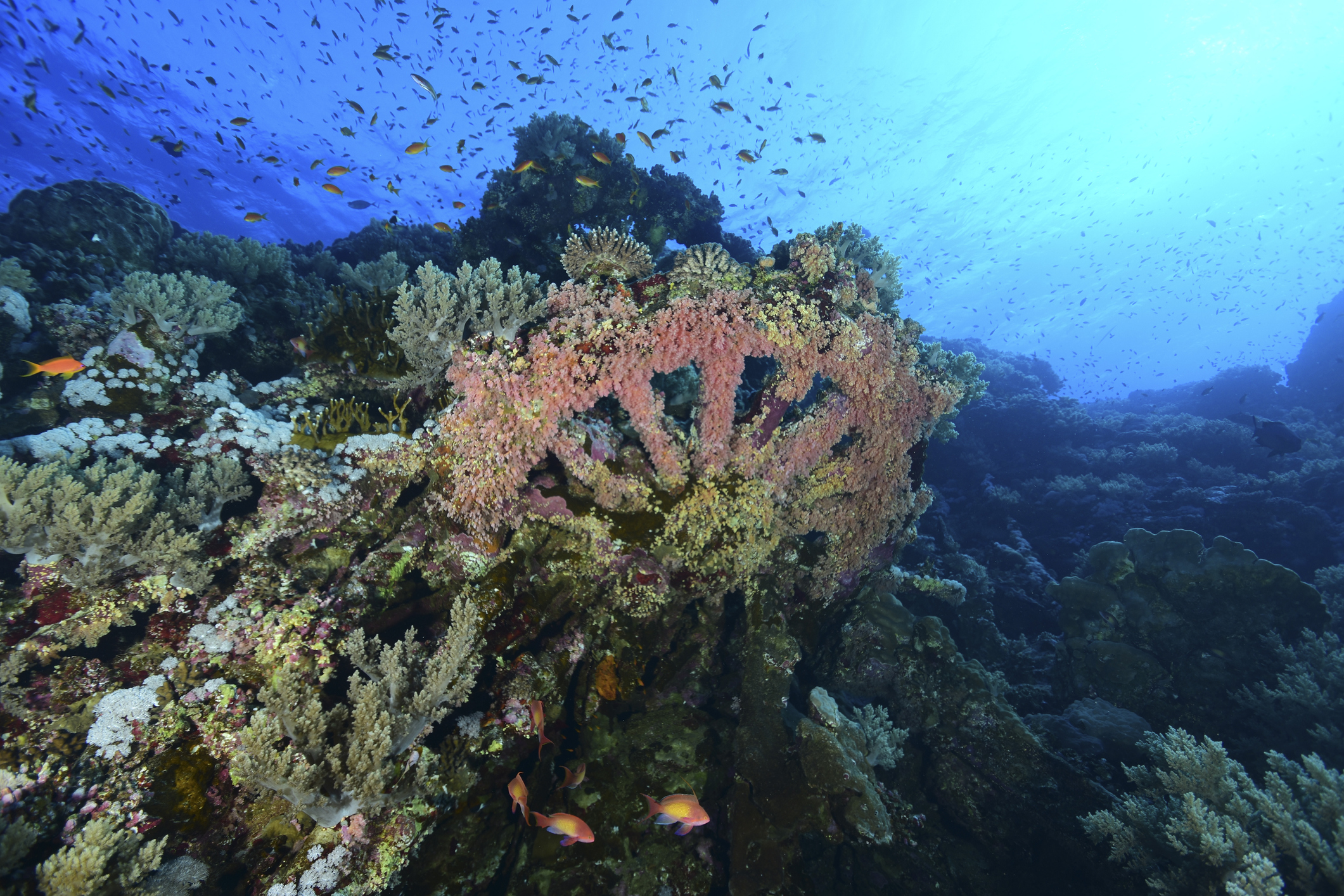
- "At first, they are little more than bare surfaces in the ocean’s vast expanse.” Why do sunken ships make good artificial reefs?
- Sunken warships fill this eerie lagoon – and they're scattered with gas masks, skulls and bullet casings
Dramatic footage shows waves crashing around the Kraken as the experts use a controlled flood to sink the freighter. This involves cutting holes into the side of the ship so she descends evenly and ends up in the right place on the seabed.
The team watched on with bated breath. “Water will rush into the stern and we’re hoping that the stern touches the bottom first and all that super structure will fill with water and it will bring the bow down nice and slow,” says Allison Baldwin, diving safety officer at TPWD, in the video just before the scuttling.
Everything went perfectly to plan. Waves surge into the ship, dragging her down into the blue. As she vanished beneath the surface, a huge rush of water bubbled up from below as if the ocean was burping with satisfaction.
Before the wreck was submerged, the team surveyed the area to check what was already living in these waters. “We found a couple of sharks and not much of anything else,” says Shively. “No red snapper. No other reef species."
- On a site the size of 27 football fields, 2 million of these were dropped in the ocean to create an artificial reef – instead, it became a disaster
- It's longer than the Leaning Tower of Pisa, weighs 499 tonnes and sits 24 metres below the surface, where sharks patrol Noonu Atoll’s tropical waters
When scuba divers return just seven months later, there was life everywhere they looked. The new ecosystem supports marine life but also attracts tourism through diving and fishing. “The Gulf of Mexico has only a few naturally occurring reefs so whenever we are able to add a new structure like this, the whole area benefits from the added habitat and species diversity,” said Shively in a statement at the time of the scuttling.
It’s encouraging to see how quickly animals have flooded to this area, says Baldwin: “It’s just amazing in such a short period of time how the ocean finds a way.”
top image: Circa 1650, A kraken attacking a ship. Credit: Hulton Archive/Getty
Discover more fascinating scuttled ship stories from around the world:
- When the Titanic sank 3,800m into the Atlantic Ocean, strange animals moved into the wreck
- This haunting shipwreck in North Carolina has its own 'shark ballroom'
- This giant ship sank off the Egyptian coast in 1941. Now an animal that looks like a crocodile hides in its shadows
- In 1941, a massive WWII ship sank off the coast of Albania. Divers just went down there – and found a rare mammal living among the wreck
- When this WWII seaplane was discovered by a fisherman in 1994, dazzling animals were found hiding in the wreck


