
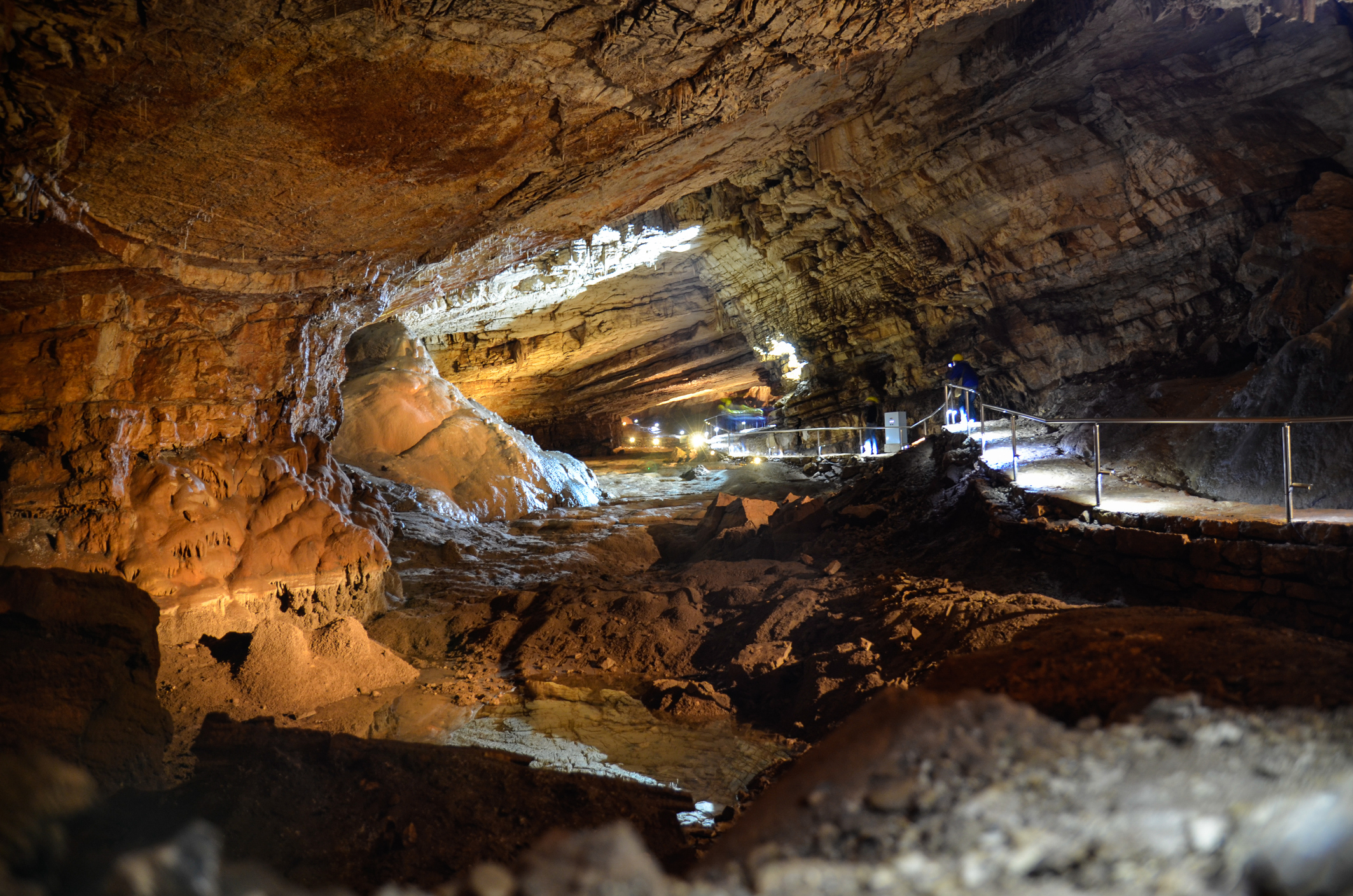
Located within one of the most rugged landscapes in Europe is Vjetrenica Cave, also known as Wind Cave. The name is not unfounded – winds in the entrance area of this cave can reach a whopping 89kph.
- "We have to leave right now. If we just hang around, we’re all going to die.” The cave that's so deep it could swallow six Eiffel Towers
- There’s a cave in Kentucky that’s 426 miles long, 118 metres deep – and fish-eating spiders lurk in it
Despite not being the most impressive in the world when it comes to area or depth, this cave holds another record – its biodiversity and endemicity is unmatched by any other on the planet.
Vjetrenica Cave is part of the Dinaric Alps mountain range and is located in the Popovo Polje, a karst field in Ravno, East Herzegovina in the Federation of Bosnia and Herzegovina. It is the largest cave in the country.
Vjetrenica gets its name from the strong blast of cold air blowing from the mouth of the cave during the warmer parts of the year – something quite rare in the middle of the rocky, hot and waterless terrain of the Popovo field.
Popovo Polje is also famous for its Trebisnjica River, the largest sinking river in the world. In 2024, Vjetrenica was recognised as a UNESCO World Heritage Site.
How big is Vjetrenica Cave?
Around 7km of the cave have been explored, with its main channel stretching over a distance of about 2.5km. It runs from the edge of Popovo Polje southwards. Based on terrain analysis, geologists predict that the cave could stretch all the way to the Adriatic Sea, 15-20km from its entrance.
How was the Vjetrenica Cave discovered?
Vjetrenica Cave wasn’t ever 'discovered' in the traditional sense, or at least there is no written record of that happening. This cave has been known since antiquity – the first document mentioning an undefined cave characterised by strong winds in Popovo Polje was written 2,000 years ago.
Archaeological evidence reveals that the entrance of the cave was used by settlers back in Neolithic times – the final part of the Stone Age (about 10,000 to 2,000 BC). The remains of prehistoric animals such as leopards and hyenas discovered in the cave suggest it may even have been used by humans before this time.
Up to the 19th century, Vjetrenica was only occasionally mentioned in naturalists’ manuscripts, but it gained popularity among researchers with the southward extension of the Austro-Hungarian empire towards the end of the century.
By the turn of the 20th century, Vjetrenica Cave and its rich fauna were studied by some of the most prominent European scientists. The earliest efforts to survey the cave’s richness were made by Czech scientist Karel Absolon.
- “It was just bones all over the floor.” Fossil hunters make astounding discovery in Texan water cave
What wildlife lives in Vjetrenica Cave?
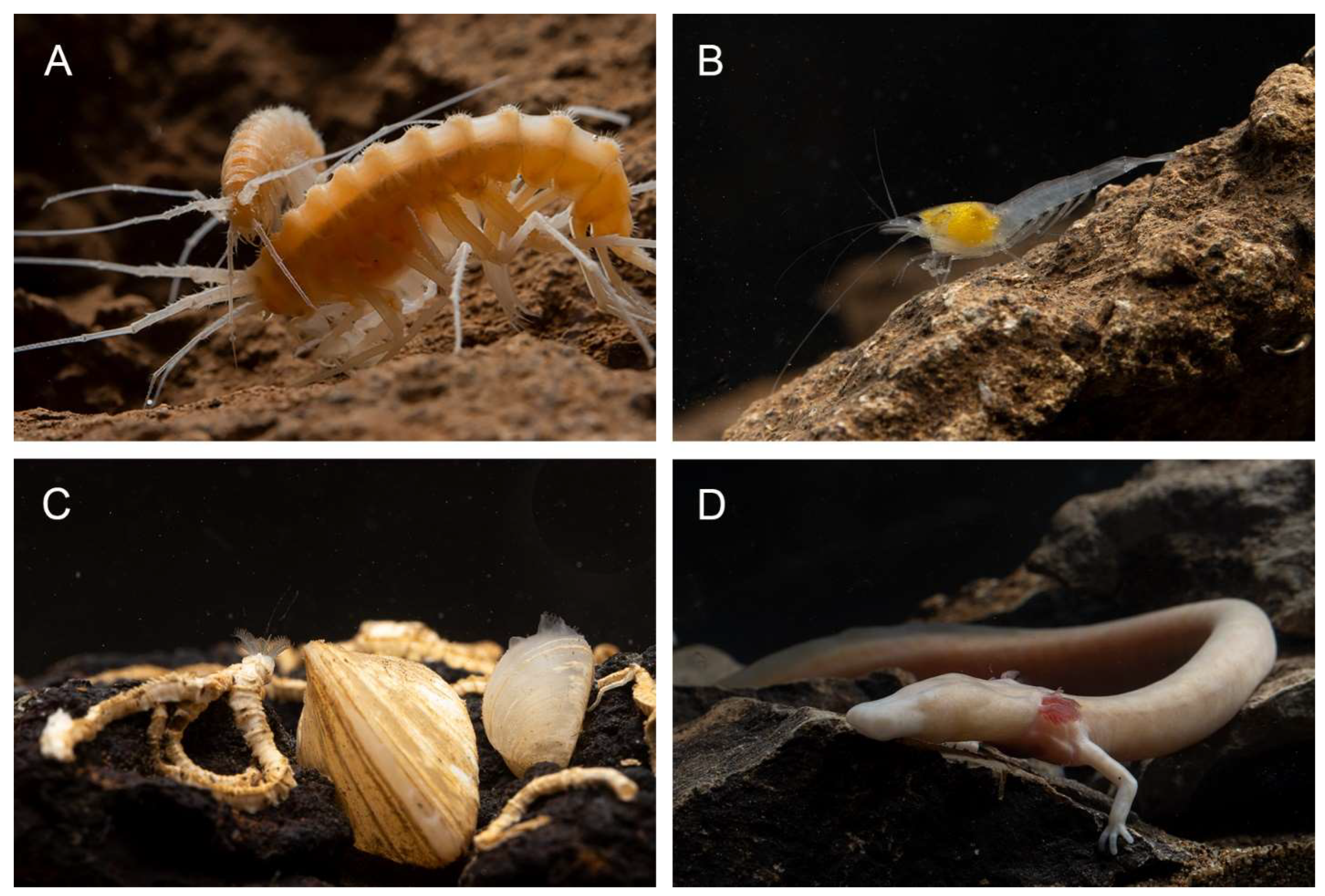
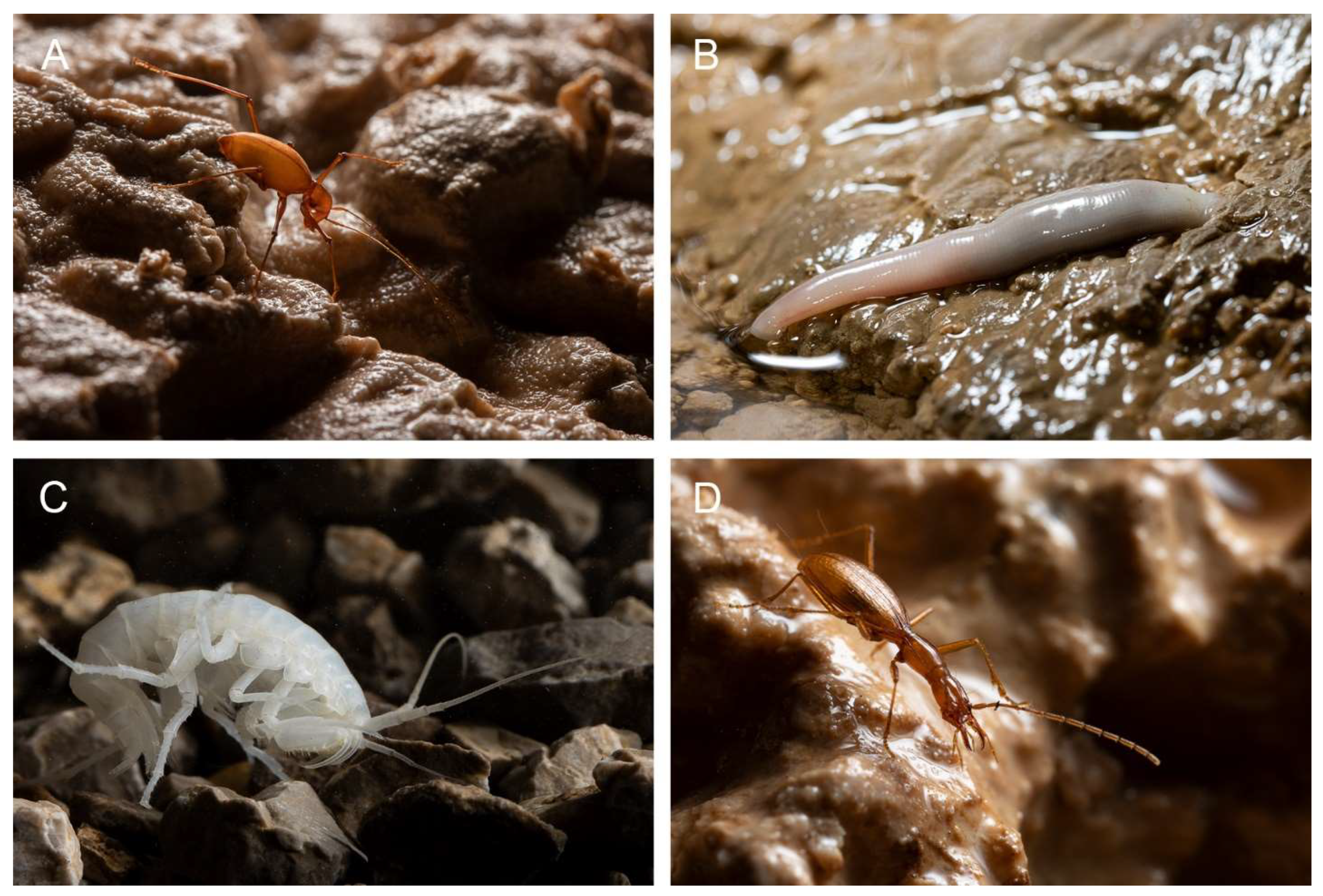
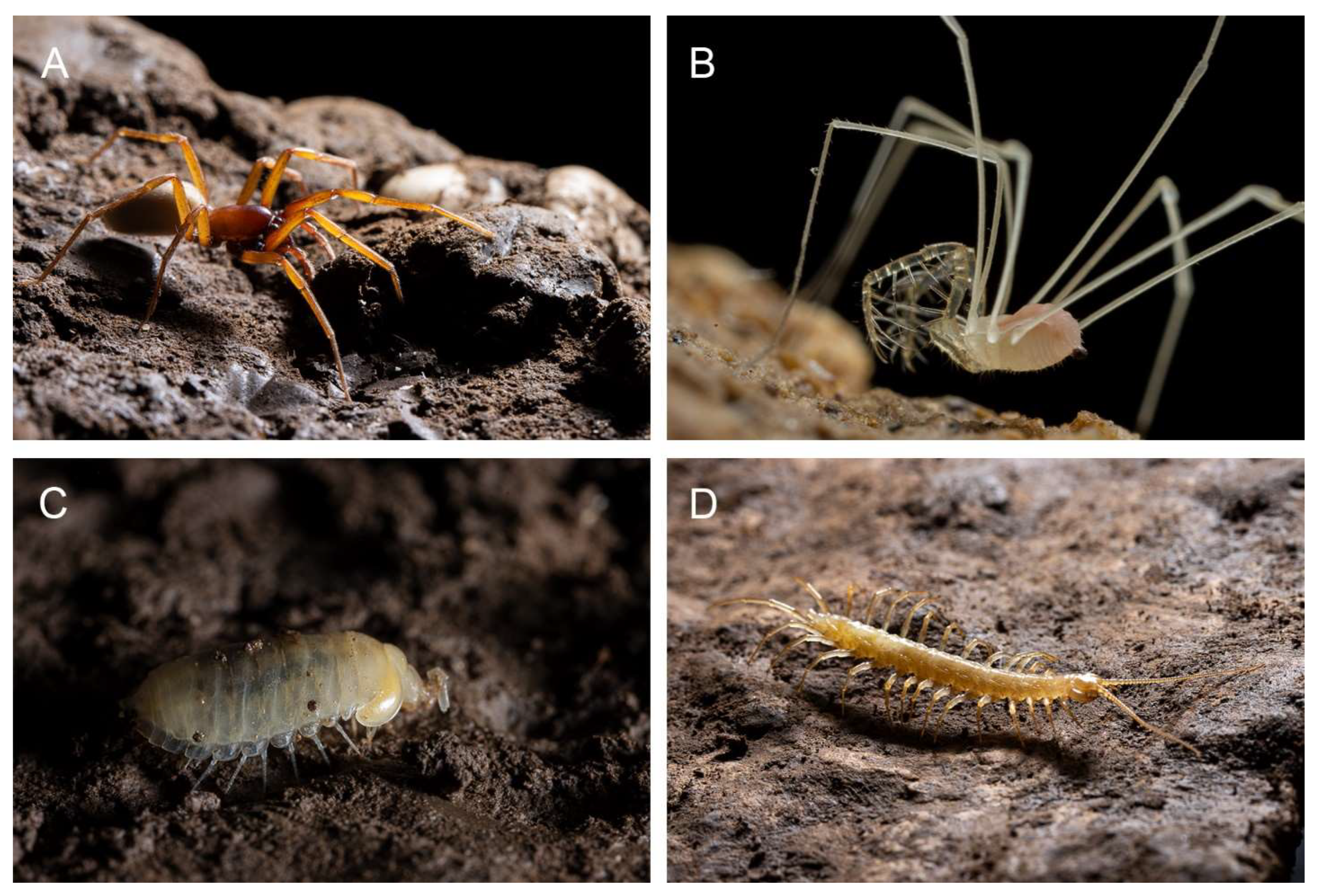
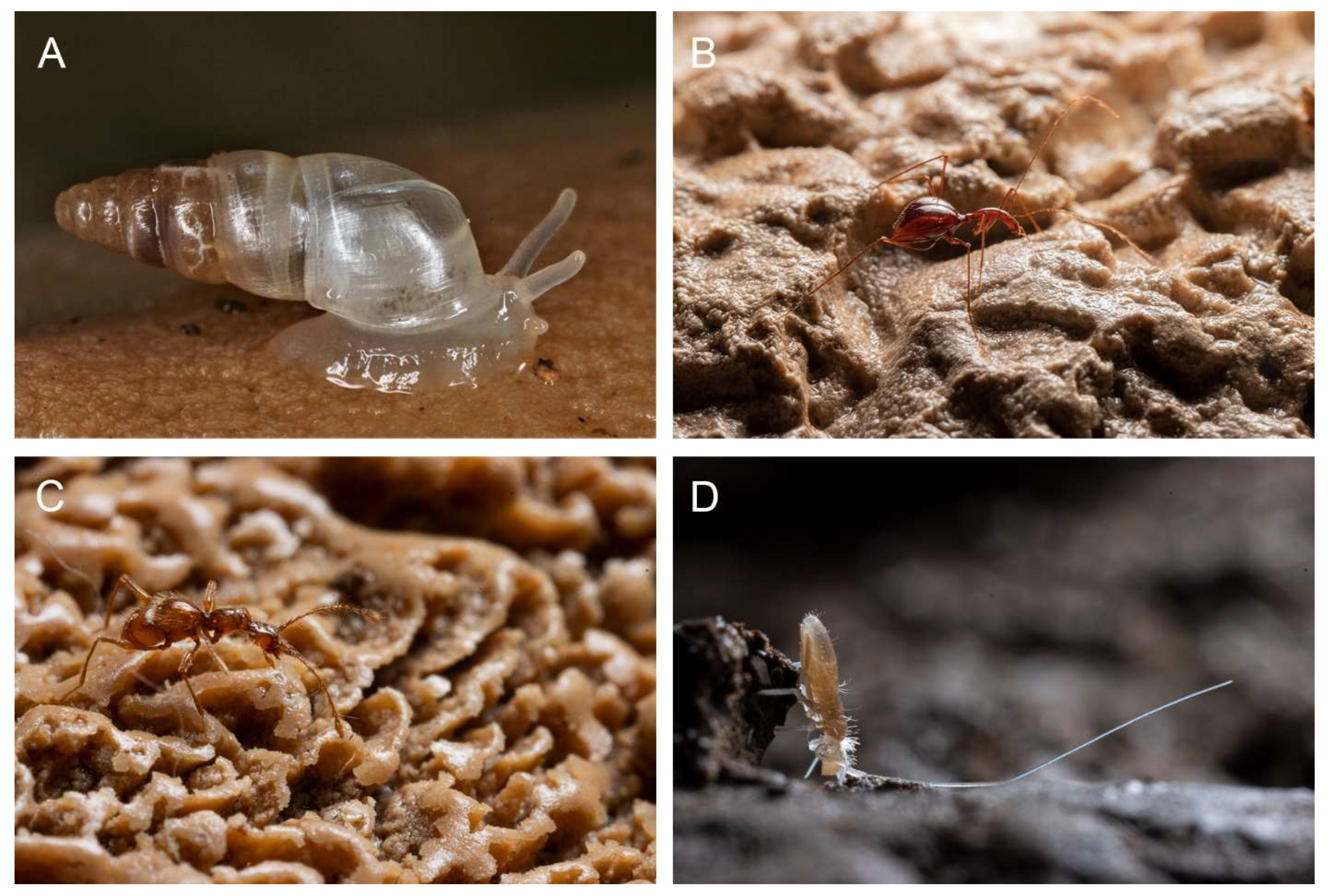
Vjetrenica Cave is recognised as one of the world’s most important biodiversity hotspots for subterranean fauna. More than 200 animal species 37 of which are endemic, live in this extraordinary underground ecosystem – 92 of these are troglobites, animals that live strictly underground and are unable to survive above the surface.
Among these animals are the only subterranean tubeworm in the world, Marifugia cavatica; the only cave-dwelling cnidarian (aquatic invertebrates), Velkovrhia enigmatica; and one of only a handful of cave clams, Congeria kusceri.
Vjetrenica is also recognised for its remarkable single-genus diversity. Nine different species of the cave amphipod genus Niphargus live in this cave system – the highest number occurring in a single locality in the world.
- “Once they descend into the cave, they trudge 150m in the pitch black, feeling around with their trunks.” 9 weird animals found in caves
- An elephant-like animal was discovered in this gigantic underwater cave. And that’s not all
The largest animal living in this underground habitat is the olm (Proteus anguinus), an aquatic salamander also known as the 'human fish' due to its smooth and flesh-coloured skin. It was once common in numerous caves of Popovo Polje, but seems to have largely disappeared.
Vjetrenica is also incredibly rich in arachnids, including mites, spiders, harvestmen, palpigrades (tiny arachnids) and pseudoscorpions. One of the most recognisable is the large spiders from the genus Dysderidae, which don’t produce webs, instead wandering around the cave in search of prey.
For more information on the fauna of Vjetrenica Cave, visit here.
Top image: Vjetrenica cave in Bosnia and Herzegovina. Credit: Diogo Pereira and Sanja Vrzic/Getty Images


