
Some animals just visit caves – but some live their entire lives in the dark and damp of these underground habitats. These specially adapted animals are called troglobites – and you’ll notice a common thread between most of them. They’re blind, depigmented and extremely rare…
- There’s a cave in Kentucky that’s 426 miles long, 118 metres deep – and fish-eating spiders lurk in it
- "Stop, prevent your death! Go no further." 9 deadliest, most terrifying caves on the planet
9 weird animals that live in caves
White cave velvet worm (Peripatopsis alba)
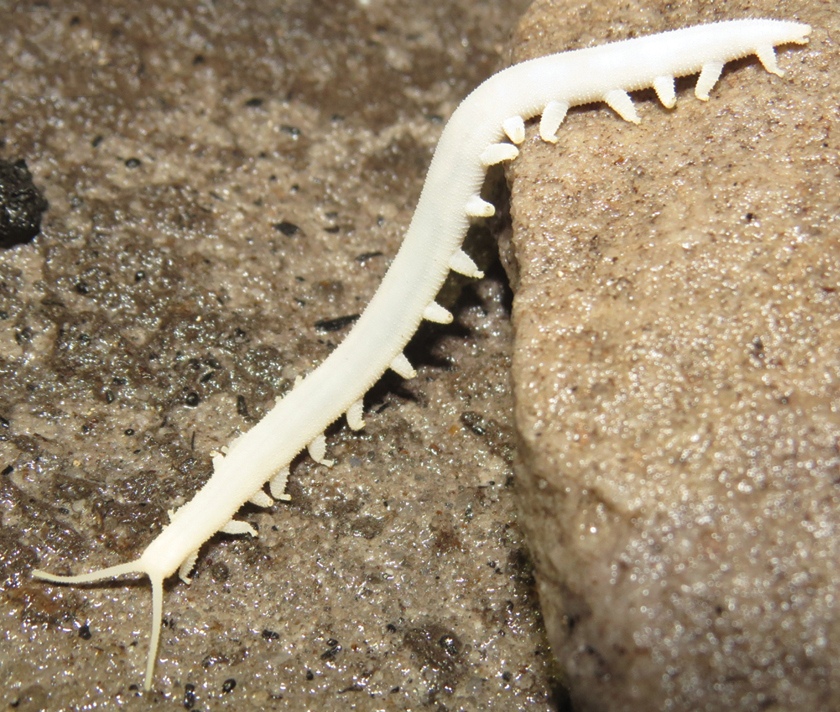
This velvet worm is extremely rare, limited to only one cave system on Table Mountain in South Africa.
The white cave velvet worm has no eyes and a striking white body with 18 pairs of clawed legs, which are much longer than its forest-dwelling relatives, allowing it to use the legs to explore its surroundings.
This species also has longer antennae – both adaptations are quite common among cave-dwelling fauna.
Kaua’i cave wolf spider (Adelocosa anops)
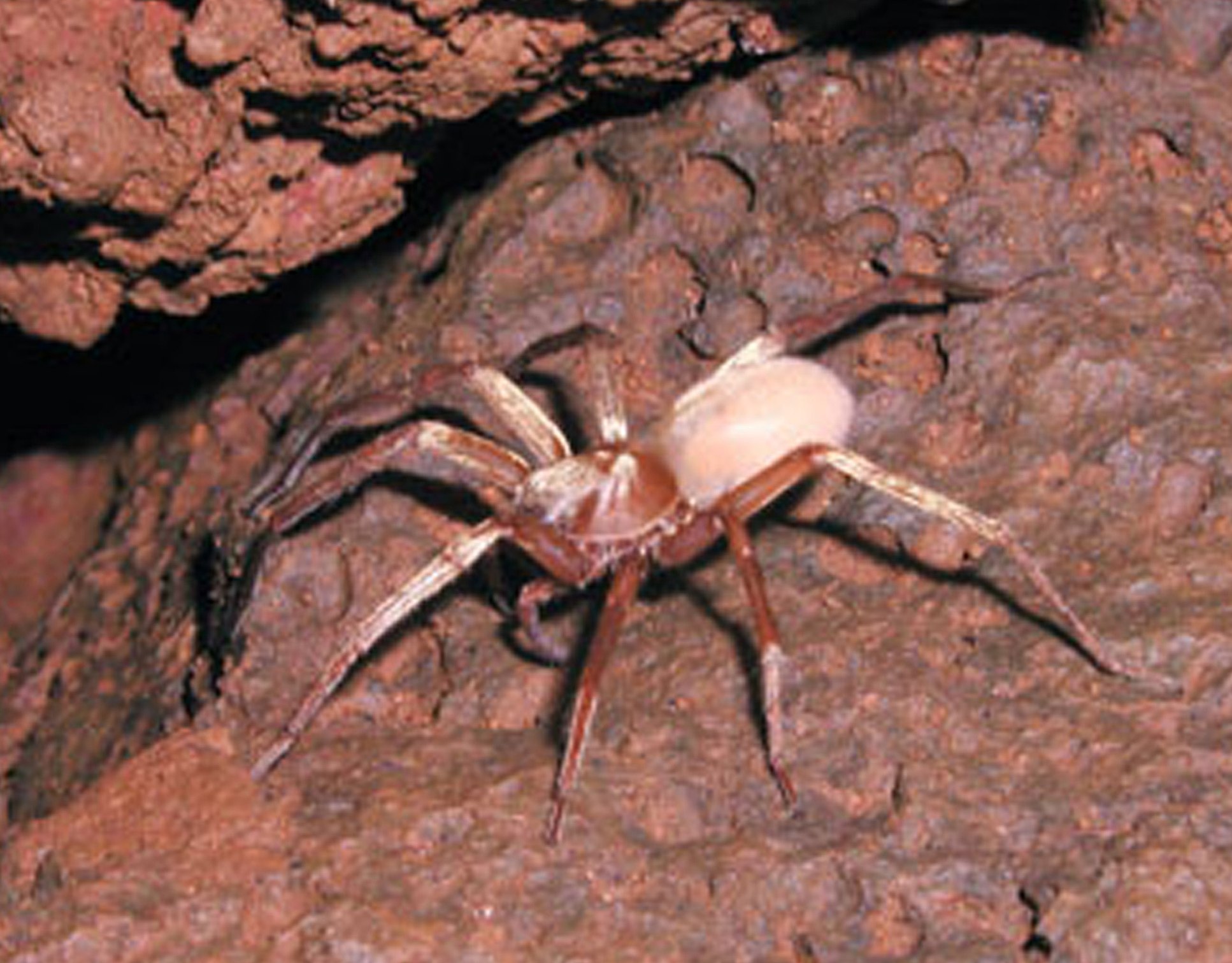
Known to locals as the blind spider, this species is only known to occur in a few caves in the region of Kaua’i in Hawaii.
Surface-dwelling wolf spiders are known for their large eyes and excellent eyesight, but this cave-dweller has completely lost its eyes. Instead, it relies on vibrations and chemical signals to locate prey.
These spiders can reach a body length of around 20mm, and with their reddish-brown carapace and bright orange legs, they can look frightening – but they’re completely harmless to people.
The Kaua’i cave wolf spider is an opportunistic feede: it mostly feeds on other cave inhabitants, such as amphipods, other spiders or cockroaches. It doesn’t build a web, but instead just kind of waits around, standing perfectly still, waiting for prey to approach.
Olm salamander (Proteus anguinus)
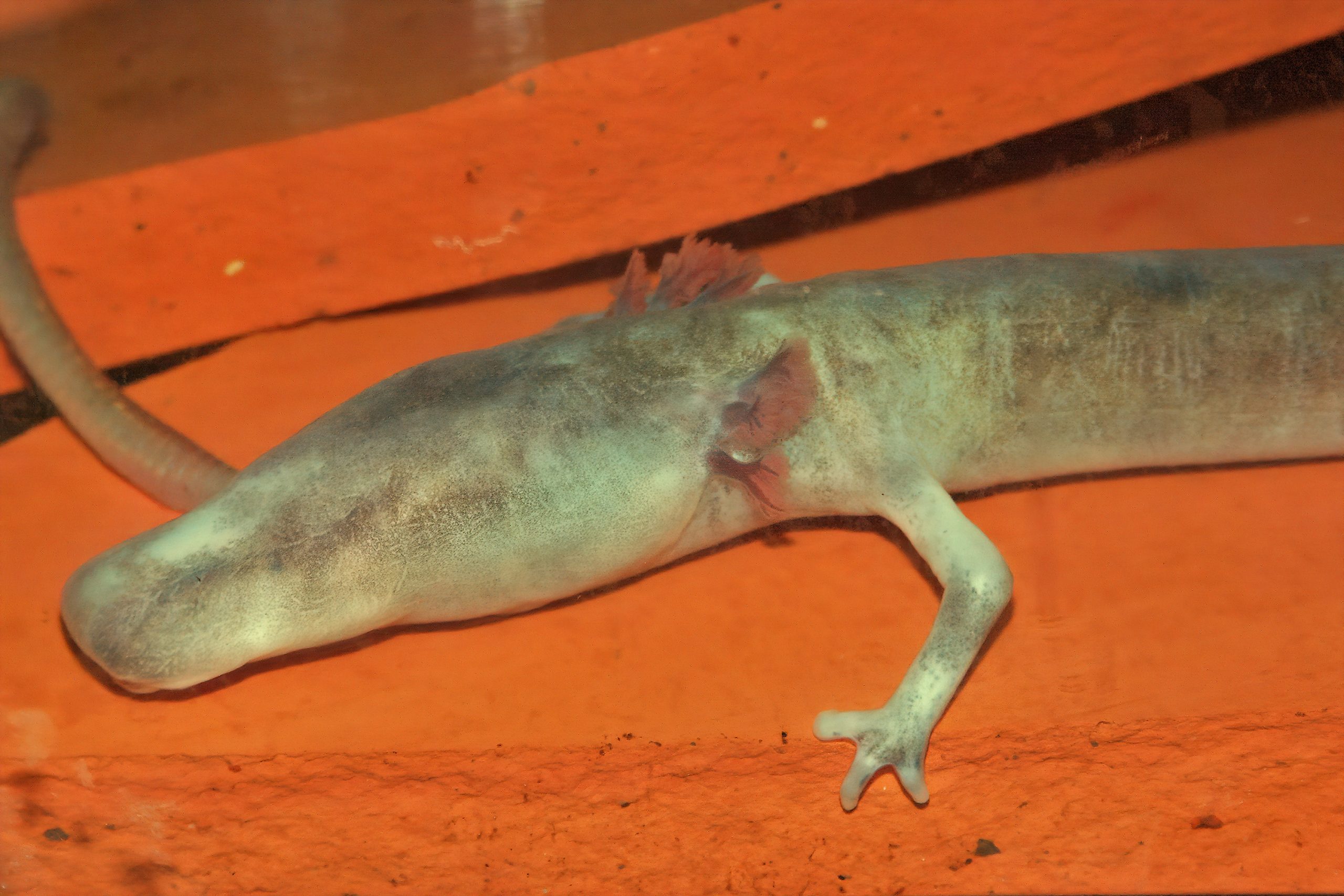
This slender-bodied, completely blind salamander is one of the most well-studied troglobites out there. The first record of this peculiar amphibian comes from a 1689 report by naturalist Valvasor – he mentions the olms washing up from underground waters. Local people believed they were babies of cave dragons, which perhaps isn’t that much of a leap considering their appearance.
The olm salamander is endemic to the underground waters flowing through the limestone bedrock of the karst of Central and Southeastern Europe. Unlike most amphibians, it’s entirely aquatic – it sleeps, eats and breeds underwater.
Locals often call it the “human fish” because of its fleshy skin colour. Its body is usually 20-30cm, with some specimens reaching up to 40cm (those bigger specimens would be some of the largest cave-dwelling animals in the world).
Devils Hole pupfish (Cyprinodon diabolis)
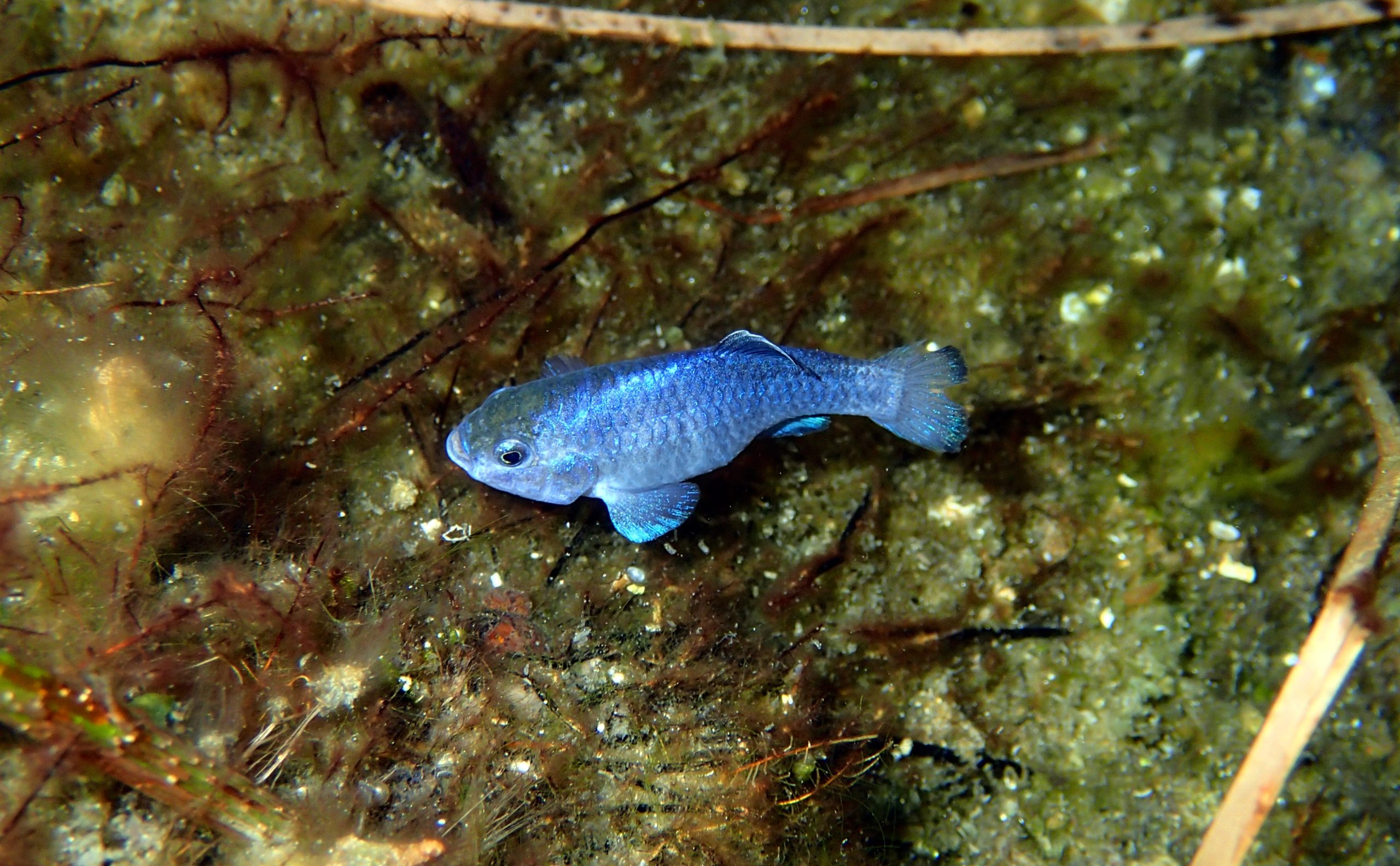
The Devils Hole pupfish is the smallest pupfish species, measuring up to 30mm. Pupfish earn their name from the mating behaviour of the males – which, although territorial and aggressive, was described to resemble puppies at play.
This small, silvery-blue fish is found only in Devils Hole, a water-filled cavern in Death Valley National Park in Nevada, US. This is an unlikely habitat for fish to survive, as the water always remains a steady 33 degrees Celsius – but this one has made it work.
A small limestone shelf filled with shallow water sits before the drop-off into the depths of the Devils Hole (the bottom of the cavern has never been mapped) – and that is where these pupfish feed and mate.
This species is listed as Critically Endangered on the IUCN Red List and is considered the rarest fish in the world: in 2024, scientists counted 191 individuals, and only 38 in 2025.
Mexican tetra (Astyanax mexicanus)
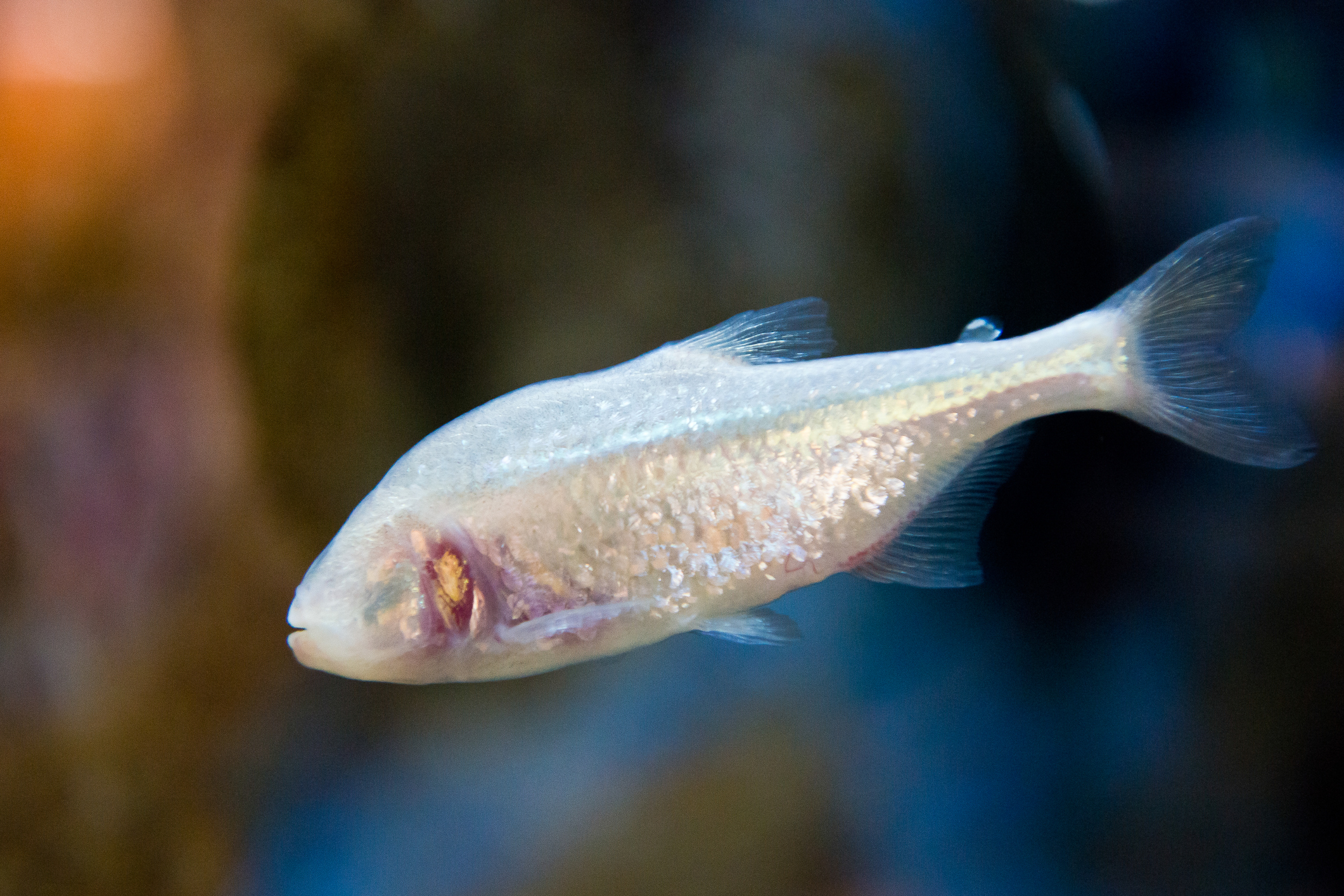
Also known as the blind Mexican cavefish, this fish is found mostly in the eastern waters off Mexico. It’s observed both as a sighted surface fish and as an independently-evolved blind cave form – with depigmented, pinkish-white scales and empty sockets covered with skin in place of eyes.
It also has highly-developed sensory organs along its body and a heightened nervous system – it can immediately detect where objects or other animals are located based on slight changes in water pressure.
New Zealand glowworm (Arachnocampa luminosa)
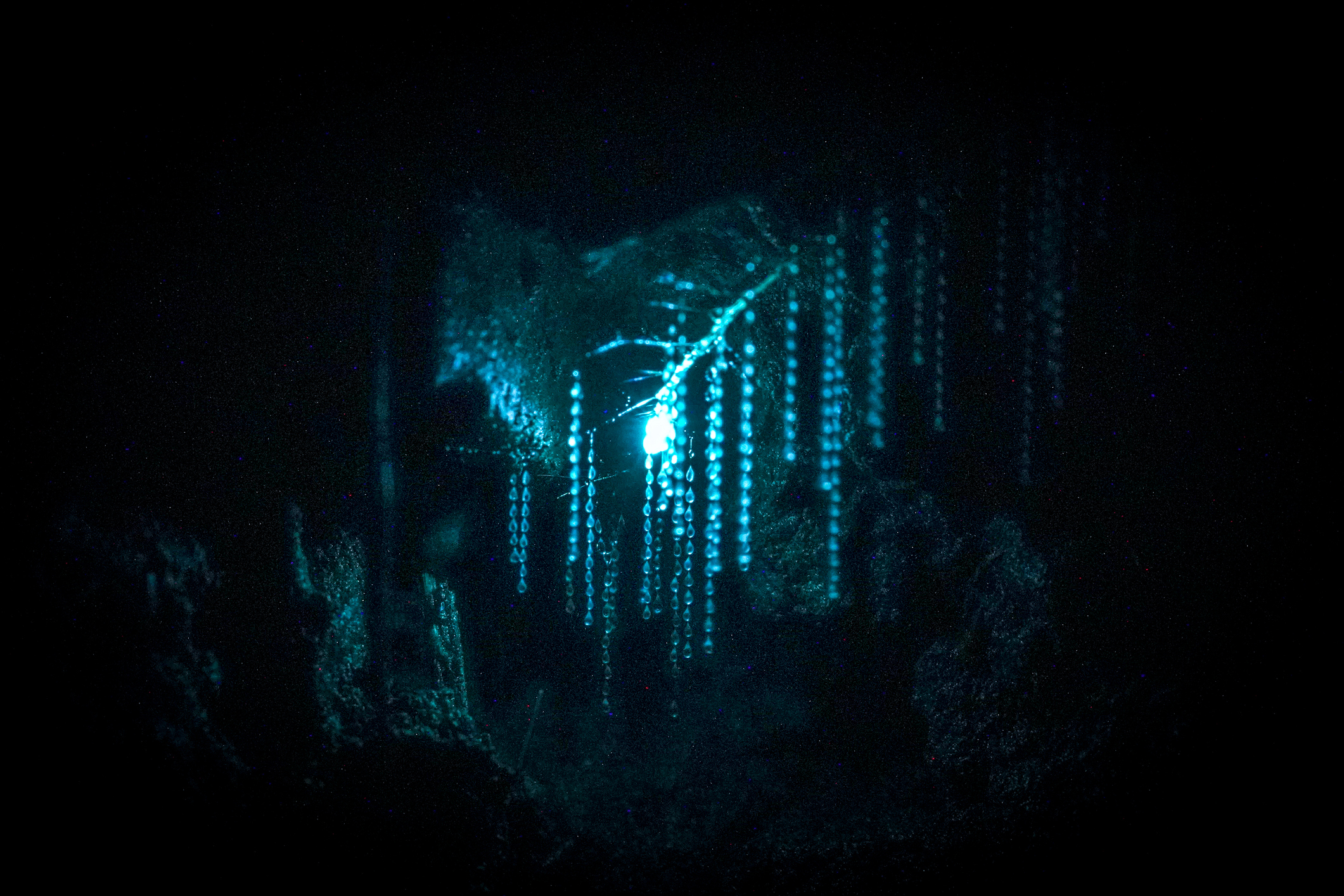
Don’t let the name fool you – these are not actually worms, but a species of fungus-eating gnats endemic to New Zealand. Bioluminescence is part of their peculiar hunting strategy, and just so happens to create quite a spectacular sight.
These carnivorous insects favour dark, damp spots, particularly cave ceilings. The larvae produce silk which they make into a nest, and then hang threads covered in a sticky substance. Each larva has a specialised organ that uses a chemical reaction to generate blue light. This light attracts small insects, which get trapped by the sticky snares.
Waterfall climbing cave fish (Cryptotora thamicola)
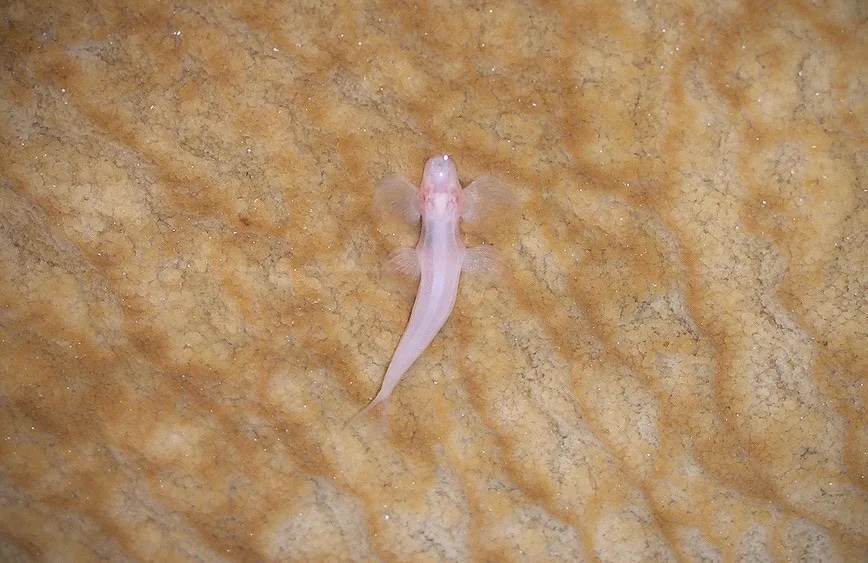
This species, endemic to Thailand, is much like other cave dwellers: blind, depigmented, elusive and quite small, reaching lengths of up to 2.8cm. But this hillstream loach has an ace up its sleeve – it has developed microscopic hooks that help it to climb up vertical waterfalls and cling on tight in the fast-moving waters.
- Meet nature's strangest strollers: The fish who use fins as feet to 'walk' on land
- For 50 years, there have been rumours of these fish climbing waterfalls. Scientists just filmed them doing it for the first time
Cave elephants
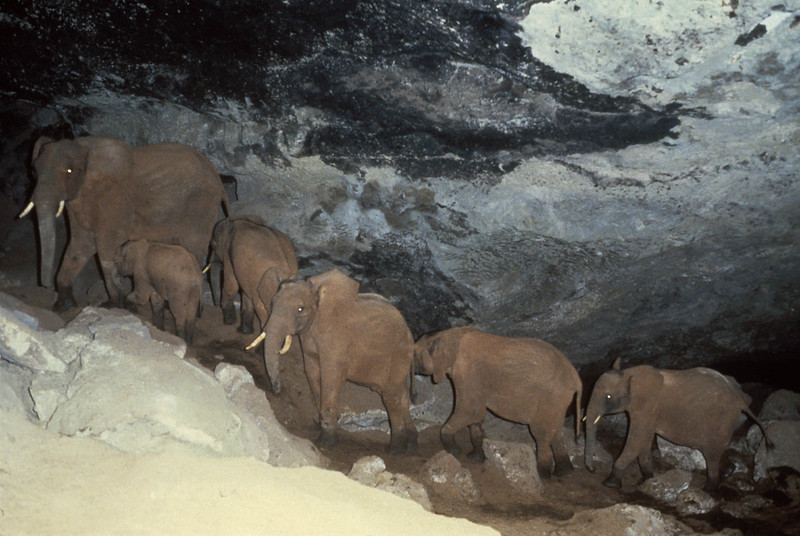
Not quite cave animals, but worth a mention nonetheless. In Mount Elgon National Park in Kenya reside the only elephants known to penetrate caves.
The savannah elephants present there today are merely remnants of what was once a bustling population. In search of much-needed minerals, which are hard to come by on Mount Elgon, these elephants lumber up the slopes of the now-extinct shield volcano to get to the deep crevices such as Kitum Cave, which are rich in seams of salt.
Once the elephants descend into the cave, they trudge 150m in the pitch black, feeling around with their trunks. At the end of the cave is the prize – one elephant can excavate up to 20kg of salt rock in a night.
Gibellula attenboroughii
To close out our list, an honourable mention to a parasitic fungus that favours cave spiders as its victims: Gibellula attenboroughii, named after David Attenborough.
This fungus preys on two species of long-jawed orb-weaving spiders: Meta menardi and Metellina merianae. Both are found predominantly in caves and tunnels – unless they get infected with the parasitic fungus. When infected, the normally reclusive arachnids leave their lairs and move to more exposed locations to die. This behaviour is similar to that of ‘zombie ants’ in the Amazon.
Top image: line of elephants climbing over roof-fall, Kitum Cave, Mt Elgon, Kenya - CMS Ambassador Ian Redmond by UNEP, CC BY-NC-SA 2.0


