
Scientists have discovered a new family of fungi, which includes a species with one of the tallest fruiting bodies in the world – challenging our understanding of how large fungi can grow.
- “It’s cloned itself to reach a whopping size of 77 square miles.” 6 biggest organisms on the planet including the Humongous Fungus
- 7 weirdest fungi in the world you (probably) haven't heard of, from the gross-looking bleeding tooth to the creepy dead man's fingers
The discovery was made during fieldwork in the forests of Yunnan, China, an area known for its extraordinary fungi diversity. With over 6,000 species documented so far, scientists estimate there are actually over 100,000 species hiding in its ecosystems.
The newly described species is named Dianjunus rex (‘D-rex’) in reference to its impressive size, as well as the ancient Dian kingdom that was founded in the area. The findings are published in the journal Frontiers in Fungal Biology.
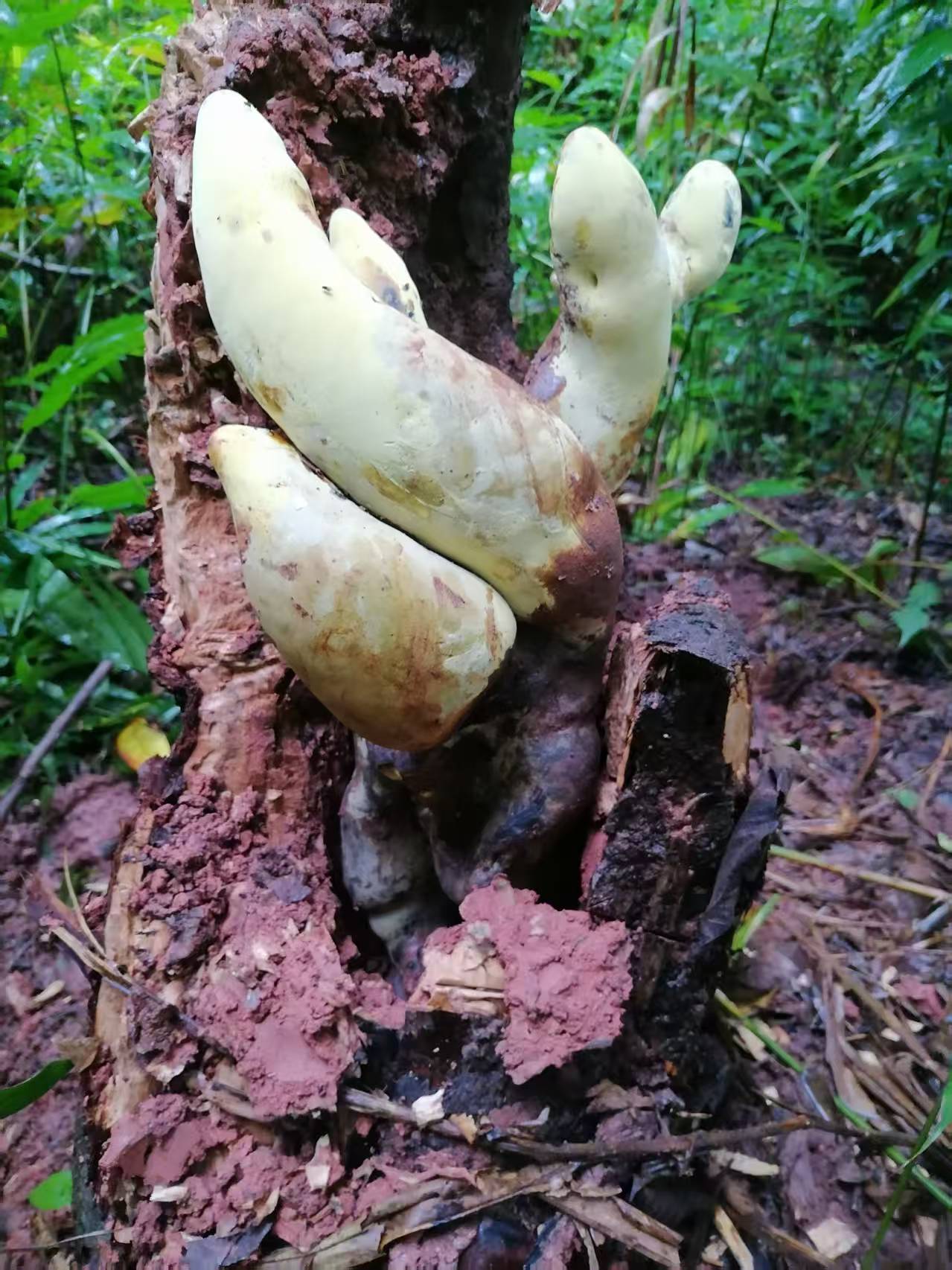
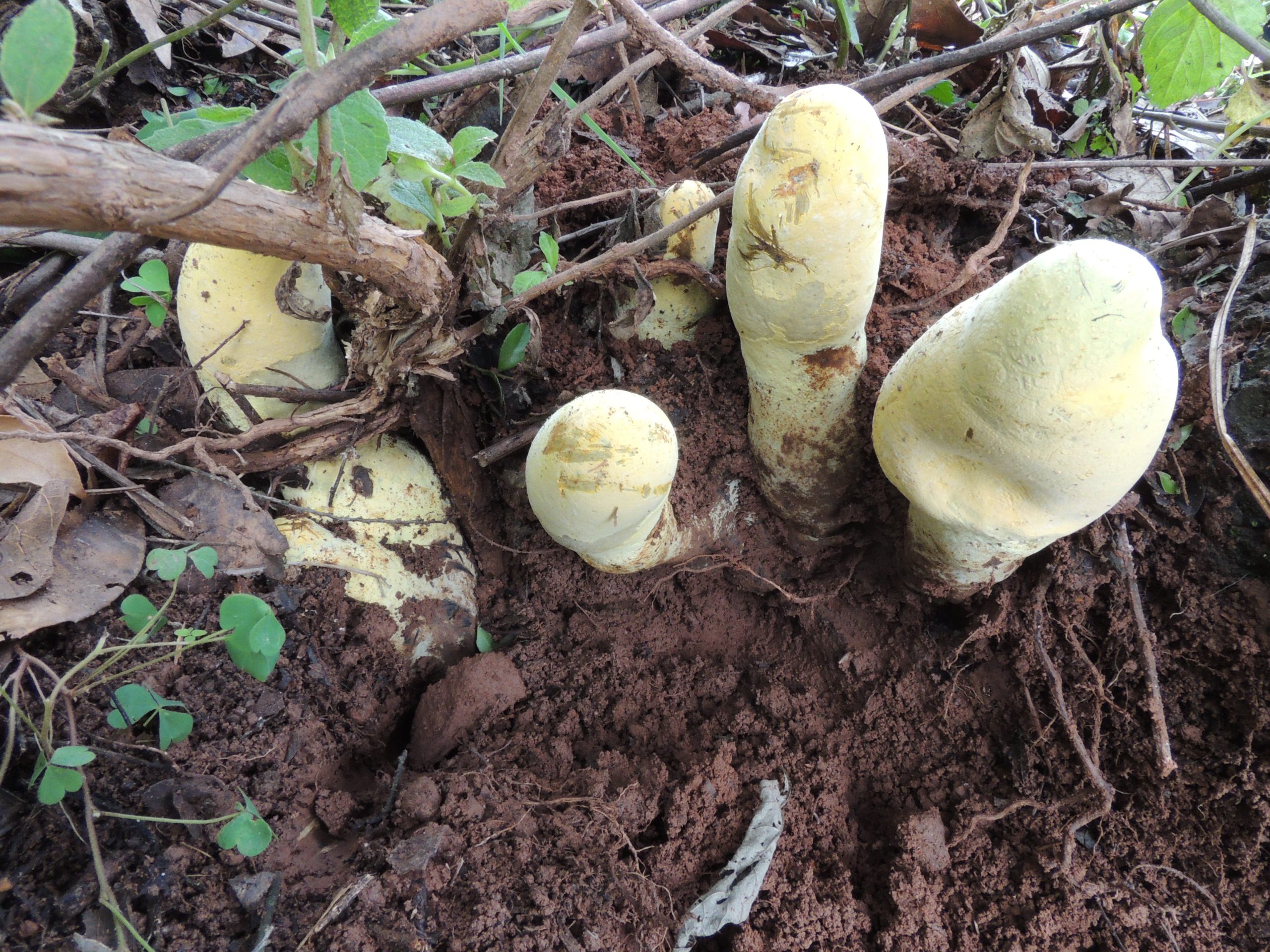
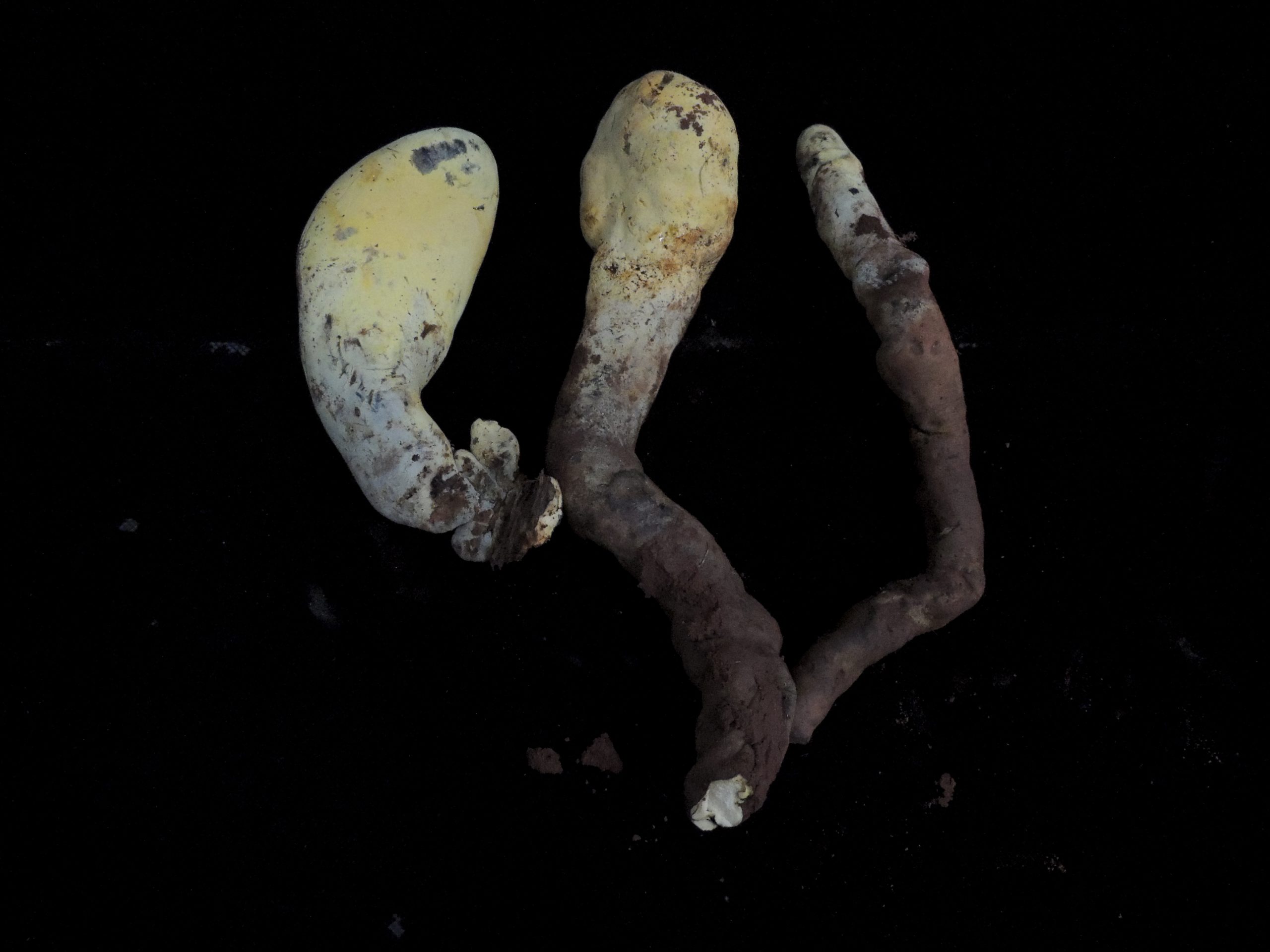
This ‘fungal giant’ produces fruiting bodies shooting upright up to 50cm and weighing up to 2.2kg. This is the largest known fungus within the phylum Ascomycota – which is also the largest group of fungi with over 64,000 species.
Until this discovery, the record-holder among fruiting bodies from this family was Engleromyces goetzei (found in Africa and Asia), measuring 20-30cm tall.
Scientists from the Kunming Institute of Botany were conducting mycological surveys in the temperate coniferous forests and tropical rainforests of the Yunnan Province when they came across the new species. The large fruiting bodies were growing on the roots of Chinese cork oak, emerging from the narrow region of soil surrounding the trees’ roots (called the rhizosphere).
The researchers identified them as an unknown Ascomycota species. The following study of their morphology confirmed that the fungus represented not only a new species, but also a new genus and new family (Dianjunaceae) within the order Xylariales.
“This remarkable species represents a new fungal family, Dianjunaceae, and provides a rare window into the evolution of extreme fungal body forms,” says Indunil C Senanayake, an associate professor at the Germplasm Bank of Wild Species of the Kunming Institute of Botany in China, and corresponding author of the study.
Fungi belonging to this order are known to produce secondary compounds and enzymes that can degrade complex plant molecules, making them especially useful for biotechnology and natural product discovery. The scientists think that D-rex might use these enzymes to digest dead wood.
- "Eating it leads to liver failure, kidney failure, and death." 9 deadliest fungi on the planet – mushrooms you don't want to mess with
- This underground web of fungi is so huge it could reach the sun 1 billion times. Scientists have mapped it for the first time
Molecular clock
By conducting a ‘molecular clock’ analysis (a technique that uses the rate of genetic mutations in DNA to determine how long ago a species diverged from a common ancestor), as well as comparing the new species to hundreds of other fungi with known evolutionary age, the scientists were able to trace the lineage of D-rex all the way back to 65 million years ago.
This is only one million years after the mass extinction of dinosaurs, as well as countless other species of animals and plants.
“This timing rises an intriguing possibility. After the mass extinction, forests experienced dramatic changes, including the sudden availability of large amounts of dead plant material,” explains Senanayake.
“For wood-associated decomposing fungi, such environmental disruption may have created new ecological opportunities.”
According to Senanayake’s hypothesis, a fruiting body towering over the surrounding vegetation could have had a better chance at successfully dispersing spores by wind in dense forests. But large structures require a big energy investment, so this strategy probably evolved only where the benefits outweighed the costs.
Read the full findings here.
Top image: illustrative only, not site of discovery. Scenery of Shangri-La, a county-level city in northwestern Yunnan province, China. Credit: fototrips/Getty Images


