As we are increasingly discovering, the world of fungi is an incredible, secret network of activity that's integral to the survival of life on Earth. Many fungi are invisible to the naked eye and we'd never realise they were there, but they are doing incredible work above and below ground.
But what is a fungus, and what is a mushroom? Often people will use these terms interchangeably, but they wouldn't necessarily be correct. Discover the difference between mushrooms and a fungi below.
What's the difference between mushrooms and fungi?
What is a fungus?
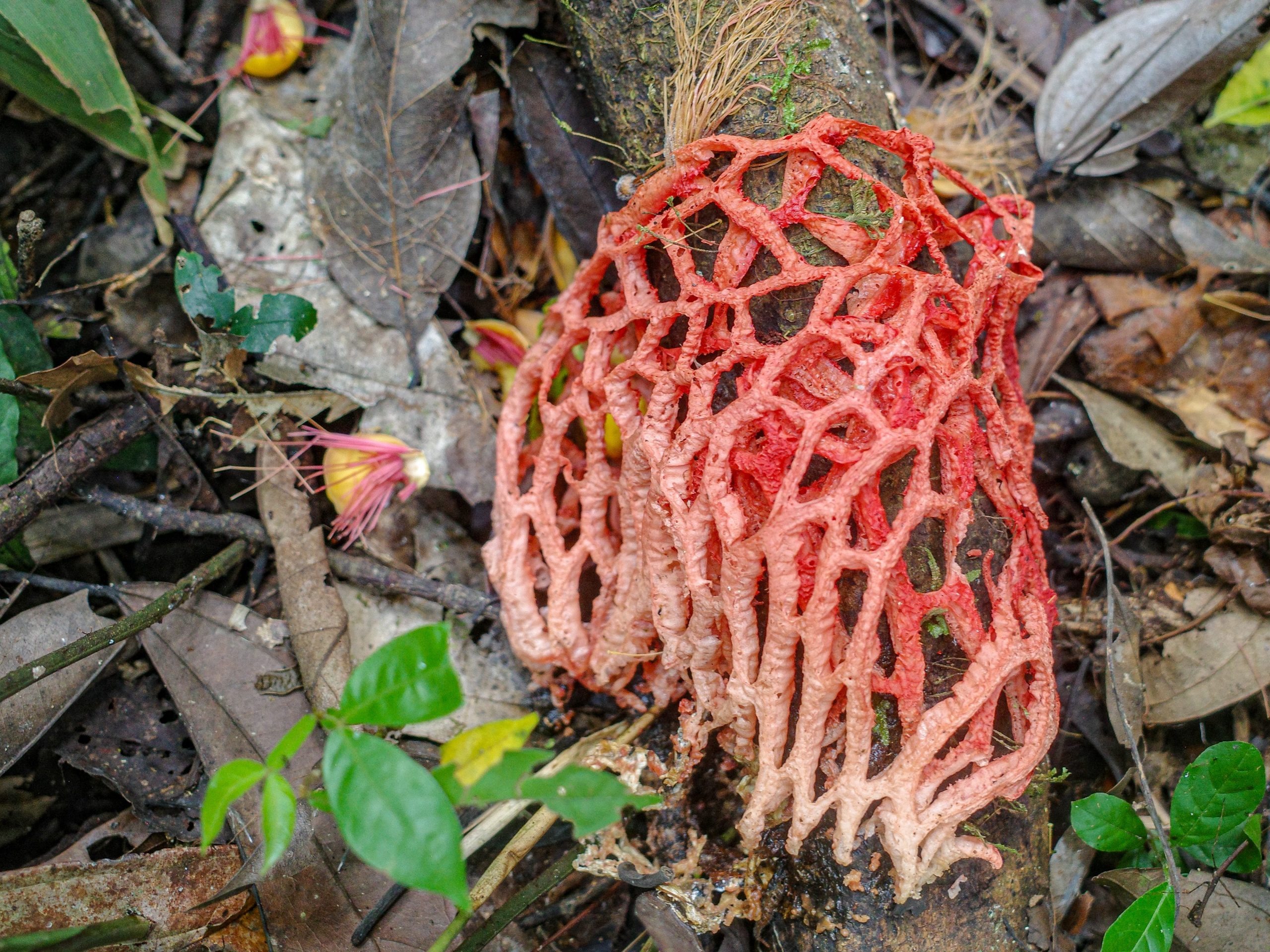
Fungi is the plural of fungus, and is the name given to a huge and diverse group of organisms classified in the biological kingdom Fungi. It was only in the mid-20th century that fungi got their own biological kingdom – before they were place in the Plant kingdom. However, plants and fungi are different. The main differences appear in their cells: fungi cells lack chlorophyll and their cell walls are made from something called chitin, which isn't found in plant cells.
Because they don't have chlorophyll, fungi can't photosynthesise, which means they get their energy in a different way to plants. They produce chemicals to digest food in their environment, and then they absorb it.
- Why this US horror fiction writer just spent three nights with an elephant-sized piece of flesh that smells like death
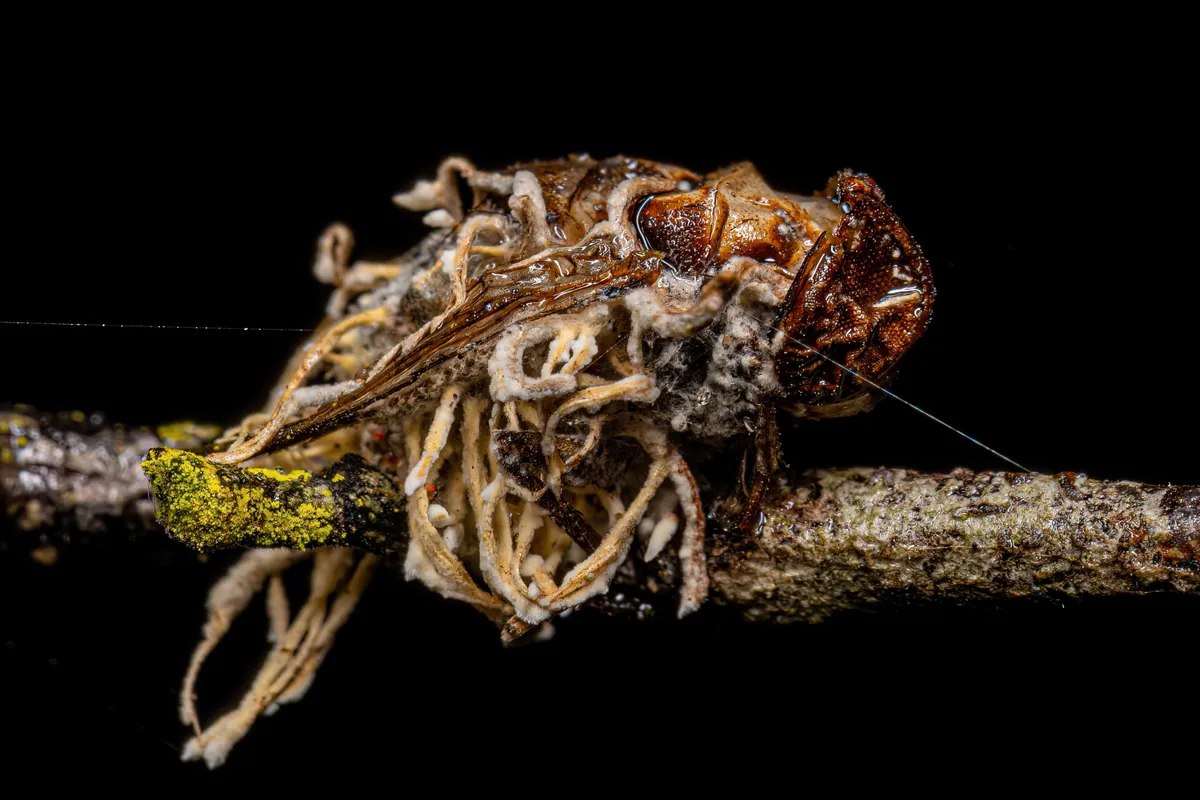
- The weird fungus that turns animals into zombies and kills them precisely at sunset
What is a mushroom?
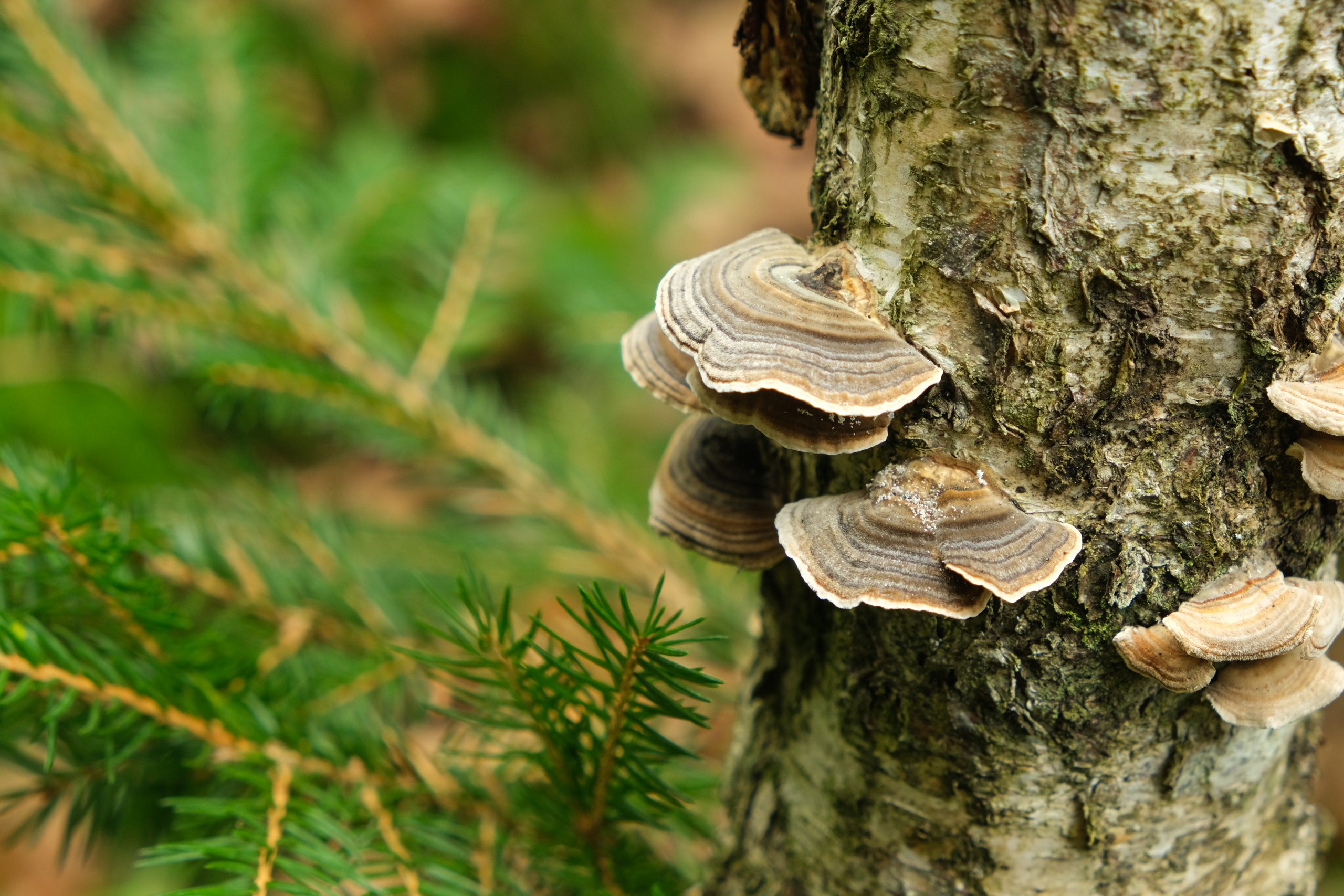
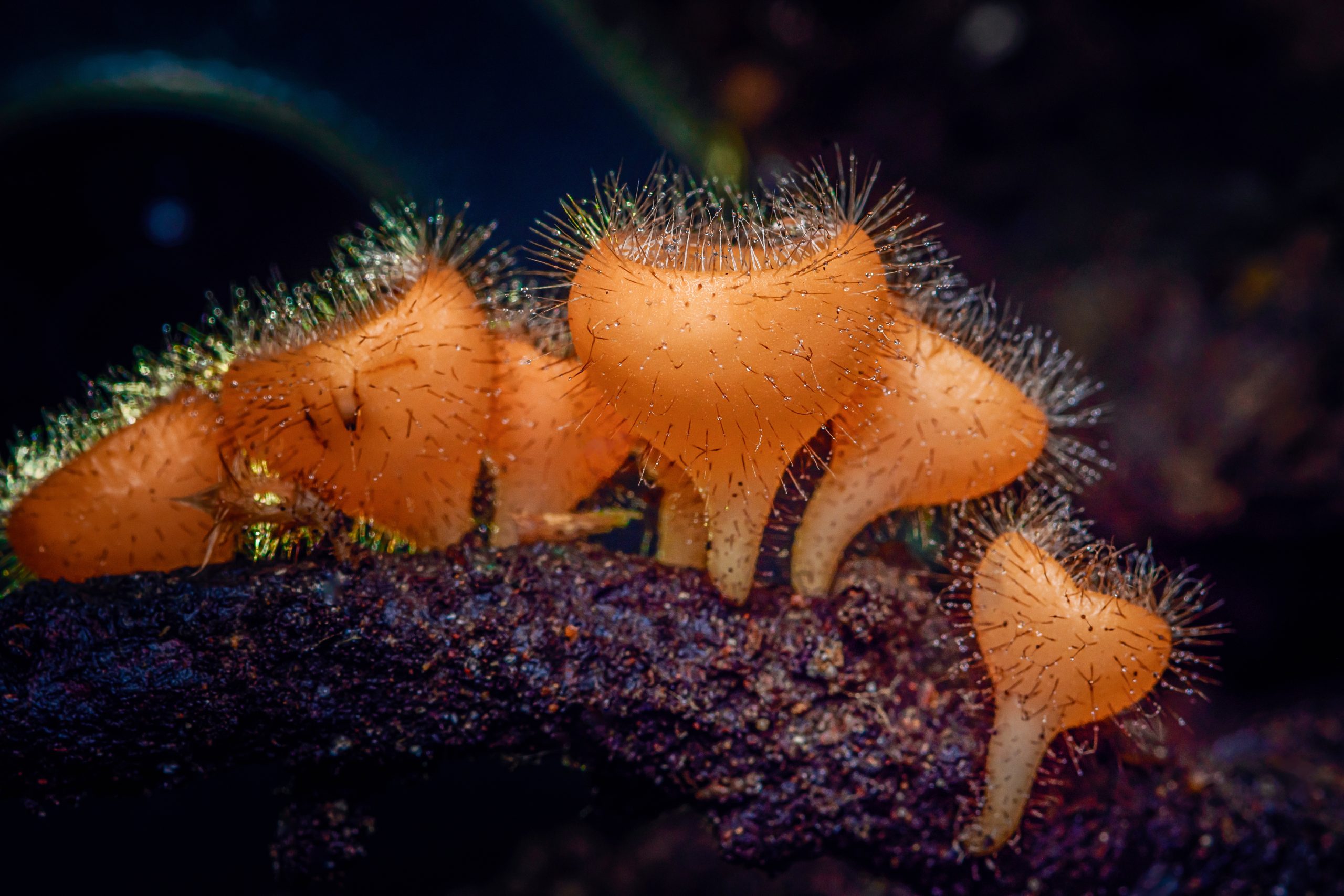
All mushrooms are fungi, but not all fungi have mushrooms. A mushroom is the visible fruiting part of some fungi that we see in woods, growing from the ground. Although often a fungus's fruiting body, such as that of truffles, stays underground.
Mushrooms are one of the ways fungi spread their spores, allowing them to reproduce. Mushrooms release spores into the air, which are then carried on the wind. But not all fungi have this fruiting part.
Why don't all fungi have mushrooms?
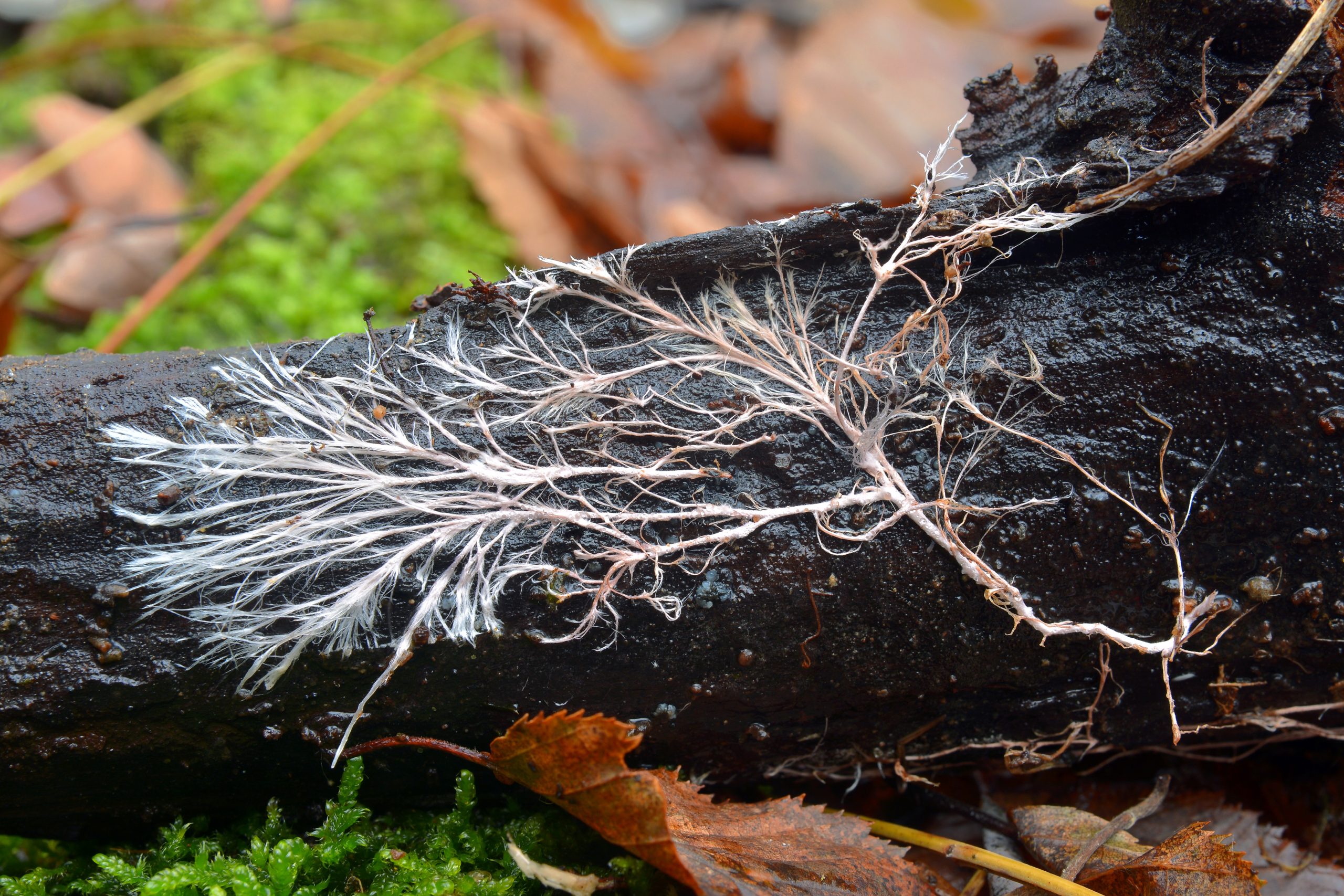
As mentioned above, the kingdom Fungi is huge and complex, with an incredible array of forms. Around 13,000 species of fungus exist exclusively as mycelium – networks of long strands known as hyphae, which stretch out from fungi through the soil. These fungi, or microfungi, as they are known, include powdery mildew on plants, and mould on food. So, they all work in very different ways and many don't need mushrooms.
More about fungi?
Around 155,000 species of fungi have been described, but it is estimated that there are around 2-3 million species out there. They are vitally important to the Earth for various reasons: they decompose dead organisms, recycle carbon and are food for humans and many other animals. Fungi are used in medicine, too. Medicines, such as statins and penicillin, have come about because of fungi. They also form symbiotic relationships with plants, taking sugars from the plant in exchange for other beneficial things, including moisture and nutrients.