It’s well known that beaver dams transform landscapes. In their absence, artificial versions were built in northern California to recreate lost wetlands – boosting the survival of threatened coho salmon.
The findings are published in Frontiers in Ecology and Evolution. Fish biologist Michael Pollock of NOAA’s Northwest Fisheries Science Center called the results “mind blowing”.
- Europe is dismantling its dams at a record-breaking rate – and it's saving rivers
- The largest dam-removal project in US history has finally been completed. Now something truly amazing is happening
The Scott River valley in northern California was once home to so many beavers it was known as Beaver Valley. Their dams created an enormous riverine wetland, providing habitat for juvenile coho salmon and a host of other wildlife.
Then European fur trappers arrived in the 1830s. Thousands of beavers were trapped and killed, and much of the habitat created by their dams and wetlands was lost – taking with it the cold, slow-moving habitat favoured by coho salmon.
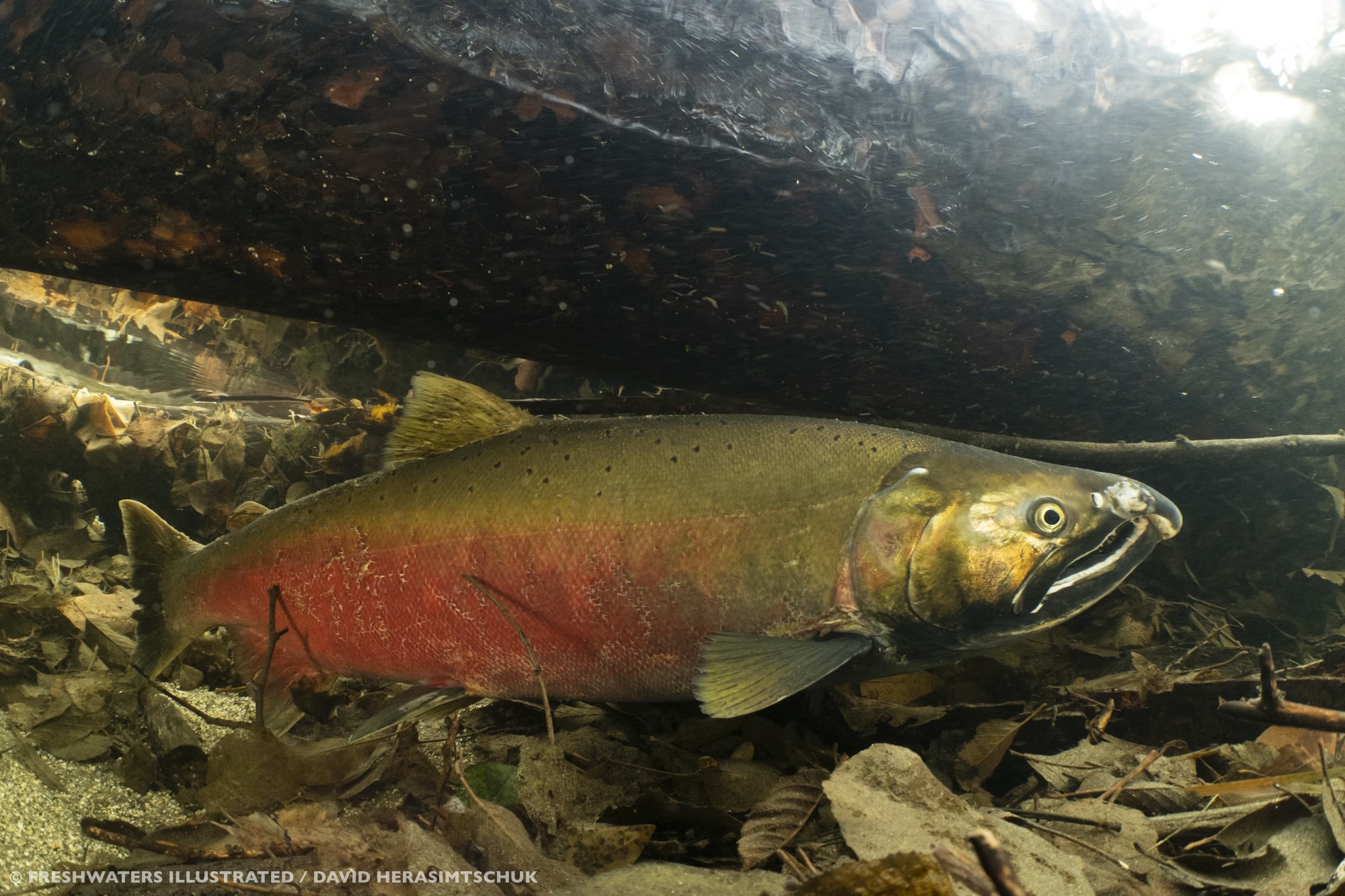
- Astonishing footage shows grizzly bears hunting during the annual salmon run – one of nature’s greatest spectacles
- Monstrous prehistoric salmon with teeth like warthog tusks once roamed the Pacific Ocean
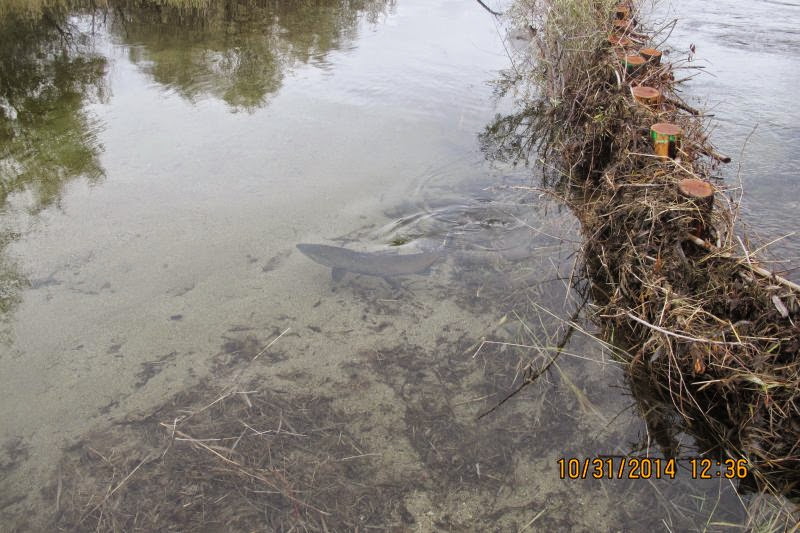
With the beavers all but gone, in 2015 the nonprofit Scott River Watershed Council built two artificial dams on a tributary called Sugar Creek. Wooden posts were hammered into the streambed, interwoven with willow and conifer branches, then the gaps were plugged with gravel, straw and mud.
Three years later, several more dams were built on another tributary, called French Creek. From time to time, the remaining beavers even chipped in, repairing, modifying and sometimes expanding the dams. “When beavers do adopt a structure, their work is far superior to what we can accomplish,” says Charnna Gilmore from the Scott River Watershed Council.
- Canada may not have existed as we know it today if it wasn’t for the beaver. Here's why
- Here's why beavers are good for fish
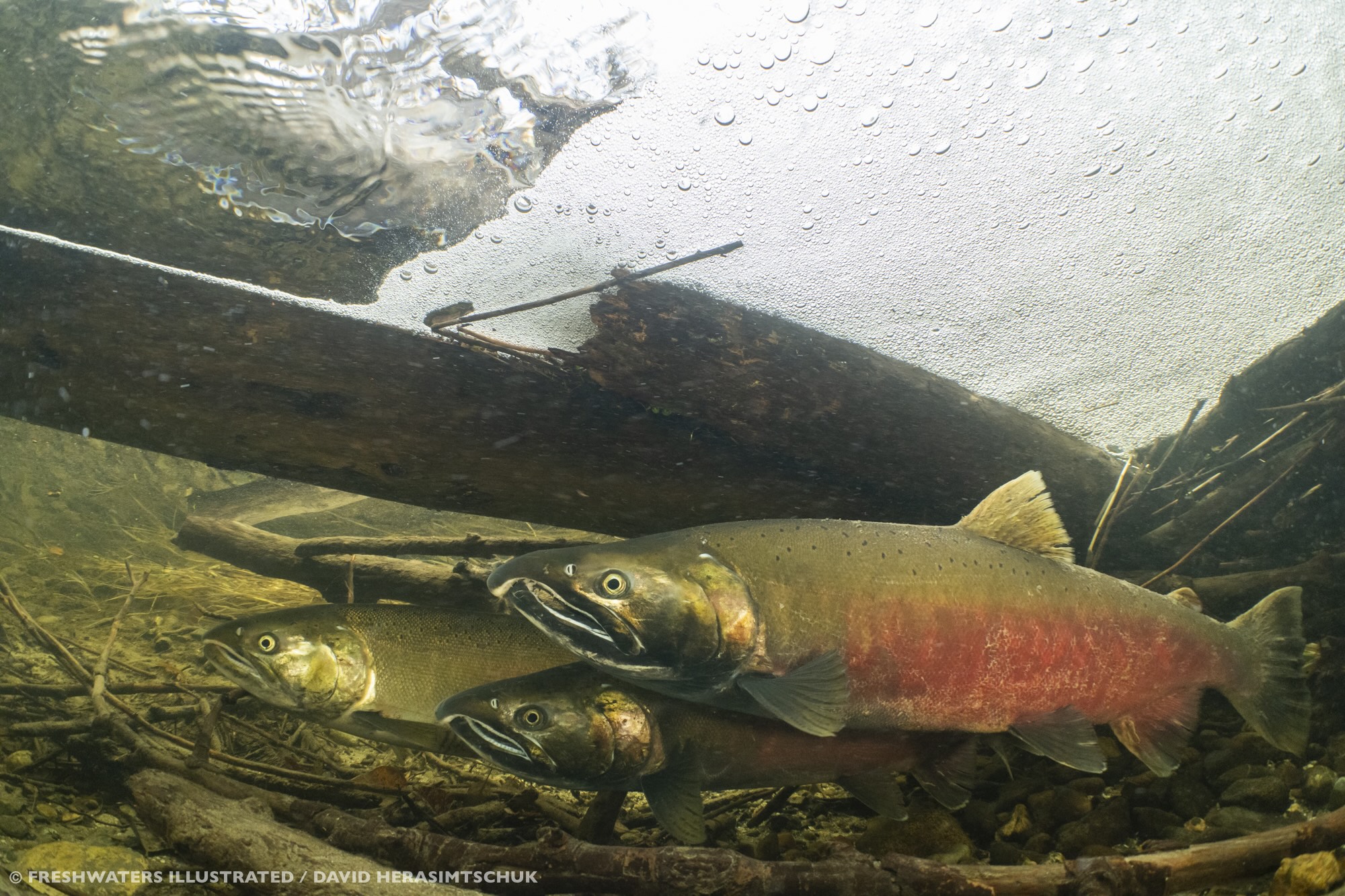
- Camera traps catch beaver farting on a quiet riverbank in England
- Beaver vs otter: how to tell them apart
The artificial dams held, creating around 9,000 square metres of new habitat with the capacity to support more than 8,500 young salmon. Compared with areas where no new dams were built, the water in the restored habitats stayed cooler, avoiding temperatures known to stress the fish and slow their growth. Juvenile coho survival rates soared, from 8% before the dams were built in French Creek to 60% afterwards.
Juvenile coho survival rates soared, from 8% before the dams were built in French Creek to 60% afterwards.
Coho salmon spend their first summer in freshwater before heading out to sea and later returning to the streams to breed. Two years after the first dams were built, more salmon were returning to the Scott River than to any of the other rivers monitored in the study. And while salmon numbers elsewhere remained low, returns to the Scott River stayed healthy, even during severe drought.
Small, low-cost interventions yielded big, impressive results. But it’s bittersweet. “My take is that the artificial dams have helped people remember what the beaver can do and how integral they are to the health of stream ecosystems,” says Pollock. “But beavers can only thrive if landowners allow them to.”
Find out more about the study.
Top image: Sugar Creek, California. Credit: Scott River Watershed Council
More wildlife stories from around the world
- A great earthquake struck this mountain range – and created an underwater, eerie forest
- Chernobyl Exclusion Zone: When humans fled the worst nuclear incident in history, animals moved in. This is what happened next
- Mount St. Helens erupted in 1980, then a team of gophers were helicoptered in to bring it back to life
- This coral reef gets bombed every 62 minutes. And it’s changing the way the ocean sounds