
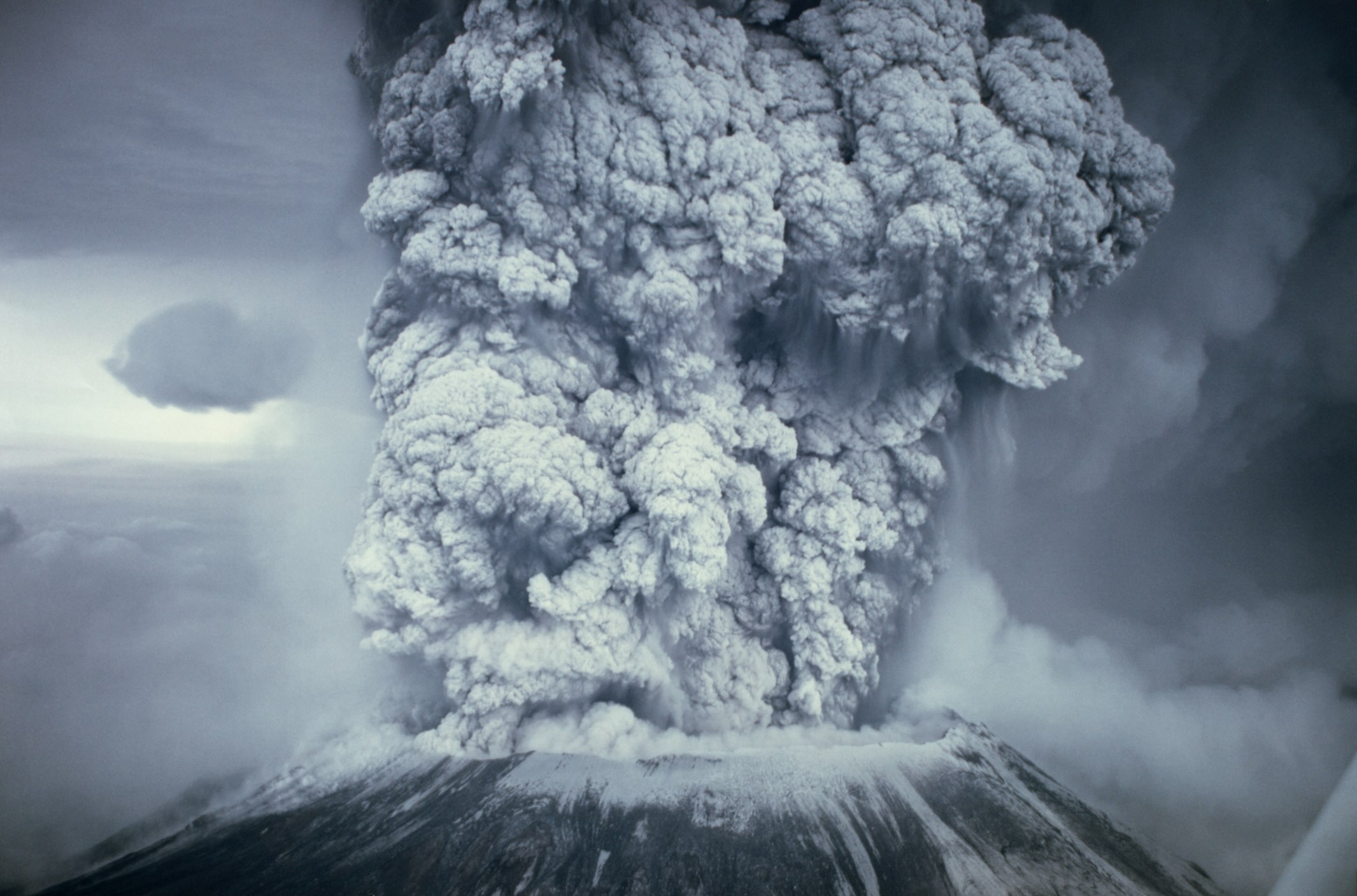
When Mount St. Helens erupted in 1980, its fiery blast of molten rock and scorching ash left miles of the surrounding landscape in ruins. Every plant, tree and living thing in its path was incinerated or buried under volcanic debris.
For scientists, this offered a unique opportunity to test out a novel conservation method to help bring life back to the charred landscape.
What did the researchers do? They released gophers onto the mountainside.
The results were even more striking than the team had hoped. In just one day, the burrowing rodents began a chain reaction that would impact the soil’s health and biodiversity for decades.
A 2024 study published in Frontiers in Microbiomes revealed the lasting effects of this intervention, showing a persistent increase in beneficial microbes in the areas where gophers once dug, compared to nearby soil that had been left untouched by the rodents.
"In the 1980s, we were just testing the short-term reaction," said co-author of the study Michael Allen, a microbiologist from the University of California. "Who would have predicted you could toss a gopher in for a day and see a residual effect 40 years later?"
- Does anything live at the top of Mount Everest?
- The loudest sound ever recorded ruptured the eardrums of sailors and was heard thousands of miles away
Gopher theory
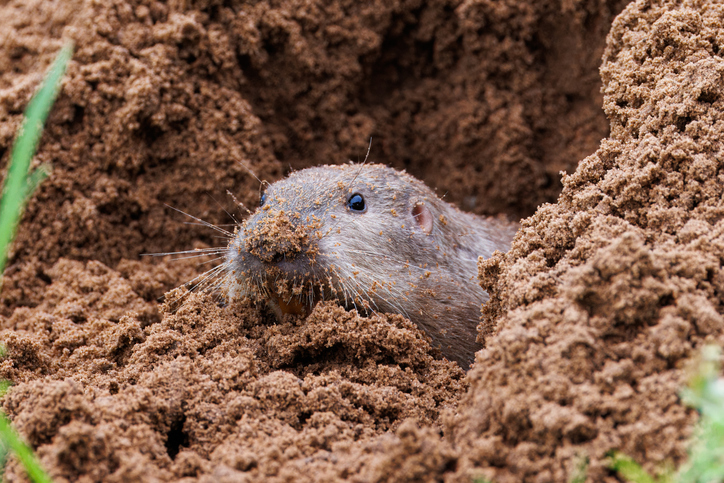
Once the debris from the explosion began to cool, scientists speculated that the humble gopher might play a vital role in revitalising this harsh, inhospitable environment.
They thought that as the gophers dug through the ash, they might unearth buried bacteria and fungi essential for soil health.
"They're often considered pests, but we thought they would take old soil, move it to the surface, and that would be where recovery would occur," explained Allen.
- Cataclysmic volcanic eruption in Hawai'i triggers astonishing explosion of life 1,200 miles away
- See inside Earth's oldest meteorite crater
A mountain transformed
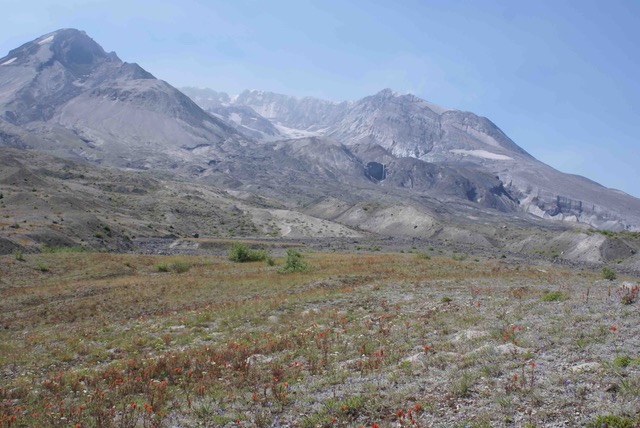
In 1983, Allen and Utah State University ecologist James McMahon boarded a helicopter and flew to a section of the mountainside – now a harsh, pockmarked landscape of cooled lava and porous pumice – where they planned to conduct their experiment.
At that time, only a handful of plants were managing to eke out an existence in these conditions. A few seeds, scattered by passing birds, had sprouted, but with little nutrients available, the seedlings struggled to survive.
On two designated pumice plots, scientists released a few gophers for a single day to observe how their digging might affect the ecosystem.
Within six years, the barren soil had transformed. These once-desolate patches now held over 40,000 thriving plants. In stark contrast, nearby land untouched by the gophers remained largely lifeless.
This remarkable resurgence of plant life was thanks to something invisible to the eye – mycorrhizal fungi. These microscopic fungi play a crucial role in healthy soil by forming symbiotic relationships with plant roots, which allows them to exchange nutrients and protect plants from pathogens. In barren environments, where nutrients are scarce, mycorrhizal fungi are invaluable, transporting essential elements such as water and minerals directly to plant roots.
"With the exception of a few weeds, there is no way most plant roots are efficient enough to get all the nutrients and water they need by themselves. The fungi transport these things to the plant and get carbon they need for their own growth in exchange," Allen explained.
Magical microbes
The study also shed light on how these microbial networks affected other areas of the mountain’s recovery. On one side of Mount St. Helens, an old-growth forest lay under layers of ash. Initially, scientists feared that this thick coating would trap heat and destroy the needles of pine, spruce and Douglas fir trees, potentially leading to a forest collapse. However, the opposite happened.
"These trees have their own mycorrhizal fungi that picked up nutrients from the dropped needles and helped fuel rapid tree regrowth," explained UCR environmental microbiologist Emma Aronson, a co-author of the study. "The trees came back almost immediately in some places. It didn't all die like everyone thought."
Scientists also studied a section of the mountain that had been clear-cut before the eruption. With all mature trees removed from this forest, there were no dropped needles to nourish the soil’s microbes. The result? Little to no regrowth, even decades later.
"There still isn't much of anything growing in the clear-cut area," Aronson said. "It was shocking looking at the old-growth forest soil and comparing it to the dead area."
This extraordinary resilience highlights the intricate, interdependent relationships that sustain ecosystems. According to Mia Maltz, the lead author of the study and a mycologist from the University of Connecticut, it underscores the essential role of soil microbes in restoring disturbed landscapes.
"We cannot ignore the interdependence of all things in nature, especially the things we cannot see like microbes and fungi," said Maltz.
Read more about the study.
Top image credit: Phillip Pasteris/Getty Images
More wildlife stories from around the world
- Pumas are saving human lives in Washington State. Camera-trap footage reveals how
- There's a strange spinning island in Argentina that's a perfect circle – and scientists know why
- Hawk Mountain: how a deadly hunting ground in the Appalachian range became a sanctuary for raptors
- Mountain lions moved into a tiny Californian preserve. What happened next astounded scientists


