
With a whopping 729,000 acres of wetlands, Big Cypress National Preserve is bigger than the entire state of Rhode Island and the European country of Luxembourg. America's first National Preserve, it is situated in South Florida, 45 miles west of Miami - but it couldn't be more different than that coastal metropolis.
Big Cypress National Preserve features many distinct areas of habitat, which makes for a veritable melting pot of wildlife. From hardwood hammocks, to pinelands, prairies, cypress swamps, mangrove forests and tidal marshes there is a huge array of flora and fauna found in the area.
What is the Big Cypress National Preserve?
Marked as one of the US's first National Preserves in 1974 (alongside the Big Thicket National Preserve in Texas), the Big Cypress National Preserve is 729,000 acres of wilderness in the state of Florida. Different to a National Park, a National Preserve protects land from development much like a National Park, but in some circumstances activities such as oil extraction, hunting and trapping are allowed.
It is a huge area of swampland that is vital to the health of neighbouring preserves, coastal ecosystems and Everglade Park. It features tropical and temperate plant communities and some remarkable wildlife.
- What exactly is a black panther?
- It spans over 1 million acres, contains rare creatures and is the only place on Earth where two watery apex predators clash
Where is the Big Cypress National Preserve?
Larger than the state of Rhode Island, the Big Cypress National Preserve is in South Florida about 45 miles west of Miami in the United States. It is north of Everglades National Park and is situated on the Atlantic coastal plain. Certain Native American tribes - such as the Miccosukee and Seminole tribes still call Big Cypress National Preserve and the surrounding area home and have certain rights when it comes to using the area's resources.
What are the Big Cypress National Preserve Habitats?
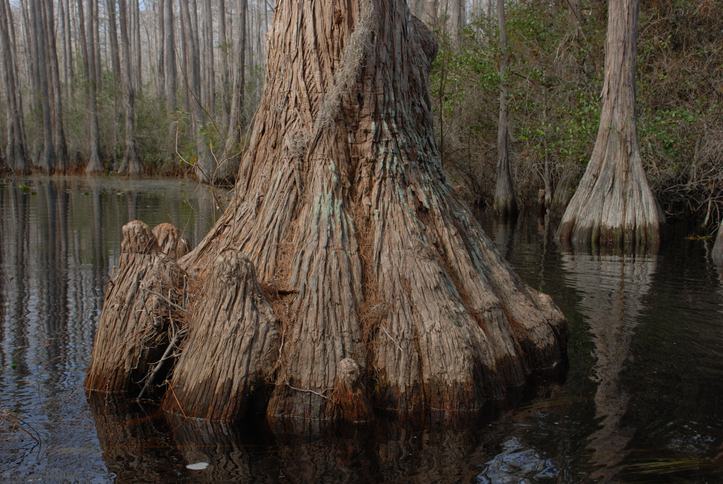
Big Cypress is a huge freshwater swamp ecosystem filled with mangroves and wet cypress forest. These forests are dominated by bald cypress trees (Taxodium distichum) which are flood tolerant and drought hardy. Deciduous, they have a particular type of root called a pneumatophore - often dubbed 'knees' - which is thought to act as a way of transporting air to roots which are often submerged in water. In 2016 the preserve was also designated a dark-sky park, which means it is an important ecosystem that supports nocturnal animals such as 50 species of fireflies and bats.
- 16 stunning photos of the world's oldest national park
- “I moved to remote cabins in Yellowstone National Park and learned to speak with the wolves – this is what they’ve taught me”
What animals are in the Big Cypress National Preserve?
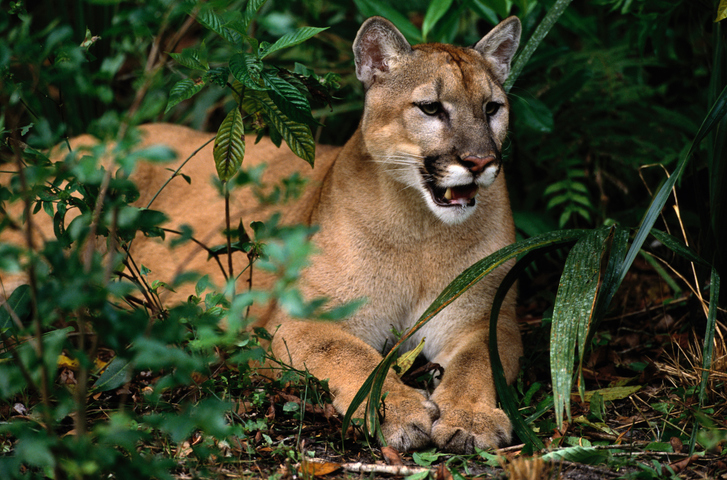
Due to its unique ecosystems, Big Cypress is home to over 100 endangered and threatened plant and animal species, as well as species that are not on the threatened list. The most distinct of these is the elusive Florida Panther, which is exceptionally difficult to spot. It is estimated that between 130 and 230 Florida panthers exist in the wild and Big Cypress provides the largest contiguous acreage of habitat for them.
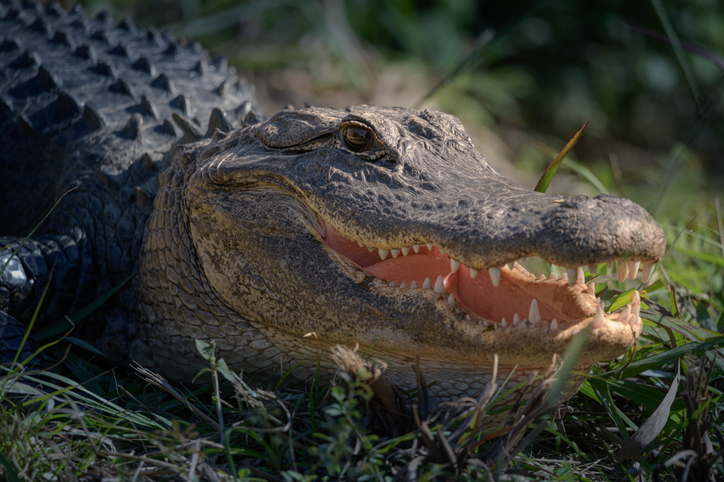
American alligators (Alligator mississippiensis) also live in the Big Cypress National Preserve and this apex predator takes advantage of the many fish, reptiles, birds and mammals which live on the preserve. These freshwater reptiles also make alligator holes, which are an important part of the preserve's ecosystem as they are used as wet and dry habitats by other animals.
- Researchers deploy 120 robots in Everglades National Park. Their mission is to help catch 20ft snakes
- How do Burmese pythons swallow prey whole?
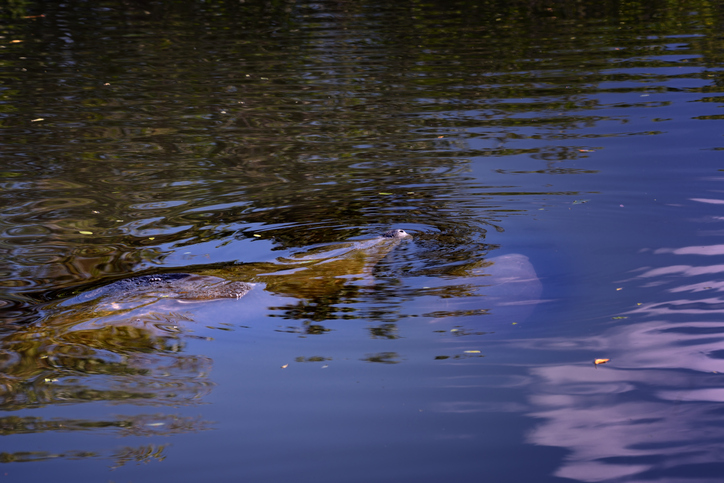
River otters (Lontra canadensis) are also found throughout the Big Cypress National Preserve. A semiaquatic mammal, the river otter weighs between 5 and 14 kg and eat fish, clams, turtles and much more. Another mammal that lives in the waters of Big Cypress is the Florida manatee and during winter they venture inland into the canals and waterways of Big Cypress.
Non-native animals that live in Big Cypress
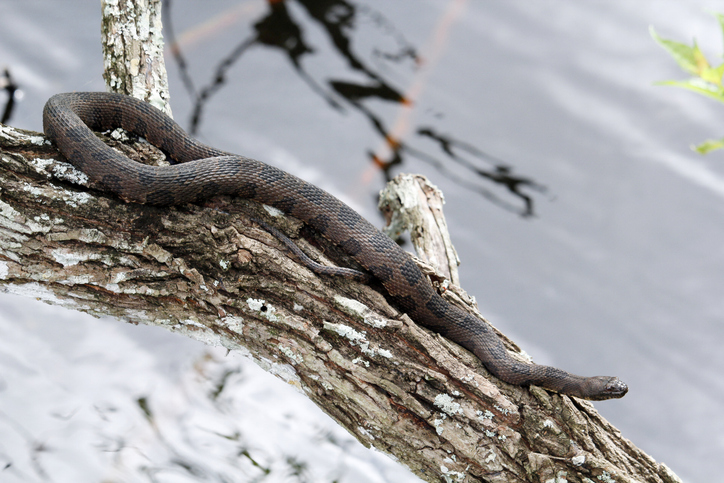
Native to Southeast Asia, the Burmese python (Python bivittatus) is one of the largest snake species in the world, capable of growing to more than 5m in length and 150kg in weight. Burmese Pythons also live in Big Cypress National Reserve and are considered an invasive species. Earlier this year research was published that looked into the habits of these reptiles in Big Cypress National Preserve, specifically around the arboreal habits. The results, published in the Journal of Herpetology by the Society for the Study of Amphibians and Reptiles (SSAR) show a preference for specific tree species and distinctive shifts in behaviour as the snakes age and grow. This knowledge could help control the population of these snakes.
- Snake Island, the terrifying island off Brazil that only scientists and soldiers can visit
- “We would find piles of rattlesnakes.” Scientists witness undocumented snake behaviour in Wyoming's mountains
Does Big Cypress National Preserve have oil drilling?
In short, yes. It was in 1943 that oil was first discovered on land that is now Big Cypress National Preserve. Drilling for oil is very controversial, given that the area is a critical habitat for over 100 threatened or endangered species. The area was earmarked for a Jetport in the 1960s, with the view to building an airport to replace Miami International Airport. The response to this from conservationists, environmentalists and Native American tribes including the Seminoles and Miccosukees led to the area being established as the US's first National Preserve in 1974.


