
If you had to name a place full of deadly species, chances are Antarctica wouldn’t be the top of your list. Its frigid, stormy waters are more likely to cause you harm than its adorable penguins.
But are there any dangerous animals in the Southern (or Antarctic) Ocean? Here are a few species to watch out for.
Most dangerous animals in the Southern Ocean
Leopard seals

Leopard seals are undoubtedly one of Antarctica’s fiercest predators. Reaching weights of up to 600kg, the only Antarctic seal that grows bigger is the elephant seal.
Leopard seals have large, sharp teeth that help them tear into fish, squid, penguins and even other seals. To rip their prey into edible pieces, they bring it up to the surface, and then thrash their heads violently until the skin comes away and chunks of flesh come off.
Although they prey on larger animals, these seals also eat krill, skimming the tiny crustaceans from the water using their interlocking, trident-shaped molars.
And might they try to take on a human? Possibly. Although rare, attacks have happened. There's only ever been one recorded fatality: while snorkelling, scientist Kirsty Brown was dragged underwater and drowned by one of these huge predators.
Southern elephant seals

These giants can grow even larger than leopard seals, weighing thousands of kilos. In fact, elephant seals are the largest species of seal on the planet.
These highly territorial animals can be aggressive if they feel threatened and are known to bite. The wounds can then become infected from all the bacteria in their large teeth.
- "No way!" Gob-smacking footage of a gigantic two-tonne elephant seal taking a rest on a South African police car
- Researchers played elephant seals the calls of their nemeses. This is what happened next
As with other wild animals, seeing elephant seals in the wild can be incredible but be sure to respect their space and keep your distance – for your sake as well as to prevent disturbance to the seal.
Orca
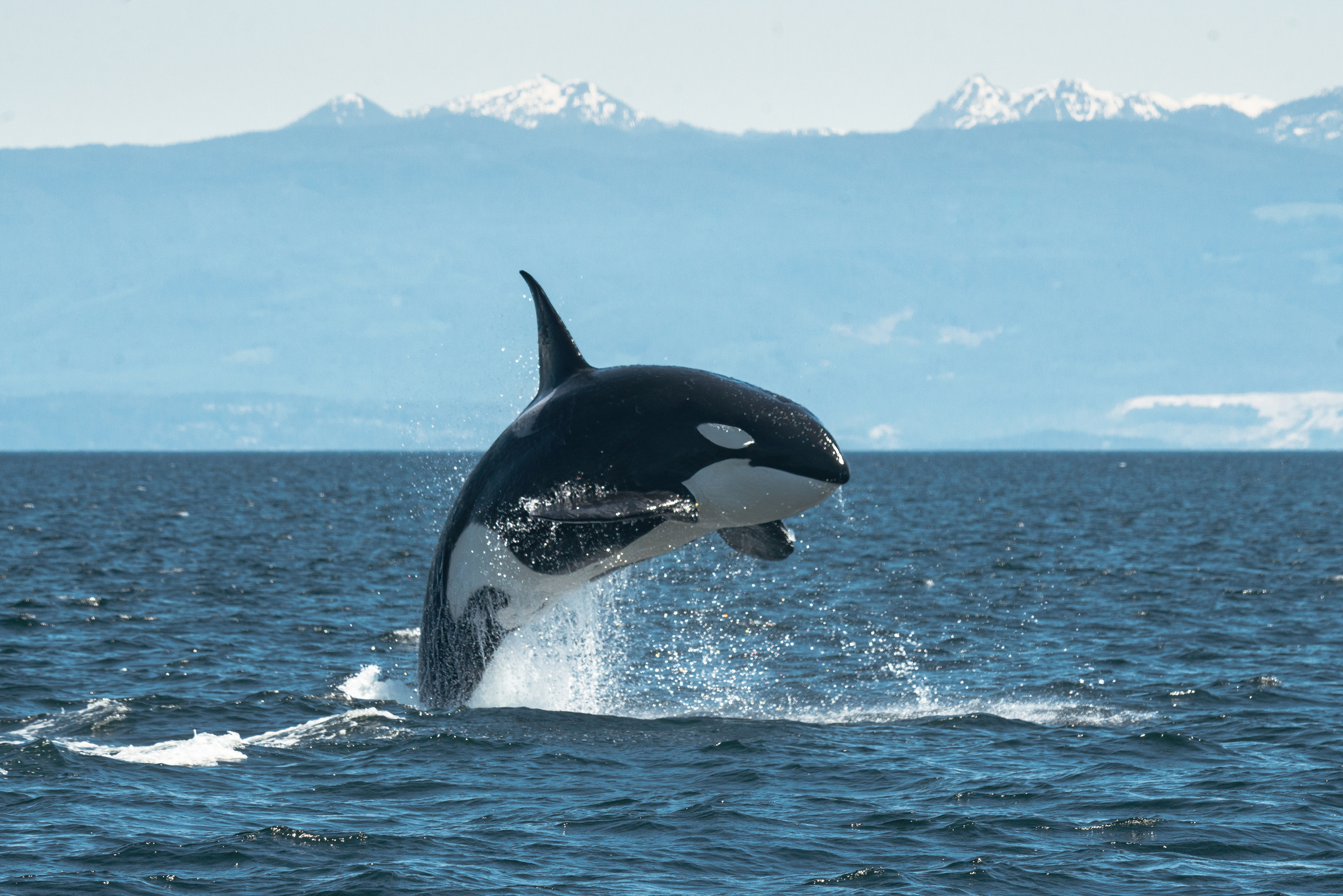
The ocean’s apex predator – the killer whale – is found in every ocean. Several ecotypes cruises through Antarctic waters, some of which feed on mammals. Growing up to 9.5 metres, Antarctic type A orcas are the largest ecotype on the planet. These giants like to eat minke whales while Type B orcas prefer seals.
Although wild killer whales don’t typically target humans, their sheer size and intelligence would make them a mighty foe if they did.
Sperm whales

Another giant marine mammal is found in the Antarctic’s icy waters: the sperm whale. Reaching 20.5 metres, these enormous whales are the planet’s biggest toothed predator. They come to the Ross Sea to feed.
As anyone who’s read Moby Dick will know, sperm whales have a bit of a reputation. Sailors have described how these massive animals would ram their ships and young whales were recently filmed headbutting each other (why they do so is not yet clear).
Thankfully, sperm whales don’t typically set their sights on humans but if one decided to ram your boat, you could be in serious trouble.
- 33-metre, 180-tonne monster tops 'biggest animals in the ocean' list – and makes the great white shark look tiny
- 10 most powerful whales on the planet – are these the ocean’s smartest killers?
Giant squid

Another Antarctic creature known for its fearsome reputation is the giant squid (Architeuthis dux), which is believed to be the inspiration for the myth of the Kraken from Scandinavian folklore (it could also have been the colossal squid, Mesonychoteuthis hamiltoni, and both species live in the Southern Ocean).
- Giant squid detected in deep-sea canyon off coast of Australia
- Scientists extract DNA from 'vampire squid from hell’ – and uncover 300-million-year-old secret
Giant squid can grow to around 13 metres long so it’s easy to see why tales sprang up of these huge ‘monsters’ dragging ships to the bottom of the ocean. There’s no scientific proof, though, of giant (or colossal) squid killing humans – so you likely don’t need to worry.
Antarctic toothfish
Antarctic toothfish, sometimes called Antarctic cod, are large fish that can grow up to two metres long and weigh around 80 kilograms.
Despite their size, these predators aren’t aggressive towards humans and, even if they were, live in an almost unreachable habitat: they are typically found between 800 and 1,500 metres deep so most humans will never see one alive in the wild.
- "If some stop swimming they will suffocate..." Did you know fish can do maths, walk, fly AND pee? 15 fish facts that leave you scratching your head
- Monstrous deep-sea fish filmed in daylight for first time ever
However, you might see one served at restaurants or fish markets as these animals are targeted by some fisheries. Be careful if you eat toothfish. Their flesh can contain high levels of mercury, sometimes even exceeding safe levels.
South polar skuas
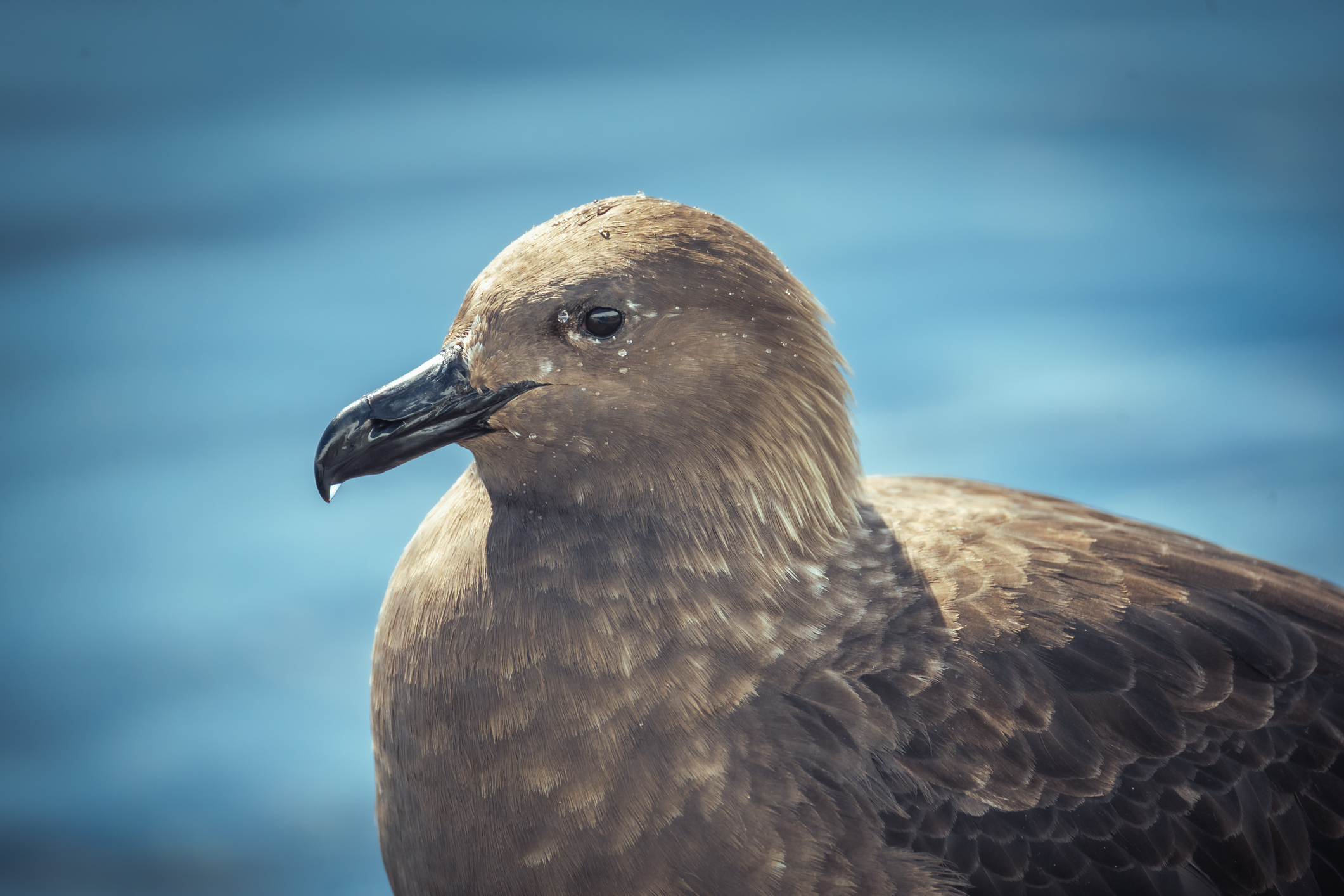
Threats can come from above too. South polar skuas are thuggish birds that kill chicks from other species and feed them to their young.
Thanks to their violent nature, they’ve become known by some as the ‘pirates of the sea’. These birds can be particularly territorial and aggressive during the breeding season and have been known to dive-bomb people.
According to Oceanwide Expeditions, “skuas are highly intelligent and known to launch defensive measures against researchers they don't like. Researchers who repeatedly wear the same clothing, backpack, or even sunglasses can be identified and attacked on their way to nesting sites,” they write on their website.
Although these attacks aren’t likely to be fatal, if you don’t want a bird pecking at your head while also screaming in your face, give their nests a wide berth.
- Crushing bone, spearing fish, tearing flesh... These are the 6 deadliest bird beaks on the planet and they are highly effective lethal weapons
- 10 deadliest birds on the planet: From slashing humans with razor sharp talons to kicking prey to death, discover the world's savagest, most brutal avian killers
Southern giant petrels
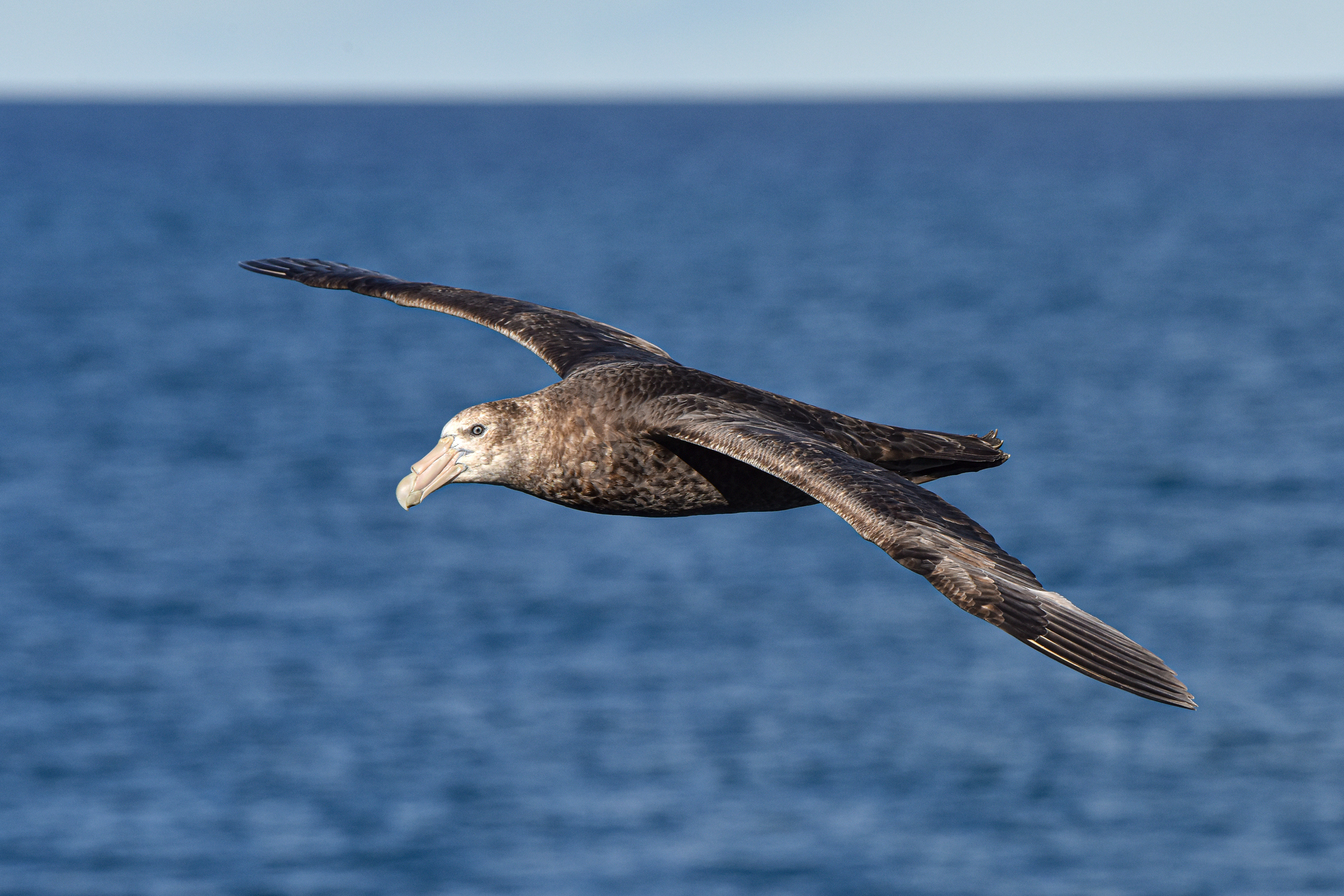
Another bird you might not want an encounter with is the Southern giant petrel, which can also be aggressive and has even been seen attacking enormous sperm whales.
19th century sailors warned that falling overboard could trigger an attack – again, aiming for the face. They also gave them the nickname ‘stinkpots’ or ‘stinkers’ because of their tendency to vomit their stomach oils as a self-defence mechanism. Gross.
Top image: Deception Island, Atrarctica. Cavan Images/Oleksandr Matsibura/Getty Images


