
Each year, millions of insects migrate through a gap between two high peaks in the Pyrenees. New research now reveals a hidden ‘aerial food web’ in this remarkable area; it turns out dragonflies are its main predator – and sometimes they even prey on each other.
- Millions of insects squeeze through narrow mountain pass in the Pyrenees in "magical" migration spectacle
- "Symptoms involve fever, severe headaches, seizures, and disruption of the sleep cycle and death" 10 most dangerous, deadliest insects on the planet
The Pass of Bujaruelo, a narrow, 30-metre-wide mountain pass on the France-Spain border in the Pyrenees, is a major insect migration bottleneck. To learn about the intricacies of this spectacle, researchers analysed DNA from the guts of two dragonfly species, identifying exactly which insects end up as prey – and which come out on top.
“We tend to view migrations as a stream of animals moving – but we don’t often consider the interactions between them,” said Dr Eva Jimenez-Guri from the Centre for Ecology and Conservation on Exeter’s Penryn Campus in Cornwall.
“Our findings show that migration concentrates many species, creating new opportunities for predators and prey to interact.”
The scientists studied two species of dragonfly: the lesser emperor (Anax parthenope) and the common darter (Sympetrum striolatum), both known to catch prey in flight.
They found that 87 species of prey had been eaten by these insects, and flies (order Diptera) made up the largest portion of their diet – they were found in every dragonfly. Some lesser emperors even ate larger prey, including clouded yellow butterflies.
But perhaps more interestingly, the diet of lesser emperors included their smaller cousins, the darters.
“The real surprise for us was that almost all gut samples from lesser emperors contained smaller darter dragonflies,” said Dr Karl Wotton, Associate Professor in Migration Biology at the University of Exeter.
“We know that dragonflies prey on each other as nymphs (a juvenile stage when they live in water) but we didn’t expect this interaction to appear so consistently in adults travelling along the same route.”
- Prehistoric insects were absolutely massive. Here's why they needed to be so darn big
- These are the biggest insects in the world, from a 60cm-long monster to one that weighs a hefty 70g
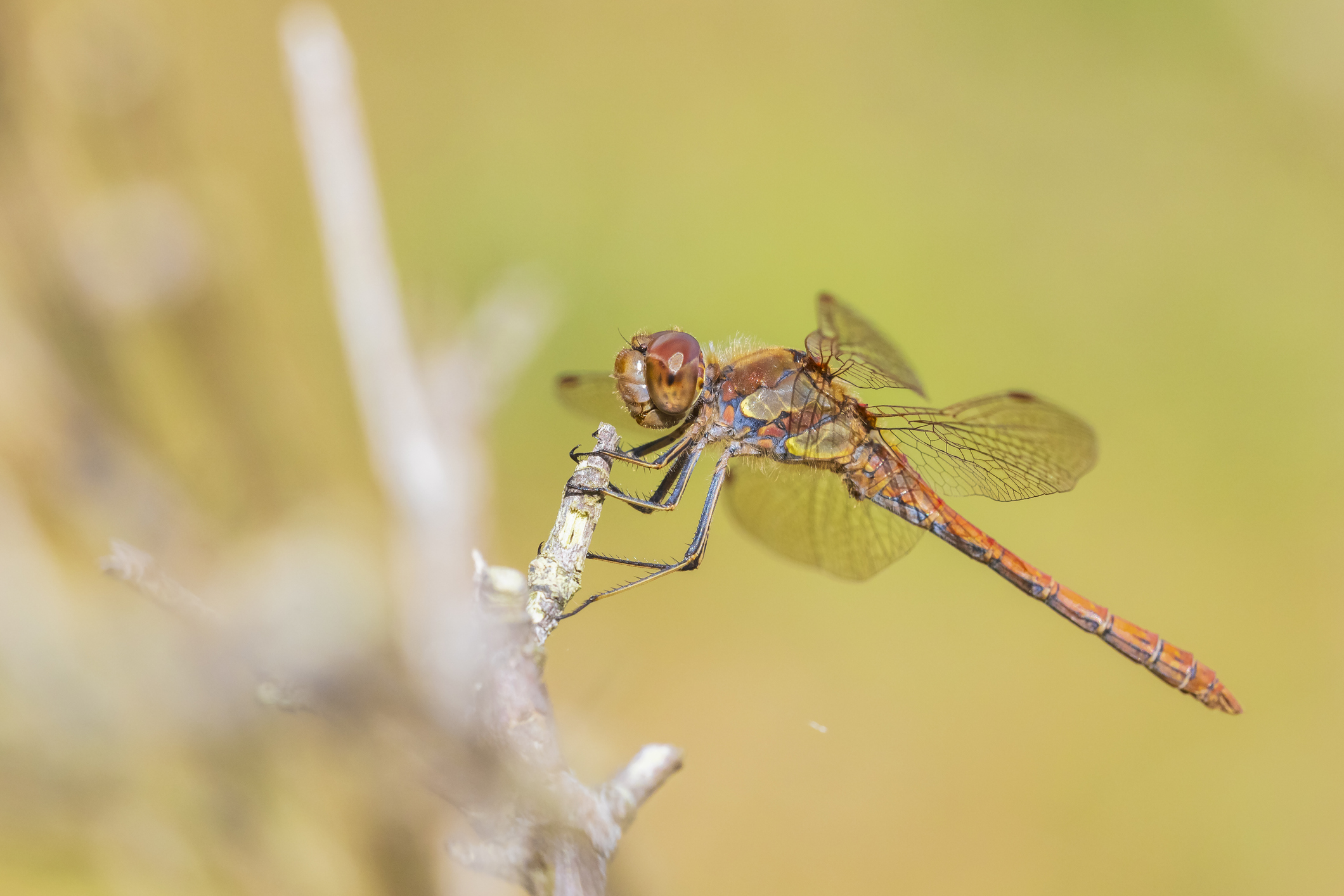
The researchers also found that crop pest species, such as the bean seed fly, were among those eaten by the dragonflies, highlighting the vital role these insects play for agriculture.
“Our results reveal multiple levels of predators and prey travelling together. This is not simply a stream of insects moving south. It is part of a much larger food web moving through the sky,” said Wotton.
Read the full findings published in the journal Ecography.
Top image: The Bujaruelo Valley in the Aragonese Pyrenees, in the province of Huesca, bordering the Ordesa and Monte Perdido National Park. Credit: Gustavo Gomez Cerezo/Getty Images
