
The world of Lepidoptera is staggeringly diverse – and utterly eccentric. Evolution has pushed butterflies in unexpected directions, yielding species that mimic dead foliage, sport numerical markings and cross continents in a multigenerational relay race.
We go beyond the familiar garden varieties of butterfly and reveal an astonishing cast of characters.
World’s weirdest butterflies
Glasswing butterfly
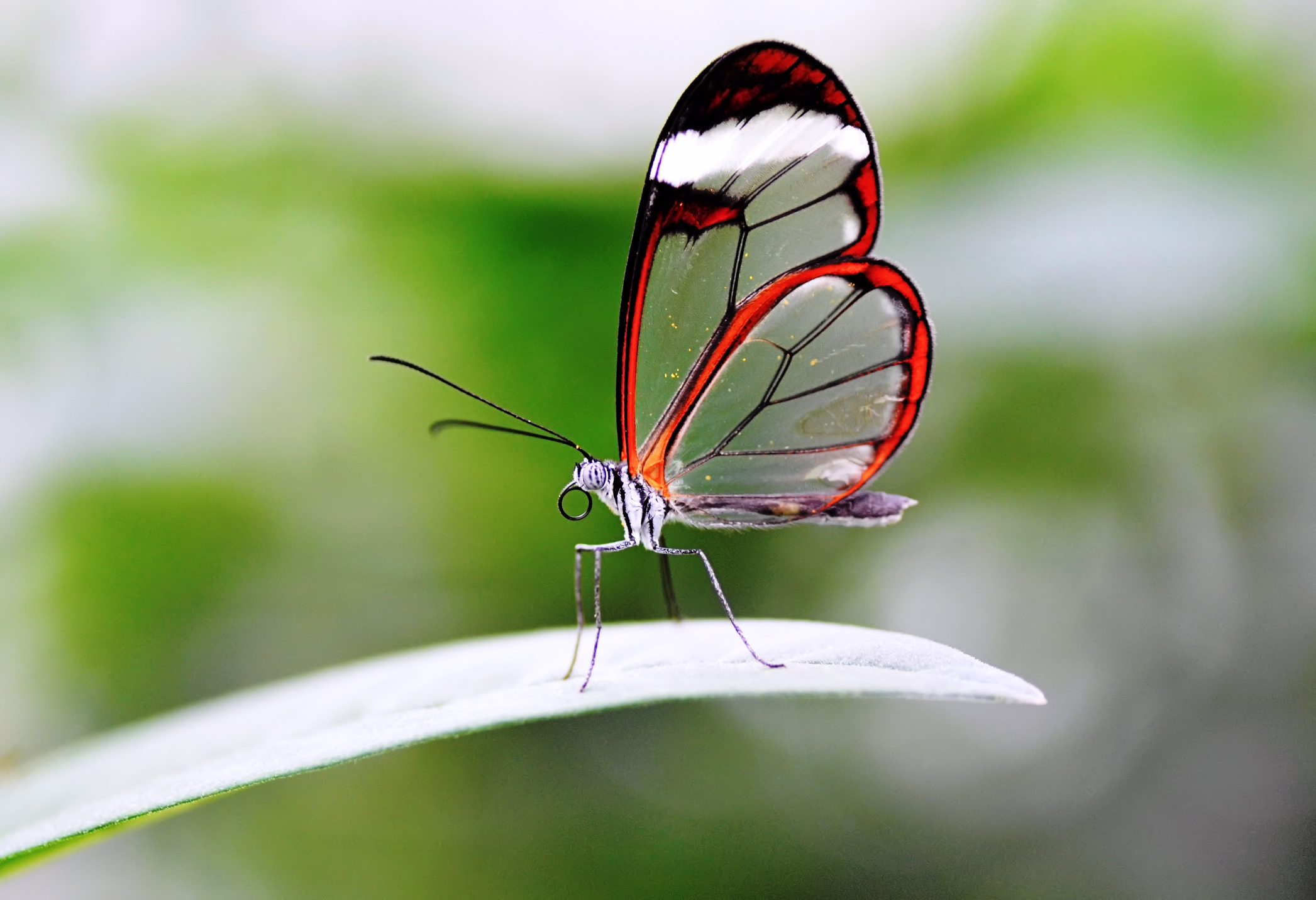
The transparent wings of the glasswing butterflies allow them to camouflage into whatever environment they find themselves in, making them the ultimate masters of disguise. They are even difficult to spot during flight.
Their transparency is due to a lack of pigmented scales commonly found in butterflies. The membrane of their wings is covered in sparse scales, which have gaps to allow light through. The membrane itself has a waxy coating, allowing light to pass through rather than reflecting off it, eliminating the glare that could be created.
White-letter hairstreak butterfly
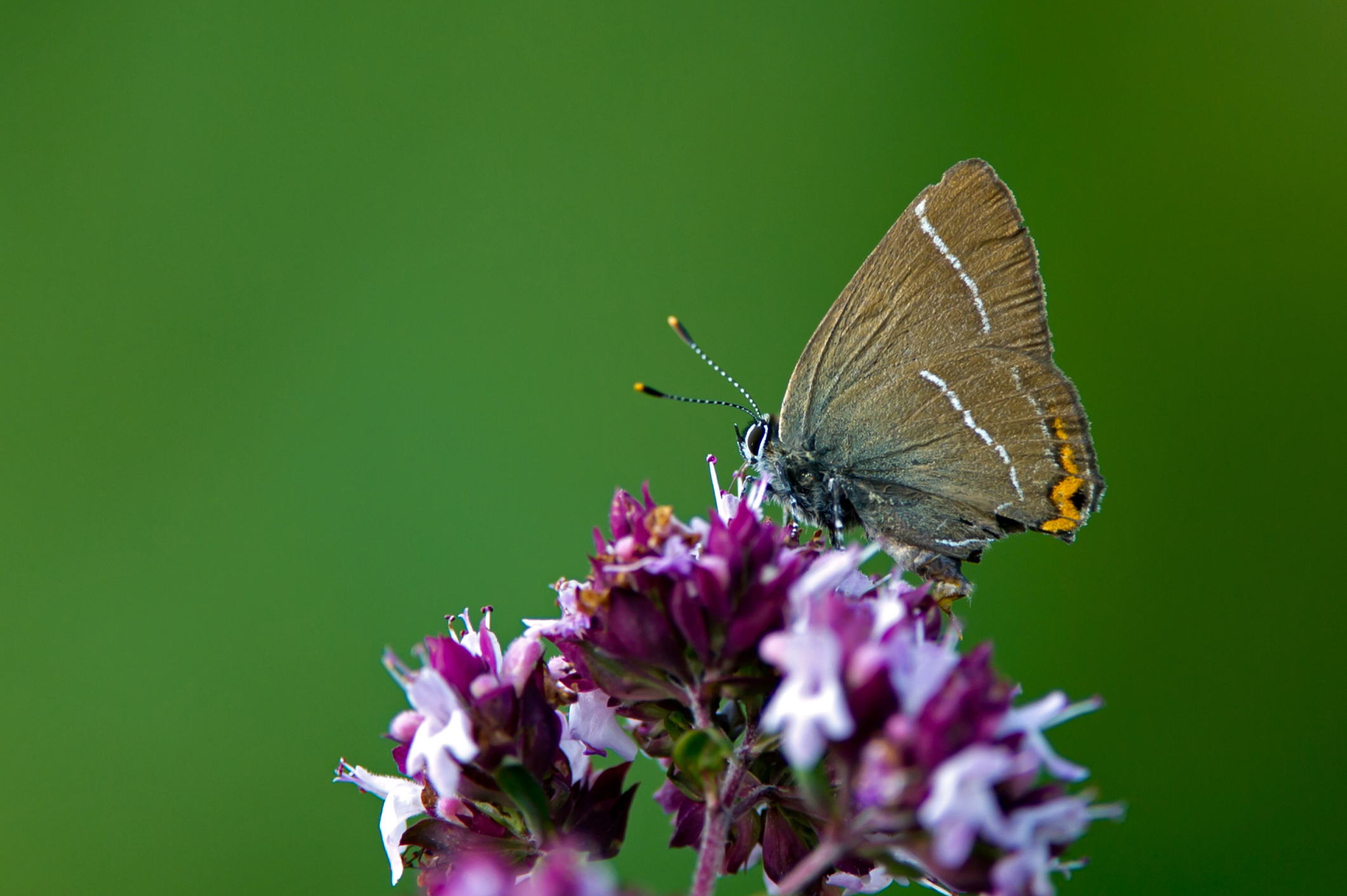
The white-letter hairstreak butterfly takes its name from the unique W-shaped markings found on its wings – a series of white lines emblazoned on an otherwise brown background colour. These elusive butterflies spend their time in the treetops, so are rarely seen. In fact, a white-letter hairstreak butterfly was spotted in Scotland in 2017 for the first time in 130 years.
Dead leaf butterfly
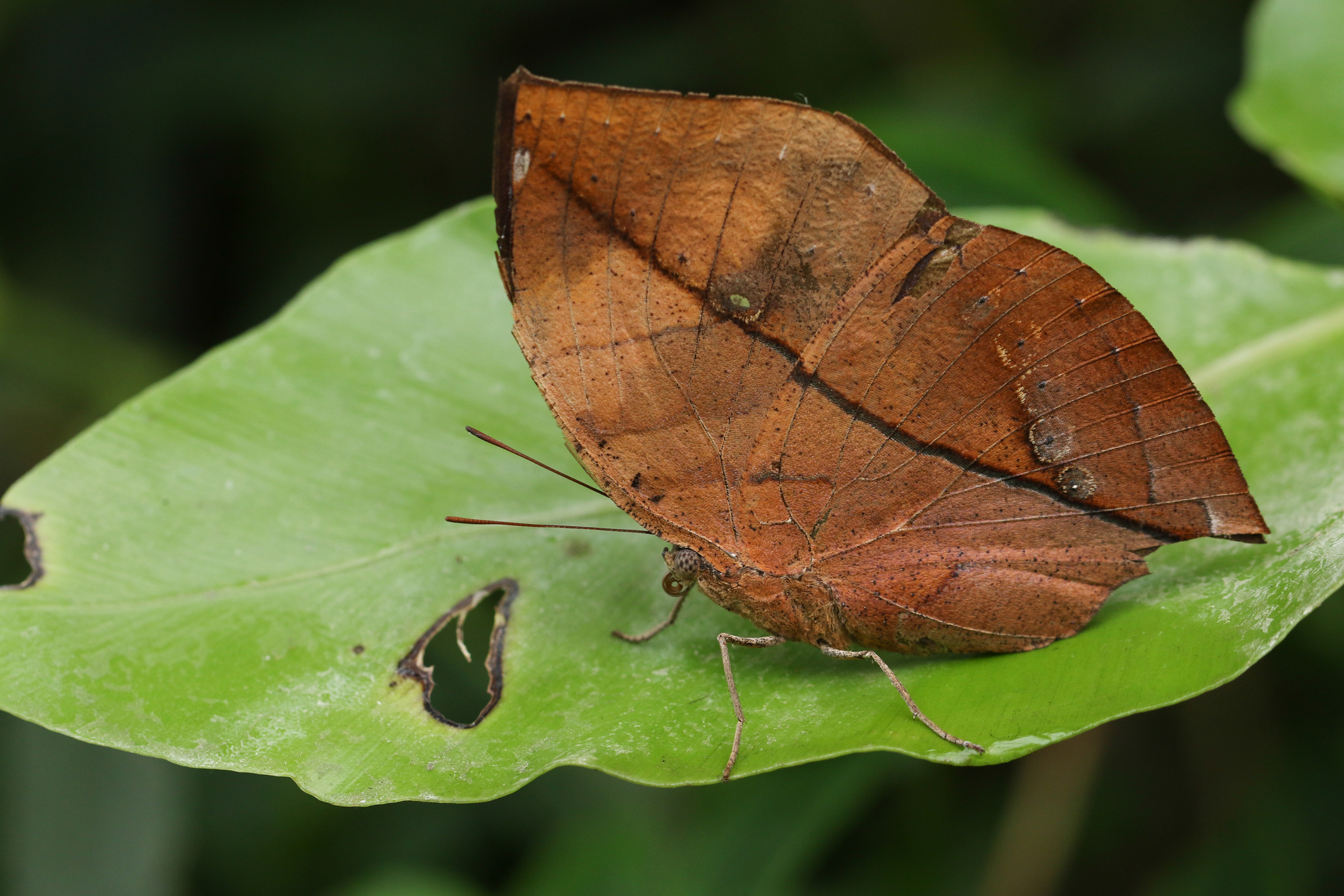
Also known as the orange oakleaf and Indian oakleaf, the dead leaf butterfly is so called because of its stark resemblance to a dried leaf. Its impressive camouflage helps it hide in the undergrowth and escape predators, but it only maintains a leaf-like appearance when its wings are closed. While this camouflage helps it hide in plain sight, the illusion vanishes the moment it opens its wings to reveal a flash of brilliant blue and orange.
American moth-butterfly
American moth-butterflies are curious creatures: as the name suggests, they share traits with both moths and butterflies, and have been at the centre of many taxonomic disputes over the years. Like butterflies, they rest with their wings open, and have long, slim abdomens. But their antennae are much closer to those of a moth – plus, they fly at night, something butterflies don’t do, as a diurnal species. As a result, the 35 or so species in the American moth-butterfly family are considered to be the only species of nocturnal butterfly.
Cramer’s eighty-eight butterfly
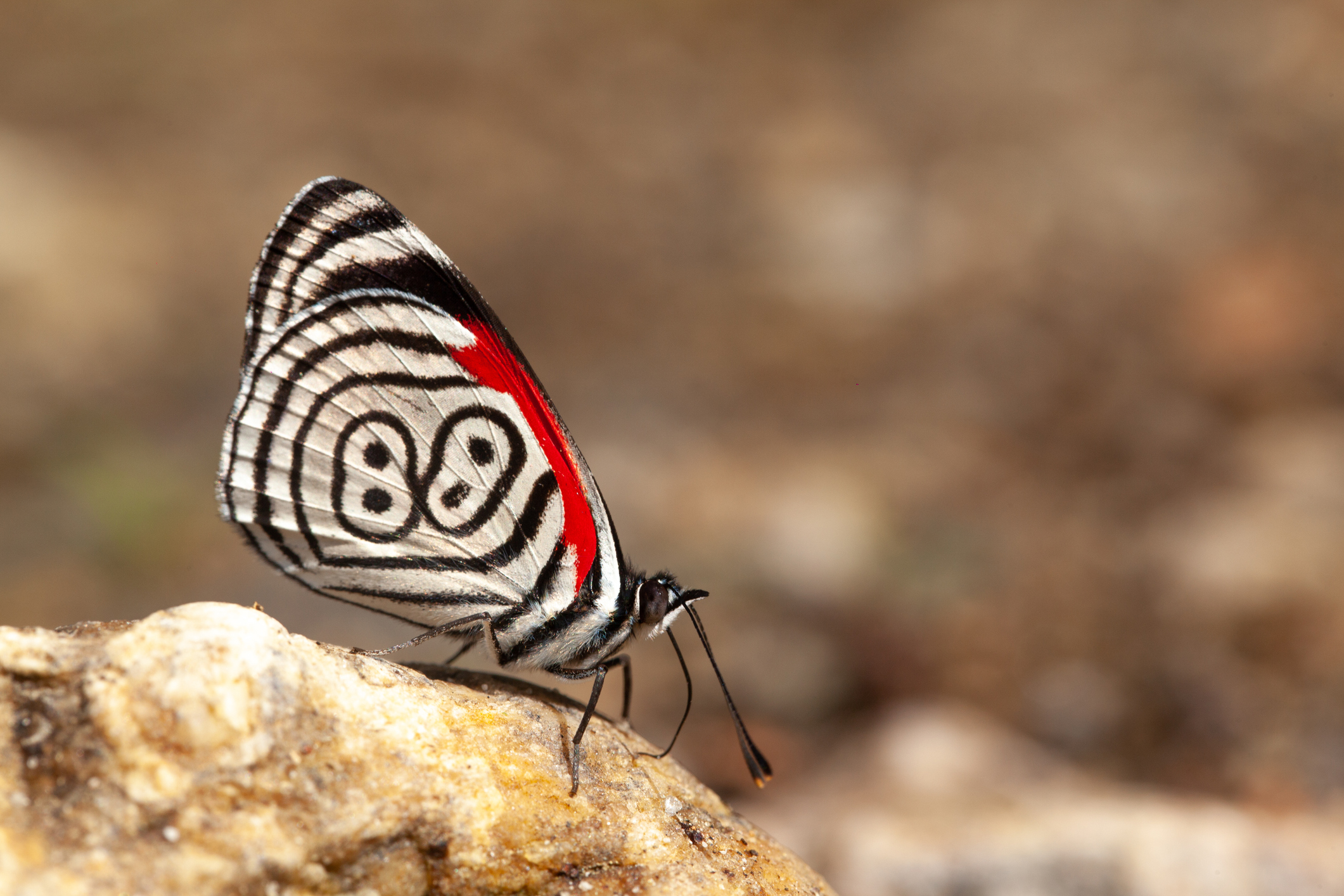
The Cramer’s eighty-eight butterfly has one of the most dramatic sets of wings of all butterfly species. Found predominantly in wet tropical forests of Central and South America, this remarkable species (also known as Anna’s eighty-eight) has red underwings and white hindwings, with black lines that look quite similar to the outline of the number 88.
Owl butterfly
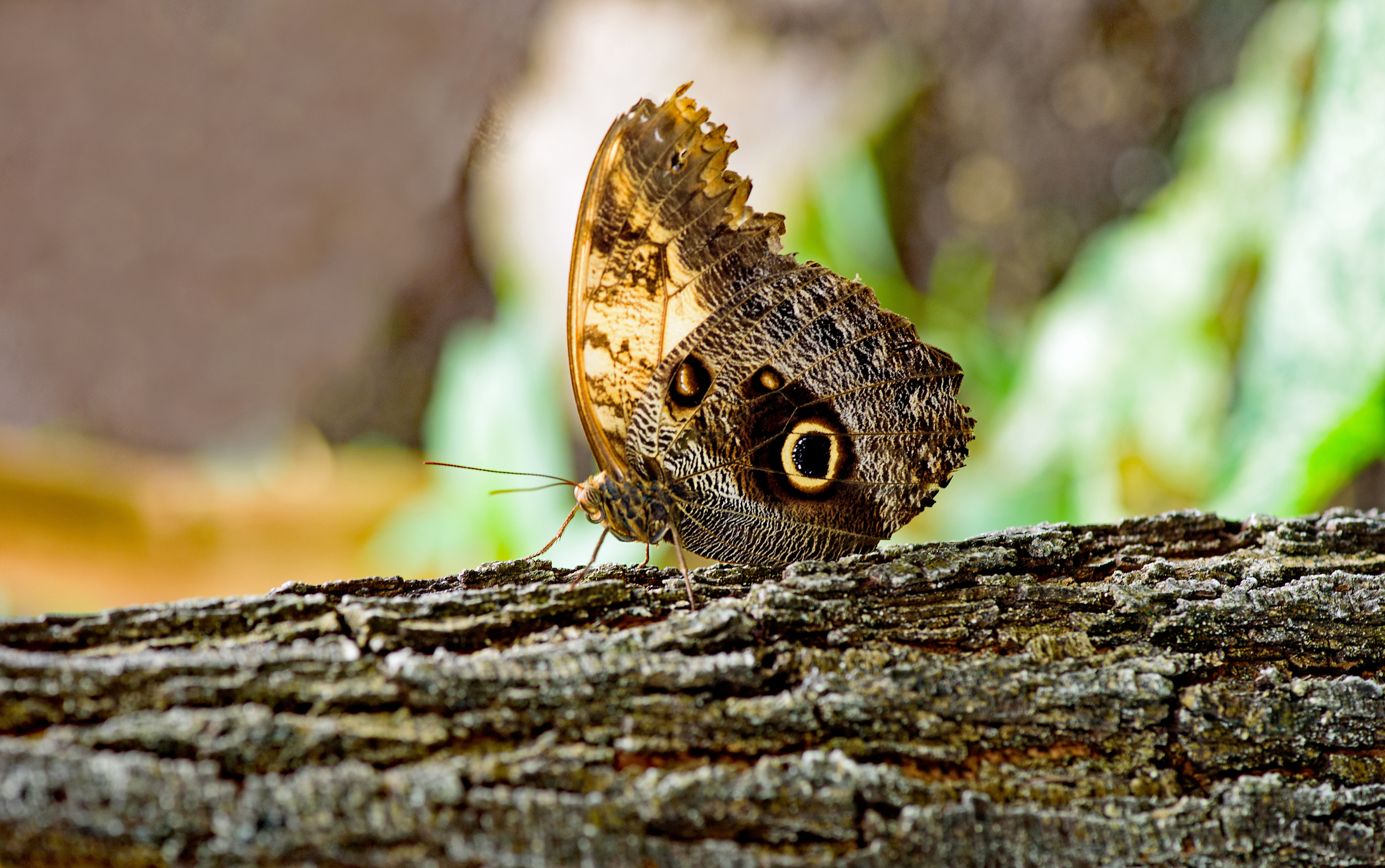
This enormous, tropical butterfly is known for the large owl-like eyespots on both of its wings. The owl butterfly is the largest butterfly species in the Americas, making it easy to spot. Its unique wing patterns are thought ward off predators by confusing them and making them believe they are faced with a potential predator – rather than a butterfly.
Western pygmy blue butterfly
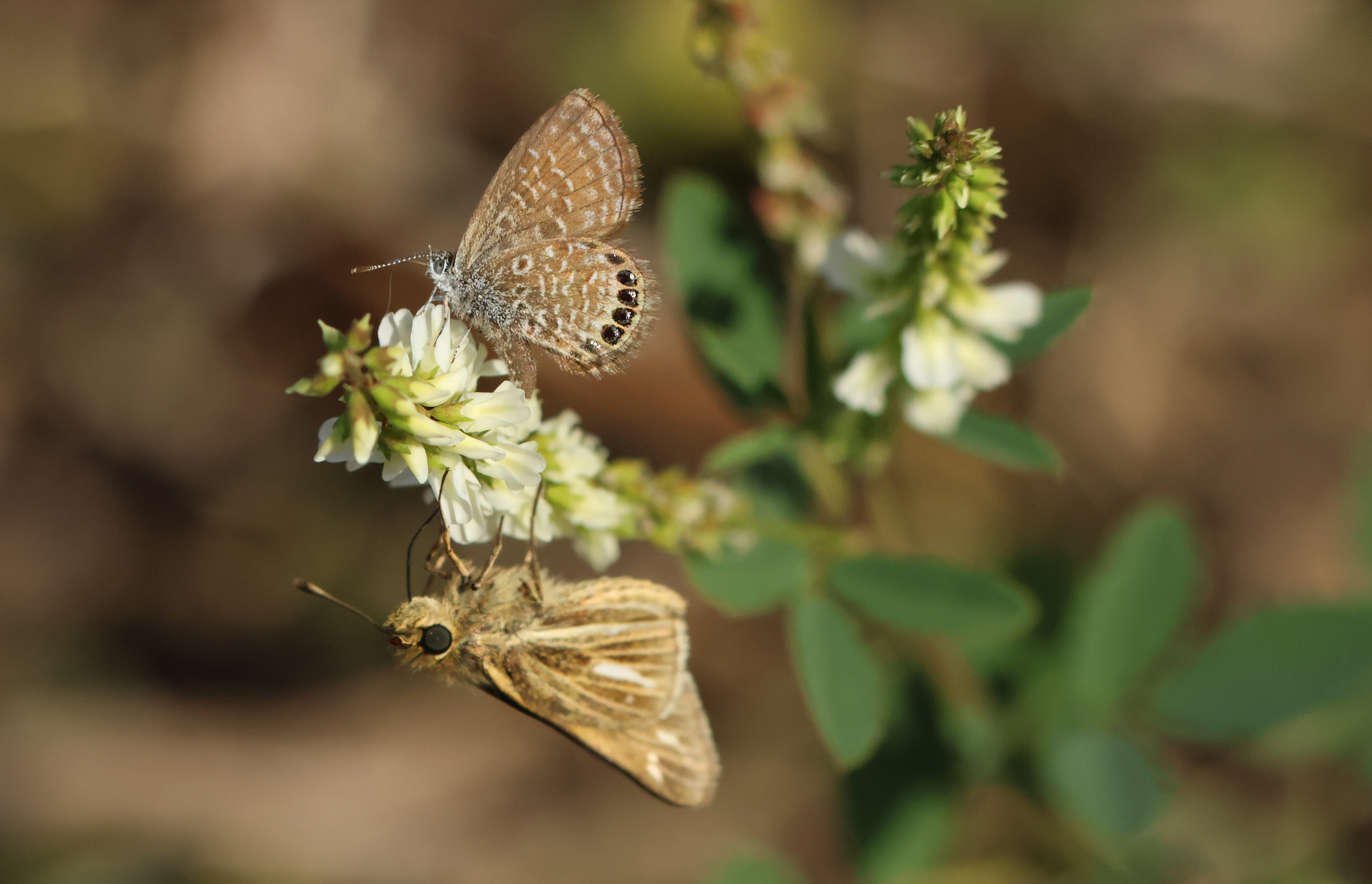
One of the smallest butterflies in the world, the western pygmy blue has a miniscule wingspan of about 1.5cm. It is small enough to be able to rest comfortably on a human fingernail.
Queen Alexandra’s birdwing butterfly
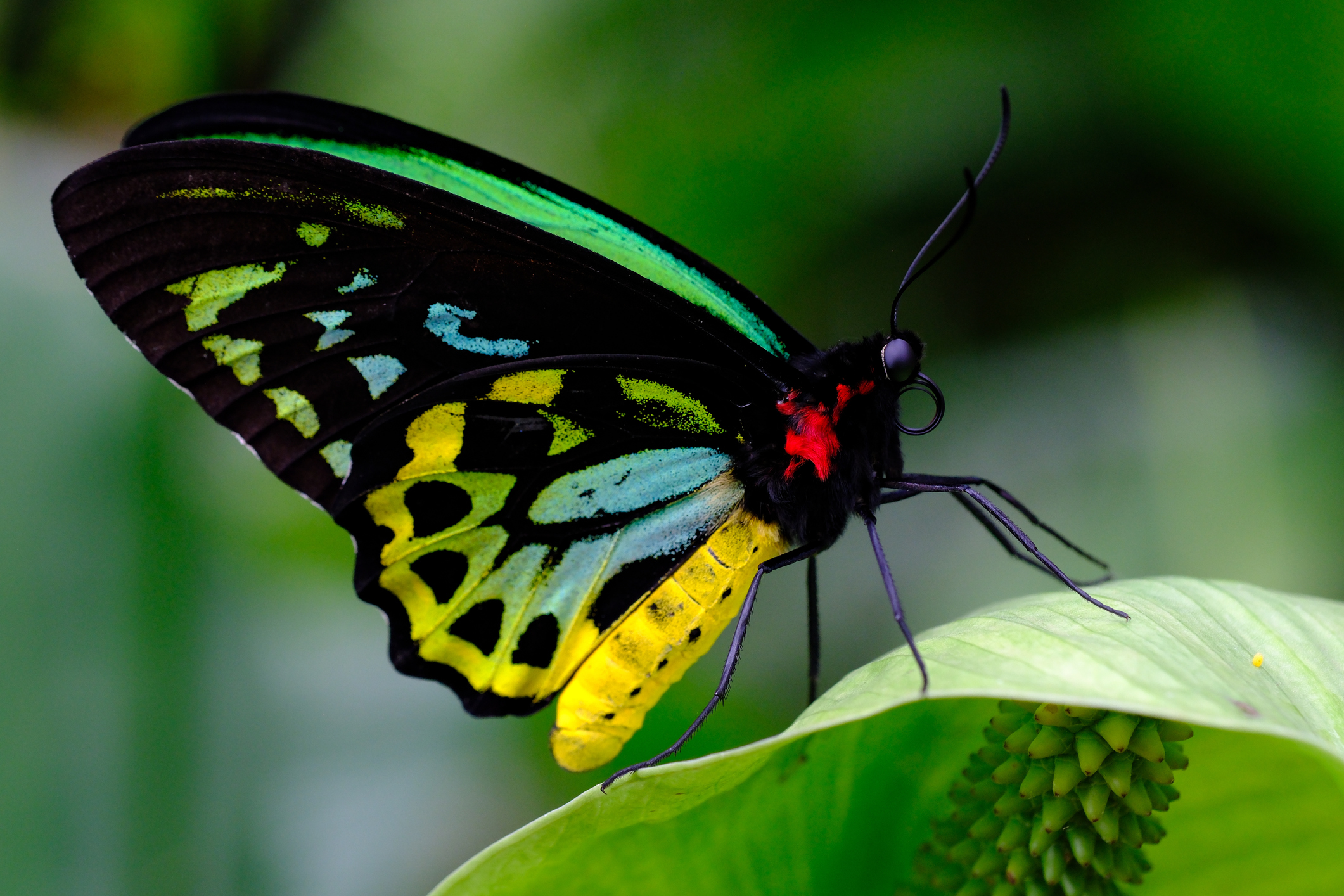
The female Queen Alexandra’s birdwing butterfly is the world’s biggest butterfly, with a wingspan of over 28cm. It’s so big that the first specimen was brought down with a shotgun. Its large size allows it to pollinate bigger plants that other insects can’t reach.
Painted lady butterfly
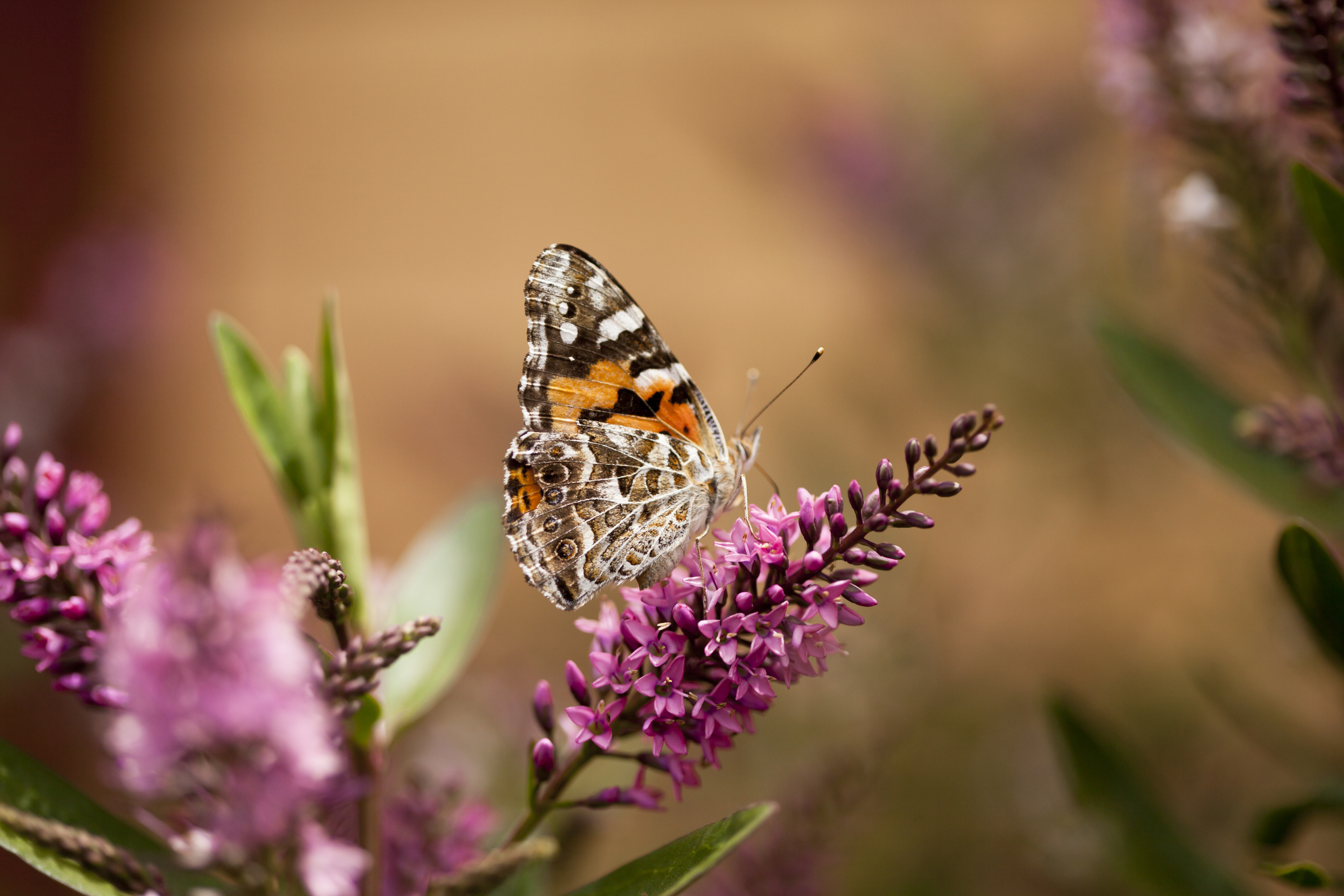
The painted lady has the longest migration of any butterfly species on Earth, travelling a whopping 9,000 miles on its roundtrip migration across the year, journeying between tropical Africa and the Arctic Circle on a multi-generational relay. With each butterfly living for just a few weeks, successive generations take turns on the relay. They breed on the move, passing the baton to their offspring for the next leg.
