
In the animal kingdom, teeth come in all shapes and sizes. Some are anchored in the jaw for chewing or seizing prey, while others – known as fangs – are elongated teeth (often hollow or grooved), specially adapted for piercing flesh and injecting venom.
A walrus’s tusks, for example, are enormous canine teeth that can grow up to a metre long. During breeding season, walruses will wield their tusks as they fight for dominance and access to females.
So we’ve gathered together the most impressive fangs on land and in sea, to examine the longest, sharpest specimens in existence.
- Which mammal has the most teeth?
- "Its teeth are serrated – like a steak knife. This lets them easily tear their prey into bitesize chunks…" 9 deadliest, sharpest teeth on the planet
Longest fangs in the animal kingdom
Gaboon viper
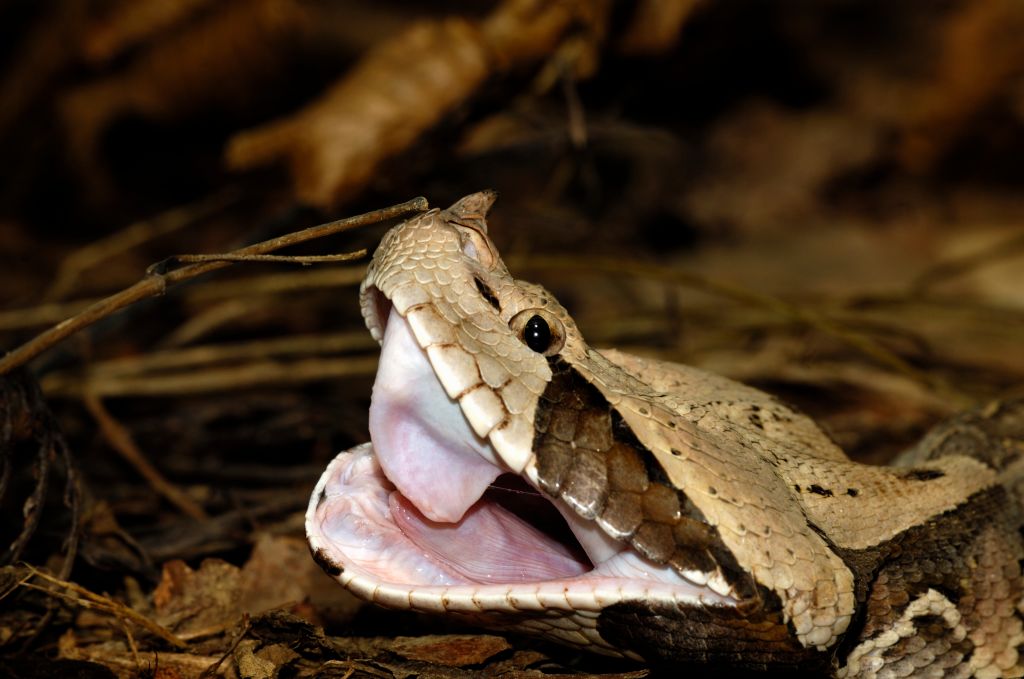
The Gaboon viper has the longest fangs of any venomous snake, measuring up to 5cm in length. These deadly teeth allow the Gaboon viper to hold onto its prey and inject more venom than almost any other snake.
Fangtooth fish
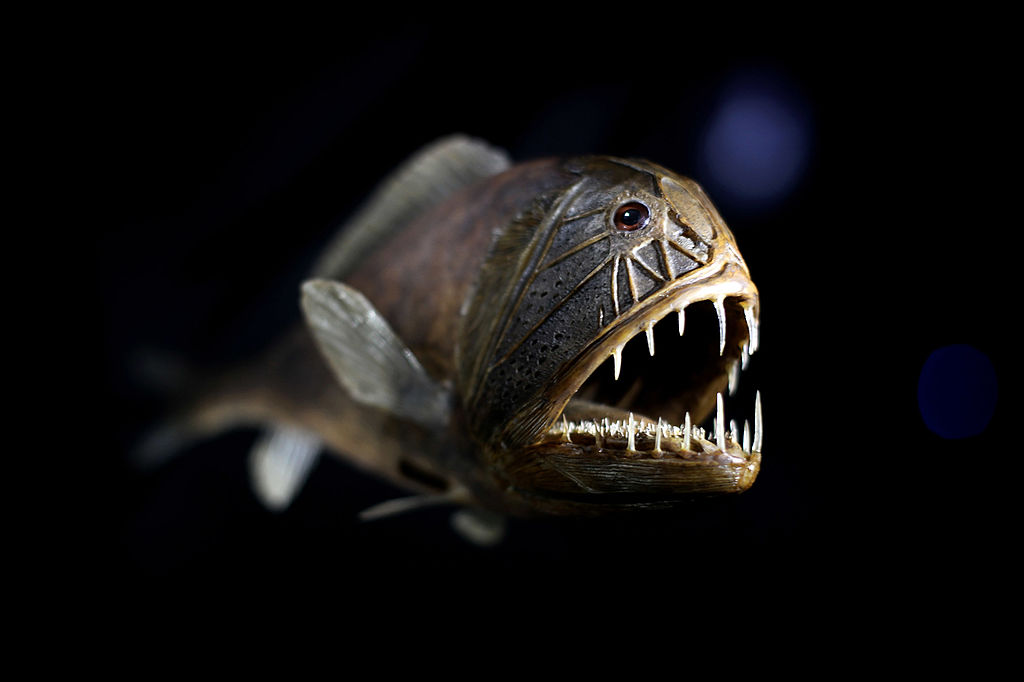
The clue really is in the name. The fangtooth fish is so-called because of its outsized teeth. In fact, it holds the record for the largest teeth relative to body size in fish. Its fangs are so long it can’t close its mouth.
The fangtooth fish is one of the deepest living fish, mostly found between 500 and 2,000 metres underwater, staying in deeper areas of the ocean during the day before migrating to shallower waters to feed.
Tiger
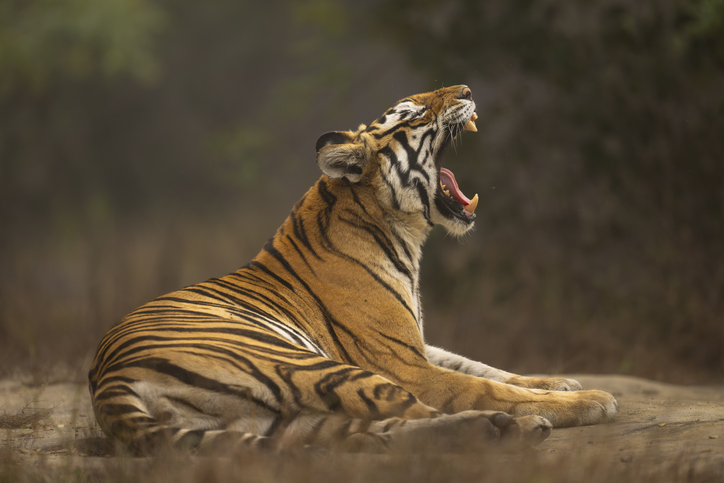
Possessing the longest canines among living land predators, tigers’ fangs grow up to 7.5cm – with the root extending up to 3cm under the surface. Their jaw can exert an enormous amount of pressure, which means tigers can use their fangs to pierce skin and then break the neck of their prey.
- “No one’s ever seen tigers do this before.” A film crew flew a drone over an island full of big cats – and captured something extraordinary
- 11 staggering tiger photographs reveal the athletic power and brutal ferociousness of this deadly apex predator
Goliath birdeater tarantula
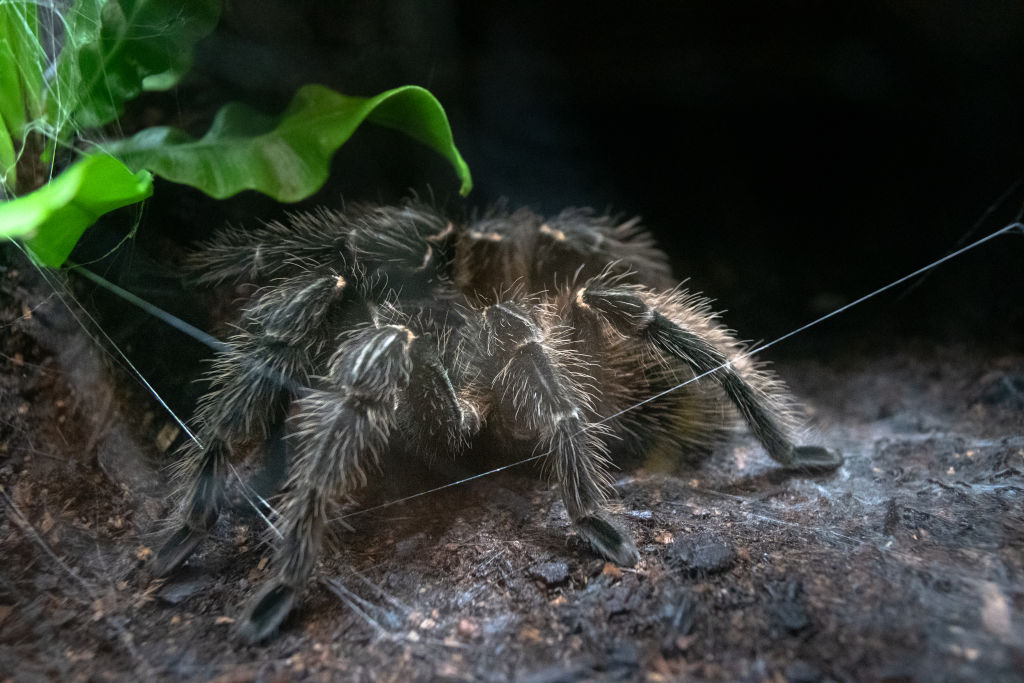
The largest spider fangs belong to the Goliath birdeater tarantula, measuring between 2.5 and 4cm. It’s no surprise, really, as the Goliath tarantula is the world’s biggest spider. They are sharp, long and powerful enough to break human skin – plus, they contain venom.
- 10 biggest spiders in the world: Discover gigantic, terrifying arachnids as big as dinner plates
- It has huge fangs, is the size of a dinner plate, and liquidises its prey – meet the biggest spider on Earth
Hippopotamus
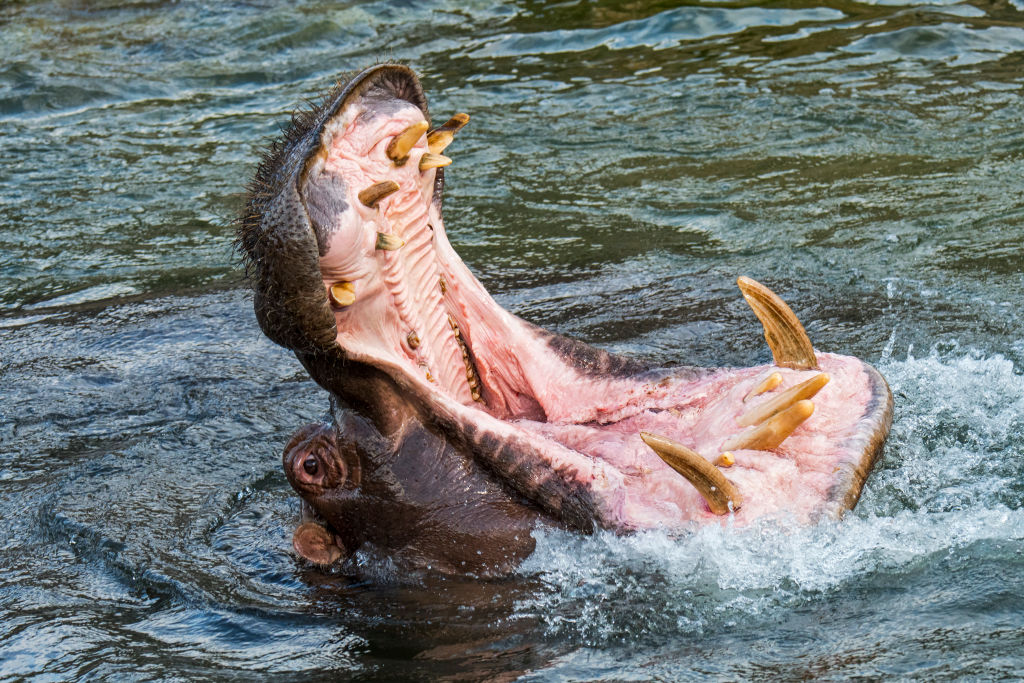
A hippopotamus’s lower canines can grow up to 50 or 60cm in length – and they also have incredibly powerful jaws. In fact, they are one of the most aggressive animals on the planet, and the worst injuries from hippo attacks tend to be deep lacerations caused by the hippos’ canines.
- Could a human outrun a hippo? And what about in water – can a human outswim a hippo?
- “My stomach lurched as the hippo drifted in our direction, only her pink, sweaty face visible – like a shark’s fin.”
Chinese water deer
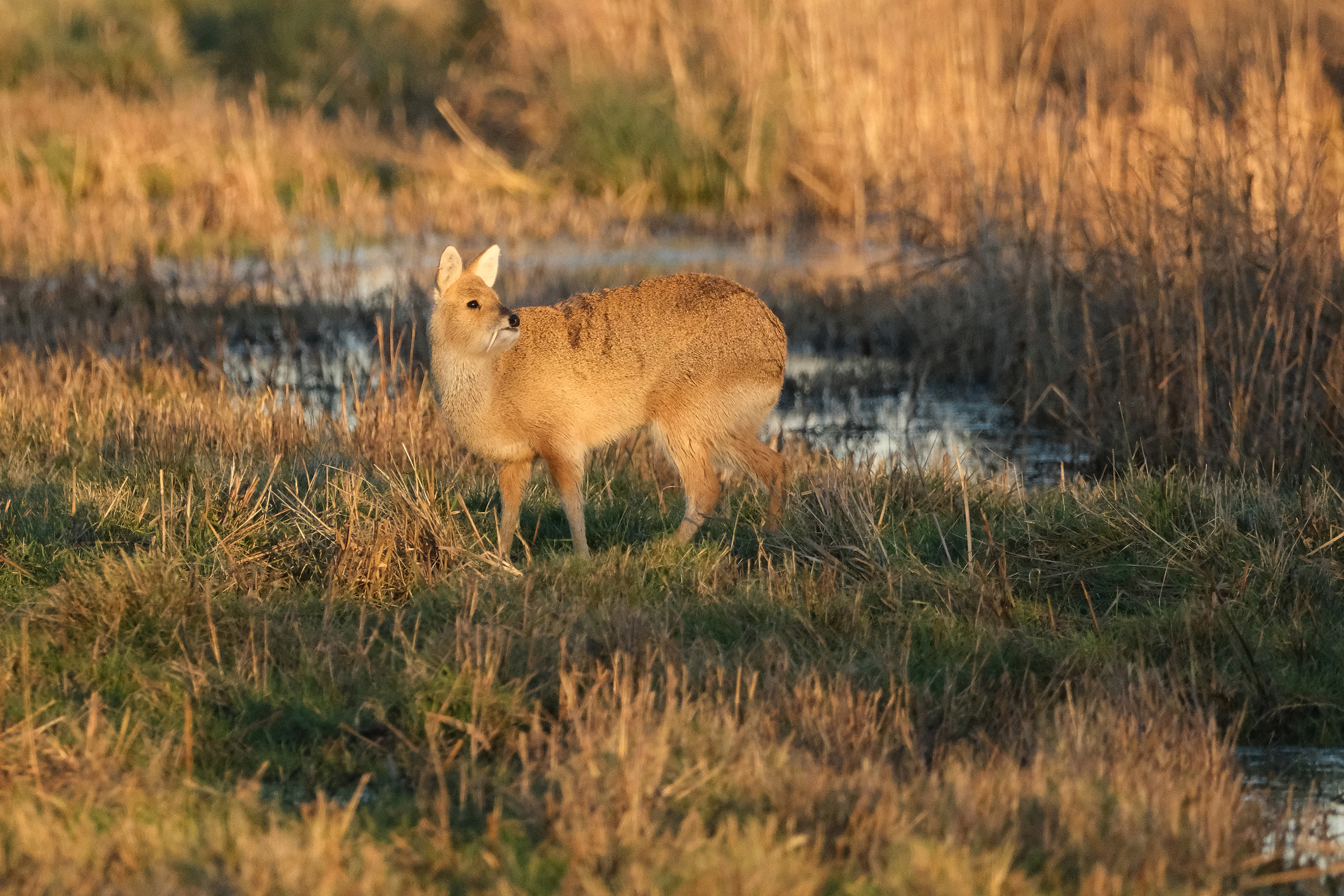
Rather than antlers, the Chinese water deer sports a rather different look. Its nickname ‘vampire deer’ comes from its long, tusk-like teeth, which can grow up to 8cm in length, extending past the bottom lip.
- Meet all 6 species of British deer – including a particularly weird, diminutive deer that barks like a dog and has fangs like a snake
- This stinky substance is 8 times the price of gold and harvested from one of the world’s rarest creatures
Clouded leopard
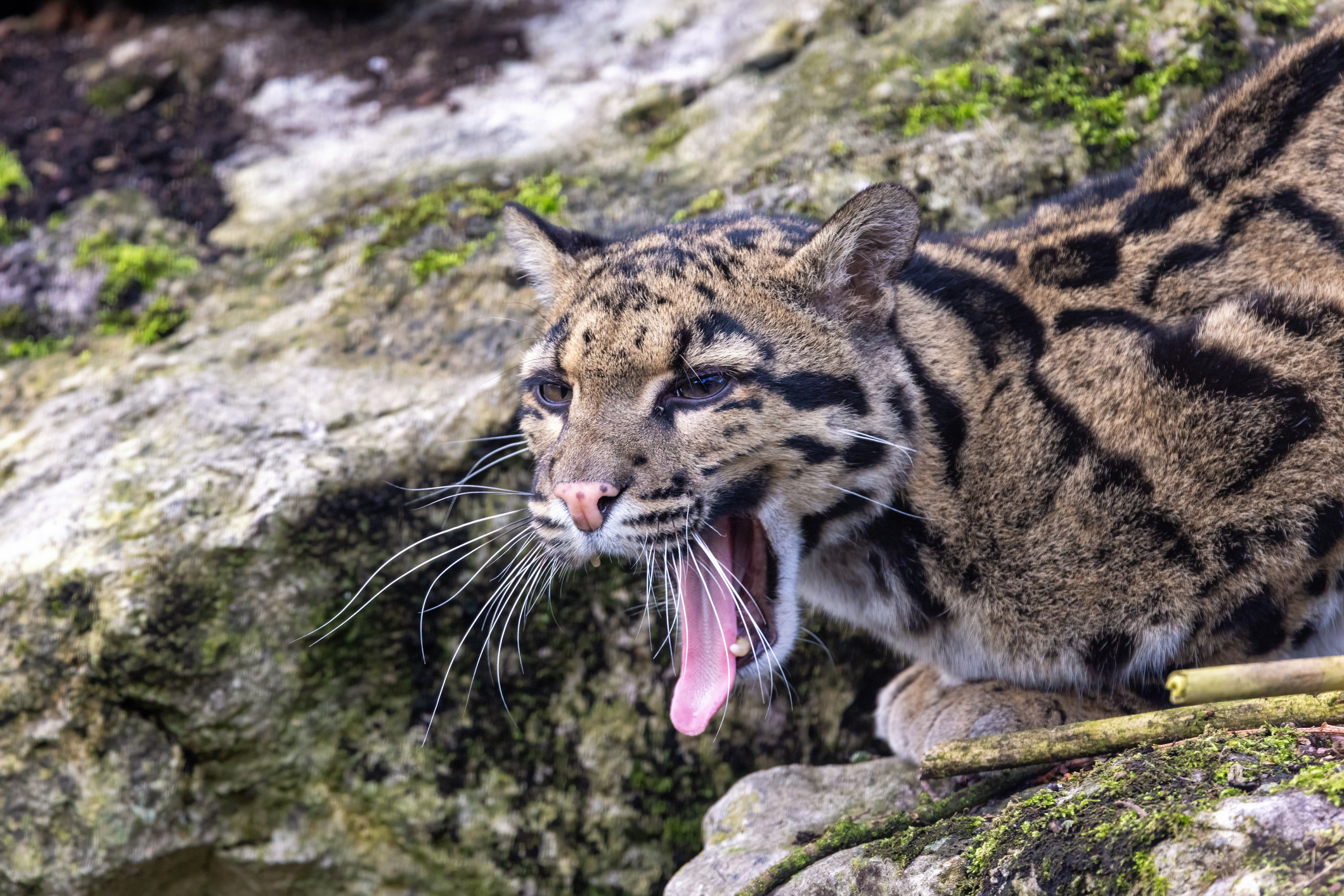
The clouded leopard has the largest canine teeth relative to head size of any living cat. They are often compared to the teeth of the extinct saber-toothed cats, which grew up to 20cm long.


