
Africa’s 'Big Five' are among the continent’s most iconic wildlife species. The term Big Five was originally coined by 19th-century big-game hunters to describe the five most dangerous and difficult animals to hunt on foot.
Today, it is widely used by tourists as a checklist of must-see species on safari. So what are the big five, and how many have you seen?
What are Africa's Big Five
African lion
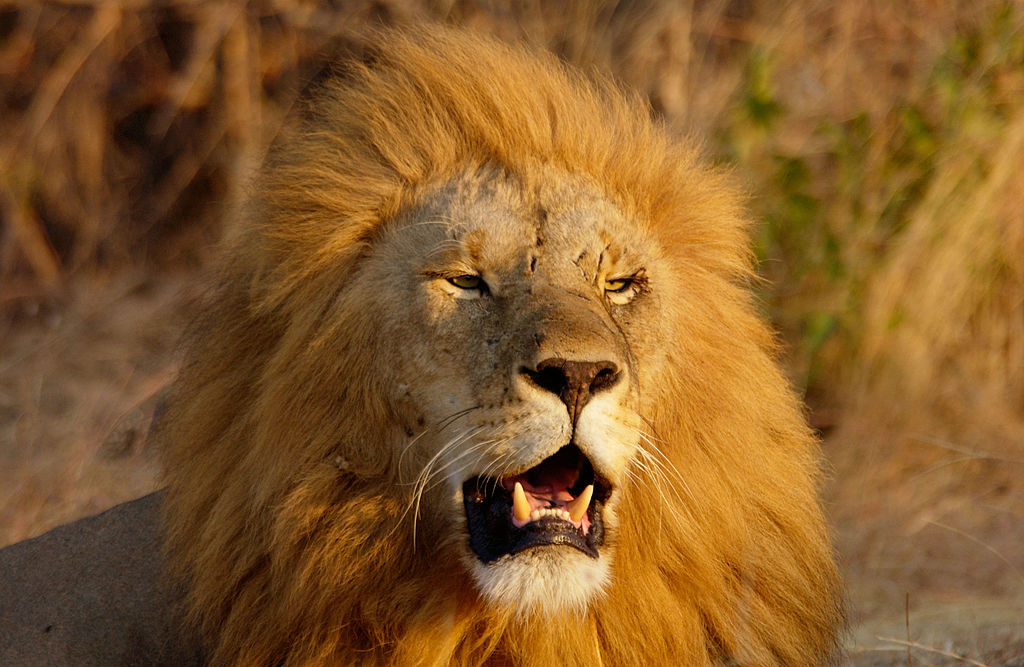
The most iconic big cat and one of Africa’s apex predators, the lion is known for its power and fearlessness. It is the most social of the big cats, living in groups known as prides, which usually consist of related females and their cubs.
- Lion vs tiger: Which of these majestic big cast would win in a fight and be crowned ‘king of the beasts’?
- It is one of the most iconic, revered – and feared -mammals in the world – with a powerful roar that can be heard for miles
Males have distinctive manes that signal maturity and fitness and weigh on average around 190 kg. Females are smaller, typically weighing around 120–130 kg, and do 85-90% of the pride's hunting, cooperating and coordinating to ambush large herbivores like zebras and wildebeest.
Lions are best spotted on the plains of the Masai Mara (Kenya) or Serengeti National Park (Tanzania). Lion numbers have declined significantly over recent decades, with an estimated population of around 20,000–25,000 remaining in Africa. They are classified as Vulnerable by the IUCN.
- 7 most incredible places on the planet to see Africa's Big 5
- 9 jaw-dropping lion photos that showcase the raw, brutal power and savage majesty of these deadly apex predators
African elephant
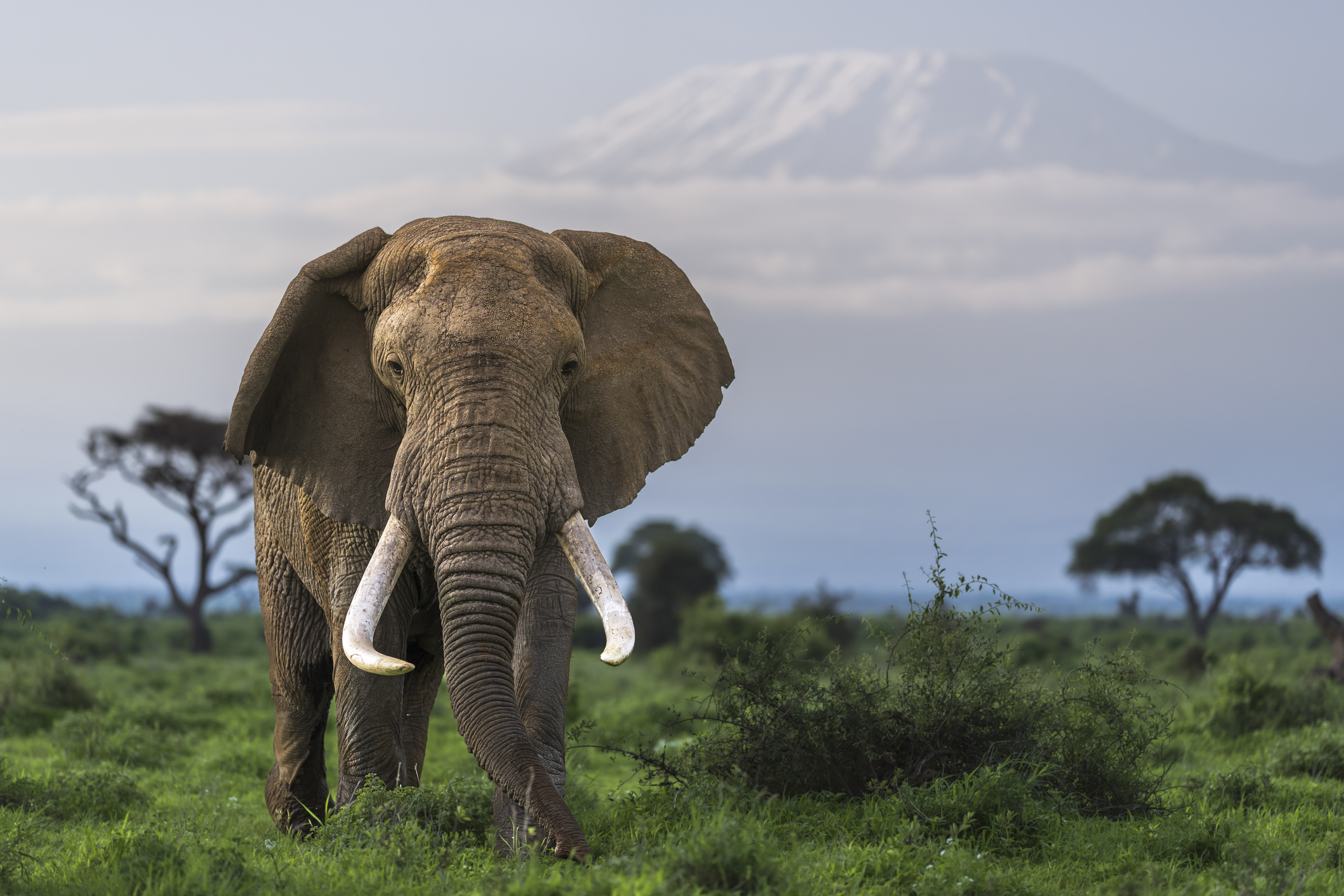
Known for its immense size, the African savanna elephant (also known as the African bush elephant) is the largest land mammal on Earth. Males can stand up to 4m tall at the shoulder and weigh up to 7,000kg.
An elephant's trunk is boneless, containing tens of thousands of muscles. It acts as a hand to grasp food, a hose to draw up water and a snorkel that allows elephants to breathe while swimming
- Just how and why did the elephant get its remarkable trunk?
- "His small trunk and ears were free, but his rear-end was stuck fast in dark, oozing mud. He looked exhausted and must have been struggling for hours"
. Because they cannot sweat, their fantastically large ears help regulate body temperature in the intense African sun. Their tusks are essential survival tools, used for digging for water and roots, stripping bark, clearing brush, lifting heavy objects, displaying dominance, and defending against predators.
Elephants have complex social structures, show strong social bonds and demonstrate behaviours associated with memory and empathy. Despite their generally calm nature, they can become dangerous if threatened or provoked.
There are approximately 350,000 African savanna elephants left in the wild (classified as Endangered), and fewer than 100,000 African forest elephants (classified as Critically Endangered). Chobe National Park in Botswana is renowned for its large herds of African savanna elephants.
Leopard
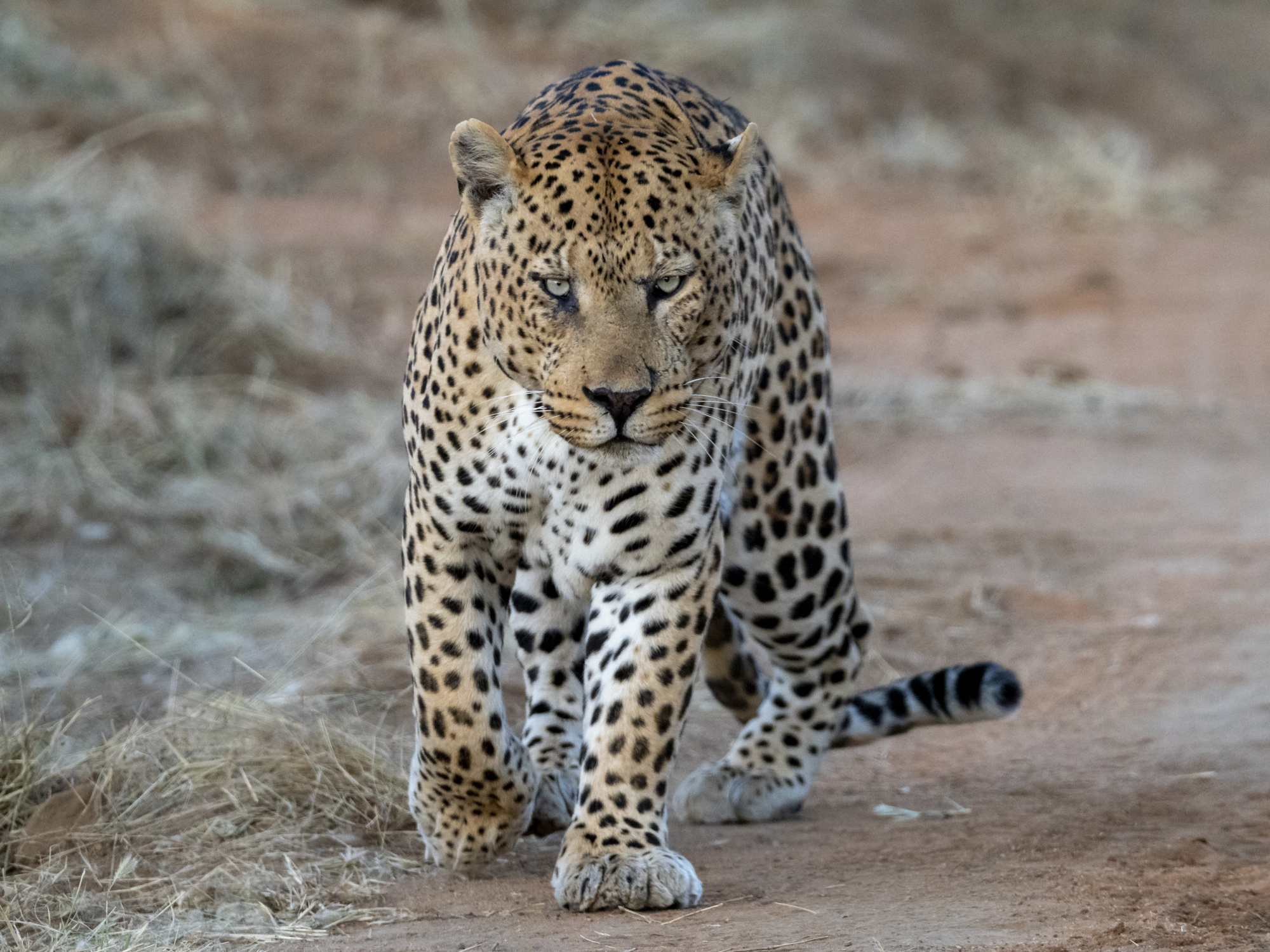
Solitary and primarily nocturnal, with exceptional camouflage, leopards are the most elusive of the Big Five. Spotting one is highly prized by safari-goers.
They are powerful and agile climbers, often dragging prey weighing up to three times their own body weight into trees to protect it from scavengers such as lions and hyenas. Males typically weigh 58-90 kg (128-200 lbs), while females are smaller, averaging 37-60 kg.
- Leopard guide: where they live, what they eat - and why they don't have spots
- Cheetah vs leopard: what's the difference between these beautiful, spotted cats?
Leopards are powerful athletes, reaching top speeds of up to 58 km/h (36 mph) and able to jump up to 3m (9.8 ft) high and leap horizontally over 6m (20ft) in a single bound. Unlike many other felines, leopards are strong swimmers and quite comfortable in the water.
There is no precise continent-wide population estimate due to their elusive nature. Leopards are nearly extinct in North Africa and critically endangered in West Africa, where only a few hundred individuals remain. In Eastern and Southern Africa, populations are larger but fragmented. Overall, the African leopard is classified as Vulnerable by the IUCN. The Sabi Sand Game Reserve in South Africa is globally renowned for reliable, close-up leopard sightings.
Rhinoceros
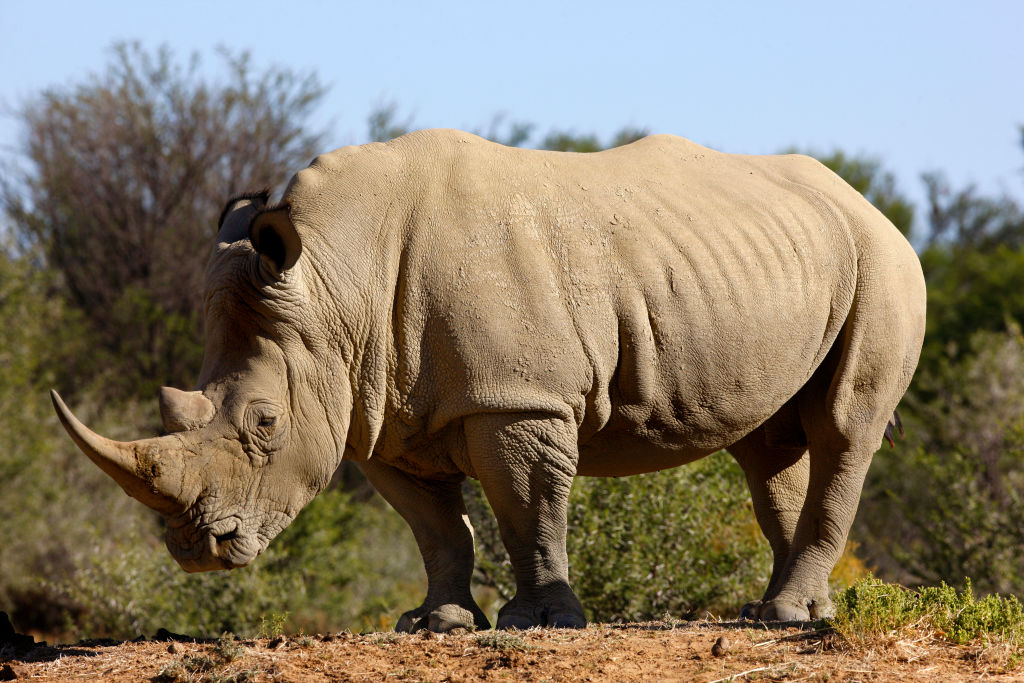
The Big Five includes both the white rhinoceros and the critically endangered black rhinoceros. Despite their names, both species are grey; the distinction relates to lip shape and feeding behaviour. White rhinos have broad, square lips adapted for grazing, while black rhinos have pointed lips suited to browsing shrubs.
White rhinos are larger, weighing over 2,000 kg, while black rhinos are smaller, more solitary and often more temperamental. Both species have poor eyesight but acute senses of smell and hearing.
Heavy poaching for their horns has severely impacted populations. Conservation efforts have stabilised some groups, particularly southern white rhinos, but black rhinos remain critically endangered. Hluhluwe–iMfolozi Park in South Africa is a key conservation site.
- Rhino guide: how to identify, where to see and why they're endangered
- How different are northern and southern white rhinos?
Cape buffalo
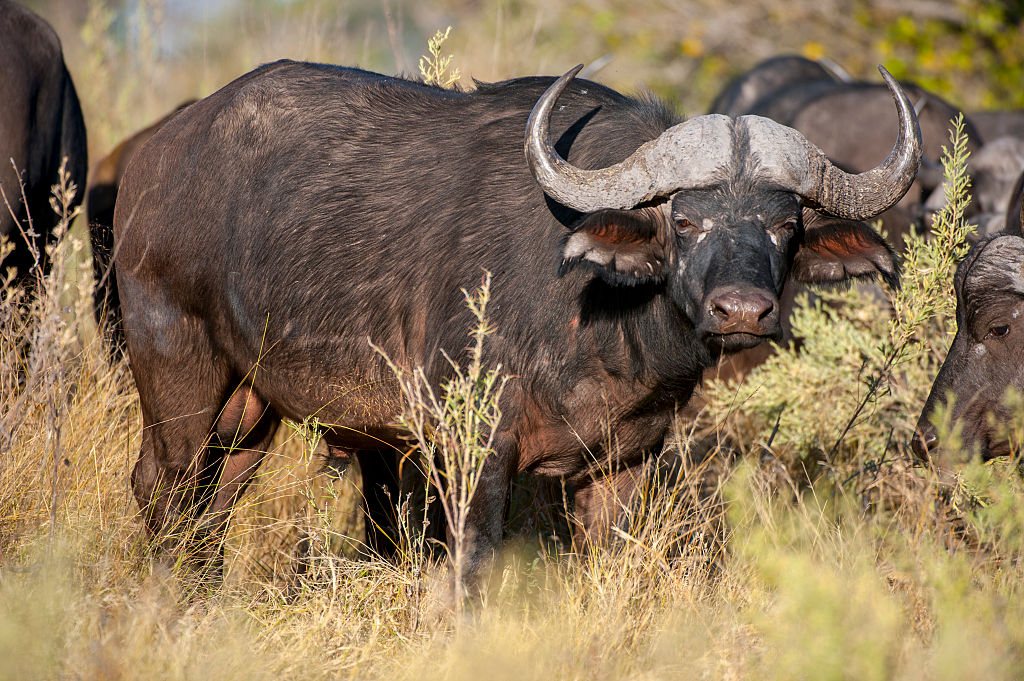
This is one of Africa’s most formidable herbivores. Stocky and powerful, adult males can weigh up to 800 kg and are easily recognised by their large, curved horns, which form a solid “boss” across the forehead.
Buffalo are highly social and live in herds ranging from dozens to hundreds of individuals. These groups are cooperative and capable of defending themselves against predators, particularly lions. Although they are herbivores, Cape buffalo are widely considered one of the most dangerous animals in Africa, hence their place in the Big Five.
They are highly unpredictable, have a low tolerance for disturbances and will readily charge anything they perceive as a threat. Earning the nickname 'the Black Death' or 'widowmaker', cape buffalo are believed to kill more game hunters on foot than any other African animal.
They inhabit savannas, woodlands and floodplains, staying close to water sources. Key locations for viewing include the Okavango Delta (Botswana) and Kruger National Park (South Africa). Unlike some other Big Five species, buffalo populations are generally stable, though local threats include disease and habitat loss.


