
Rodents are not known for their ferocity. These friendly-faced, buck-toothed bundles of fur are usually prey animals rather than predators.
Just don’t push your luck. Their chisel-like incisors - designed for cracking nuts, gnawing tubers, excavating burrows and even felling trees - double up as formidable defensive weapons.
- The world’s deadliest rat that's poisonous enough to kill an elephant, a mouse that hunts venomous scorpions – The 9 weirdest rodents on the planet
- It looks like a mouse but don't be fooled – this is no ordinary mouse. This is one badass, very aggressive rodent that can take on deadly scorpions – and win…
Here’s our pick of the rodents you don’t want to get on the wrong side of. Most of the unfortunate incidents described here are the result of human misadventure or freak accidents. Rodents don’t need to be feared, just respected. And whatever you do, don’t lick an African crested rat.
Deadliest rodents on the planet
Capybara
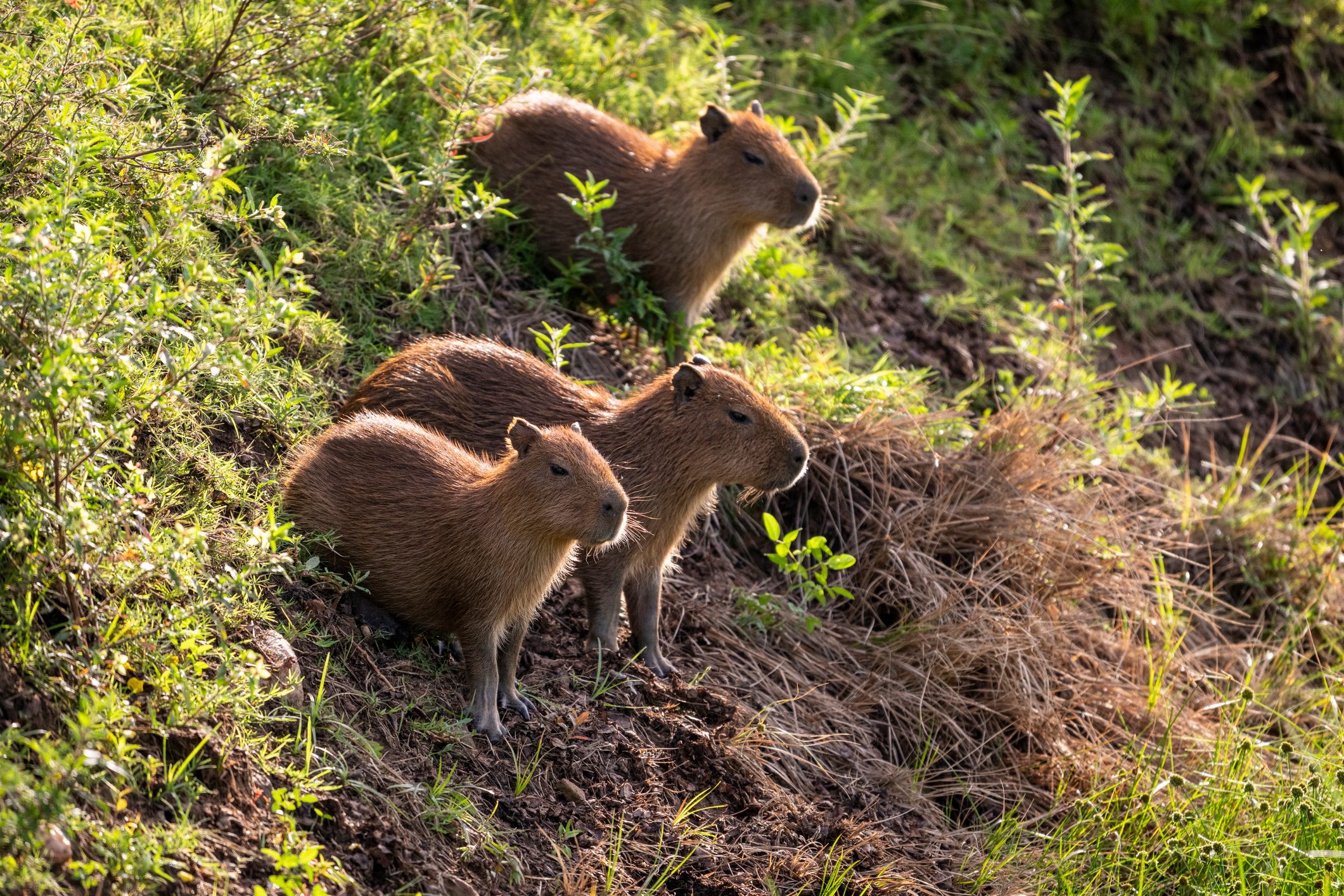
Reaching about the same size and weight of a domestic sheep, capybaras are the largest of all living rodents. These semi-aquatic denizens of South American wetlands thrive in urban environments where relations with humans are mostly peaceful, and they have a reputation for docility.
They are capable of defending themselves vigorously, though, wielding their enormous teeth against predators such as caimans, jaguars and anacondas.
In 2021, a 25-year-old woman was badly bitten while trying to break up a fight between a capybara and her dog in woodland in Brazil. The woman survived, despite a serious infection in the deepest wound, although her dog did not.
Those with a strong stomach can find the grisly details here:
Beaver

Any animal that can fell trees can surely do damage to a soft, squidgy human if it puts its mind to it. And, indeed, beavers don’t disappoint.
Weighing up to 30kg, Eurasian beavers are close to the top end of the rodent size spectrum. They are strict vegetarians but, if cornered or physically threatened, they can wield their strong claws and chisel-like teeth with startling ferocity.
In 2013, a fisherman in Belarus was bitten through a major artery in his thigh and bled to death before help arrived. The attack was not unprovoked - he’d tried to grab the animal for a photograph.
But beaver bites are vanishingly rare, and avoiding them is easy - you just have to leave beavers alone.
- How beavers are helping us fight climate change – one dam at a time
- It can be seen from space, is the equivalent to 8 football fields and could be 45 years old - but we have no idea how many families call it home...
Porcupines
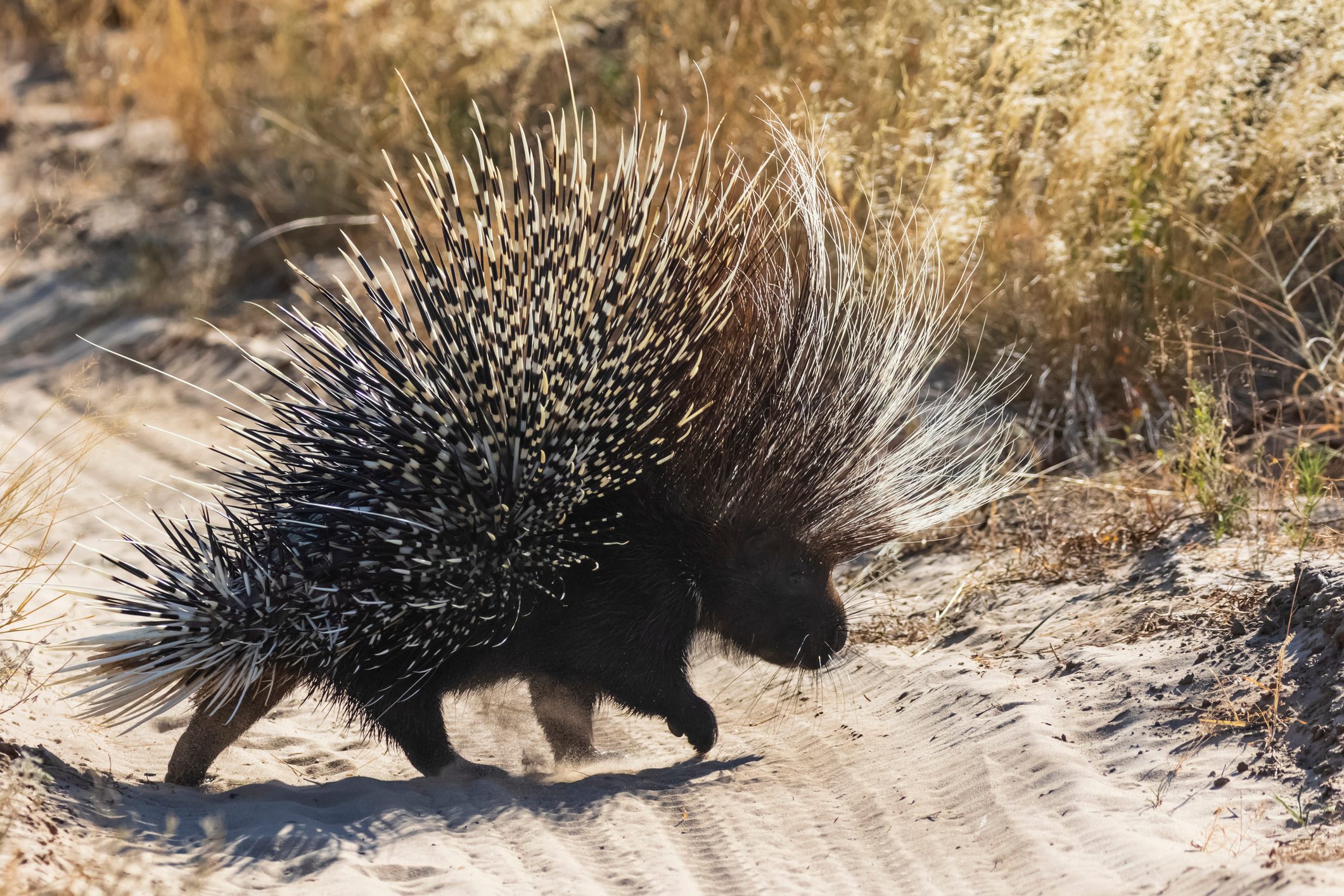
If it weren’t for the hundreds or even thousands of backward-pointing quills, porcupines would be an easy meal. As it is, they can inflict horrendous injuries on the most fearsome of predators. Lions, tigers and pumas have all been documented losing their lives in tussles with porcupines, of which there are many species distributed across the Americas, Africa and Eurasia.
The quills - modified hairs that are stiff, barbed and detachable - penetrate flesh with ease but are much harder to pull out again, and they have a tendency to work their way deeper into the body over time. An autopsy of a tiger killed in India’s Anamalai Tiger Reserve in 2012 found that quills had penetrated its heart. Even survivors can be so disabled that they are incapable of hunting and go on to die of starvation. There’s a theory that porcupine-inflicted injuries can push tigers towards hunting humans.
- Watch amazing video of a cute leopard cub sussing out a porcupine and testing the sharpness of its quills... Is it worth attacking?
- It has a squidgy nose, sharp quills and a prehensile tail – and this adorable footage shows one shimmying up a tree
We haven’t found any reliable accounts of human fatalities, but there’s no shortage of close calls described in the medical literature. (The following links are not for the squeamish.) A five-year-old Turkish girl required emergency surgery to remove a quill embedded in her belly, which had pierced her liver and intestine.
In Brazil, a 52-year-old woman walking in Rio de Janeiro had 200 quills removed from her scalp after a porcupine dropped on her head from a lamp post. The same paper documents the case of a Brazilian motorcyclist who kicked what he thought was an armadillo in the road and required the extraction of 100 quills from his foot.
Brown rat
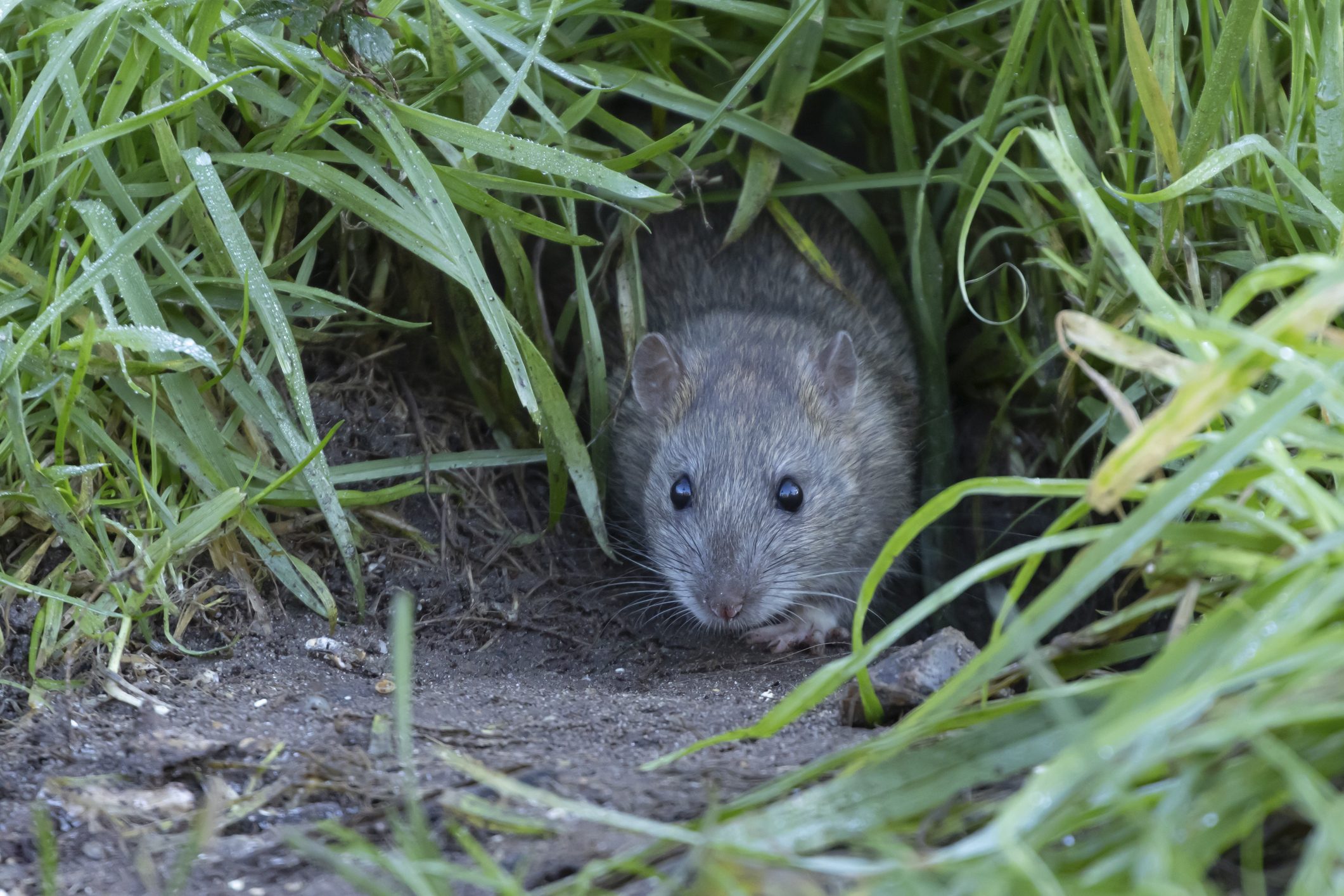
Not all rodents are strict vegetarians. Rats are famously omnivorous and one of the few rodents capable of inducing terror in a significant proportion of the human population. It’s a fear that George Orwell taps into in his novel 1984 when Winston Smith is finally broken by the mere threat of having a cage of hungry rats strapped to his face by his interrogator in Room 101.
Indeed, a hungry brown rat would not turn its twitching little nose up at the opportunity to feast on the flesh of a human unable to defend itself, as medical reports testify.
- Did you know the biggest rat in the world is nearly a metre long? That's one whopping rat...
- Remember the Chicago Rat Hole, found on a city sidewalk? Turns out it wasn't a rat after all...
The species’ dietary flexibility, fierce intelligence, spectacular rate of reproduction, and talent for hitching rides on human transportation systems have all helped it colonise all continents except Antarctica, including many remote islands, often with devastating consequences for native wildlife.
Black rat
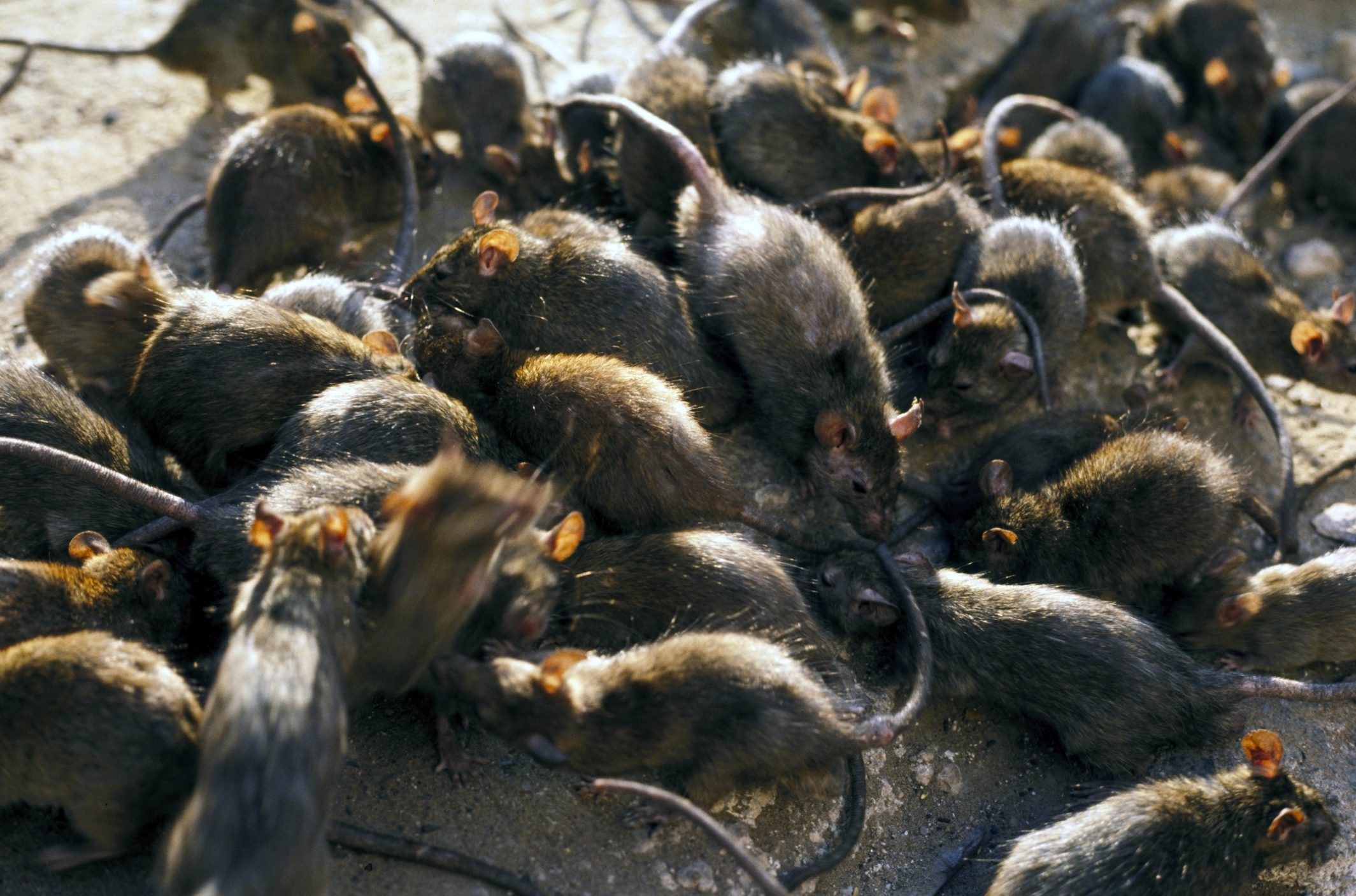
Brown rats have competition when it comes to wreaking havoc on delicate ecosystems. Black rats originated in South Asia but, like their close relatives, have spread worldwide by stowing away on boats.
They reached Lord Howe Island, 600km east of the Australian mainland, in 1918, when a steamer ran aground and was stuck there for nine days allowing the rodents to jump ship. They quickly reached vast numbers and have been implicated in the extinction of five endemic birds, 13 endemic invertebrates, and two plant species. Following an eradication programme completed in 2019, the island was declared rat-free.
But black rats are perhaps most infamous for their role in the plague epidemic known as the Black Death, which killed half the population of Europe in the 14th century, by spreading the fleas that transmit the bacterium Yersinia pestis to people.
Tarbagan marmot
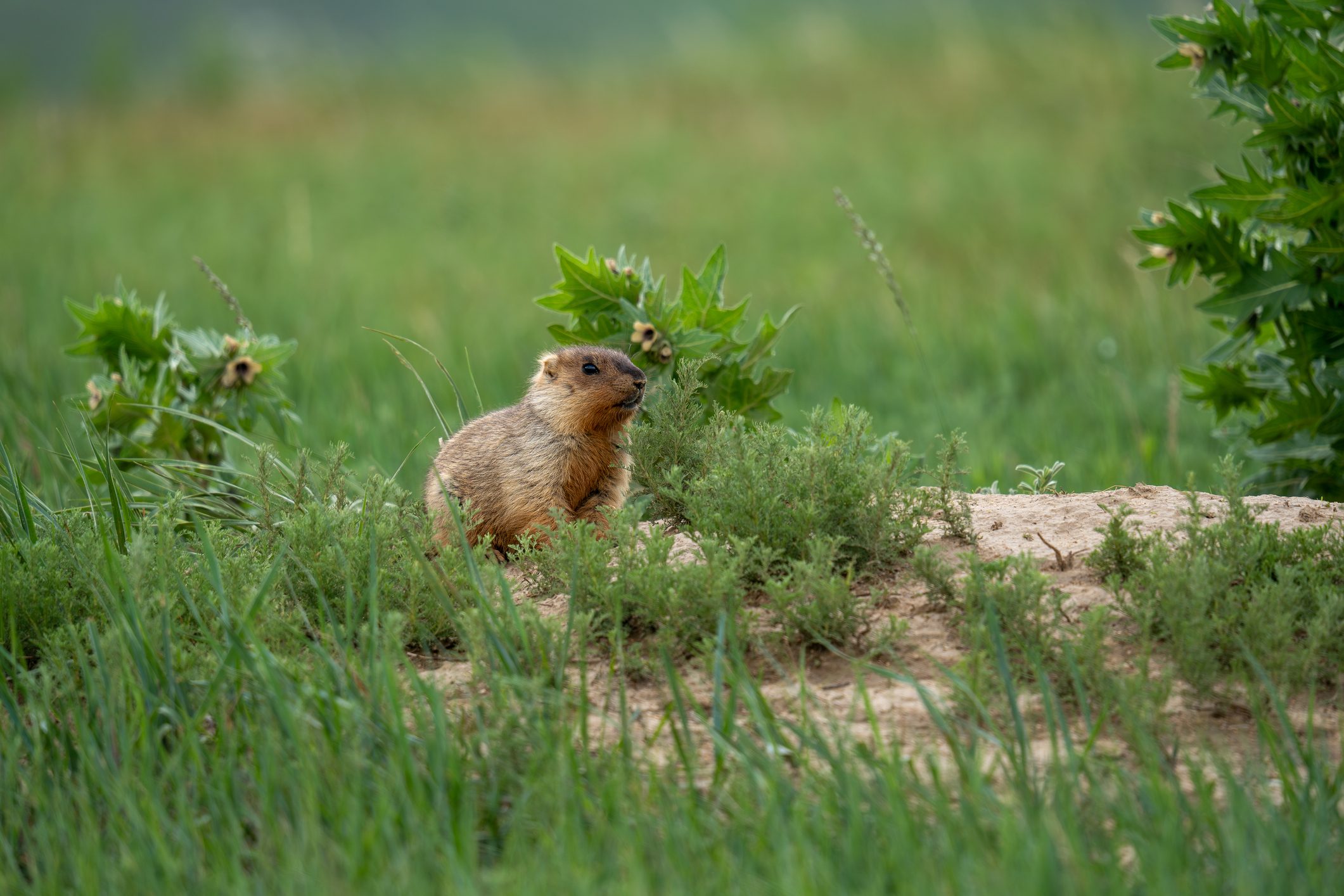
In the age of antibiotics, plague is no longer the threat to life and civilisations that it was, but it hasn’t been entirely consigned to history. A few hundred infections are reported every year, and many of those have a surprising source.
Marmots are large, plump ground-squirrels that dig their burrows in alpine meadows across much of North America, Europe and Asia and are famous for their whistling calls.
- “We did this. People did this.” How Canada’s rarest mammal was pulled back from the brink of extinction
- 8 unlikely killers, from tortoises to beavers: Think apex predators are the most dangerous animals to humans? Think again!
In Mongolia, the plague bacterium circulates in Tarbagan marmot colonies, passing via fleas, and can spill over into humans when animals are hunted or handled. 43 of the 73 human cases of plague reported in Mongolia between 1998 and 2015 were associated with close contact with infected marmots, and in 2020 a teenage boy died of the disease after eating uncooked marmot meat.
Groundhog
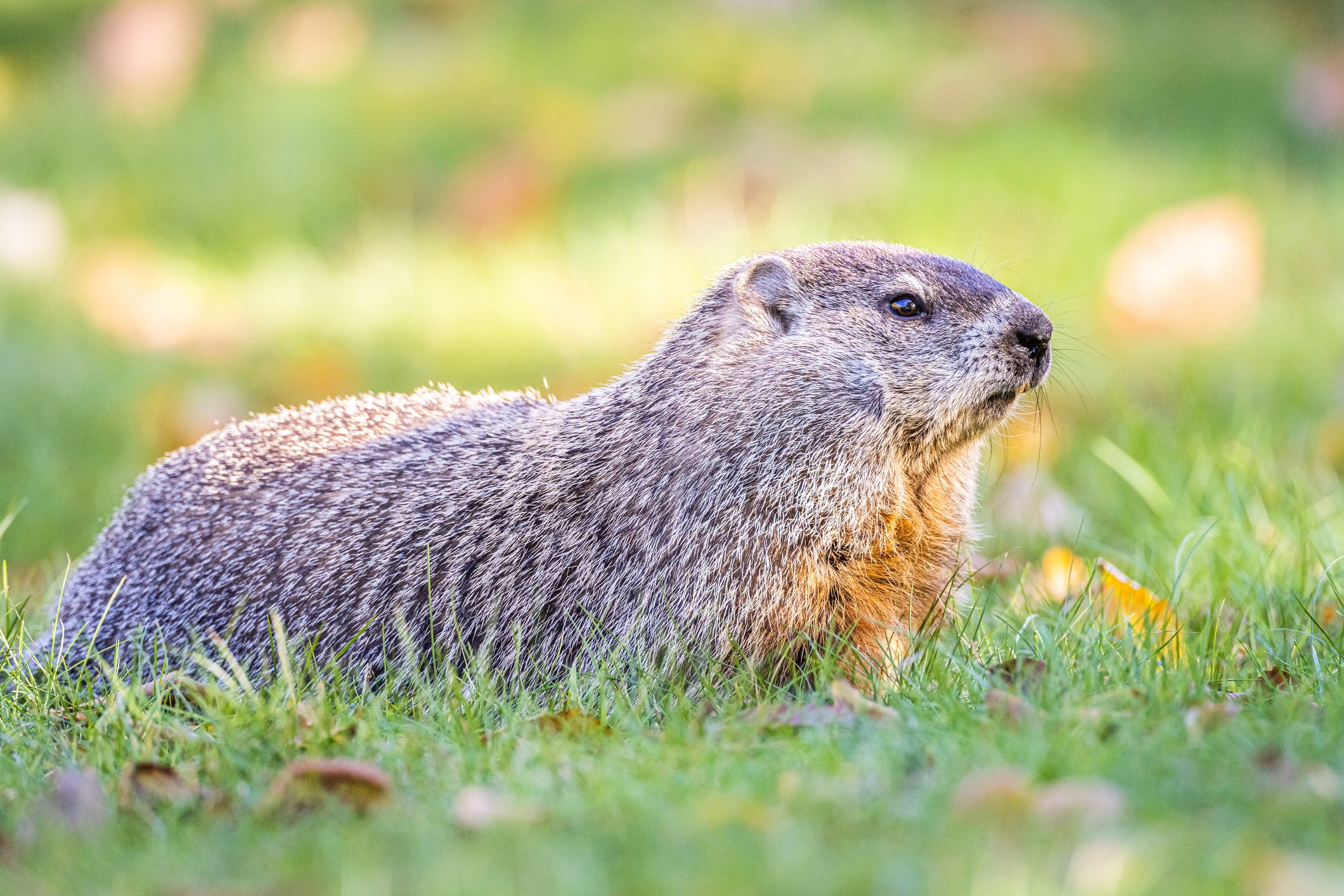
The use of the phrase ‘Groundhog Day’ to describe a tedious repetitive cycle of events entered the language after a 1993 movie of the same name, in which a tv weatherman gets stuck in a time loop that makes every day the 2nd of February.
That is the day that - in real life - towns in north-eastern USA and parts of Canada rudely awaken a hibernating groundhog (a chunky species of marmot also known as a woodchuck) in order to predict the weather. If the groundhog casts a shadow, winter will continue for another six weeks. If it doesn’t, spring will arrive early.
A groundhog bite is not only painful, but can also transmit rabies. Between 1981 and 1986, 15 people were exposed to the virus following a bite in the state of Maryland alone. The actor Bill Murray, who played the weatherman in the film, has said he required precautionary anti-rabies shots after being bitten twice on the finger by his groundhog co-star during filming, and still bears the scars.
Hamster

Even a hamster - one four-hundredth the weight of the average pet-owner - can deliver a painful nip. In the US, these little bundles of fur were responsible for 1706 bite injuries treated in hospital emergency departments between 2001 and 2004.
- Wait there's wild hamsters? Oh yes – and they're fuzzy, feisty, and just as cute and podgy as your childhood pet, just 4 times the size
- It barks like a dog, looks like a cross between a squirrel and a hamster and is the size of a bowling pin – meet an adorable, but little-known, American creature
Some people experience a serious allergic reaction to their bites, and in 2024, a woman in Spain reportedly died shortly after being bitten, but the precise cause of death is not known.
If one gruesome case reported by German forensic scientists in 1995 is anything to go by, a hamster would happily eat you if it only could. When a 43-year-old woman was found dead in her flat, investigators initially suspected she had been the victim of a violent assault. But DNA profiling of pieces of skin, fat and muscle stashed nearby revealed that her free-range pet hamster had gnawed extensively on her body after her death.
Coypu
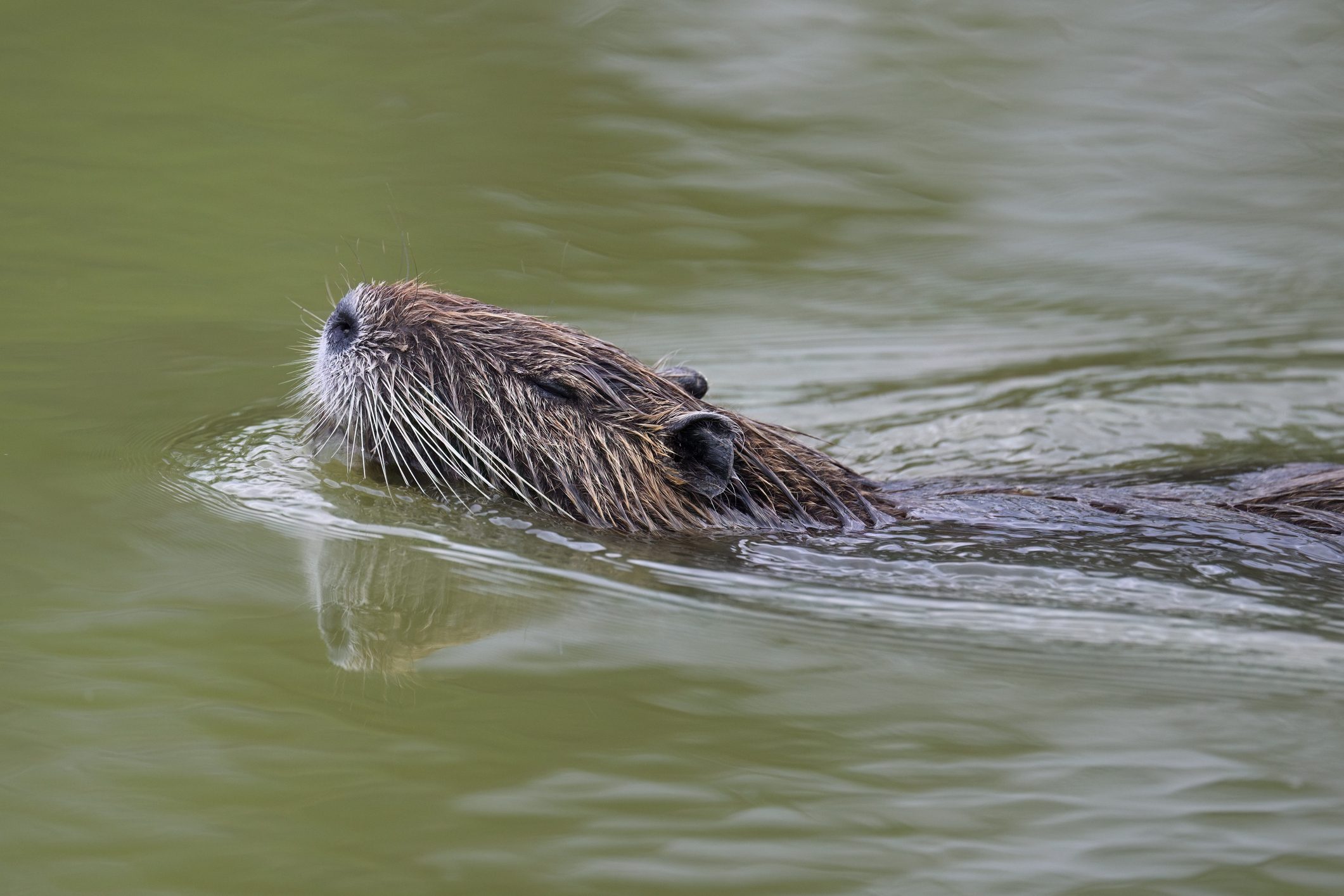
Also known as the nutria, the coypu is native to the southern half of South America, but has been introduced to North America, Europe and Asia, primarily by the fur trade. It has become well established in some areas, often around urban lakes and rivers, digging deep burrows and feeding on aquatic vegetation and is widely considered an invasive species.
About the size of a Jack Russell terrier, it’s much smaller than a capybara, but like a Jack Russell, it can punch above its weight. Indeed, the three reports we’ve found of coypus biting humans since 2024 - two in France and one in Sardinia - all involved people trying to break up fights with their dogs. Two of the victims sustained deep bites to the hands causing severed tendons and nerves, while the third resulted in a bite to the leg. But you’re far more likely to be injured by a Jack Russell.
African crested rat
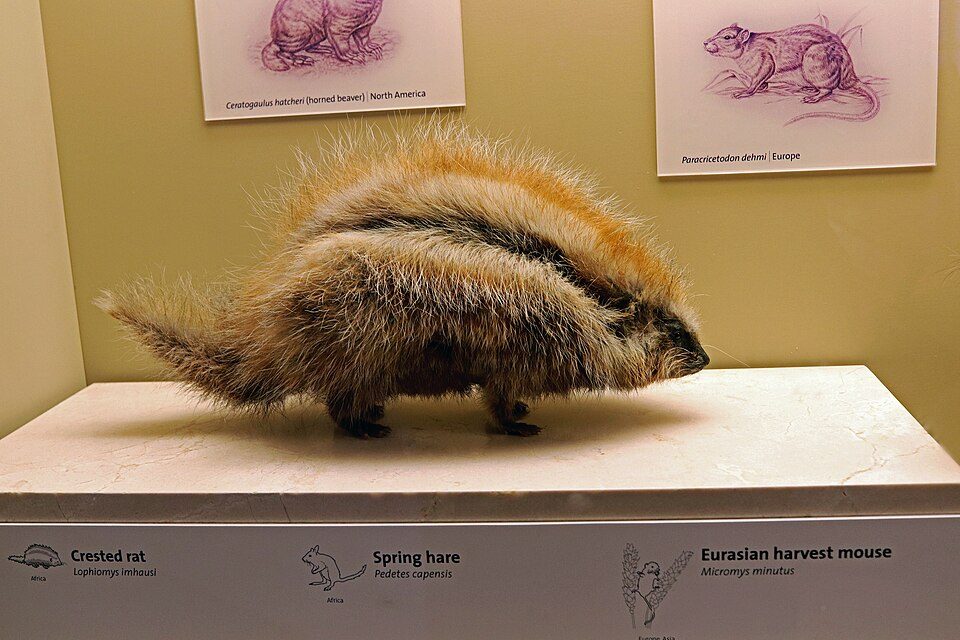
Looking like a cross between a skunk and a small porcupine (but actually more closely related to rats and mice), the crested rat of East Africa is a rare example of a poisonous mammal and the only known poisonous rodent.
Its chemical weaponry comes from the bark of a tree used by local hunters to tip their poison arrows. It contains heart-toxins called cardenolides, which are said to be potent enough to kill elephants.
The rat chews the bark to a pulp, mixing it with saliva, and applies the paste to strips of specialised sponge-like hairs along its flanks. Any predator biting the rat receives a mouthful of the toxins. In dogs, this causes coordination problems and foaming at the mouth often followed by collapse and cardiac failure. Those that survive can take weeks to recover.
The rat’s thick skull and sturdy skeleton are built to withstand the initial bite, while its memorable black and white markings ensure predators are unlikely to make the same mistake twice.
More wildlife stories from around the world:
- This tooth-filled mouth belongs to a lethal predator – can you guess which one in less than 15 seconds?
- Researchers looked inside an Indian well – and found a colourless creature hidden in the darkness
- “In the blink of an eye, 6 of them hurtled towards me. Out of nowhere 1 landed on a branch just 5m away. I tried to back away, but I was easy prey…”
- Venomous hunter chillingly stores paralysed victims ALIVE – with no chance of escape – underground for killing and eating later


