When most people think of dolphins, they imagine playful, sleek and agile animals slicing through clear seas. But, while some dolphins are small or acrobatic, some are bigger than you might realise say the experts from Whale and Dolphin Conservation.
- How to help a beached whale or dolphin - and help save its life
- Spiral tusks, big square heads, strange pink skin: 10 weirdest dolphins and whales on the planet
From powerful apex predators to elusive deep-sea dwellers, the largest dolphins challenge our assumptions about these marine mammals.
Here’s a closer look at our top six biggest dolphins in the world and what makes each one remarkable.
6 biggest dolphins
1. Orca
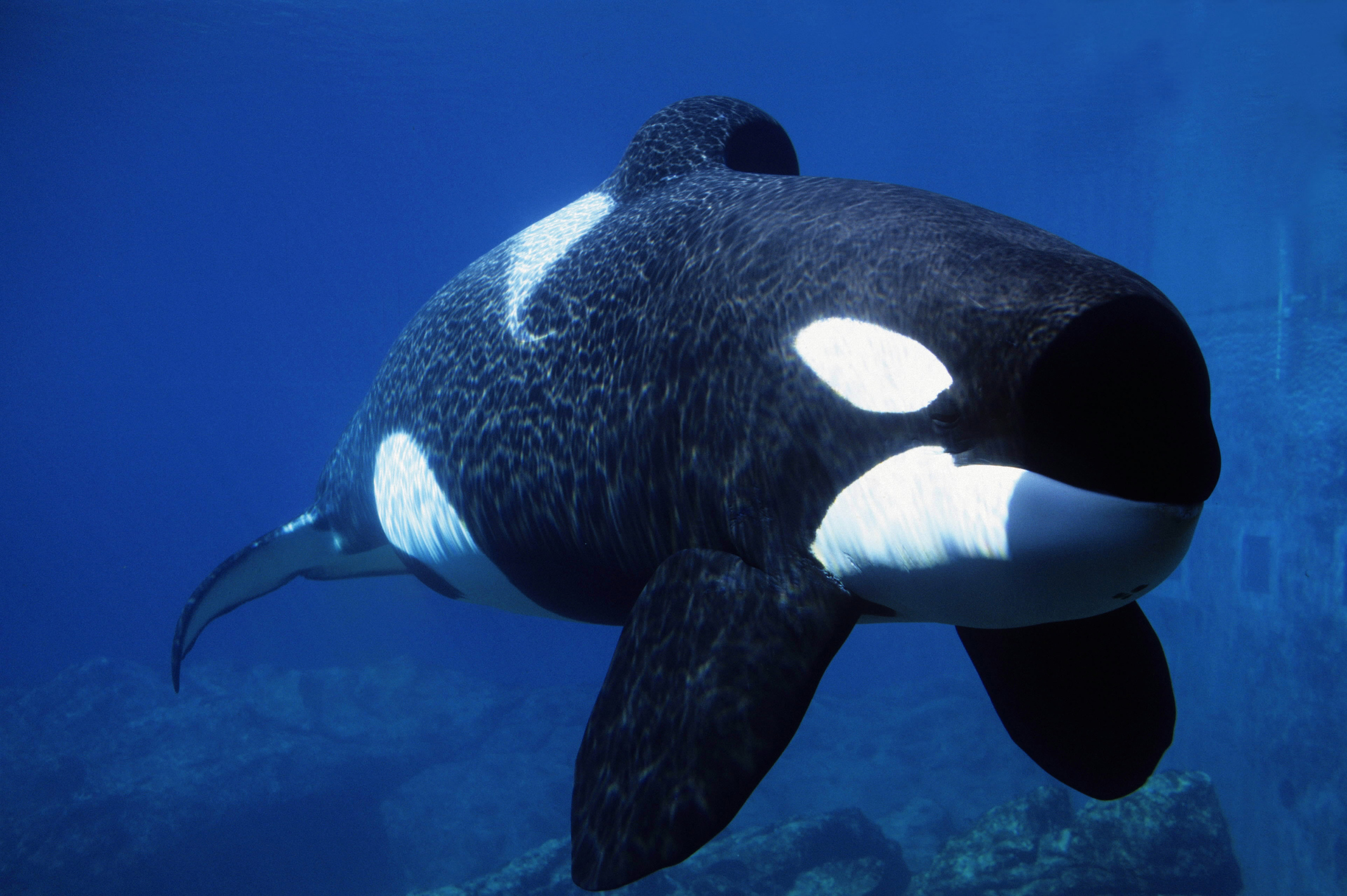
At the top of the list is the orca, the undisputed giant of the dolphin family. Yes, despite the orca being referred to as the killer whale, it's actually the largest member of the dolphin family (Delphinidae). Adult males can reach lengths of up to 9 metres (30 feet) and weigh over 6,000 kilograms.
- Whale vs dolphin: what's the difference between these mysterious denizens of the ocean?
- "A wild orca came over and made us a rainbow!" Magical encounter stuns whale watchers off San Diego coast
Orcas are found in every ocean on Earth, from icy polar regions to tropical seas. Their striking black-and-white coloration makes them instantly recognisable, but it’s their intelligence and social complexity that truly set them apart. Living in tightly knit family groups called pods, orcas communicate using sophisticated vocalisations and even exhibit cultural behaviours unique to each group.
- Orcas are now hunting whale sharks – and they're doing it in an astonishing way
- “No other predator is able to challenge them” – this deadly, intelligent ocean killer works in a team to stun, submerge and launch at its prey
As apex predators, they have developed clever and specialised techniques to hunt a wide variety of prey, including fish, seals, and even other whales. Their intelligence, size, speed, and coordination make them one of the most formidable hunters in the marine world.
2. False killer whale
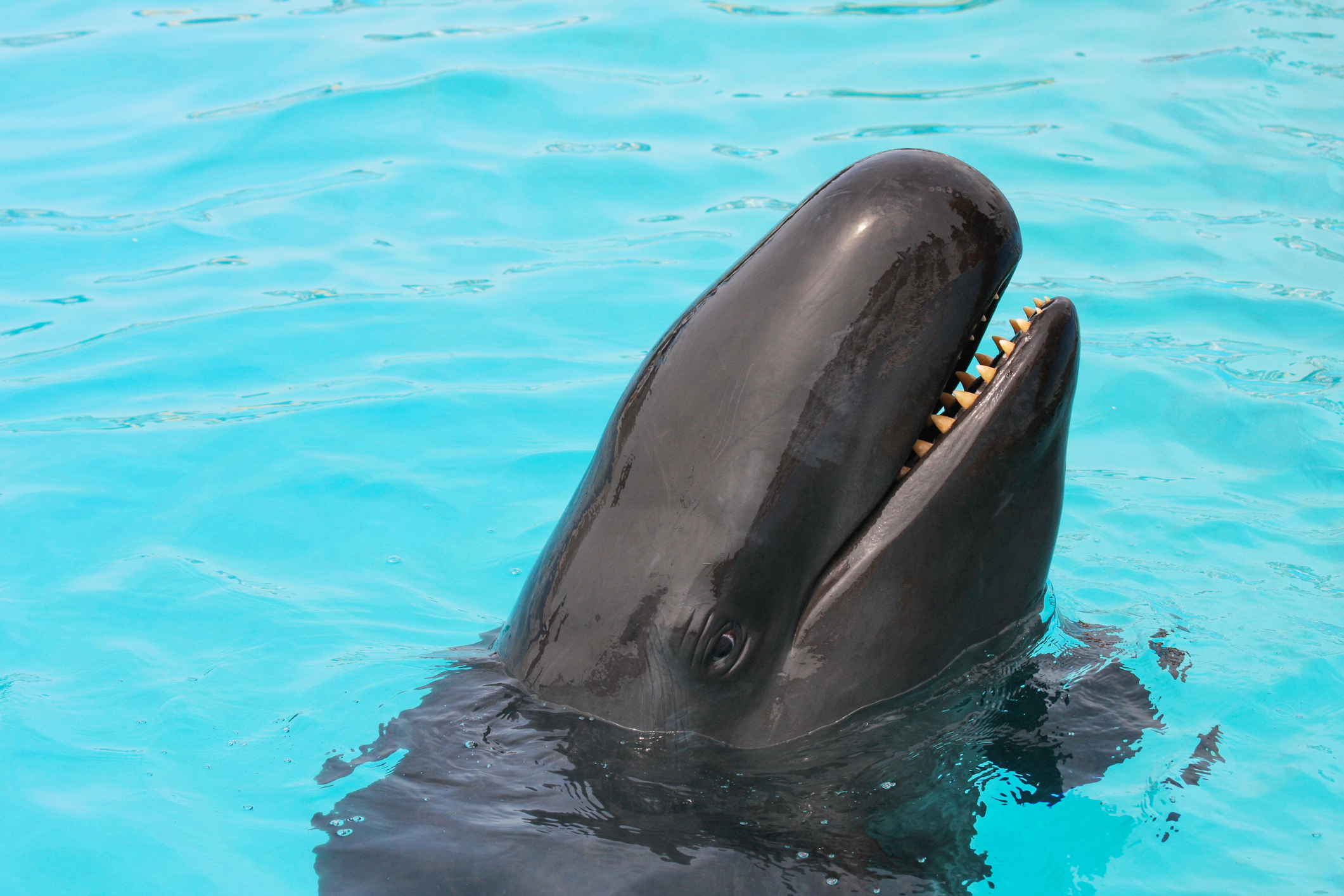
Another ‘whale’ that's actually a dolphin. The false killer whale is one of the largest dolphin species, growing up to about 6 metres (20 feet) long. Their name comes from a resemblance to the orca, particularly in skull shape, though it is more slender and uniformly dark in colour.
These dolphins prefer deep, offshore waters in tropical and subtropical regions. Highly social, they often form large groups and are known for their strong bonds - even between individuals in captivity and humans in rare cases.
- “Utterly spectacular”: incredibly rare 'pack ice' killer whale filmed swimming in Antarctic snow
- "Raw and brutal": whale watchers look on astonished as orcas kill humpback whale in South Africa
False killer whales are skilled hunters, often working together to catch fish and squid. Interestingly, they have been observed sharing food with one another, a behaviour that hints at complex social cooperation.
3. Short-finned pilot whale
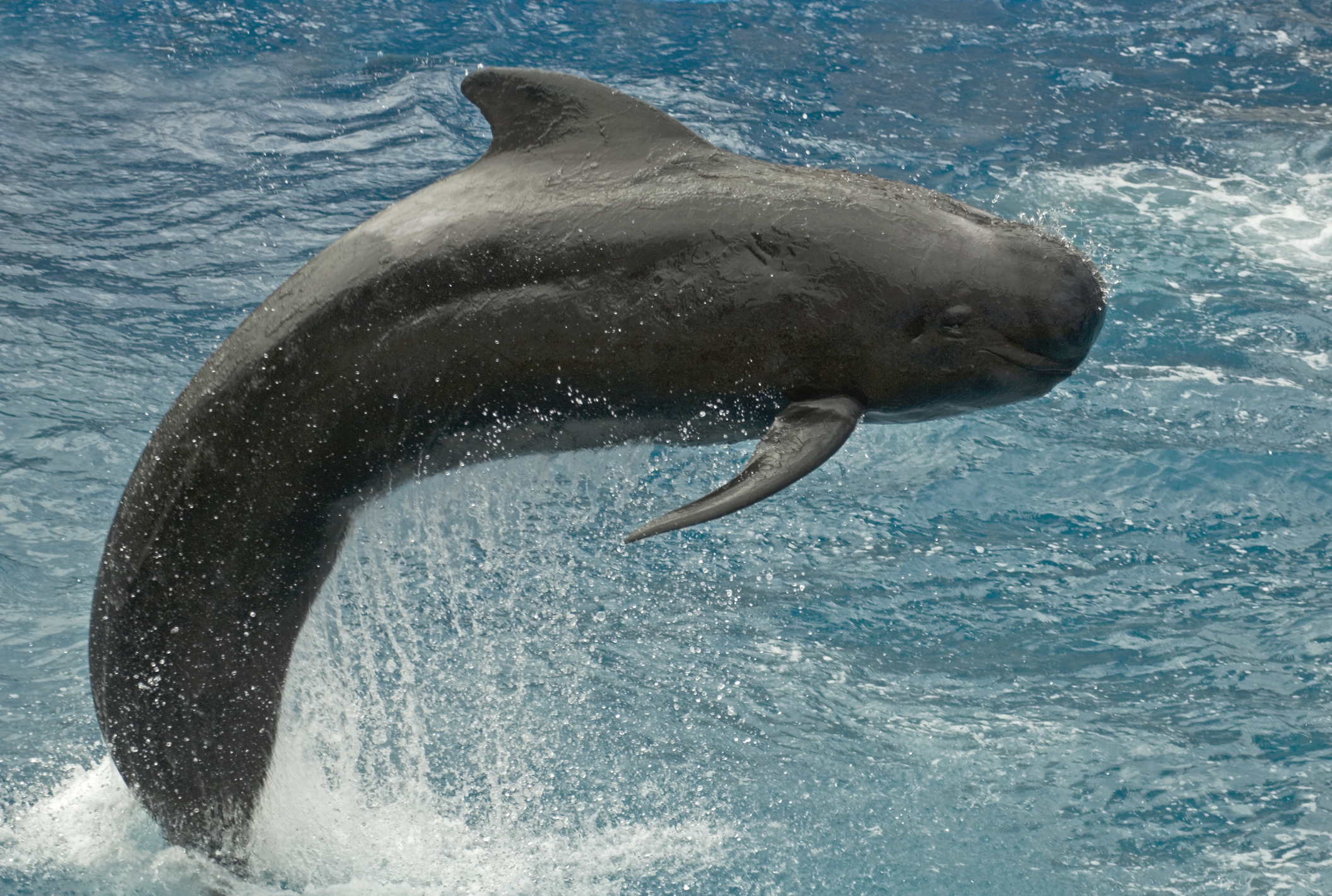
Pilot whales are also dolphins, and among the largest. The short-finned pilot whale can grow up to 5.5–6.5 meters (18–21 feet) in length. They have a bulbous forehead (called a melon) and a robust, dark body.
- It's sleek, black, incredibly beautiful and very fast – and is known as the 'cheetah of the deep sea' despite weighing over a tonne
- Researchers tag 8 pilot whales in Hawai'i then follow them into the darkness. What they find is "unbelievable"
These dolphins are found in warm oceanic waters worldwide. They are extremely social, often traveling in pods that can number in the hundreds. Their strong social bonds are believed to be one reason behind mass strandings, where entire groups become beached together after following one sick individual into danger in shallow water.
Short-finned pilot whales primarily feed on squid, diving deep into the ocean to hunt. Their size and diving ability allow them to exploit food sources far below the surface.
4. Long-finned pilot whale
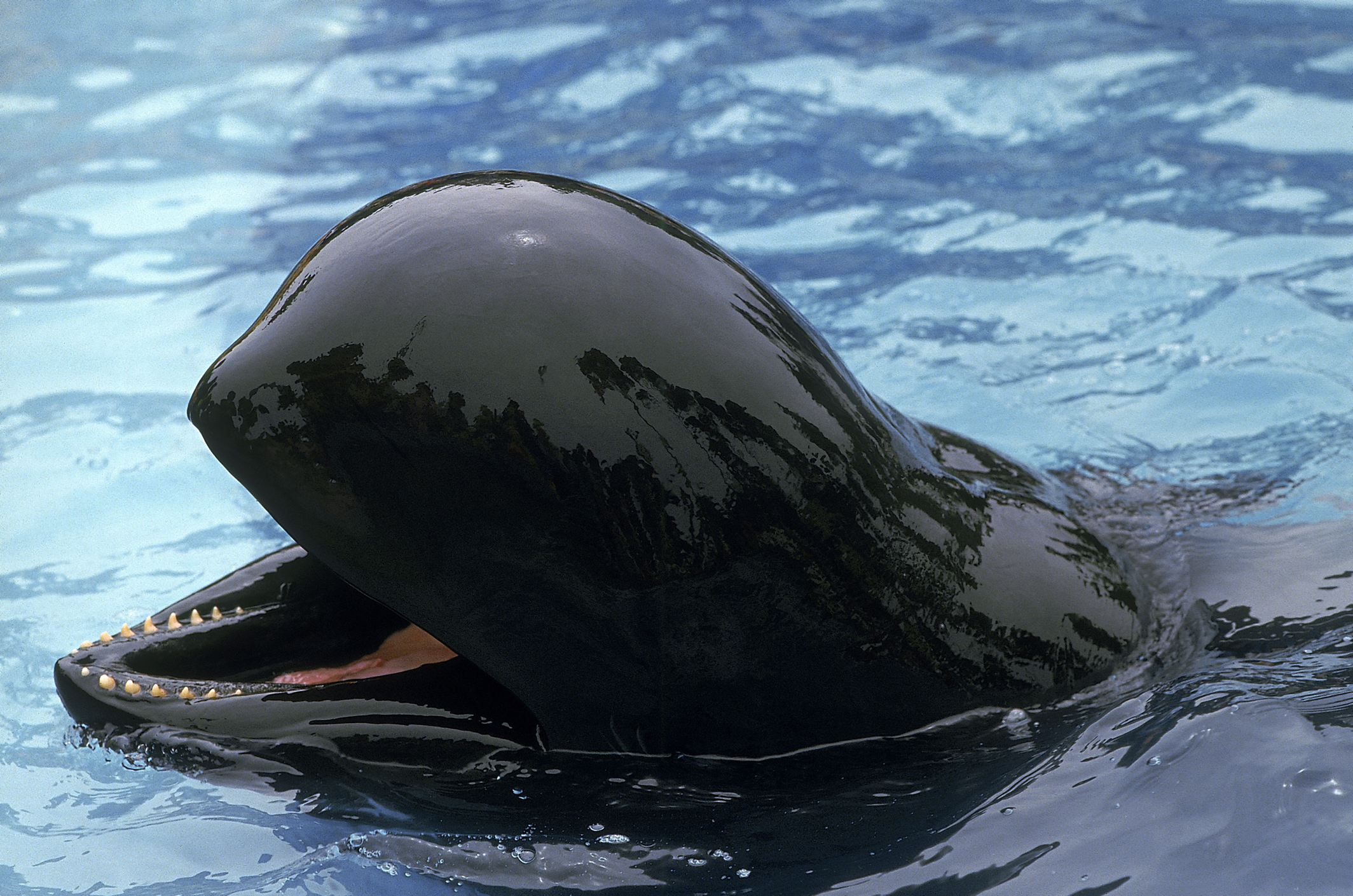
Closely related to their short-finned cousins, long-finned pilot whales are slightly smaller, but still among the largest dolphins, reaching lengths of up to six meters (20 feet). They are distinguished by their longer pectoral fins and are typically found in cooler waters, including the North Atlantic and Southern Hemisphere.
Like other large dolphins, they are highly social and live in stable family groups. Communication plays a key role in maintaining these bonds, with a variety of clicks, whistles, and calls used to coordinate movements and activities.
Their diet is similar to that of short-finned pilot whales, consisting mainly of squid and fish, and they regularly dive to over 600m deep.
5. Risso's dolphin
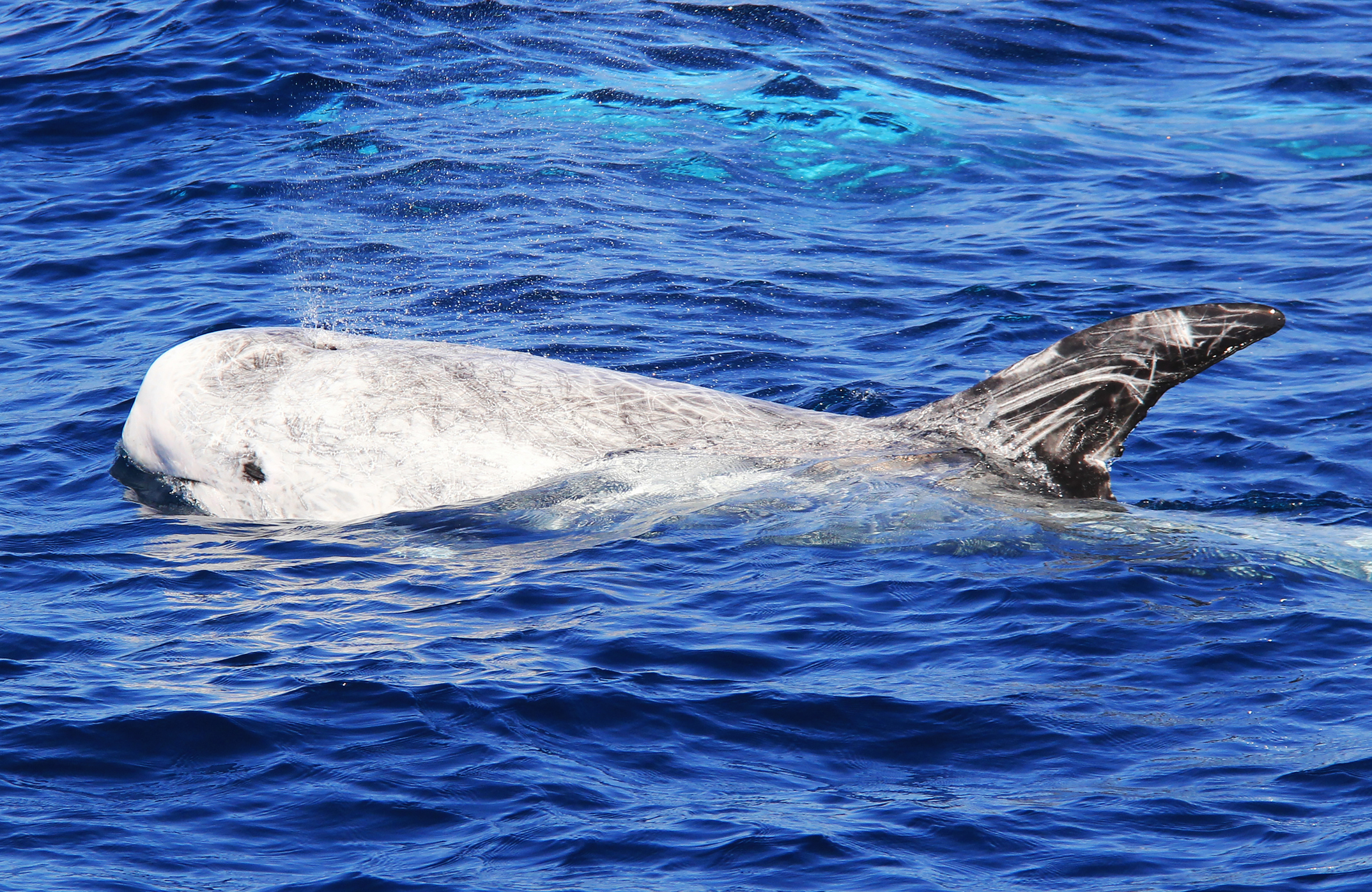
Risso’s dolphins are visually very unique as well as big. They can grow up to about four meters (13 feet) long. While smaller than others on this list, it is still significantly larger than the more familiar common dolphin.
Risso’s dolphins are easily identified by their criss-cross, scarred, pale-grey bodies. These markings accumulate over time from social interactions and encounters with prey like squid, giving older individuals a nearly white appearance.
- 7 things you never knew about the Risso’s dolphin
- "First-of-its-kind event." Whale shark swims "astounding" 1,200km from Madagascar to Seychelles
They mainly inhabit deep offshore waters around the world and, unlike many other dolphins, are less acrobatic and tend to move with a more deliberate, rolling motion at the surface.
Risso’s dolphins are known to be social and often travel in groups. Individuals may regularly visit certain favoured areas year after year, as WDC’s monitoring project off the Isle of Lewis in western Scotland has revealed. Their ecology and behaviour is less well studied than that of some other species, giving them a more mysterious air.
6. Bottlenose dolphin (UK)
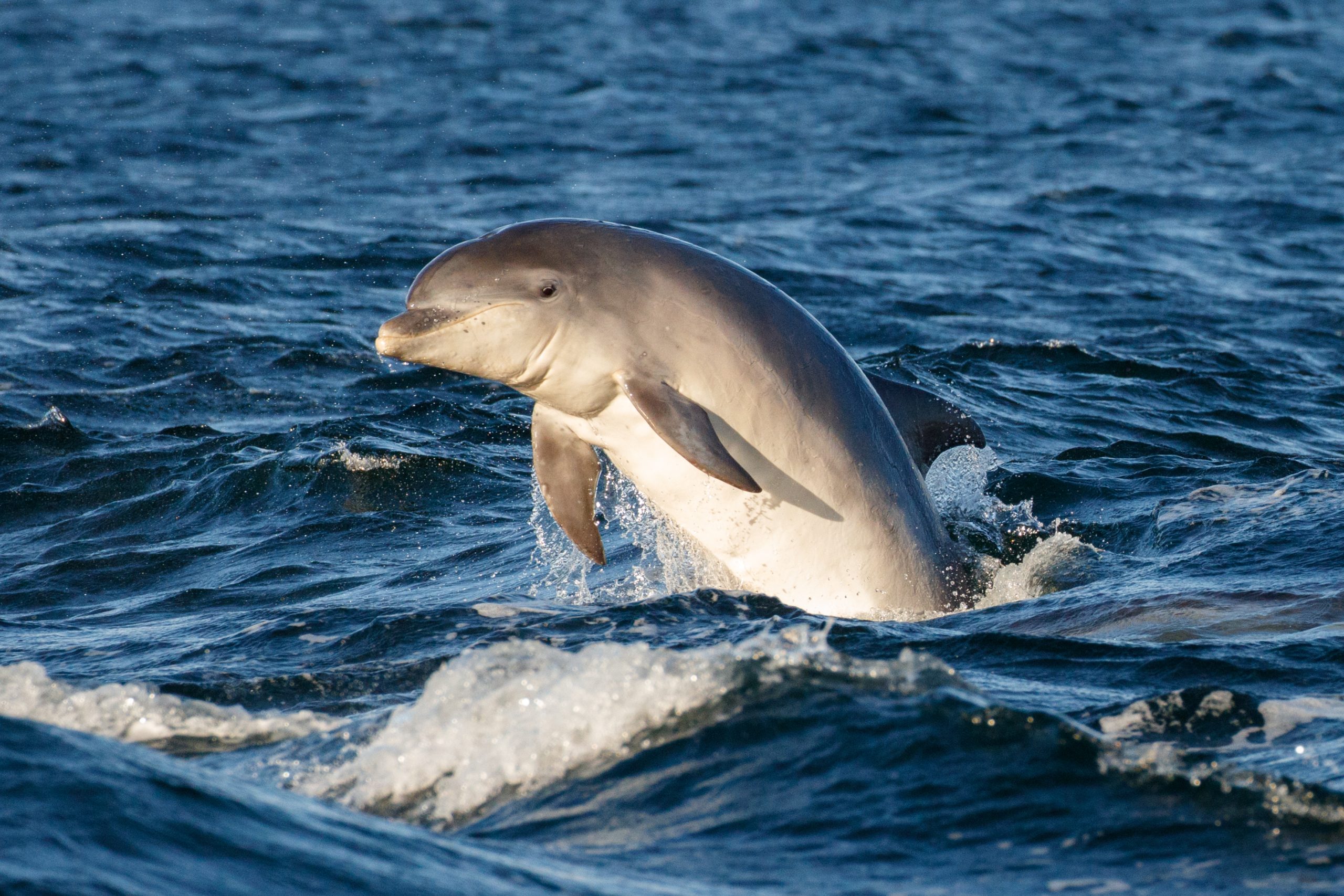
The bottlenose dolphin would not normally make the top six list, but those that live in the waters around Scotland are the biggest of the species. The waters they inhabit are very cold, so they pack a lot more blubber than bottlenose dolphins found in other, warmer parts of the ocean. On average, they tend to be larger than other populations (3-4 m in length and up to 650 kg compared to an average of around 300 kg and 2-3m length more usually).
- As long as a small car, it is one of the cutest, smiliest, most intelligent animals on the planet
- Famous dolphin secures a Guinness World Record
This hardy bunch inhabit two main areas: a large, resident population of around 200 on the east coast (especially Moray Firth) and smaller groups along the west coast. You may see them all year-round at Chanonry Point, Spey Bay, and the Hebrides.
Common bottlenose dolphins have one of the most sophisticated intellects on our planet, and each dolphin has his or her own name in the form of a unique signature whistle.
What unites these big six is not just their size, but their intelligence, adaptability, and complex social lives. Being large offers advantages - such as the ability to dive deeper, travel farther, and hunt larger prey - but it also comes with challenges, including higher energy demands and vulnerability to environmental changes.
- What's the fastest whale in the world? Clue - it can swim at 37kph, despite weighing a hefty 70 tonnes
- 10 fastest swimmers in the ocean, including one animal that can accelerate to nearly 80MPH quicker than a Porsche
Many of these dolphins face threats from human activities, including fishing bycatch, pollution, habitat disruption, and even hunting in some countries. Conservation efforts are crucial to ensure that these clever and fascinating giants of the dolphin family continue to thrive.