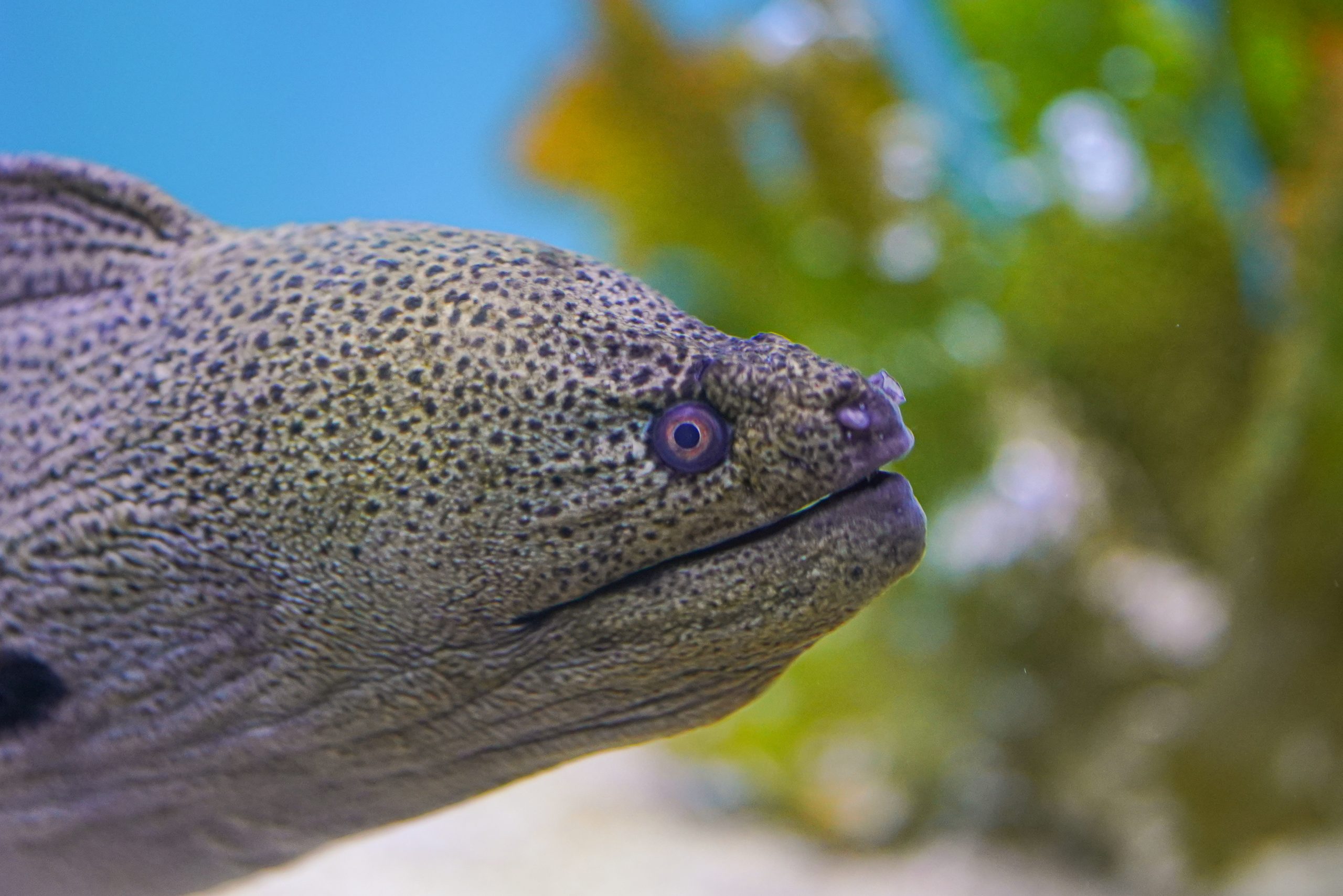
There are over 200 species of moray eels, some of which, in the case of the giant moray eel (Gymnothorax javanicus), can grow nearly 3m (10ft) long.
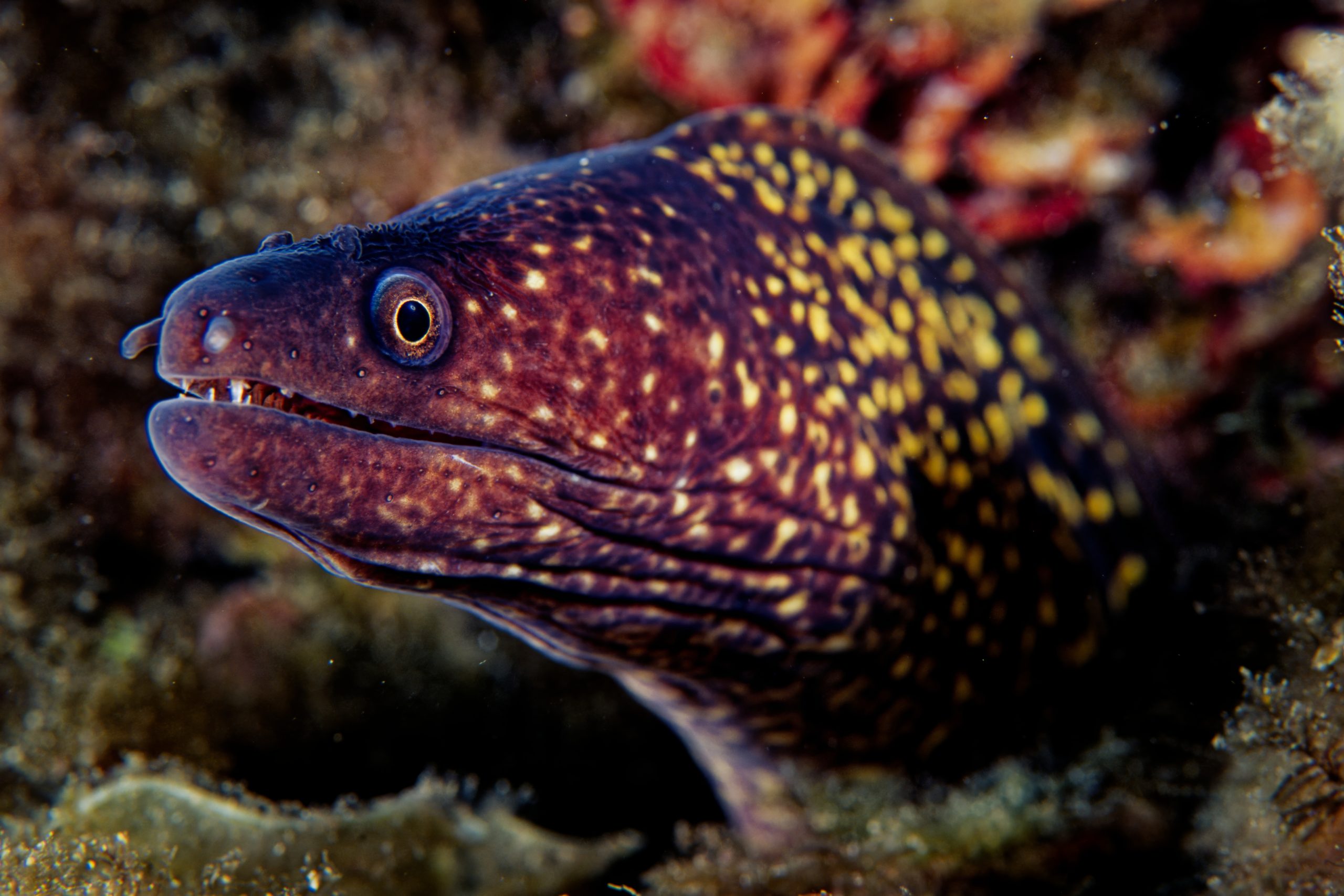
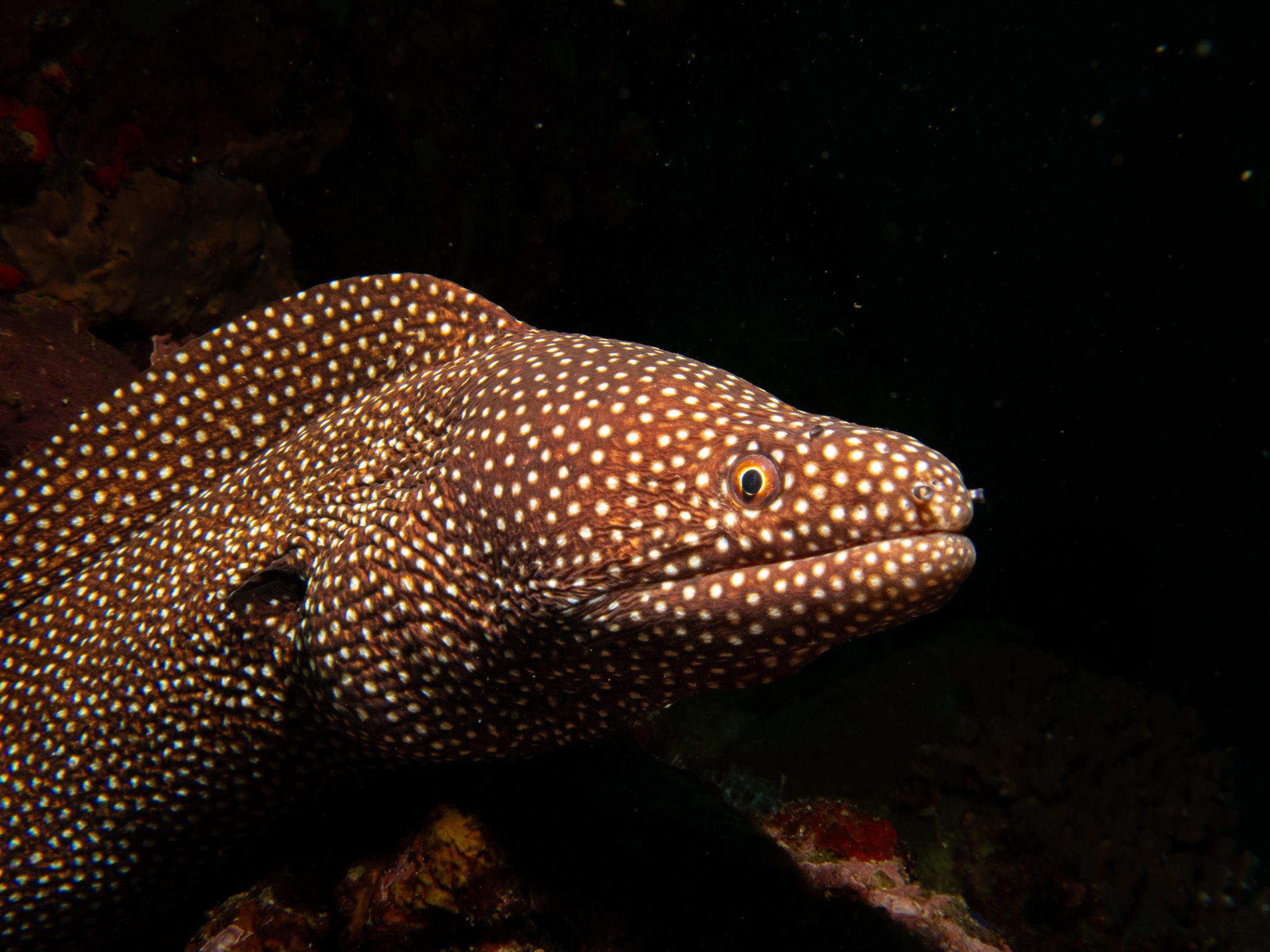
These striking-looking fish come in a dazzling array of colours and patterns, from black and white speckles to bright spots and stripes.
Moray eels live in both freshwater and saltwater environments, mostly in tropical waters. They are apex predators and eat smaller fish, crustaceans and octopuses.
Moray eels have a second set of jaws - a pharyngeal jaw located in the throat, which shoots forward into the mouth to grip prey before pulling it back into the throat.
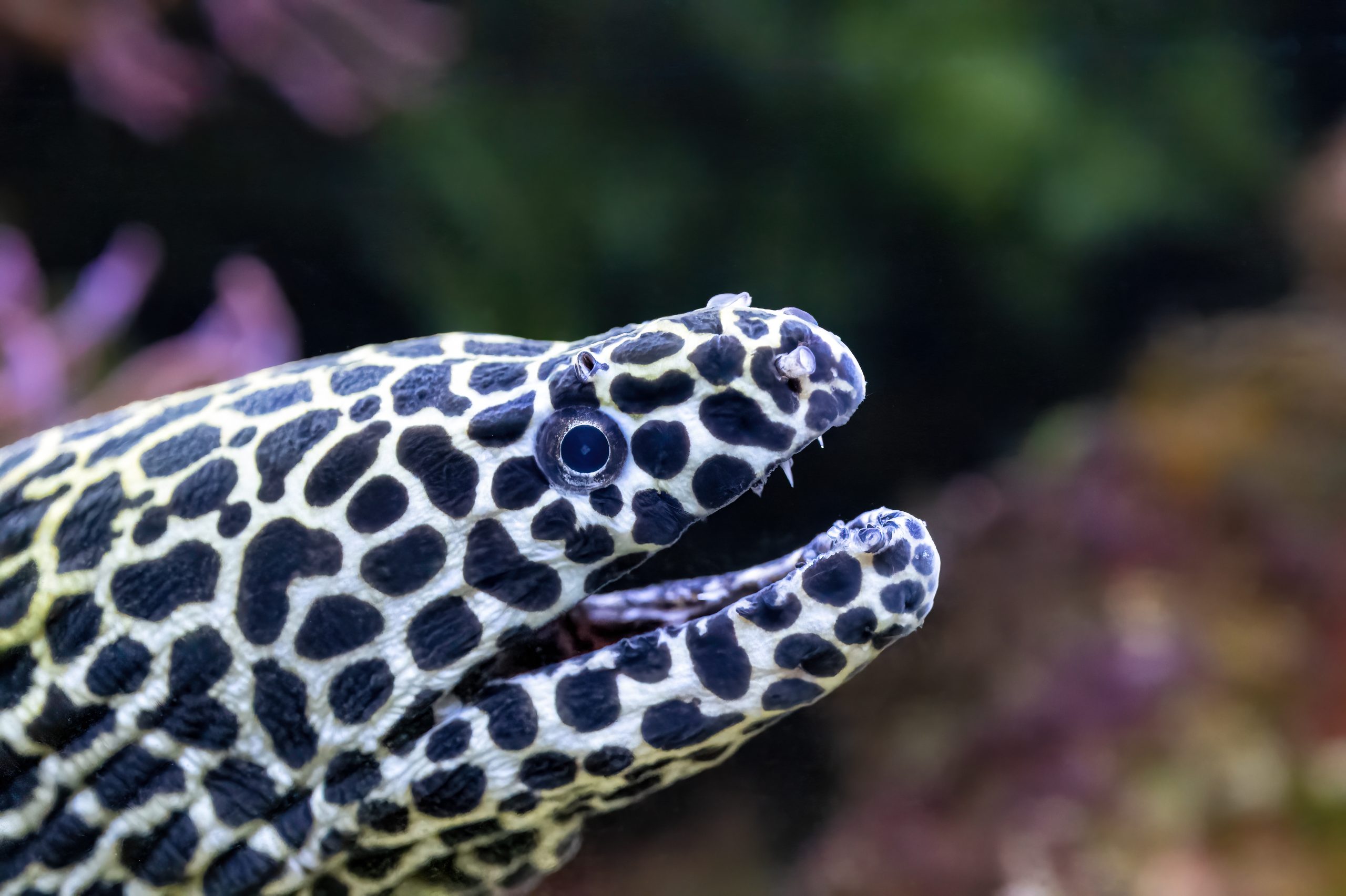
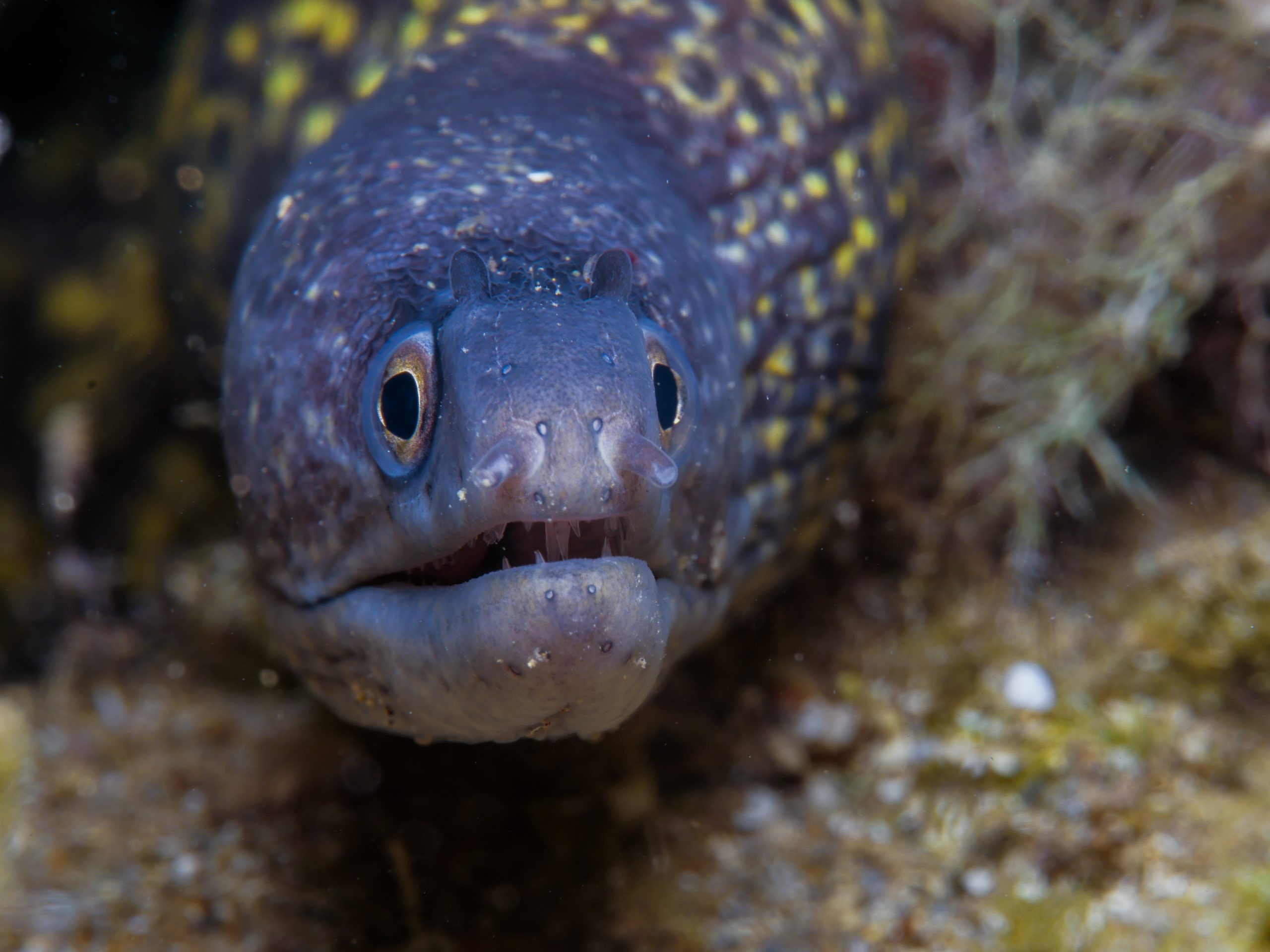
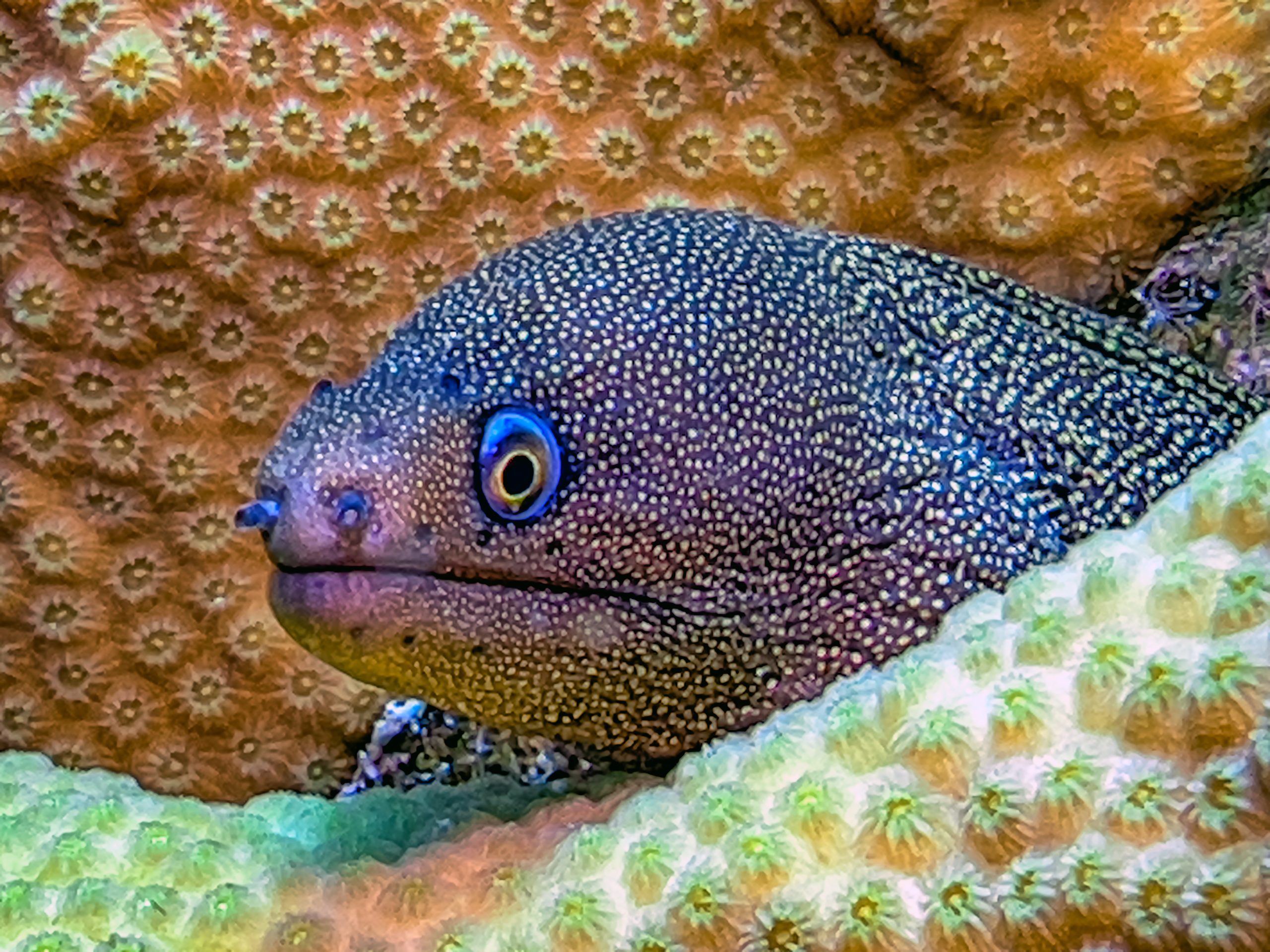
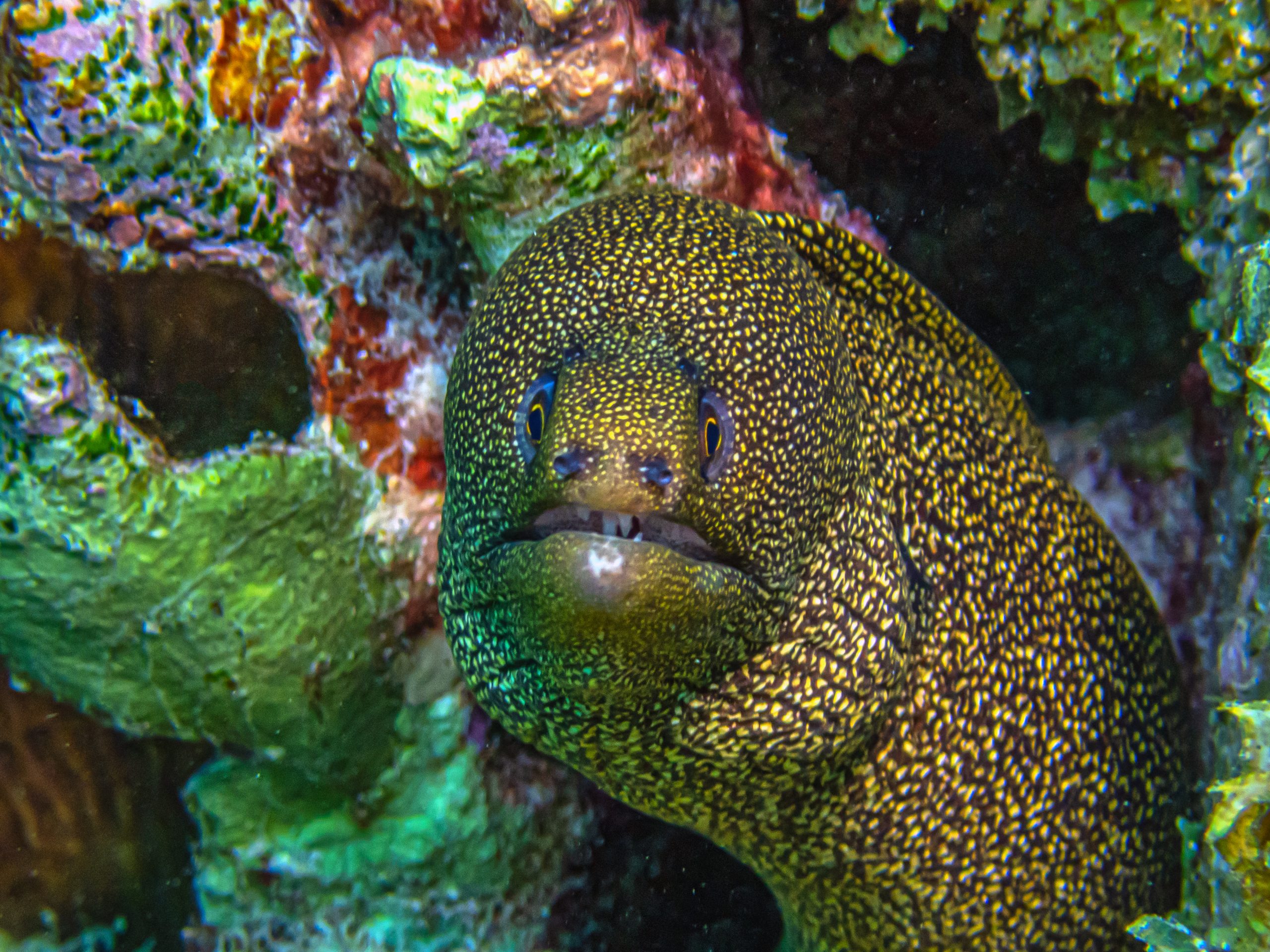
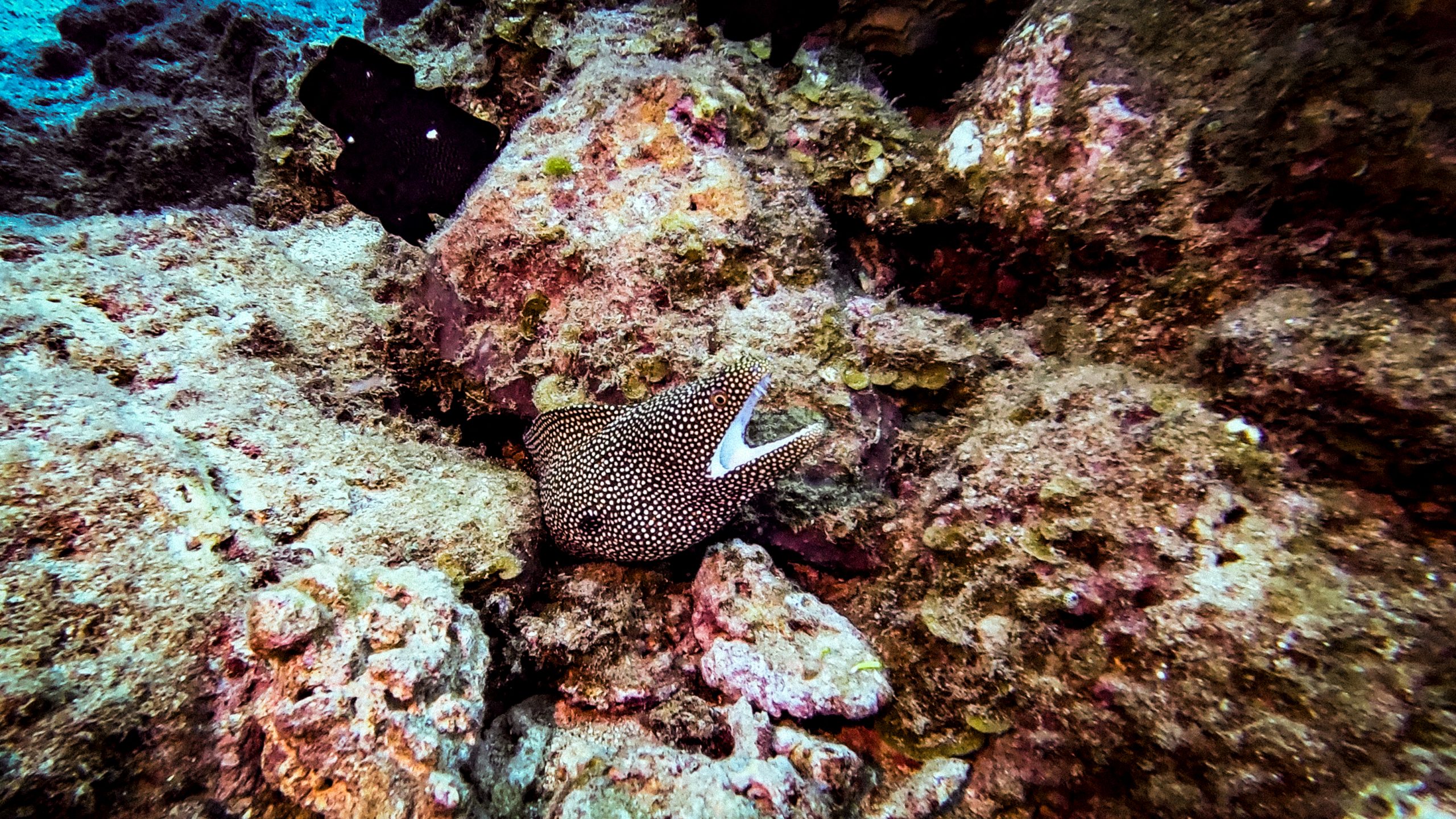
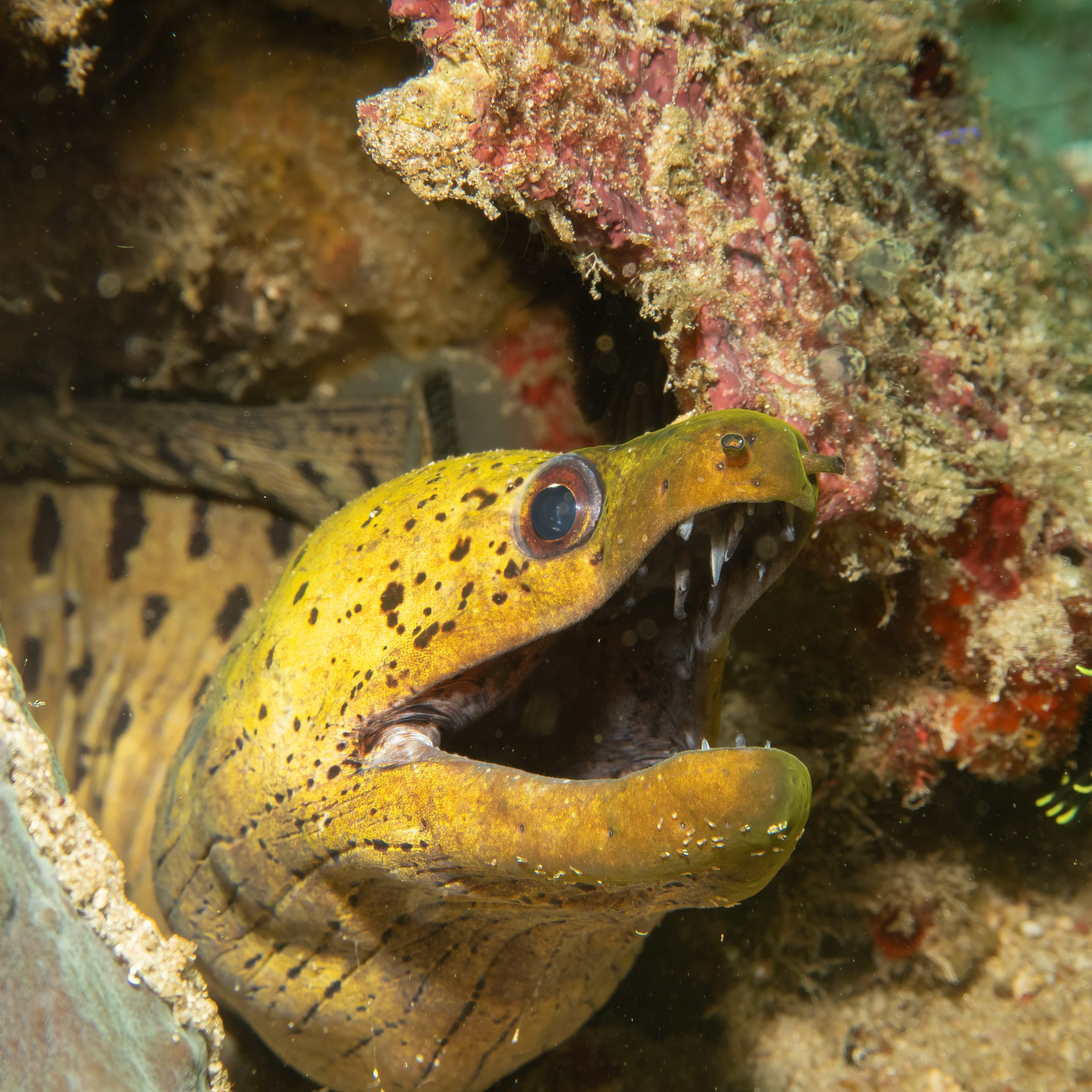
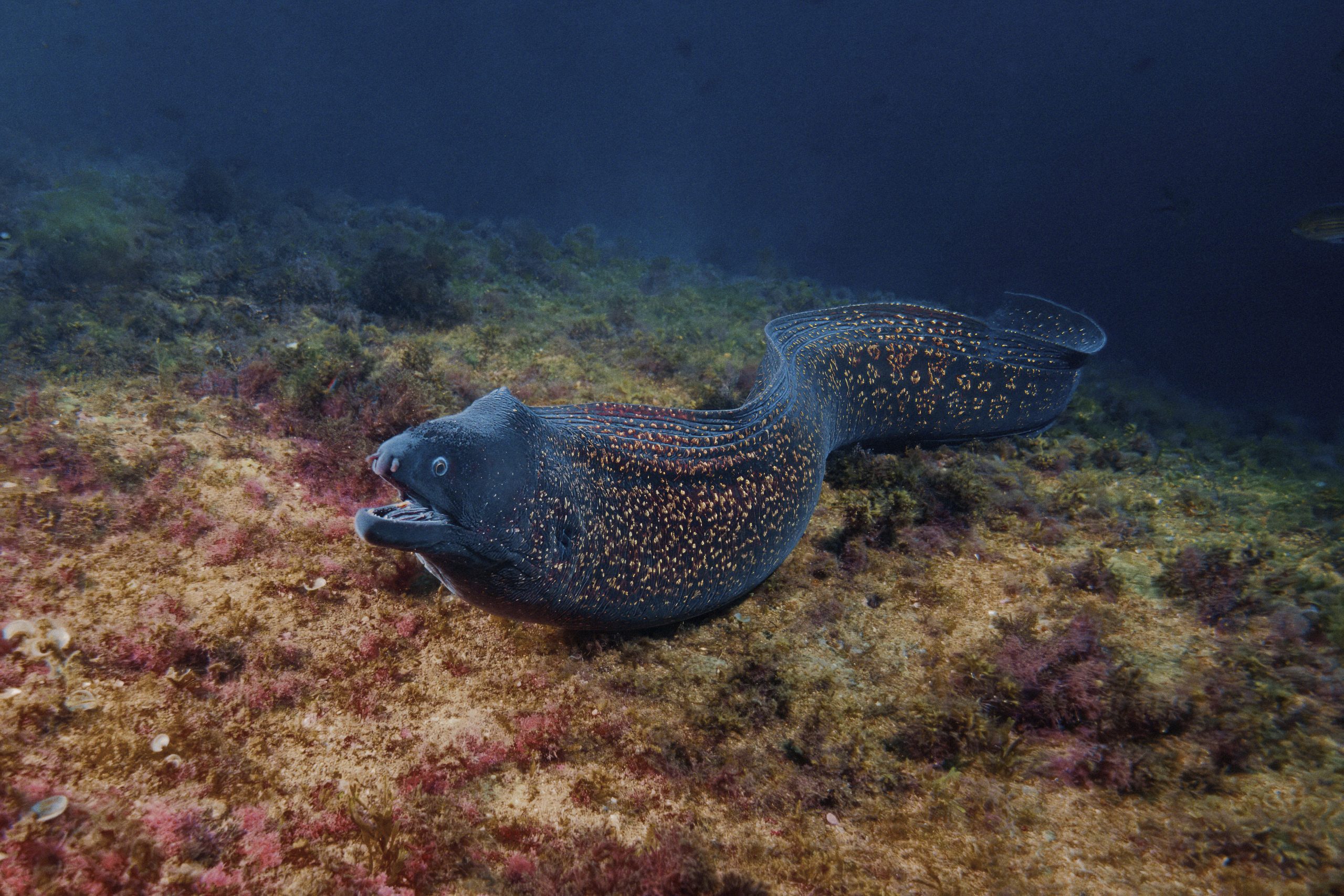
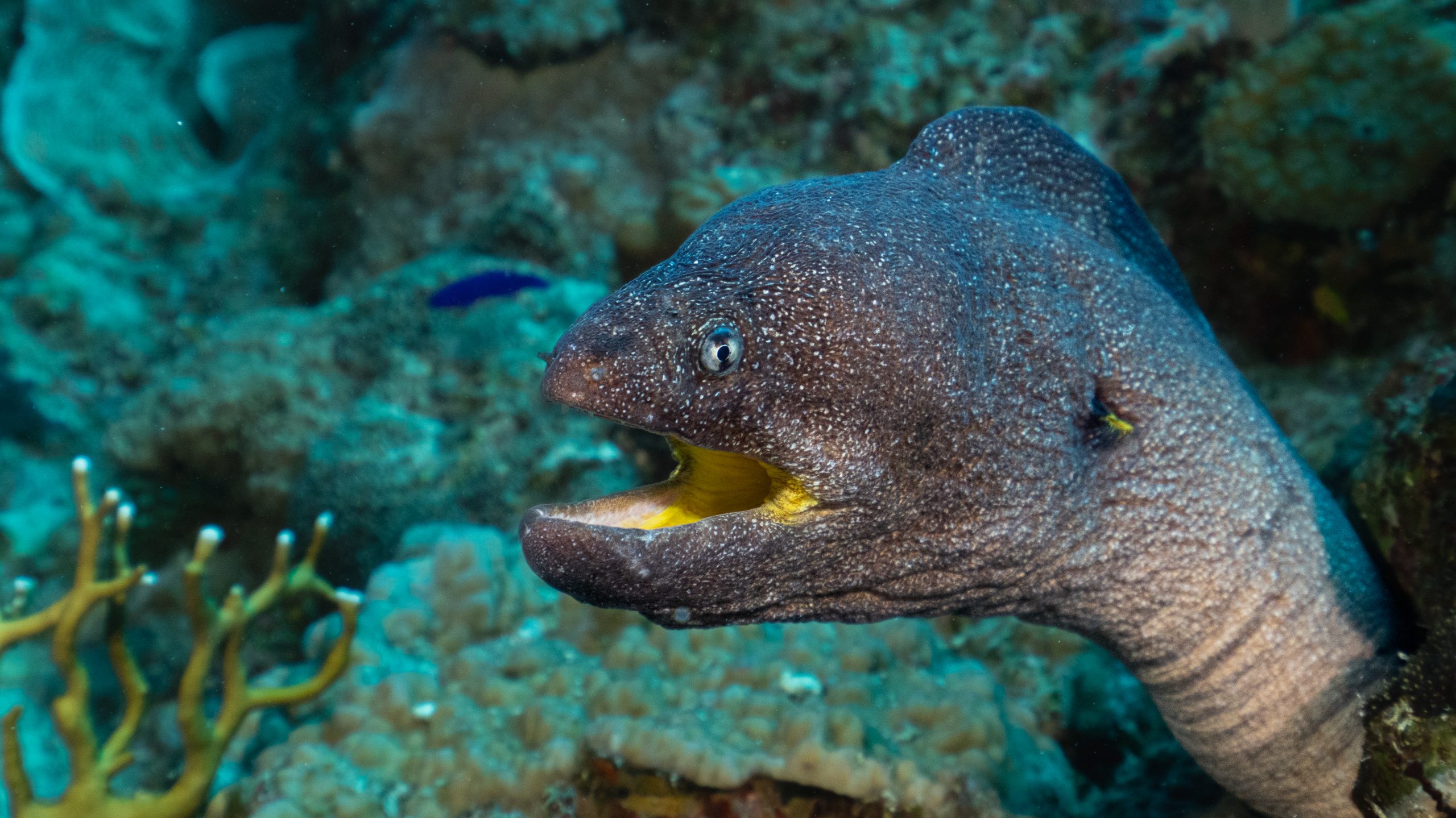
Moray eels have long and thin bodies, perfect for hiding in holes or crevices. This is the laced moray (Gymnothorax favagineus). Credit: Jiri Vlach via Getty ImagesSome species of moray eels engage in 'cooperative hunting' where they work with another species to help each other catch food. Credit: Ventura Romero via Getty ImagesMost morays have an excellent sense of smell, but not very good eyesight. Credit: Sakis Lazarides via Getty ImagesThis is the goldentail moray (Gymnothorax miliaris), also known as the banana eel, because of its yellow body. Credit: johnandersonphoto via Getty Images
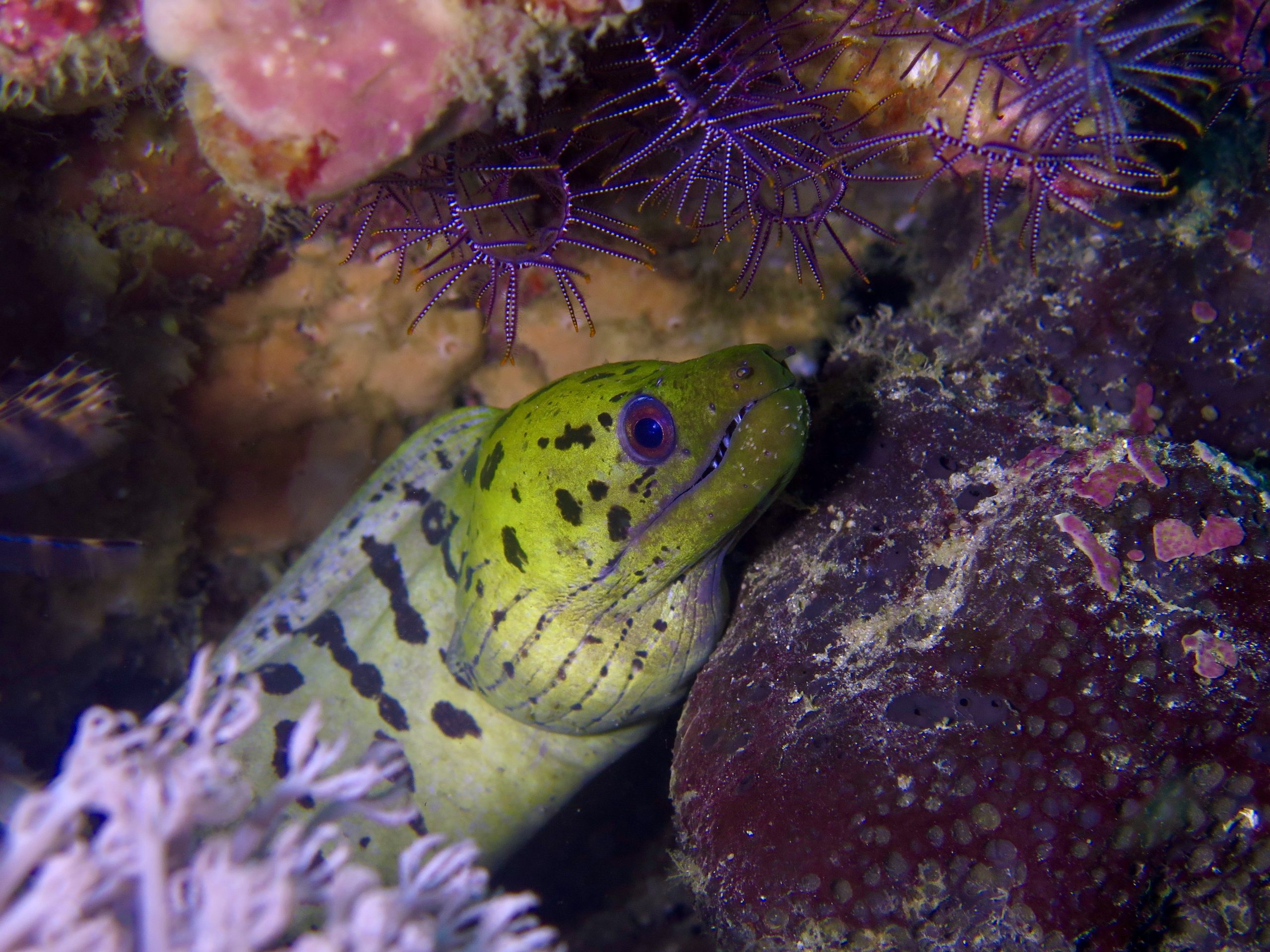
The pharyngeal jaws of a moray eel allow these fish to swallow struggling prey whole. Credit: johnandersonphoto via Getty ImagesMost moray eels will hide from people, and only bite when provoked. This is a whitemouth moray eel. Credit: Zocha_K via Getty ImagesA yellow fimbriated moray (Gymnothorax fimbriatus). Credit: Dan-Manila via Getty ImagesSome moray eels appear different in colour to their true colour, due to a slimy, yellow coating on their bodies. Credit: Ventura Romero via Getty ImagesWhile a moray eel will often bare its teeth, it's not necessarily being aggressive - this is how it breathes. Credit: DannyWildPics via Getty ImagesA white-mouth moray eel (Gymnothorax meleagris). Credit: Dan-Manila via Getty ImagesMoray eels are mostly solitary creatures, although they will occasionally be seen with other creatures such as the cleaner shrimp, which helps to remove parasites from their skin. Credit: Thank you for your assistant via Getty ImagesA spotted green moray eel peeks out from a reef crevice. Credit: DimanDiver via Getty Images
Daisy is a journalist and writer with 20 years of experience working on titles including the Telegraph, Time Out London, WhatsOnStage, Gardens Illustrated, the Guardian and Ambit Magazine. Her passions are wildlife, gardens and the arts and loves it best when those things intersect.