Large animal with cat-like eyes filmed at bottom of Caribbean Sea
Large animal with cat-like eyes filmed at bottom of Caribbean Sea
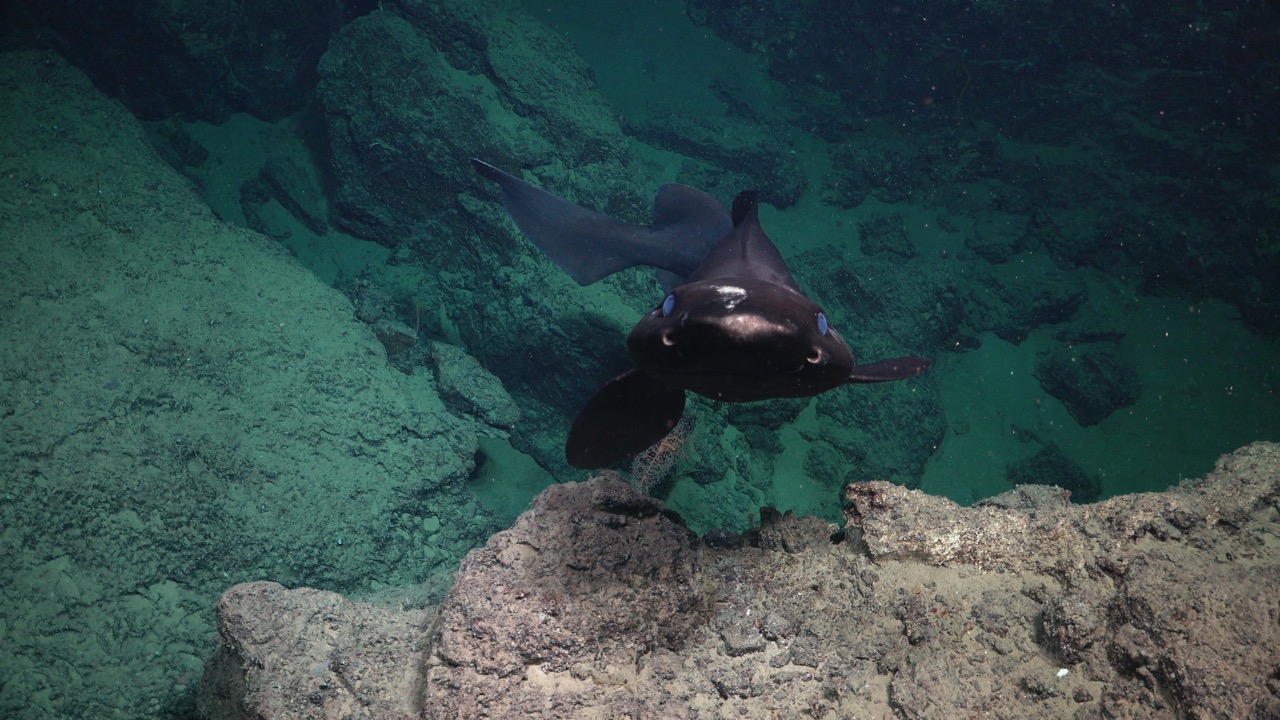
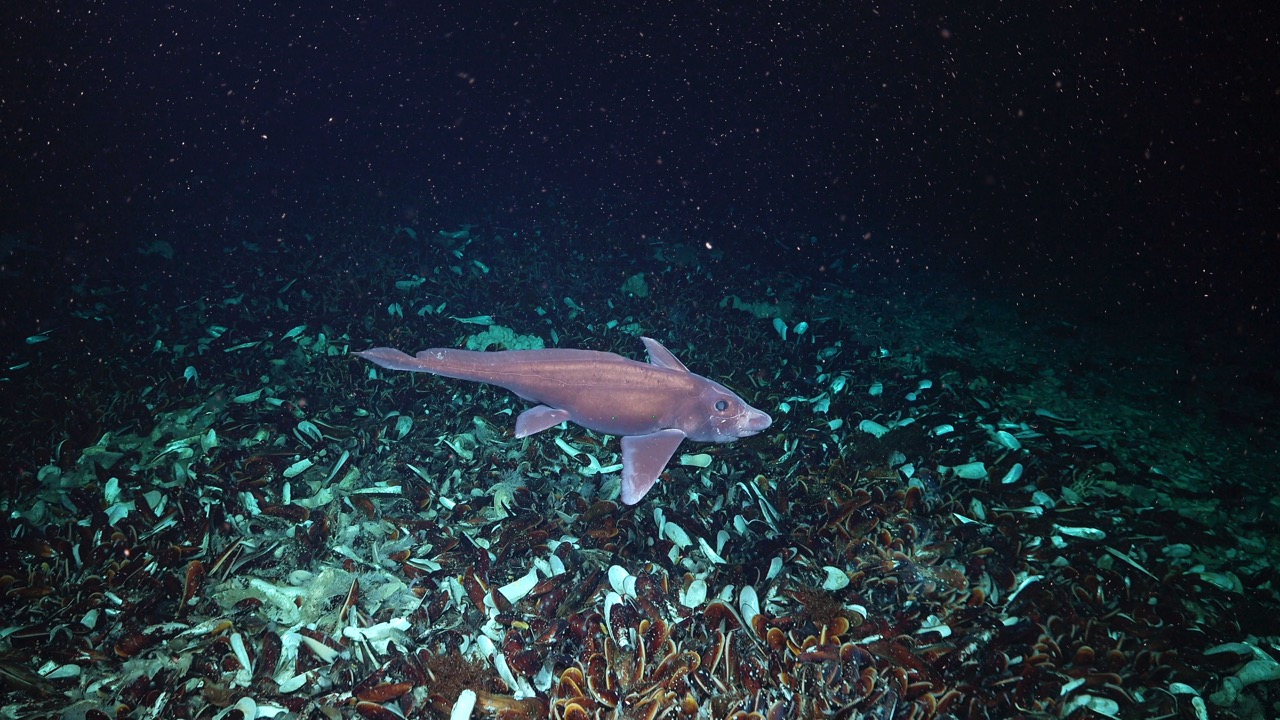
The false catshark, which can grow up to 3m long, was one of many remarkable species observed during a recent expedition to explore the waters around the island nation of Trinidad and Tobago.
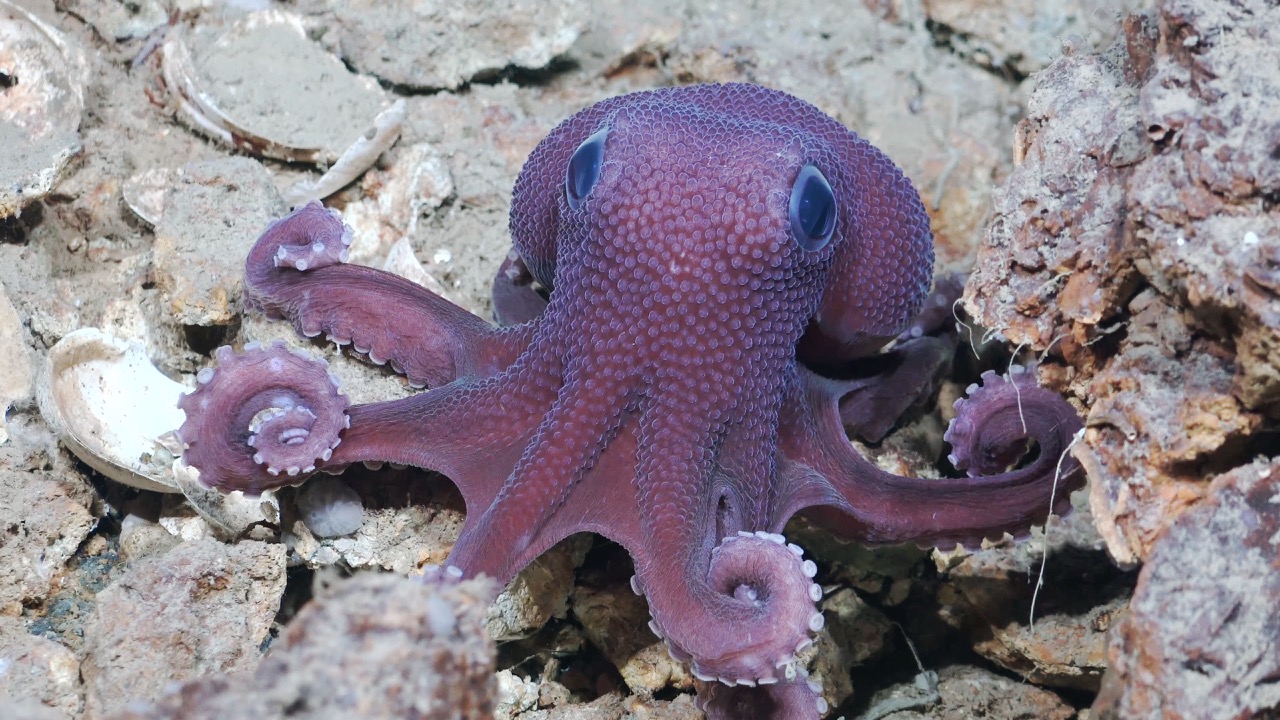
A deep-sea expedition in Trinidad and Tobago in the Caribbean Sea has led to the discovery of 20 suspected new marine species – including an octopus, corals, carnivorous sponges and squat lobsters – and at least 54 species that had never been observed before in the country’s waters.
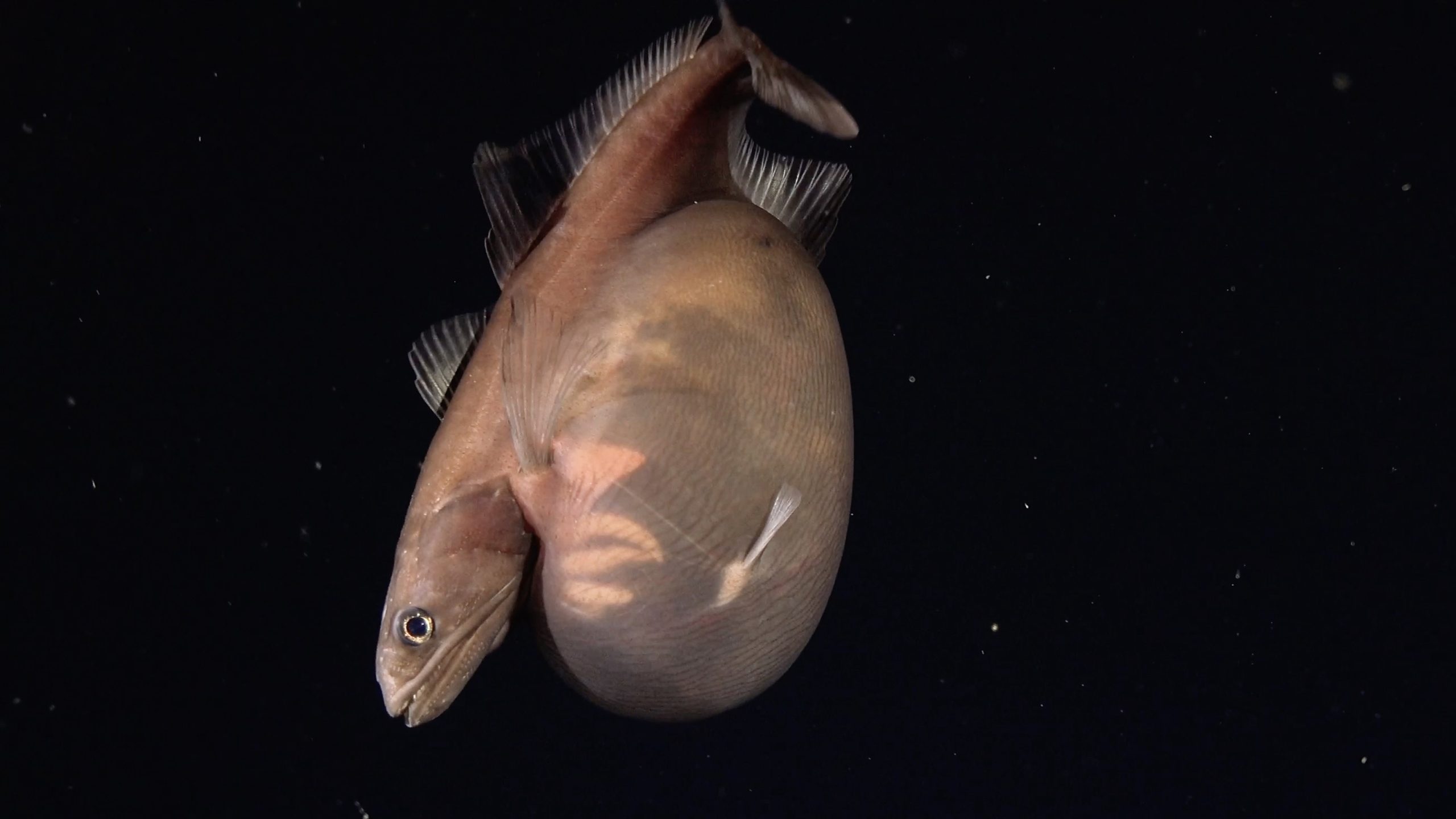
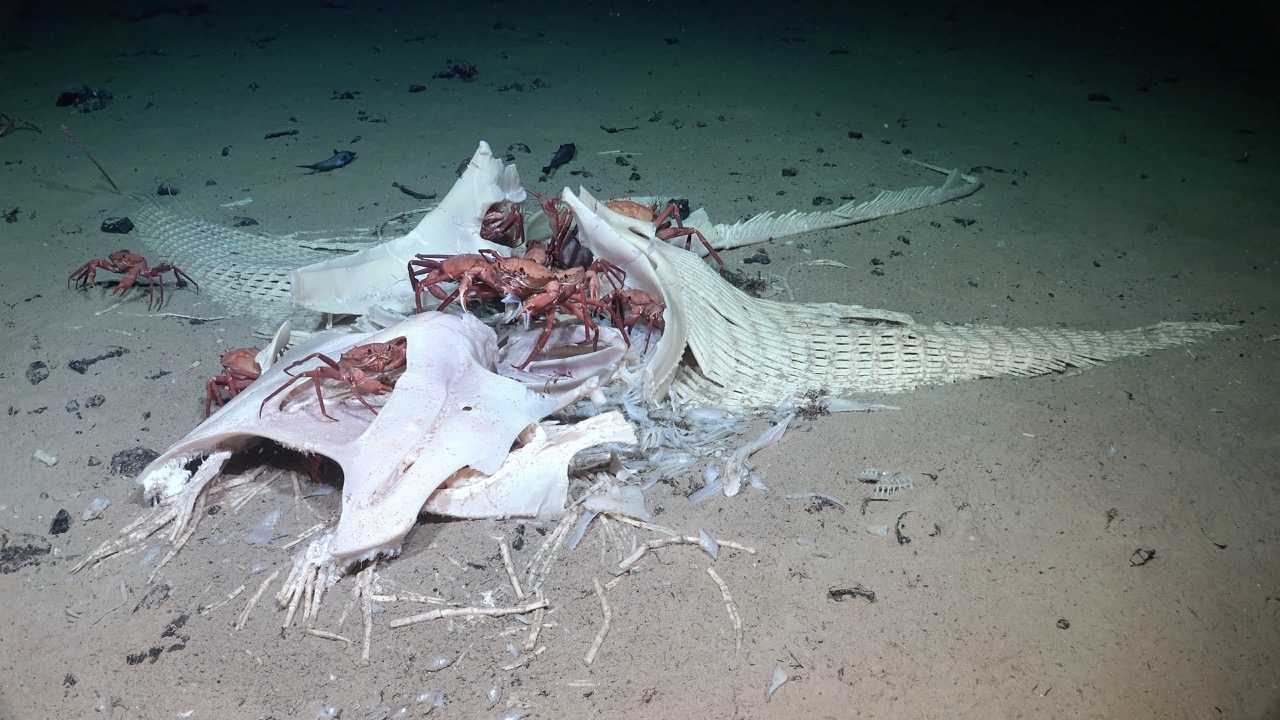
Alongside these new discoveries, the researchers captured remarkable footage of a false catshark, named after its cat-like eyes; a black swallower fish with a swollen stomach – this peculiar-looking bloating occurs when the fish eats prey much larger than itself; as well as the carcass of a manta ray being feasted on by crabs and worms.
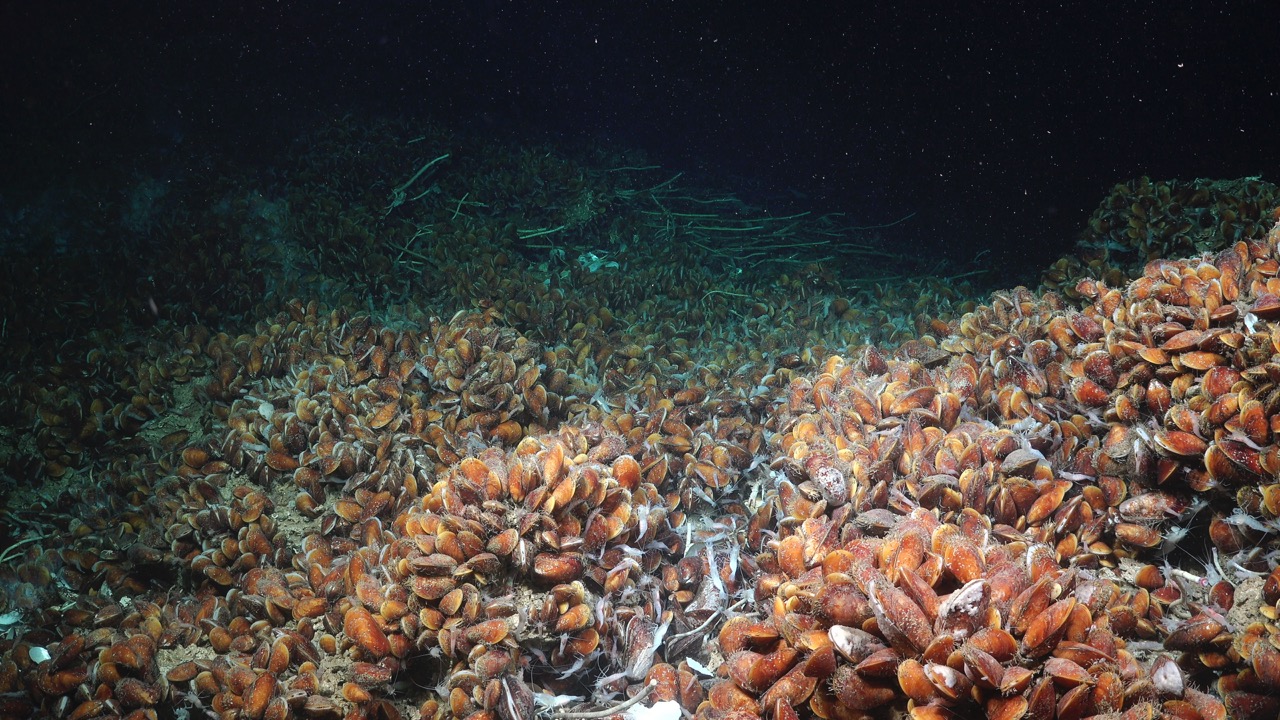
Led by scientists from Trinidad and Tobago aboard Schmidt Ocean Institute’s R/V Falkor (too) research vessel, the team also found 25 cold seep ecosystems – areas of the ocean floor where methane and hydrogen sulphide leak from the sediment, creating carbonate rock formations and reefs. The largest cold seep discovered, which spans around half an acre, is covered in mussels and tubeworms.
In total, over 11,335 square kilometres of Trinidad and Tobago’s uncharted seafloor was mapped. The month-long expedition is the first locally led deep-sea survey of the island nation's surrounding ocean.
“As the first locally led deep-sea expedition in Trinidad and Tobago’s history, these discoveries are proof that Caribbean scientists can uncover our own deep-sea backyard,” says the expedition’s chief scientist, Diva Amon.
A black swallower fish (Chiasmodon niger) spotted at a depth of 1,259 metres. Known for their expandable stomachs and dislocating jaws, these rare deep-sea fish can swallow prey larger than themselves. This specimen's translucent belly reveals a recent meal. Credit: ROV SuBastian / Schmidt Ocean Institute
The team used Schmidt Ocean Institute’s remotely operated vehicle (ROV), SuBastian, to capture photographs and video footage of the species. The underwater robot also allowed the researchers to collect over 700 specimens for direct analysis.
To help preserve these collected specimens, the team used a method known as cryopreservation, where living tissue is frozen without it being damaged. “By cryopreserving tissues from more than 86 species of deep-water sponges, corals and sea cucumbers, we’re preserving living biological resources that provide an invaluable baseline for understanding future ecosystem change,” says Megan Conkling, a research scientist from the Harbor Branch Oceanographic Institute at Florida Atlantic University.
Jyotika Virmani, executive director of Schmidt Ocean Institute, adds that, “pairing these cutting-edge capabilities with local scientific expertise ensures that Caribbean researchers not only uncover the wonders in their own marine regions, but also lead the way in next-generation ocean science and stewardship.”
The preserved specimens will be kept at the Zoology Museum at the University of the West Indies in St. Augustine, Trinidad and Tobago.
The science team encountered this rare manta ray fall at a depth of 1,025 metres. When animals die in the ocean, their bodies often sink to the seafloor, creating a rich food buffet that feeds hundreds of deep-sea species in an often food-scarce environment. Credit: ROV SuBastian / Schmidt Ocean Institute
“Every new discovery we make, whether ecosystem, species or behaviour, deepens our understanding of what’s at stake and strengthens our ability to be true stewards of this largely unseen but critical part of our country,” says Amon, who hopes that the results of the expedition will contribute to future marine governance within Trinidad and Tobago waters, including the establishment of marine protected areas.
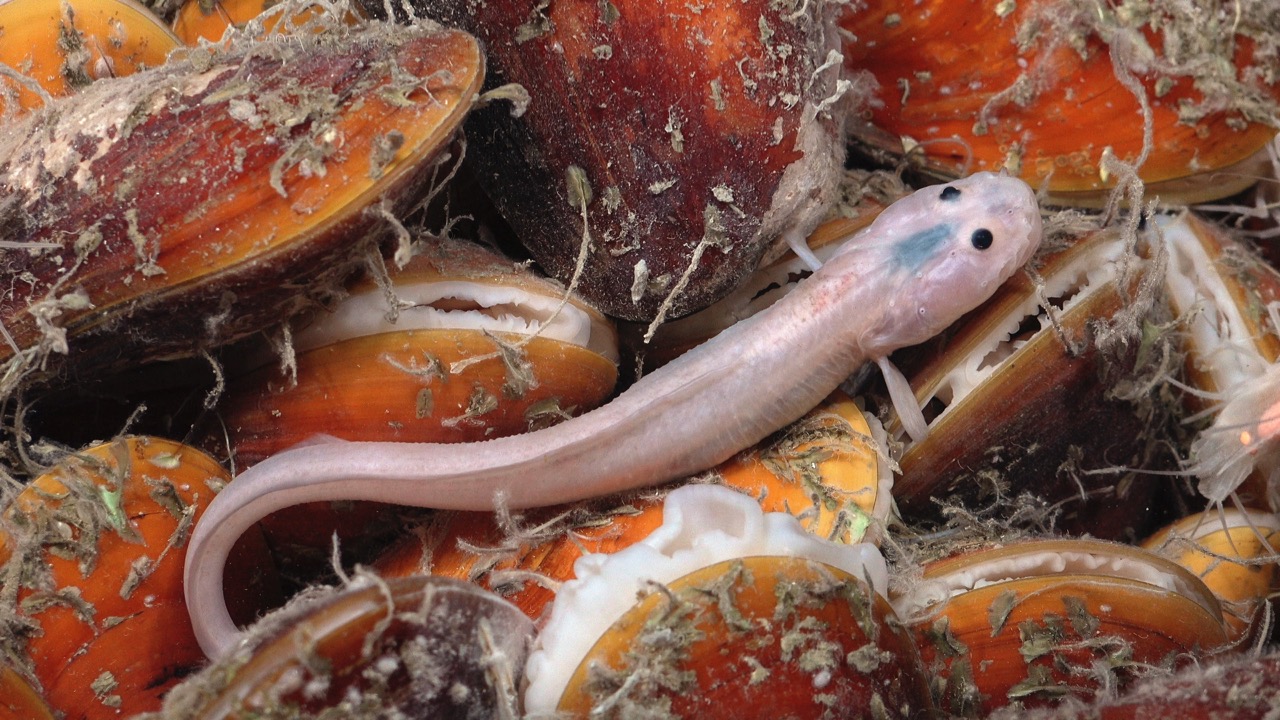
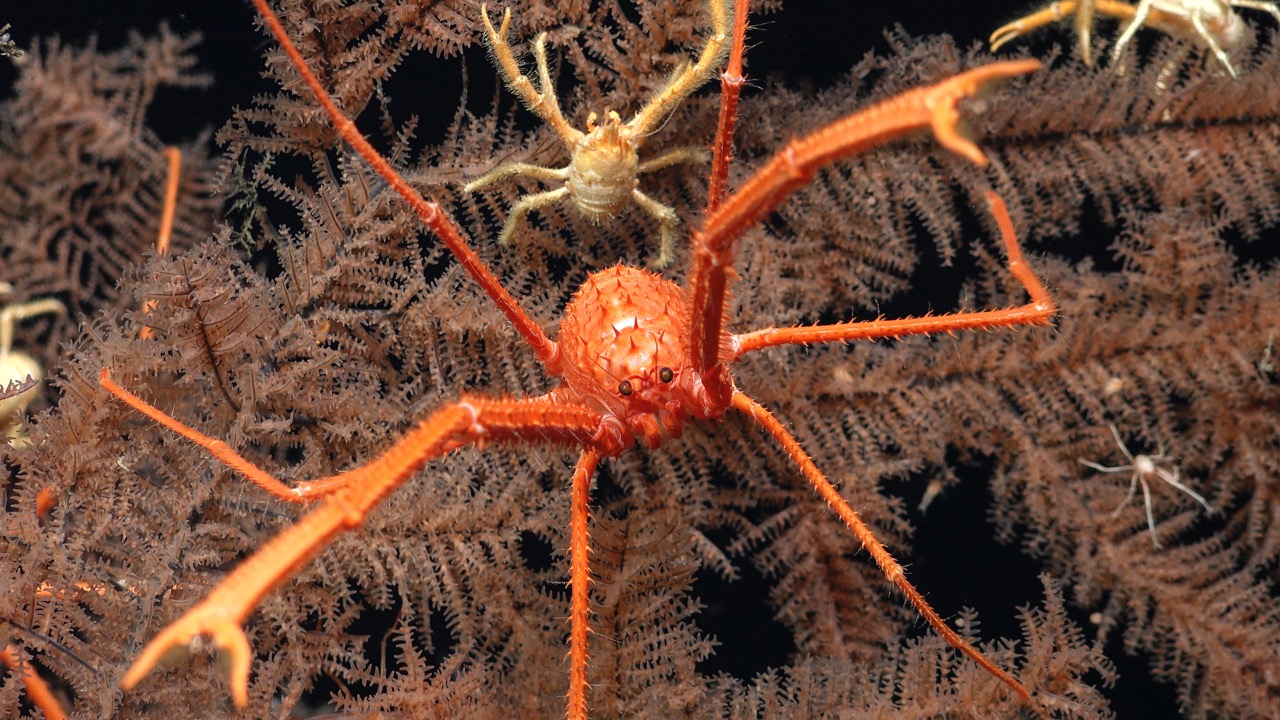
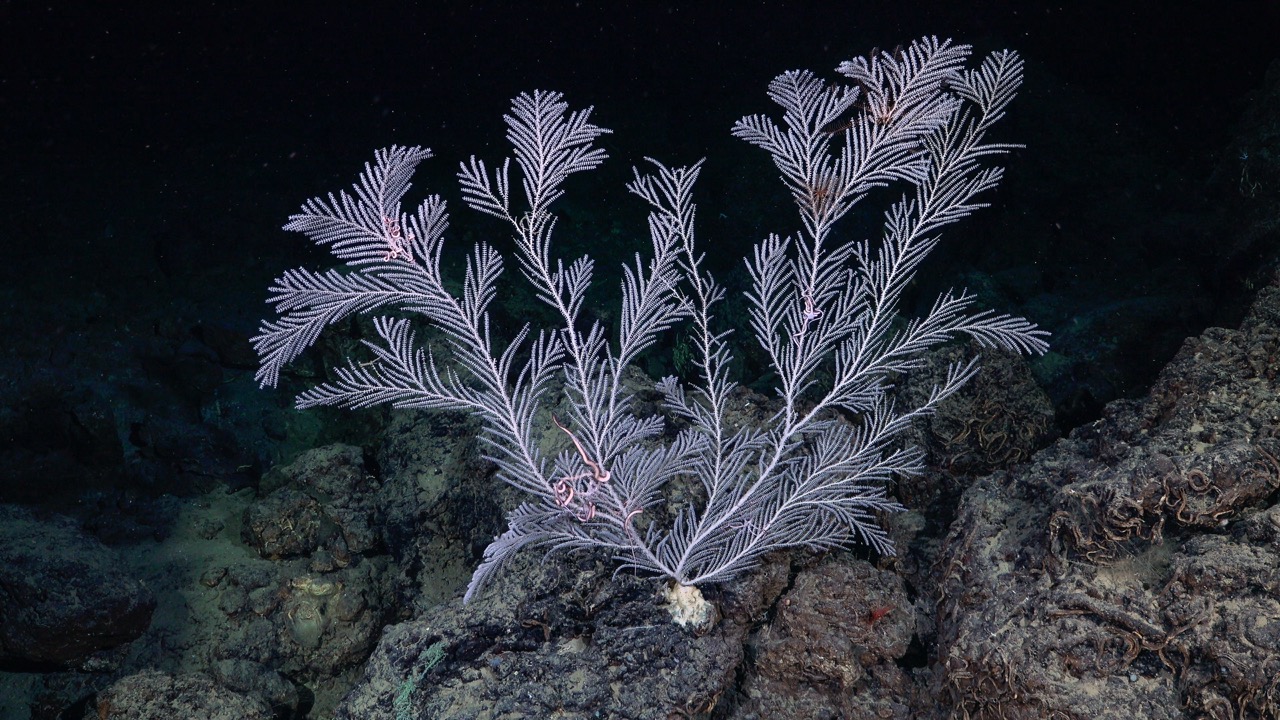
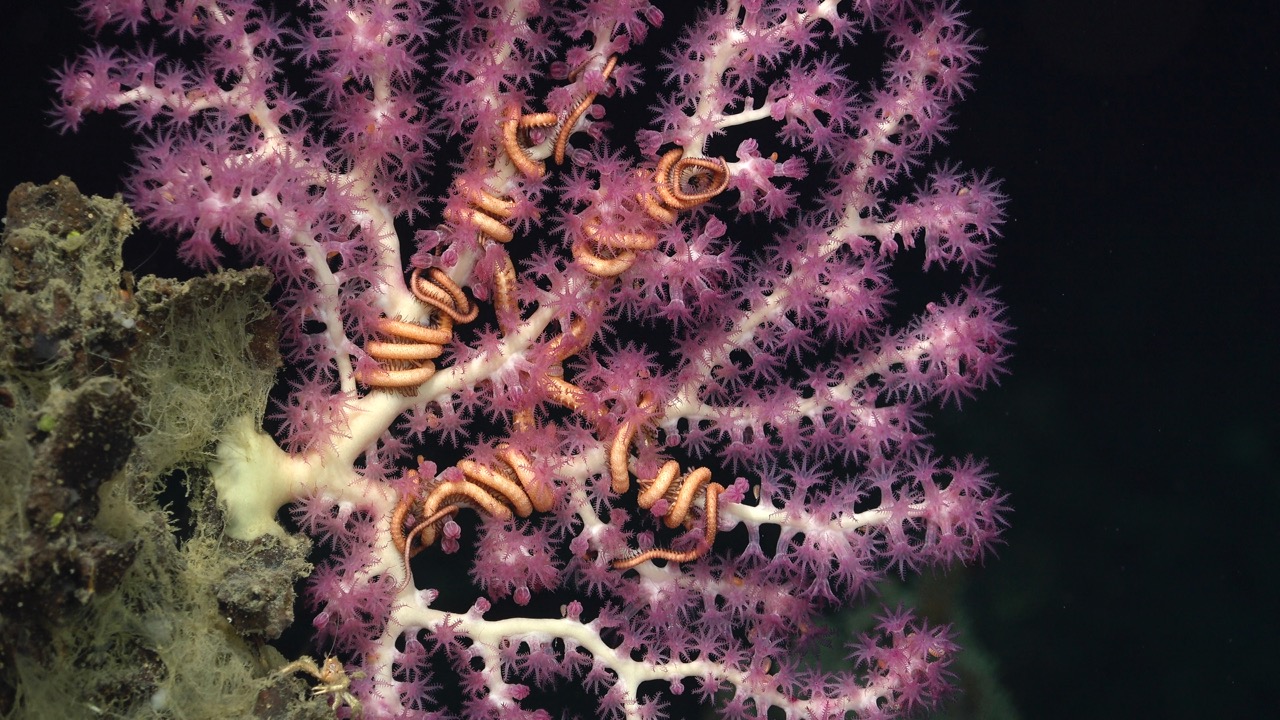
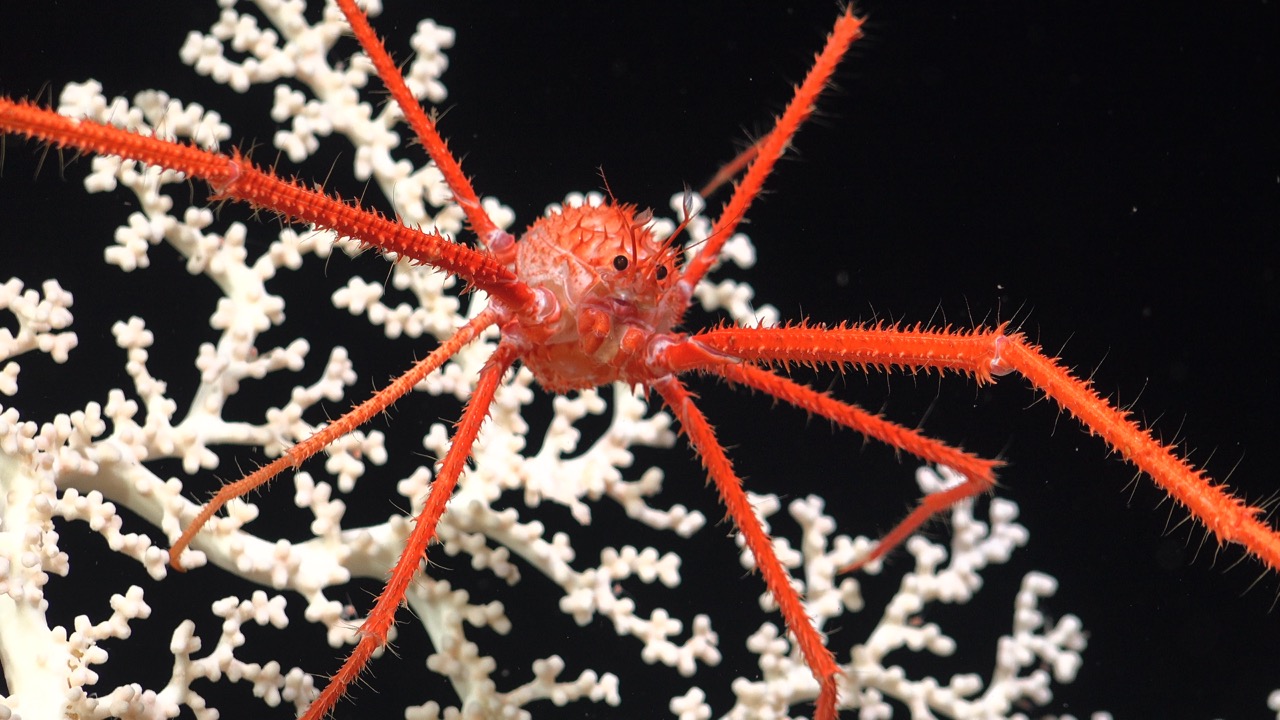
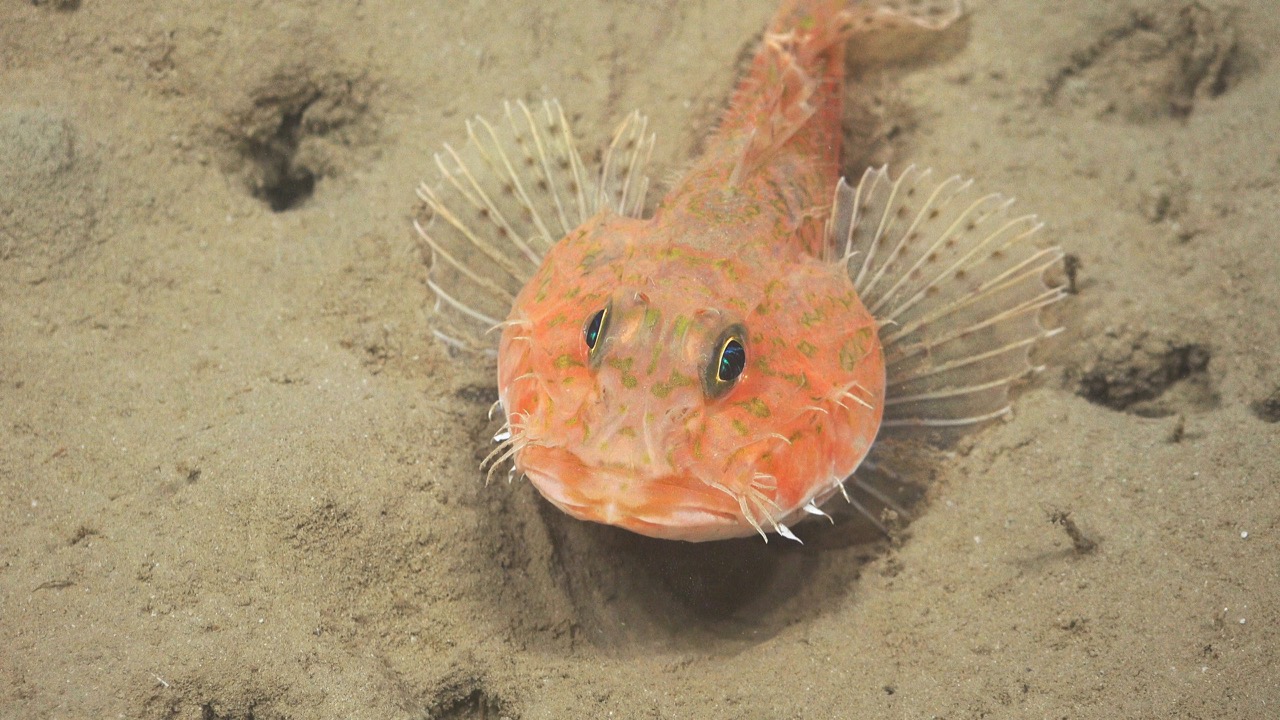
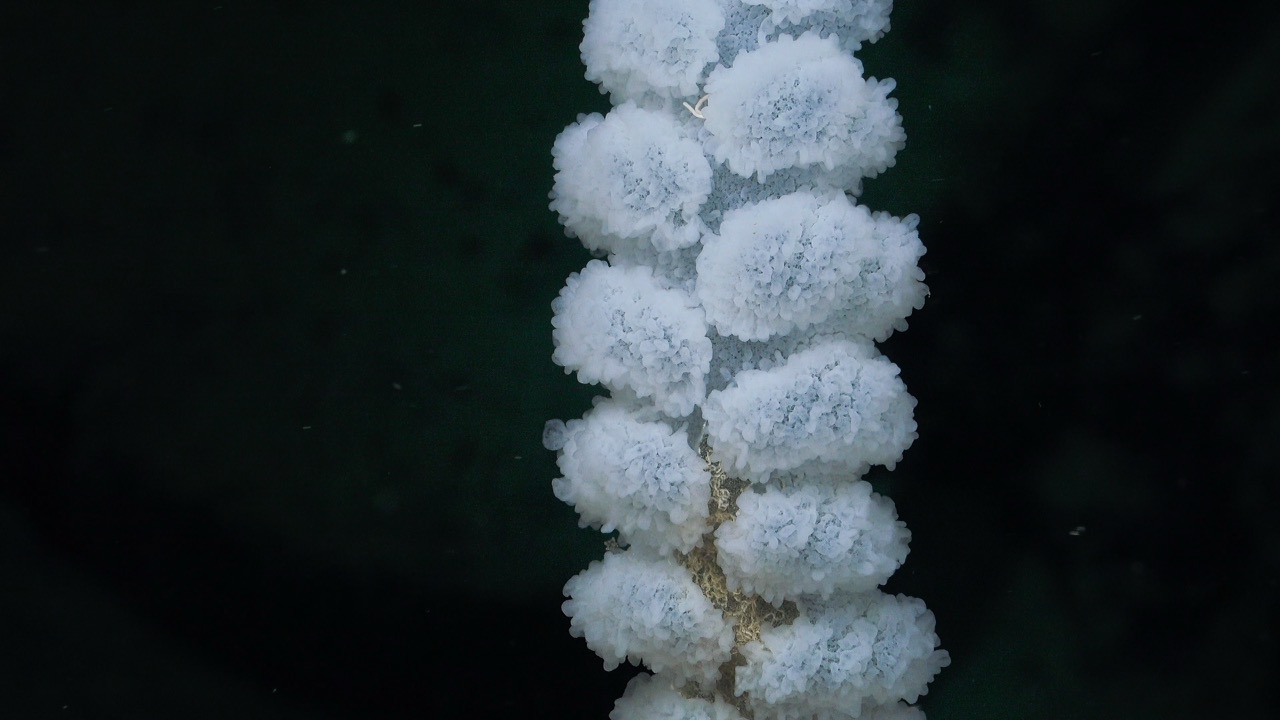
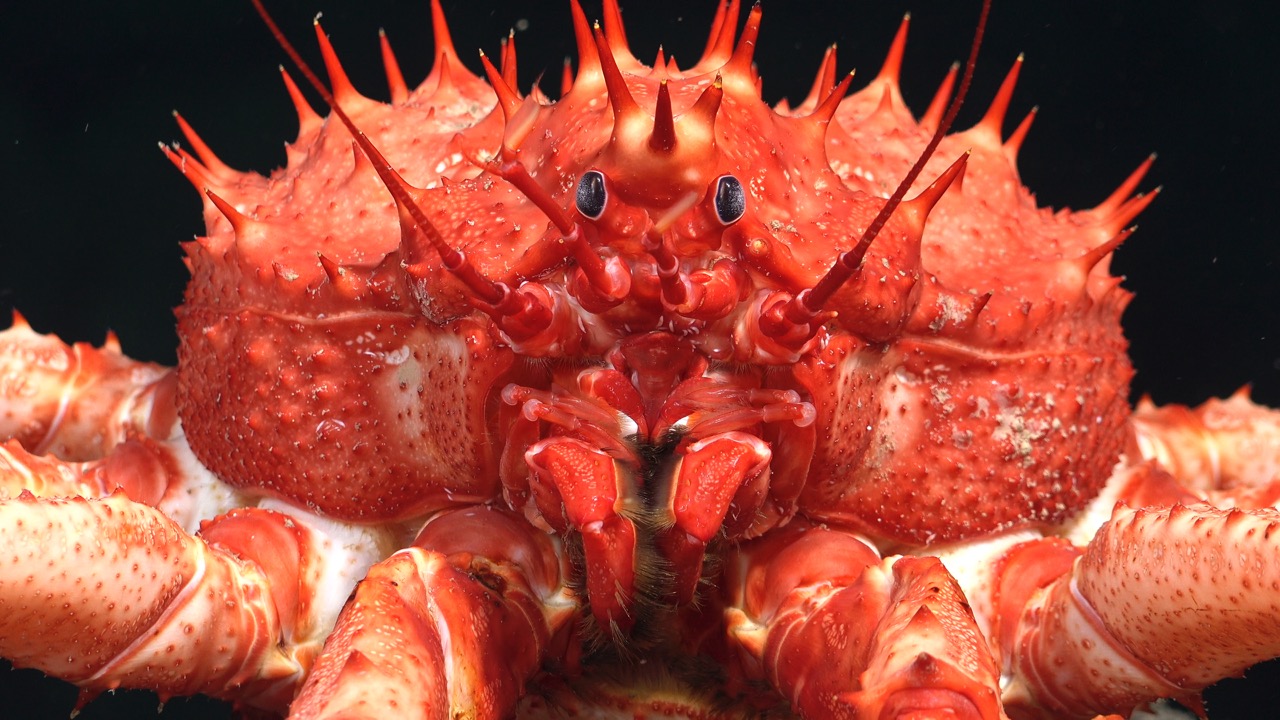
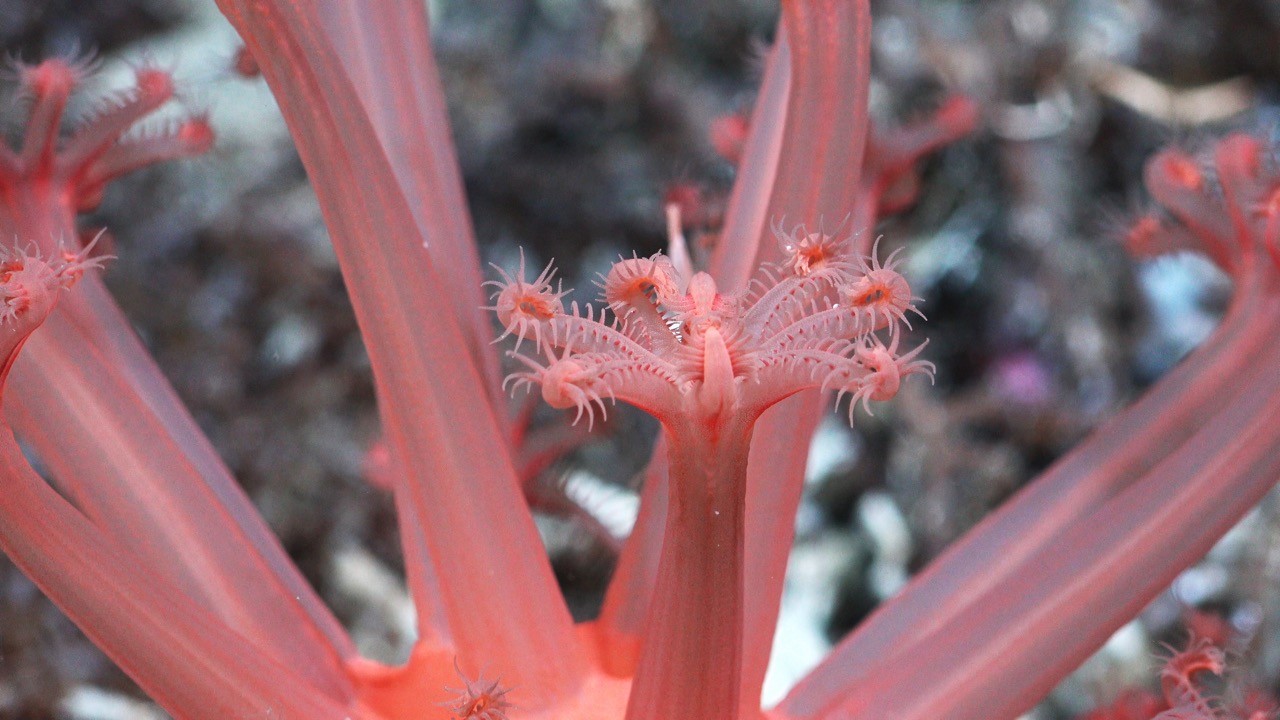
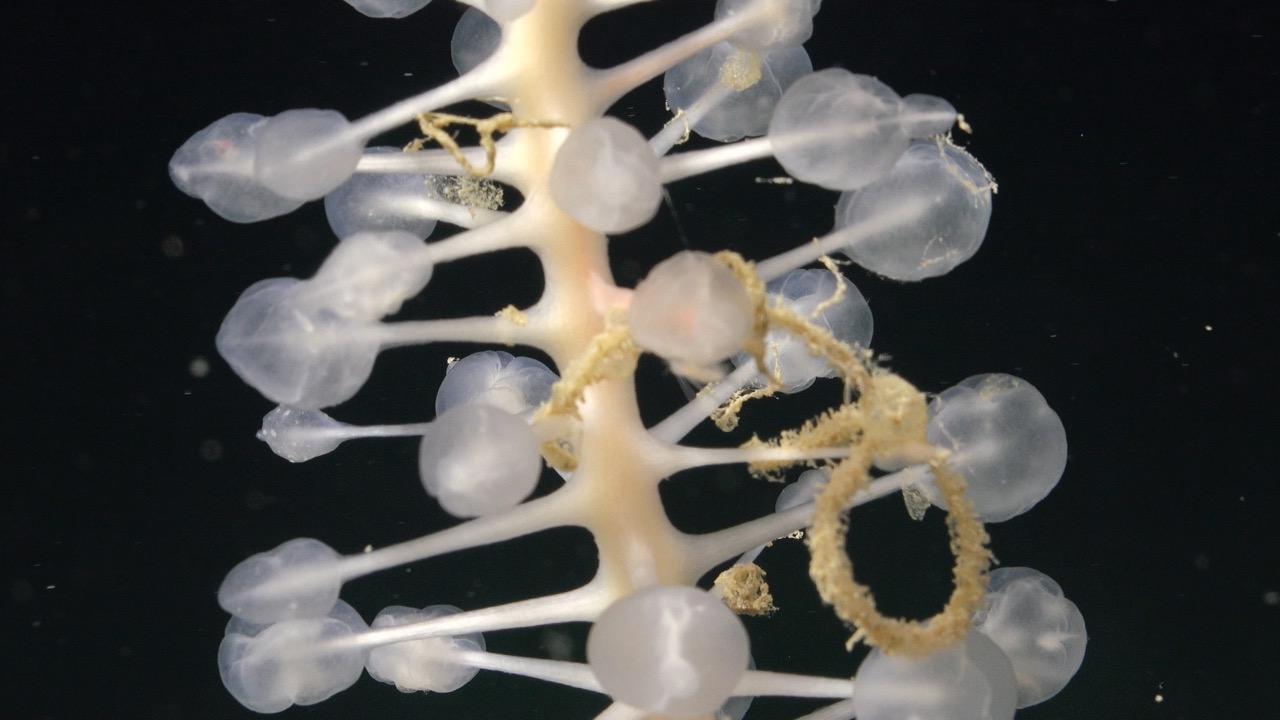
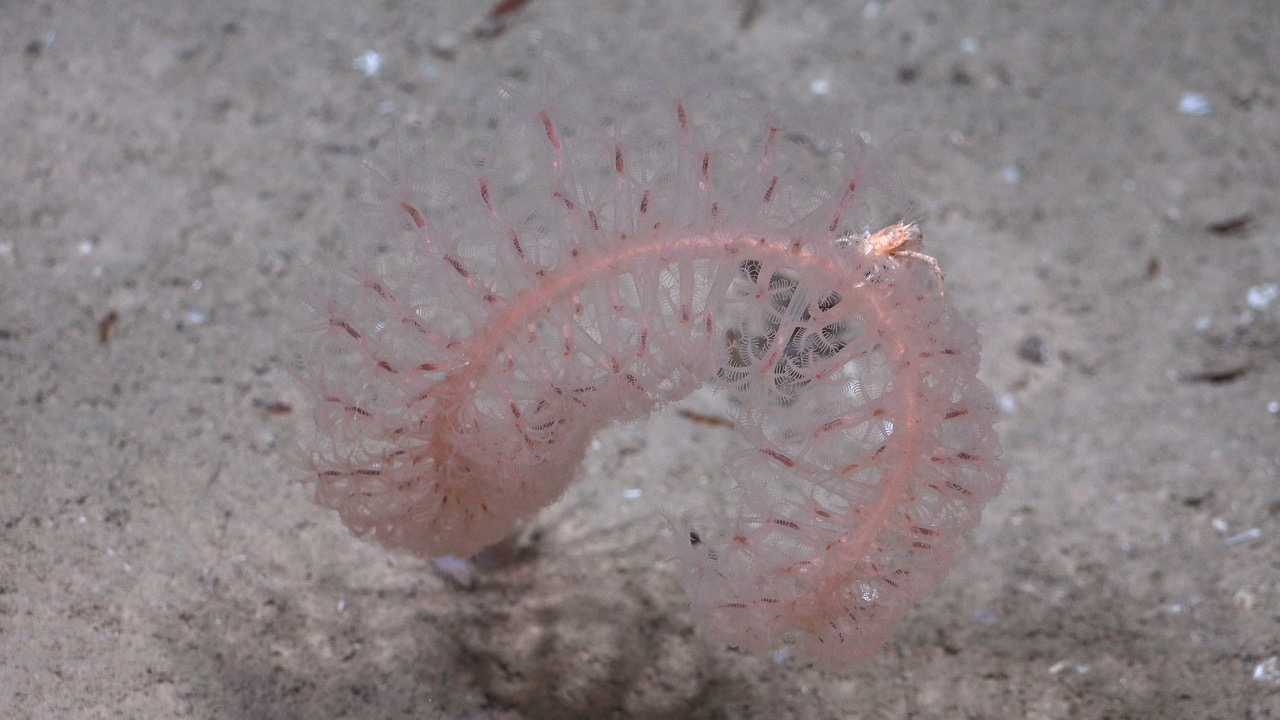
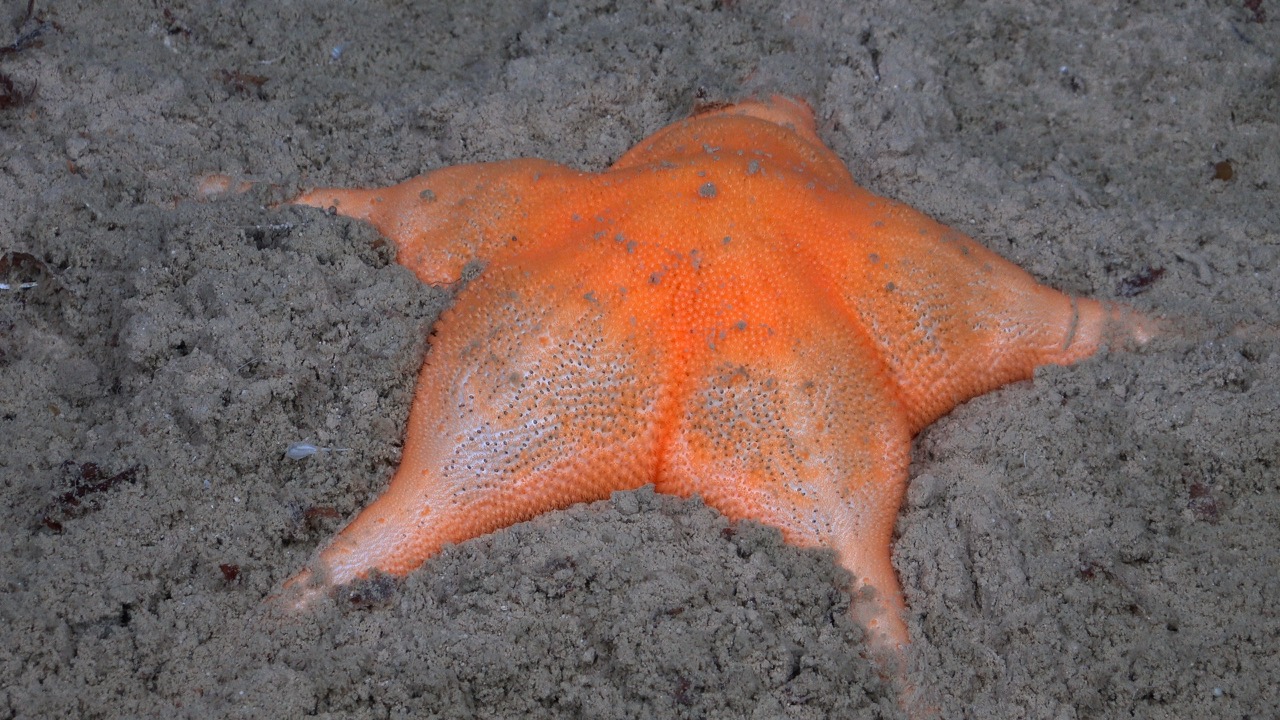
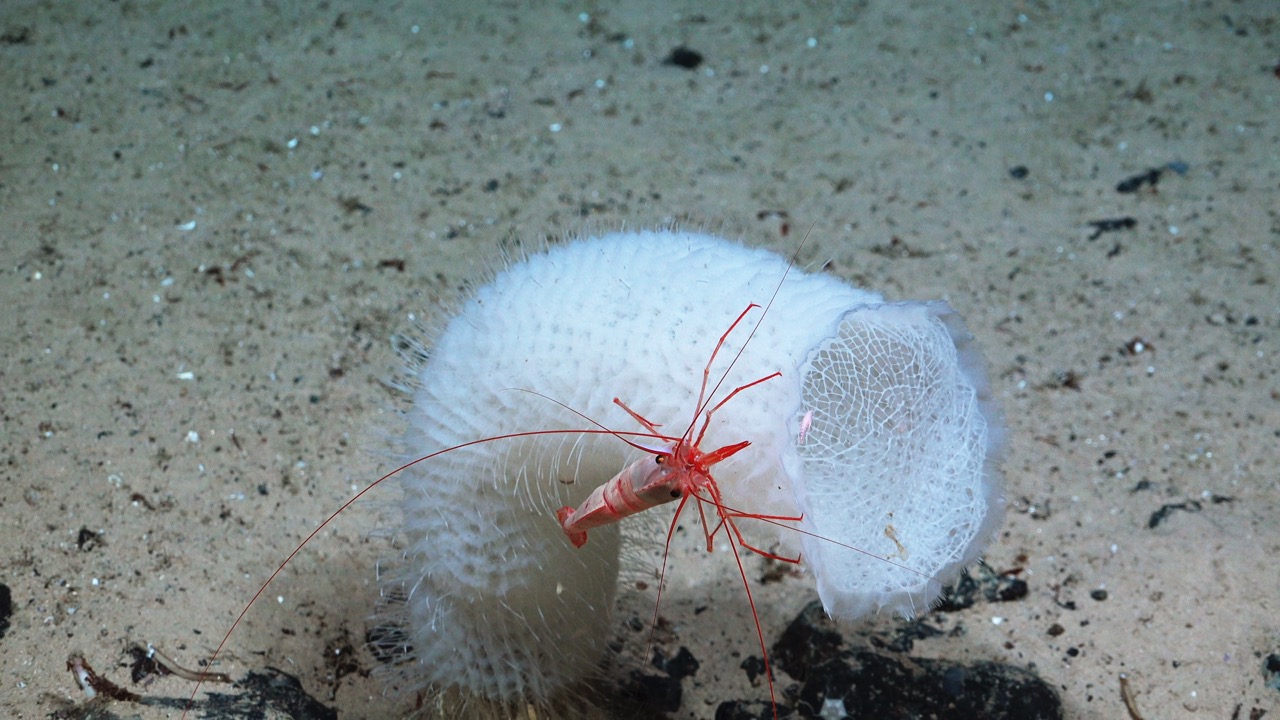
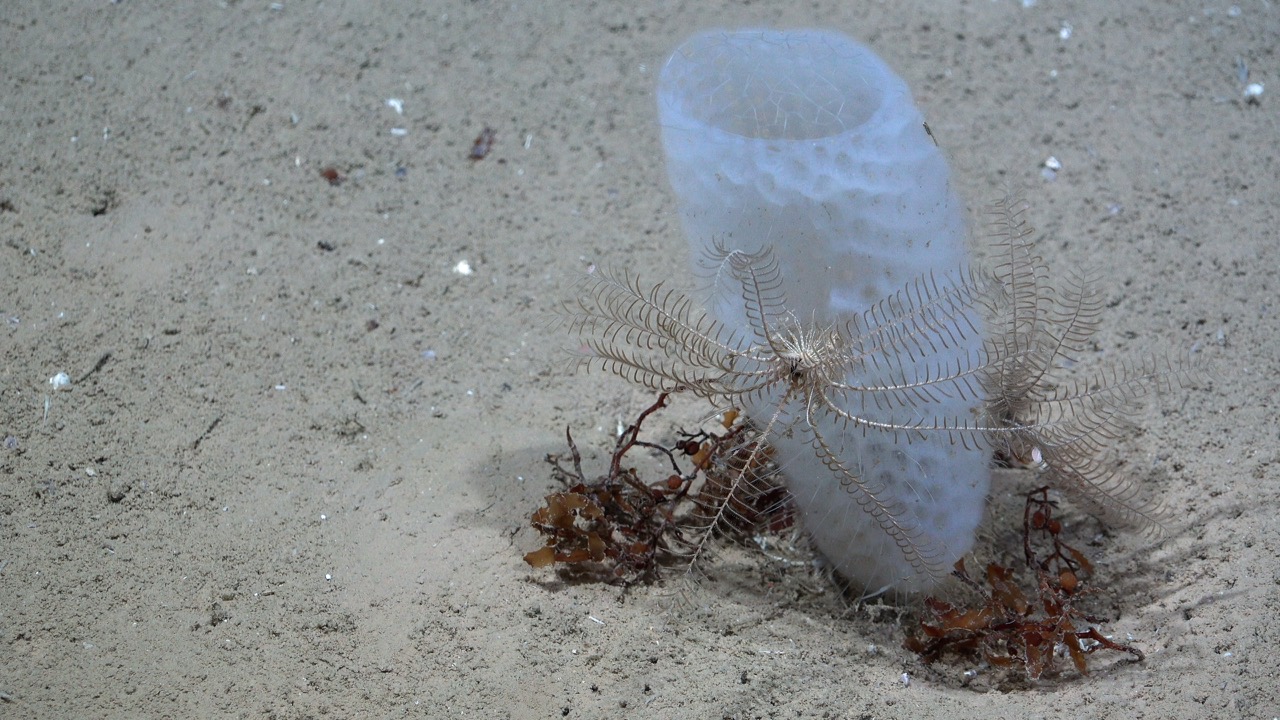
A false catshark (Pseudotriakis microdon) swims near the seafloor. Named after their cat-like eyes, false catsharks are slow-moving ground sharks often called 'sofa sharks' due to their soft, flabby bodies. Researchers captured this image at a depth of 1,086 metres. Credit: ROV SuBastian / Schmidt Ocean InstituteA Graneledone octopus, a suspected new species, moves across the seafloor. This species was first observed during a 2014 expedition Diva Amon participated in, but was not confirmed or collected until this mission. Credit: ROV SuBastian / Schmidt Ocean InstituteAn eelpout (Pachycara caribbaeum) lies on a bed of chemosynthetic mussels (Gigantidas childressi). Ninety-three per cent of Trinidad and Tobago lies below recreational scuba depths, placing its largest ecosystems in the mesophotic zone (between 30 and 199 metres) and the deep ocean. The geological setting of the two islands is ideal for supporting chemosynthetic (rather than photosynthetic) habitats. Credit: ROV SuBastian / Schmidt Ocean InstituteDeep-sea marine life gathers near a cold seep on the ocean floor. Scientists discovered 25 never-before-seen cold seeps by tracking 219 distinct bubble streams, uncovering rich chemosynthetic ecosystems where mussels, clams, crabs and tubeworms thrive without sunlight. Credit: ROV SuBastian / Schmidt Ocean InstituteTwo species of squat lobsters rest on a black coral at a depth of 1,143 metres. In the deep sea, a single cold-water coral colony acts as a sanctuary and foraging ground, providing habitat for diverse organisms including squat lobsters, brittle stars, shrimp and fish. Credit: ROV SuBastian / Schmidt Ocean InstituteA chimaera, or ghost shark, swims near a cold seep at a depth of 2,355 metres. Credit: ROV SuBastian / Schmidt Ocean InstituteBrittle stars wrap around a soft coral (Primnoidae) at a depth of 1,068 metres. The coral is a suspected new species. Credit: ROV SuBastian / Schmidt Ocean InstituteSymbiotic brittle stars cling to a deep-sea coral off the coast of Trinidad and Tobago. Credit: ROV SuBastian / Schmidt Ocean InstituteA cold-water coral recorded at a depth of 1,055 metres provides habitat for marine life on the seafloor. While warm-water coral reefs at shallow recreational depths are widely known, deep-sea cold-water corals are far more abundant yet remain understudied. These complex ecosystems support diverse marine species, including squat lobsters, as pictured here. Credit: ROV SuBastian / Schmidt Ocean InstituteA gurnard (Triglidae), commonly known as a sea robin, rests on the seafloor at a depth of 148 metres. While the expedition focused primarily on deep ocean waters, researchers also surveyed this shallower mesophotic coastal area to gather high-resolution mapping and biological data needed to support new marine protections. Credit: ROV SuBastian / Schmidt Ocean InstituteA suspected new species of glass sponge recorded at a depth of 2,372 metres. Credit: ROV SuBastian / Schmidt Ocean InstituteA king crab (Lithodes genus) crawls across the seafloor at a depth of 1,083 metres. Top predators in deep-sea environments, researchers documented these crabs while searching for bubble streams associated with unexplored cold seeps. Credit: ROV SuBastian / Schmidt Ocean InstituteScientists observed this lizardfish at a depth of 148 metres while exploring a slope off the coast of Trinidad and Tobago in a UNESCO Biosphere Reserve. Credit: ROV SuBastian / Schmidt Ocean InstituteA mushroom coral rests on the seafloor at a depth of 1,277 metres. Less than 0.001% of the island nation's deep-ocean territory has been explored due to technological constraints, leaving significant knowledge gaps about deep-water marine life in the region. Credit: ROV SuBastian / Schmidt Ocean InstituteThis carnivorous sponge from the genus Chondrocladia, observed at 1,075 metres, is one of several suspected new species documented during the expedition. Credit: ROV SuBastian / Schmidt Ocean InstituteA suspected new species of sea pen (Umbellula) sways in deep waters at a depth of 1,390 metres. Found in deep ocean environments, sea pens are colonial marine invertebrates related to corals and sea anemones. Credit: ROV SuBastian / Schmidt Ocean InstituteA suspected new species of sea star (Porcellanasteridae) rests on the seafloor at a depth of 3,961 metres. Credit: ROV SuBastian / Schmidt Ocean InstituteA shrimp perches on a glass sponge. PhD student Robert Cassidy (at the National Museum of Natural Sciences in Madrid, Spain) sampled seawater and deep-sea sponges like this during an oceanographic survey to collect environmental DNA, or eDNA. Marine organisms such as glass sponges filter huge volumes of water, giving scientists a natural way to detect regional biological diversity. Credit: ROV SuBastian / Schmidt Ocean InstituteAnother suspected new species, this glass sponge from the family Euplectellidae was recorded at a depth of 1,855 metres. Credit: ROV SuBastian / Schmidt Ocean Institute
Top image: False catshark. Credit: still captured from Schmidt Ocean Institute video
More amazing wildlife stories from around the world