
Not everyone is blessed with the gift of good looks but some animals are less fortunate than others. On land, proboscis monkeys, naked mole rats and giant salamanders are all known for their ugly mugs.
But there are, arguably, even more ugly creatures in our waters. The animals that live in our seas – particularly in the deep ocean – have such different lives to ours that their forms can come across as freakish and frightful to us landlubbers. Having jaws that hurtle out of your face to snaffle prey might be pretty handy for survival but it doesn’t leave you with the most aesthetically pleasing noggin.
- "It expels its entire internal organs out of its anus" 11 disgusting animals that cause our stomachs to churn and us to go 'eew'
- “This is the cutest thing I’ve ever seen in my life”: The science behind cuteness – and why it can mean life or death for species
Many ocean animals are beautiful: graceful manta rays, sleek blue sharks, delicate blue dragons and adorable clownfish. But there’s no denying that some marine creatures have a face that only a mother could love.
Beauty is in the eye of the beholder, of course, but here are some of our favourite hideous sea beasties.
10 ugliest animals in the ocean
Blobfish
If there was an award for unsightliness, this fish would be the winner – in fact, it was.
In 2013, the unfortunate-looking blobfish was named the world’s ugliest animal by the The Ugly Animal Preservation Society. This tongue-in-cheek society was set up to raise awareness of the plight of hideous creatures like the blobfish.
Have you ever noticed that the poster children of conservation efforts – such as pandas, tigers and polar bears – are rather easy on the eye? Meanwhile, unattractive animals are less likely to be the focus of research and conservation efforts. Their disagreeable faces could be an obstacle to their very survival.
With its drooping nose and sagging pink skin, the blobfish could easily be mistaken for the world’s unhappiest deflating balloon. But perhaps the saddest thing about the blobfish is how much it’s misunderstood.
Also known as the flathead sculpin (Psychrolutes phrictus), in its natural habitat this fish might not be a stunner but, equally, it doesn’t look like a gloopy marshmallow frowning in the summer heat. It’s only when it’s dragged up from hundreds of metres deep that its body sags into a glistening blob, devastated by the rapid decompression.
Stargazer
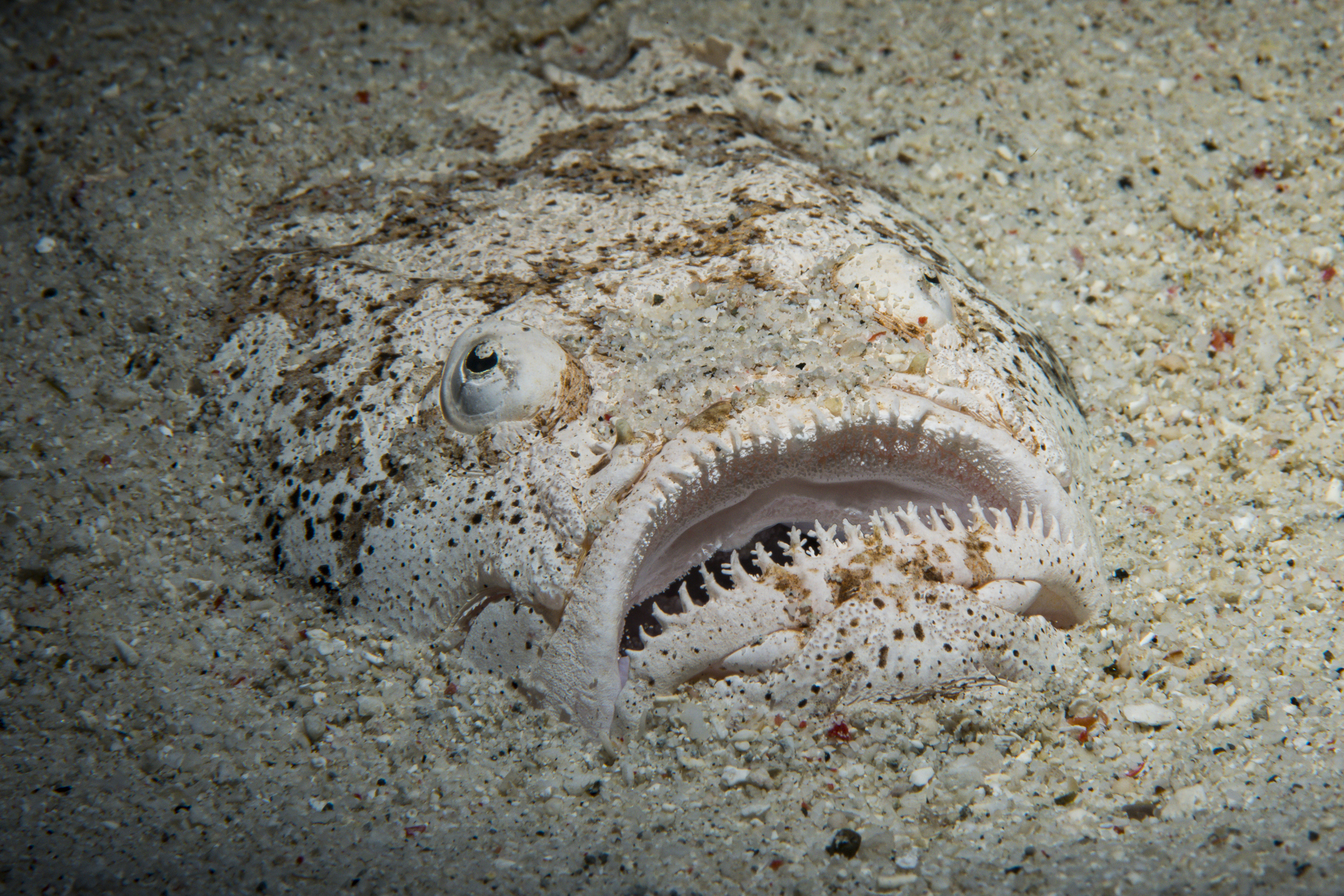
There are few things that could be more horrifying than gliding over an empty patch of sand only to meet the gaze of two terrifyingly bulging eyes. If those petrifying peepers are accompanied by a downturned zipper-like mouth, you might have just uncovered the hiding place of a stargazer fish.
These ambush predators lie in wait, half-buried in the sand, until they spy a tasty snack – then, they pounce. Their eyes and mouth are both upturned to give them the best chance of quickly spotting and snatching prey before it has the chance to get away.
Bobbit worm
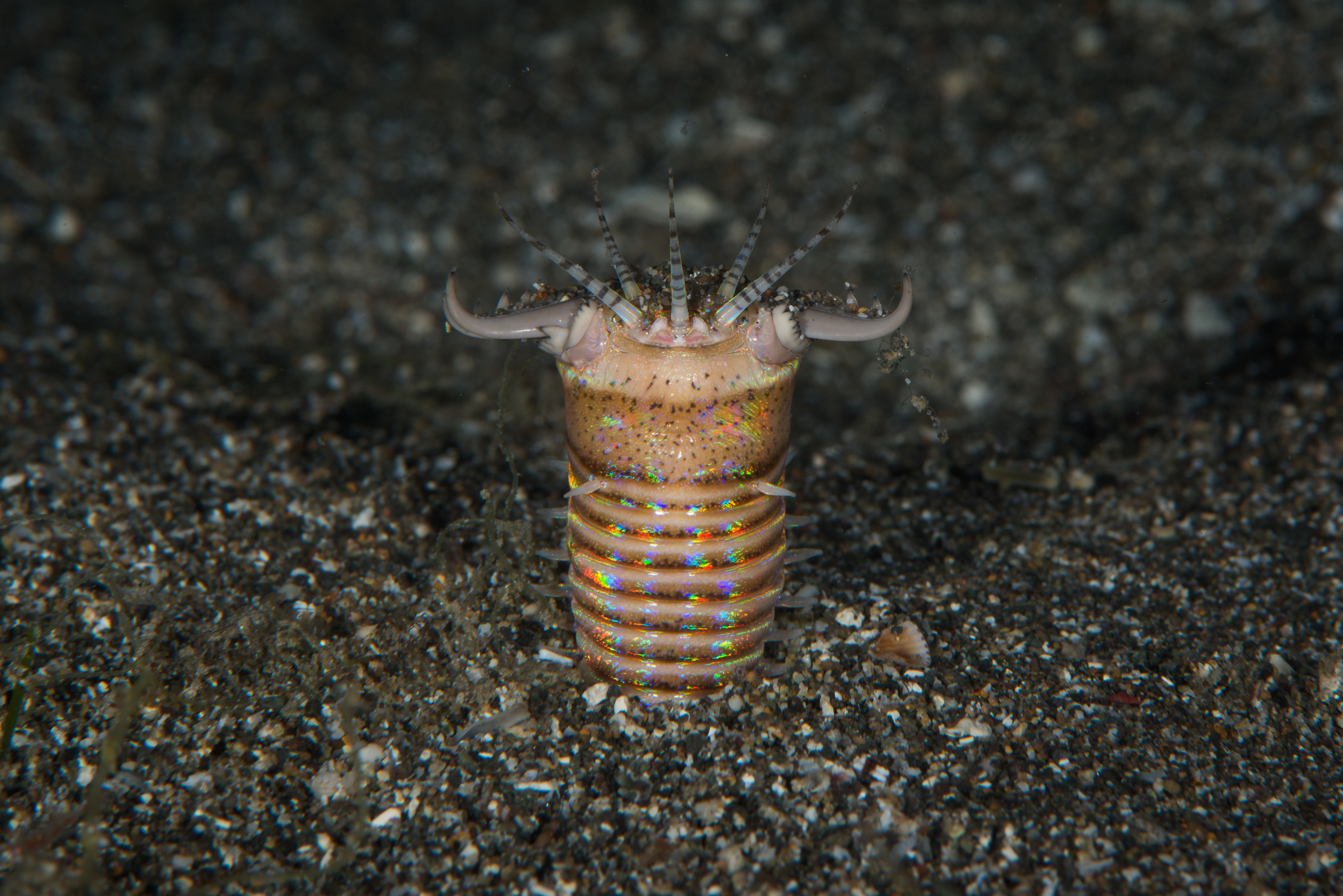
Another ambush predator that wouldn’t look out of place as the horrifying baddie in a sci-fi movie is the bobbit worm. Even the rainbow shimmer of is iridescent body doesn’t offset its nightmarish face.
Hiding under the sand, it waits patiently with just its antennae peeping out to detect prey. When something tasty swims along, this fugly marine worm launches itself out of the seabed extending its jaws. Like some medieval torture instrument, these can slice a fish in two before dragging its victim back into its lair. The entire terrifying ordeal is over in just seconds.
Sea Lamprey
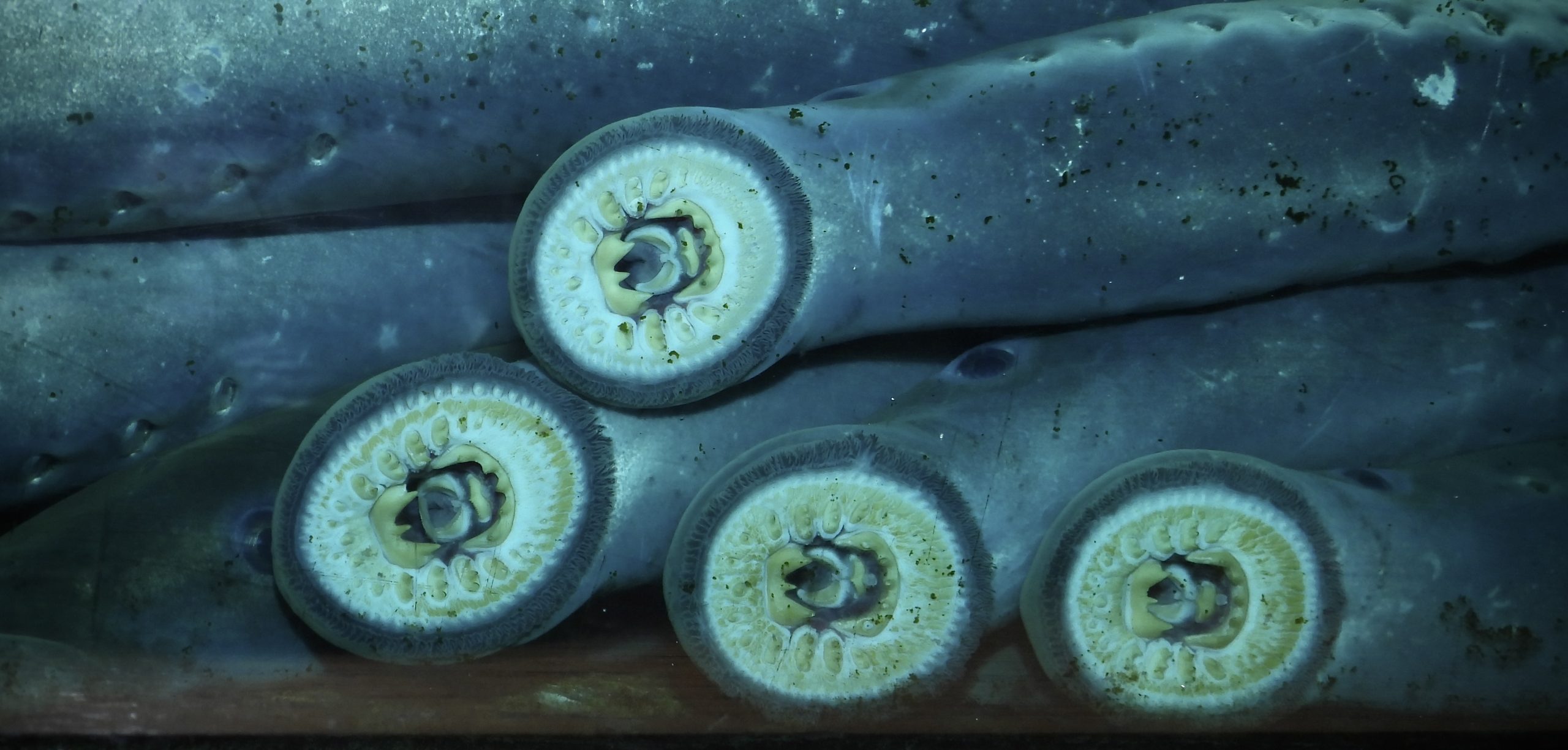
If you covered a suction cup with rings of menacing teeth and attached it to a garden hose, you’d have done a good job at creating a likeness of a lamprey.
Although these prehistoric fish don’t hunt humans, their grotesque jawless face is enough to make you shudder. Like something out of the Alien movies, these eel-like parasites latch onto fish and use their rough tongue to bore into its flesh to guzzle its blood.
They can live in both marine and freshwater.
Tongue-eating louse
Clownfish are so cute that they even had a movie inspired by them. But they are just one species of victim that falls prey to a parasite so grim that even its name makes your skin crawl: the tongue-eating louse (Cymothoa exigua).
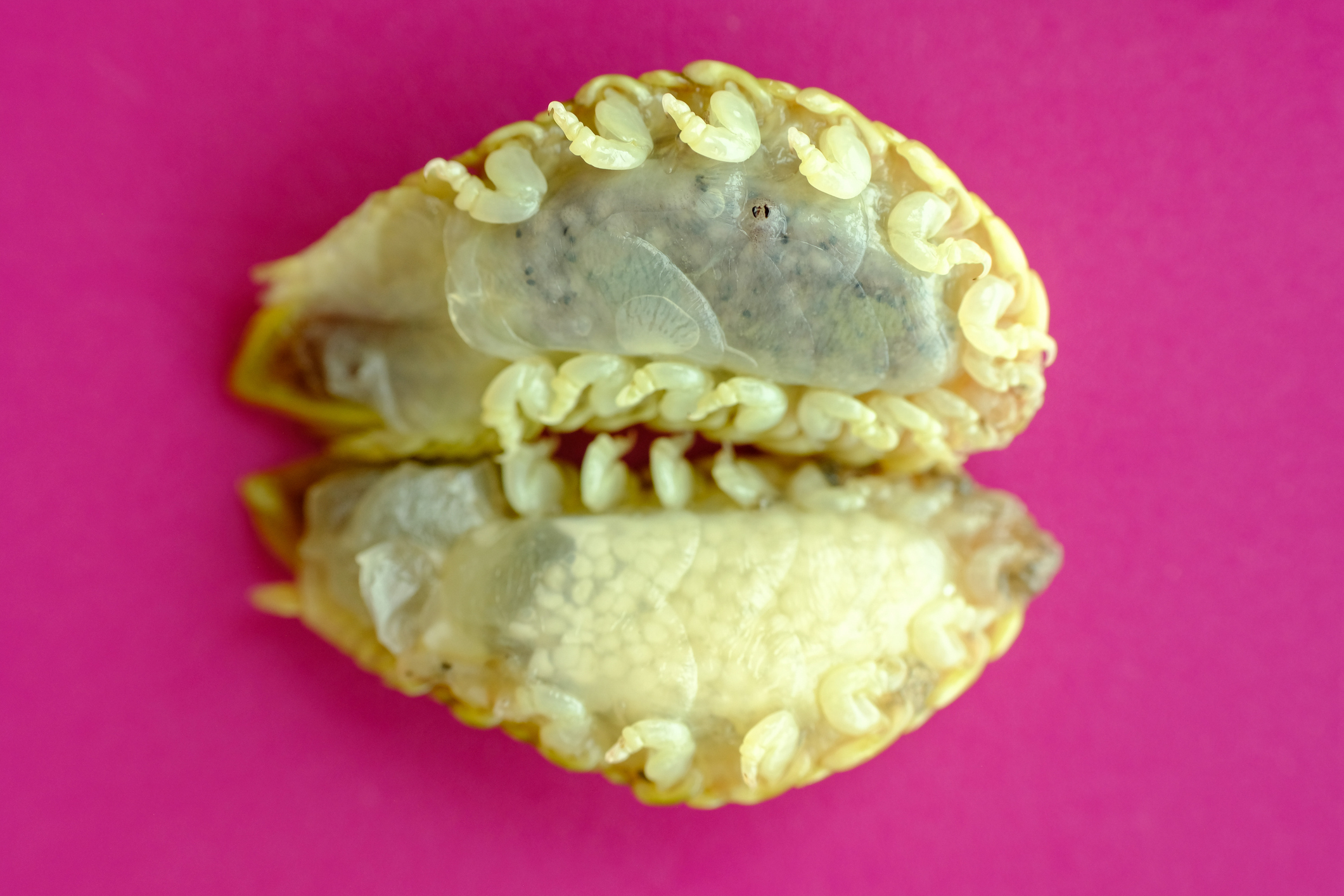
If you were hoping that its name was an exaggeration, you’re about to be sadly disappointed. This parasitic isopod sneaks into a fish’s body through its gills and cuts off the blood vessels to its tongue. When the withered tongue decays away, the intruder attaches itself to the fleshy nubbin and takes over its role, helping the fish to swallow its food so it can continue suckling its blood.
Imagine a cute orange clownfish dancing around the tentacles of its anemone home before opening its mouth to reveal a woodlouse-like interloper that can grow as large as a cockroach. The sight is enough to put you off your dinner.
Goblin shark
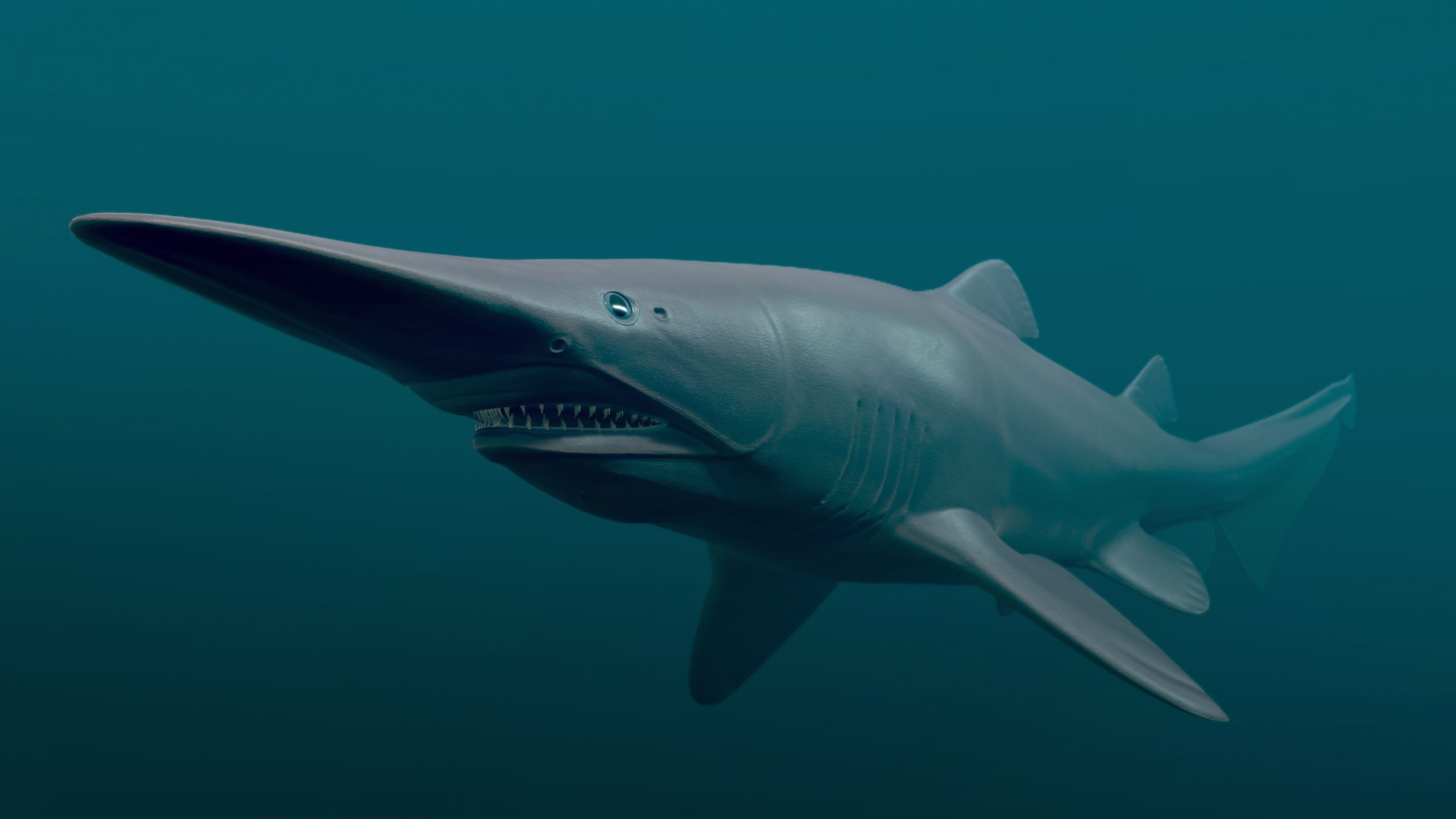
With its small beady eyes, glistening translucent skin, shovel-like nose and protruding jaws, the goblin shark has few – if any – redeeming features. Thankfully for these rare deep-sea sharks, there is very little light where they live – live hundreds of metres below the surface – so it doesn’t much matter what they look like.
Like the blobfish, the image that’s become famous of the goblin shark – with its teeth catapulted so far out of its face that it looks like it has a receding gumline – isn’t what it looks like all the time. This slingshot mechanism is only deployed when the shark takes a bite. Being able to propel its jaws forward by nearly 10 percent of the length of its body helps it to grab and gobble down prey. That said, it wouldn’t win any beauty contests even without its jaws extended, not with that enormous rubbery snout.
Hagfish
The hagfish looks like someone plonked an intestine onto the seafloor.
Like lampreys, these greyish-pink fish have no jaws but are equipped with an impressive set of gnashers, but their secret is hidden inside ready to explode at the first sign of danger. These sea sausages have hundreds of glands along their sides that can produce a suffocating slime to protect themselves from predators like sharks.
When under attack, the hagfish squirts out Silly String-like jets of snot that expand in the water, clinging to the assailant’s gills and forcing them to recoil.
When a truck carrying thousands of kilos of hagfish crashed on a US highway in 2017, scattering an explosion of squirming fish across the road, it looked like the aftermath of a Ghostbusters battle.
Telescope fish
The startled mugshot of a Telescopefish grinning gormlessly at the camera is so ugly that it’s almost cute. With its blank pearly eyes and awkward gaggle of spindly teeth, this peculiar creature looks like Gizmo from Gremlins after a three-week bender.
Search online for this deep-sea fish and you’ll likely see the same derpy photo repeated all over the internet. That’s because this endearingly weird fish is so rare that it’s only been seen alive a few times. After all, it lives between 500m and 2,500m deep.
But telescope fish don’t always look like this. Their small, round larvae look so different from their adult form that scientists long thought they were completely different species.
Antarctic scale worms
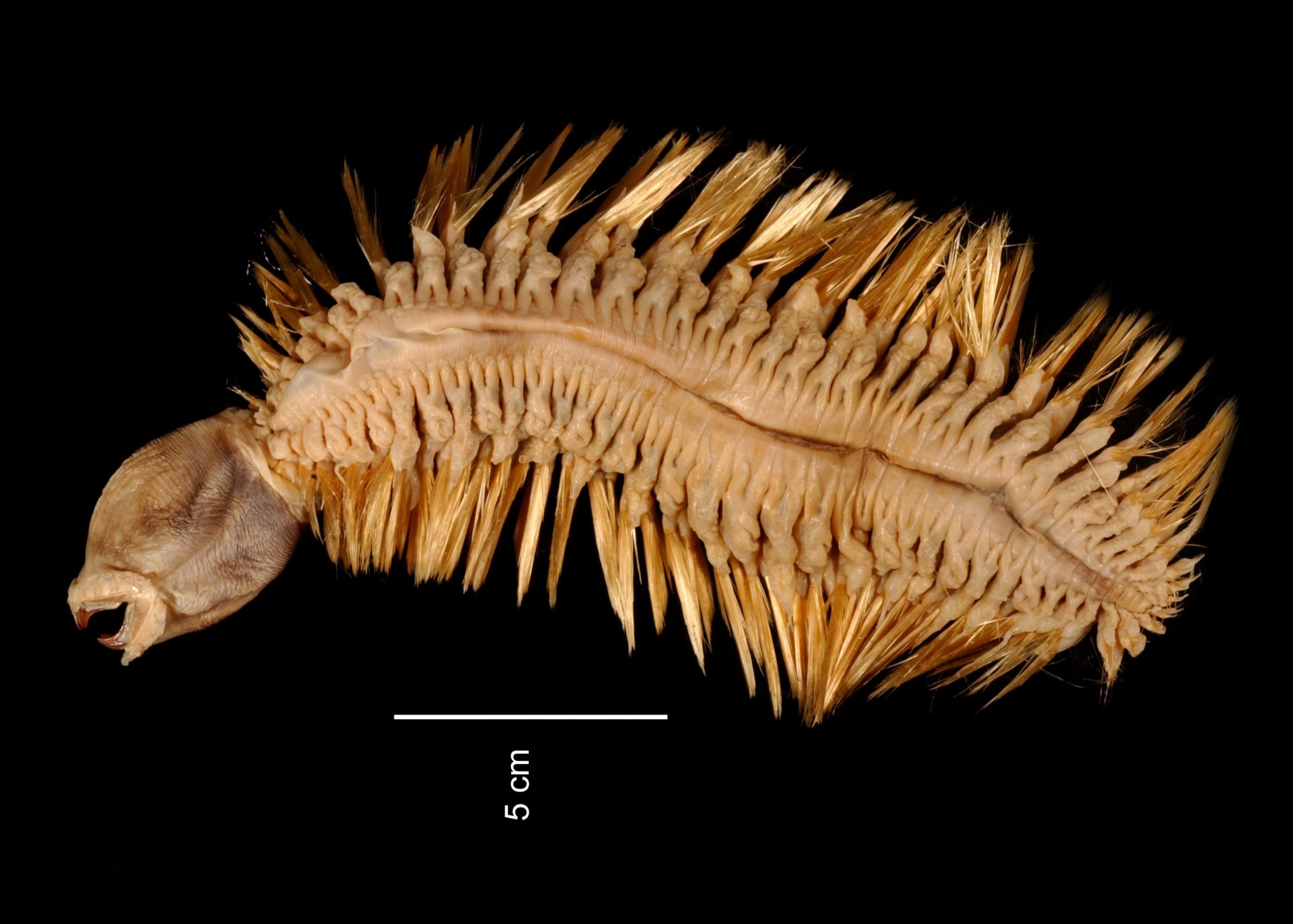
I sometimes wonder whether the Antarctic scale worm has heard the expression “you can't polish a turd, but you can roll it in glitter” because this grimacingly ugly worm has adorned itself with gold and, yet, still manages to look ghastly.
How deep is the deepest part of the ocean?
Despite its gleaming golden bristles making it look like the world’s most expensive feather duster, its disturbing face will haunt you. On the end of its body is what appears to be a fleshy crab claw with retractable teeth: these are used for tearing its prey to pieces.
Anglerfish
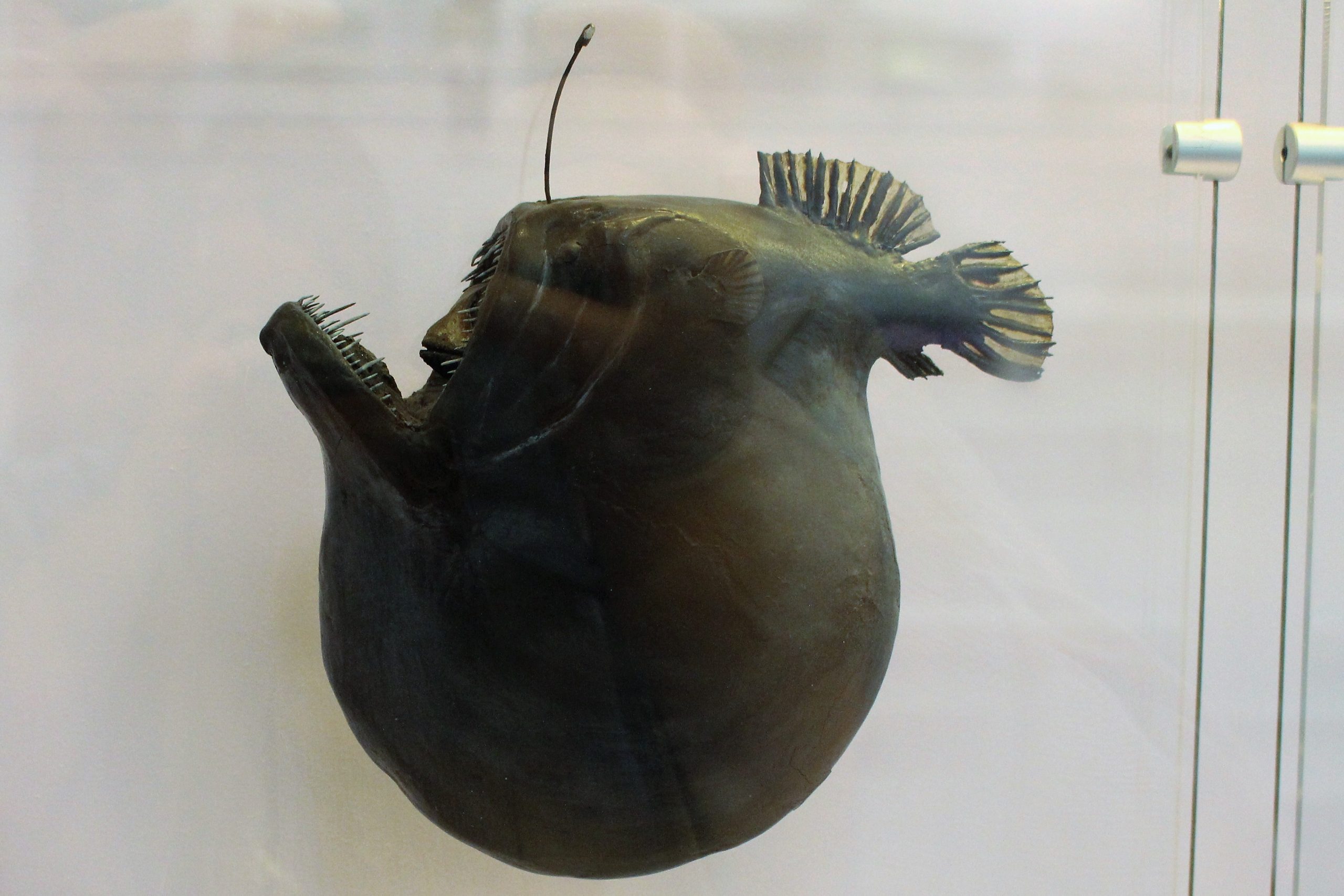
Last but not least is the fish most famous for the fishing line poking out of its head: the anglerfish. There are many different species, each one as odd as the last.
But, from the humpback anglerfish with its gaping mouth and the Pacific football fish, which looks like it’s been coated with tar to the hairy anglerfish which sparked an investigation at the Natural History Museum, every one of them have a face for radio.
- World's 11 deadliest sea creatures: Meet the most dangerous animals in the ocean
- Weirdest sea creatures - meet 15 strange ocean animals, including one that's part vegetable and one that resembles a toast rack
- 10 prettiest sea animals in the world: Meet some of the most beautiful - and sparkliest - creatures in the ocean
- What’s the most intelligent animal in the ocean?


