
The winners of this year's BMC Ecology and Evolution and BMC Zoology image competition have been announced.
Top spot has been awarded to Sritam Kumar Sethy, a student at Berhampur University, Odisha, India, for their image ‘Window to the Wetlands’, which features an orange-tailed marsh dart damselfly peering through a hole in a leaf.
The stunning photo “offers a glimpse into the often-overlooked world of freshwater biodiversity,” says Kumar Sethy.
- These are the biggest insects in the world, from a 60cm-long monster to one that weighs a hefty 70g
- How to improve your insect photography: Turn tiny creatures into stunning works of art
This year’s competition is its third iteration, following on from the BMC Ecology and Evolution image competition (2021-2023) and the BMC Ecology image competition (2013-2020).
The competition is open to individuals affiliated with a research institution and working in ecology, evolutionary biology, palaeontology or zoology. It gives them an opportunity to showcase their research in a creative way and explore the intersection between art and science.
Here are all the winning and runner-up photographs.
- Extraordinary and bizarre “miniature world” of slime mould revealed in winning image for The Wildlife Photography Awards 2026
- 14 powerful images from the Environmental Photography Award 2026
Overall winner
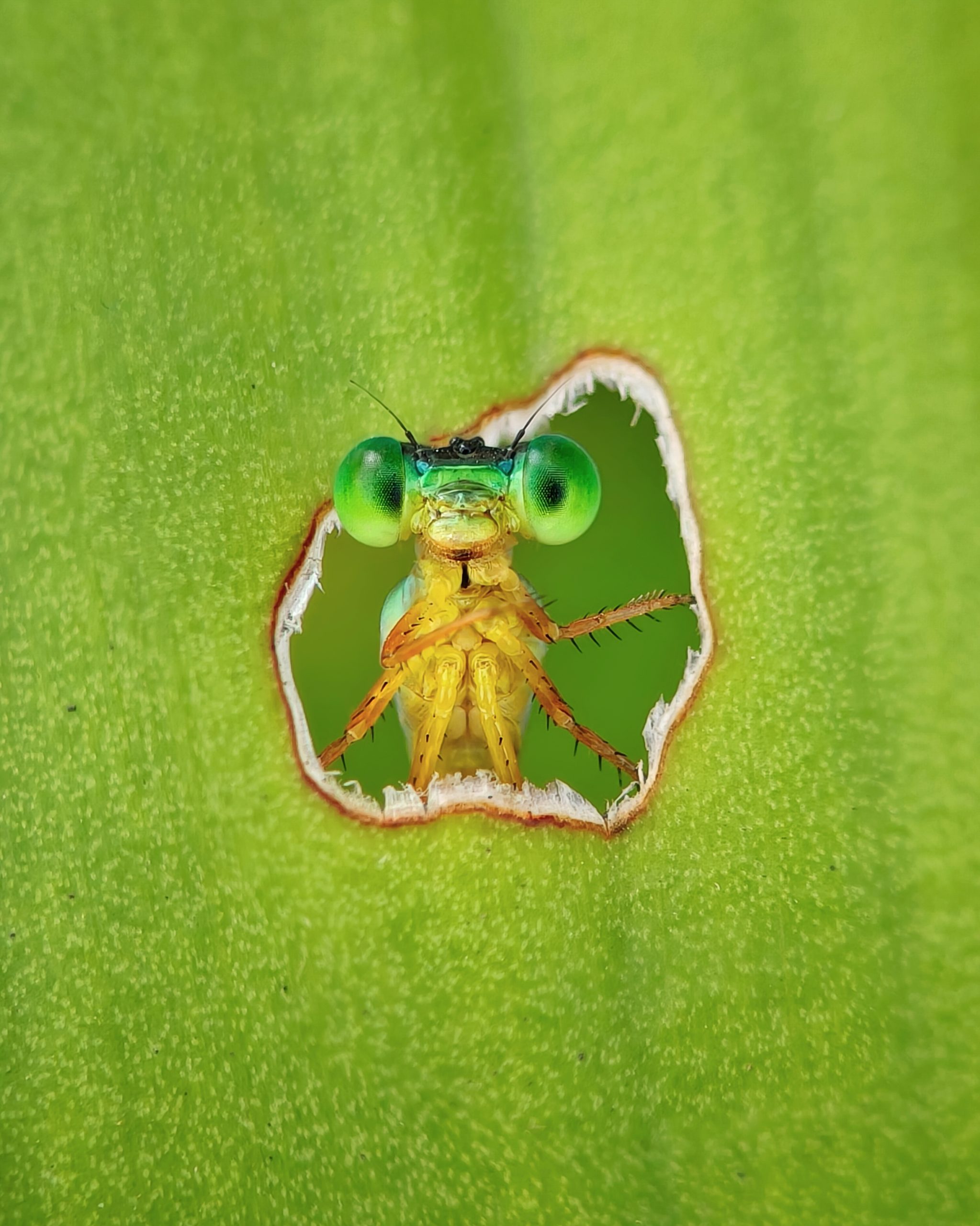
Damselflies are widely recognised as indicators of healthy ecosystems. But because they're reliant on both aquatic and terrestrial habitats (nymphs live entirely underwater, while adults live in the air and on land near water), they're especially sensitive to pollution, habitat loss and climate change.
"It is hard not to smile at this beautifully composed and vivid image, in which the damselfly seems to display a remarkable sense of character and presence," says David Ferrier, member of the BMC Ecology and Evolution Senior Editorial Board.
Overall runner-up
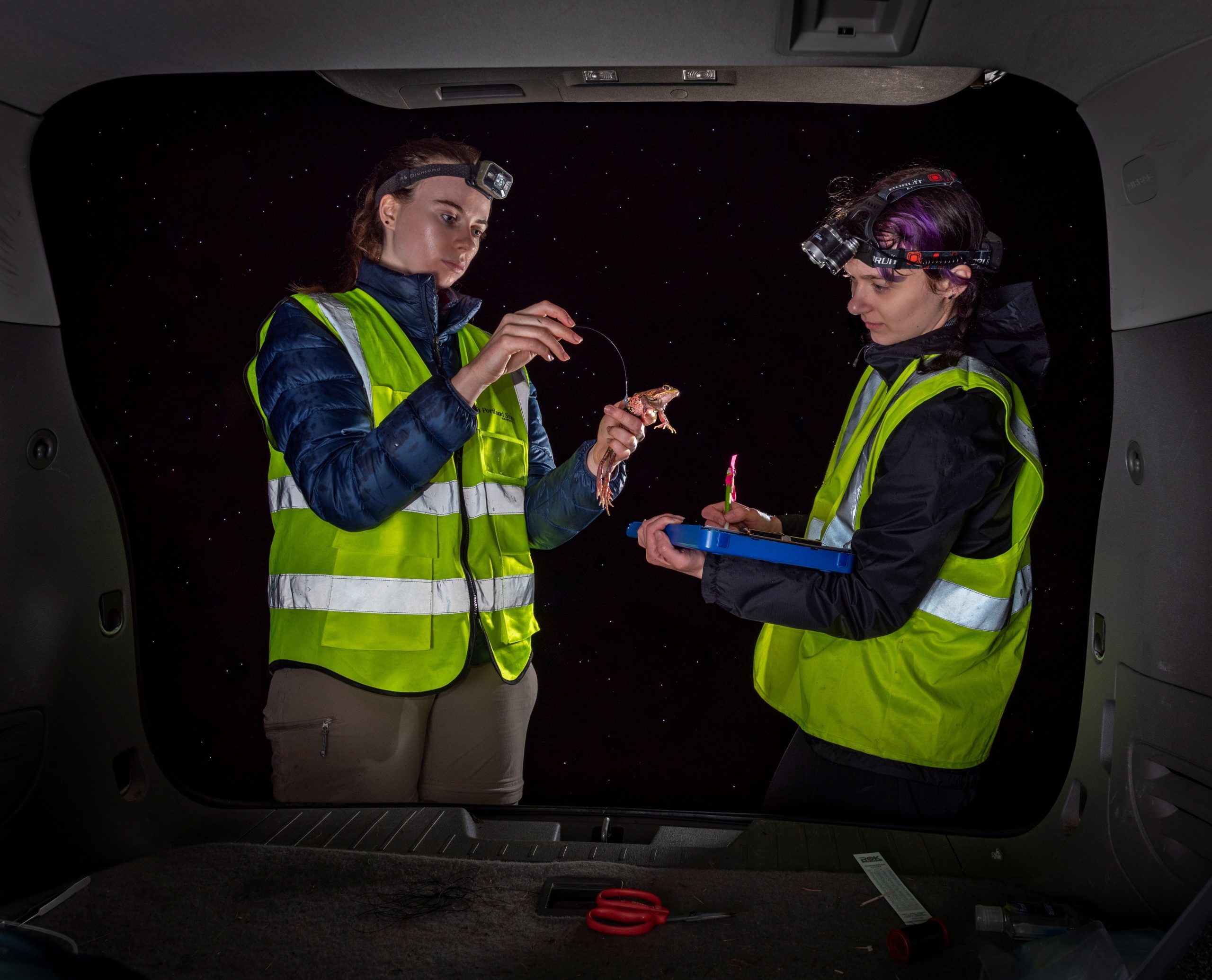
The image shows two students working in the field on a rainy night near Portland, Oregon, USA, attaching a radio transmitter to a northern red-legged frog (Rana aurora).
Relationships in Nature winner
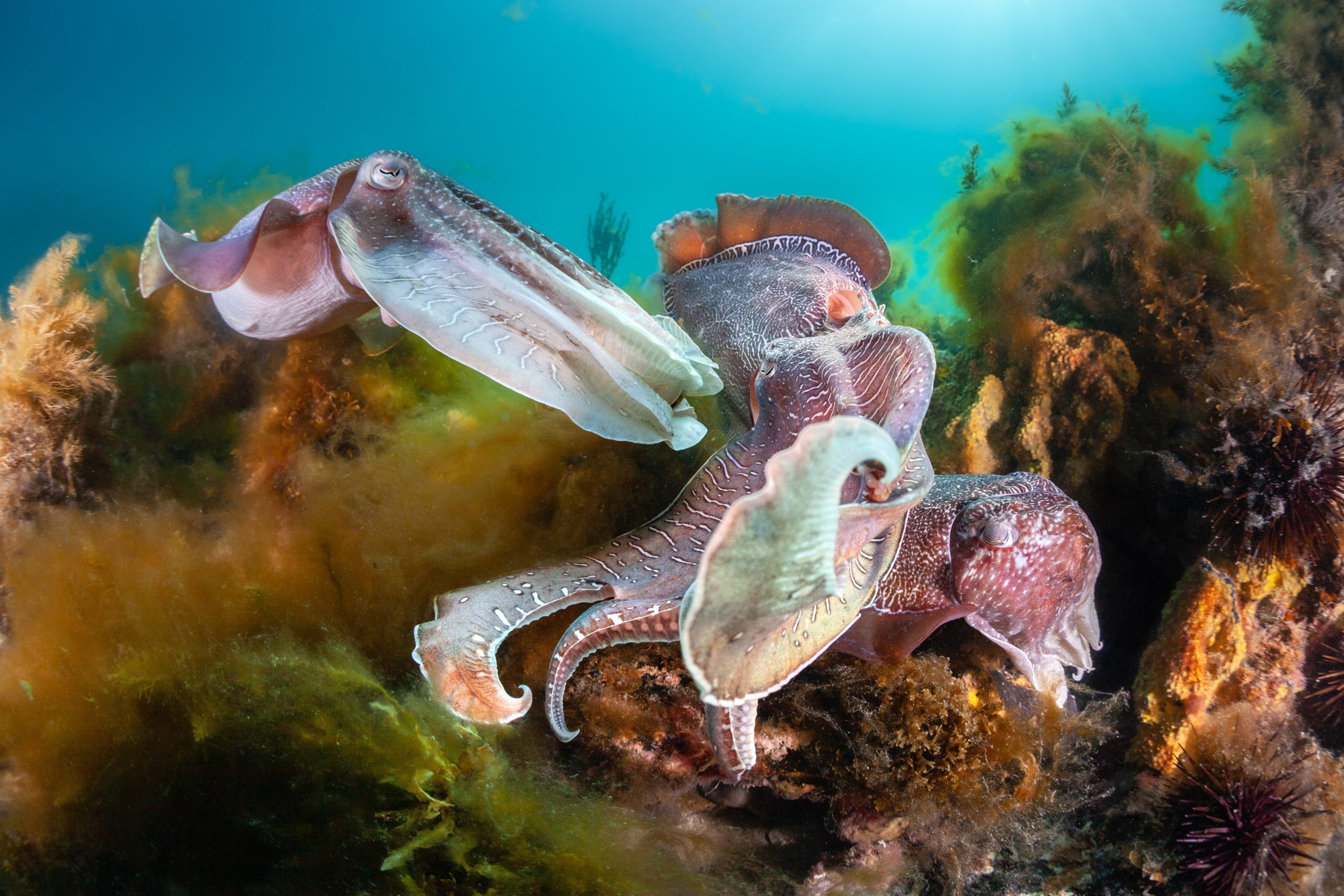
Victor Huertas captured a snapshot of two male giant Australian cuttlefish (Ascarosepion agama) competing for a female during the species' annual spawning aggregation in South Australia's Upper Spencer Gulf.
- It has three hearts, changes colour as fast as you can blink and fools rivals into thinking it’s female – meet this clever marine creature
- This tentacled giant can grow as long as a cricket bat. Tens of thousands are about to gather in South Australia
Relationships in Nature runner-up
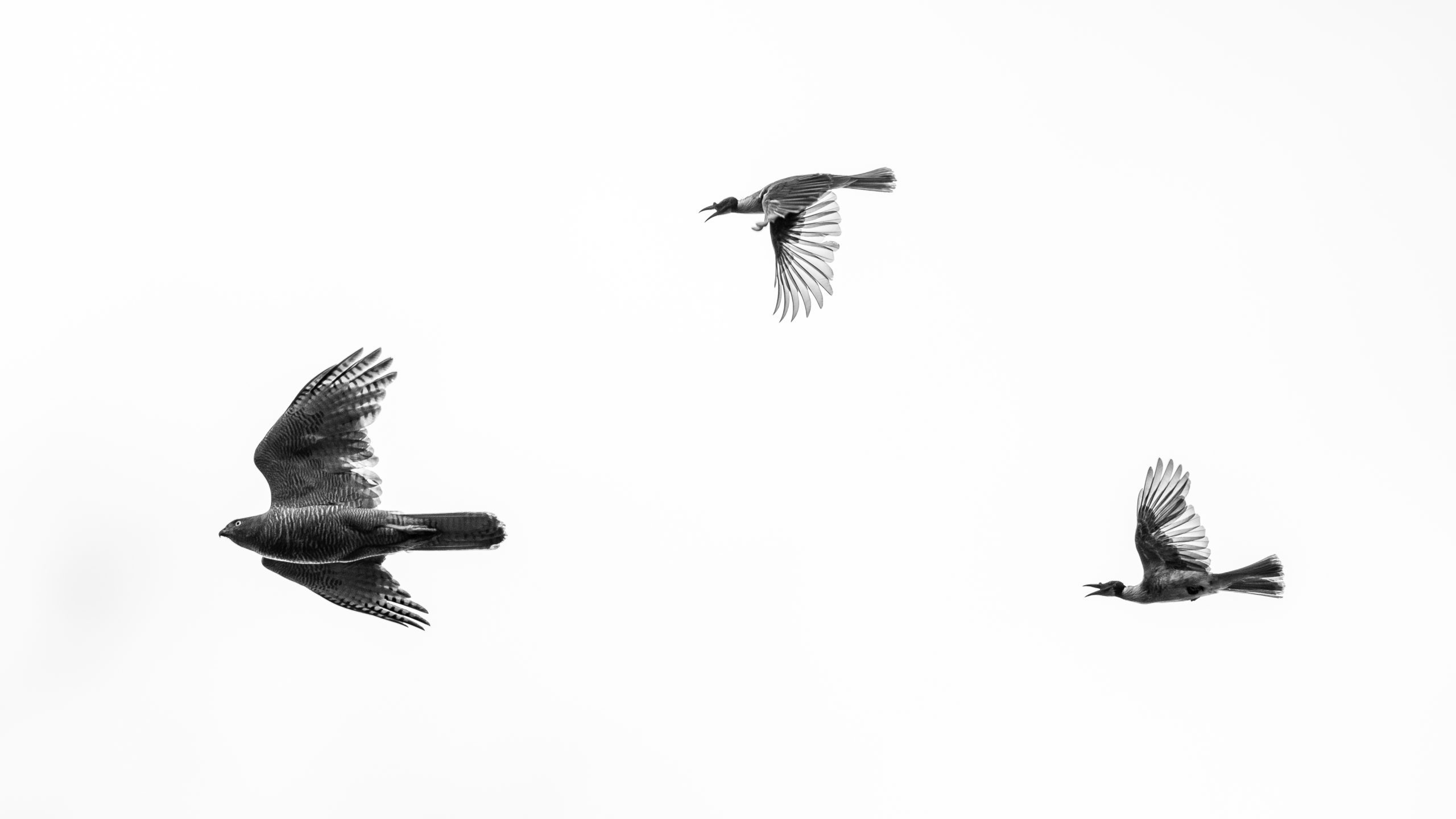
This image captures friarbirds (Philemon corniculatus) targeting a brown goshawk (Tachyspiza fasciata) in Australia.
Research in Action winner
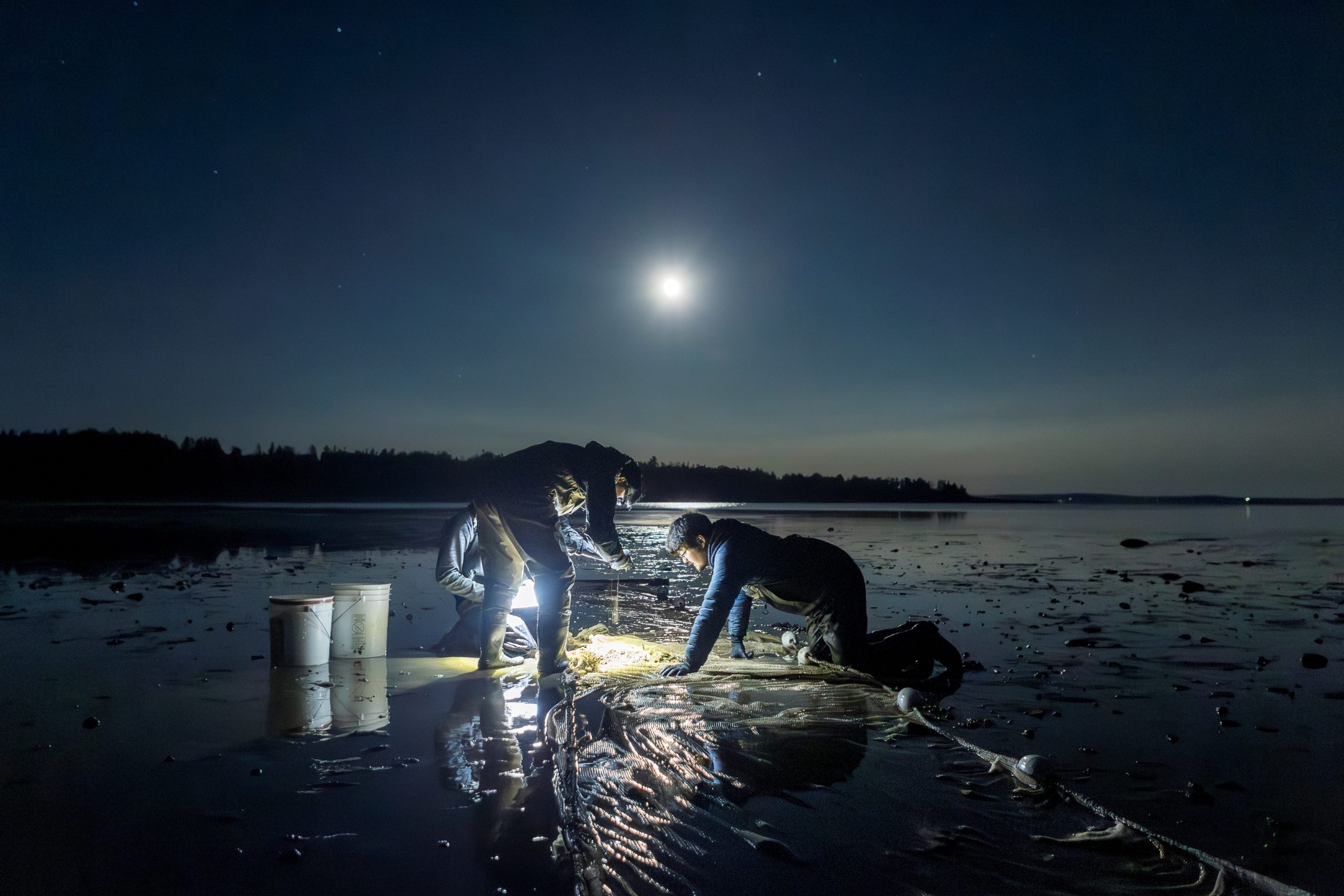
This photo shows undergraduate students investigating the local fish population under a moonlit sky in the shallow coastal waters of New Brunswick, Canada.
Research in Action runner-up
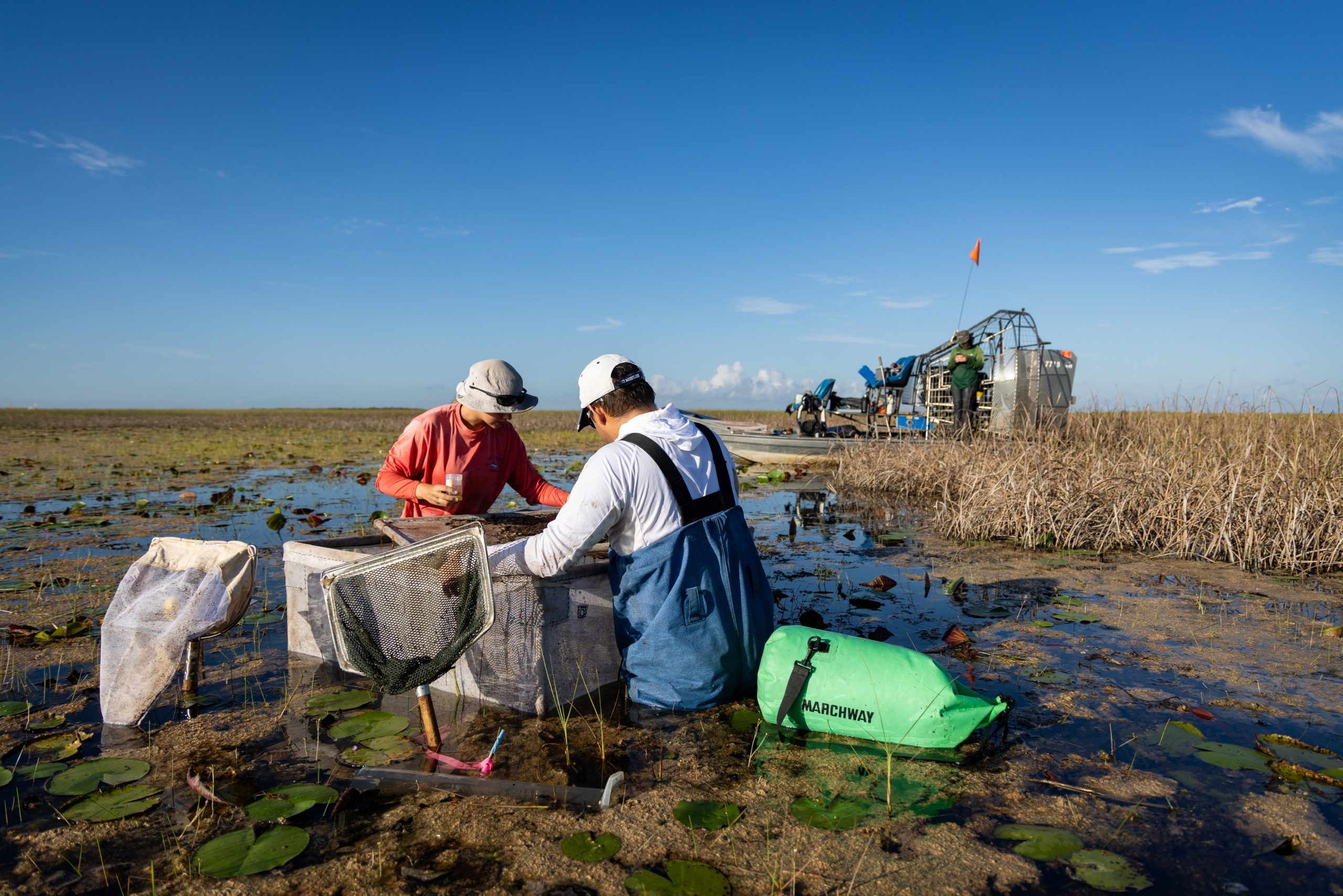
In this photograph, researchers are monitoring aquatic life in the Everglades National Park, Florida, as part of a long-term effort to assess the progress of the ecosystem restoration project currently underway.
- A carnivore has moved into Florida's Everglades – and it's threatening native crocodiles and alligators
- It spans over 1 million acres, contains rare creatures and is the only place on Earth where two watery, deadly apex predators clash
Protecting Our Planet winner
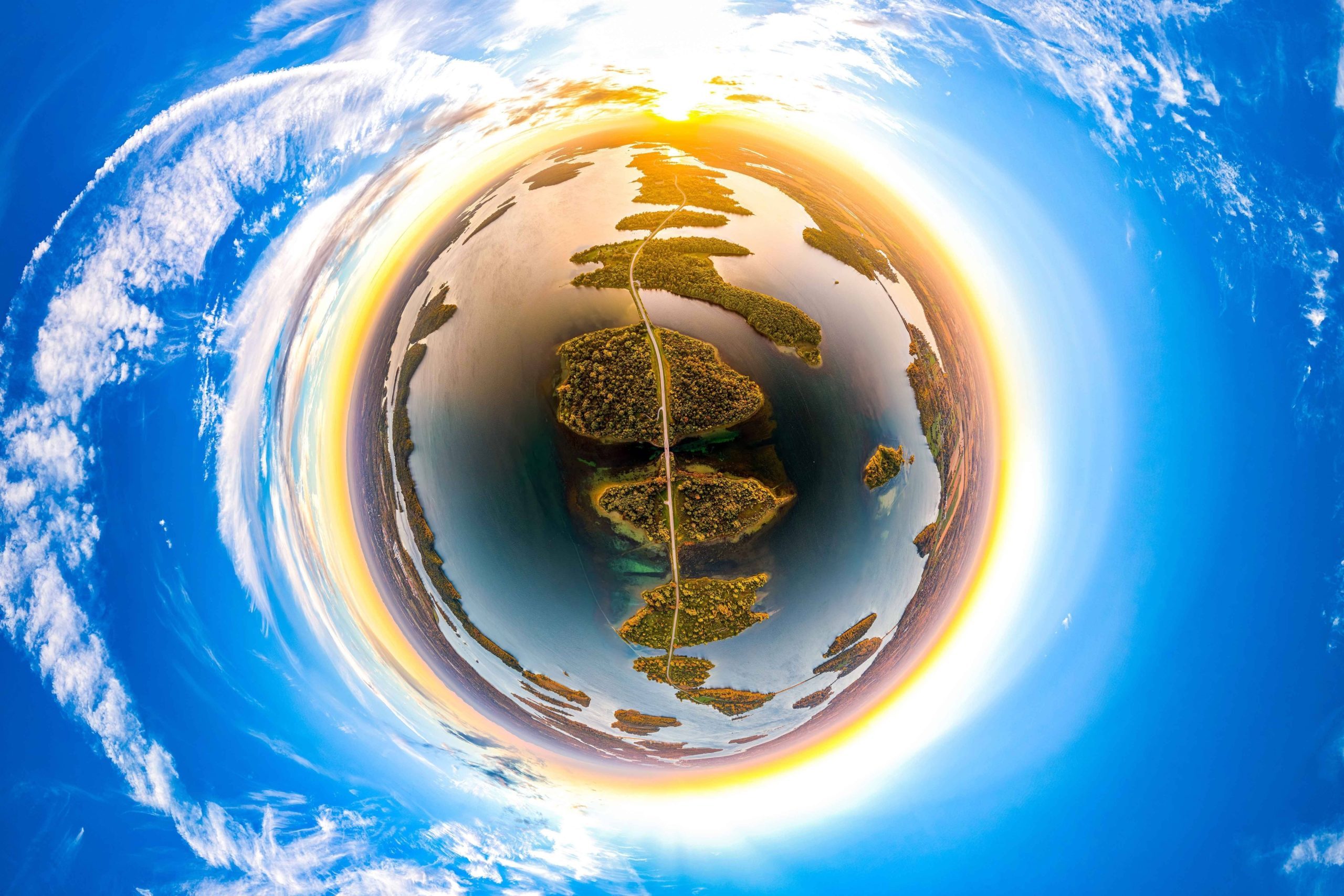
This drone shot of Long Sault Parkway at the western end of the St. Lawrence Seaway, which connects Eastern Canada and the Northern United States, illustrates the environmental disruption caused by past dam construction (the islands were formed from submerged hilltops following the construction of the Moses-Saunders Power Dam in the 1950s) – as well as the ecological recovery that can follow conservation efforts. Protected from further development, the area now serves as an important bird sanctuary.
Protecting our Planet runner-up
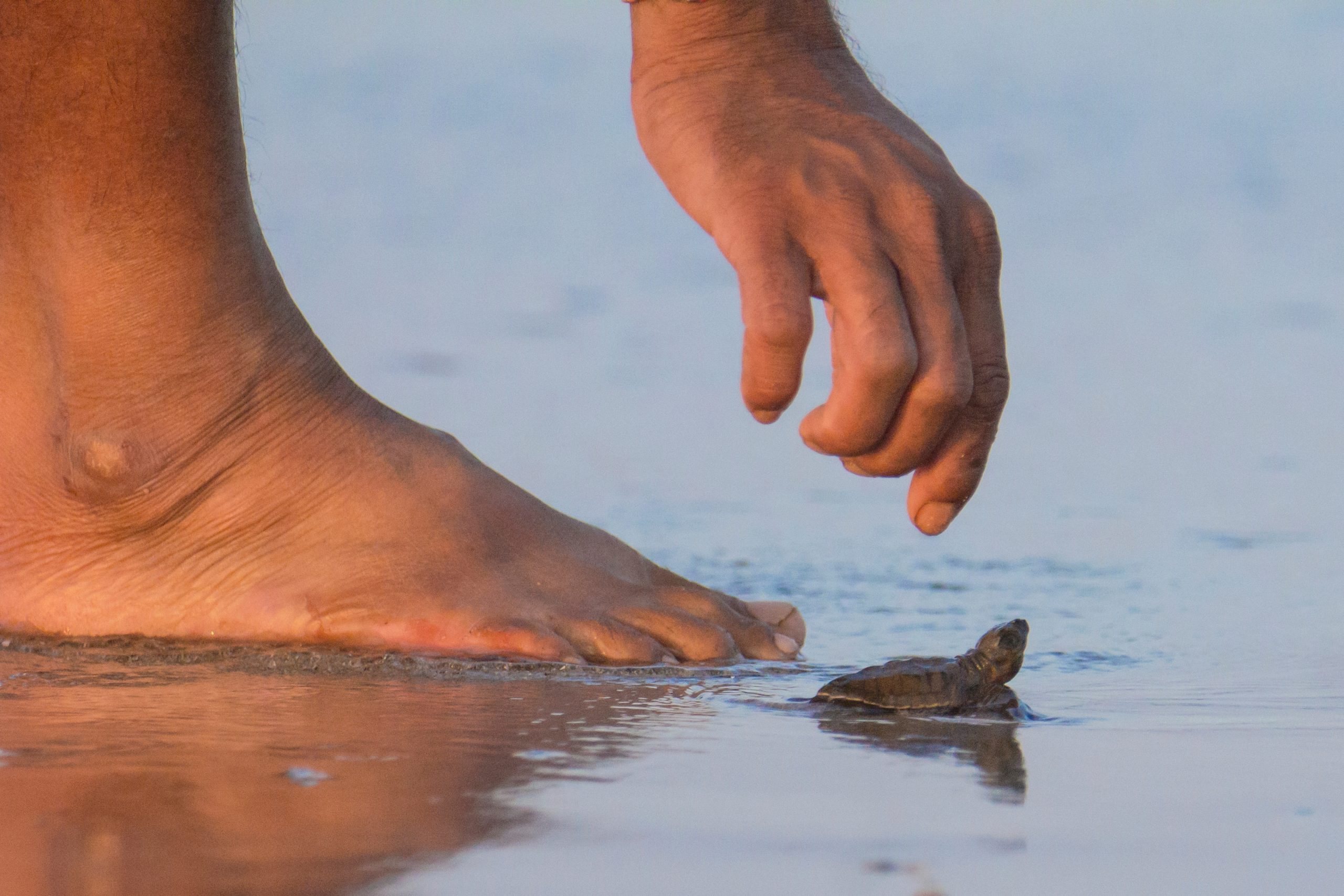
This image celebrates community-led conservation efforts along India's west coast by showing an olive ridley sea turtle hatchling (Lepidochelys olivacea) escorted to the sea by locals.
Highly commended images
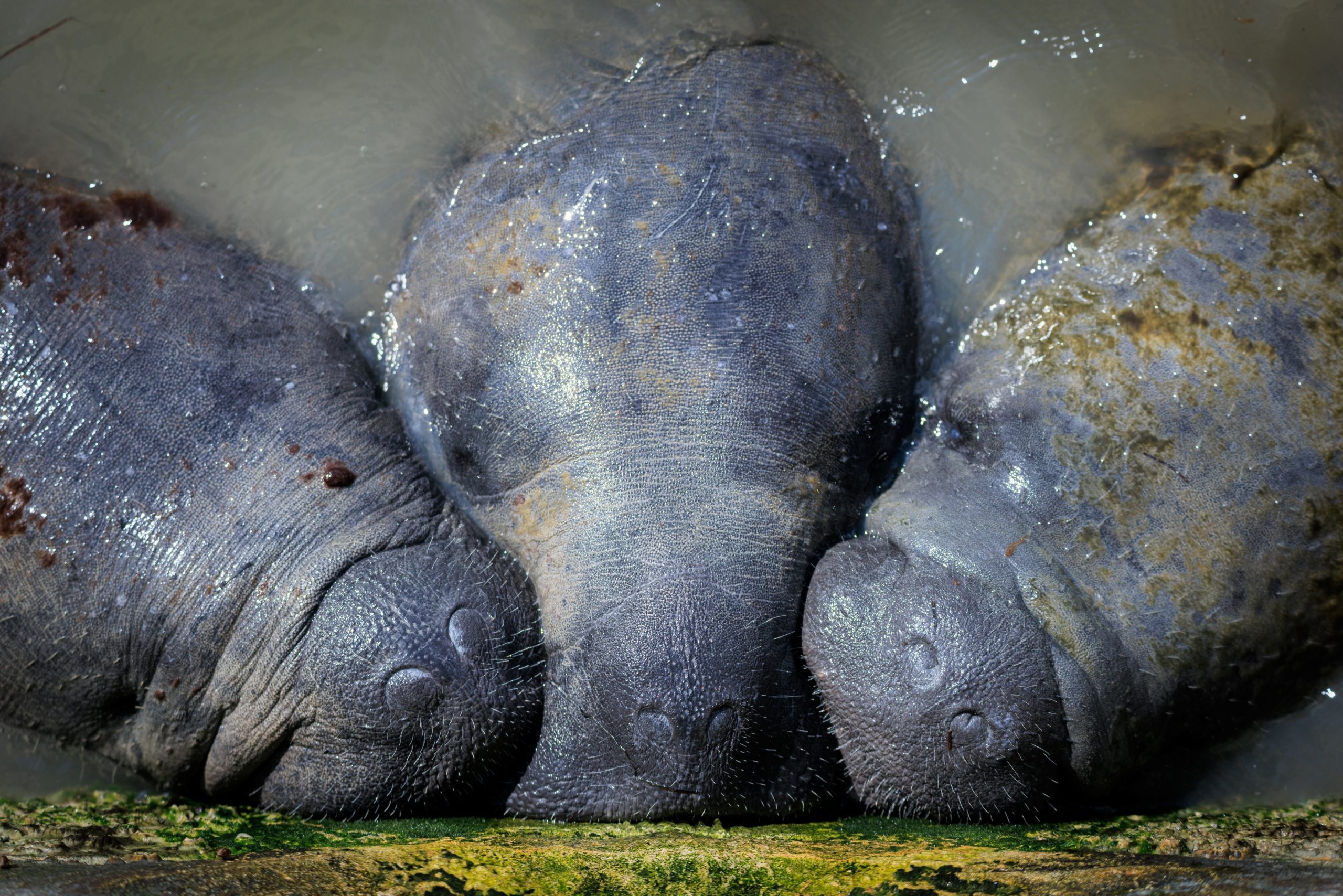
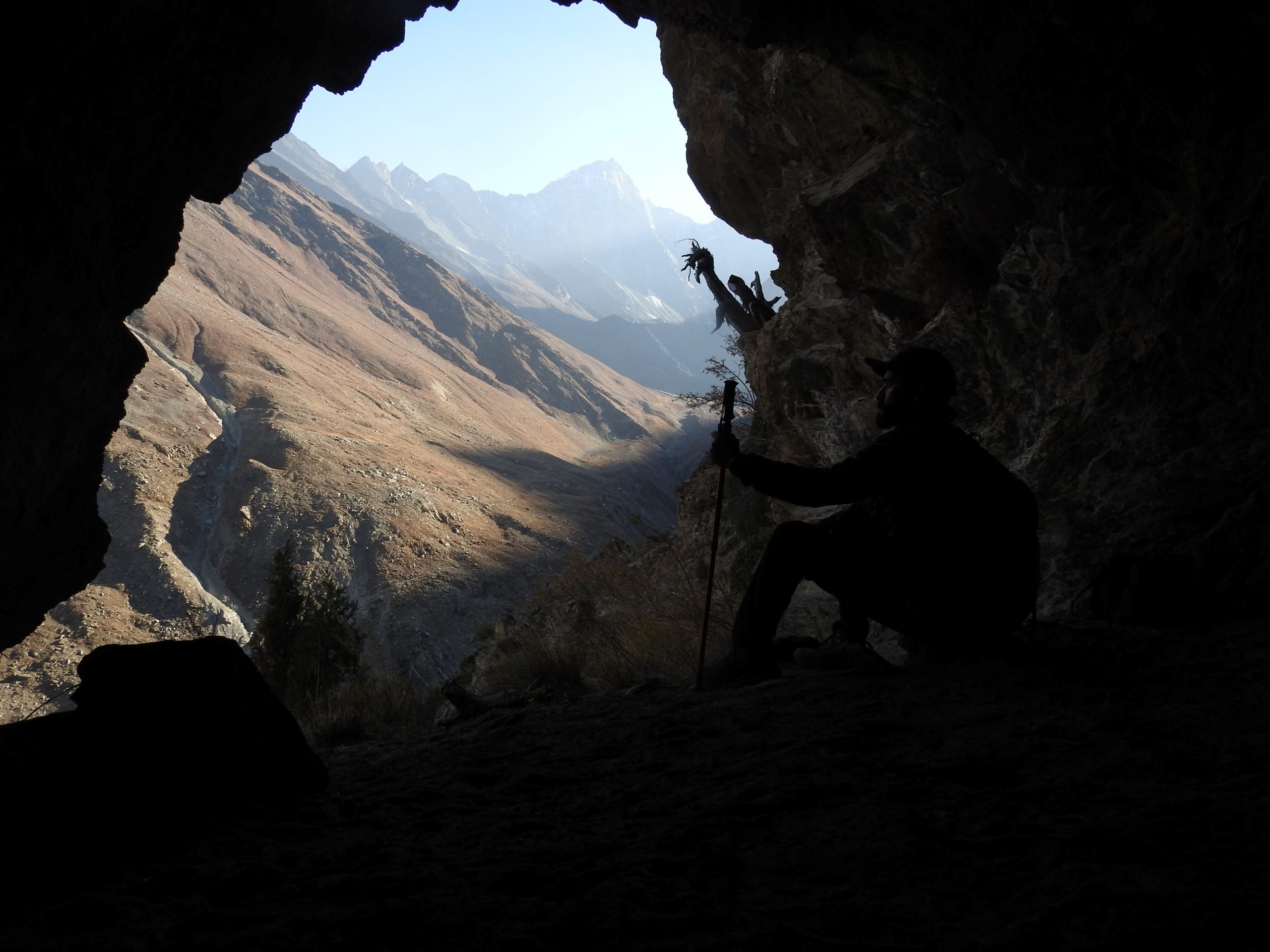
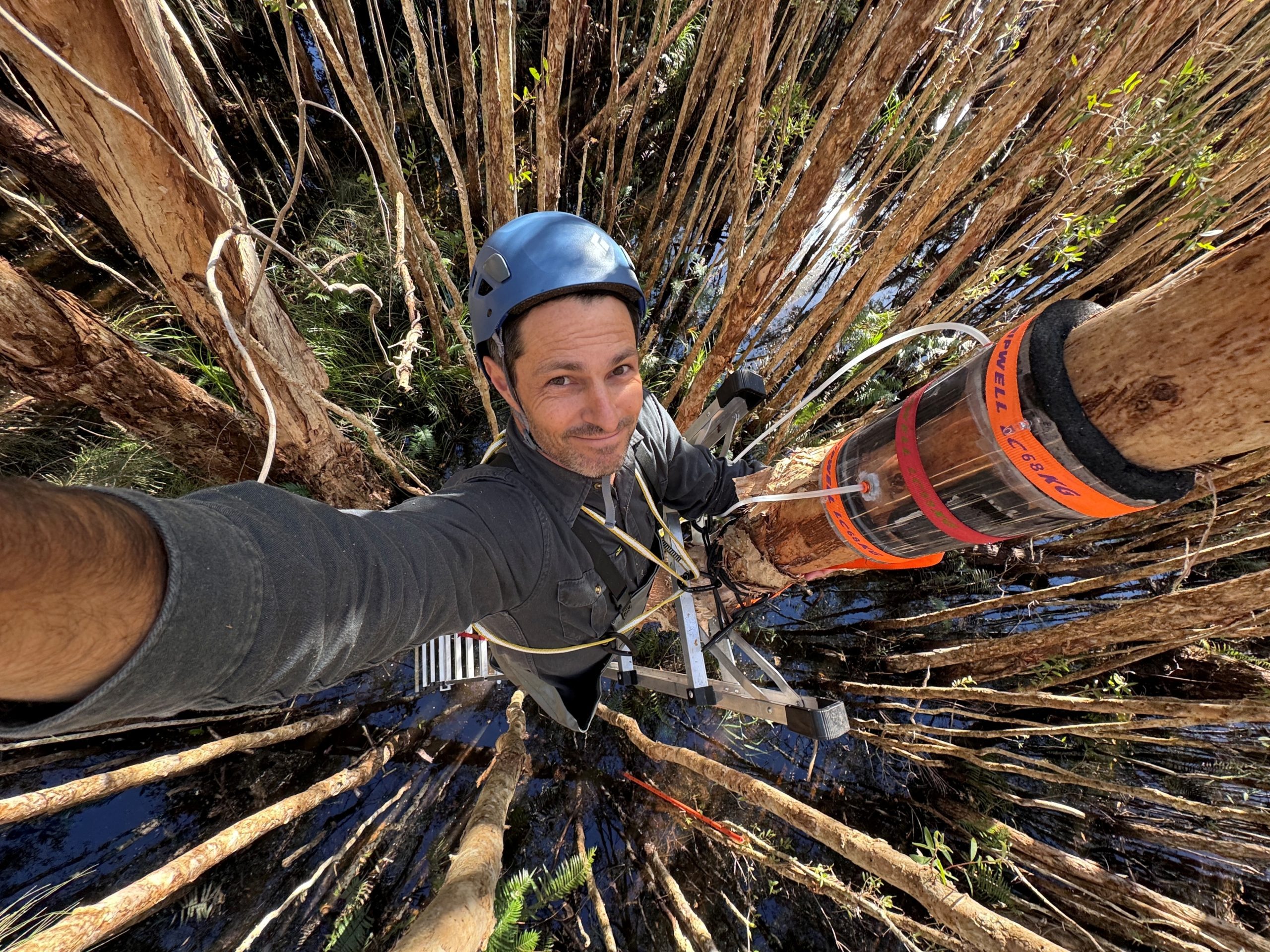
Find out more about the BMC Ecology and Evolution and BMC Zoology image competition.


