
A ‘ghost’ snake specimen has been rediscovered, allowing scientists the opportunity to unpick a mystery that has puzzled herpetologists for more than 150 years.
Three examples of green mamba (Dendroaspis sp) from the family Elapidae were collected from the island of São Tomé in the Gulf of Guinea in the 19th century but have since disappeared. While two of the samples were believed to have been destroyed during Second World War bombing raids, a third has recently been rediscovered, allowing scientists to potentially determine whether the São Tomé green mamba is a known species or a unknown holotype.
- "That’s the length of a double decker bus!" 33ft monster tops biggest snakes in the world list
- These are the world's deadliest snakes
The island nation of São Tomé and Príncipe lies around 140 miles off the coasts of Gabon and Equatorial Guinea and was uninhabited until Portuguese settlers arrived in the late 15th century.
Interest in the natural history of São Tomé, the largest island in the group, grew through the 19th century with specimens of many species reaching naturalists in Europe. One such subject was a snake collected from Roça Uba-Budo, a forested area on the eastern side of the island, and was examined by Jacques Vladimir von Bedriaga, a Russian zoologist.
- Snake Island, the terrifying island off Brazil that only scientists and soldiers can visit
- Largest snake species in the world discovered in Amazon rainforest – and it's a whopper!
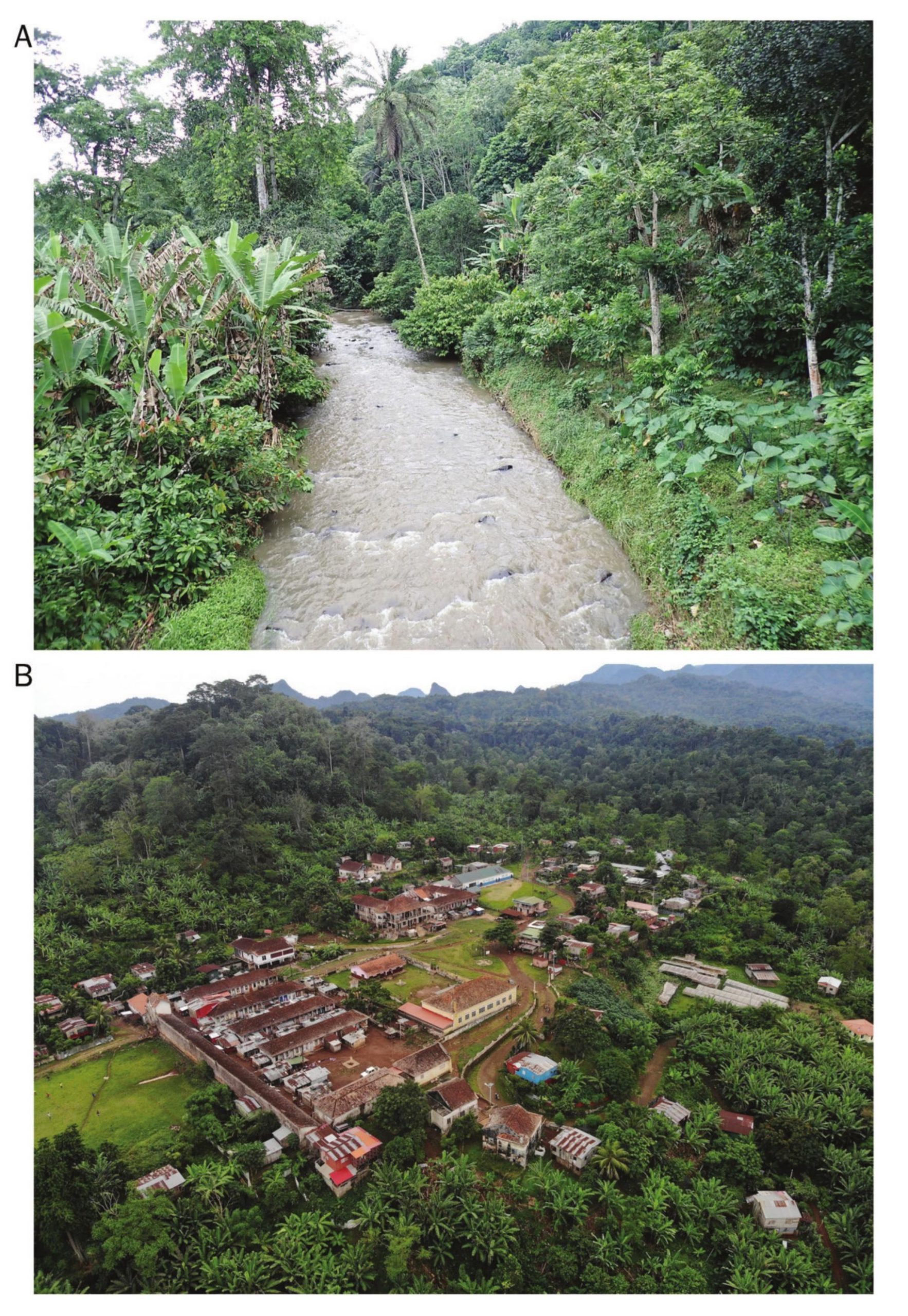
Bedriaga identified the snake as Dendroaspis angusticeps, commonly known as the eastern green mamba, which is found on the south and east coast of Africa. This was contradicted by his contemporary, the Portuguese zoologist José Vicente Barbosa du Bocage, who determined the species to be the central African Jameson’s mamba (Dendroaspis jamesoni).
Among further thoughts proposed by naturalists examining other specimens was that of Johann Georg Fischer, who described the snake as a belonging to a new genus, classifying it as Dendroechis reticulata.
As no further specimens from São Tomé have since been observed or studied, the enigma of the ‘ghost’ green mamba seemed set to remain just that, until the specimen examined by Bedriaga (and Bocage) was located in the Museum and Institute of Zoology, an institute based in Warsaw as part of the Polish Academy of Sciences. A paper, published in Annales Zoologici in April 2026, details the rediscovery of the Bediagra specimen and subsequent examination of it.
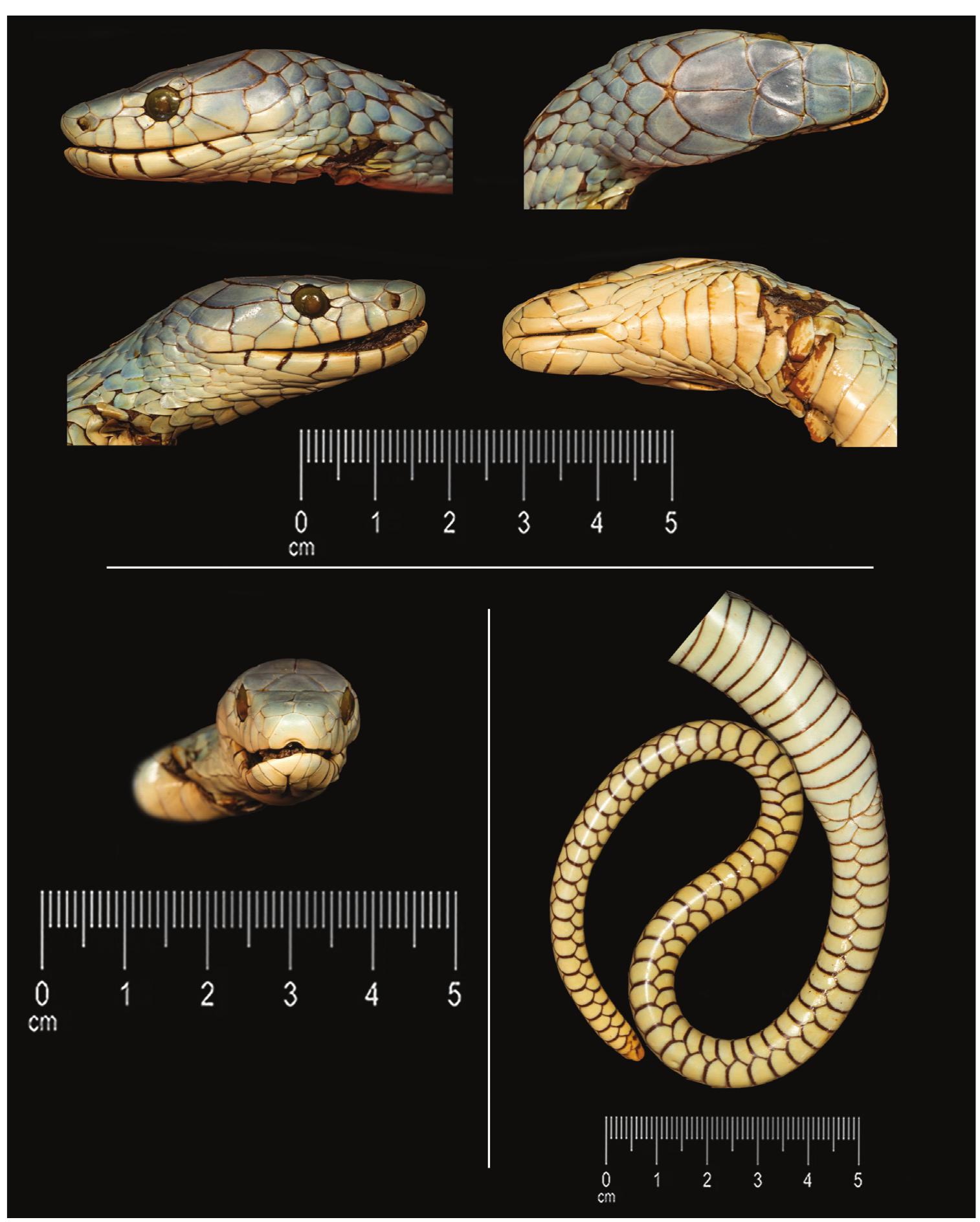
The redescription points the sample towards Dendroaspis viridis, the western green mamba, which is native from Gambia and southern Senegal to Benin in western African coast. Although the diagnostic evaluation failed to differentiate the Bedriaga specimen from Dendroaspis viridis, there may be non-visible differences between them which DNA testing may uncover. Further questions posed by the report include how long the population of green mambas have been present on São Tomé, and whether any of them remain.
Top image: Specimen of green mamba from São Tomé Island, originally reported by Bedriaga (1892–1893) in its current jar in the Museum and Institute of Zoology, Poland. Credit: LMPC, Annales Zoologici 2026
More wildlife stories from around the world
- Night-hunting snake discovered in New Guinea. It’s almost a metre long and waits for prey at the bottom of trees
- Remote camera catches bobcat attacking biggest rattlesnake species on Earth
- “We would find piles of rattlesnakes.” Scientists witness undocumented snake behaviour in Wyoming's mountains
- A carnivore has moved into Florida's Everglades – and it's threatening native crocodiles and alligators
- It's the biggest snake den on the planet – 100,000 crammed into a small cavern


