
Two new species of stick insect have been discovered in Australia following an investigation by 'insect detectives’ from the University of Sydney.
The research team, led by Dr Braxton Jones, studied existing museum specimens alongside freshly collected samples in order to comprehensively revise the genus Anchiale, which has now expanded from two native Australian species to five (a third, undescribed species was also found, but further samples are needed for official identification).
“These findings demonstrate the importance of protecting threatened ecosystems and documenting Australia's extraordinary biodiversity before we lose species without us having even discovered them," explained Dr Jones, a postdoctoral research associate from the Aola Richards Sydney Insect Hub at the university.
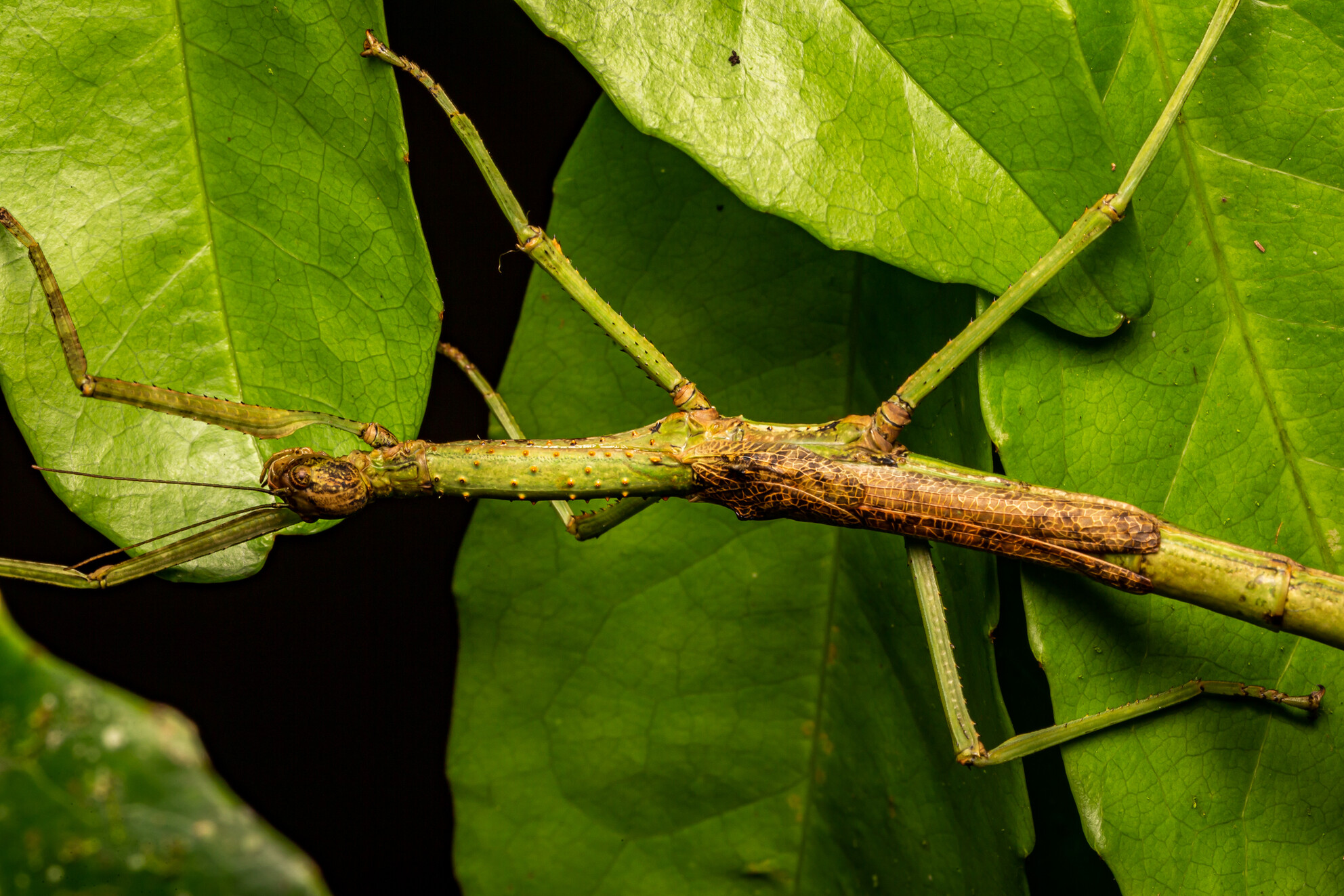
Stick insects have adopted plant mimicry in order to remain undetected by potential predators. They are categorised within the order Phasmatodea, derived from the ancient Greek word phásma meaning ‘apparition or phantom’, a reference to those extraordinary methods of camouflage.
Stick insects are found on every continent except for Antarctica, with more than 3,600 species worldwide and around 130 in Australia.
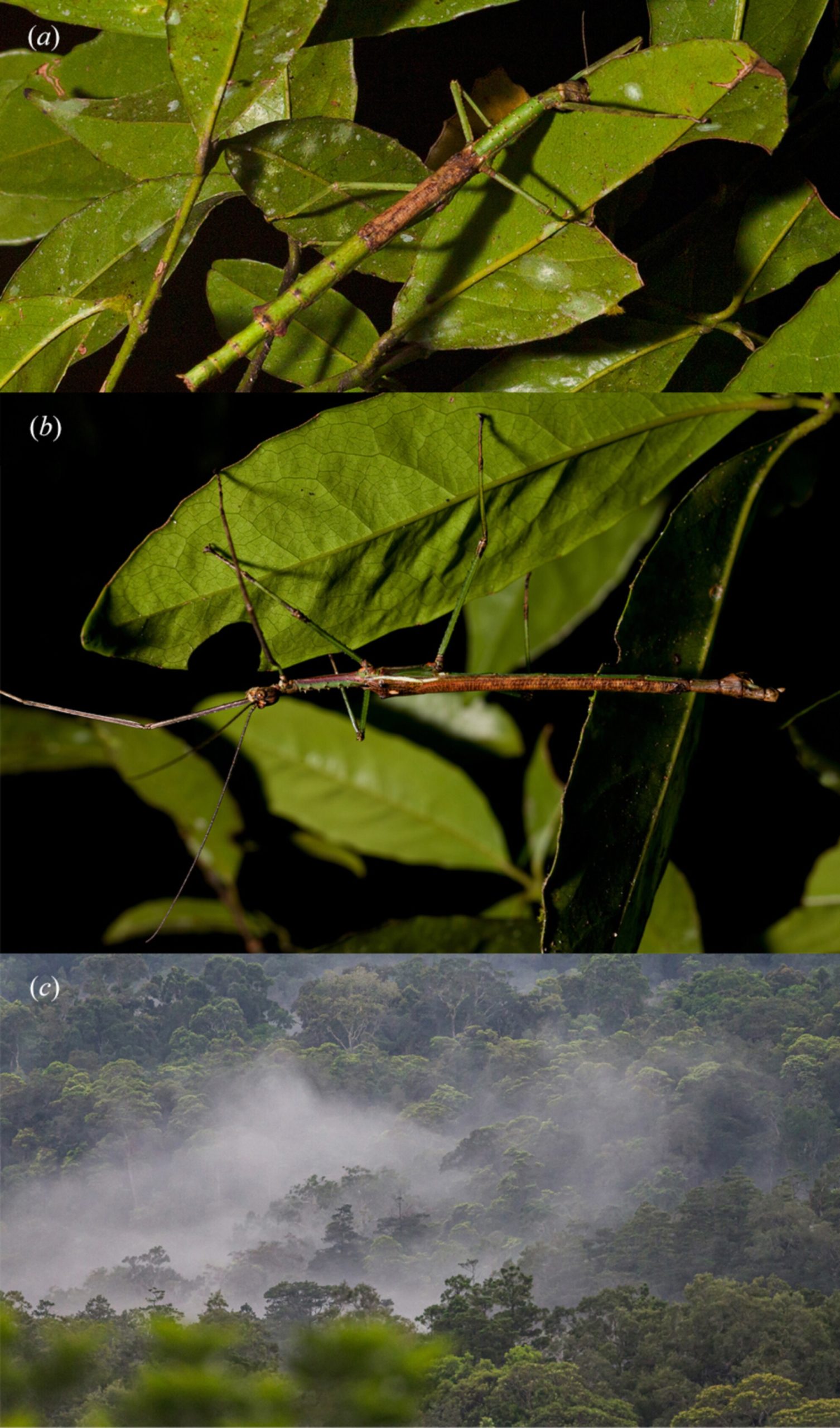
Part of the research team’s process involved the study of eggs collected from female stick insects, which lead to a unique discovery. The eggs of Anchiale mabienesis, a newly discovered insect found in the Mabi Rainforest in Northern Queensland, were found to have a ‘lid’, a structure not previously observed among stick insect species.
Although considered a ‘large’ stick insect, Anchiale mabienesis, which measures up to 16cm long (about the length of an adult's toothbrush), is dwarfed by another species endemic to the Queensland rainforests. The gargantuan stick insect Ctenomorpha gargantua can measure up to 60cm in length and is one of the largest stick insects in the world.
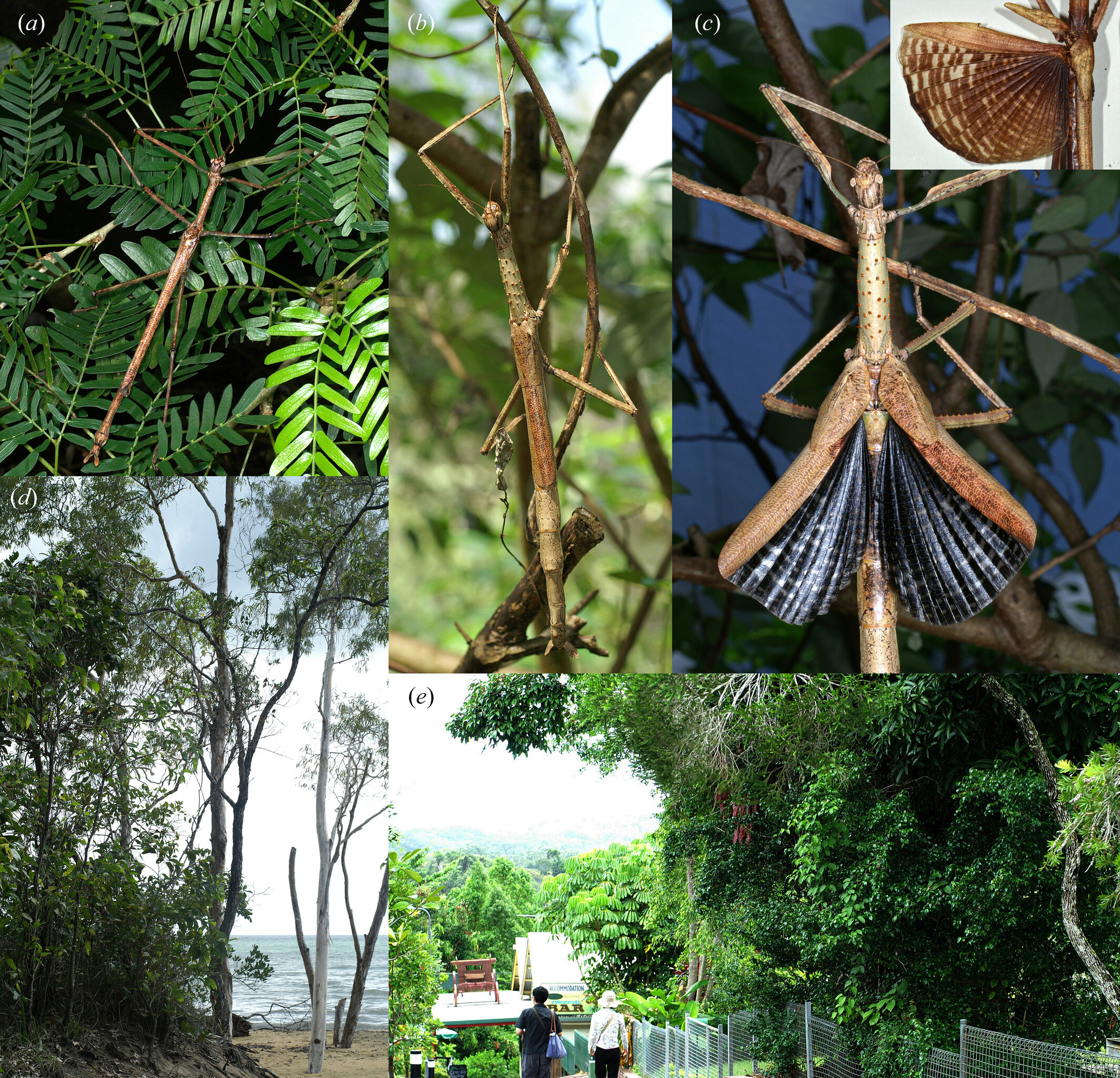
The research, published in the journal Austral Entomology, also details the reclassification of an insect already known to science. Having utilised DNA analysis alongside citizen science records and studies of captive specimens, the team were able to describe the stick insect as Anchiale robusta, a new species.
“Taxonomy is often a bit like detective work. Even among some of Australia's most photographed and frequently reported insects, we're still finding species that have escaped scientific recognition,” said Dr Jones, who works within the Molecular Ecology, Evolution and Phylogenomic Laboratory.
There is also further detective work for Dr Jones and his team to complete. An additional, previously undescribed, species of stick insect has been located at Cape York, the most northerly point of the Australian mainland, although further samples are required for definitive identification. Evidence, perhaps, to support the research team’s suggestion that Australia is still only scratching the surface of its insect diversity.
Find out more about the study, published in the journal Austral Entomology.
More wildlife stories from around the world
- Wasp spider found in North West England for the first time
- Human flesh-eating parasite returns to the US
- “There were hundreds crawling across the trail.” Huge, hairy spiders surround hiker in Texas desert
- Prehistoric insects were absolutely massive. Here's why they needed to be so big
Top image: Montane rainforest habitat, Australia, where Anchiale mabienesis lives. Credit: Angus J. Emmott | adapted from Braxton R. Jones et al., Austral Entomology 2026, under Creative Commons license CC BY 4.0.


