
If you thought human anatomy was complicated, the animal kingdom would like a word. Evolution, it seems, has a flair for the bizarre – especially when it comes to reproductive designs. From detachable appendages to corkscrew parts, here are some of the strangest setups on Earth.
Weirdest genitals in the world
Ducks
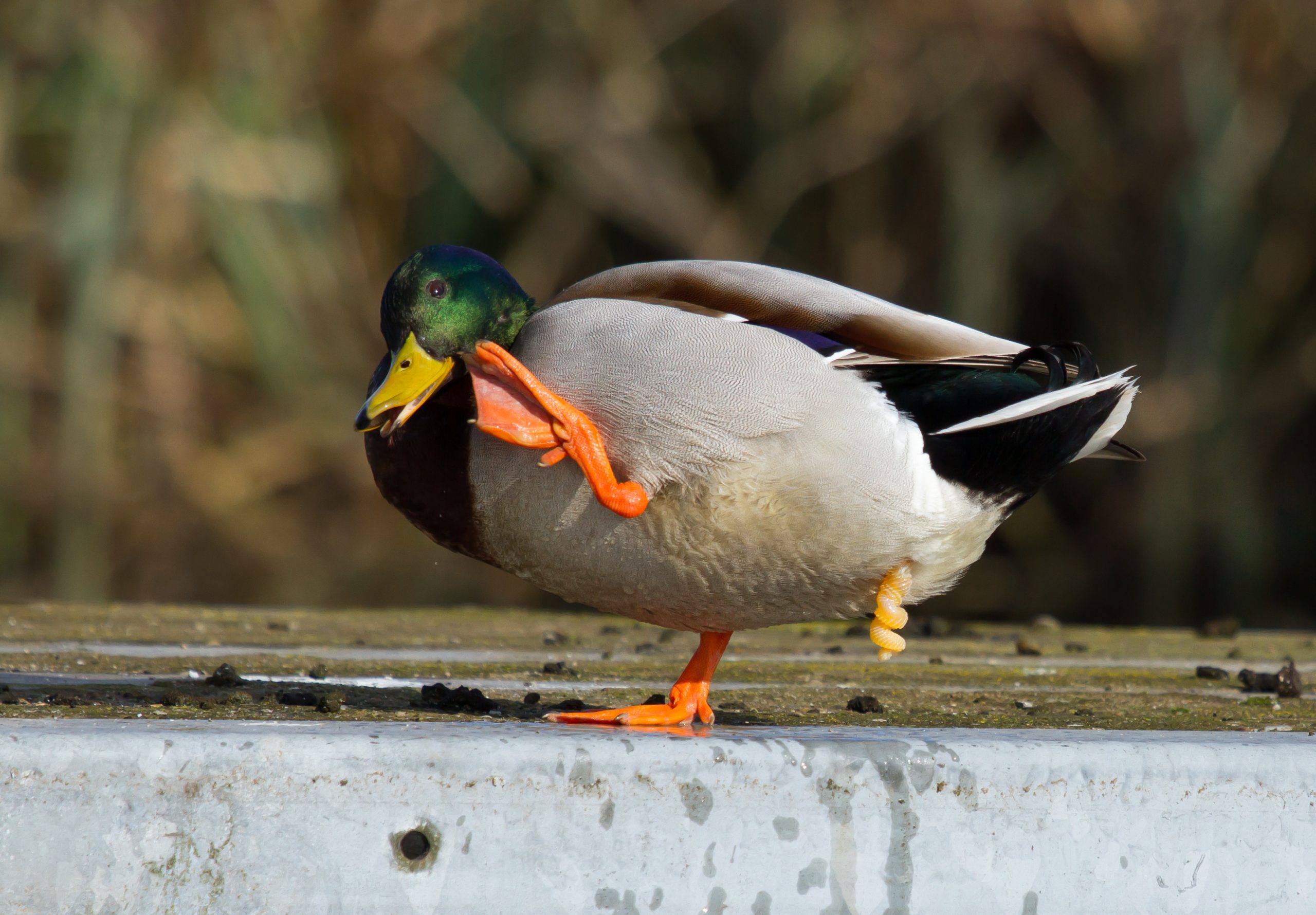
The vast majority of bird species – 97%, in fact – do not have external male genitalia. Ducks buck this trend, and in style. Male ducks sport corkscrew-shaped penises that can extend explosively in under a second.
Females, not to be outdone, have equally twisty reproductive tracts that spiral in the opposite direction and include dead ends and tight turns to make unwanted mating attempt less successful. When a female is receptive, she can relax her muscles and allow mating to proceed; when she is not, the twists and turns help her resist fertilisation.
Turtles
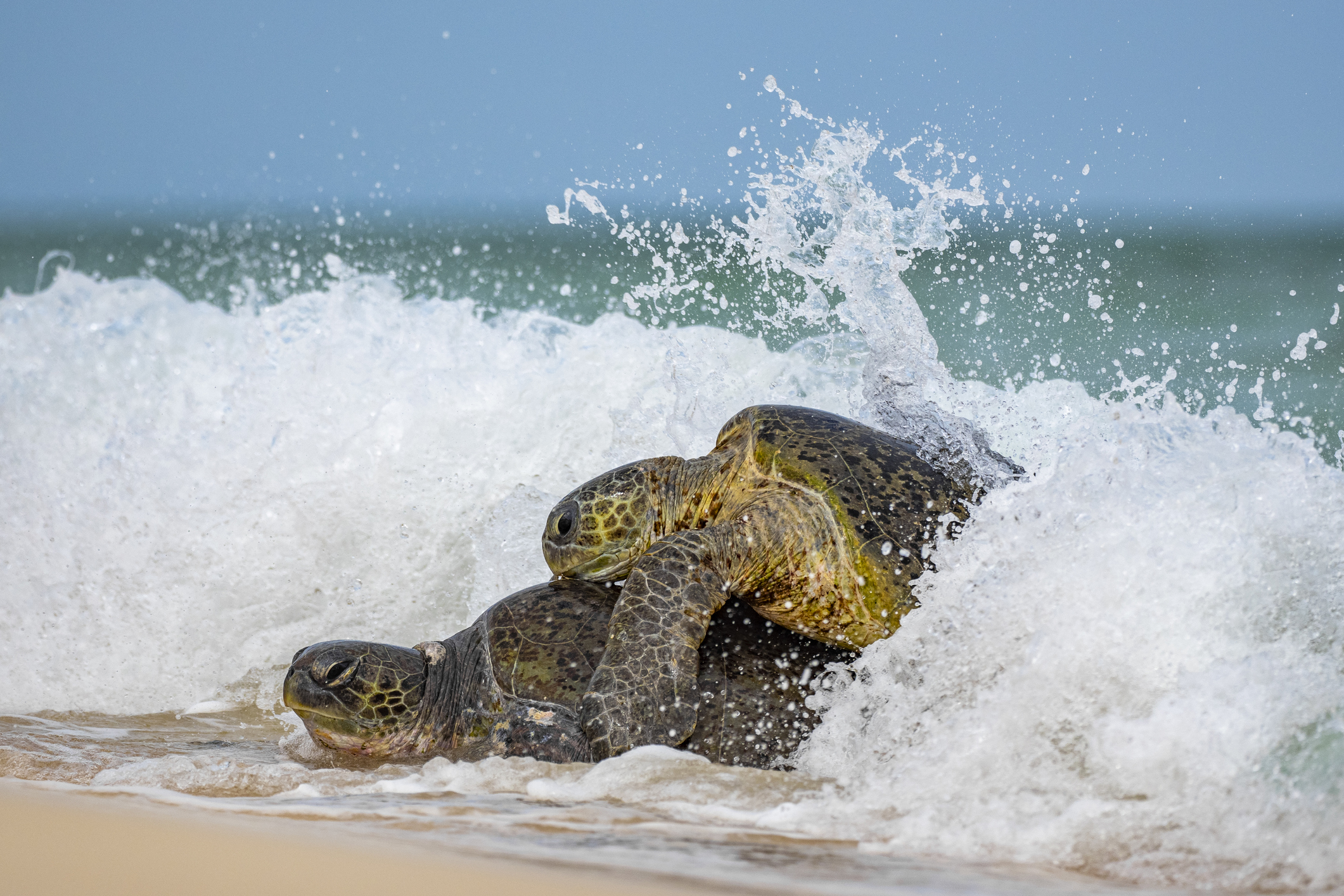
Male turtles keep their penis tucked inside the body until mating, at which point it extends dramatically. In some species, it is unexpectedly large and oddly shaped, often catching observers off guard. In a green turtle, the penis is typically more than 30cm long. Oof.
- The world's 9 weirdest penises – including a detachable one that swims off after a mate and another that grows back three times
- Can big genitals be a hindrance?
- 9 beautiful, breathtaking photos of sea turtles that prove just how majestic (and fearless) these marine creatures can be
Spider monkeys
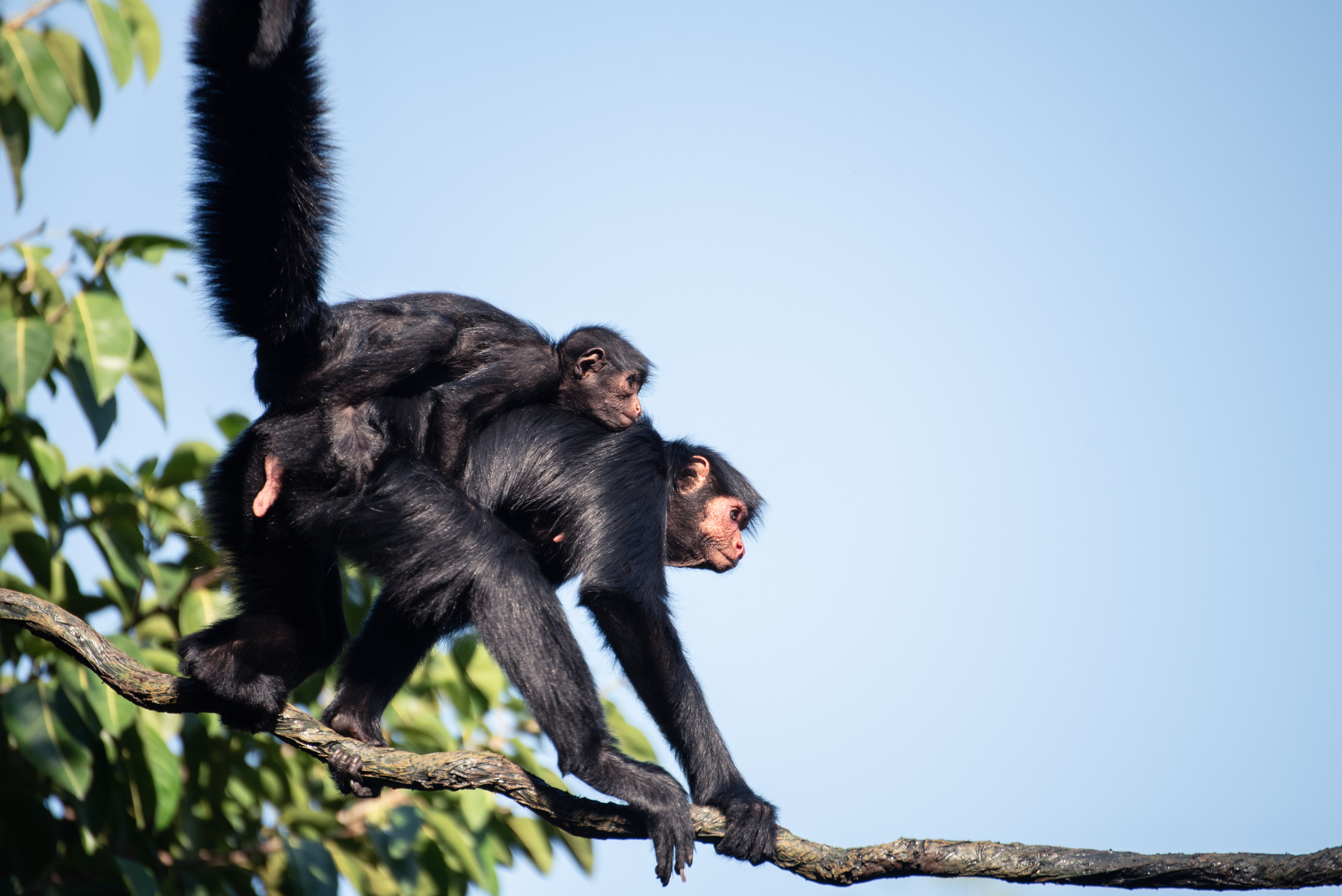
Female spider monkeys come equipped with one of nature’s more mischievous design choices: a notably large, pendulous clitoris. It protrudes so prominently that it bears an uncanny resemblance to a male penis – earning it the nickname 'pseudo-penis' – and leaving even seasoned observers doing a double take when trying to tell who’s who.
Barnacles
Barnacles are glued to rocks, so their romantic options are limited. Their solution? A penis up to eight times their body length, capable of stretching around like a probing noodle in search of neighbours. Barnacles possess the longest penis in the animal kingdom relative to their body size. If a human male had the same proportional length, his penis would be roughly 17 metres long.
- "It has – proportionally – the longest penis in the animal kingdom. The human equivalent would be a man impregnating his neighbour via the letterbox."
- The world's smallest penis will surprise you: "Evolution didn't forget to finish the job. Bigger is only better when bigger helps..."
Polar bears
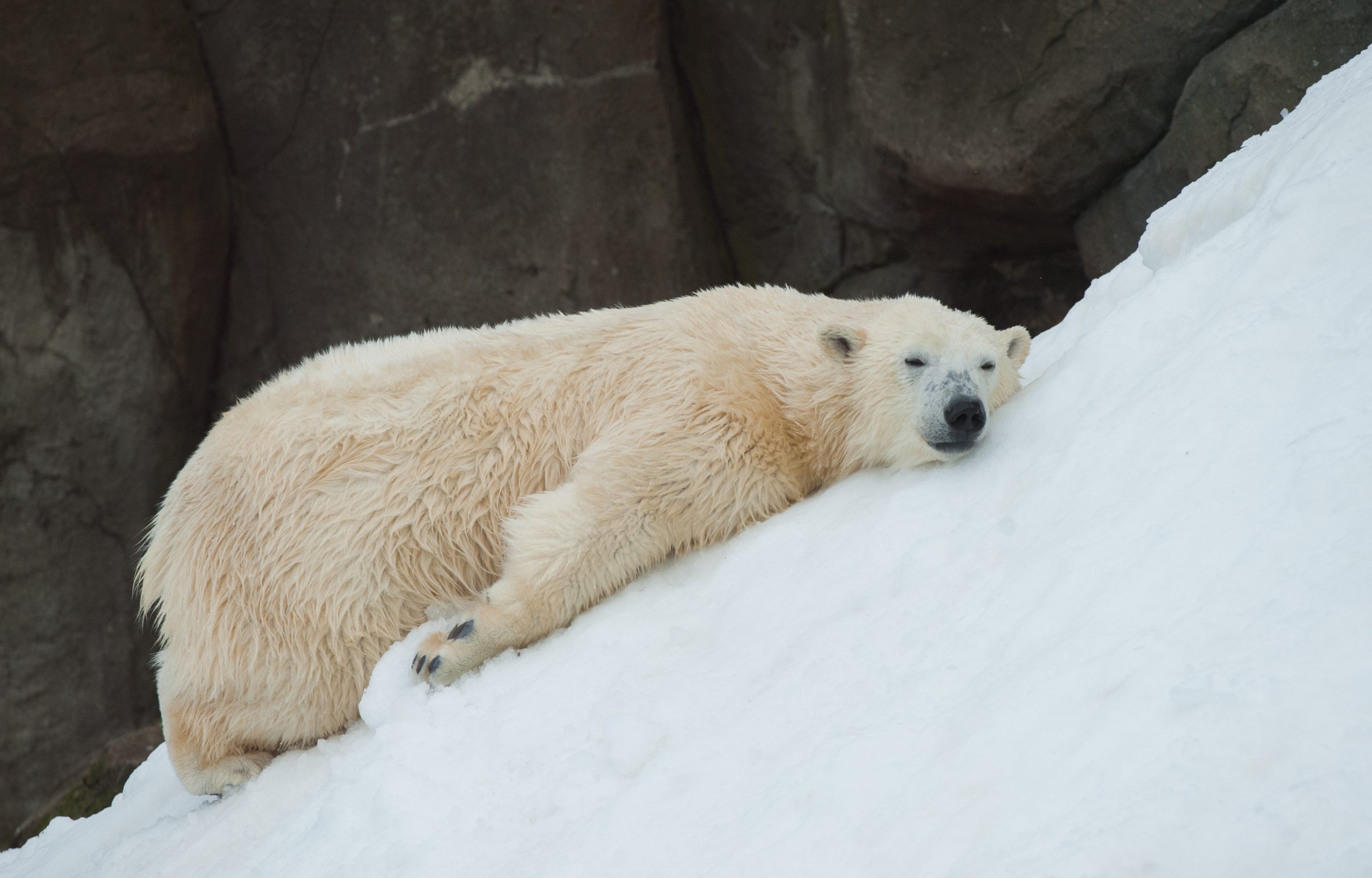
Here, it's not so much strange-looking parts, as a case of mysterious shrinking genitals. Studies indicate that polar bears are experiencing reduced size and weakened density of their sexual organs, including smaller testes, shorter baculums (penis bones) and smaller ovaries. This reproductive issue is caused by hormone-disrupting industrial pollutants in the Arctic.
Echidnas
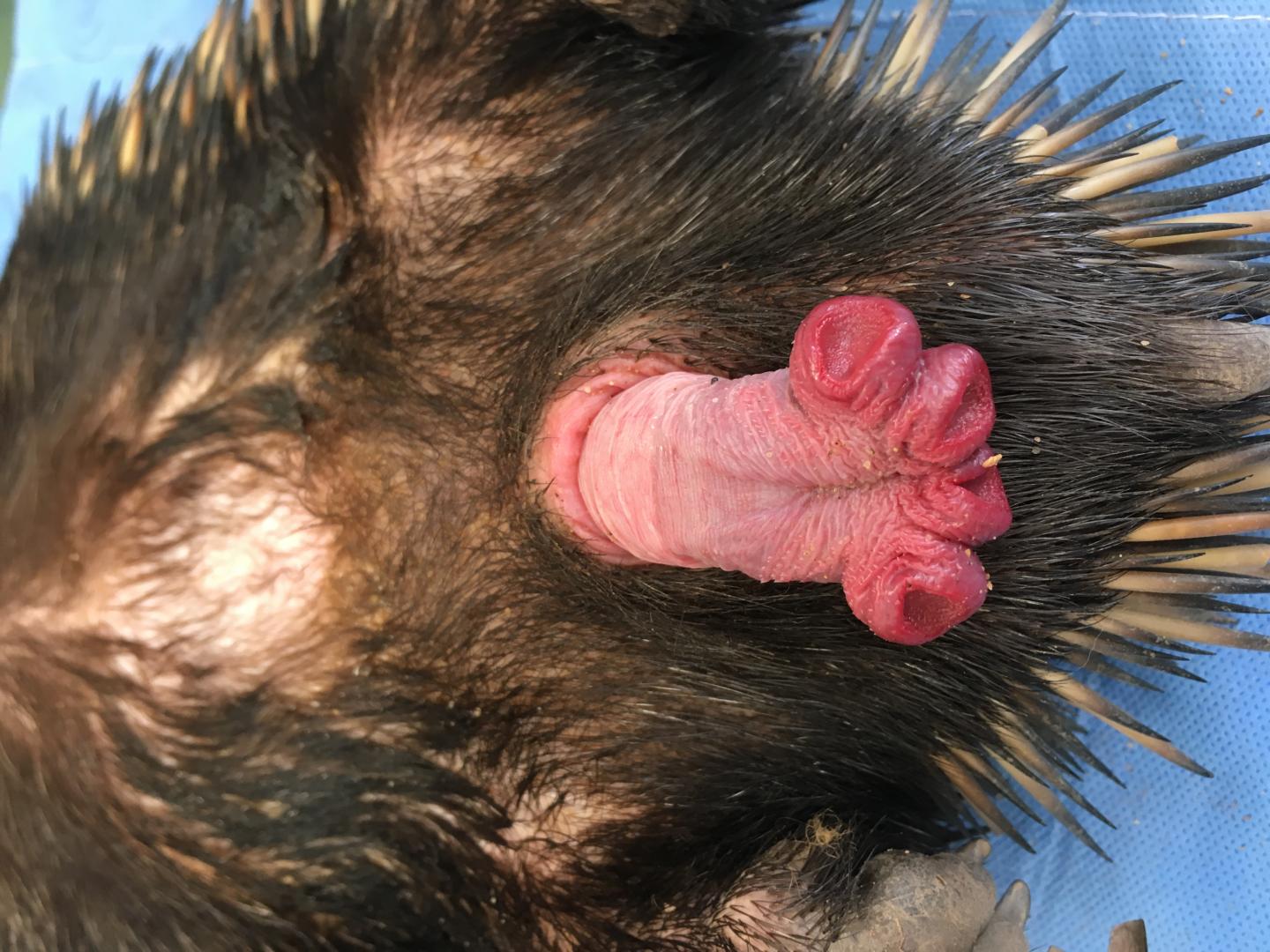
In 2021, scientists at the University of Melbourne revealed the strange reproductive design of the echidna.
This spiky Australian mammal has one of the most bizarre anatomical features in the animal kingdom: a four-headed penis that can stretch to nearly a quarter of his body length when fully extended.
It starts off as a single shaft, then splits into two, and then each of those splits again, like a biological version of a branching tree. The female echidna only has a paired reproductive tract, so the male ends up using just two of the four tips at any given time.
Water boatmen
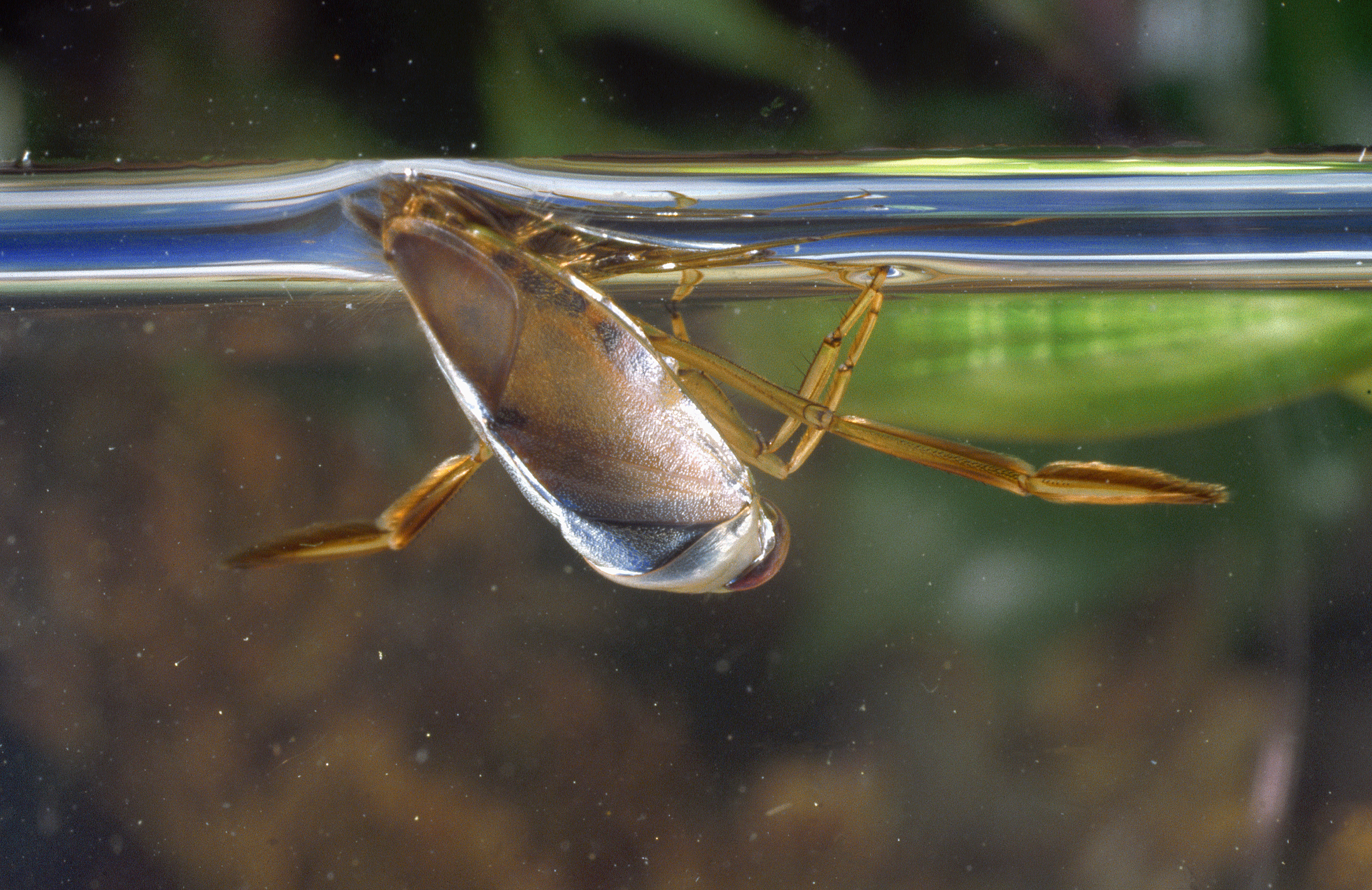
The lesser water boatman holds the Guinness World Record for the loudest penis on Earth relative to its body size. This tiny aquatic insect, measuring just 2mm in length, produces sound by rubbing its ribbed penis against ridges on its abdomen. This technique produces an underwater song that reaches 99 to 105 decibels, comparable to a loud freight train or a chainsaw. Talk about showboating.
Argonaut octopus
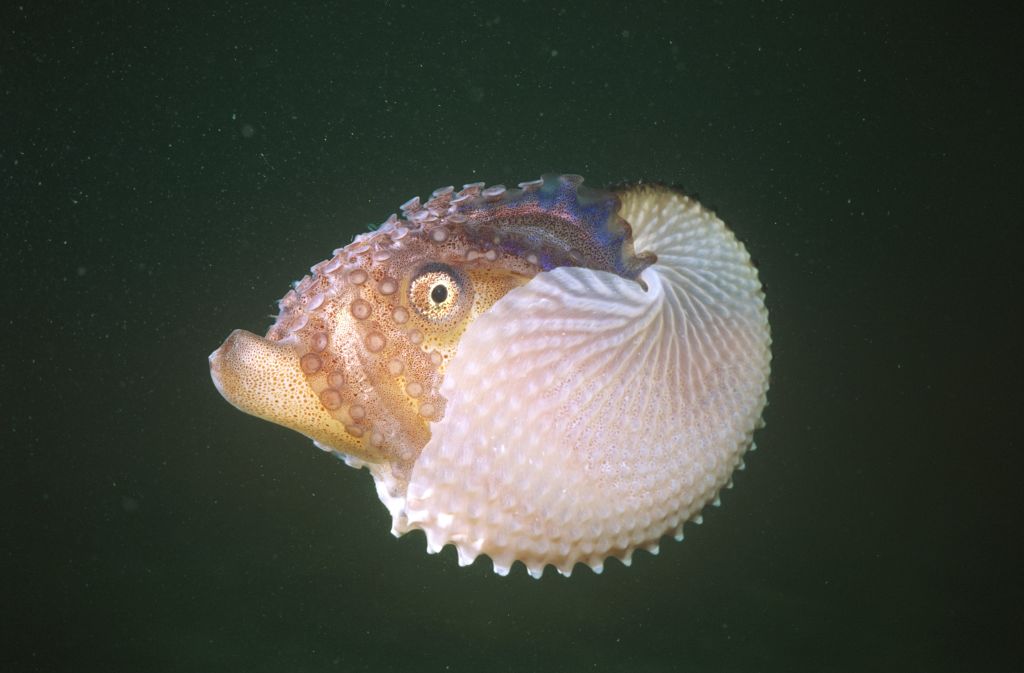
Because the male Argonaut octopus is up to ten times smaller than the female, he does not mount her. Instead, this short king dispatches a specialised sperm-carrying arm (the hectocotylus), which autonomously swims into the female's shell cavity to deliver the sperm. A detachable penis is certainly a novel party trick.
Cats
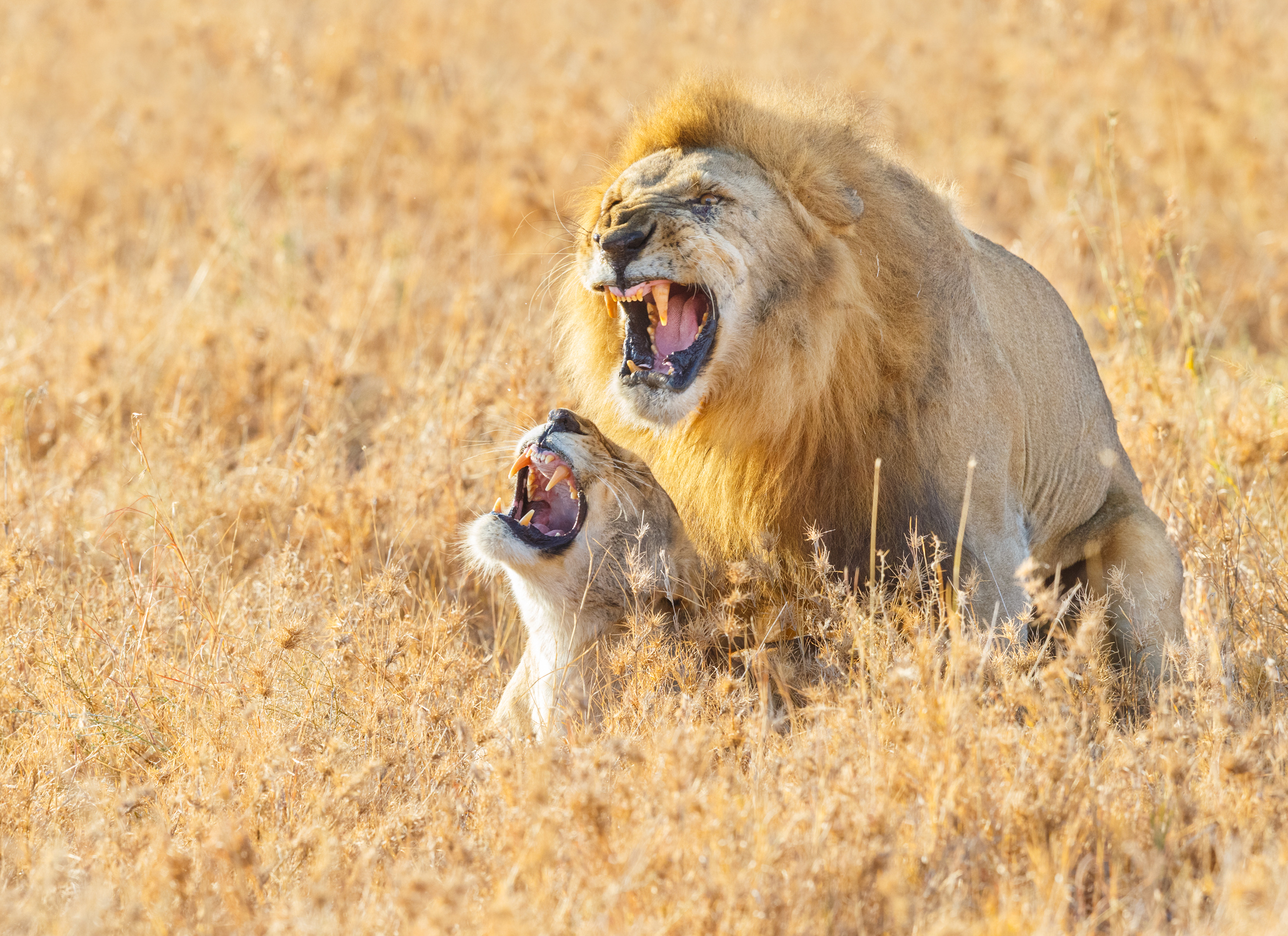
Male cats have backward-facing barbs on their penis. This is not a design flaw – it triggers ovulation in females. Romance, evidently, is not a universal priority.
Hyenas
Female spotted hyenas have an elongated clitoris and fused labia that create a functional pseudo penis. They are the only mammalian females that lack an external vaginal opening and must use this organ to urinate, copulate - and give birth, which makes life difficult.
Ostriches
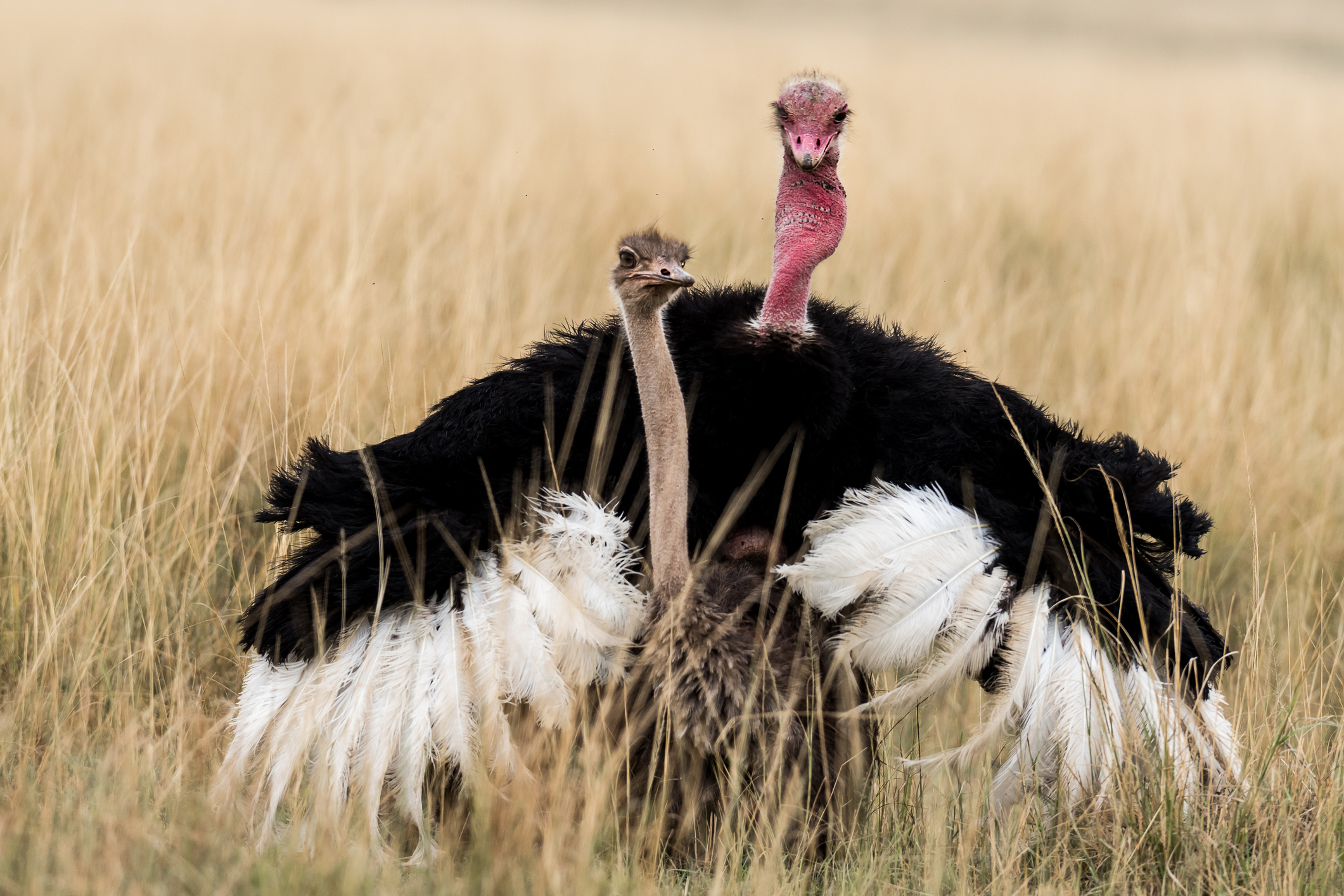
Most birds keep things simple: instead of separate sexual organs, they rely on a single all-purpose opening called a cloaca, used for both waste and reproduction.
But not all birds follow this minimalist design. Ostriches – and, famously, ducks – stand out for having external genitalia. Male ostriches have a penis, while females possess a surprisingly prominent clitoris.
Unlike mammals and reptiles, whose erections are powered by blood, these birds use lymphatic fluid. The result is an erection that doesn’t last long, since lymph operates under lower pressure than blood. Scientists think these unusual features may be evolutionary holdovers from birds’ dinosaur ancestors.
Pigs
A male pig's (boar's) penis is uniquely adapted for reproduction. It features an S-shaped curve when flaccid and a dramatic, anti-clockwise corkscrew shape when erect. This rigid, elongated organ perfectly matches the spiral shape of a sow's cervix to lock them together during mating. It is less romance and more precision engineering. Pig penis (or boar offal) is eaten in various cuisines, valued for its dense, chewy texture rather than its flavour. Each to their own...
Snails
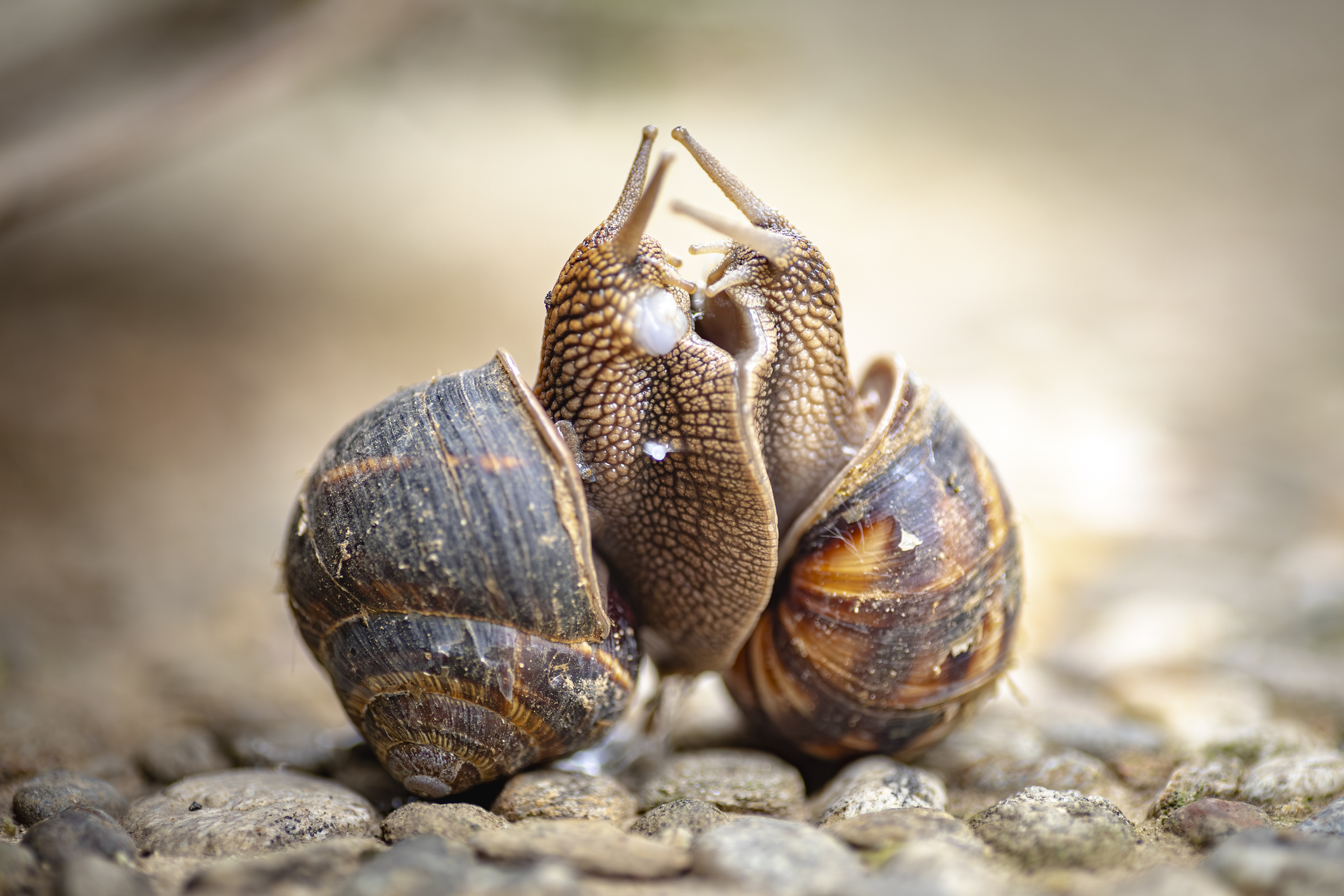
Some snails fire “love darts” made of calcium into their partners before mating. These are not symbolic; rather, this behaviour is designed to transfer mucus or hormones that improve the survival chances of the shooter's sperm. It's not quite Cupid's arrows.
Sharks
Male sharks have paired organs called claspers, which are essentially modified fins used for internal fertilisation. The mating ritual typically involves the male biting and latching onto the female’s pectoral fin to hold her in place. During mating, a male shark inserts one of his claspers into the female's reproductive tract to transfer sperm. Seawater is often pumped by muscles in the claspers to help flush the sperm.


