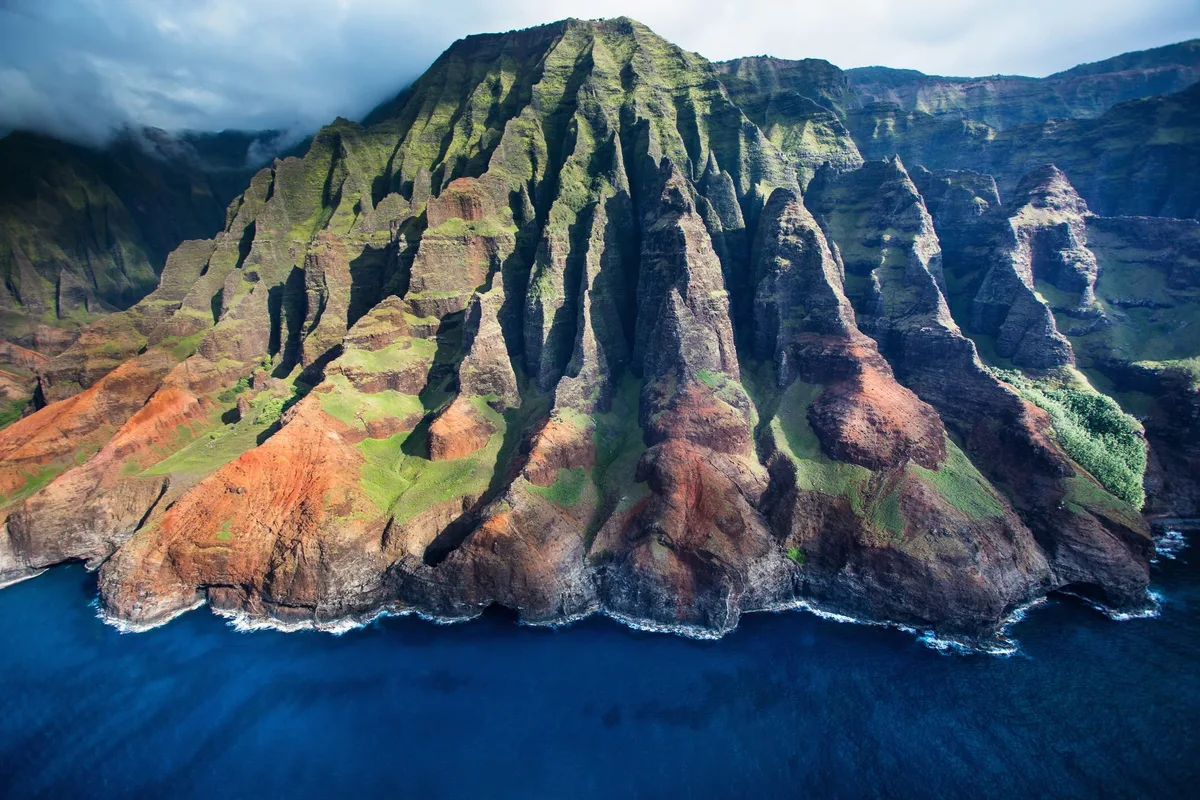
The Big Island of Hawaiʻi is the largest and southeasternmost island in the Hawaiian Archipelago, rising from the central North Pacific Ocean. Around 2,000–2,400 miles (3,200–3,800km) from the US mainland, its relative isolation has helped shape an extraordinary natural world.
From mist-shrouded rainforests to black lava fields and a vast tropical coastline, the island is home to a remarkable range of habitats. This diversity, combined with millions of years of isolation, has allowed wildlife to evolve in unusual ways, producing a wealth of endemic species found nowhere else on Earth.
- “Do not crouch down or bend over because you may look a lot like a four-legged prey animal.” 10 most dangerous, deadliest states in USA
- It was born from volcanoes, is millions of years old – and it’s still growing today
More than 90 per cent of Hawaiʻi’s native terrestrial flora and fauna are endemic to the Hawaiian Islands. Home to colourful forest birds, rare sea turtles, endemic insects and a native land mammal, it’s an island rich in biodiversity and wildlife.
How the Big Island’s landscape was formed
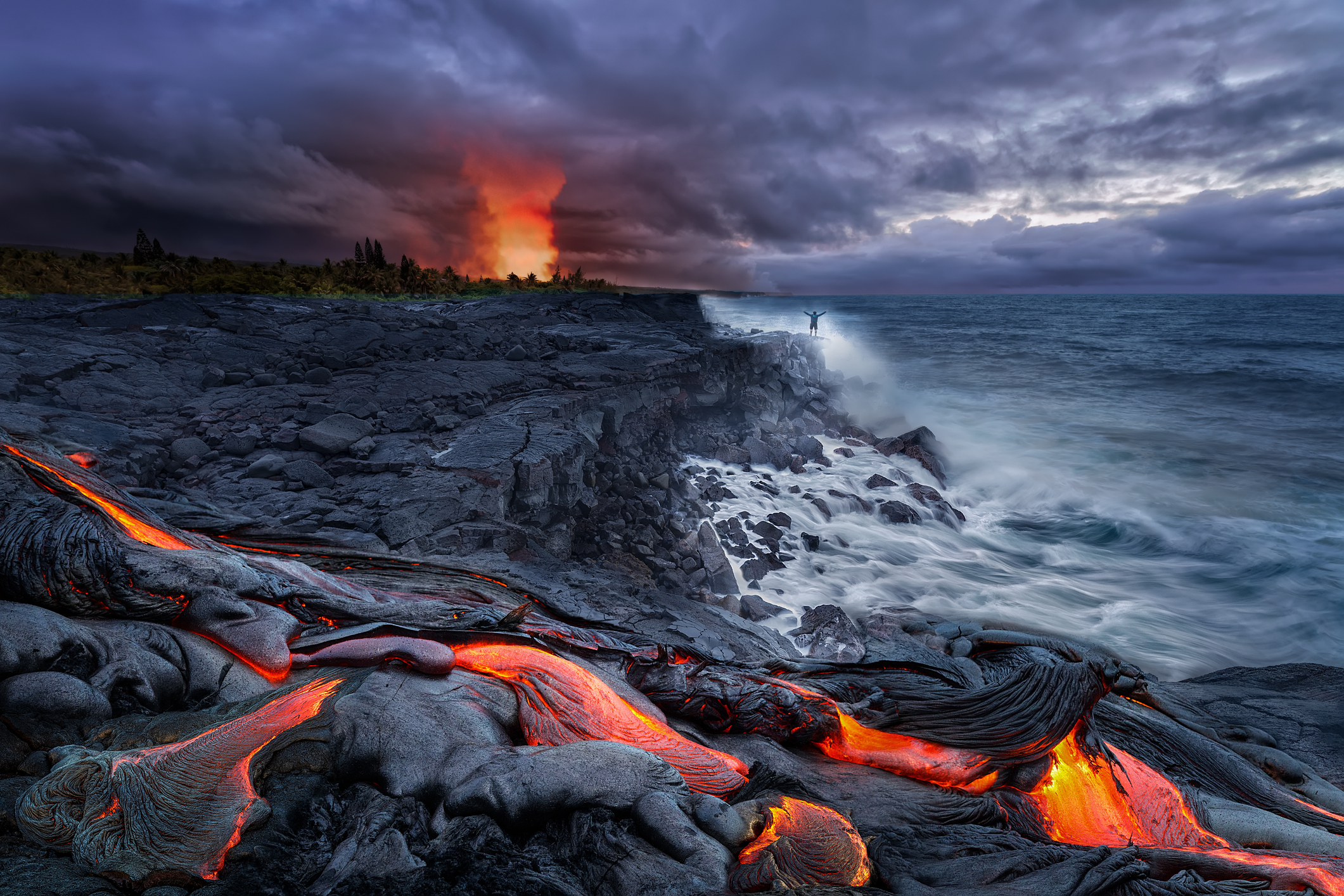
A landscape shaped by volcanic activity, the Big Island’s wildlife is closely intertwined with its rich geology, as lava flows repeatedly reshape the landscape, while forests have gradually recolonised newly formed ground.
Volcanoes often form where tectonic plates collide, but they can also emerge far from the edges of these vast moving slabs of Earth’s crust. Deep beneath the surface, plumes of hot magma can rise through the middle of a tectonic plate, eventually breaking through the seafloor in a volcanic eruption. These areas are known as hot spots. As the molten rock cools and hardens, it builds up over time, creating new land.
The Hawaiian Islands formed above one of these hot spots, beneath the Pacific Plate – one of around 20 major tectonic plates that make up Earth’s outer layer.
As the Pacific Plate slowly moved over the stationary hot spot, repeated volcanic eruptions created a trail of islands and underwater volcanoes. As a result, the Hawaiian Island chain was built up over millions of years by volcanic activity.
The Big Island measures approximately 4,050 square miles (around 6,517 square kilometres), which is more than twice the size of Rhode Island (which measures 1,545 square miles). But the Big Island’s size is constantly changing: volcanic eruptions add new land, while the island is simultaneously slowly sinking into the ocean.
Native woodland provides habitat for endemic birds, while the coastline supports turtles, seabirds and marine mammals. However, this delicate ecosystem remains vulnerable as introduced predators, invasive species, habitat loss and disease has contributed to severe declines among the island’s native species.
Hawaiʻi’s native land mammal
There is just one native terrestrial mammal in Hawaiʻi: the ʻopeʻapeʻa, or Hawaiian hoary bat. This elusive bat is endangered and can be difficult to spot, although it may sometimes be seen hunting insects around forest edges and open areas.
Unlike most of the mammals encountered on the island, it arrived naturally through its own means, rather than being introduced by people. Hawaiʻi’s isolation meant that the vast majority of its native land animals had to arrive by flying, swimming or being carried across the ocean.
- Meet 8 weirdest, bizarrest animals in Hawai'i
- This flying robot was deployed to a remote valley in Hawaii to collect one of the rarest things on Earth
- A complex sound is drifting through the forests of Hawaii – for the first time in years
What wildlife can you find there?
From scarlet forest birds to endangered sea turtles, Hawaiʻi’s Big Island is home to many rare species of wildlife.
ʻIʻiwi (scarlet honeycreeper)
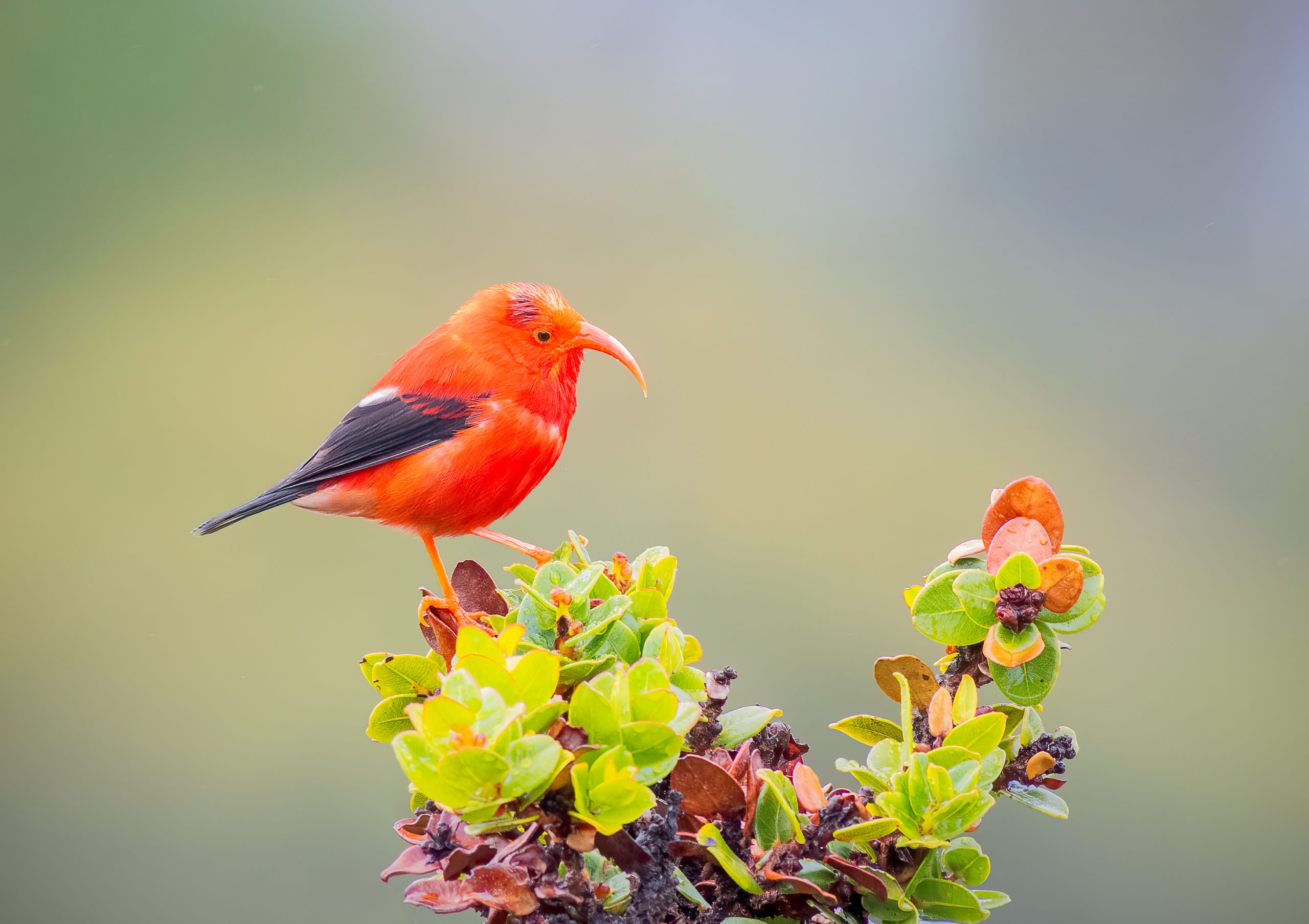
The brilliant scarlet plumage, black wings and long, curved bill of the ʻiʻiwi make it distinctive as it moves between flowers in the forest canopy. The ʻiʻiwi is one of Hawaiʻi’s endemic honeycreepers, a group of birds that evolved from a common ancestor after colonising the islands. Its unique bill allows it to feed on nectar from native plants such as ʻōhiʻa lehua. However, like many Hawaiian forest birds, the species faces serious threats from habitat loss and introduced diseases, including avian malaria.
ʻIo (Hawaiian hawk)
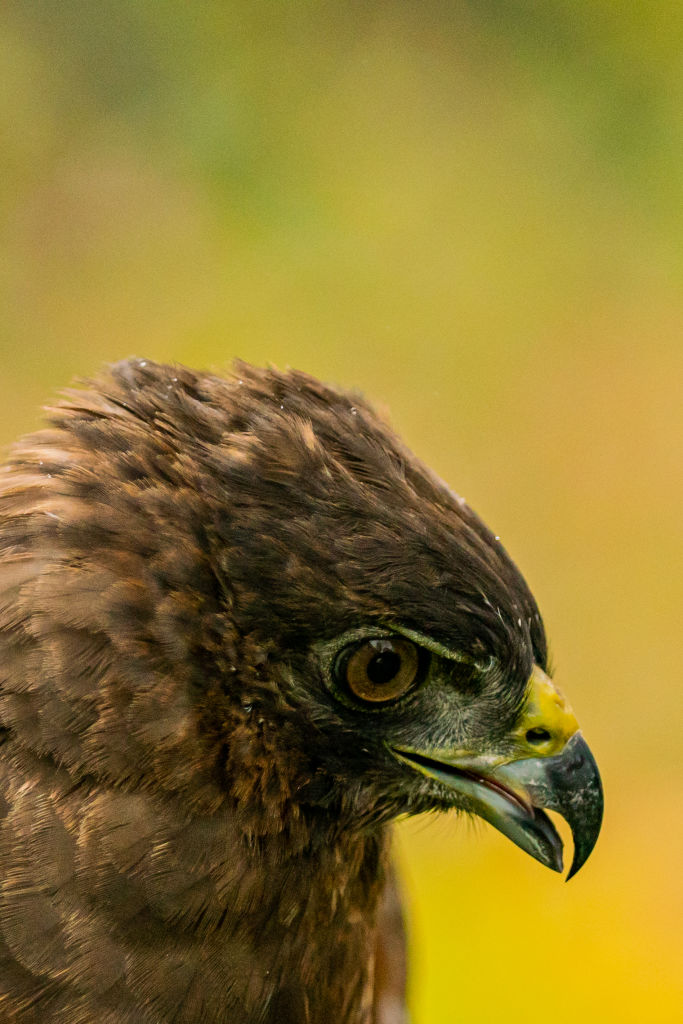
The ʻio, or Hawaiian hawk, is an endemic raptor only found on Hawaiʻi Island and can be spotted soaring above forests and open landscapes, searching for prey below. Its diet includes birds, insects and small mammals, and it can occupy a surprisingly wide range of habitats, including native forest and agricultural areas.
Honu (Hawaiian green sea turtle)
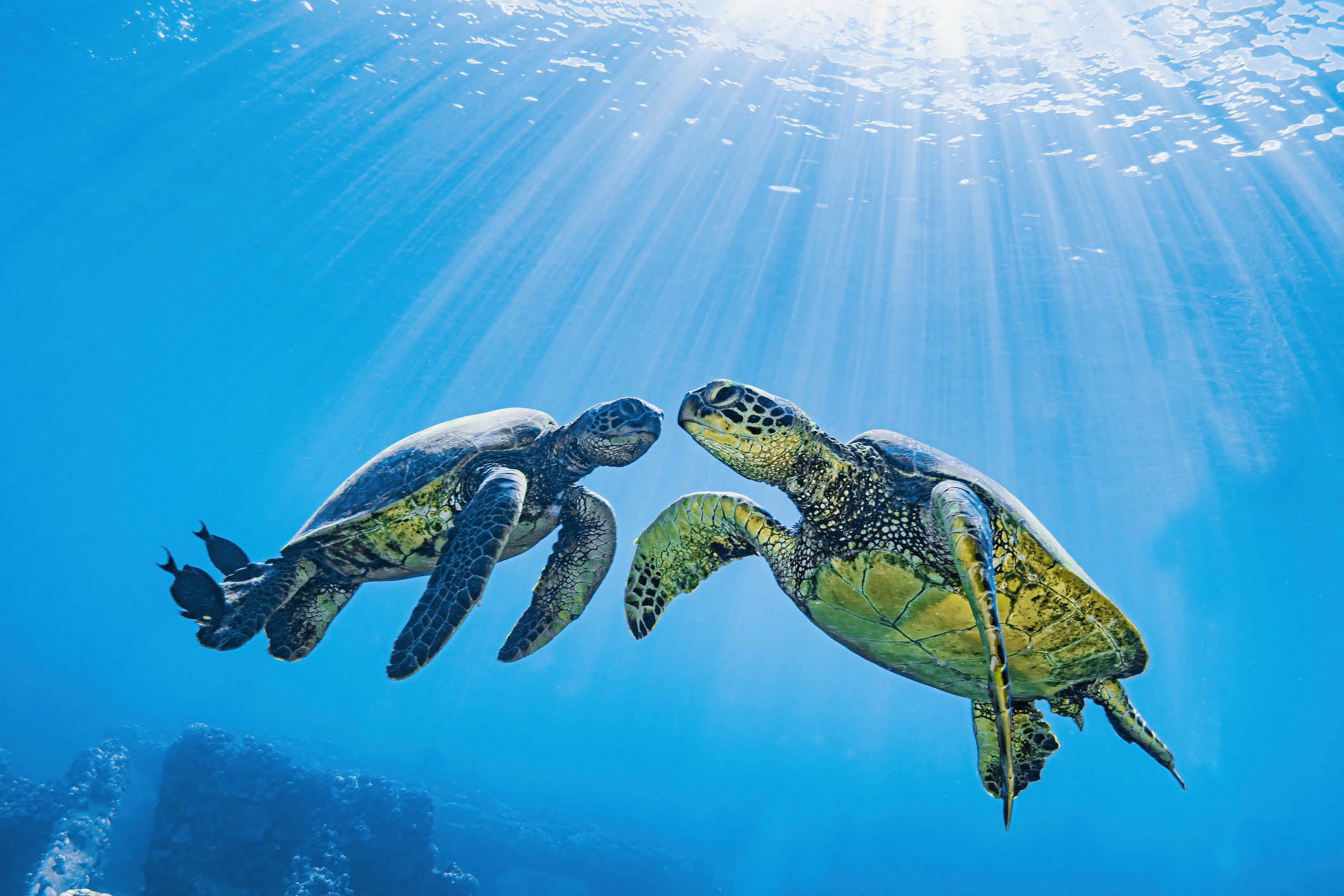
Hawaiian green sea turtles, known as honu, are found on Big Island’s beaches. They can be spotted in shallow coastal waters, where they feed on algae and marine vegetation, or resting along the shoreline.
Although they are relatively familiar around Hawaiʻi, green turtles remain protected wildlife. The Big Island is also home to hawksbill turtles, or honuʻea, a much rarer species.
Nēnē (Hawaiian goose)
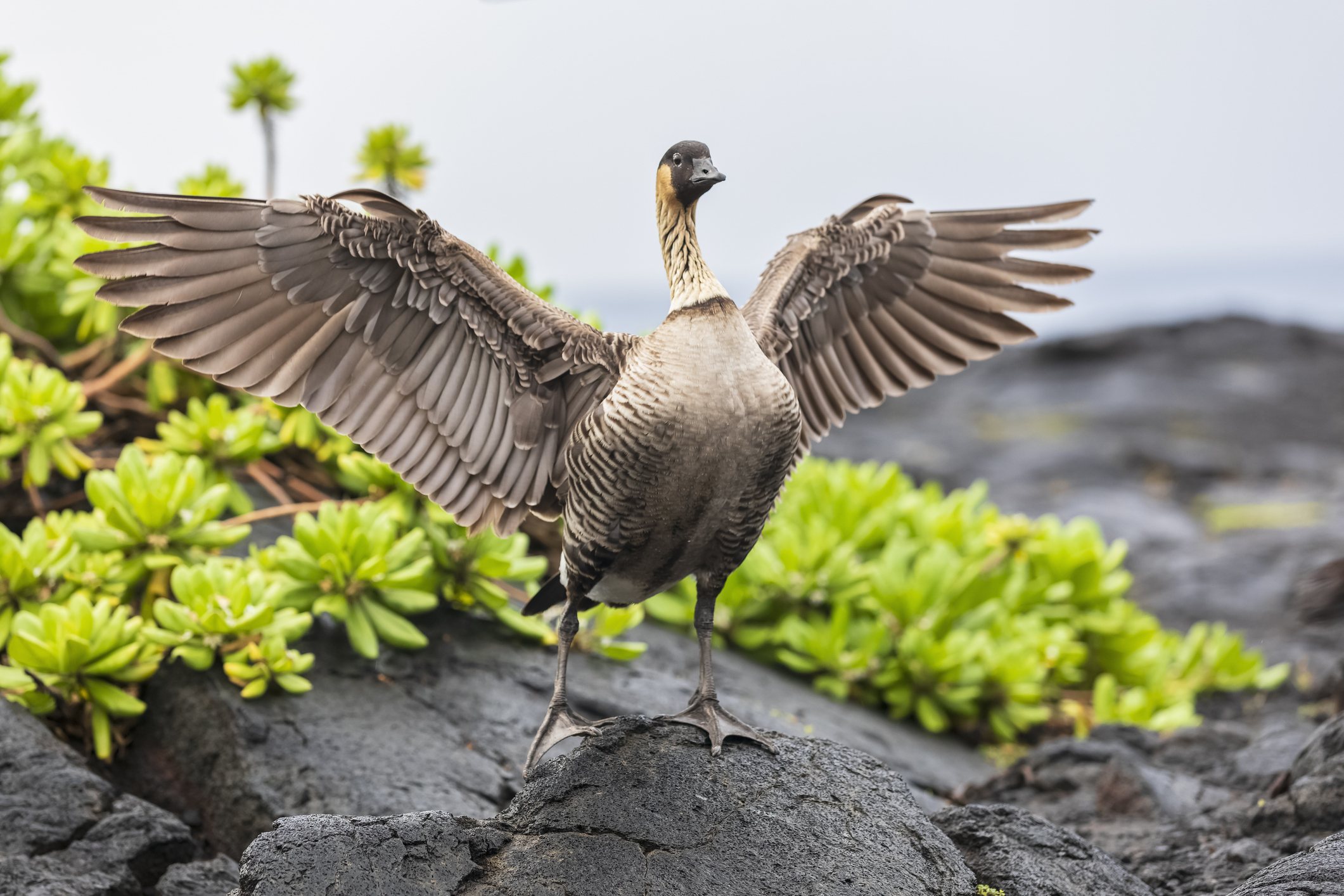
With its distinctive black face and buff-coloured cheeks, the nēnē is Hawaiʻi’s state bird – and one of its most important conservation stories.
The Hawaiian goose was once reduced to just 30 known individuals in the wild. Captive breeding, habitat protection and reintroduction programmes helped pull the species back from the brink, and nēnē can now be found on several Hawaiian islands.
ʻOpeʻapeʻa (Hawaiian hoary bat)
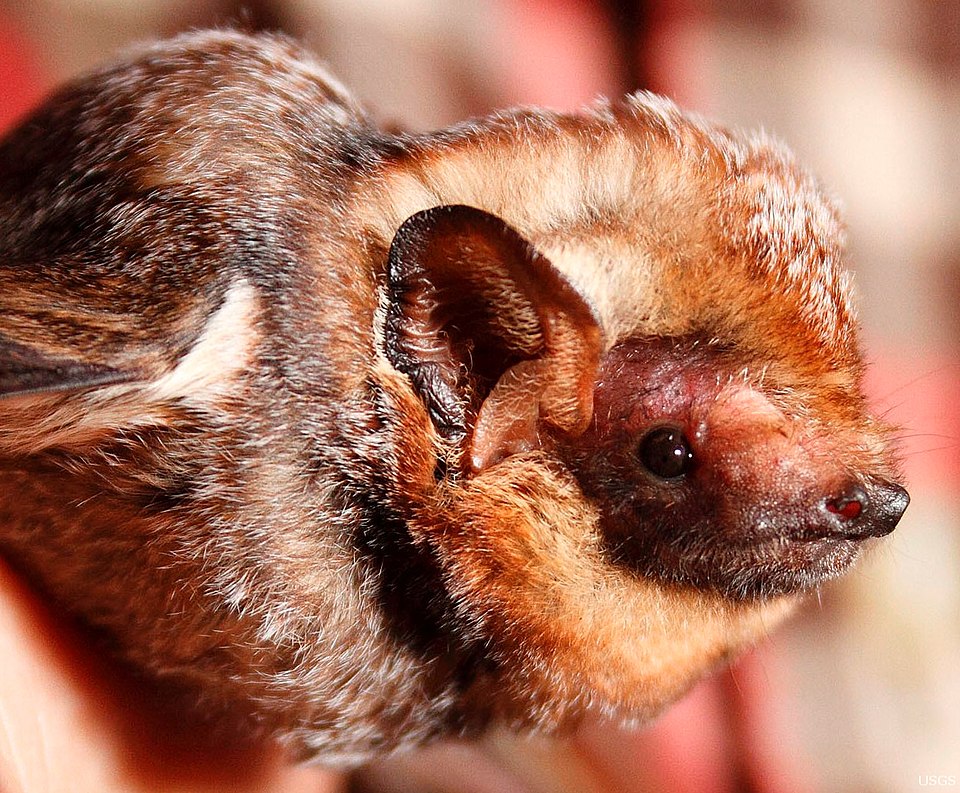
The Hawaiian hoary bat, or ʻopeʻapeʻa, is one of the Big Island’s most unusual residents. It is Hawaiʻi’s only native terrestrial mammal, having arrived naturally rather than being introduced by people.
This solitary, nocturnal bat hunts insects from dusk into the night, sometimes flying over forests and open landscapes. The species is considered endangered, and habitat loss is among the pressures facing its populations.
Top image: the dramatic coastline of Hawaiʻi's Big Island. Credit: redtea/Getty Images