The USA has a reputation for being home to some very dangerous wildlife, including grizzly, black and polar bears and mountain lions. And while you need to respect these four top predators, as you will see, the species you probably need to be most wary of are either large and herbivorous, small and scaly or even smaller and stripy.
- These photos of US wildlife are absolutely astonishing
- "It was formed over 7,000 years ago, when a volcano erupted and created an enormous crater." 10 most spectacular, beautiful scenic drives in USA
Here are 10 deadliest US states.
10 deadliest US states
Florida
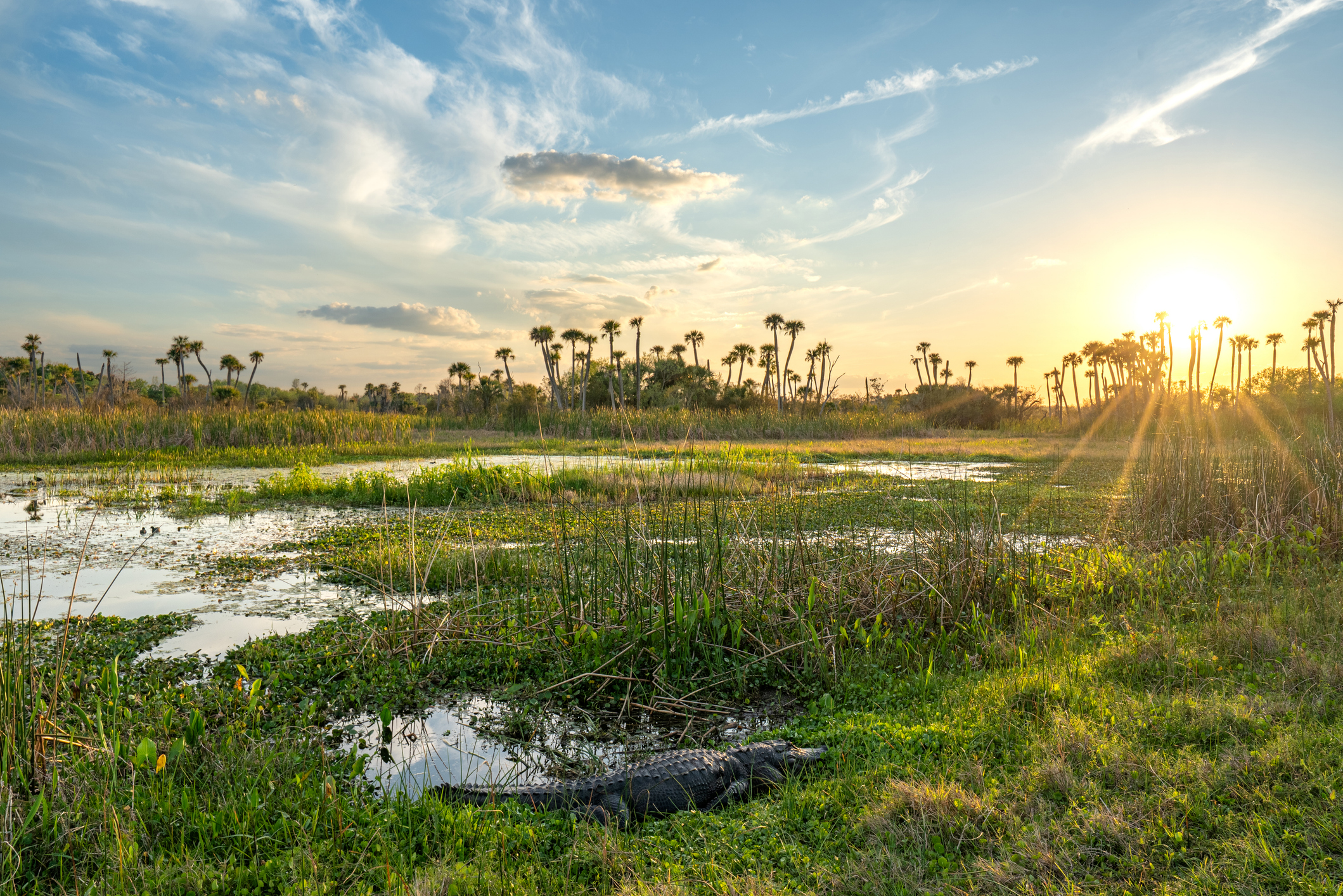
The ‘panhandle’ state of America is probably best known for its alligators, which are relatively easy to see – in safety – in locations such as Myakka River State Park, especially during the breeding season in the spring.
- Enormous piles of rotting seaweed mount up on Florida beaches – and they're snaring sea turtle hatchlings
- Stunning alligator photos show power and beauty of these incredible predators
But just how dangerous are they? Florida recorded 453 unprovoked attacks on people by alligators between 1948 and 2022, of which 26 were fatal – that works out at an average of 7 a year and only one death every three years. Keep yourself safe by never feeding them, only bathing in designated swimming areas and be especially alert near fresh water.
Florida’s coast is also home to a number of potentially deadly shark species, including great white and bull sharks, and the state has recorded a high number of attacks since records began in 1882 – more than 800, in fact. Still, if it’s comfort, you’re far more likely to drown than die from a shark bite.
Alaska
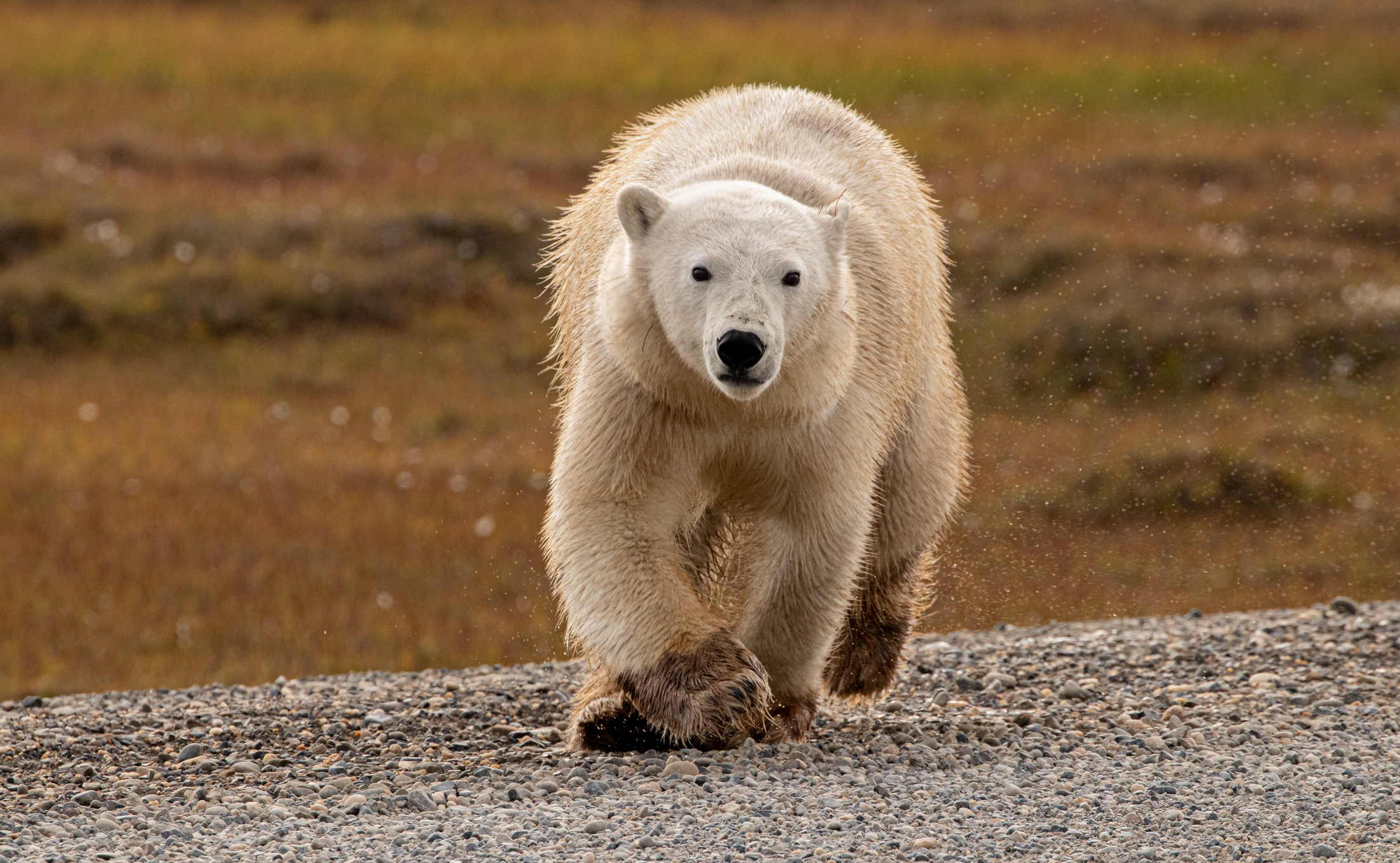
The only US state with Arctic wildlife, Alaska is home to the country’s only populations of polar bears, generally regarded as one of the most dangerous predators for humans. While it’s not as well-known as some other polar bear tourism locations such as Churchill in the Canadian province of Manitoba and Svalbard, Barter Island in the southern Beaufort Sea offers excellent viewing opportunities.
- A great predator is slipping through a hidden passage into the rivers and lakes of Alaska
- "Truly astounding": rivers in Alaska are turning orange. Some are so bright they're visible from space
Alaska is also home to the other two North America bear species, black and brown bears, both of which are a potential threat in certain circumstances. Moose should not be disregarded just because they’re not active predators – they are large and can be bad-tempered!
- "They are designed for ripping apart blubbery seals, so they will make short work of our puny bodies:" The 10 deadliest bears on the planet
- How to avoid a bear attack – information that could save your life
Arizona
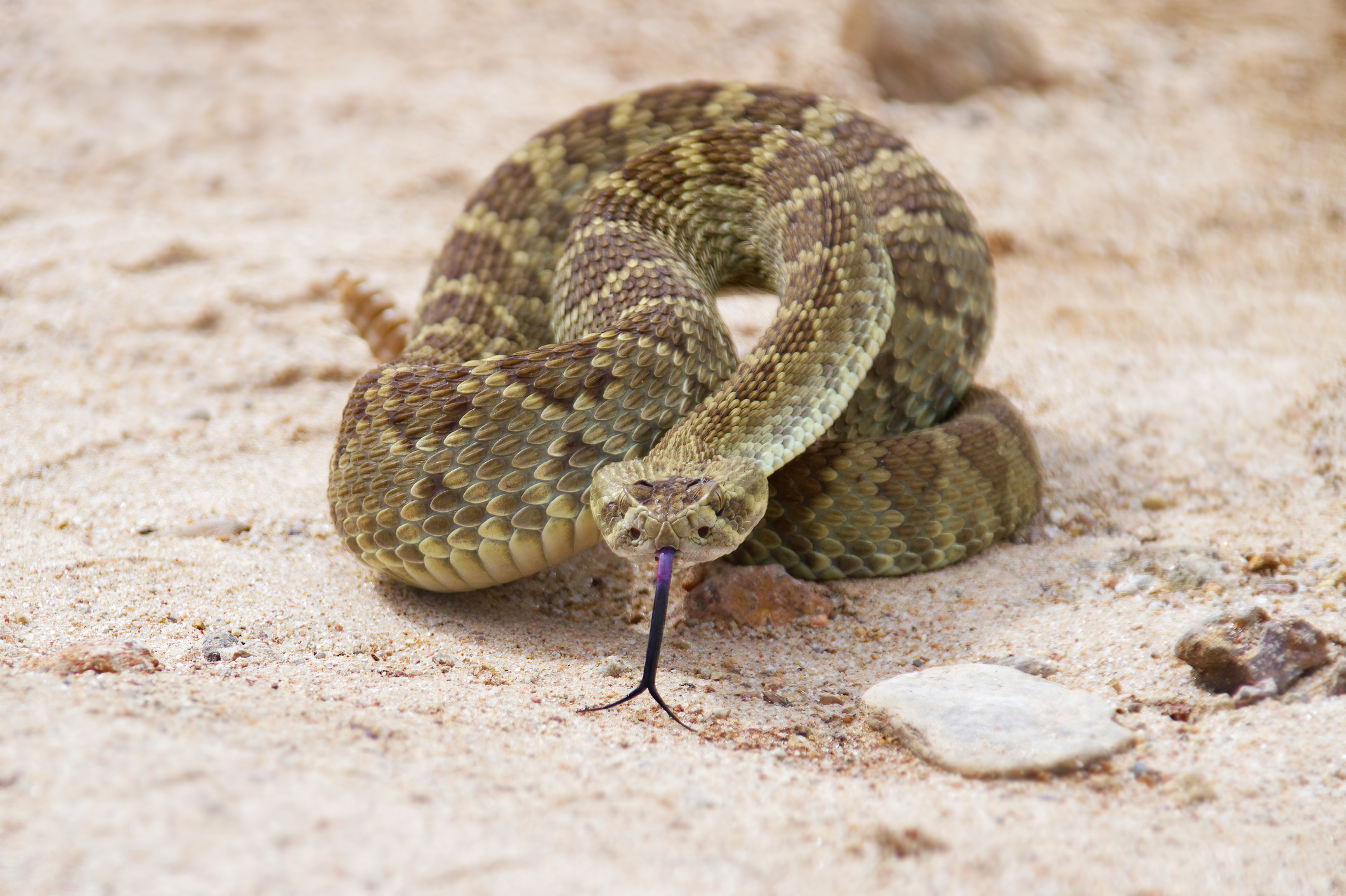
“The Mohave rattlesnake may be the most dangerous venomous snake in the Sonoran Desert,” says the website of the Arizona-Sonora Desert Museum. “Quick to go on the defensive, the Mohave has very toxic venom that has caused human fatalities.” And it’s just one of five species of rattlesnake found in the Sonora Desert, a 260,000 km2 biome covering much of the southern half of Arizona as well as parts of California and Mexico.
- Meet the world's deadliest mouse that can take on highly venomous scorpions - and have them for dinner
- Why half-a-billion-year-old animals unearthed in Grand Canyon have got evolution experts so excited
It’s estimated about 350 people in the state are bitten every year, though it’s not just hikers in the Sonoran Desert who are at risk – 25 per cent of them are gardening or otherwise working in their back yard. Other species to look out for include the western diamondback and sidewinder, as well the venomous gila monster, a large solidly built lizard, and the black widow spider.
Colorado
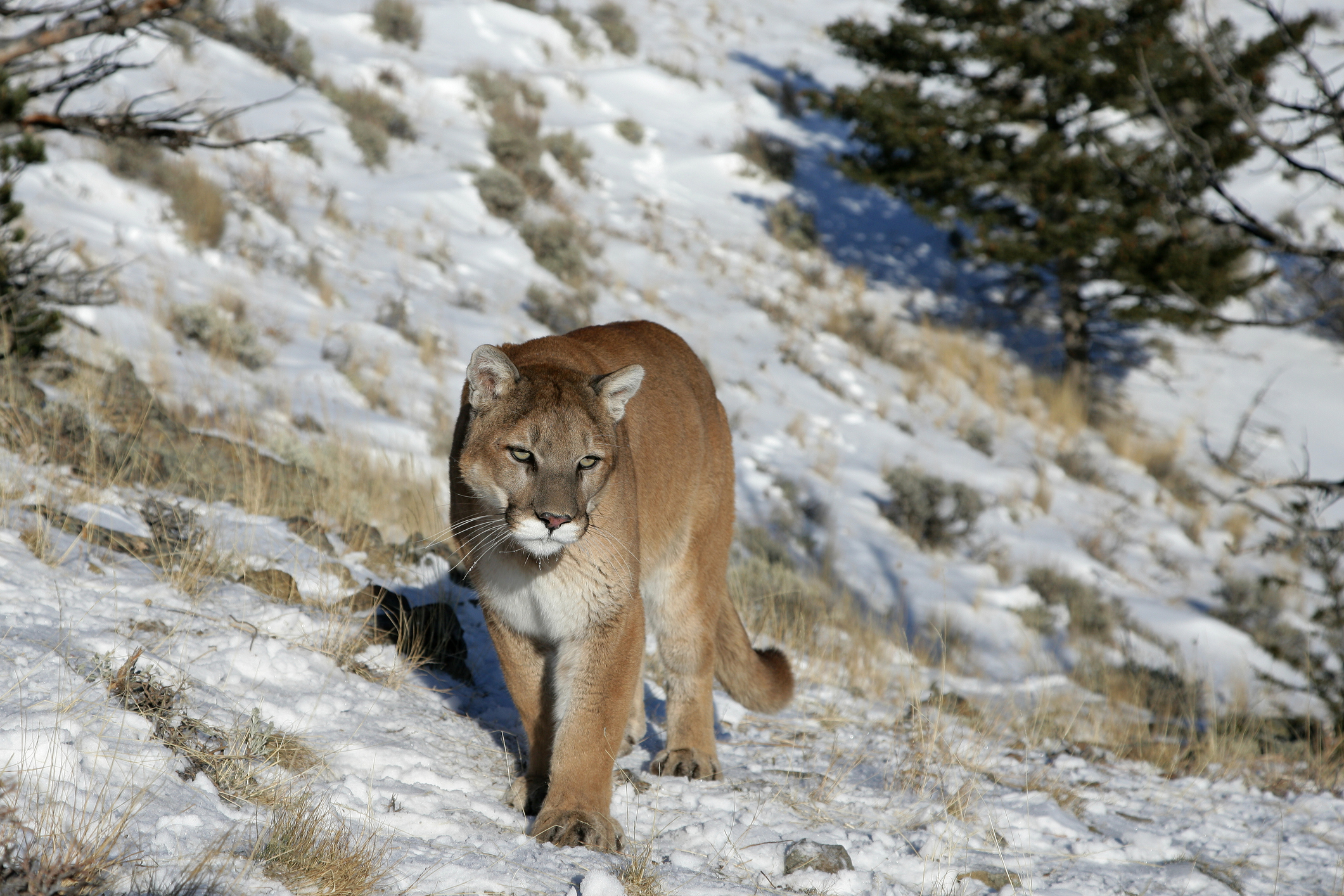
Though smaller than big cats such as lions and tigers, mountain lions are nevertheless a beast to keep your distance from. An adult male will weigh somewhere between 50-80kg, can sprint at up to 80kmh and hurdle a 3.5-metre fence. The state of Colorado has recorded nearly 30 attacks on people since 1990 – so less than one a year – with at least two fatalities.
If you encounter one in the wild, the advice is to make yourself big by waving your arms about, throw stones or other objects if they come too close, and never run. “Do not crouch down or bend over,” recommends the National Park Service because you may look “a lot like a four-legged prey animal.”
Wyoming
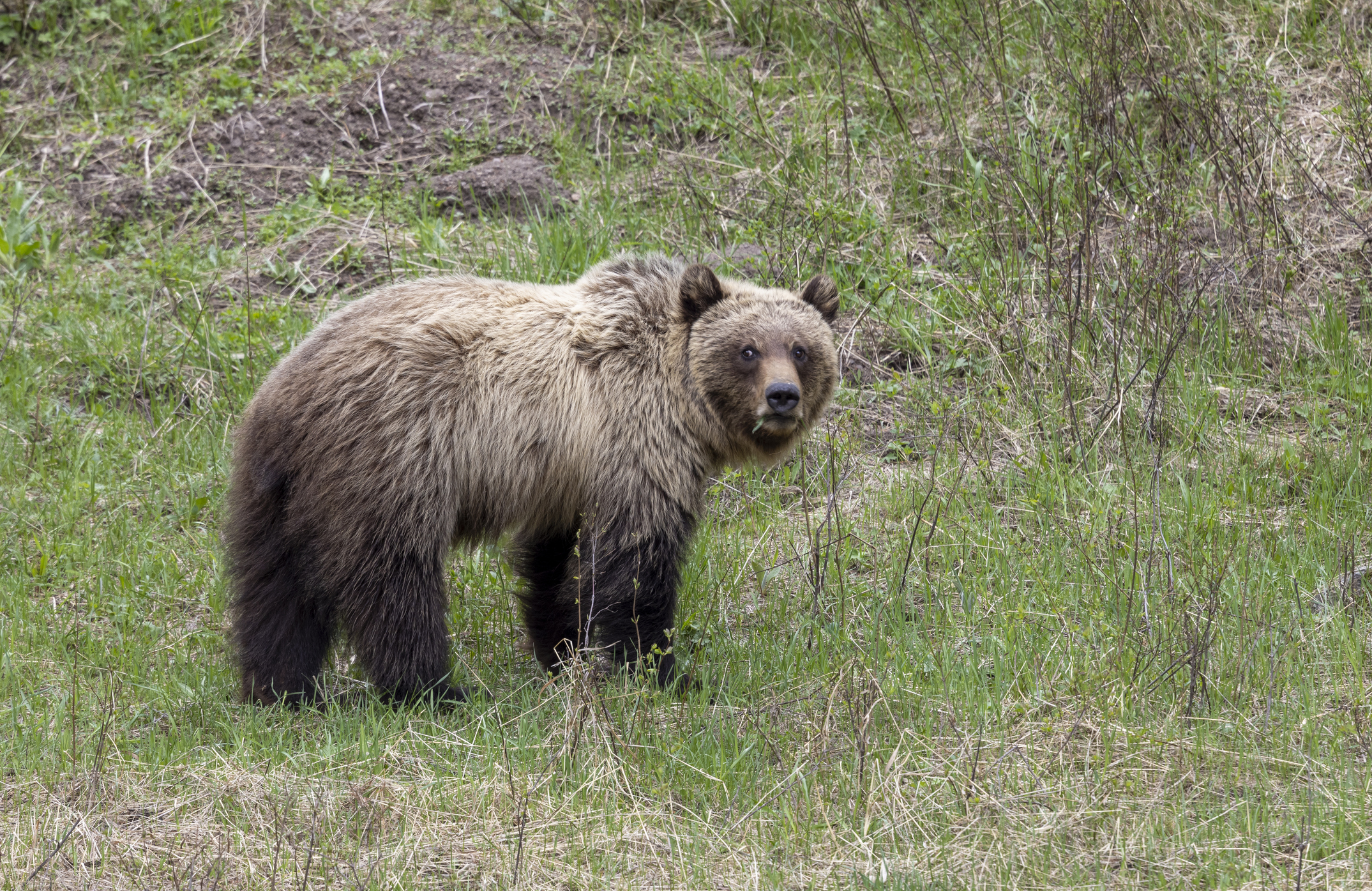
This massive state includes much of the Yellowstone Ecosystem, the area in the ‘Lower 48’ (all the US states apart from Alaska and Hawaii) that has recorded the largest number of fatal attacks by grizzly bears on humans since 2001, according to this research study published in 2017. In total, there were eight fatalities over a decade and a half, with the victims taking part in activities such as hunting, camping, hiking and mountain biking.
- 80 prehistoric tombs filled with bizarre animal skulls found in Wyoming
- 16 stunning photos that reveal the incredible beauty and power of the world’s oldest national park
“Five of the fatalities involved lone individuals and bear spray was not carried or used by any of the people killed in these attacks,” the paper notes. Trail running or biking could add to the risk an individual puts themselves because it could lead to a bear being surprised.
California
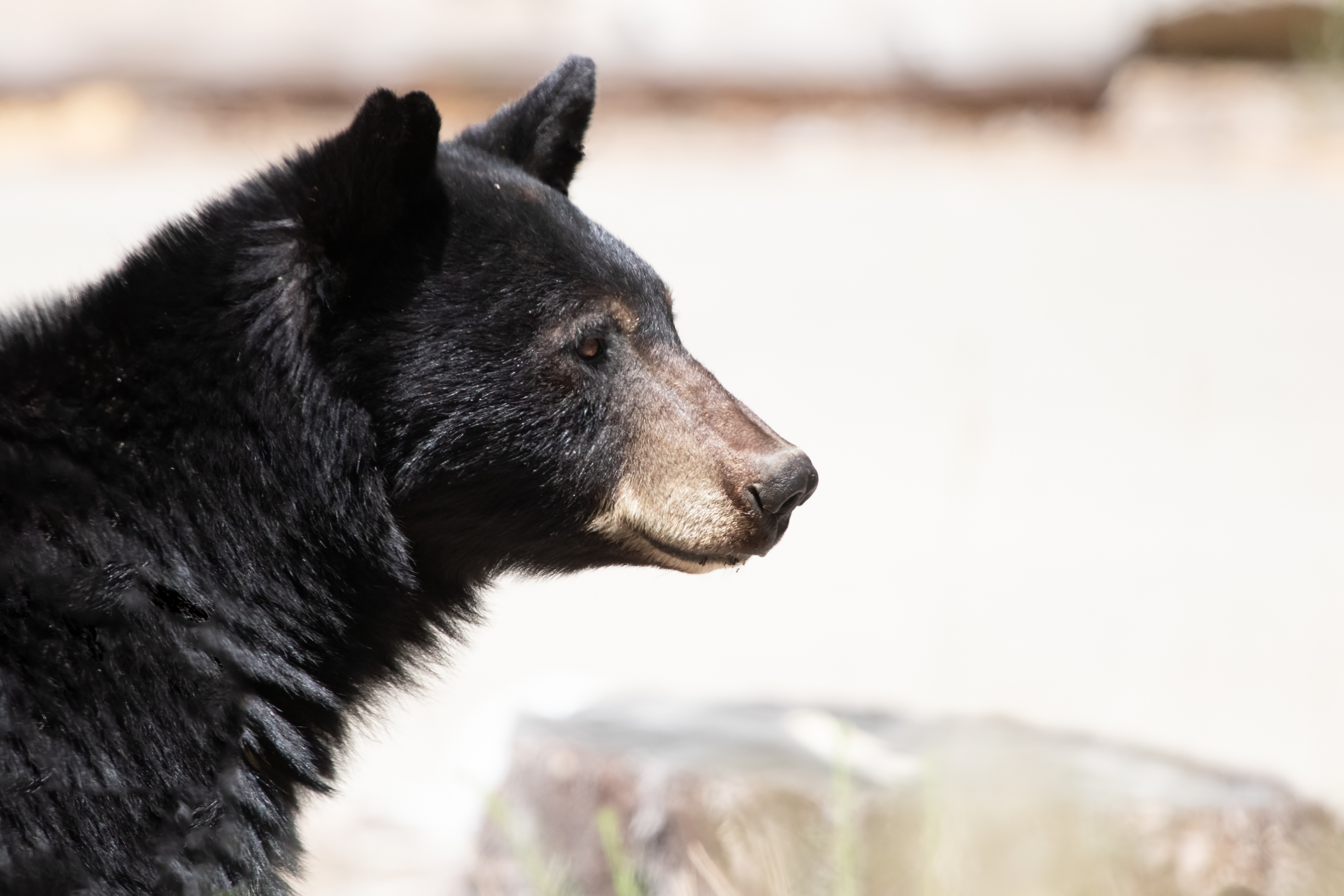
A state with the largest human population in the USA, California also has a lot of areas with dangerous wildlife. In fact, though black bears are usually more numerous in the eastern states, it records the highest number of black bear attacks, with an estimated 120 a year. According to the World Metrics website, more than half of all attacks are a result of people either feeding them or poor storage of food.
California has plenty of other wildlife that poses a risk to humans, including scorpions and other venomous invertebrates, rattlesnakes and great white sharks off the coast.
Pennsylvania
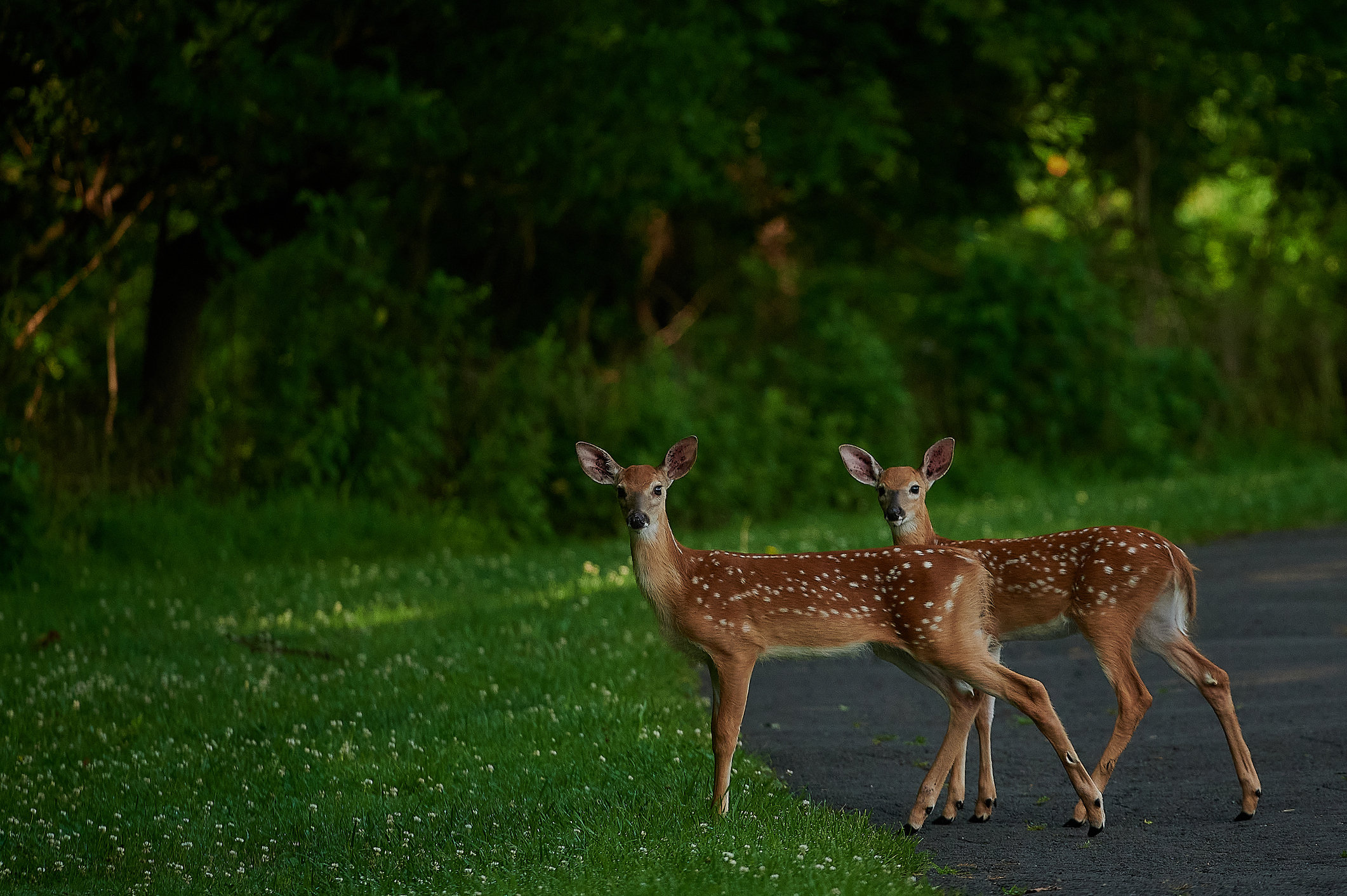
Wildlife isn’t only – or even mainly – dangerous when it’s aggressive. In the state of Pennsylvania alone, the Department of Transportation recorded 6,135 deer-related crashes in 2023, and these resulted in more than 1,200 injuries and 23 deaths.
Most of these collisions would have been with white-tailed deer, and a large, mature male can weigh more than 130kg – no wonder these incidents cause such chaos. The transportation department says deer are most active at sunset, sunrise and during the night, so be more alert at these times. If one deer crosses the road in front of you, look out for more, because they often travel in small herds.
Texas
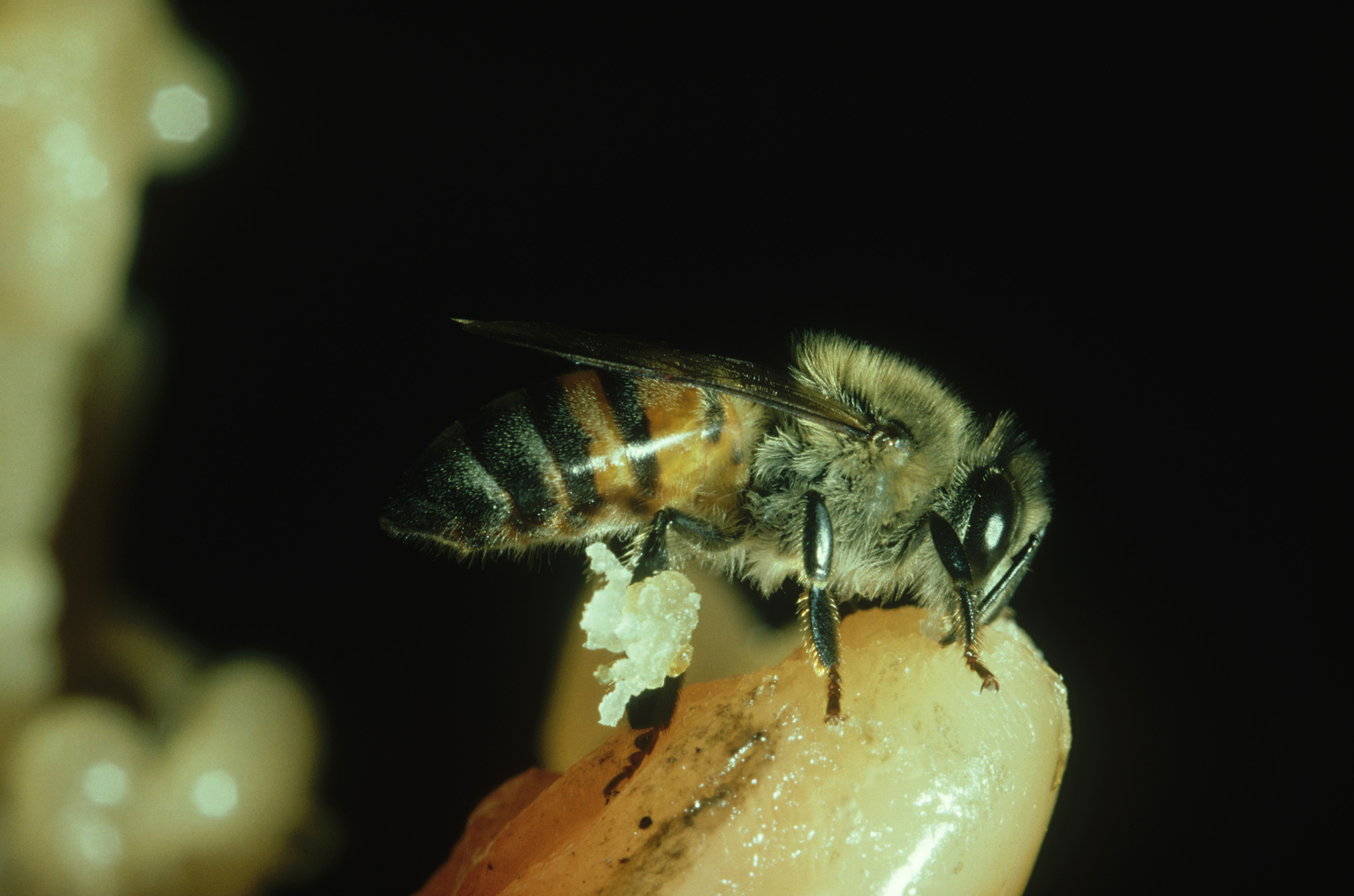
Over an 11-year period between 2011 and 2021, 788 people in the USA died as a result of hornet, wasp and bee stings, and though there are no statistical records that show where these occurred, Texas is one of the key states for species such as the Africanised honeybee, also known – not very affectionately – as the killer bee.
These bees are no more venomous than European honeybees (like those found in the UK), but they are regarded as being more aggressive. As the US National Park Service points out, victims of this insect have sometimes been stung hundreds or even thousands of times. Ouch!
Hawaii
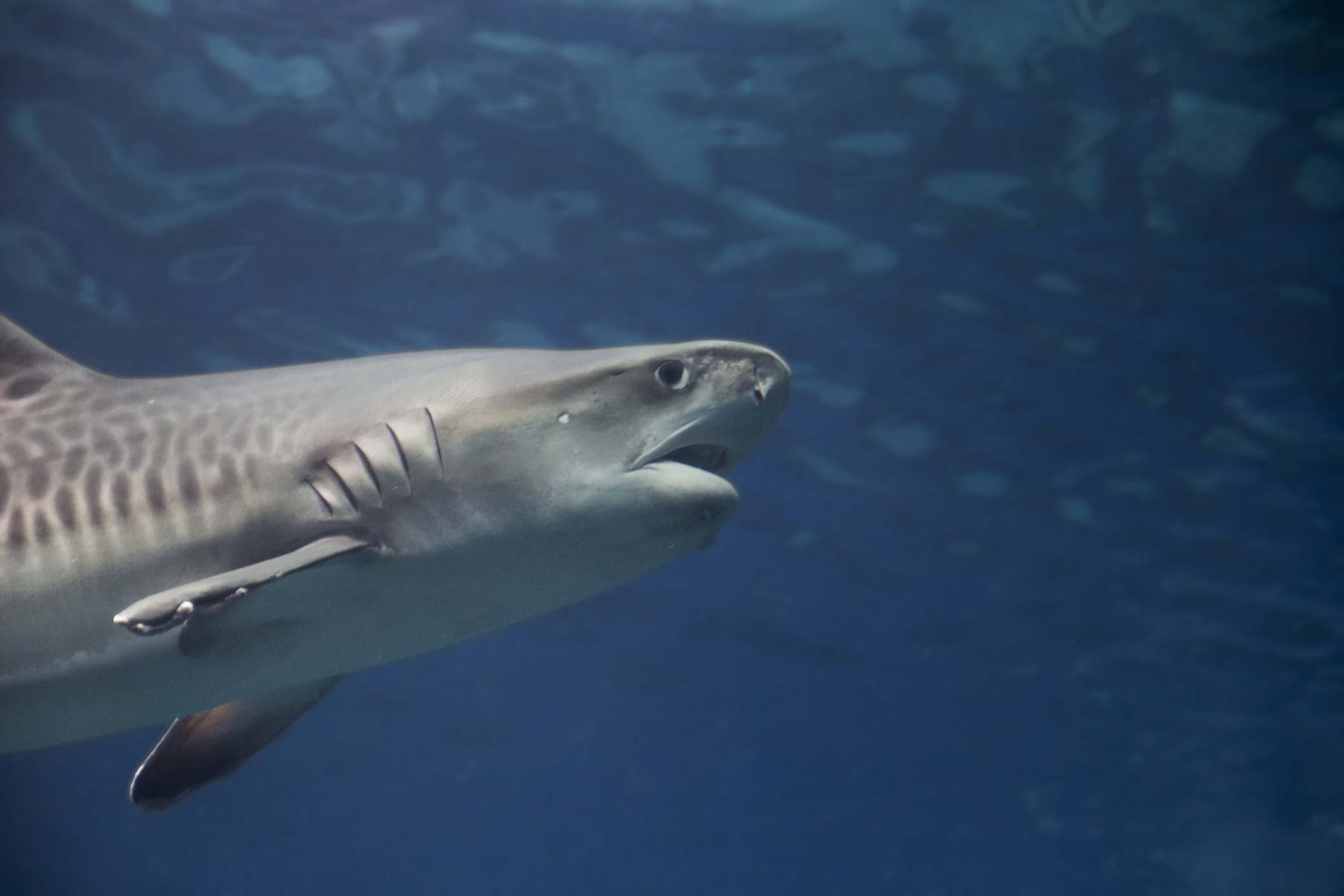
The majority of the wildlife threats in Hawaii come from the sea, with tiger sharks a particular risk during the late summer and autumn when females migrate to the islands to give birth. But the odds of an attack are still very low – in 2023, there were nine, with only one fatality. To remain as safe as possible, swim with a buddy, avoid entering the water at dusk, dawn or night-time and don’t wear high contrast clothing or shiny jewellery.
On land, the most dangerous creatures are probably centipedes – their bite can cause an allergic reaction in some people, but on the whole, if you don’t mess with them, they won’t mess with you.
- Wildlife travel: What animals can I see in Hawaii?
- A complex sound is drifting through the forests of Hawaii – for the first time in years
Louisiana
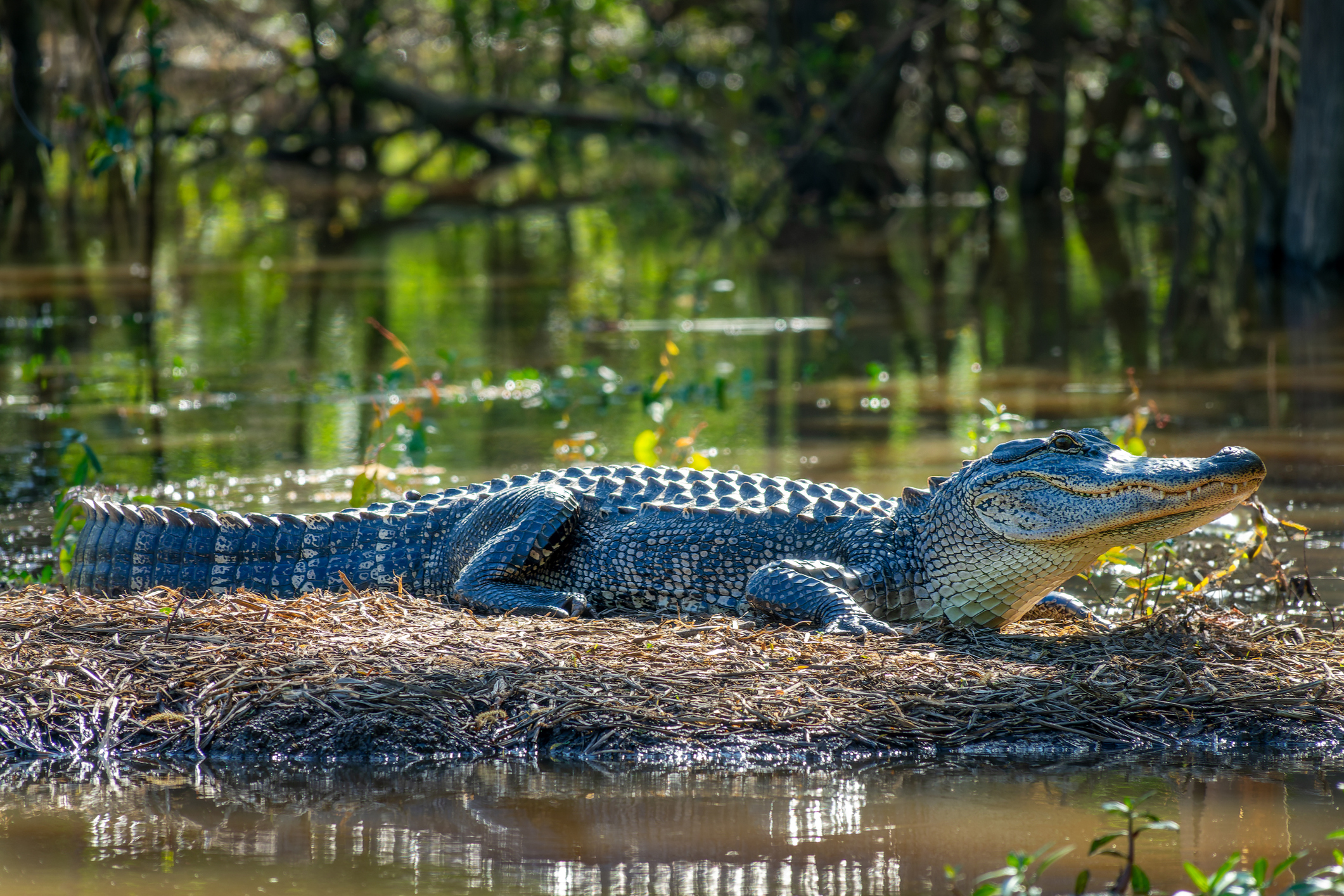
Like Florida, Louisiana has wetlands that are home to what one film calls its “elusive swamp monsters”. These include alligators and alligator snapping turtles, the largest freshwater turtles in the USA that can grow to more than 110kg, roughly the same weight as an adult sheep!
Also lurking in these watery habitats are cottonmouths or water moccasins, a species of pit viper with a potentially deadly bite. This snake will coil up its body and open its mouth wide (showing a pale interior from where it gets its name) when threatened, a sure sign you should leave it alone.
Top image credit: tswinner/Getty Images