
While most of the species one might encounter in Colorado, even in the wilderness, are harmless, there are a few creatures worth keeping an eye out for. But you might be surprised - in a state that boasts both bears and mountain lions, four of the top five most dangerous species are smaller than a £1 coin…
- What's the most dangerous animal in Australia? Does the country's wildlife deserve its deadly reputation?
- What's the most dangerous animal in the USA? AND just how deadly is it to humans? Clue – it's responsible for a whopping 440 deaths a year
Here are 8 most dangerous animals in Colorado.
8 most dangerous animals in Colorado
Black bears
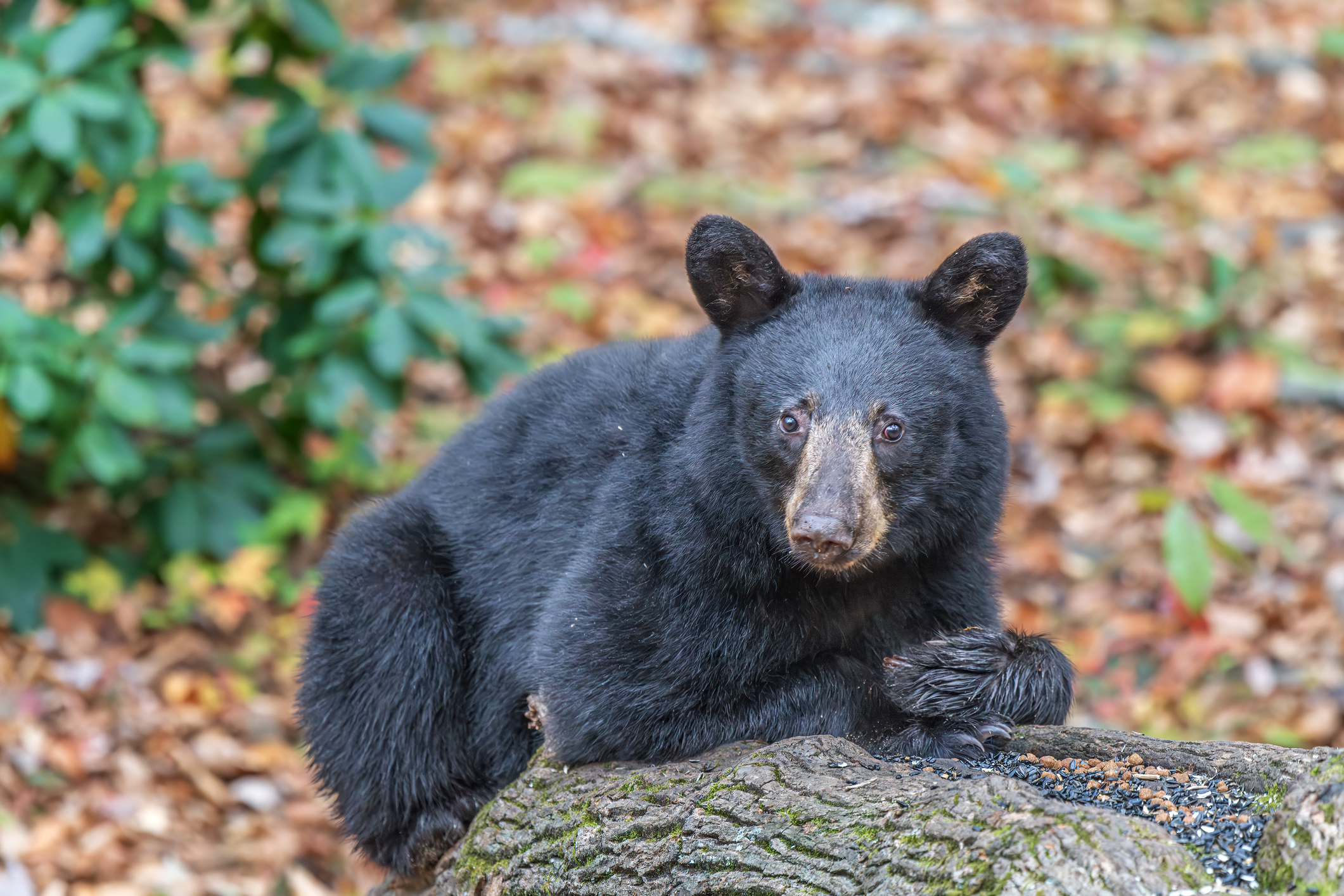
It is not uncommon to see black bears in Colorado, but encounters between humans and black bears usually do not result in an attack. This is because most of these bears are pretty shy, and would really like to avoid you!
Most attacks by black bears are defensive reactions to humans that have gotten too close. Generally, they do not lead to death. Often, a quick slap from the bear is all that will happen – and while it will be painful, it will probably not be deadly.
But bears do occasionally prey on humans, and this is what causes the majority of fatalities. Males in rural areas are the main culprit of fatal attacks. Between the years 1900 and 2009, 63 people have been killed by black bears in the USA. 88% of these attacks were caused by black bears exhibiting predatory behaviour, and 92% of these predatory bears were male.
Moose
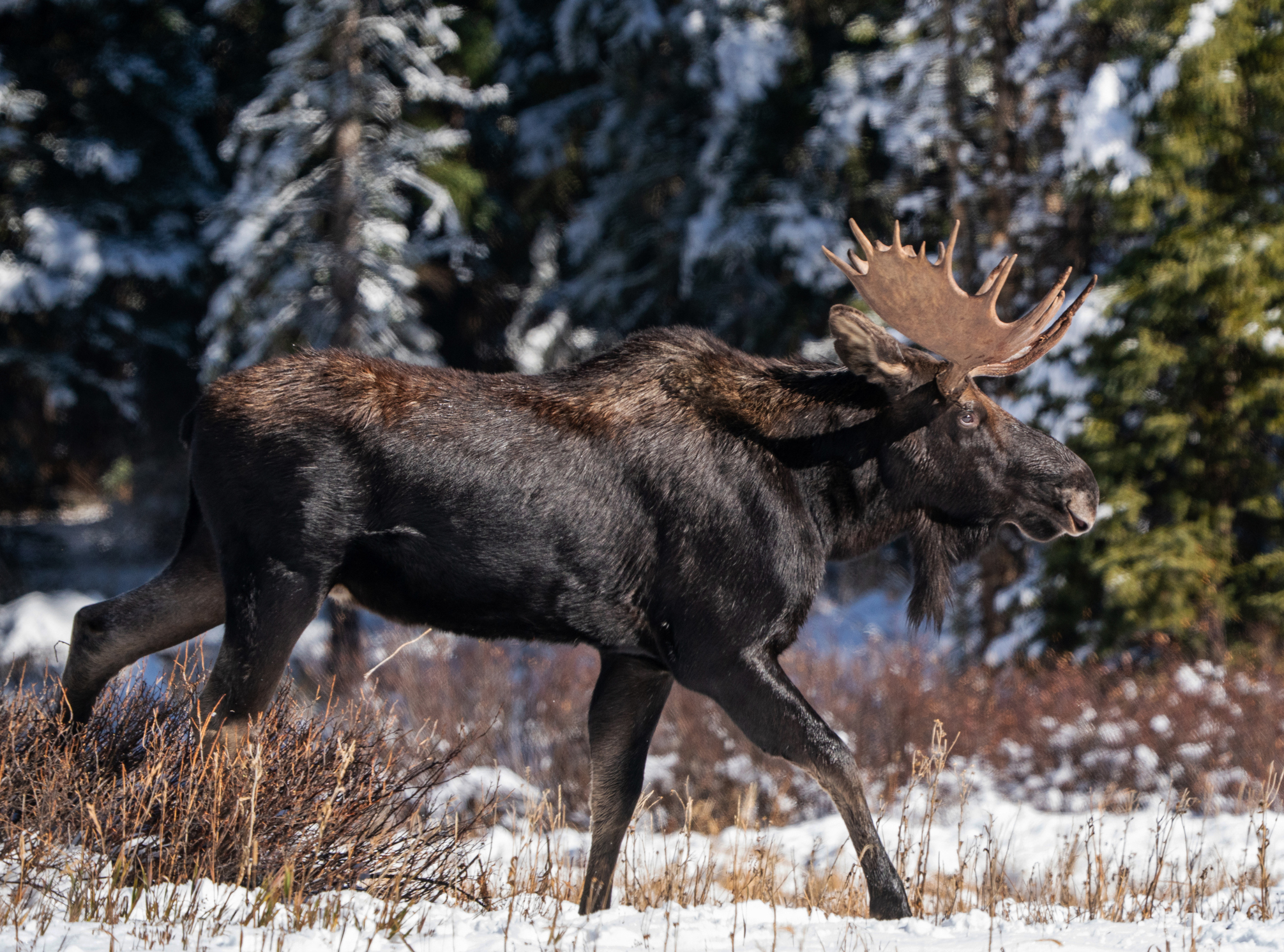
Moose are the largest deer species in the world. In Colorado, adult males can reach over six-foot-tall at the shoulder, and weigh over 1000 lbs. Their antlers can spread up to five-foot-wide. But in general, it is not male moose you need to be most afraid of – it's the females, even though they are a little smaller.
Female moose are ferocious mothers and will attack anything they perceive as a threat to their calf. A mother moose’s main method of injury is charging (at up to 35mph!) and kicking with long legs and sharp hooves. Injuries result from the blunt force trauma this causes.
- In Alaska’s biggest city, a massive animal is rampaging through shopping centres. Here’s what’s going on
- Rare 'ghost moose' footage shows massive animal wandering through Swedish wilderness
Every year in the USA, there are several moose attacks that require hospitalisation. Thankfully, fatalities are rare. The last was in 2024, when a 70-year-old man in Alaska was killed by a mother while trying to photograph her newborn calves.
Mountain lion/cougar
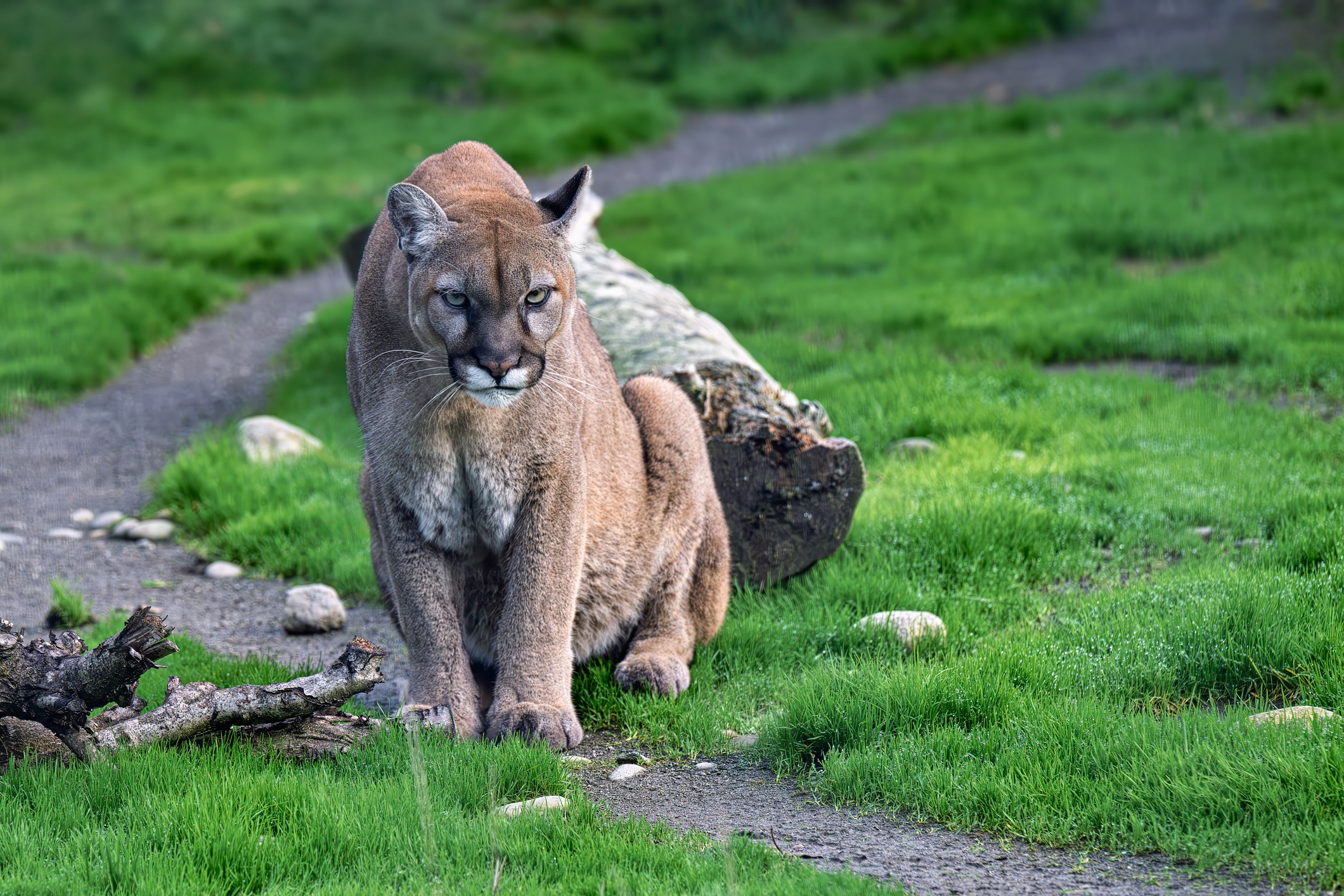
While meeting a wild mountain lion is a very rare event, encounters can be extremely dangerous. Mountain lions are incredibly stealthy, and silently stalk their prey before pouncing, usually from behind, and usually from an elevated position. They target the head and neck with a powerful, often-lethal bite that may sever the spine.
Deaths are rare (only around 30 fatalities have ever been recorded in the USA), but when attacks happen, they are serious. Usually, mountain lions go for children and young adults – it's thought that they mistake them for their smaller prey.
- Remote cameras in Yellowstone capture cougars and wolves on the hunt. The footage reveals something important
- Mountain lions moved into a tiny Californian preserve. What happened next astounded scientists
If you do see a mountain lion, make eye contact, do not run (it will chase!) and make yourself look big. If it attacks, fight back.
Generally, though, mountain lions will try to stay out of your way – so you are very unlikely to encounter one.
Western black widow
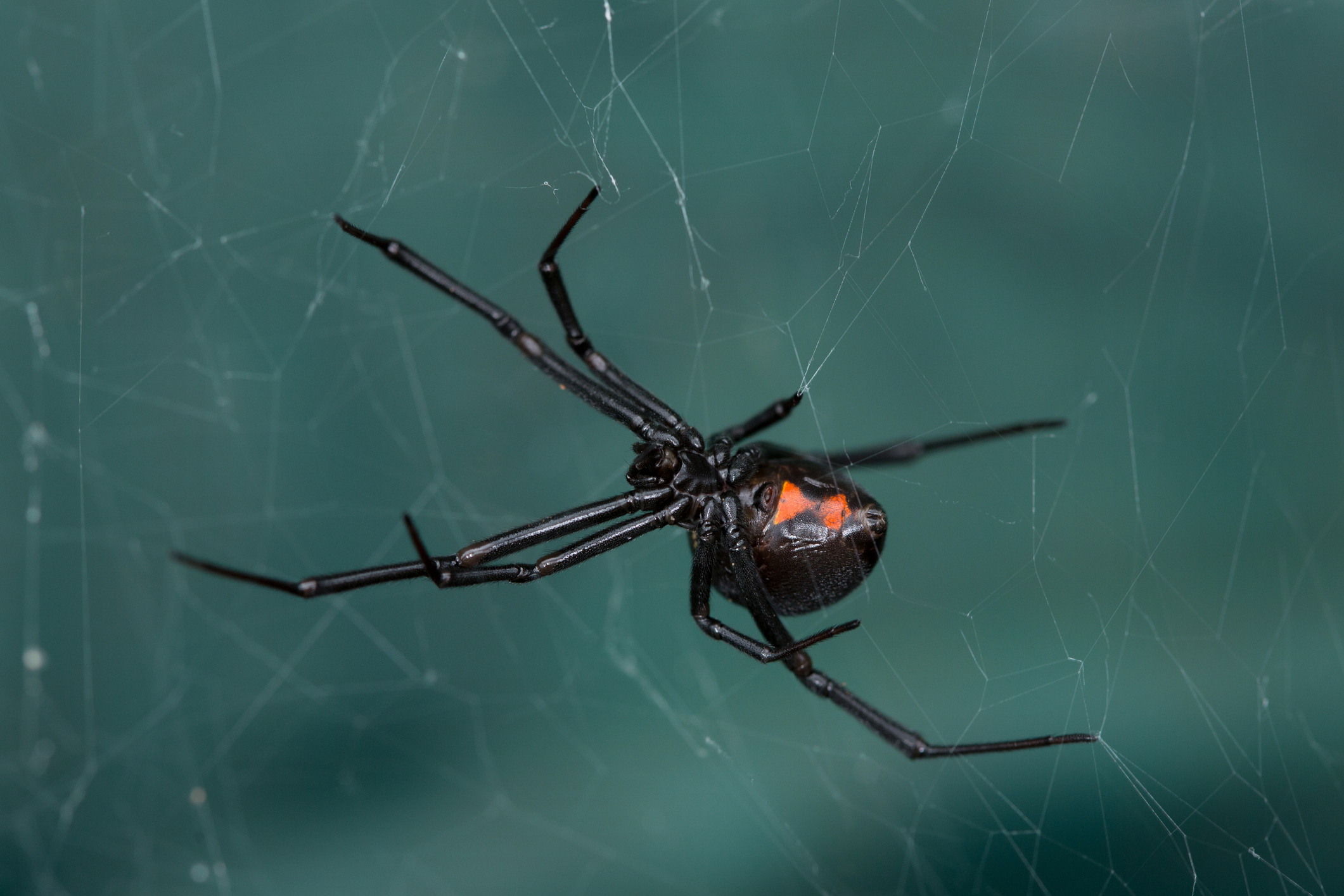
Usually, this venomous little spider is found in dark, hidden-away places like garages and woodpiles. Its bite feels like a burning pinprick, and a bluish rash or blister may form at the bite site. Nothing might happen for a while after these initial symptoms, but a few hours later, the victim's muscles will become rigid, their abdomen, chest and back will begin to cramp, and a headache, tremors and vomiting may follow. If untreated, respiratory failure and cardiovascular collapse can develop – both of which can be fatal.
Thankfully, bites are rarely fatal, and an effective antivenom means that nobody has died from a black widow bite in the USA since 1983.
- 10 deadliest, most venomous spiders on the planet: Are these dangerous spiders as fearsome and lethal as their reputation?
- How tiny spiders are able to kill and eat snakes up to a metre long and an enormous 355 times their weight
Curiously, only female black widows are venomous. This is because males don’t care much about eating when they mature – all they want is to find a mate. This means that they don’t invest in growing a big body, maintaining large venom glands or growing big fangs. Females, on the other hand, need to have big bodies so they can produce lots of eggs. It is therefore advantageous for them to have big fangs and big venom glands – all the better for killing prey with. Unfortunately, this also means they are big enough, and have enough venom, to cause humans some serious pain.
Females can be easily identified: they are about half an inch long, jet black and have a red hourglass on the underside of their abdomen – a mark that screams ‘I am venomous!’.
Brown recluse
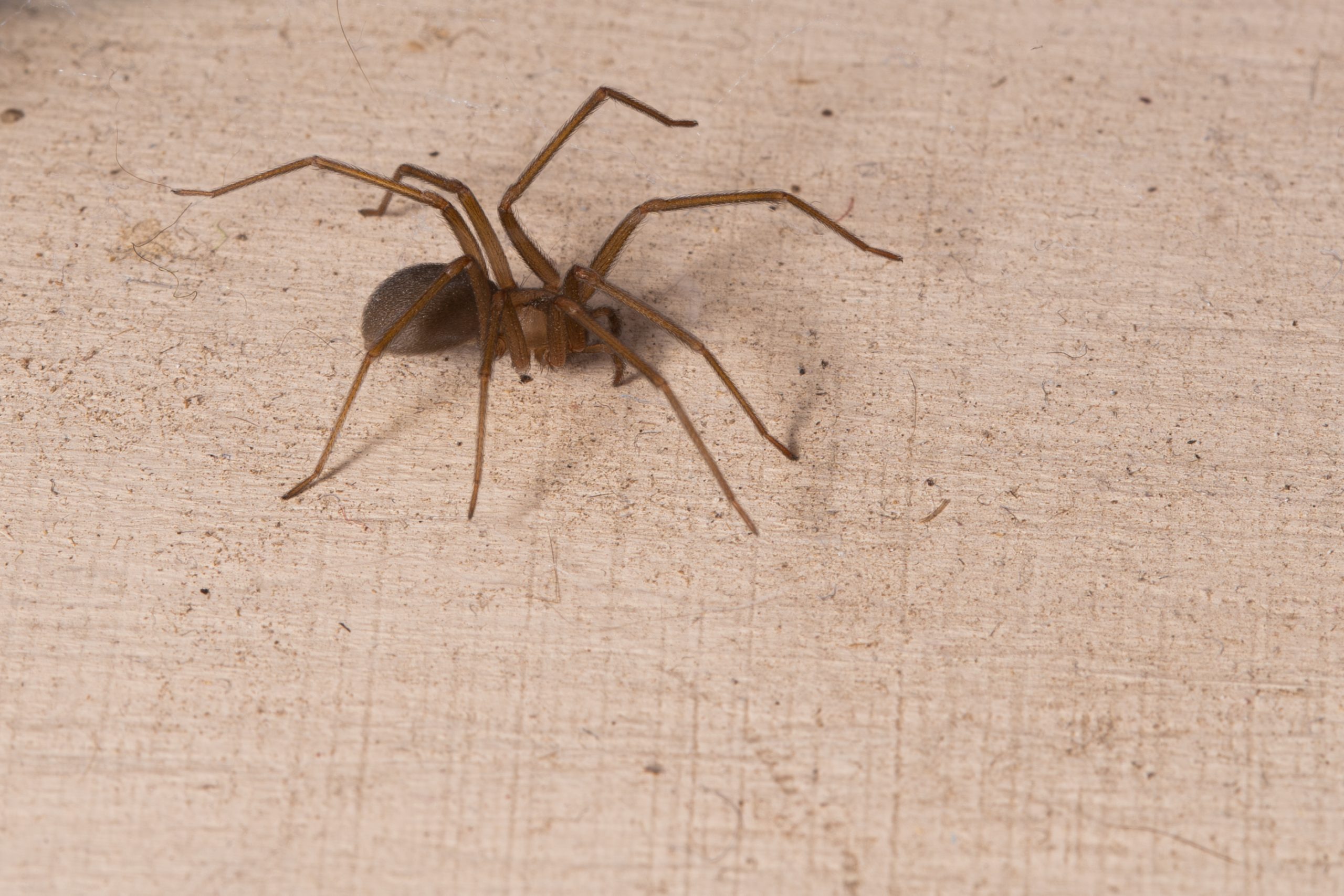
While rare in Colorado, these critters can be found in the southeast of the state. About 0.25 – 0.5 inches in size, they have a violin-shaped mark on their backs and are therefore quite easy to identify. Unfortunately, their bite is initially painless and therefore the spider might get away before a person even realises they’ve been bitten – or who they’ve been bitten by.
A few hours after the bite, the site will begin to burn and a bullseye rash may form. Because the spider’s venom breaks down tissues, a wound may then develop at the bite site. This can stay open for months.
- It looks like a spider and moves like a spider, but this is no spider – instead it's an evolutionary nightmare. Watch the deadly reptile killer in action
- This ruthless spider constructs a trap that catapults prey into its web at astonishing speeds
Sometimes, if the spider injects enough venom, the enzymes that cause tissue breakdown escape the bite site and make it into the bloodstream. There, they wreak havoc by destroying red blood cells. This can lead to liver and kidney failure, and even death. Infection of the open wound can also lead to fatality. There is currently no antivenom.
Thankfully, deaths caused by this spider are very rare, with an average of less than one death per year.
They hide in dark crevices, so it’s important to be careful about where you put your fingers and toes when in brown recluse territory!
Prairie rattlesnake
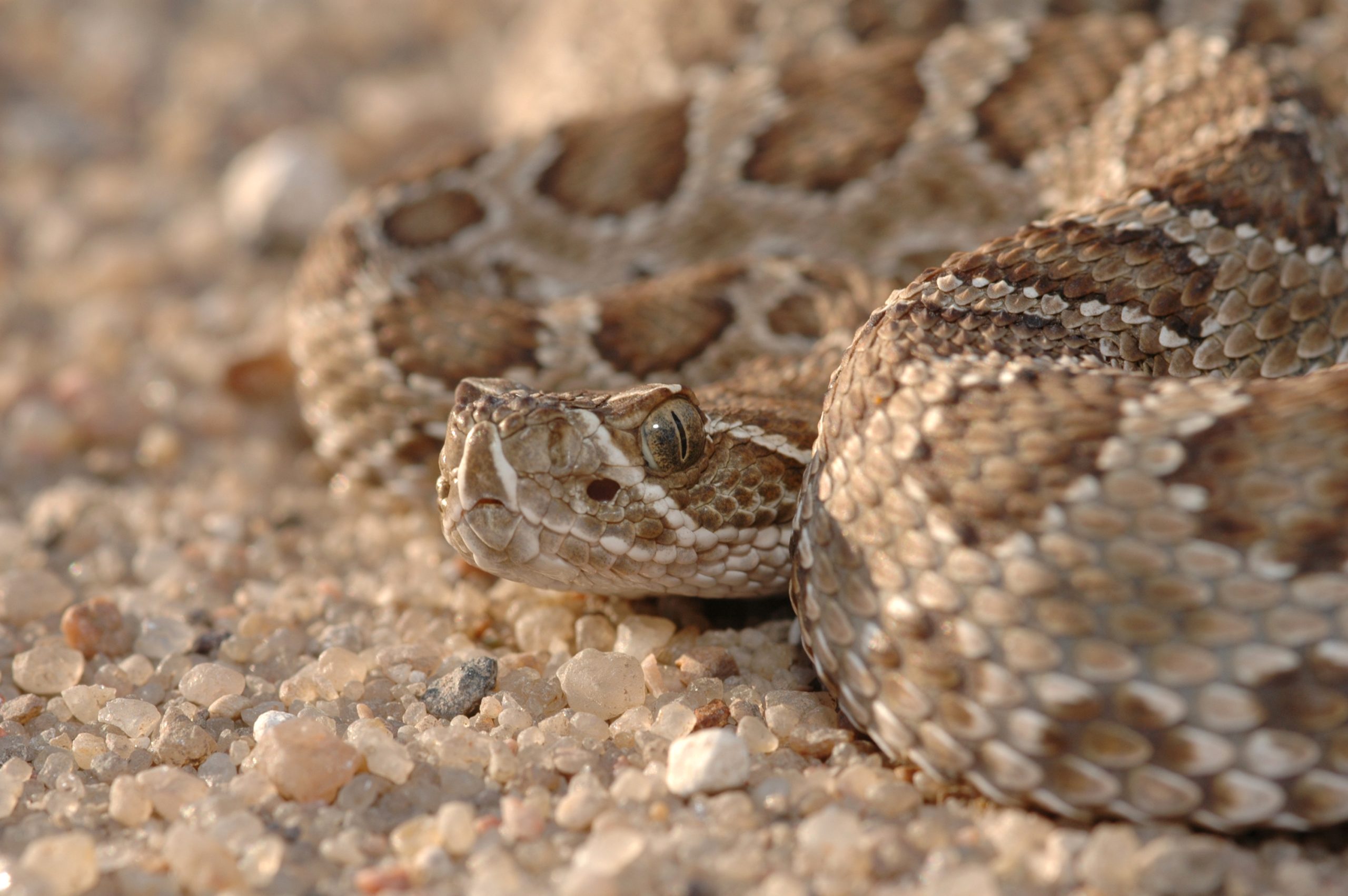
2026 is a record-breaking year for prairie rattlesnake bites, which are a medical emergency requiring immediate treatment. The snakes are out and about earlier than usual this year because of the warm, dry winter, and therefore encounters between these venomous snakes and humans are on the rise.
The venom of the prairie rattlesnake is myotoxic, meaning that it destroys muscle tissue, and also hemotoxic, meaning that it stops blood from clotting and causes severe bleeding.
- Ever wondered what goes on inside a rattlesnake 'mega-den'? Slither in with this new livestream video...
- One-metre long indigo snake vomits up live rattlesnake
The venom of the adults poses a more severe threat than that of younger snakes. The venom of younger snakes is suited to quickly destroying tissue and immobilising small prey, while adults have venom that targets muscle and therefore is better at targeting bigger prey (or humans!). Adults are also capable of injecting much more venom.
Thankfully, with swift medical attention and antivenom, it is possible to fully recover from a prairie rattlesnake bite.
Tick
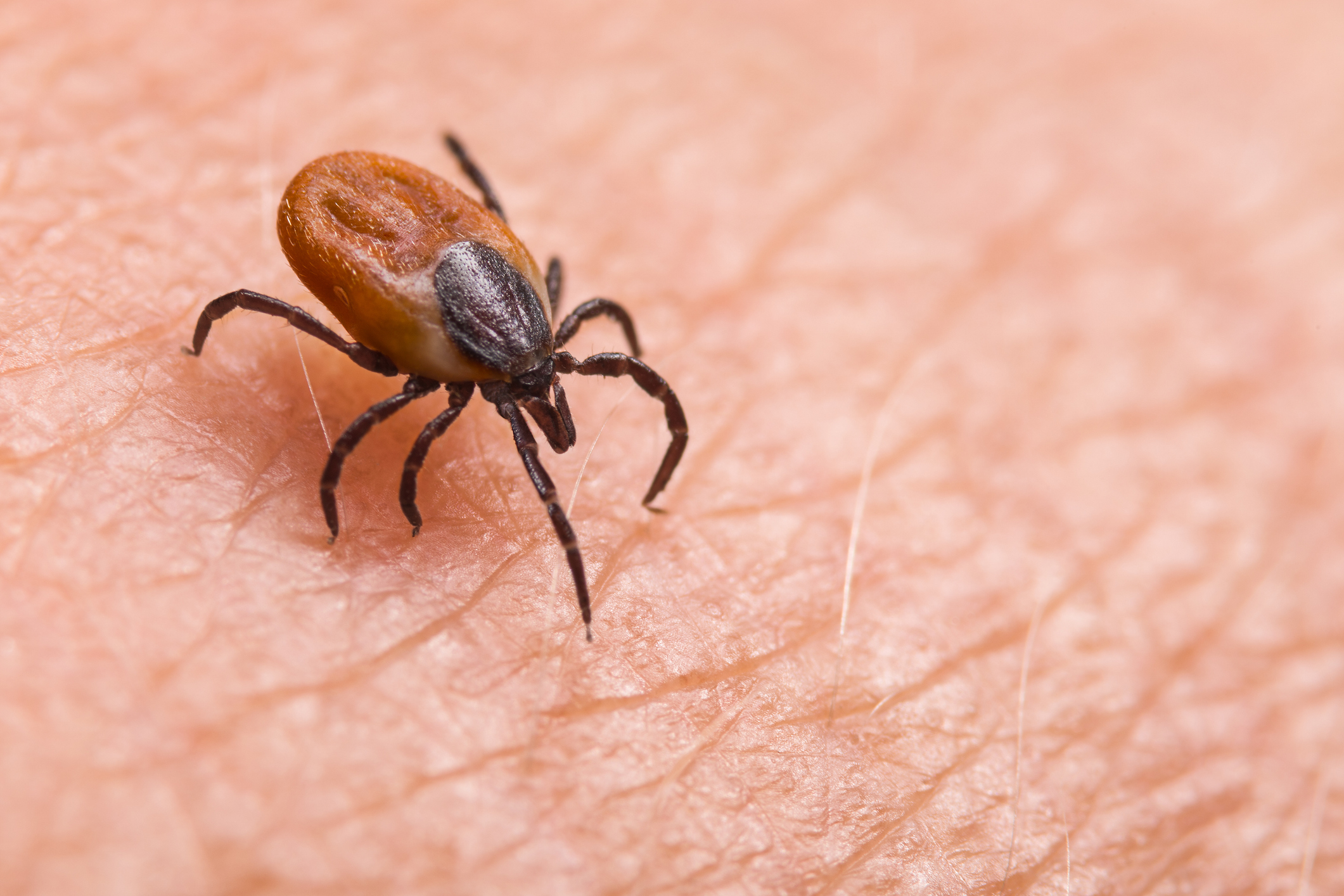
These small, bloodsucking parasites are common in the Colorado wilderness. They transmit a number of nasty diseases, including Colorado tick fever, tularemia, relapsing fever, and Rocky Mountain spotted fever.
Colorado Tick Fever is restricted to high elevation, mountainous regions, usually above 4000 foot. The virus causes flu-like symptoms, but it is usually mild.
Tularemia, relapsing fever, and Rocky Mountain spotted fever are all caused by various species of bacteria that ticks carry. If left untreated, all of them can be deadly. Tularemia may lead to pneumonia and meningitis, relapsing fever can lead to heart failure, and Rocky Mountain spotted fever (which causes small, pink spots to appear on wrists, forearms and ankles) can lead to inflammation of the brain and kidney failure.
- "The longer it stays latched onto your skin, the more toxin it pumps in until your legs start to give way and your face and breathing muscles begin to freeze..."
- "It causes confusion, comas, and extreme daytime sleepiness and without treatment, it is generally fatal" 10 deadliest, most terrifying parasites on the planet
Luckily, with antibiotics, most cases can be treated. Still, ticks are best avoided, and the easiest and cheapest way to avoid a tick bite is by covering up your skin when you go hiking!
Mosquito
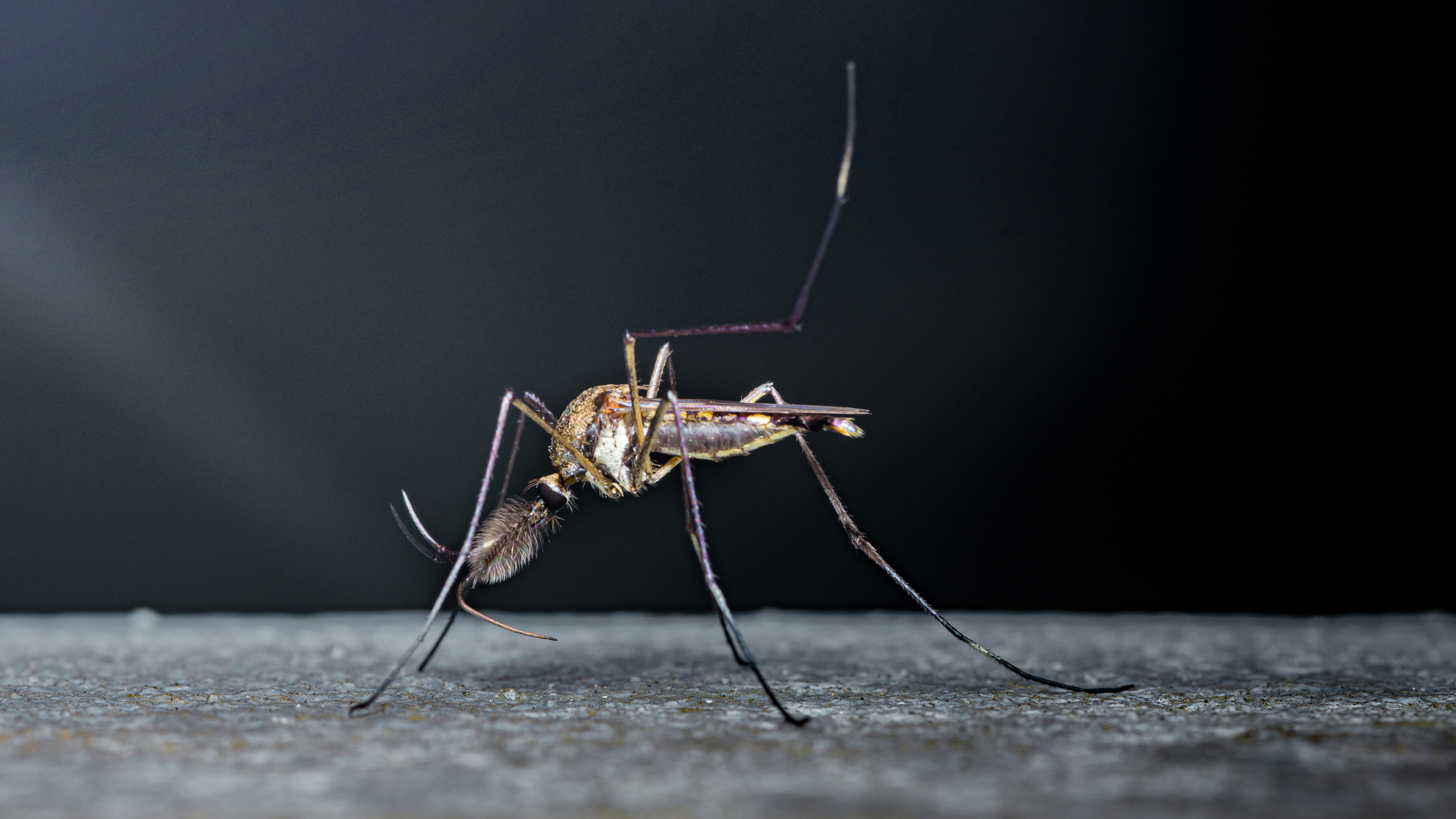
This might be a surprise, but the most dangerous species in Colorado is – by far – the mosquito. This tiny bloodsucker spreads a lethal disease: West Nile Virus. Mosquitoes pick this virus up by feeding on infected birds.
While many people never develop symptoms after being bitten by a virus-carrying mosquito, if symptoms do develop they come on suddenly, two to fourteen days after the bite. Symptoms may include a high fever, a headache, a stiff neck, and in severe cases, disorientation, tremors, coma and death. There is no treatment or vaccine.
- 10 deadliest insects on the planet: Discover the world's most dangerous insects to humans, including one that's a major ingredient in 'love potions'
- 6 grotesque and weird vampire animals – from a creature that drinks the blood of its children to a cloaked deep-sea beast that can turn itself inside out
Out of all states in the USA, Colorado has some of the highest rates of West Nile virus. In 2023 (a particularly bad year), over 600 cases of the disease were reported, and there were 51 fatalities. In that same year, no deaths were caused by bears, moose, mountain lions, snakes or spiders.
So, mosquitoes may be small but they are deadly, and mosquito repellent may be just as (or maybe more) important as bear spray when out and about in this state.
Top image: Scenic view of Independence Monument. Credit: Leonid Andronov/Getty Images


