
On 17 October 2026, an international expedition led by MiningImpact set sail from San Diego for the Clarion-Clipperton Zone in the Pacific Ocean, on a mission to examine how faunal communities have changed on the seafloor five and a half years after a deep-sea mining test.
- Deep-sea scientists astonished to find two 'giant' creatures lighting up the deep, dark ocean – with their legs
- Scientists spent 160 days collecting samples from the bottom of the ocean. They had “virtually no idea” what lived there before
The Clarion-Clipperton Zone (CCZ) stretches 4.5 million square kilometres (1.7 million square miles) between Hawaiʻi and Mexico, and contains the largest known deposits of polymetallic nodules on the seafloor. It’s estimated that more than 21 billion metric tonnes of these nodules can be found there, forming bizarre deep-sea fields.
Minerals such as copper, nickel, cobalt and manganese make up roughly 30 per cent of the weight of the nodules, making them of particular commercial interest for the green energy transition such as electric vehicle batteries. But there is still a lot we don’t understand about the ocean and the effects deep-sea mining might have on the abyssal ecosystem.
In spring 2021, Global Sea Mineral Resources (GSR) tested a remotely controlled pre-prototype of a nodule collector system in the CCZ. For 74 hours and at a depth of over 4,000 metres, the vehicle drove a distance of about 32 kilometres and harvested the nodules in an area of 54,000 square metres.
Over five years later, the MiningImpact SO322 expedition will investigate the effects of this test. The team, formed by 39 researchers from 17 institutions and seven European countries, represents the fields of biology, microbiology, chemistry, oceanography and geology.
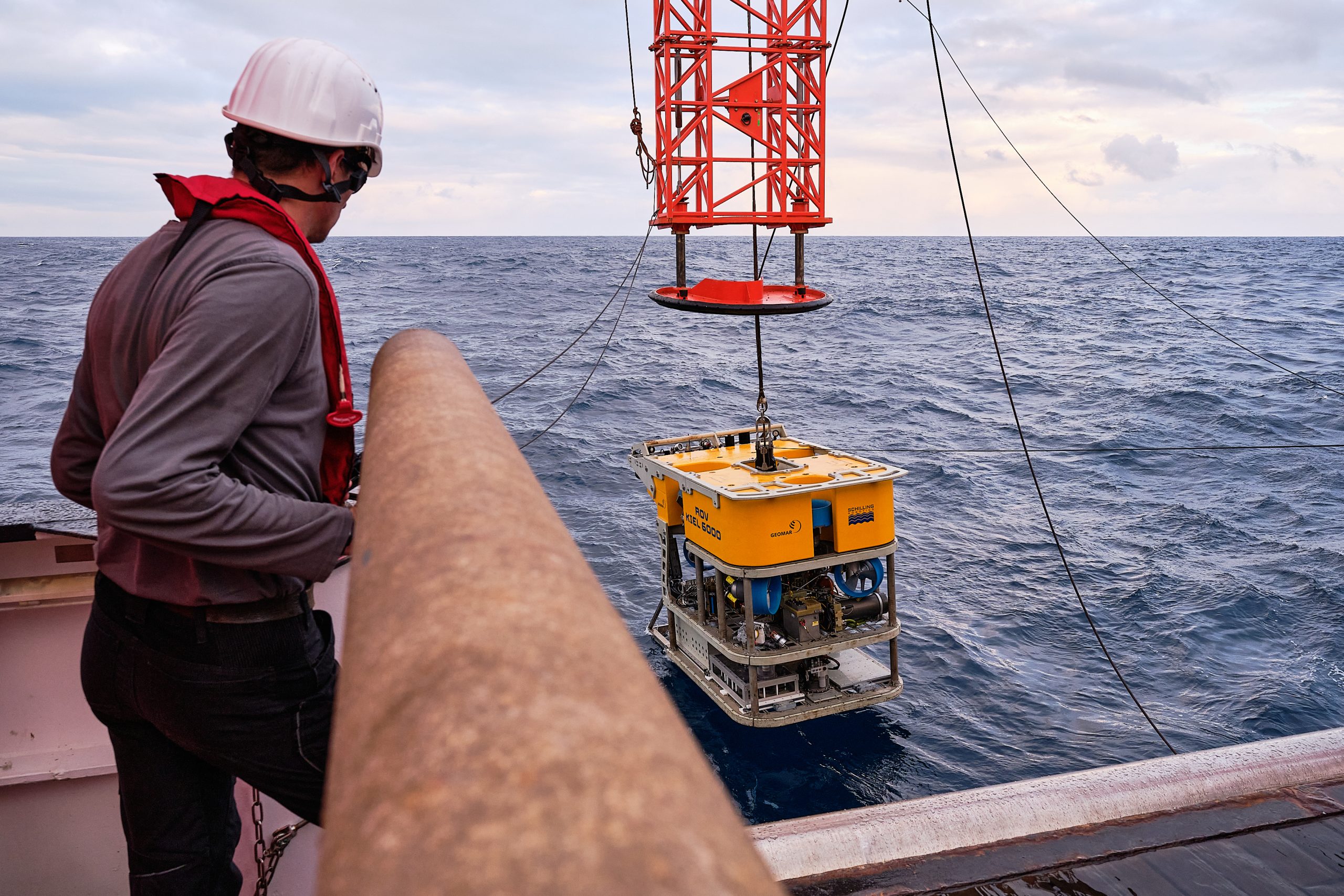
To gain as much insight as possible, the research vessel RV SONNE will stay out at sea for 54 days, using a myriad of marine research gear, including the remotely operated vehicle (ROV) KIEL 6000, and the autonomous underwater vehicle (AUV) ABYSS.
- Deep-sea submersible discovers 'giant' animal 5,922m down in Pacific abyss
- Deep-sea scientists discover 57 new species in a canyon nearly twice as deep as the Grand Canyon
What we know
Although there are gaps in knowledge when it comes to the abyssal ecosystem and deep-sea mining, there are things the scientists can say for certain.
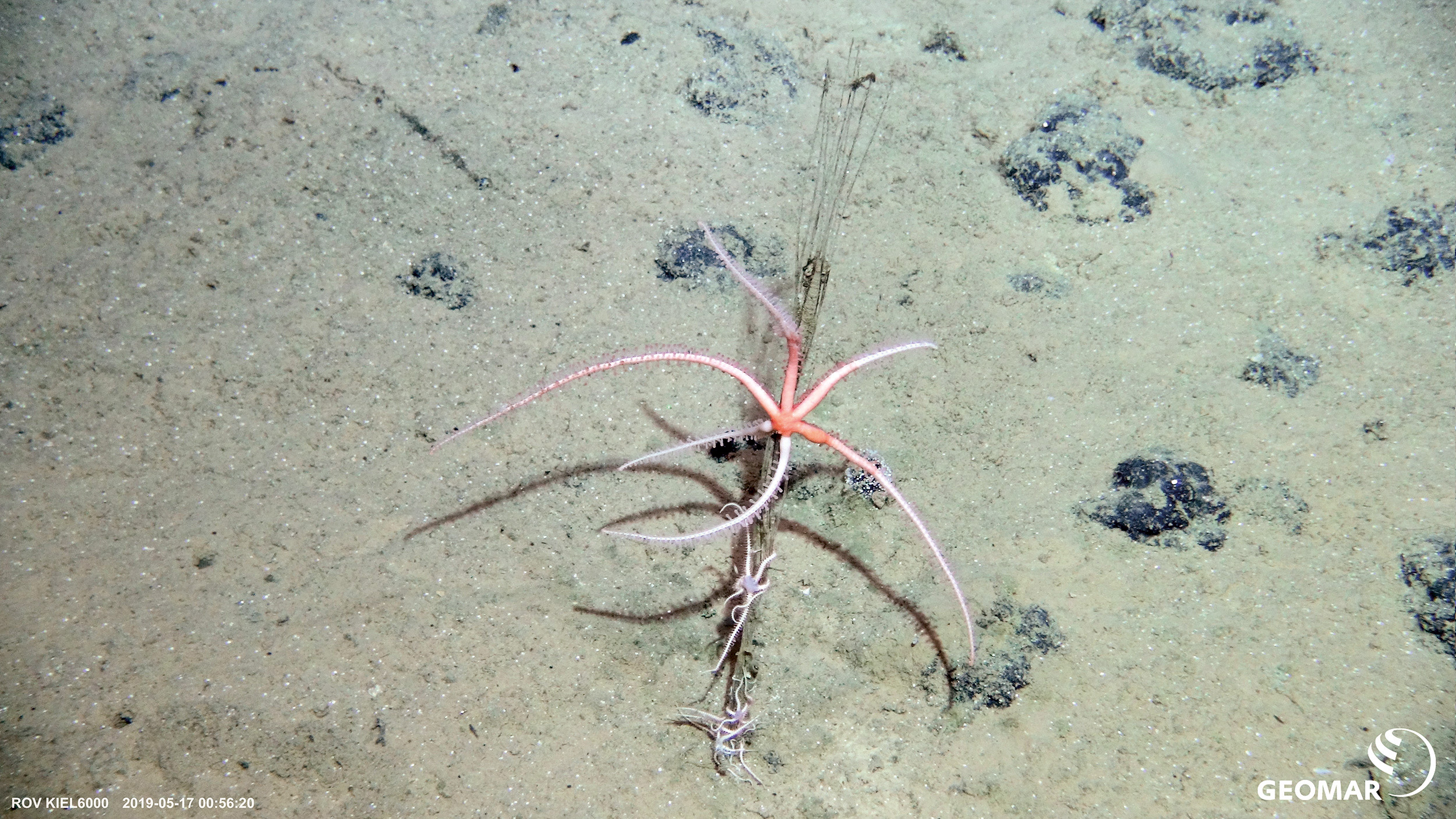
For example, we know that polymetallic nodules form incredibly slowly, growing around 1-2 millimetres over the course of a million years. Undisturbed, they provide viable habitat on the abyssal floor for animals that need a hard surface that is otherwise impossible to find in the deep sea.
Two to three small organisms can live on each nodule, according to Matthias Haeckel, a biogeochemist at the GEOMAR Helmholtz Centre for Ocean Research in Kiel, Germany, and chief scientist of the expedition. Organisms such as sea anemones, soft corals or giant sponges (which in turn provide habitat for other organisms) are nowhere to be found where the nodules have been removed.
Soon after the polymetallic nodules are removed, a sediment plume forms. This plume becomes suspended in the bottom water and resettles again within a distance of several hundred metres around the mining site. Sessile fauna – animals that are permanently fixed to rocks, shells or the seabed, and cannot move around on their own – can’t escape this plume and are buried under the sediment.
“Some organisms can clean themselves, others cannot. Those that filter their food from the water are also very likely to be affected,” says Haeckel.
- Deep-sea submersible films thousands of bizarre red animals 1,500m deep off coast of Argentina
- Scientists discover ancient deep-sea 'superhighway' that spans entire globe
The bigger picture
The SO322 expedition will aim to answer two main questions: how have the faunal communities changed since the mining test, and how long do the effects from the sediment plume persist? The team will also examine whether artificial hard substrates can act as substitutes for the mined nodules, and if they can promote recolonisation of the seabed.
But even finding these answers still leaves the abyssal ecosystem largely understudied and poorly understood.
“Many species in the CCZ are extremely rare: about ninety percent of the species that we have sampled so far are still unidentified and have no name. And no one knows how many species are still to be discovered,” says Haeckel.
Researchers often point out that it’s difficult to protect biodiversity that we don’t know a lot about – especially as it’s not known how a lot of these species are connected to each other. And they warn that disrupting this connectivity with mining operations could result in immense consequences for the whole deep-sea ecosystem.
“Many species are distributed across the entire CCZ, in some cases even across the Pacific Ocean – which means gene exchange must be taking place,” adds Haeckel.
Scientists don’t know how this gene exchange takes place: how larvae travel between distant areas, where they stop along the way or how long the journey takes.
“This kind of large-scale damage must be prohibited, because we would only notice it if it is already too late,” Haeckel explains. “The benthic ecosystem will not recover on human time scales. While the specific nodule habitat is removed permanently, sedimentary processes will be altered for thousands of years.”
- Weirdest sea creatures - meet 15 strange ocean animals, including one that's part vegetable and one that resembles a toast rack
- "Its venom contains toxins that strike the heart, nervous system and even skin cells…" World's 11 most dangerous, deadliest ocean creatures to humans
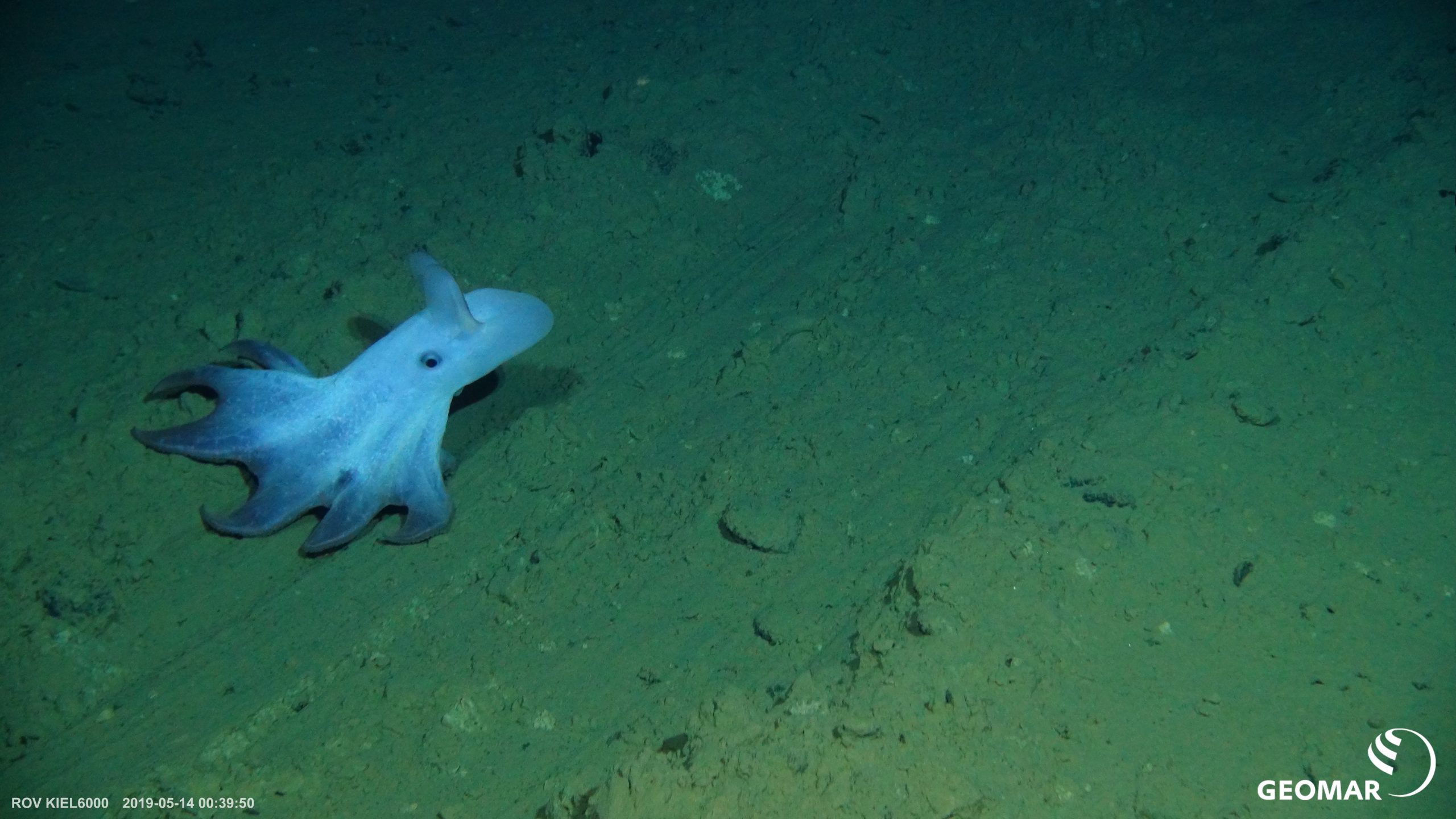
Top image: Polymetallic nodules on the deep seabed in the Clarion-Clipperton Zone. Credit: ROV KIEL 6000, GEOMAR, CC BY 4.0, via Wikimedia Commons


