
Many people fear the open ocean and what could be lurking below the waves. The chances of falling foul of a marine animal are very low in any ocean but some of the world’s dangerous critters can be found in the warm waters of the tropical Indo-Pacific.
Covering around 63 million square miles, the Pacific is the world’s largest and deepest ocean basin. Here are some of the deadliest creatures to watch out for in the vast Pacific Ocean.
- World's 11 deadliest sea creatures: Meet the most dangerous animals in the ocean
- "It's like a glimpse of a world before people arrived" – vast marine sanctuary declared in middle of Pacific Ocean
- Deep-sea scientists just saw something huge at the bottom of the Pacific Ocean
The Pacific Ocean’s deadliest animals
Irukandji jellyfish
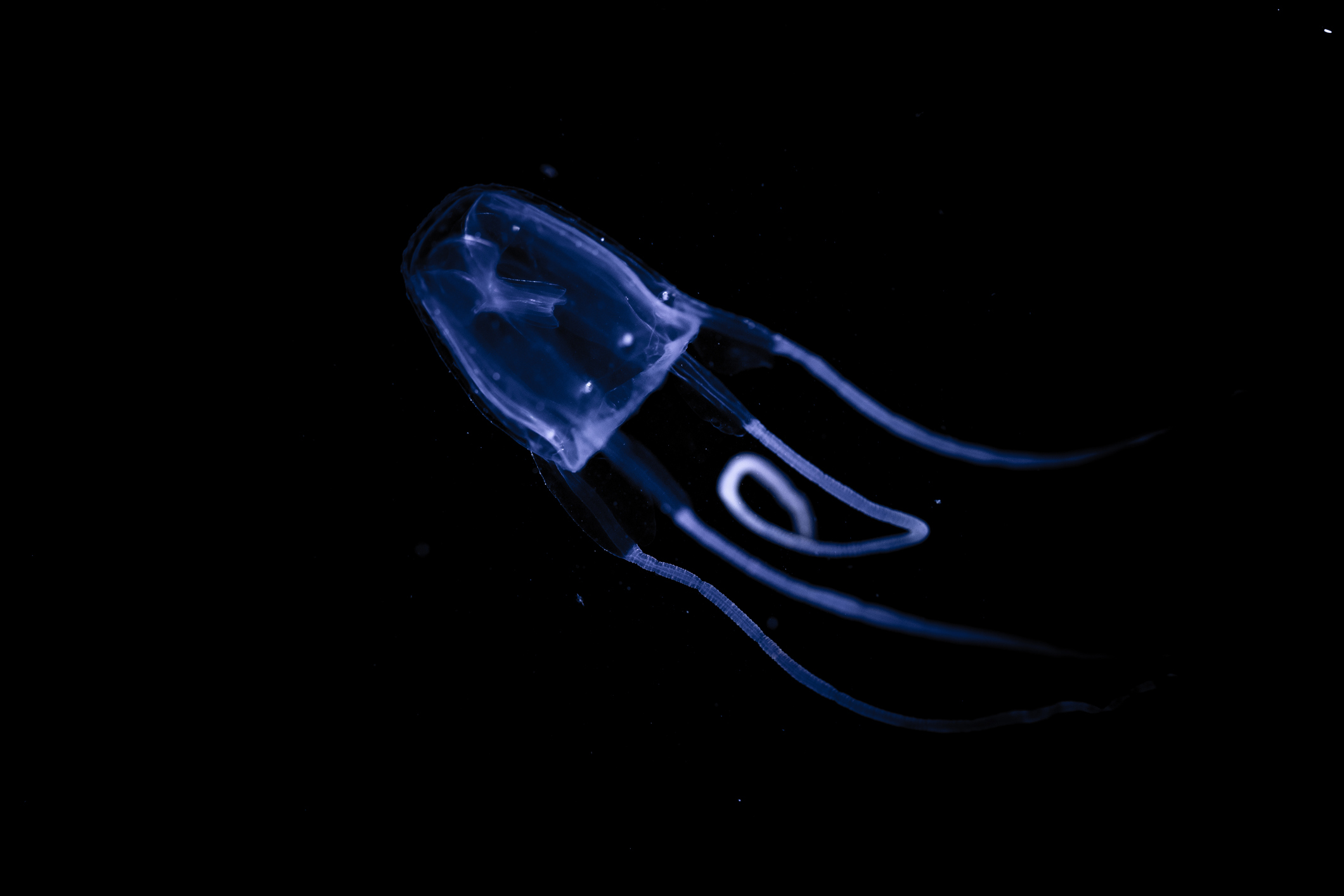
Although you might struggle to see them coming, these tiny jellies – which can measure just one centimetre – can also do some serious harm.
A sting from an Irukandji jellyfish can cause pain, headaches, cramping, vomiting, high blood pressure and can be fatal.
Blue-ringed octopus

With its stunning blue patterns, this tiny animal might look cute but the blue-ringed octopus is not to be messed with.
Typically growing no larger than 20cm – that’s about as long as a pencil – tourists have been known to pick them up to admire their vibrant markings. This is a very bad idea. Blue-ringed octopuses display these bright rings to warn potential predators that they’re not happy. And when they feel threatened, they defend themselves with a bite that injects the deadly neurotoxin tetrodotoxin (TTX). There’s no known antidote.
- Octopuses are now punching fish in the face. This video shows exactly why
- The very cute Dumbo octopus can swallow prey whole, reproduce at any time and is named after a Disney character – meet the elusive deep-sea animal
That said, deaths are rare – these little cephalopods typically only bite humans when someone treads on them or picks them up so keep your hands to yourself.
Cone snails

One of the world’s deadliest creatures makes an appearance in the Pacific and Indian Oceans.
At first glance, it looks rather innocuous: a pretty, brown and white sea snail. But when threatened, the geography cone snail can do some serious harm. It’s equipped with a strong neurotoxin which it uses to subdue prey and for self-defence. So, if a human happens to scare a live snail by picking it up or standing on it, they are at risk of being stung.
These creatures are incredibly venomous and a sting can be lethal: causing respiratory failure and potentially killing someone in less than five hours.
If you see a cone snail (or you aren’t sure what a shelled creature might be), do not touch. And if you think you may have been stung by a cone snail (there are hundreds of species and they are all venomous), get medical help at once.
Box jellyfish
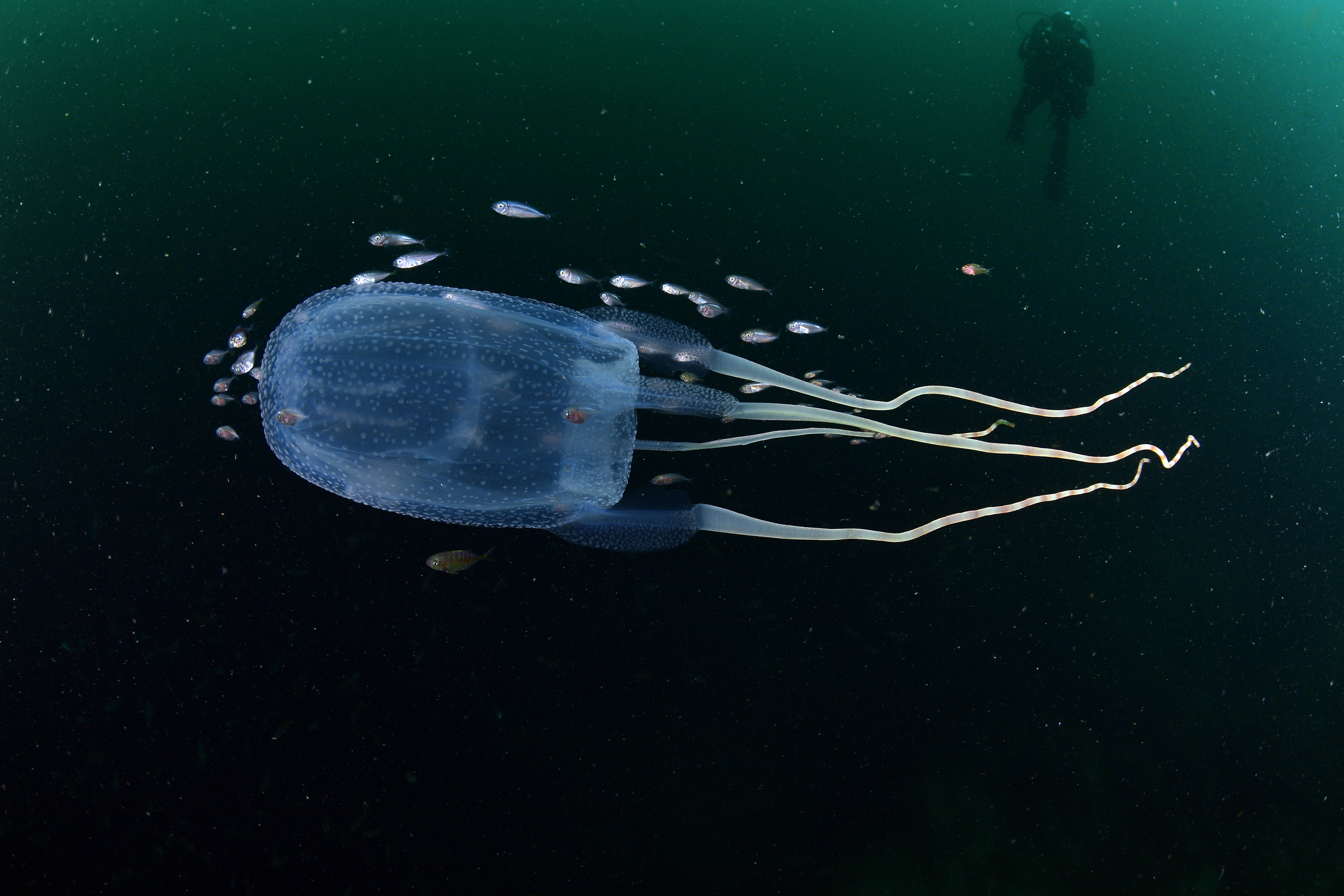
Box jellyfish are found in warm waters around the world but one of the most dangerous species – Australian box jellyfish (Chironex fleckeri), also sometimes called sea wasps – are found throughout the Indo-Pacific.
This is believed to be the most venomous animal in the world. Its painful sting can cause headaches, vomiting, shortness of breath and existential dread, and can kill a human within five minutes.
To protect yourself in waters where box jellyfish are known, wearing a stinger suit is often recommended.
Stonefish

It’s a good idea to keep your eyes peeled in the Pacific Ocean because stonefish are masters of disguise. Their exceptional camouflage helps them blend into the rocks or coral reef around them, rendering them almost invisible while they wait for prey to ambush. Their bumpy, round bodies make them look like a rock – which is why they are called stonefish.
- Forget Harry Potter, these creatures have real-life invisibility cloaks... 10 weird, translucent animals you can see right though
- "Capable of striking fear into the heart of divers everywhere, it's as dangerous as it is beautiful..." 10 deadliest fish on the planet – avoid at all costs
Found in shallow tropical waters across the Indo-Pacific, these are the most venomous fish on the planet. They don’t target humans but steer well clear of their venomous dorsal spines, which can cause intensely painful swelling, paralysis and sometimes death.
Saltwater crocodile
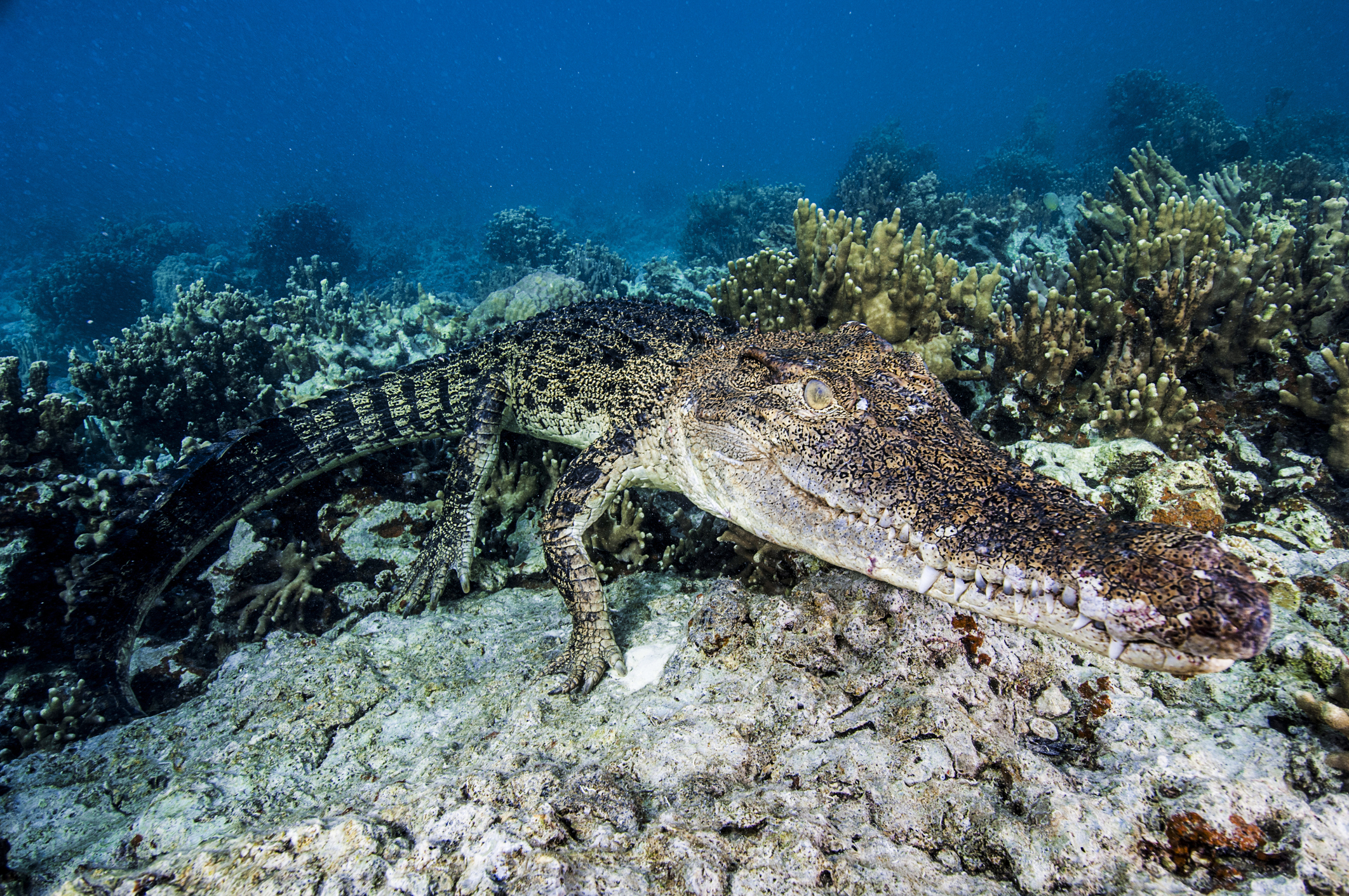
You might think that rivers and freshwater habitats are the only places you need to worry about crocodiles but, somewhat terrifyingly, saltwater crocodiles also venture into the ocean – hence the name. These menacing predators can be found swimming through western Pacific waters (as well as the Indian Ocean).
They make their way across the open ocean (sometimes covering several miles) by surfing on ocean currents – some might say hitching a ride is cheating but others might call it a clever tactic.
Salties are one of the eight crocodilians known to attack people regularly – dragging them under the water and drowning them, then doing a death roll to tear off chunks of flesh to eat (because they can’t chew). These large, armoured reptiles can prey on humans but attacks can also be down to mistaken identity, self defence or territorial behaviour.
- Staggering crocodile photos reveal just how ferocious these apex predators can be
- Can a human outrun a crocodile? Just how fast are these deadly, ferocious reptiles?
Being targeted by a saltwater croc is incredibly rare but, if you’re in saltie territory, it’s always sensible to be cautious (and crocwise). Keep away from the water’s edge, keep your limbs inside the vessel when on a boat and use a torch when walking during the dark.
Great white shark
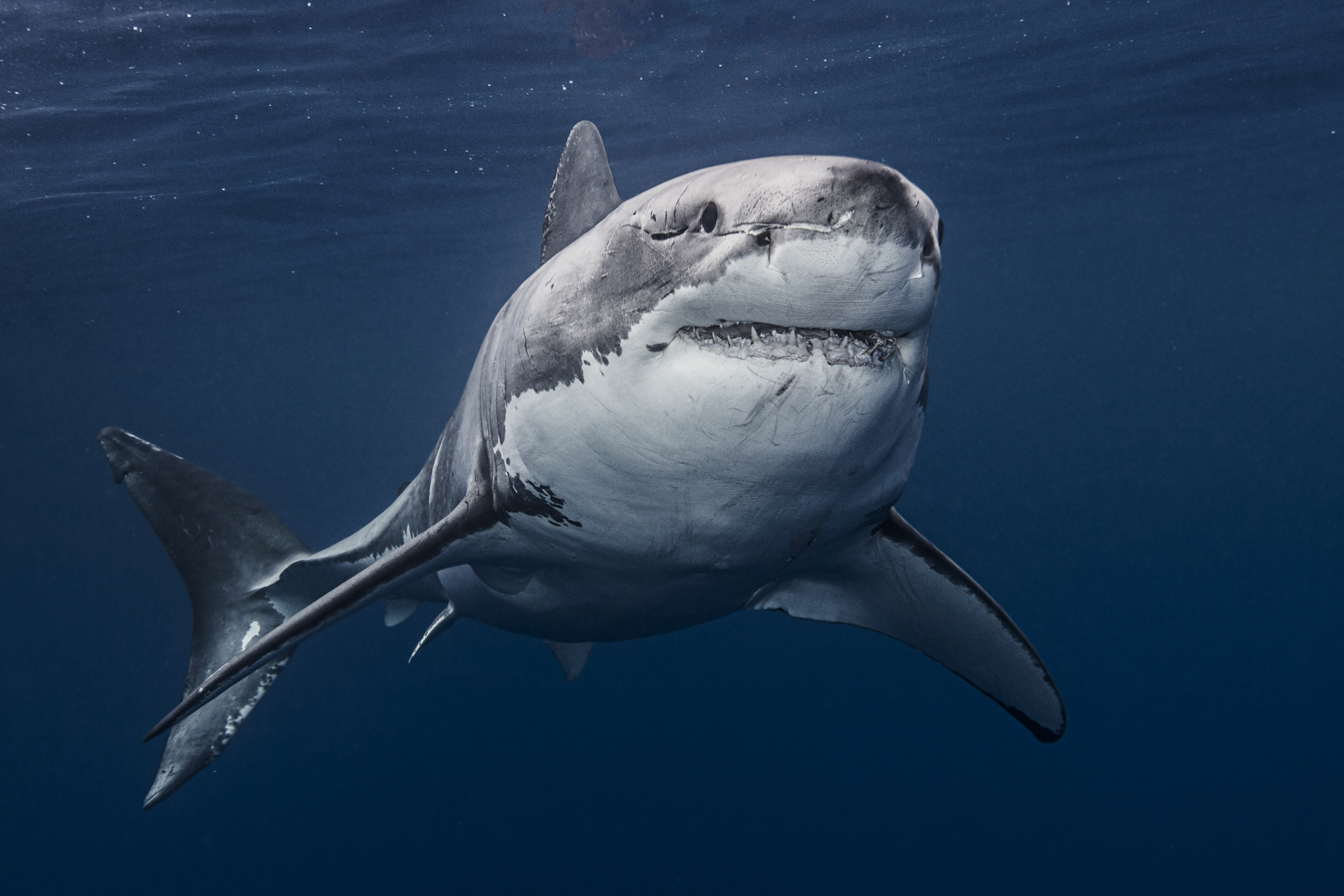
There’s a remote area of ocean in the Pacific Ocean known as the white shark café. Every year, great whites flock to this region – somewhere between Hawaiʻi and Mexico’s Baja California.
Scientists don’t know exactly what’s tempting sharks to this patch of ocean but they wonder if it could be to do with feeding or mating. When researchers put trackers on sharks, they were seen doing V-shaped dives: going down hundreds of metres before ‘bouncing’ back up to the surface. Are they looking for food or mates down in the deep?
- They can have 30,000 teeth and some really do die if they stop swimming: 35 incredible, hard-to-believe, fascinating shark facts
- These are the rarest sharks in the world – and before long they could be extinct, warn Shark Trust
Most people won’t need to be told that white sharks are one of the most impressive predators in the ocean but, thankfully, as humans, we don’t need to worry about becoming lunch. Although negative encounters often cause a stir in the news, they’re much rarer than you might think. In 2025, there were just 65 unprovoked shark bites and 29 provoked bites (from all species of shark) globally, says International Shark Attack File. Meanwhile, humans kill around 100 million sharks every year.
Bull sharks
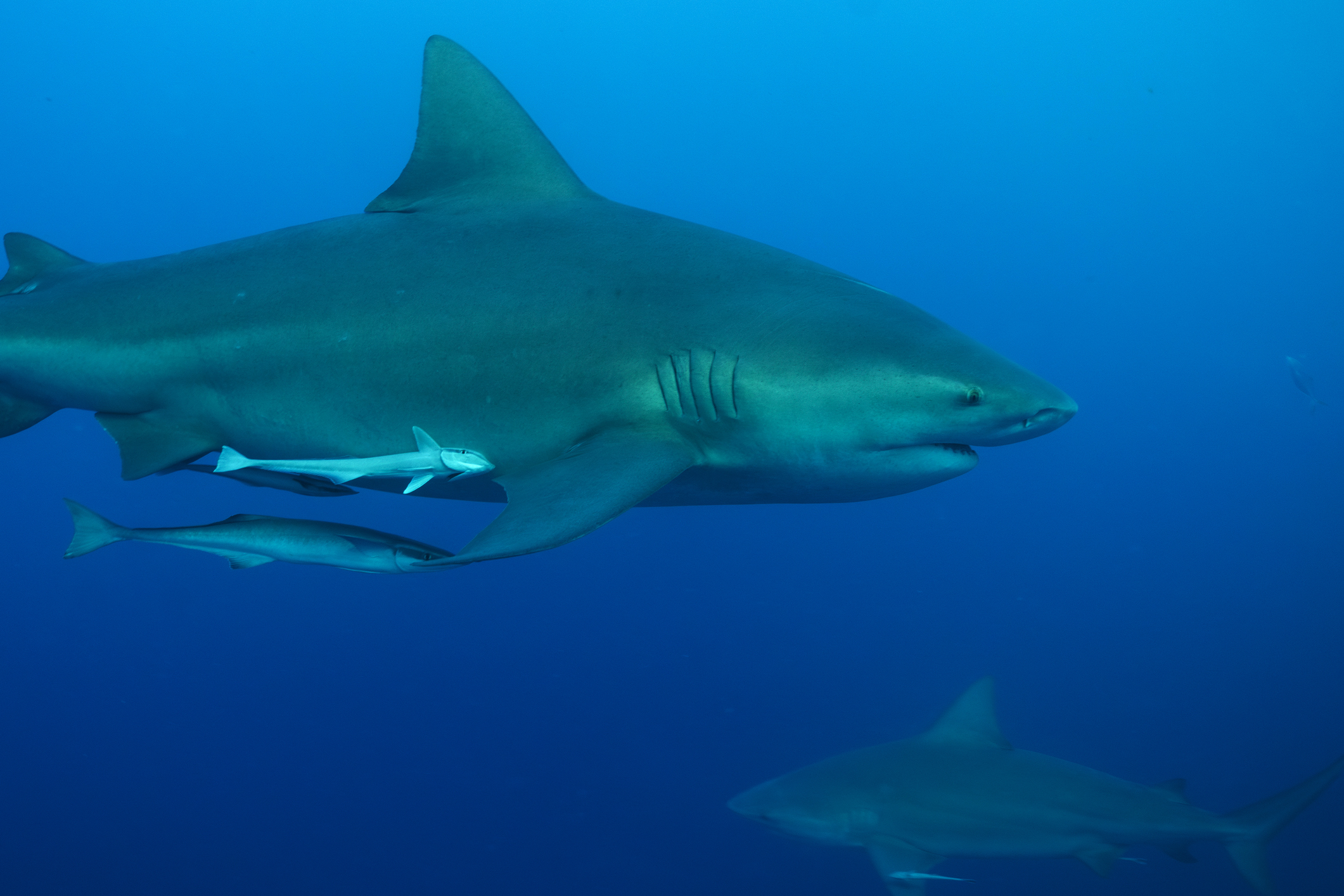
Another potentially dangerous shark species found in the Pacific is the highly territorial bull shark, which can be aggressive towards humans. These animals can tolerate salt, brackish and freshwater, and have even been recorded in Panama’s Lake Gatun.
These large sharks often hunt in murky waters and are known for headbutting before going in for the bite. This could be an investigative tactic or intended to disorient their prey before the attack.
- "It's famous for its saw-like snout edged with sharp teeth, used for slashing through schools of fish." 12 weirdest, bizarrest sharks on the planet...
- How do sharks mate? Shark sex is a rarely seen but lively business – here’s how they do it
Although bull sharks can be very dangerous, bites (from all species of shark) are rare. These animals are much more threatened by humans than we are by them. Bull sharks are currently categorised as vulnerable to extinction by the IUCN.
Beaked sea snake

In the western Pacific, beaked sea snakes are said to be responsible for a large proportion of sea snake fatalities. They’re venomous and can be very aggressive when they feel threatened, often biting fishers who handle them when trying to remove them from fishing nets.
Killer whales

Orcas are, arguably, the ocean’s most effective predator. Dubbed killer whales (originally ‘whale killers’) by ancient mariners because of their ability to dispatch large whales, orcas have even been recorded hunting blue whales and killing great white sharks.
Yet, despite their proficiency in taking out other large marine animals, orcas are not likely to pose a threat to humans: there has never been a recorded fatality by killer whales in the wild.


