
The Namib Desert is the oldest desert in the world, having endured arid or semi-arid conditions for roughly 55-80 million years – so perhaps it’s no wonder why parts of it look like they belong on another planet.
- 10 desert plants that thrive in hostile and inhospitable conditions – often in extreme temperatures
- Toxic rivers, marble cathedrals and a giant mirror: 12 most otherworldly-looking places on Earth
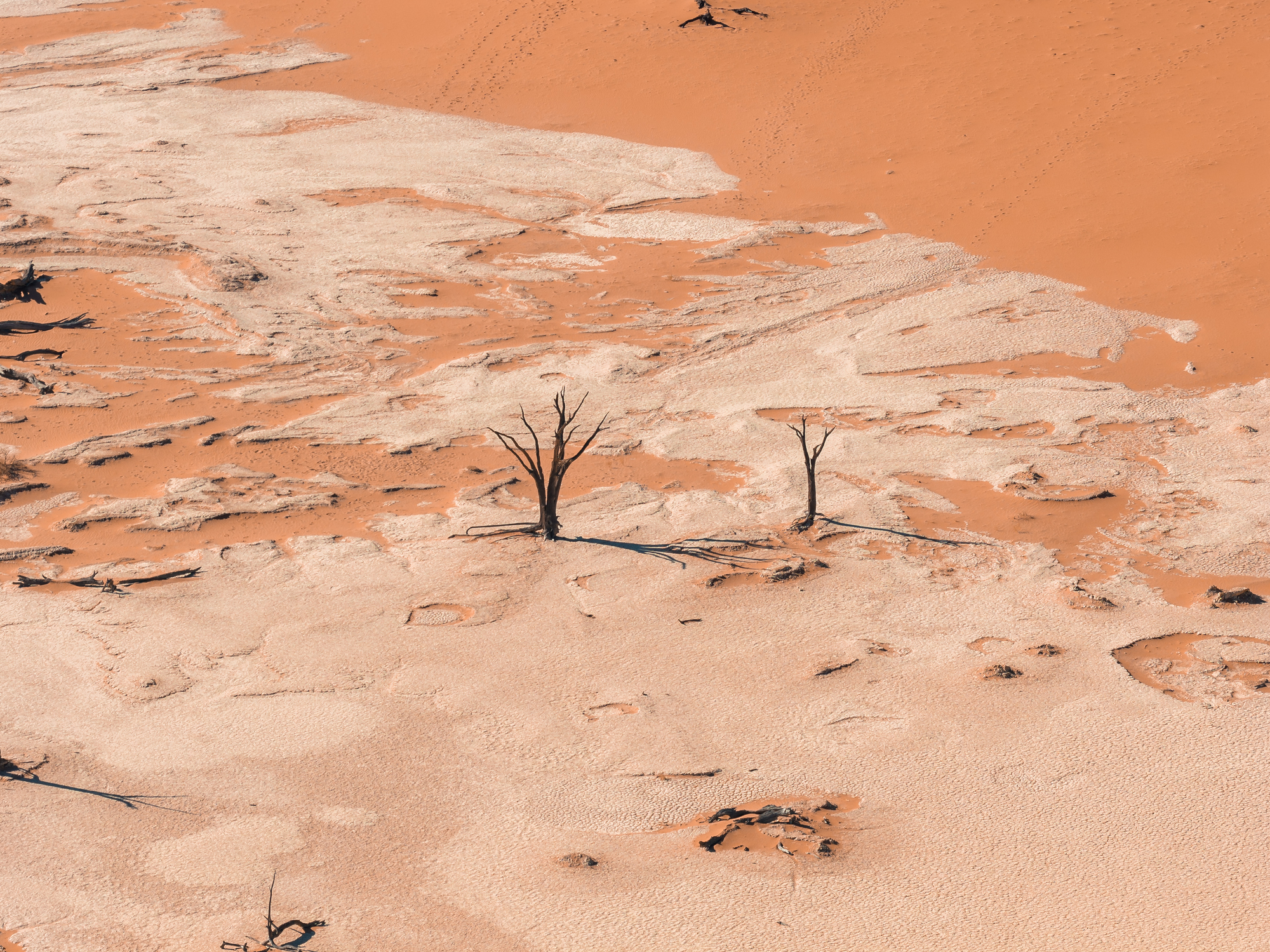
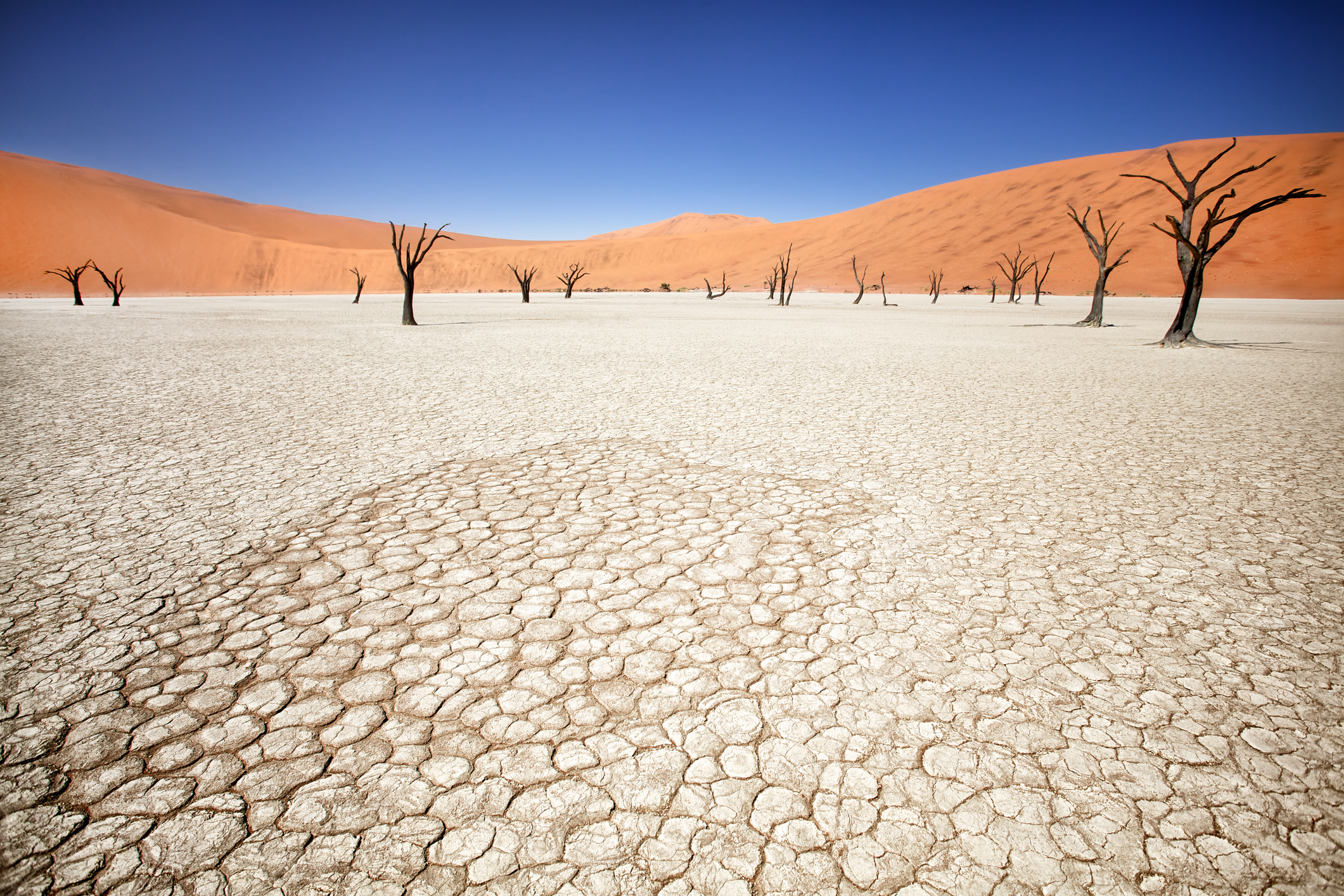
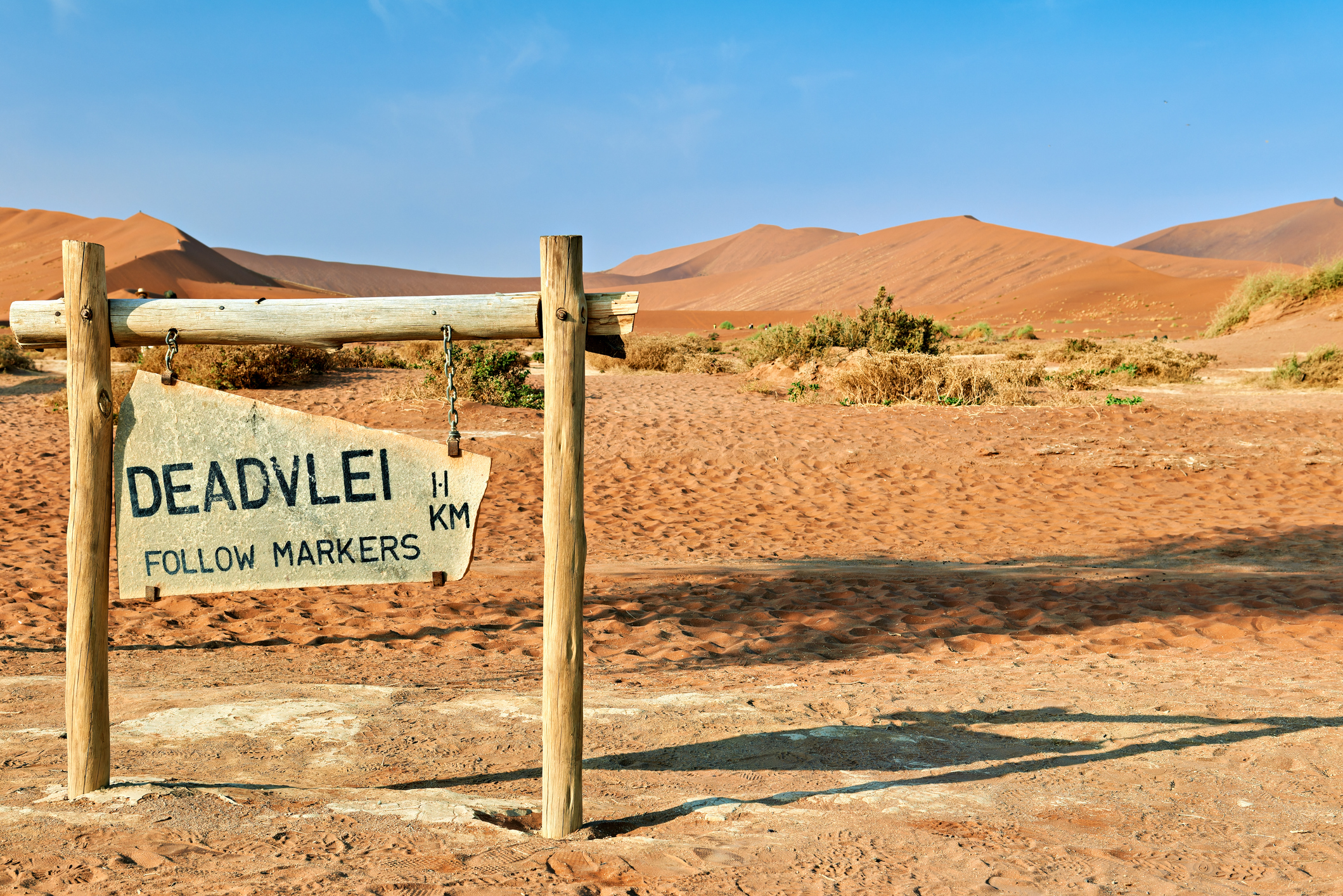
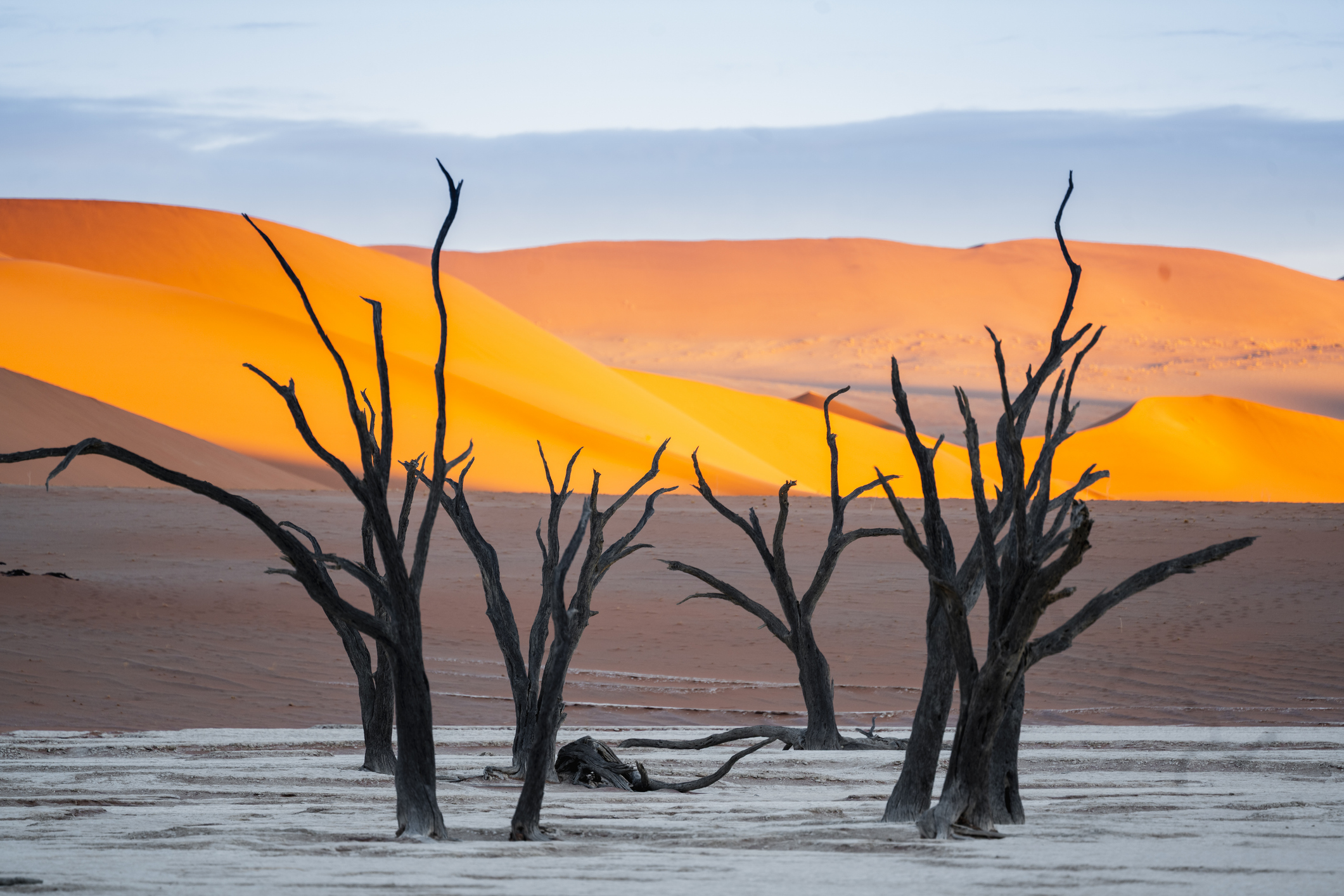
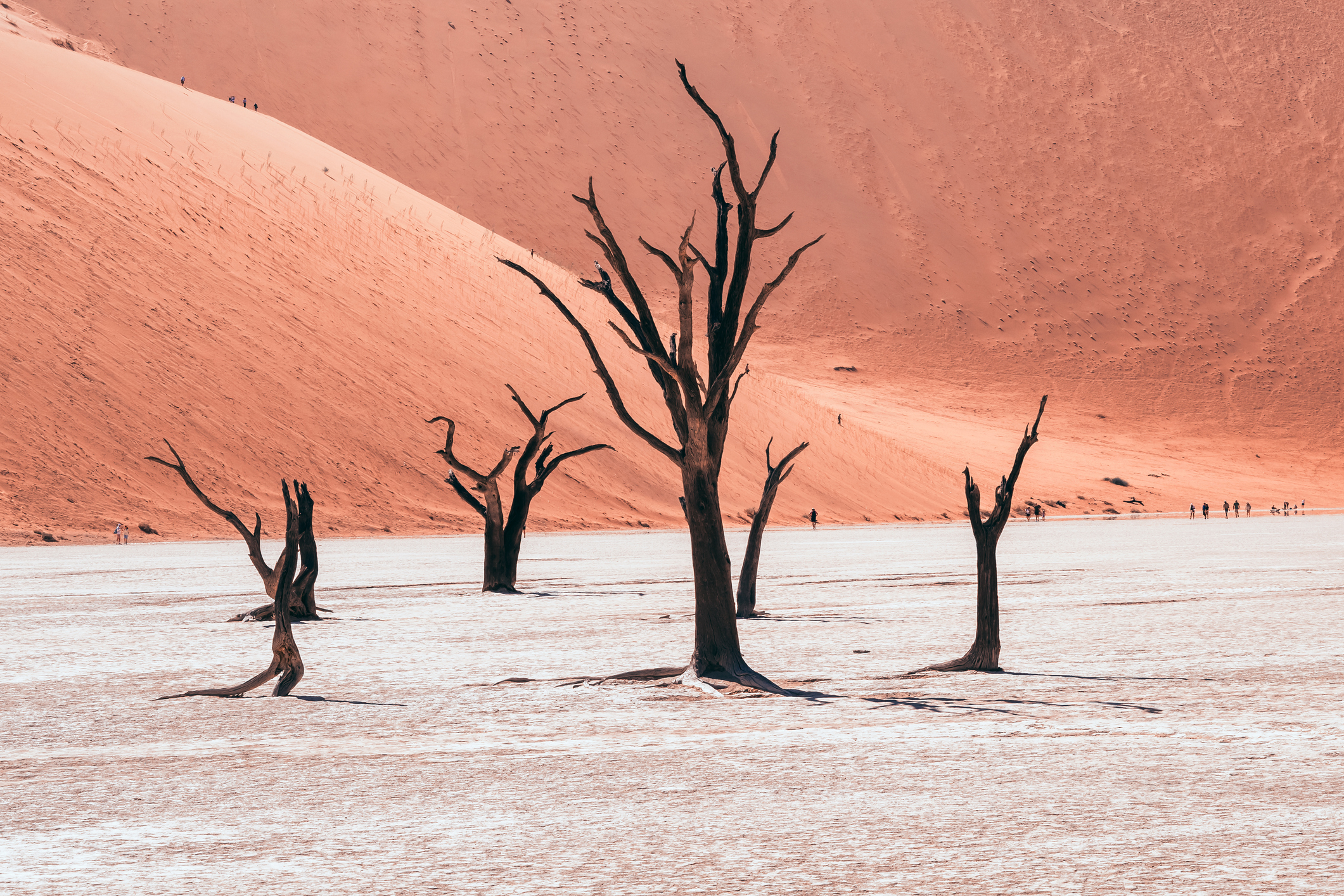
In the southern part of the desert, in the Namib-Naukluft National Park in Namibia, lies a white clay pan called Deadvlei – an area so dry that its once-thriving forest of camel thorn trees has been scorched black in the sun, leaving behind an eerie, barren scene.
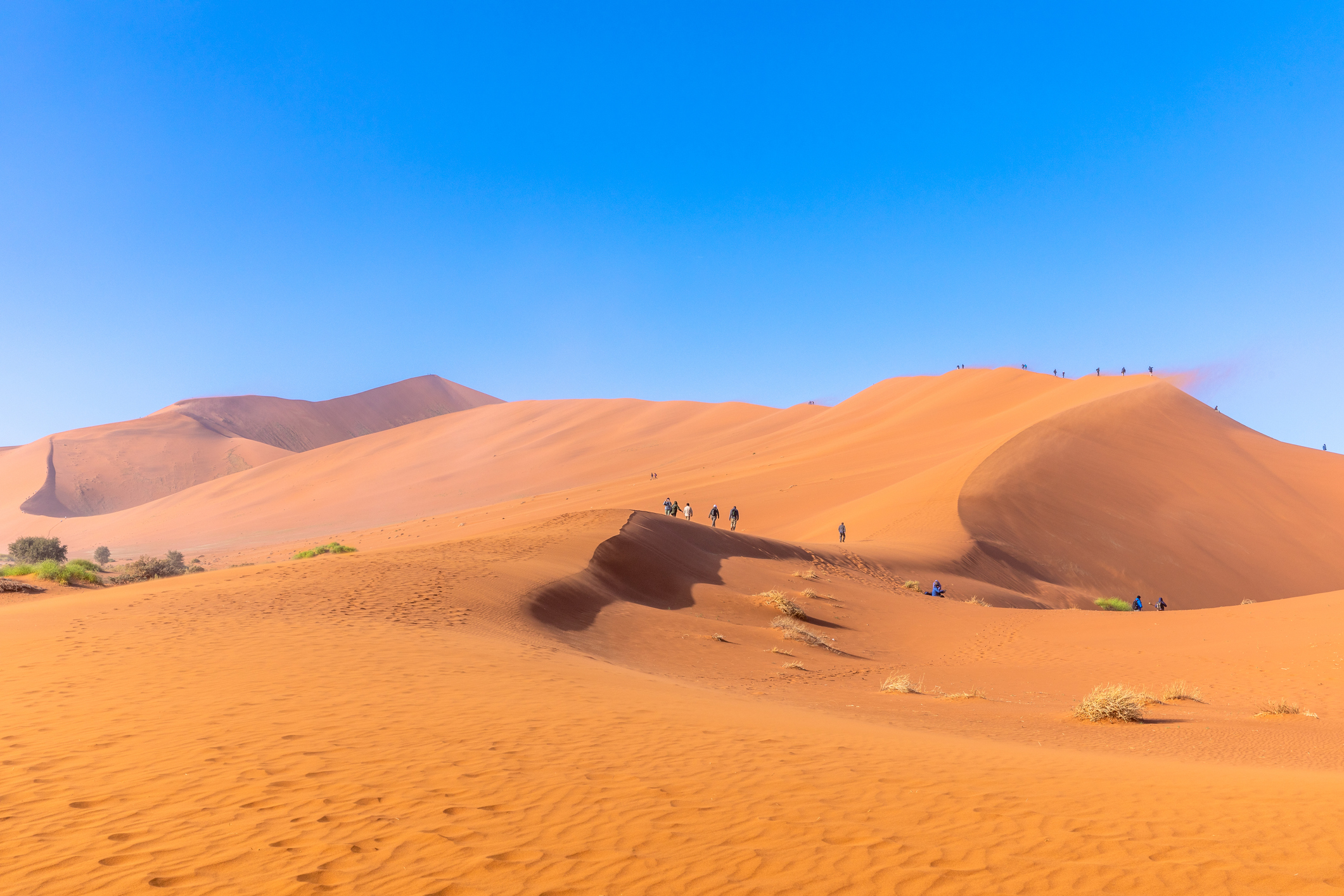
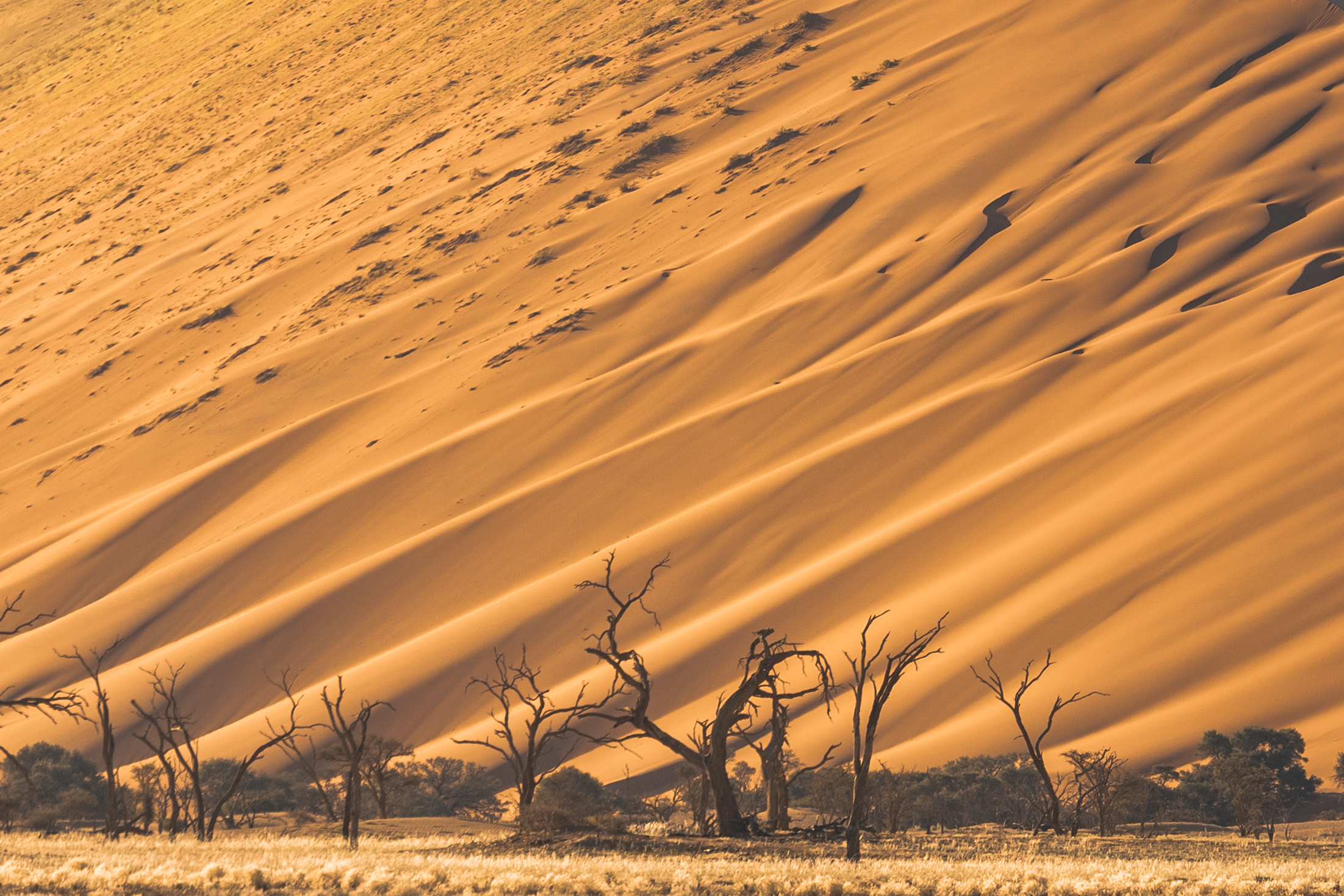
Deadvlei is located near the salt pan of Sossusvlei, surrounded by imposing red sand dunes. The dunes owe their hue to age, the sand having rusted over thousands of years. The most notable sand dune around Deadvlei is the ‘Big Daddy’ dune, which towers above it at around 325 metres high – around the same height as New York’s Chrysler Building.
How was Deadvlei formed?
The Deadvlei clay pan was formed after the nearby Tsauchab river flooded, creating temporary shallow pools, with camel thorn trees growing in the abundance of water. But around 900 years ago, the climate changed, a drought hit the area, and sand dunes permanently blocked the clay pan off from the river.
With no access to water, the trees died. They’re believed to have perished 600-700 years ago and still stand because the area is too dry for them to decompose.
Does anything live there?
The area isn’t entirely devoid of life, with Salsola shrubs and clumps of Nara melon (Acanthosicyos horridus) gathering moisture from morning mists.
The wider Sossusvlei area, despite the extreme conditions, is home to many organisms adapted to desert life. Beneath the sand live beetles, spiders and reptiles such as geckos.
You might encounter some larger wildlife passing through Deadvlei as well: gemsbok (oryx), springbok, ostriches and jackals. Predators include spotted hyenas and brown hyenas, and as the days cool down, smaller mammals emerge: bat-eared foxes, black-backed jackals, porcupines, Cape foxes and aardwolves.
Deadvlei in photographs
Top image credit: JOY PAN/Getty Images


