
New data has revealed that more than 5 per cent of Switzerland’s glacial ice disappeared in 2026, with some of the country’s smaller glaciers vanishing entirely.
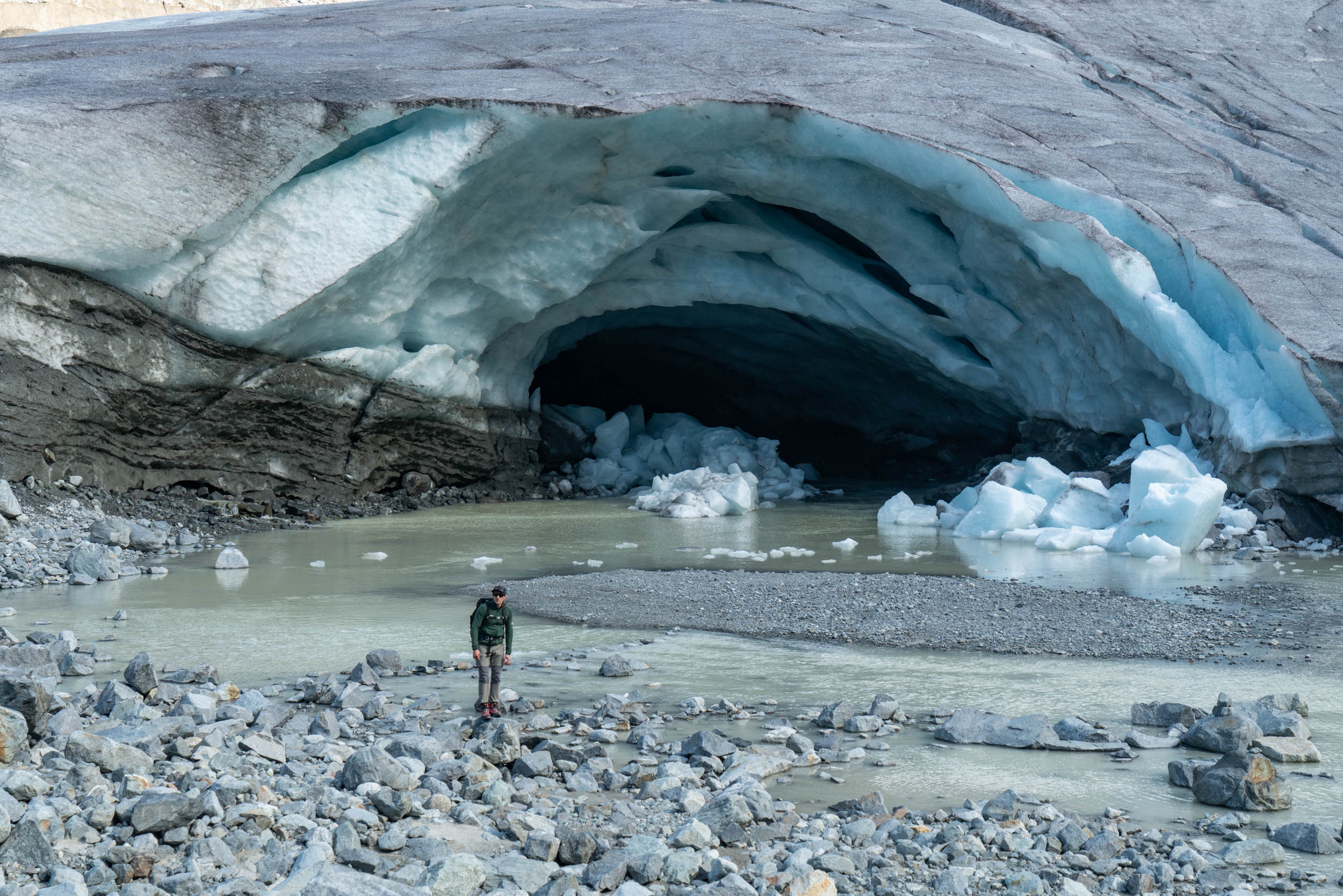
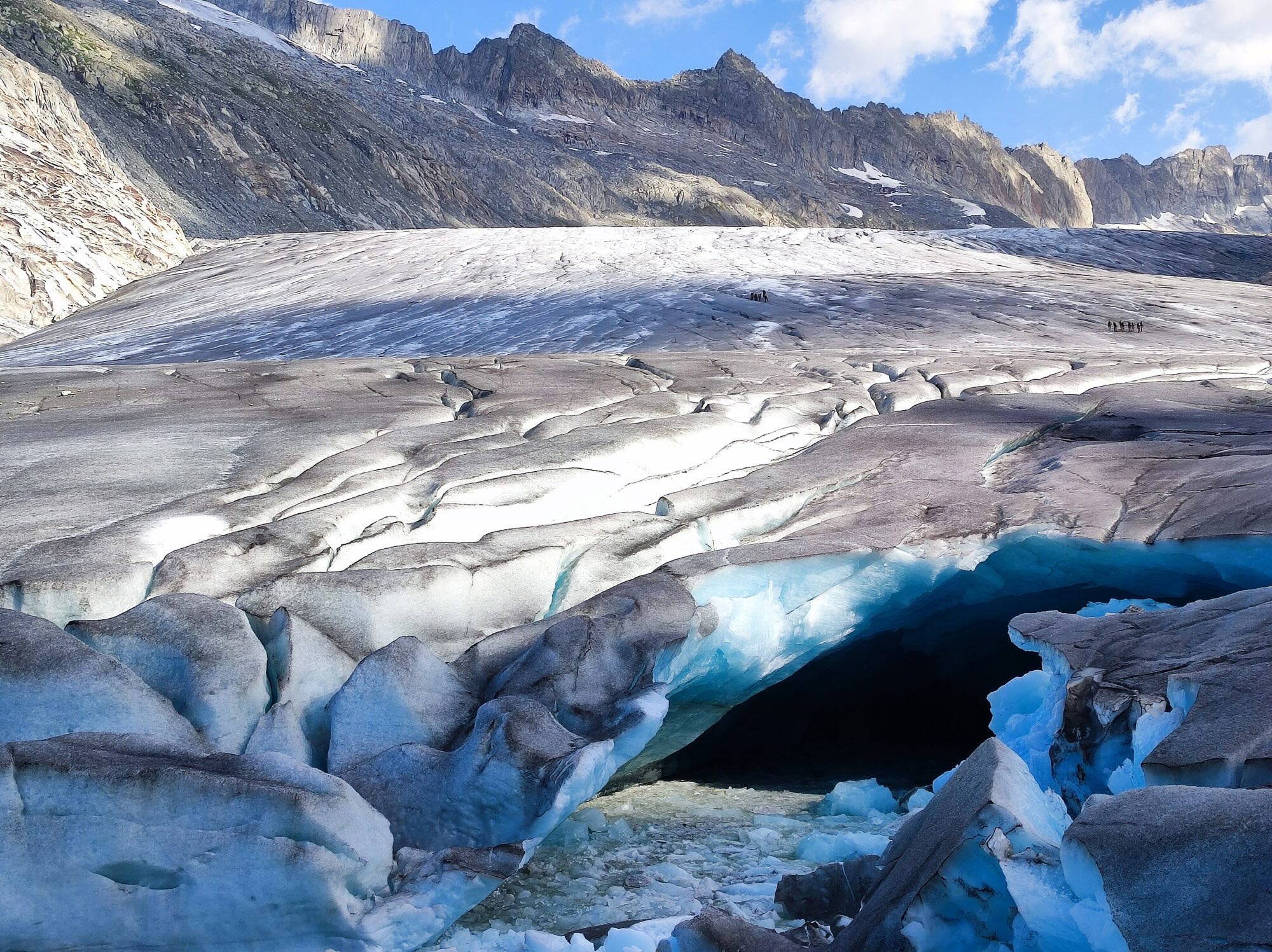
On average, glacier thickness decreased by 2.5m–4m, and some glaciers lost up to 10m of ice from their tongues (a strip of ice that sticks out from the bottom of a glacier).
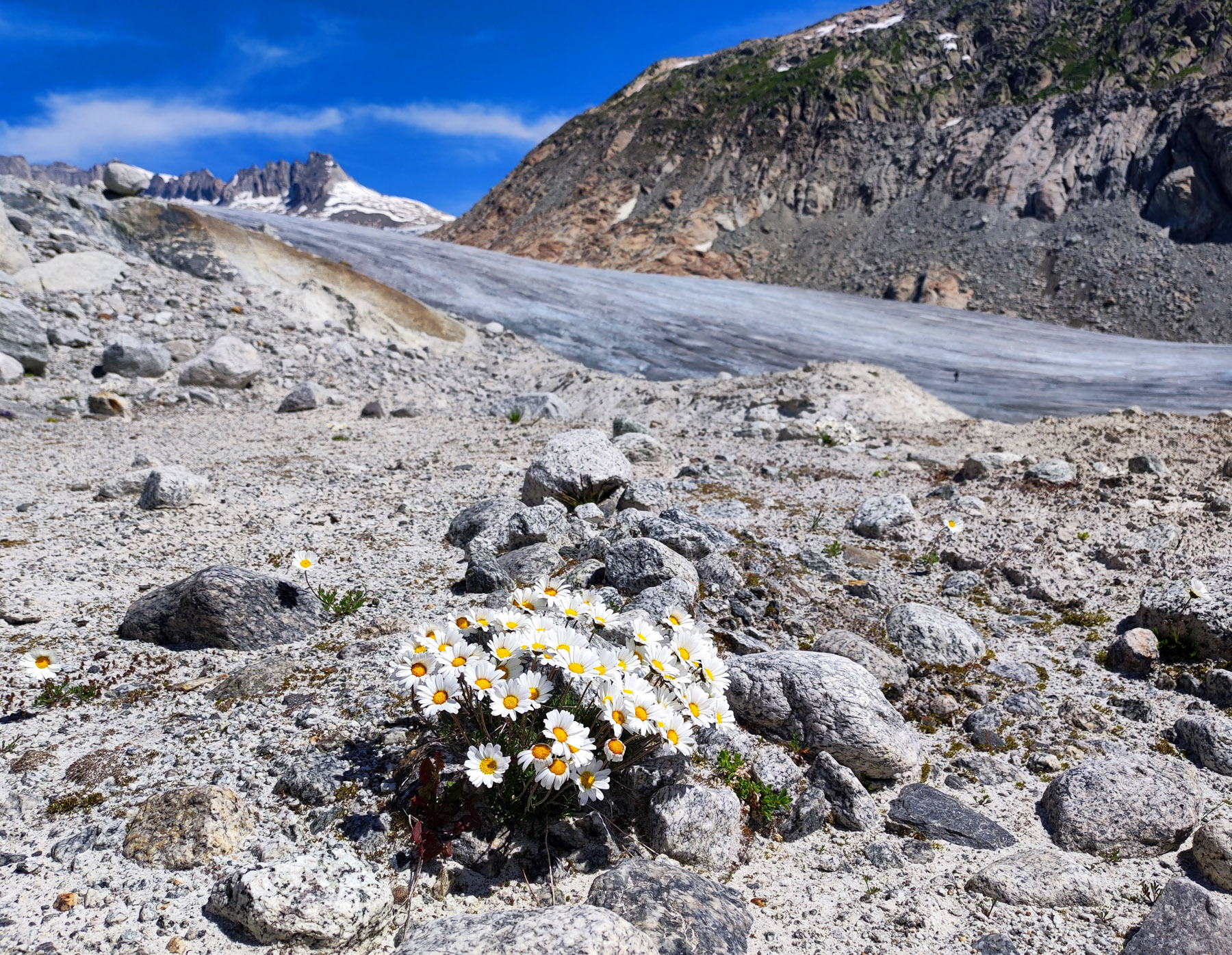
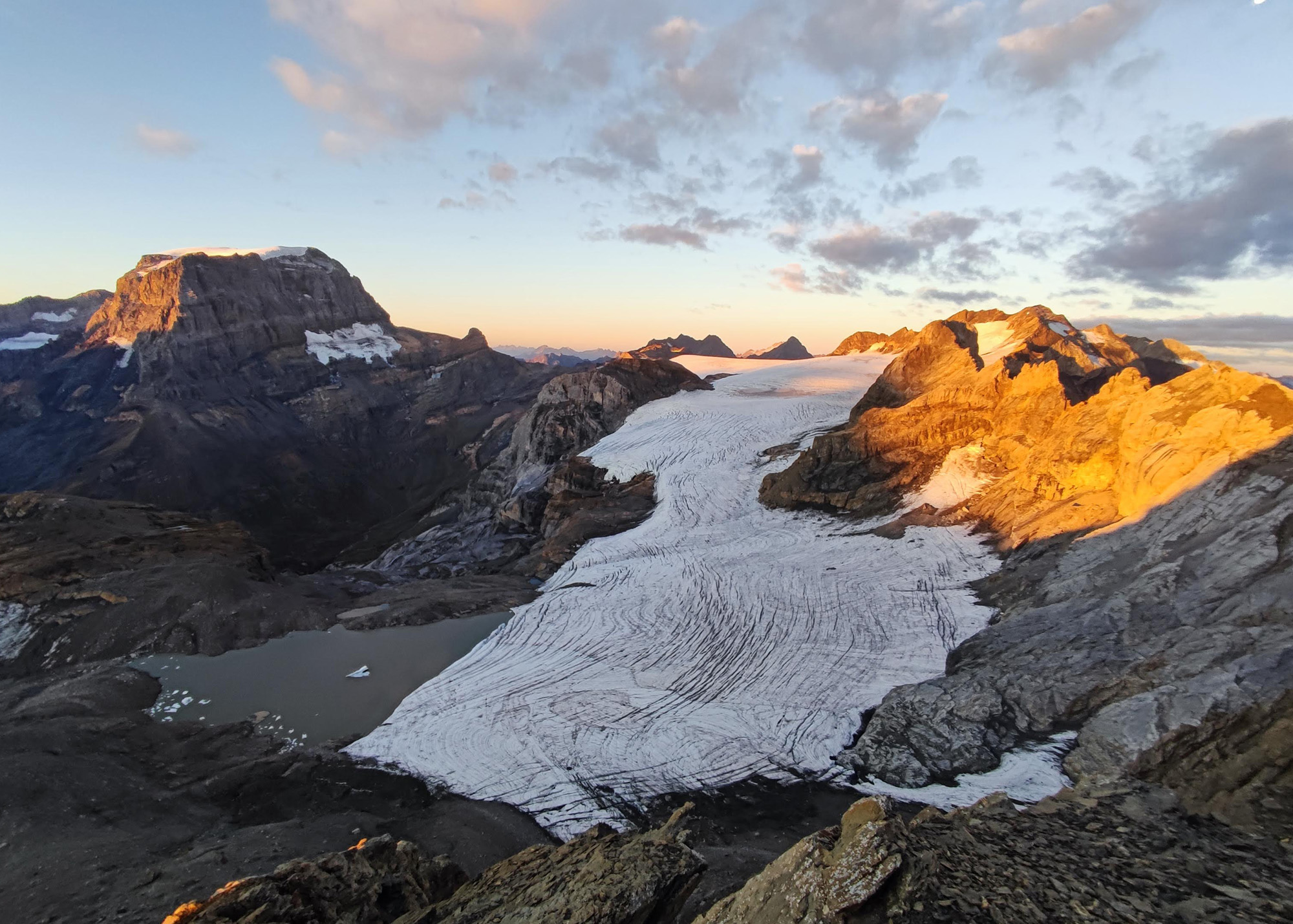
The Rhône, Clariden and Aletsch glaciers experienced their greatest melts on record. Meanwhile, Bella Tola in Valais and Griessfirn in Glarus disappeared completely.
Why are Switzerland's glaciers melting?
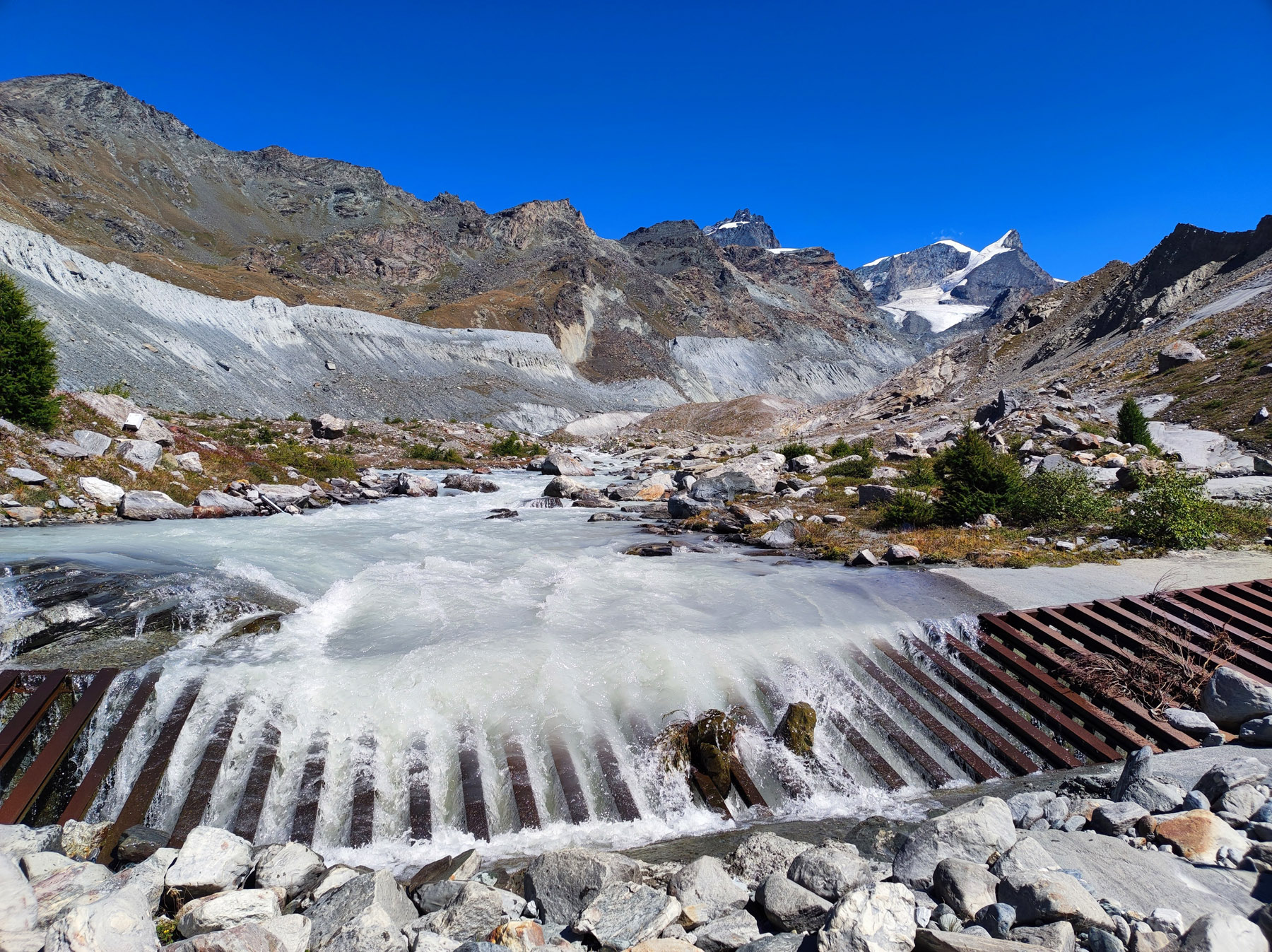
Experts from the Swiss Academy of Sciences (SCNAT) say the excessive melt rates were the result of a mild winter with relatively little snowfall, followed by extremely hot and dry conditions between May and September 2026, when around 2.2 trillion litres of water were released from the country’s glaciers.
By the end of summer, any snow that had fallen on the glaciers over winter was gone, leaving them exposed to the heat of the sun.
This year’s ice loss follows a sustained period of high melt rates. In the past five years, nearly 20 per cent of Switzerland’s glacier volume has gone.
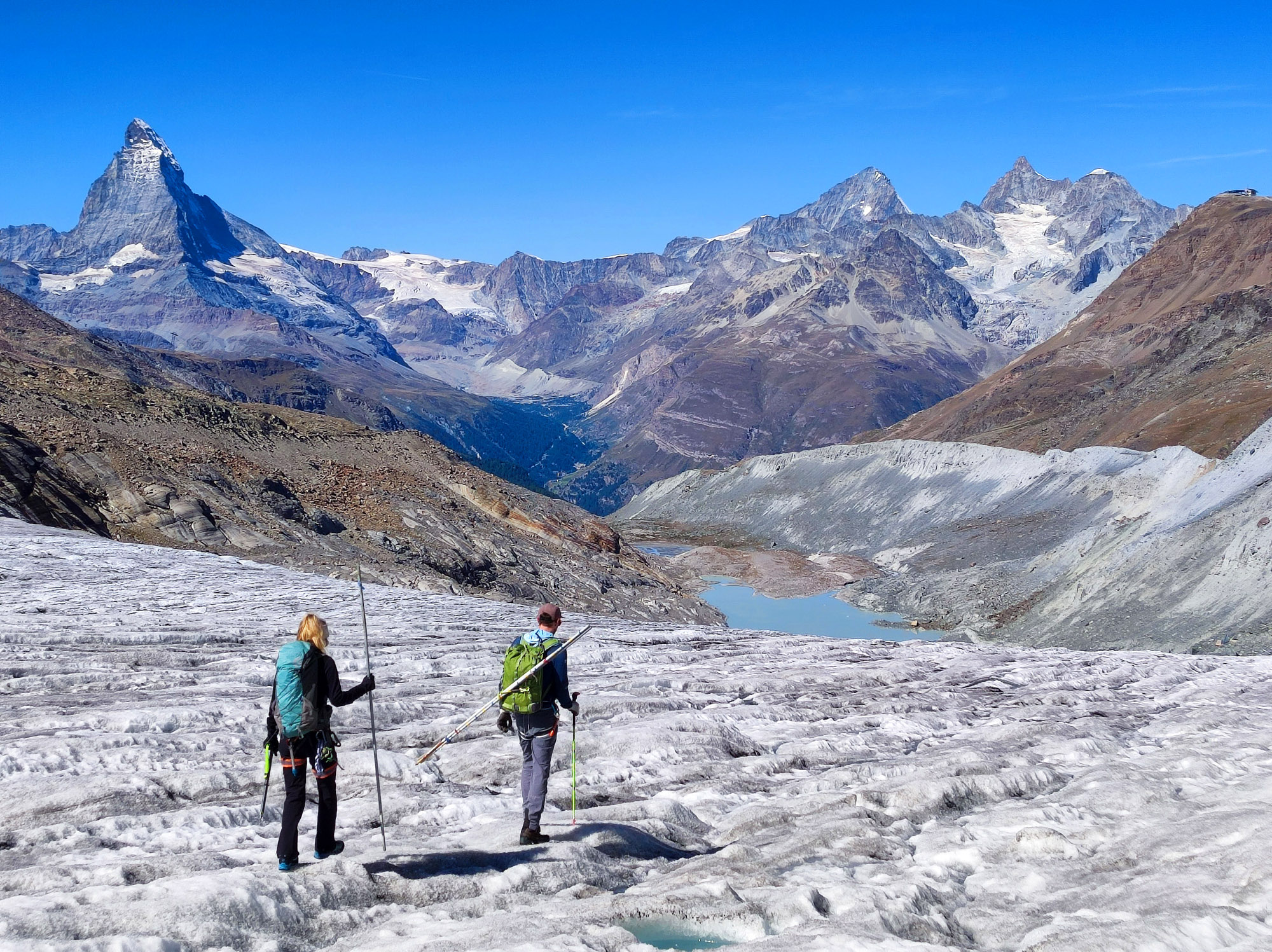
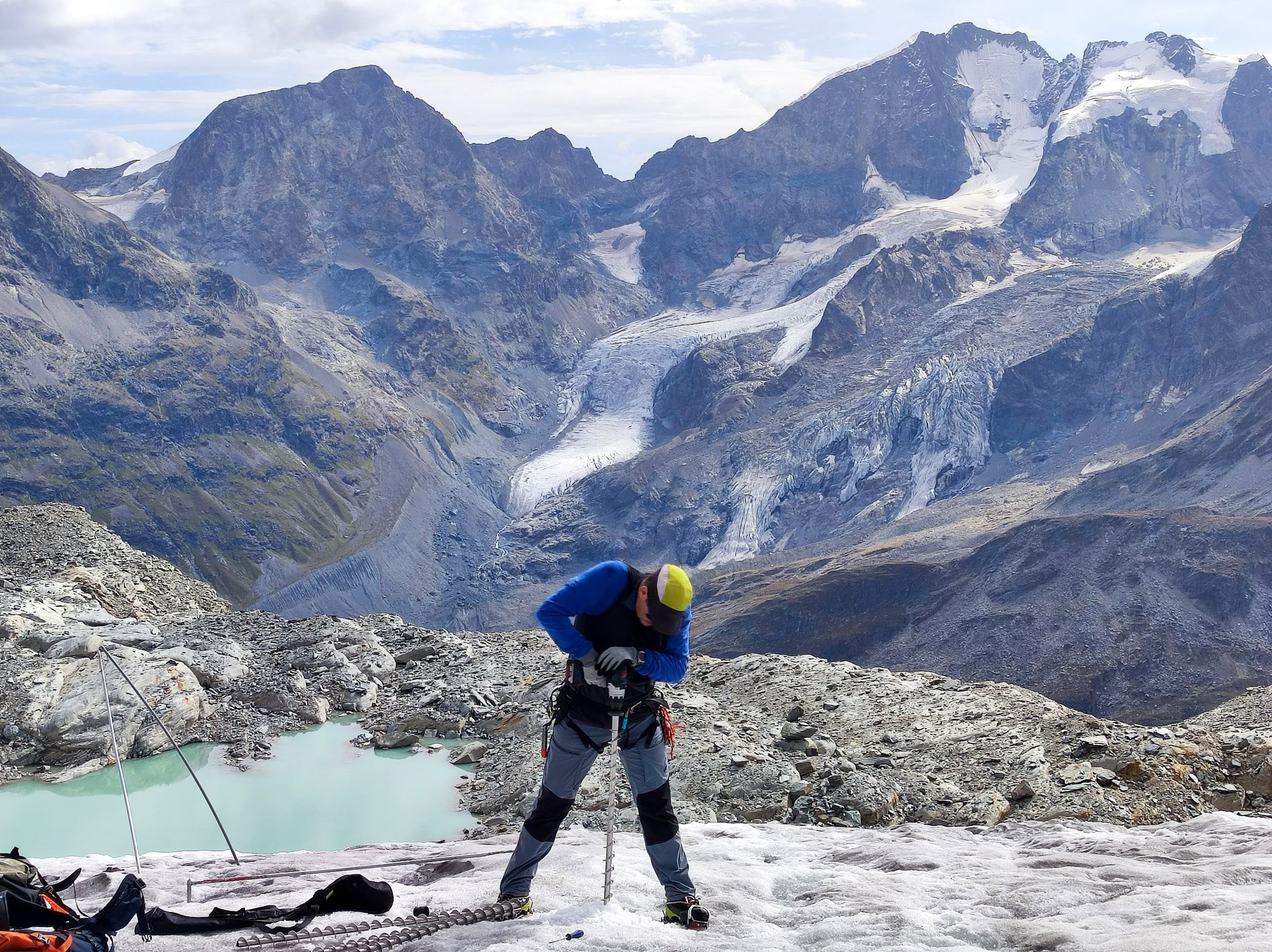
The researchers say the new data, reported by GLAMOS – Glacier Monitoring Network’s long-term monitoring of Swiss glaciers – highlights how rapidly the country’s glacial landscape is changing.
- Scientists resurrect 40,000-year-old organisms from Arctic ice – now they’re worried
- 100km-wide "hidden giant" discovered beneath Antarctic ice sheet
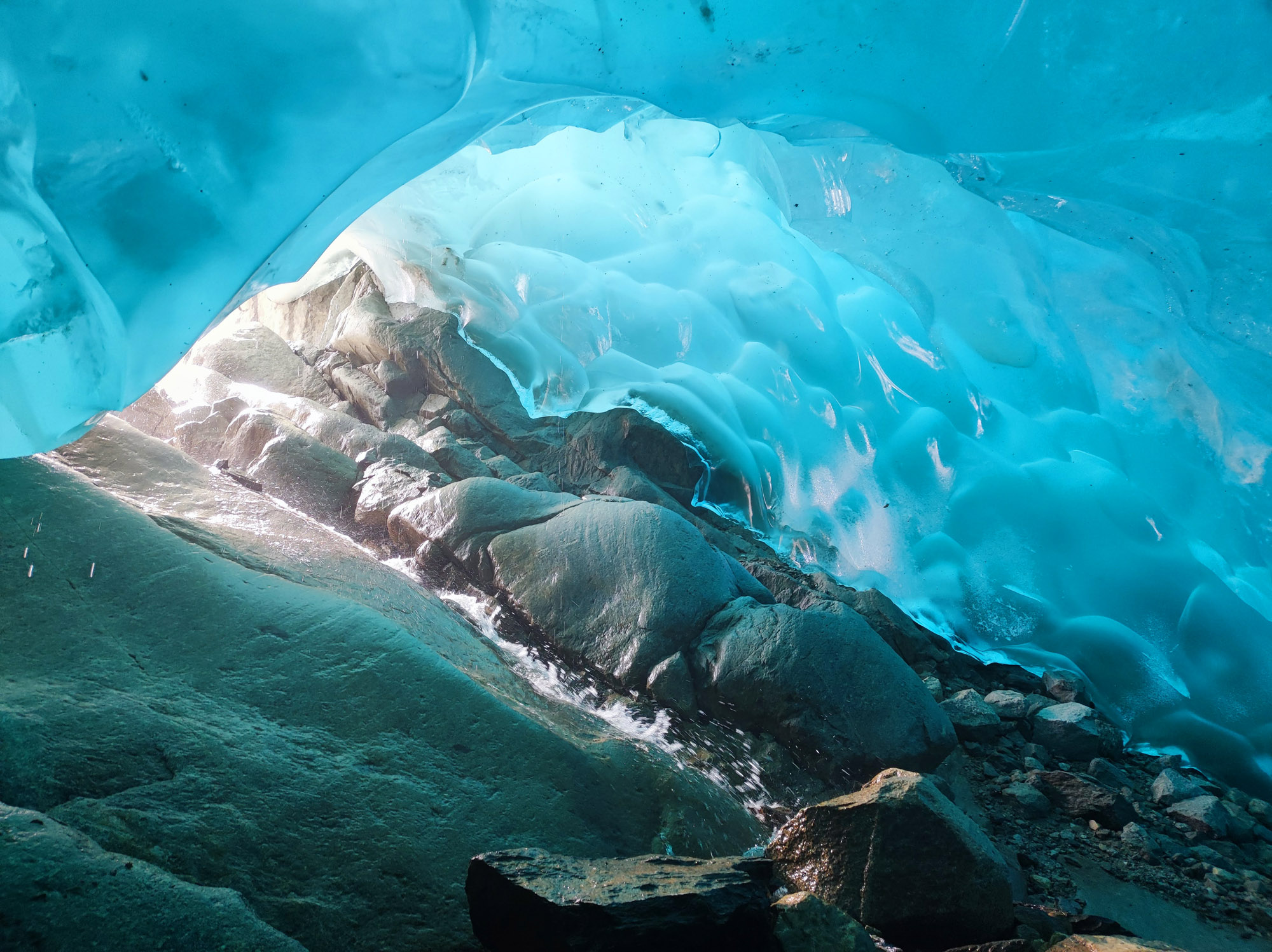
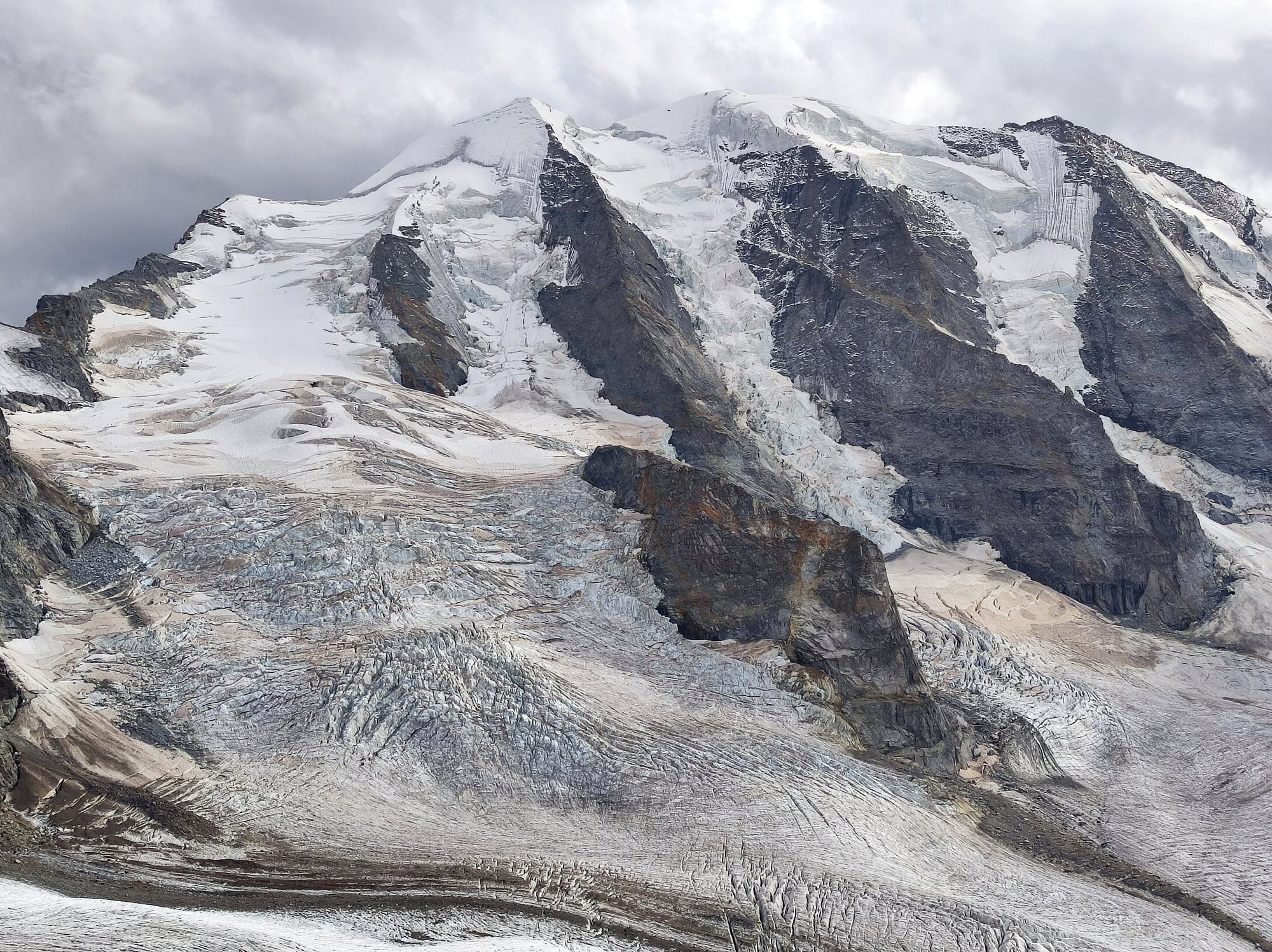
In pictures: Switzerland’s glaciers

More stories from around the world
- Gigantic iceberg breaks free in Antarctica, revealing ghostly mega-nest beneath
- This Antarctic glacier looks like it’s gushing blood. Scientists have finally figured out what’s going on
- Divers went into a 20m-deep underwater cave in Spain – and found animal colonies thriving within
- Drones reveal massive ‘buried glaciers’ in the US. They could guide search for water on Mars
Top image: Aletsch Glacier, Switzerland. Credit: L. Hoesli


