Chilling moment polar bear gazes down at prey among 16 incredible images from the Wildlife Photographer of the Year Awards

Chilling moment polar bear gazes down at prey among 16 incredible images from the Wildlife Photographer of the Year Awards

Ahead of the winners being announced in October, preview images from this year’s Wildlife Photographer of the Year Awards have been released

Audun Rikardsen / Wildlife Photographer of the Year


A breathtaking scene of a polar bear peering into an ice hole is one of the shortlisted images for the Natural History Museum’s Wildlife Photographer of the Year competition.

After spotting tracks near a hole in Arctic sea ice north of Svalbard, Norwegian photographer Audun Rikardsen set up a motion-sensor underwater camera. It took eight hours to finally capture the moment a polar bear gazed down in search of prey. The image, titled Icy Window, has been awarded Highly Commended in the Animal Portraits category in the competition’s 62nd year.

The overall winners of the competition will be announced at a ceremony hosted by Chris Packham and Megan McCubbin on Tuesday 13 October 2026, which will be available to watch live on the Natural History Museum’s YouTube channel.

An exhibition of the winning photographs will open at the museum on Friday 16 October 2026.

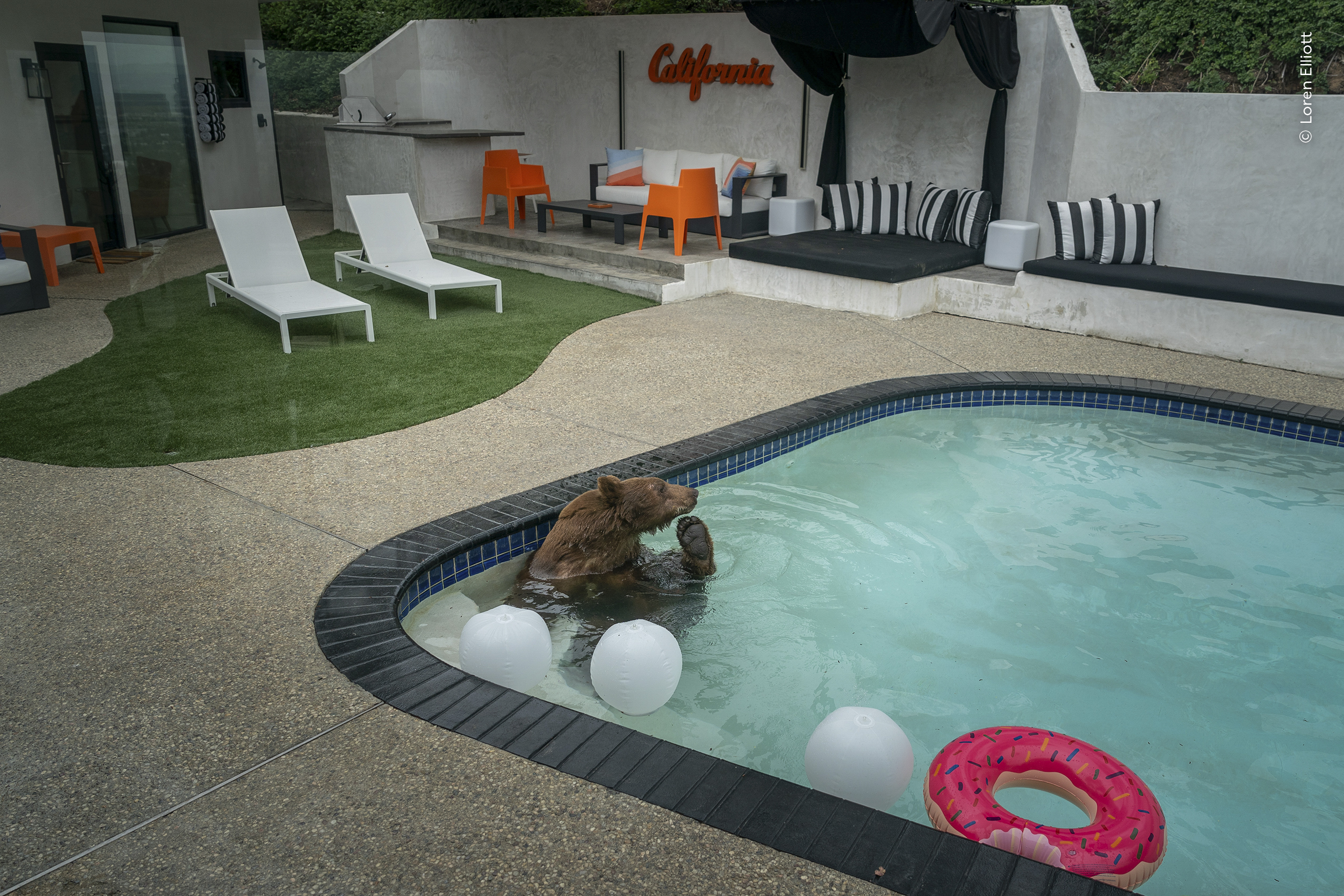
Other commended images this year include a black bear going for a dip in a Californian swimming pool, an adult orca attempting to revive its calf and a mosquito drinking a highly venomous viper’s blood.

“Every year I think the entries to our competition can’t get any stronger – and every year I’m proven wrong!” says Kathy Moran, chair of the Wildlife Photographer of the Year Jury.

“Selected from a record-breaking 65,403 images, this preview presents just a small insight into the 100 incredible images in store for visitors to our exhibition. These images pave the way for a deepened appreciation and commitment to our natural world.”

Wildlife Photographer of the Year 2026 images

Up a Tree without a Squirrel by Allegra Hutton
Highly Commended, Behaviour: Mammals 
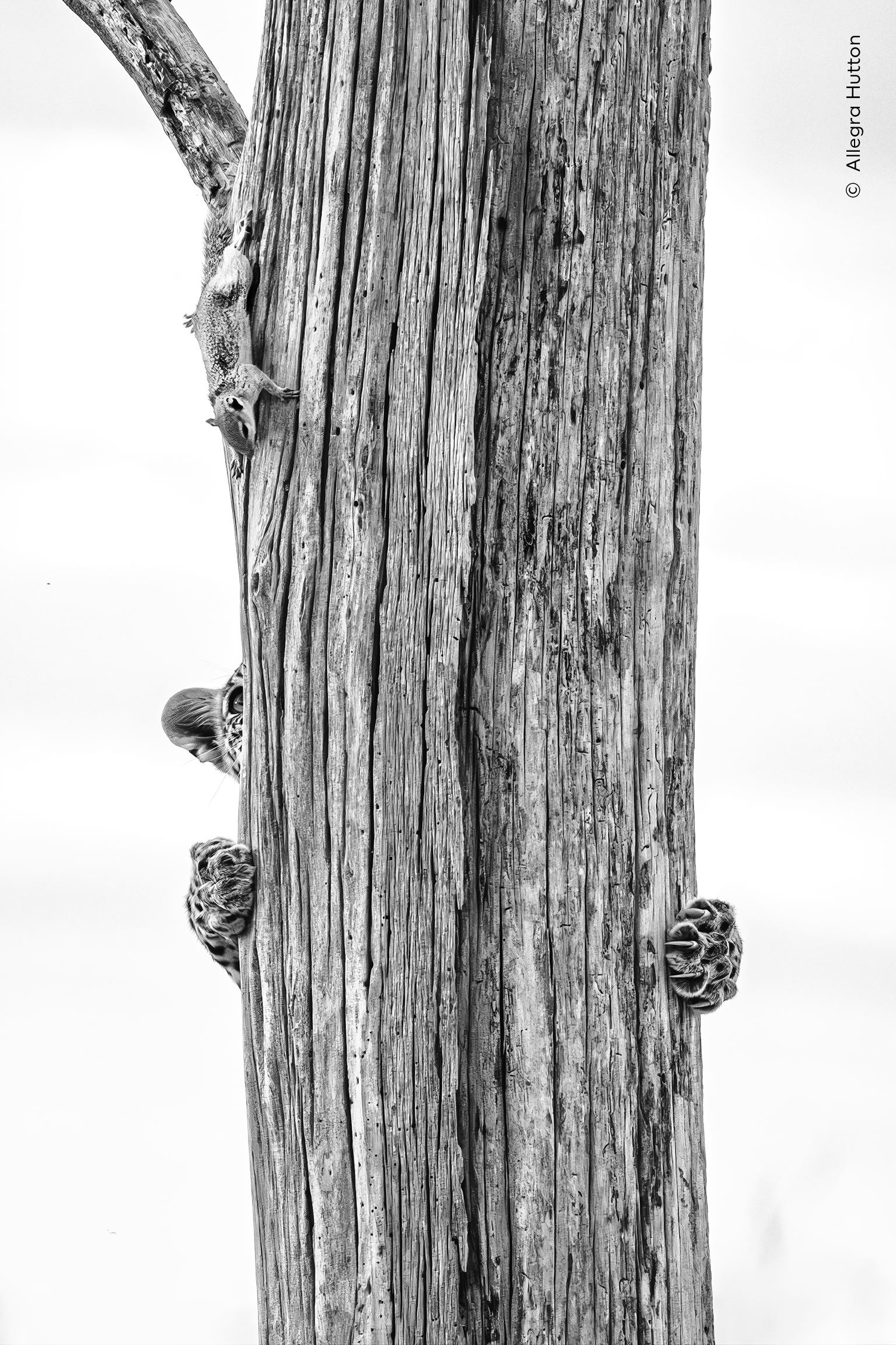
Up a Tree without a Squirrel by Allegra Hutton
Allegra Hutton watches a young leopard chase a squirrel up a tree in Botswana’s Okavango Delta. Allegra had already watched the leopard try – and fail – to stalk a rabbit. The squirrel also avoided the leopard’s clumsy manoeuvres, eventually ascending too high for the leopard to follow. By then, the cat could barely hang on. An awkward backward retreat ensued.  - Allegra Hutton / Wildlife Photographer of the Year

Biting Back by Andrea and Maceo Grammatico
Highly Commended, Animal Portraits 
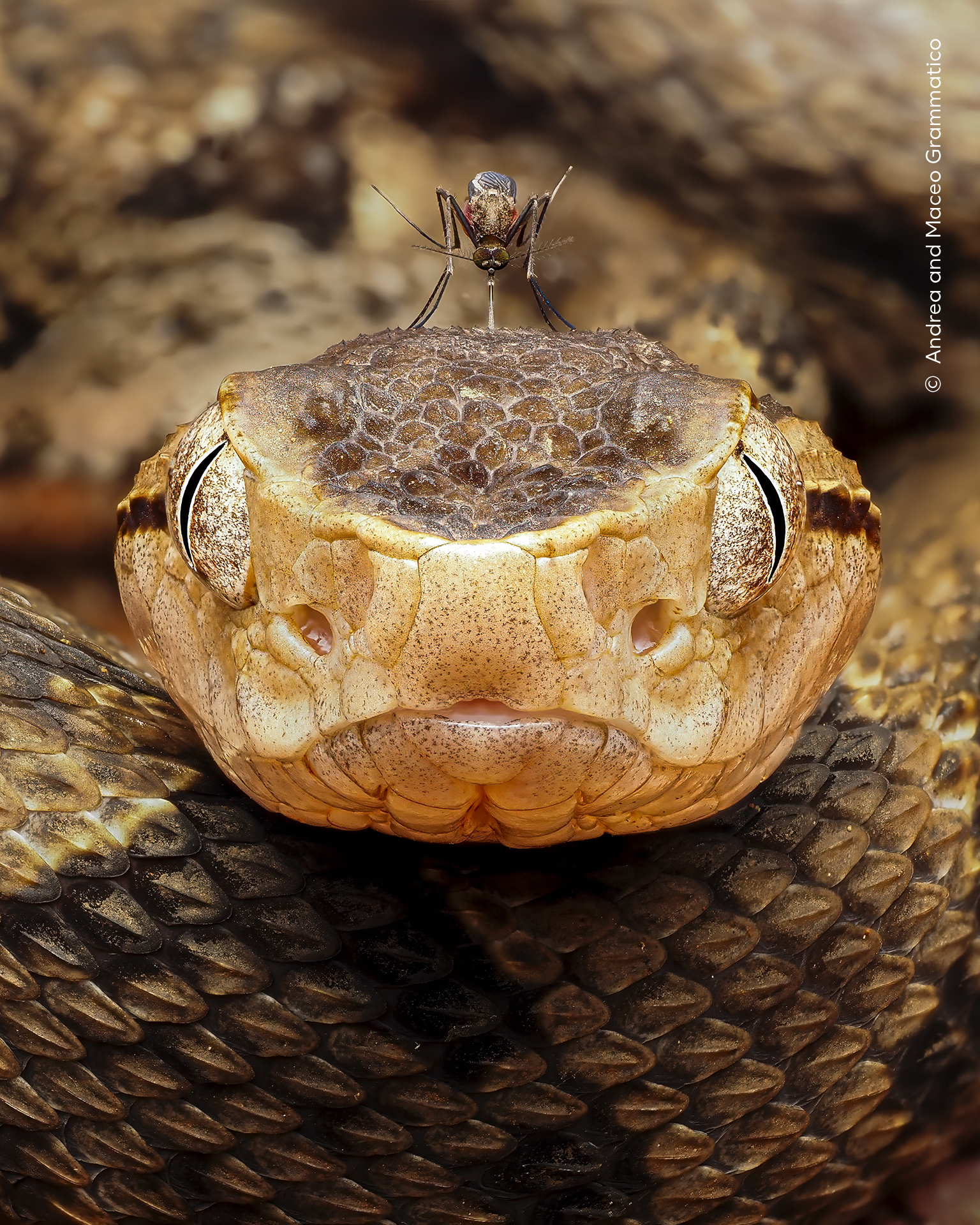
Biting Back by Andrea and Maceo Grammatico
Twins Andrea and Maceo describe this image as ‘one of the most demanding focus stacks we’ve ever created’. But it wasn’t until they reviewed their photographs that they noticed the mosquito on the fer-de-lance’s head. It is a highly venomous viper that is responsible for the greatest number of fatal snake bites in Central America. - Andrea and Maceo Grammatico / Wildlife Photographer of the Year

Wings of Darkness by Andrew Parkinson
Highly Commended, Animal Portraits 
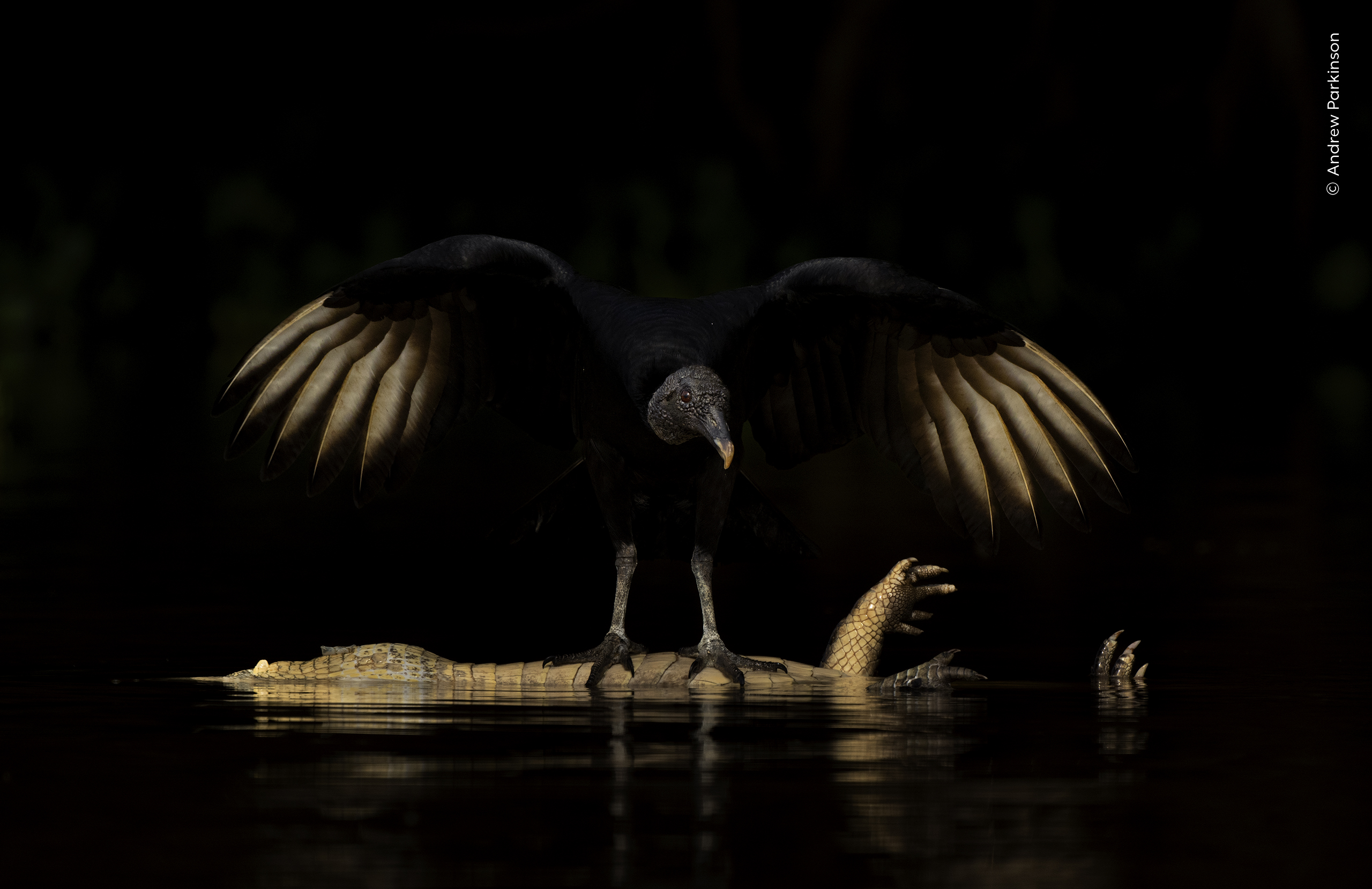
Wings of Darkness by Andrew Parkinson
Andrew Parkinson spotted a black vulture over the carcass of a yacaré caiman in the Pantanal wetlands’s Waters State Park (in Brazil) and used a long telephoto lens to capture the moment. Out of frame, a jaguar waited to retrieve the caiman from the water. - Andrew Parkinson / Wildlife Photographer of the Year

Flock of Gold by Bence Máté
Highly Commended, Behaviour: Birds 
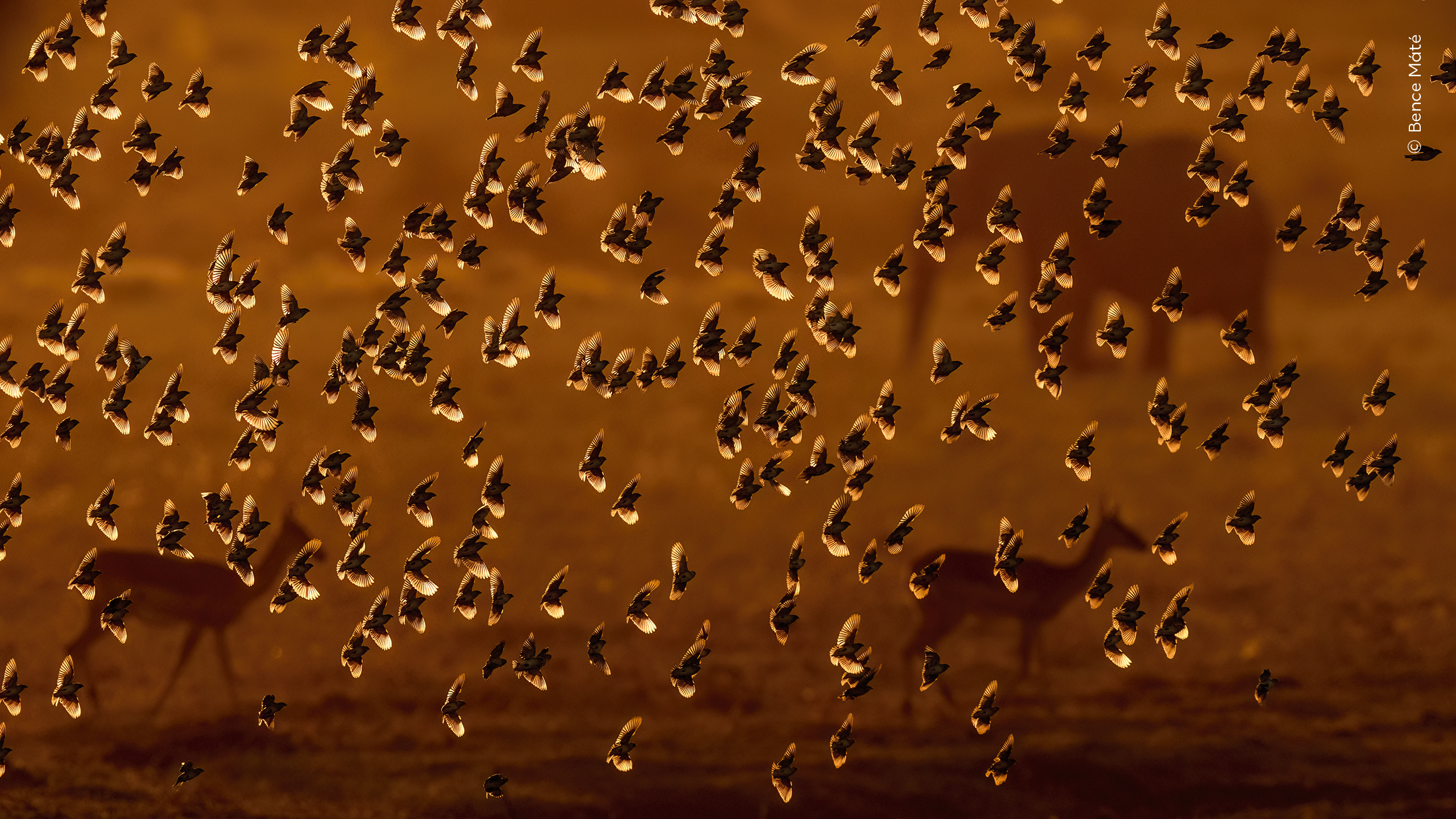
Flock of Gold by Bence Máté
‘You could feel the rush of air from tens of thousands of wings beating in unison, even from 30 metres (98 feet) away,’ says Máté. This image of a flock of red-billed queleas was captured in the golden light of a late afternoon, in Kenya’s Tsavo East National Park. - Bence Máté / Wildlife Photographer of the Year

Eye of the Storm by Dewald Tromp
Highly Commended, Animals in their Environment 
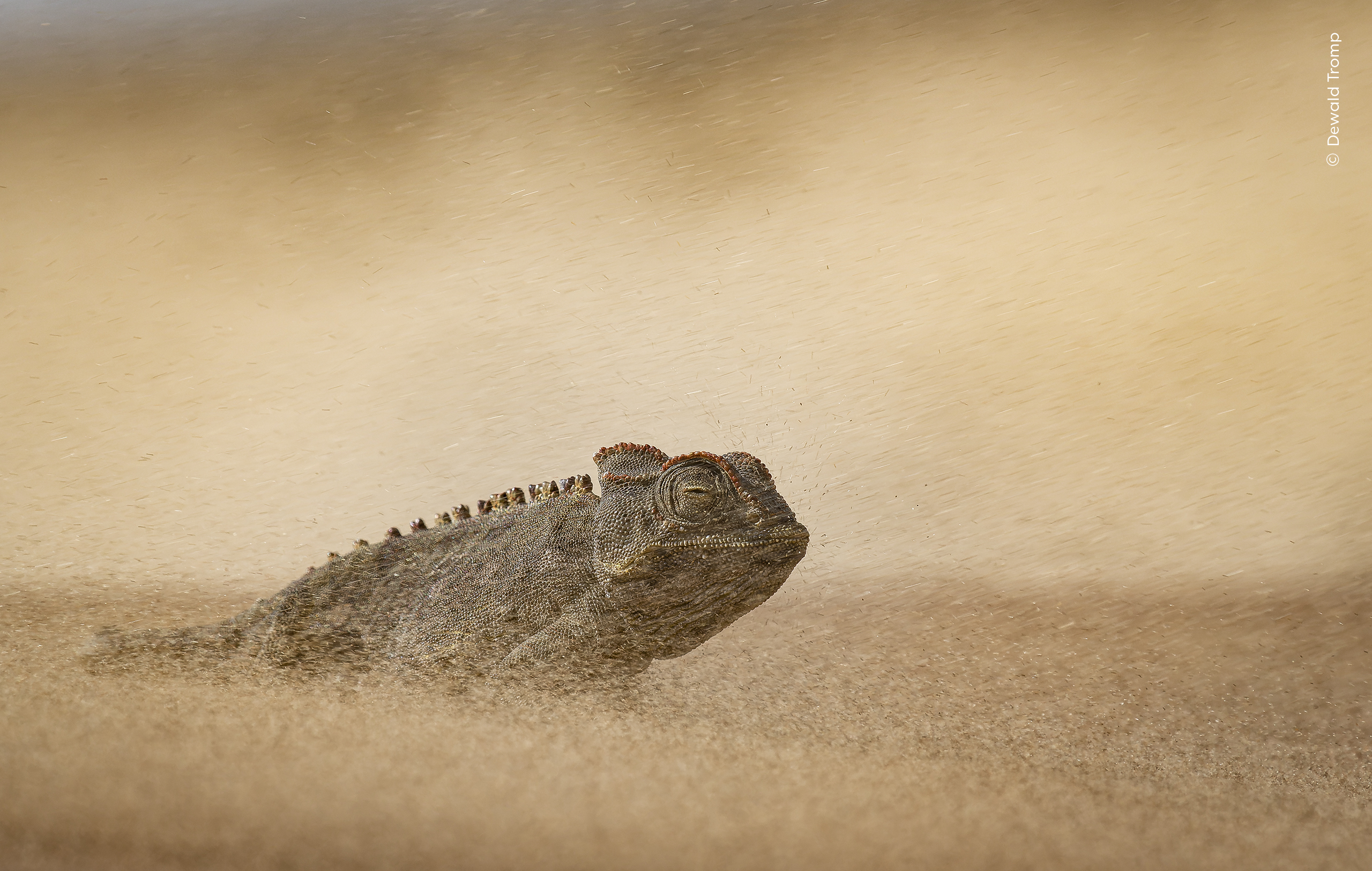
Eye of the Storm by Dewald Tromp
A storm picked up as Dewald was photographing this Namaqua chameleon in the Namib Desert. It soon became difficult to breathe and ‘in a matter of seconds, you could hardly see the person next to you’, Dewald recalls.   - Dewald Tromp / Wildlife Photographer of the Year

Mutual Friends by Ernest Porter
Highly Commended, Behaviour: Birds 
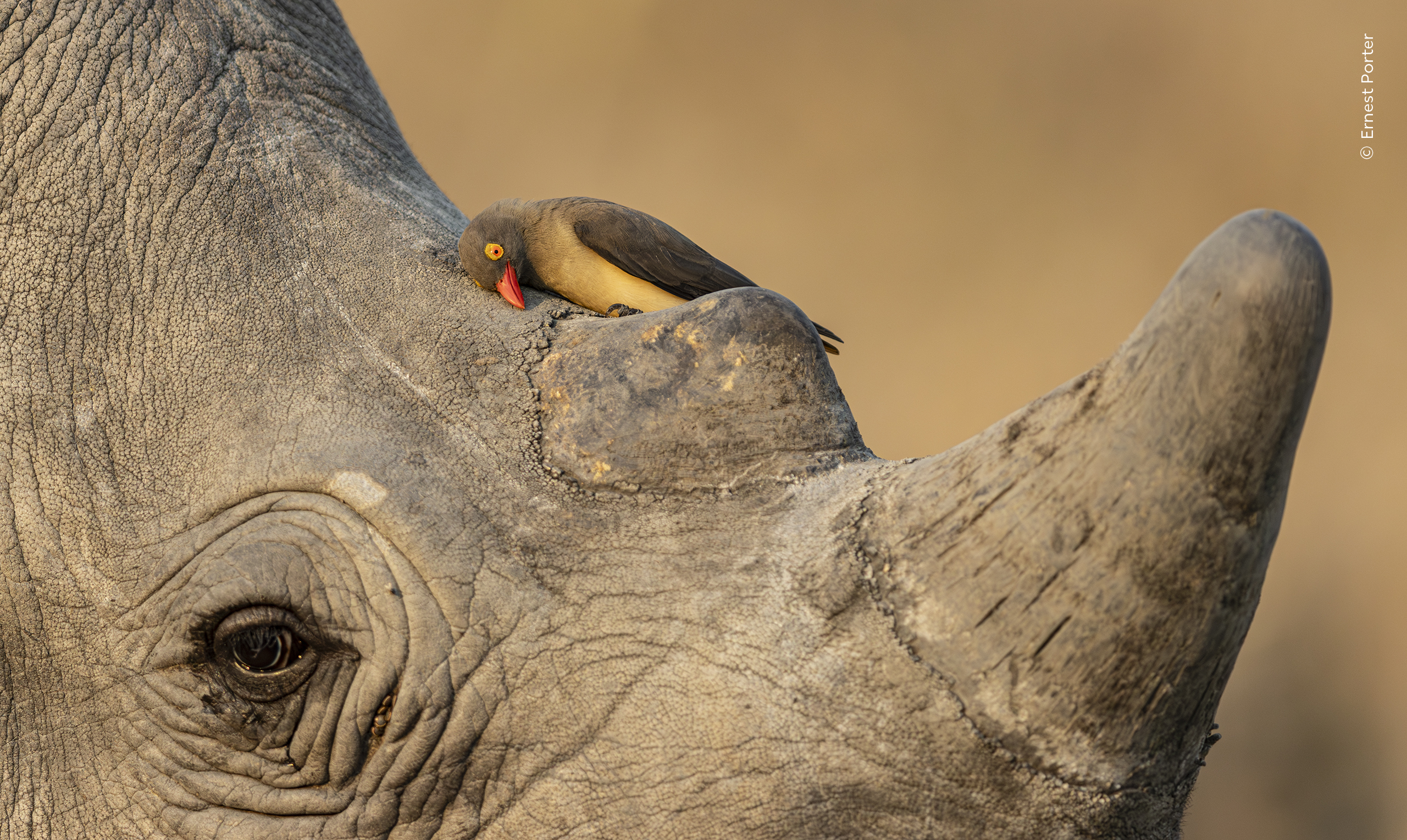
Mutual Friends by Ernest Porter
While searching for wildlife in the Manyeleti Game Reserve (in Mpumalanga, South Africa), Ernest witnessed a group of white rhinos with red-billed oxpeckers feeding on the insects that infest their skin. - Ernest Porter / Wildlife Photographer of the Year

Hidden Dragon by Gil Wizen
Highly Commended, Behaviour: Invertebrates 
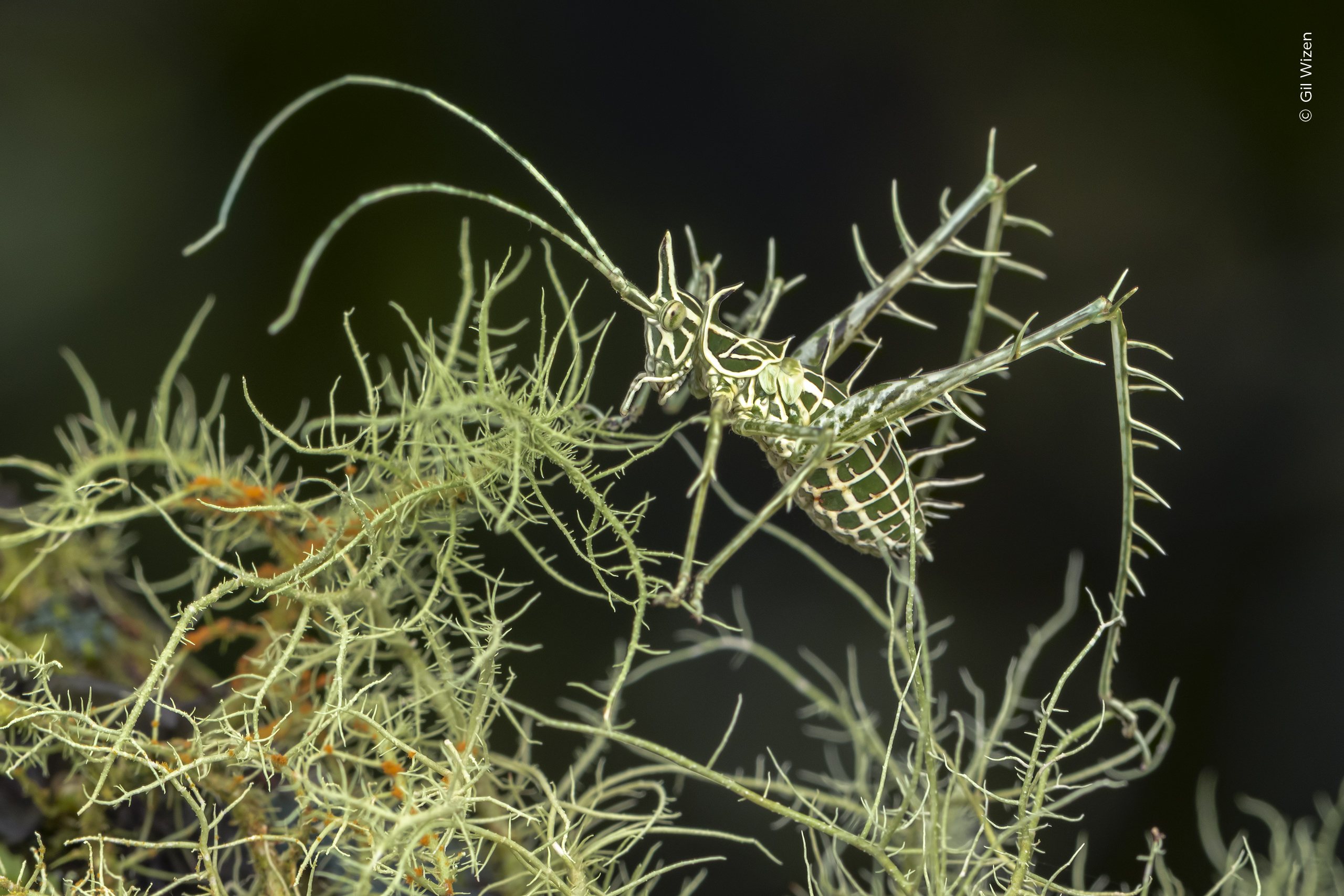
Hidden Dragon by Gil Wizen
At only 15 millimetres long, this lichen dragon katydid (a nocturnal insect) wasn’t easy to find. Luckily, Wizen was able to spot it when it moved ever so slightly. - Gil Wizen / Wildlife Photographer of the Year

The Art of Flying by Jack Crockford
Highly Commended, 15–17 Years 
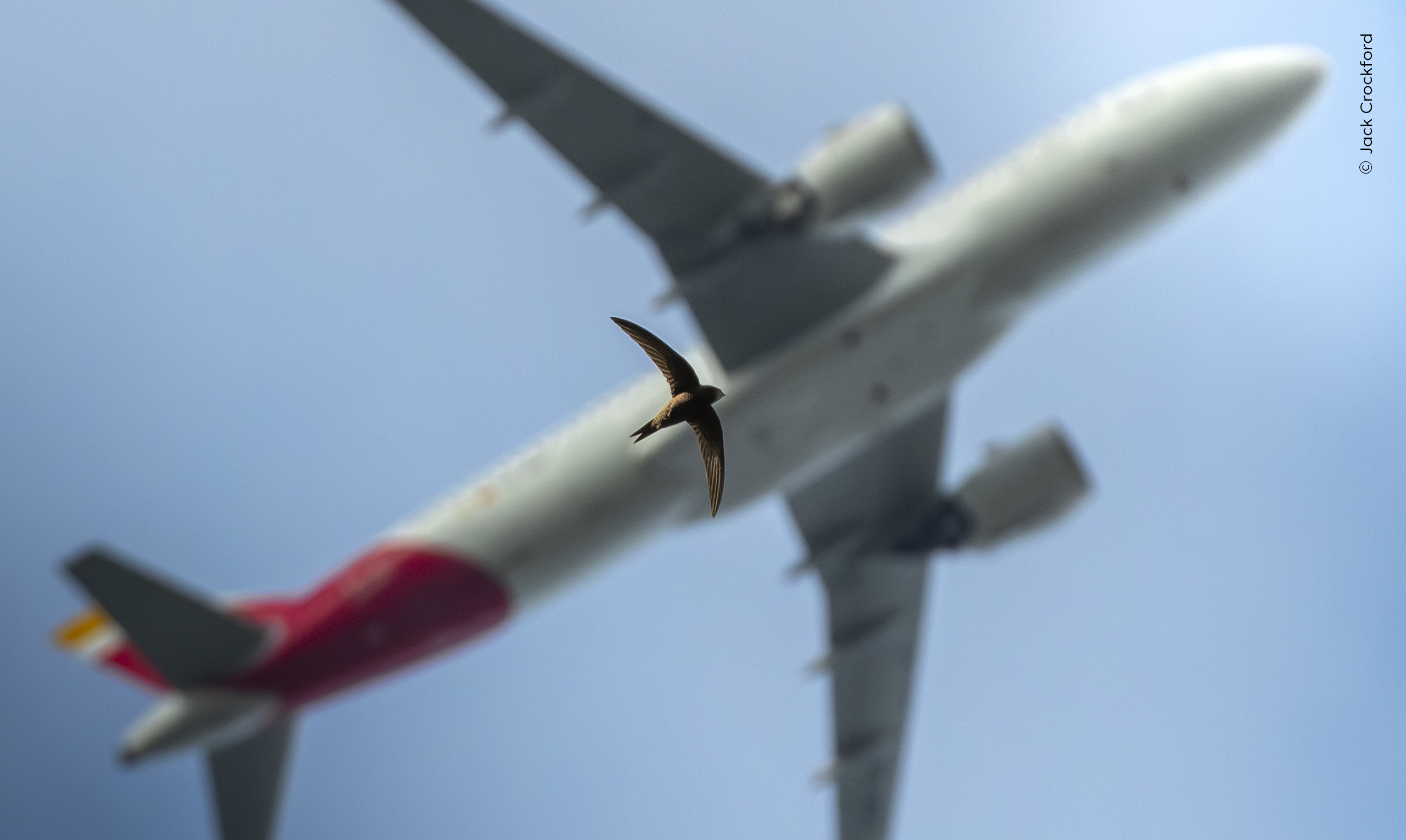
The Art of Flying by Jack Crockford
Jack observed swifts flying overhead near London’s Heathrow Airport, completing their yearly migration from southern Africa. While most were flying too high to photograph, the occasional low-flyer allowed Crockford to capture the composition he’d been hoping for. - Jack Crockford / Wildlife Photographer of the Year

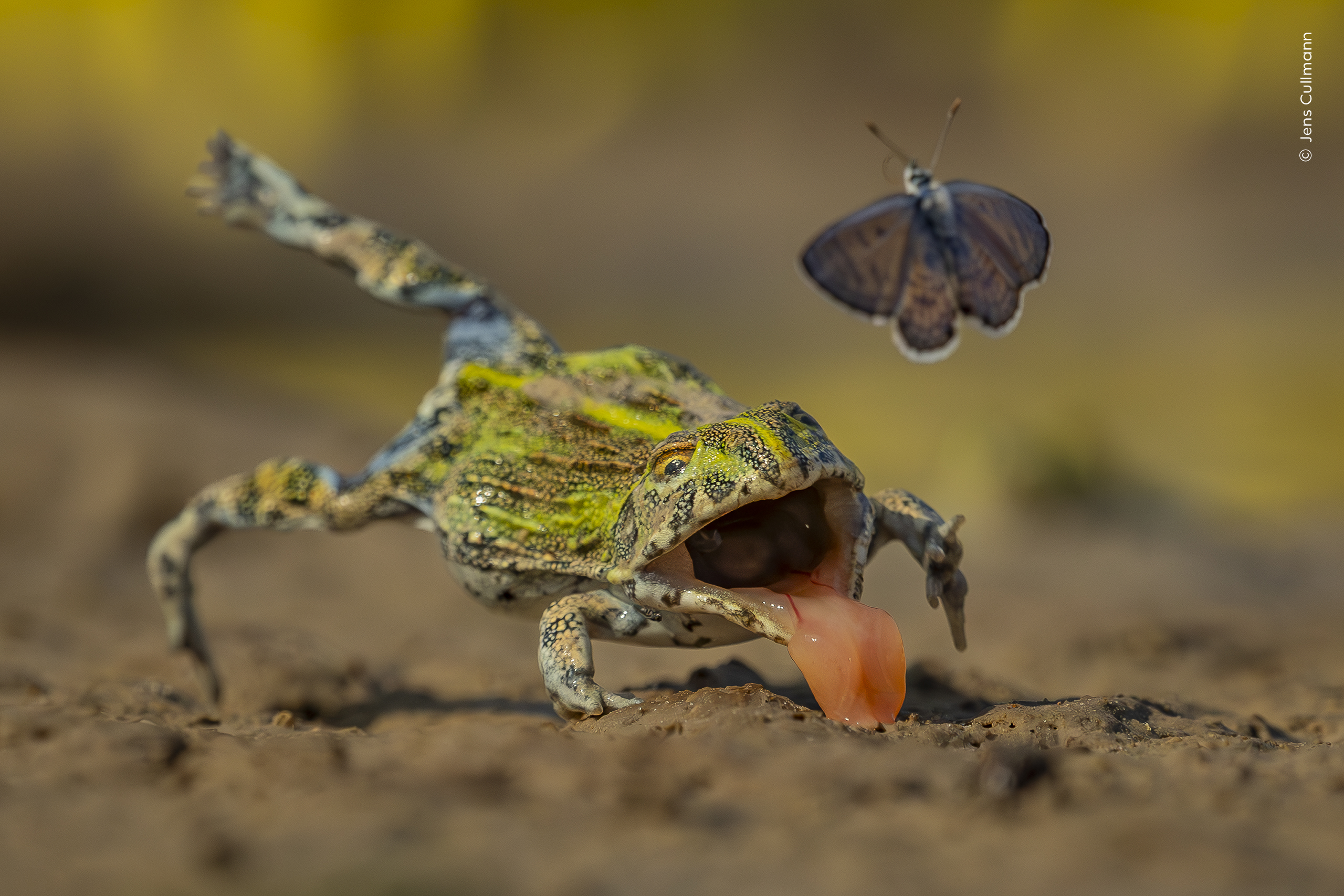
Split-Second Escape by Jens Cullmann
Highly Commended, Behaviour: Amphibians and Reptiles 
Split-Second Escape by Jens Cullmann
Cullmann noticed tadpoles on a previous visit to Botswana’s Central Kalahari Game Reserve after heavy rains and returned the following month to find ponds and puddles full of young bullfrogs. He spent more than two weeks watching the young frogs ‘eat everything that moved’. Here, he captures a close call. - Jens Cullmann / Wildlife Photographer of the Year

Pooltime Pastime by Loren Elliott
Highly Commended, Urban Wildlife 
Pooltime Pastime by Loren Elliott
A black bear cools off by taking a dip in a backyard swimming pool behind a home nestled against the San Gabriel Mountains in Monrovia, California. ‘I most like how it shows the very common overlap of wildlife and residential living in Los Angeles County,’ Eliot says. - Loren Elliott / Wildlife Photographer of the Year

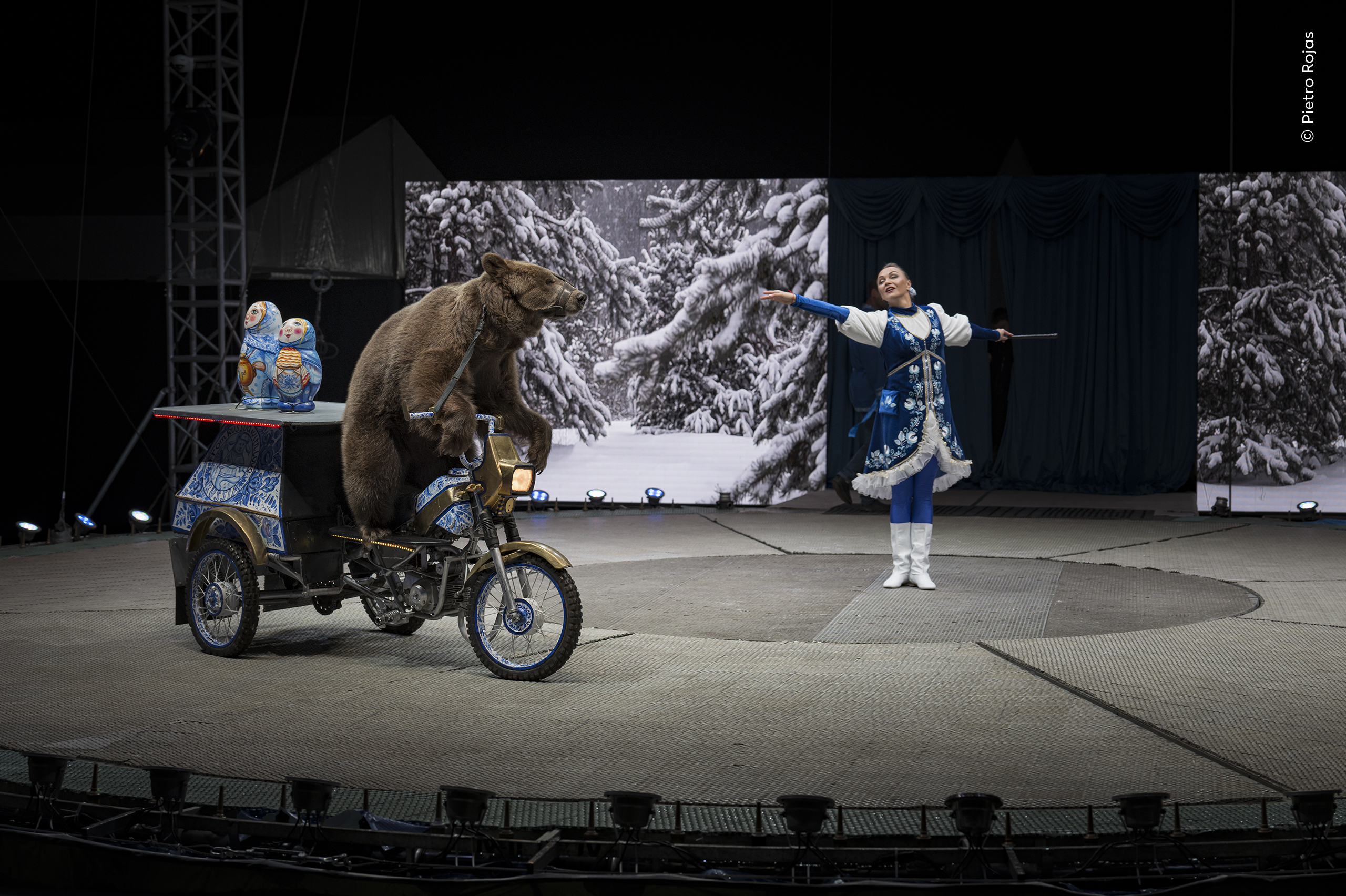
The Show Goes On by Pietro Rojas
Highly Commended, Photojournalism 
The Show Goes On by Pietro Rojas
Many countries around the world have banned animals from circus performances, but when Rojas noticed that a circus with animal acts was coming to Doha (Qatar’s capital city), he decided to document it. He explained that ‘the contrast between the wild nature of the animal and the human environment imposed upon it’ stood out to him in this image. - Pietro Rojas / Wildlife Photographer of the Year

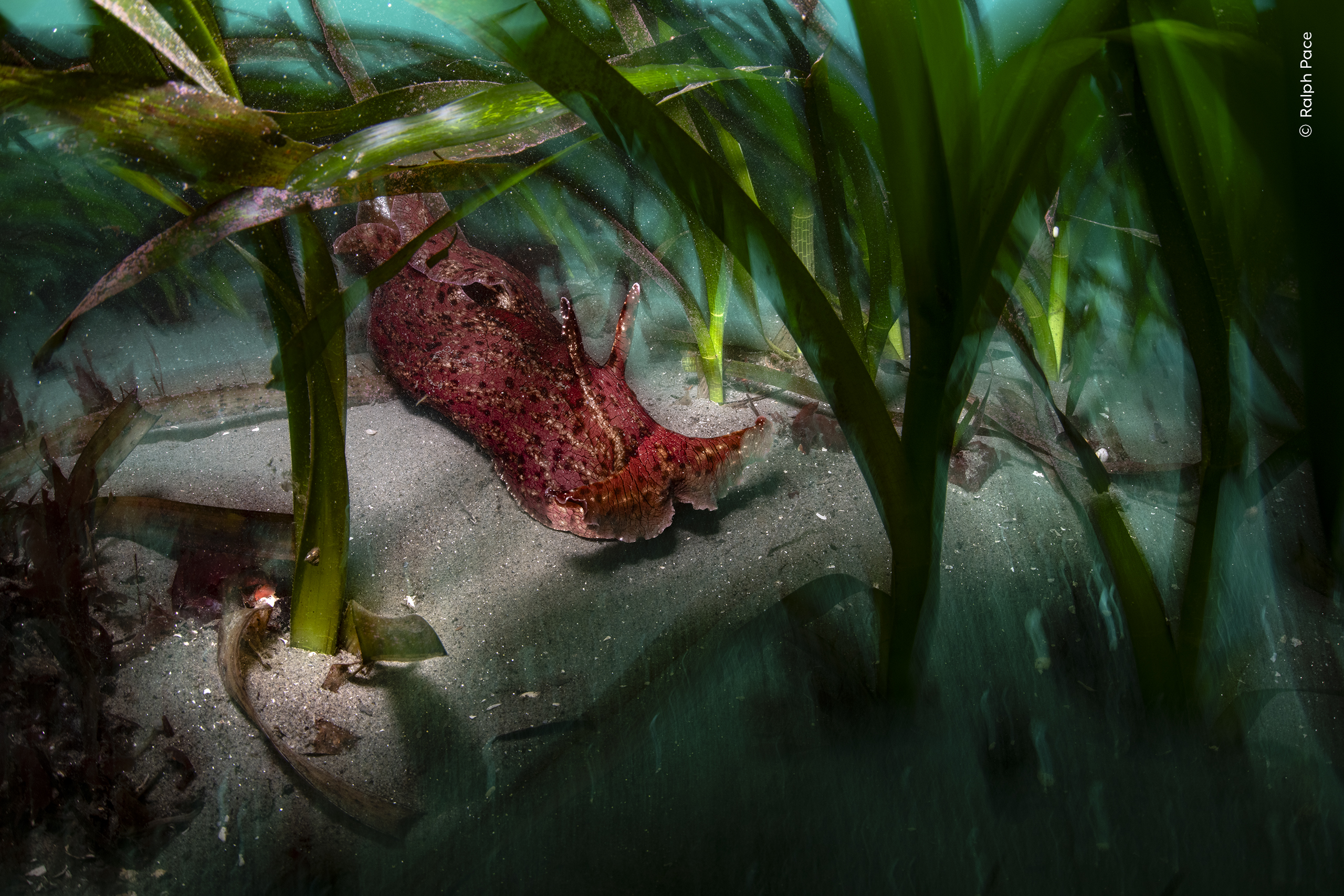
Ocean Protector by Ralph Pace
Highly Commended, Wetlands: The Bigger Picture 
Ocean Protector by Ralph Pace
In the shallows of Monterey Bay on the Pacific coast of the USA, Pace captured a glimpse of a sea hare gliding through an eelgrass meadow. - Ralph Pace / Wildlife Photographer of the Year

Calm Amid the Storm by Shane Gross
Highly Commended, Oceans: The Bigger Picture 
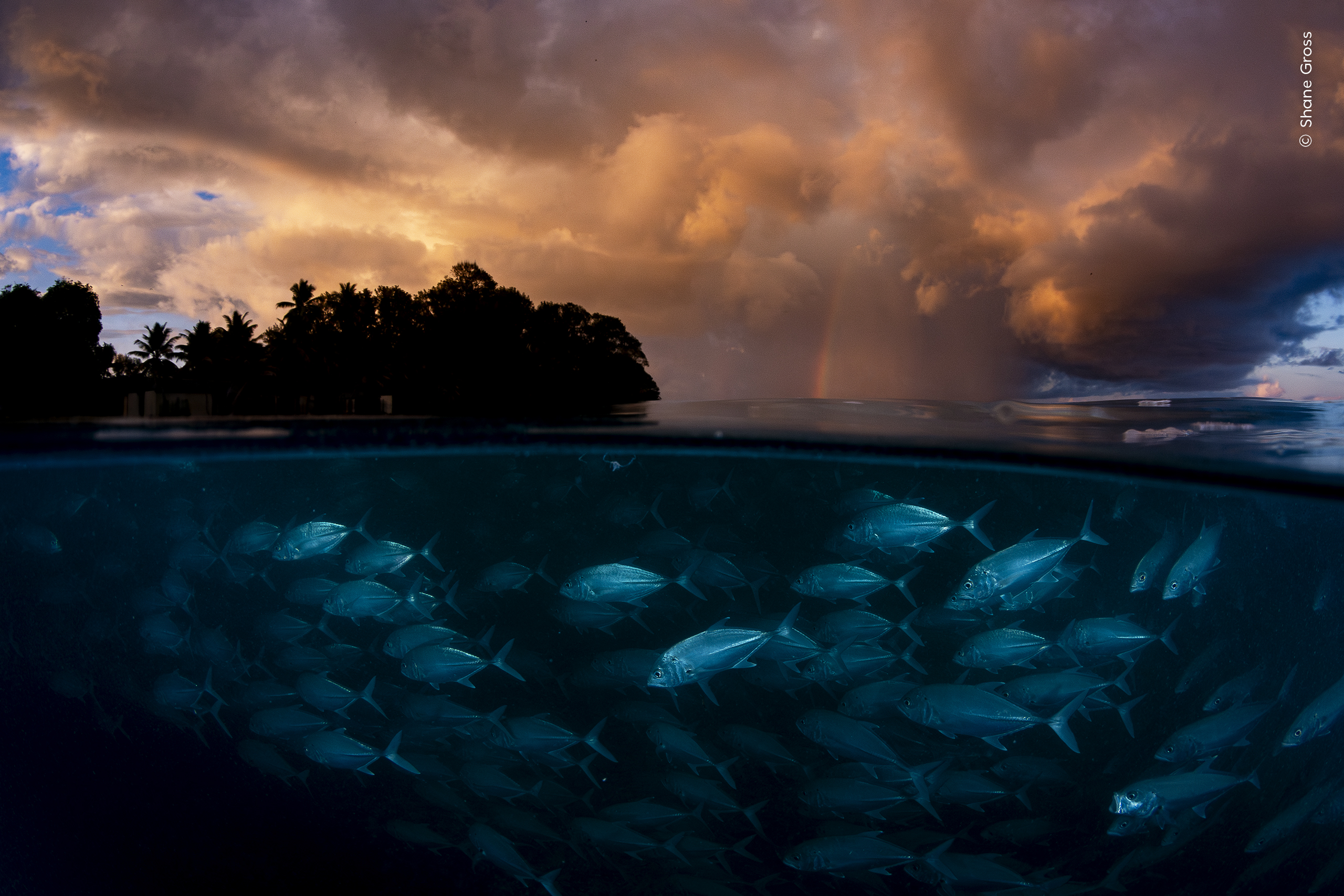
Calm Amid the Storm by Shane Gross
A school of bigeye trevally swim at dawn as a storm approaches D'Arros Island in the Seychelles. In order to achieve the split shot, Gross flipped the camera upside down to aid buoyancy distribution and adjusted his position, slowly approaching the curious school.  - Shane Gross / Wildlife Photographer of the Year

Urban Wanderer by Sora Miyazawa, Japan 
Highly Commended, 11-14 Years 
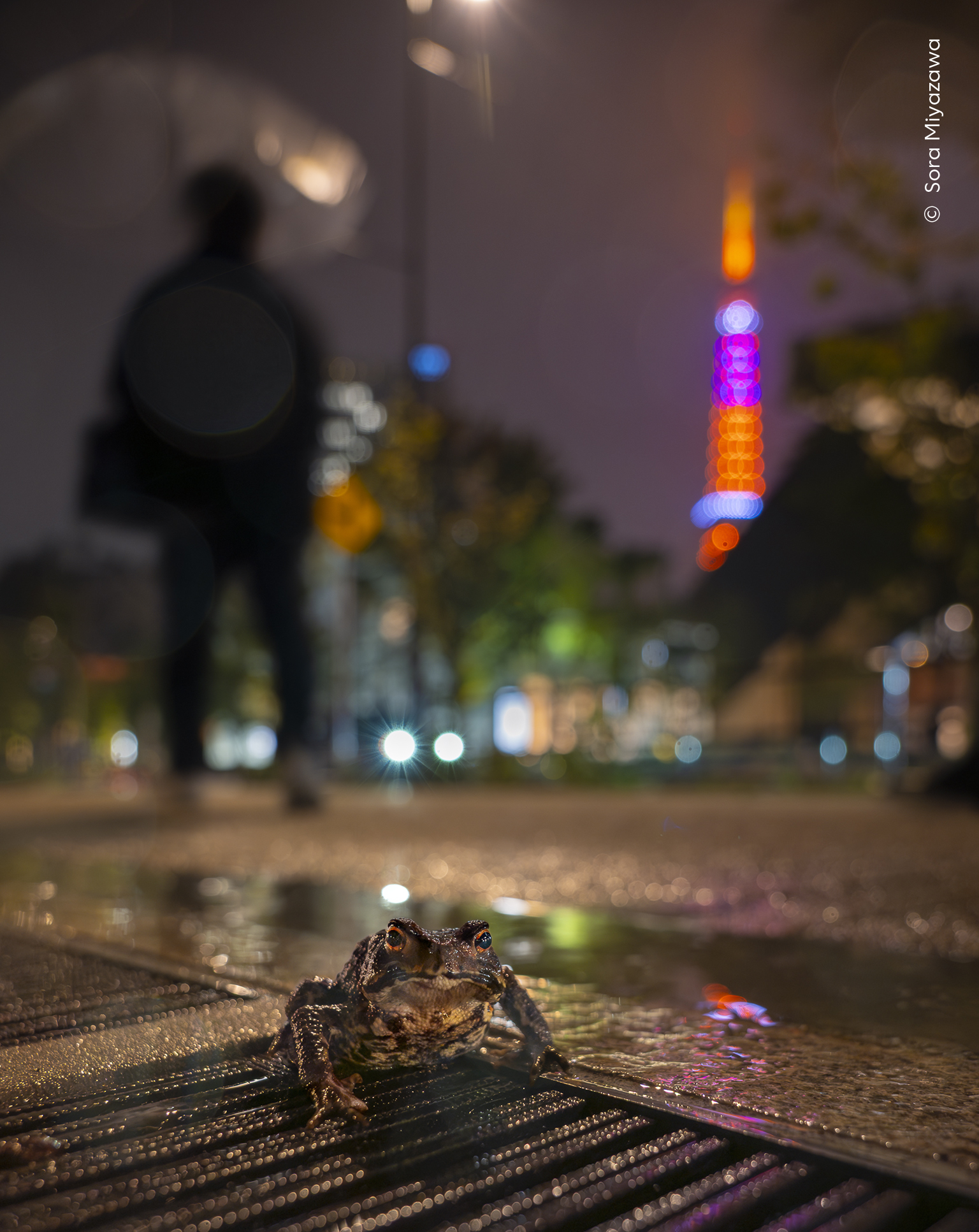
Urban Wanderer by Sora Miyazawa
Miyazawa chanced upon this Eastern Japanese toad in the middle of Tokyo. With a slow shutter speed, he composed the image before the toad hopped back into the bushes from where it had emerged. - Sora Miyazawa / Wildlife Photographer of the Year

Lifted to the Surface by Vegard Byrkjeland Aasen
Highly Commended, Behaviour: Mammals 
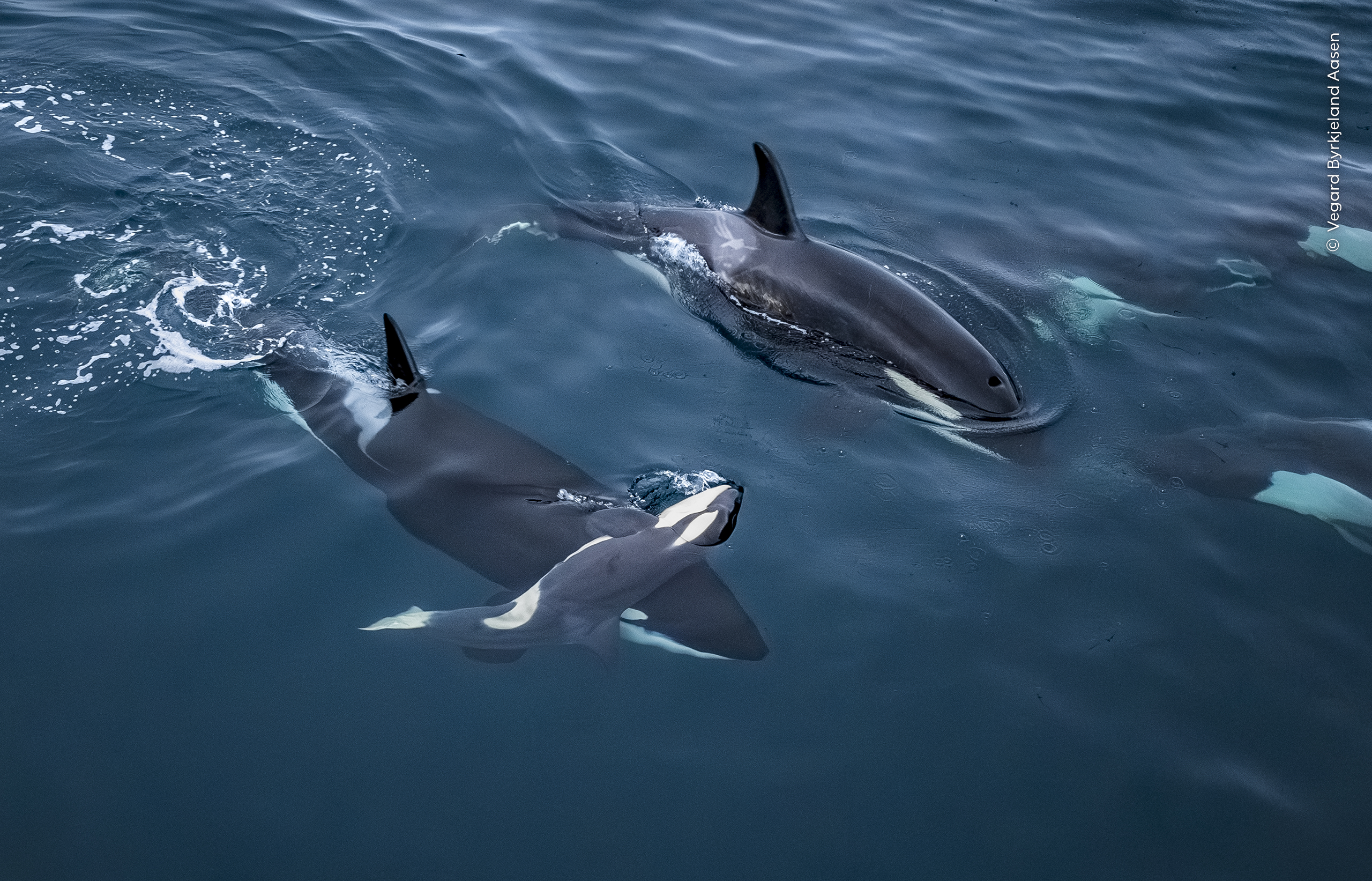
Lifted to the Surface by Vegard Byrkjeland Aasen
Aasen had just launched a drone to document sightings for the Norwegian Orca Survey when something caught his attention – an adult orca carrying a deceased calf, occasionally dropping it and then retrieving it as it sank. Cetacean mothers have been known to use their heads to lift calves to the surface so they can breathe, potentially suggesting that the mother could have been trying to revive its calf. - Vegard Byrkjeland Aasen / Wildlife Photographer of the Year

Wildlife Photographer of the Year is developed and produced by the Natural History Museum, London.

Footer banner
This website is owned and published by Our Media Ltd. www.ourmedia.co.uk
© Our Media 2026