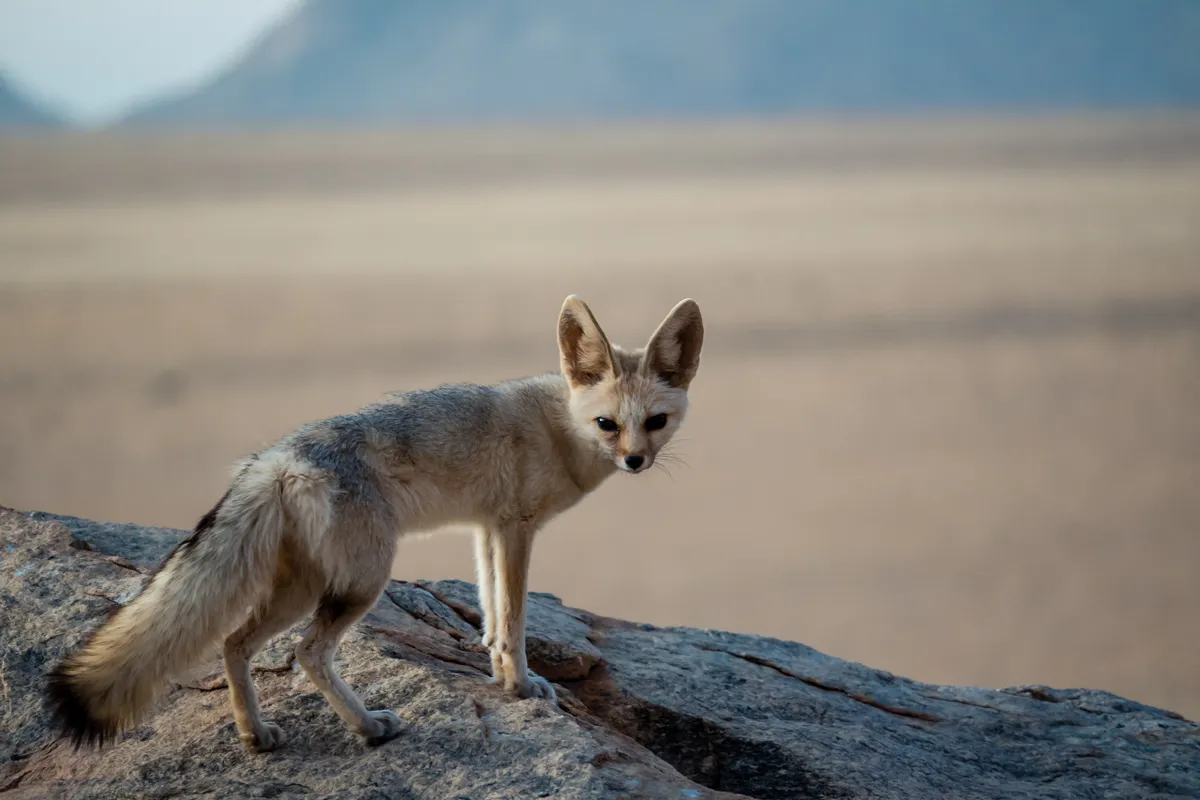
From temperatures that push the human body to its limits to landscapes where rain can be absent for years, deserts are among the most hostile places on Earth.
But scorching heat isn't the only danger. Temperatures can plunge after dark, while flash floods and sandstorms can transform the landscape with little warning.
- What’s the hottest place on Earth? And where's the biggest desert?
- Struggling in the heat? Meet the animals that can survive the hottest temperatures on Earth – even a sweltering 149 degrees celsius
Yet despite the harsh terrain, deserts are far from lifeless. Venomous snakes and scorpions, wolves and formidable reptiles have evolved to survive conditions that humans struggle to endure.
Here we journey through eight of the world's deadliest deserts – and meet some of the remarkable wildlife lurking within them.
- The ‘world’s smallest desert’ covers just 1 square mile, is in Canada and was carved out by ancient glaciers – but it’s not actually a desert
- The world’s largest desert is enormous and there’s hardly any rain – but it’s not hot. Here’s why
Deadliest deserts in the world
Lut Desert, Iran
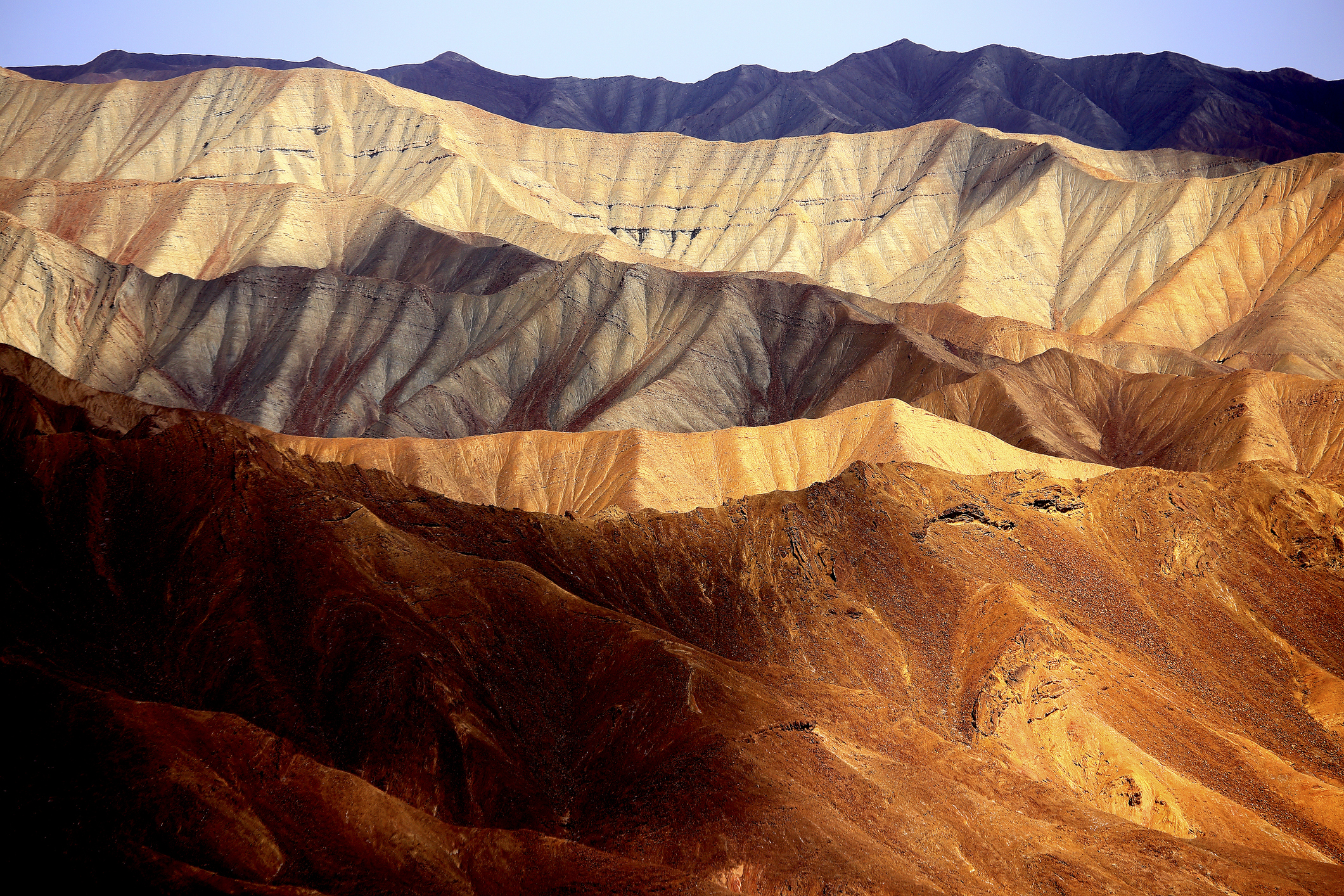
Iran’s Lut Desert, or Dasht-e-Lut, covers at least 20,000 square miles in the south-east of the country.
This hyper-arid desert is so hostile that its name comes from a Persian word meaning bare land without water or vegetation. Satellite measurements have repeatedly identified it as one of the hottest places on Earth, with ground-surface temperatures above 70°C recorded. Yet at night, temperatures can plunge to -10°C.
Its dark volcanic rock absorbs the sun’s heat, while water and shade are extremely scarce. Between June and October, powerful winds blast across the desert, shifting sand and carving spectacular ridges and rock formations. These areas consist of active dunes some reaching heights of 475m and are amongst the largest dunes in the world.
- Scientists tracked 6 ‘ghosts of the desert’ through the Saudi Arabian wilderness. This is what they found
- It has huge ears and can run twice as fast as Usain Bolt - meet the amazing hare returning to Saudi Arabia's northwestern desert
The region has been described in the past as a place of ‘no life’ and information on the biological resources in this area is limited. But while wildlife is surprisingly scarce in its harshest interior, desert-adapted animals survive around its margins.
Venomous species such the formidable fat-tailed scorpion - one of the most dangerous groups of scorpions worldwide - are another potential hazard. One of the Lut’s most remarkable inhabitants is the Lut Desert toad-headed agama, a small lizard only described by scientists in 2015 and found nowhere else on Earth. Perfectly camouflaged against the desert, it performs distinctive “push-up” displays and, when threatened, flattens its body and opens its mouth wide to frighten predators.
Sahara Desert, Africa
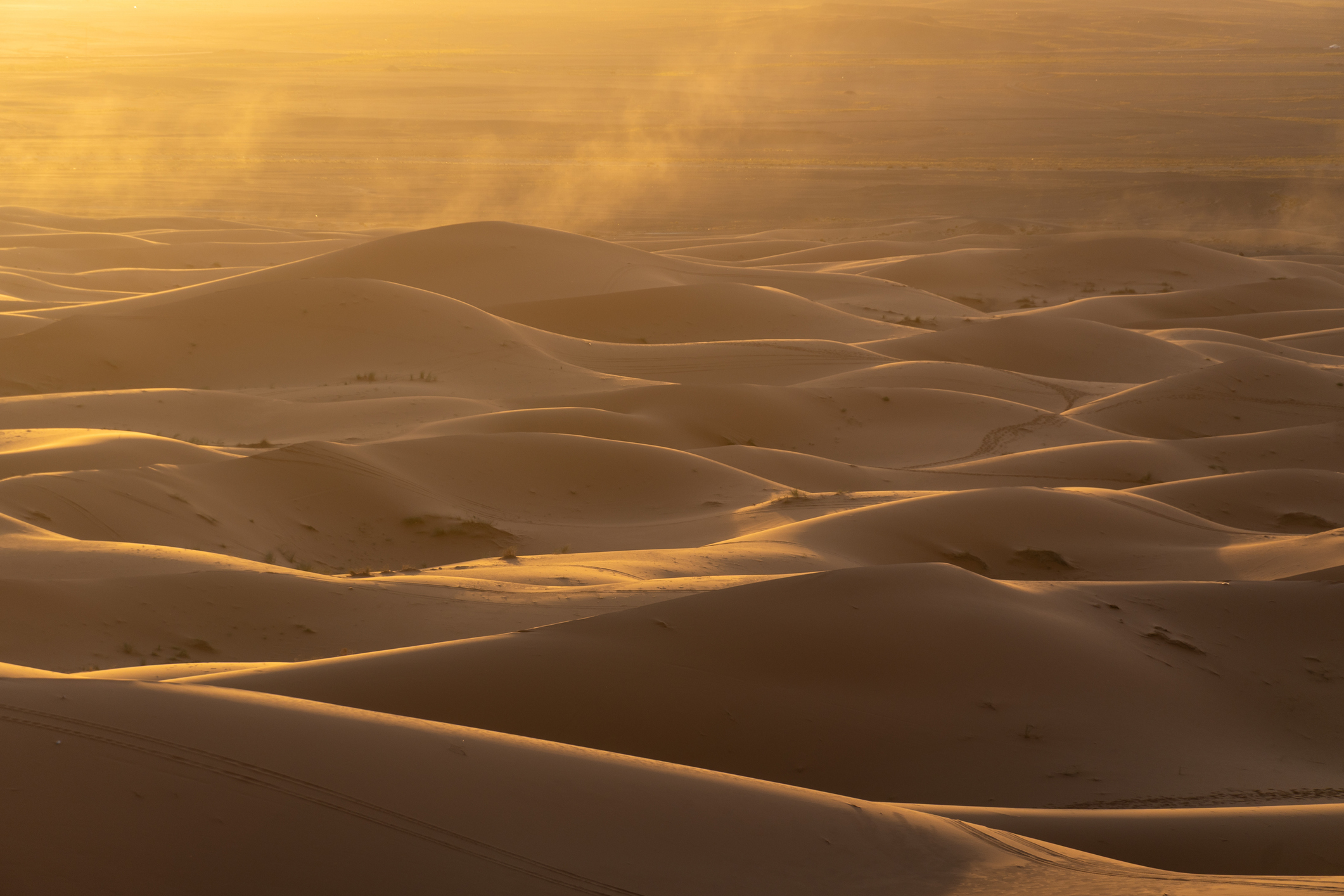
The Sahara is the world’s largest hot desert, stretching across some 3.5 million square miles across North Africa.
Contrary to the classic image of endless dunes, only around a fifth of the Sahara is covered in sand. The rest encompasses mountains, rocky plateaus and vast gravel plains.
Temperatures can swing dramatically. Summer daytime temperatures average around 40°C, falling to about 25°C at night, while winter nights can drop towards freezing in some areas. Rainfall is scarce and highly unpredictable, averaging around three inches (76mm) a year. When storms do arrive, they can unleash dangerous flash floods, sending torrents of water through places where not a drop of rain has fallen.
With little water, immense distances between settlements and frequent dust and sandstorms, dehydration, heatstroke and becoming lost are serious dangers.
There are deadly creatures too. The Saharan horned viper can lie almost completely buried in sand waiting to ambush prey. Its venom can cause severe swelling, bleeding and tissue damage.
- "At worst it can cause necrosis, the death of tissues and organs while the rest of your body still lives." 10 deadliest animals in the Sahara Desert
- It’s almost the size of the US, spans 11 countries and is home to a creature that looks like a sabre-toothed sausage
The deathstalker scorpion, found across parts of the Sahara, possesses powerful neurotoxic venom and is considered one of the world’s most dangerous scorpions, particularly to children and vulnerable adults.
Despite the harsh terrain, it may have been even more terrifying 100 million years ago. Fossils reveal that the region was once dominated by huge predators, including enormous predatory fish, crocodile-like hunters and flying reptiles living around a vast river system.
Danakil Desert, Ethiopia, Eritrea and Djibouti
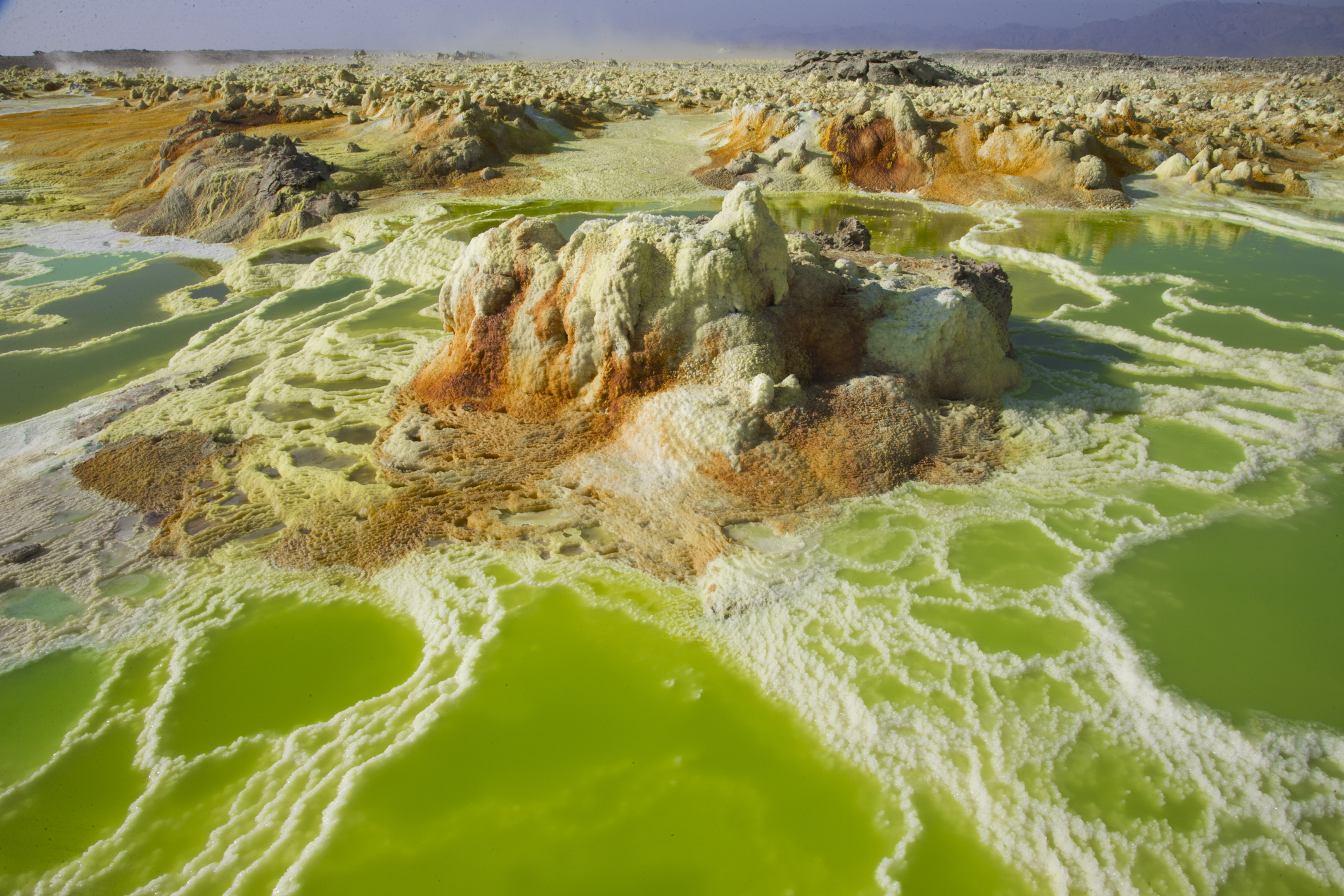
Known as the “gateway to hell”, the Danakil Depression is almost 53,000 square metres of scorching heat and one of the most alien landscapes on Earth. Lying more than 100 metres below sea level in places, it is a geological cauldron of active volcanoes, lava lakes, vast salt flats and brightly coloured hydrothermal fields.
Temperatures can climb above 50°C, while water bubbling from some hydrothermal springs can exceed 90°C and be extraordinarily acidic and salty. Yet even in these seemingly impossible conditions, scientists have discovered microbes capable of surviving the extreme heat.
Wildlife presents another potential hazard. The wider Afar region supports venomous snakes, including saw-scaled vipers, whose highly toxic venom can cause potentially fatal bleeding and problems with blood clotting. Black-necked spitting cobras can propel venom towards an attacker’s eyes, potentially causing serious injury.
But in the Danakil itself, the greatest dangers are the landscape: extreme heat, dehydration, volcanic activity and potentially hazardous gases.
- 10 desert plants that thrive in hostile and inhospitable conditions – often in extreme temperatures
- Struggling in the heat? Meet the animals that can survive the hottest temperatures on Earth – even a sweltering 149 degrees celsius
Simpson Desert, Australia
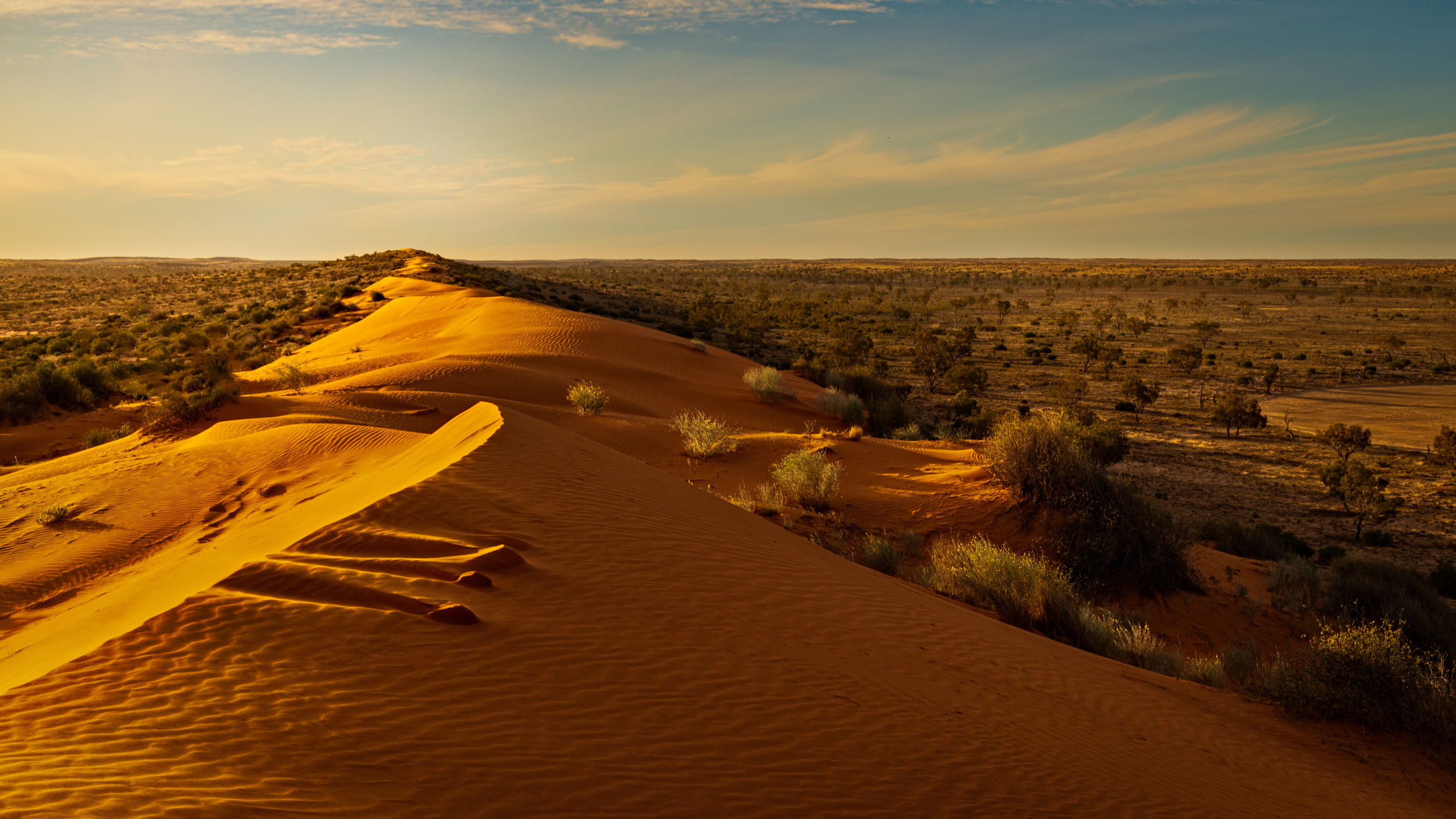
Australia hardly needs any help when compiling a list of intimidating wildlife and its vast desert interior is no exception. The Simpson Desert covers around 68,000 square miles across the country’s arid heart. contains some of the longest parallel sand dunes in the world.
Summer temperatures can be brutal. In 2008, tourists were banned from a vast area after sand temperatures reportedly reached a blistering 95°C, hot enough to burn through shoes. Parts are now routinely closed during the hottest summer months.
Dangerous wildlife includes the mulga snake, one of Australia's largest venomous snakes, which can deliver large quantities of highly toxic venom. Urodacus scorpions spend the scorching days underground before emerging from their burrows to hunt at night.The desert is also home to dingoes and Australia's largest monitor lizard, the perentie, which can grow to more than two metres long - the largest after the Komodo dragon. Despite its size, it generally avoids people and poses little threat unless cornered.
Atacama Desert, Chile
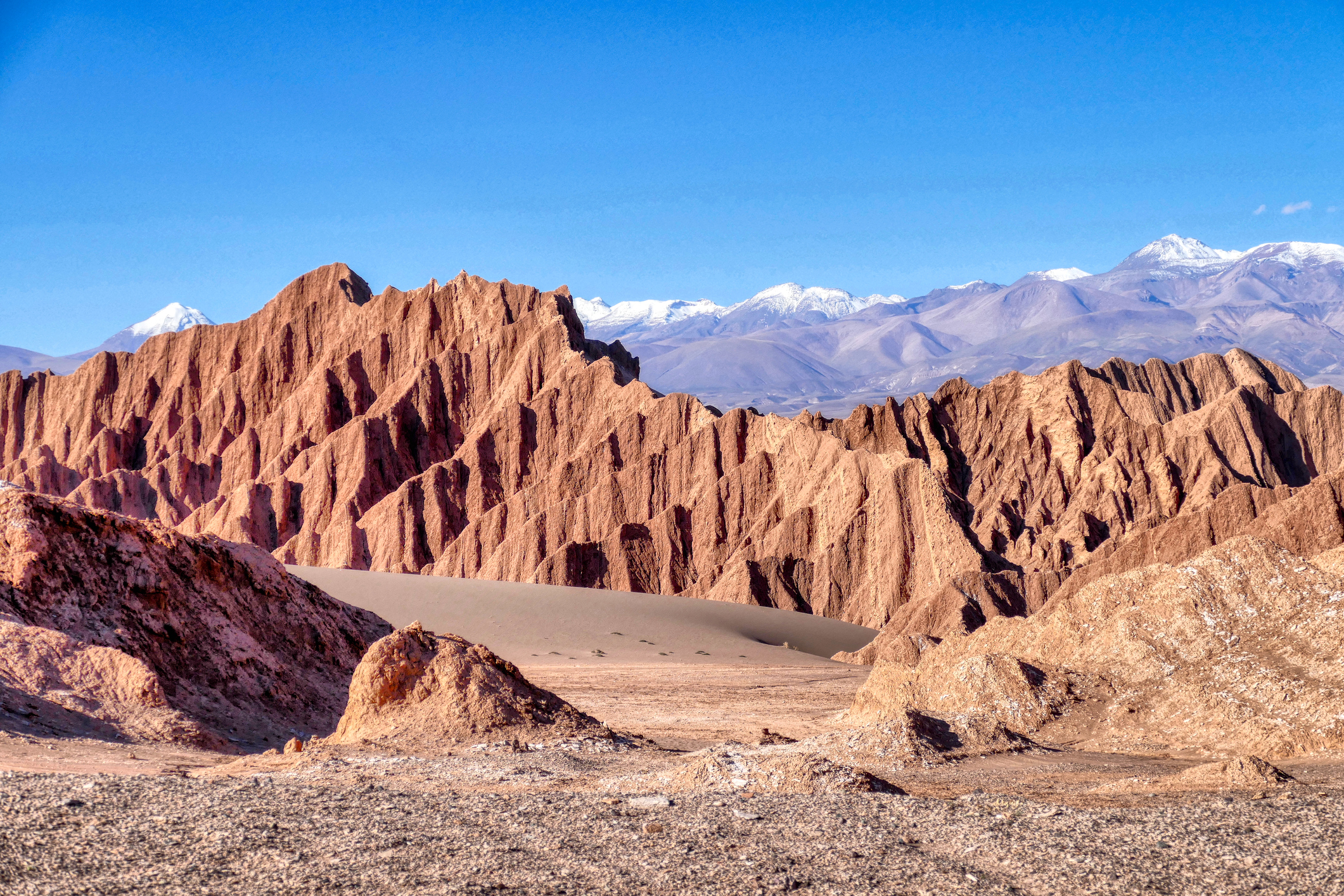
The Atacama Desert, a 41,000 square mile landscape often compared to Mars, is wedged between the Andes and Chile's coastal mountains and is the driest non-polar desert on Earth. Parts receive less than 2mm of precipitation a year, while some of its driest reaches can go extraordinarily long periods without measurable rain.
Its parched terrain is so extreme that scientists have studied microbes living here to understand how life might survive on Mars. But lack of water isn't the only danger. At higher elevations, thin air, freezing temperatures and intense UV radiation can put the human body under considerable strain.
- Scientists started digging in one of the world’s driest deserts. What they eventually found was extraordinary
- “It’s so dry that NASA has used parts of it to test Mars rovers.” 6 extreme places on Earth where you can still find life
Unlike some deserts on this list, the Atacama isn't renowned for deadly wildlife. Instead, animals have developed extraordinary adaptations to survive. Salt lagoons support Andean, Chilean and James's flamingos, while vicuñas, relatives of llamas, survive on its high plains.
Gobi Desert, Mongolia and China
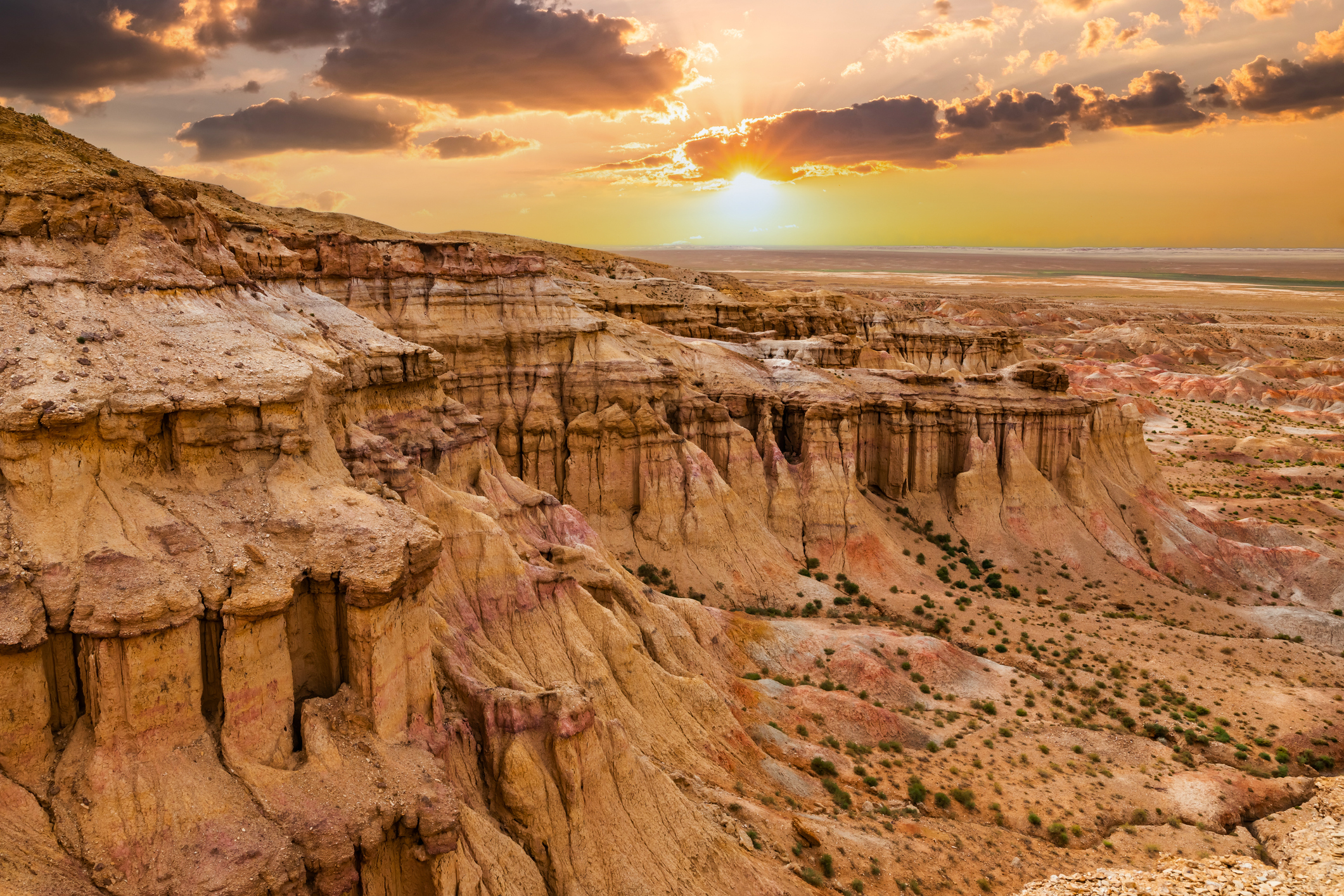
Not all deadly deserts are scorching hot.
Covering a vast swathe of Mongolia and northern China, the Gobi is a land of extremes, where danger comes as much from bitter cold as scorching heat.
Summer temperatures can exceed 40°C, while winter can plunge below -30°C. Water is scarce and powerful winds can generate severe dust and sandstorms, reducing visibility and making breathing difficult. Mongolia is also struck by dzuds - extreme winters bringing deep snow, strong winds and intense cold.
Dangerous wildlife includes the Central Asian pit viper, a venomous snake found in the Gobi, while scorpions also inhabit the desert. Mongolian wolves roam its vast wilderness too, although attacks on people are extremely rare. Wild Bactrian camels survive conditions that would defeat most mammals.
But its most infamous creature has never been proven to exist. According to Mongolian legend, the death worm lurks beneath the sand and can supposedly kill its victims with venom – or even an electric shock. Despite numerous expeditions searching for it, scientists have found no evidence that the deadly creature is real.
Namib Desert, Namibia
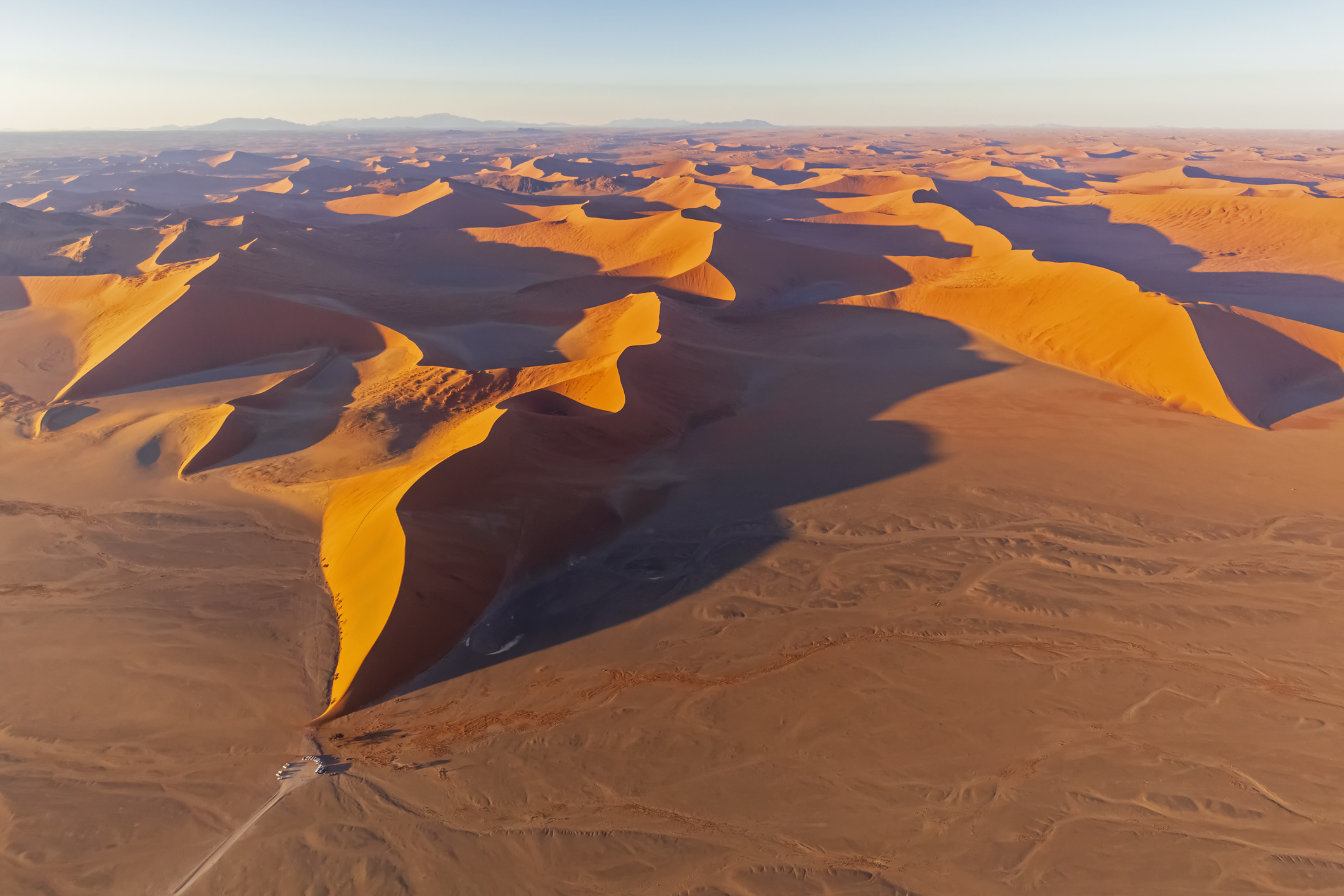
The Namib is considered one of the world's oldest deserts, and parts of it look almost devoid of life.
Huge red dunes tower hundreds of metres above the desert floor, while this arid wilderness stretches for roughly 2,000km along Africa's Atlantic coast. Heat, isolation and a chronic lack of rainfall make survival difficult.
Yet the Namib has a secret source of water: fog rolling in from the cold Atlantic. For some animals it provides precious moisture. Fog-basking beetles collect tiny droplets on their bodies before channeling the water towards their mouths.
There are hazards hiding beneath the sand too. Peringuey's desert adder, a small venomous snake, buries itself with little more than its eyes exposed, waiting to ambush passing prey. It moves across loose sand using a distinctive sidewinding motion, helping prevent its body from overheating.
The Namaqua thick-tailed scorpion is another formidable desert resident, armed with powerful pincers and venom. Larger predators roaming the Namib include brown hyenas and leopards, although attacks on people are extremely rare.
Mojave Desert, USA
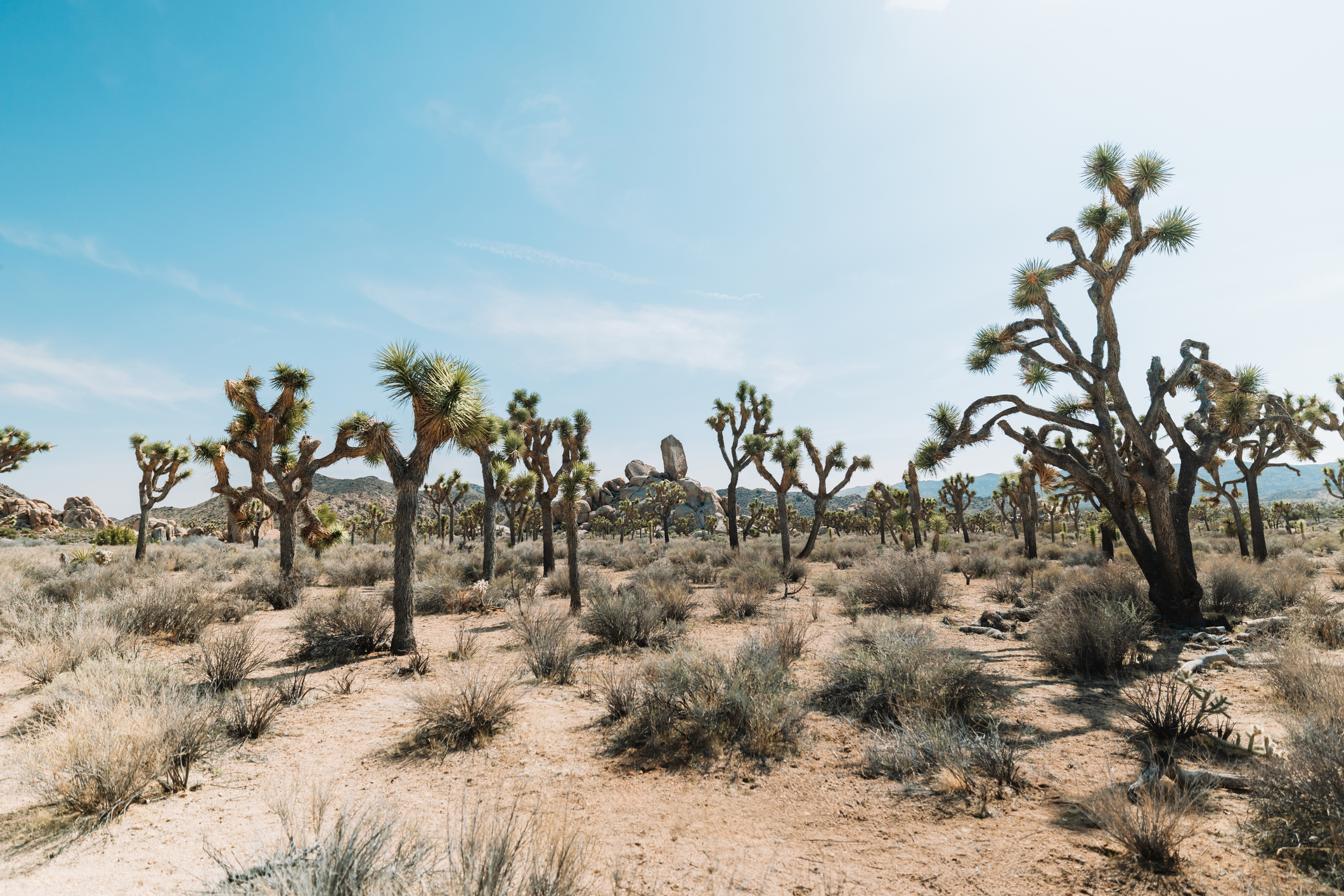
Few places live up to their name quite like Death Valley, a vast basin within the Mojave Desert. The highest air temperature officially recorded on Earth, 56.7°C (134°F), was measured at Furnace Creek in 1913.
In summer, temperatures regularly exceed 49°C, while nights can remain above 30°C, giving the human body little respite. Even rain can be dangerous: sudden storms can trigger powerful flash floods through normally bone-dry canyons.
- Researchers took moss from the Californian desert – and found something very weird (and tiny) in it
- Nearly as big as Wales, hotter than 50°C – Inside the inhospitable and rugged Death Valley, where not everyone gets out alive - yet inconceivably wildlife thrives
Its wildlife demands respect too. Sidewinder rattlesnakes can bury themselves almost completely beneath the sand, while other venomous residents include Mojave and speckled rattlesnakes. Giant desert hairy scorpions and black widow spiders add to the desert's intimidating cast.
Larger predators include mountain lions and coyotes, although encounters with people are uncommon.