The Middle East is not an area of the world that is often considered as harbouring deadly wildlife, but there is a profusion of species – in both its desert habitats and warm seas – that are a potential threat.
- "If you decide to gatecrash, best to make sure you’re wearing stout shoes and have anti-venom with you" The world's 10 deadliest places for wildlife
- 10 deadliest animals to humans: Discover nature’s top – most lethal – killers
Of course, even the most dangerous wild creatures are largely uninterested in humans and only become a threat if cornered or surprised. But just in case you're planning a trip soon to any part of this region, here are some of the more hazardous animals to look out for.
9 deadliest animals in the Middle East
Arabian cobra
Inhabiting mountainous regions above 1,500 metres along the western edge of Saudi Arabia and south coasts of Yemen and Oman, and despite being an “elusive and rarely seen snake”, the Arabian cobra (Naja arabica) is certainly deadly to humans. A study published in 2024 on the management of snake bite incidents in Saudi Arabia found that its role in human envenomation cases may be underestimated “due to pre-hospital fatalities”.
- It's as long as shipping container, contains enough neurotoxins to kill 20 humans and can swallow prey whole
- "Their aim is incredibly accurate - if this venom gets into your eyes, it leads to extreme pain and blindness..." 6 deadliest snakes in India
But the chances are this snake has more to fear from us than we have from it – according to the IUCN, Arabian cobras are exploited both for venom extraction and the international pet trade, which may be impacting population levels.
Deathstalker scorpion
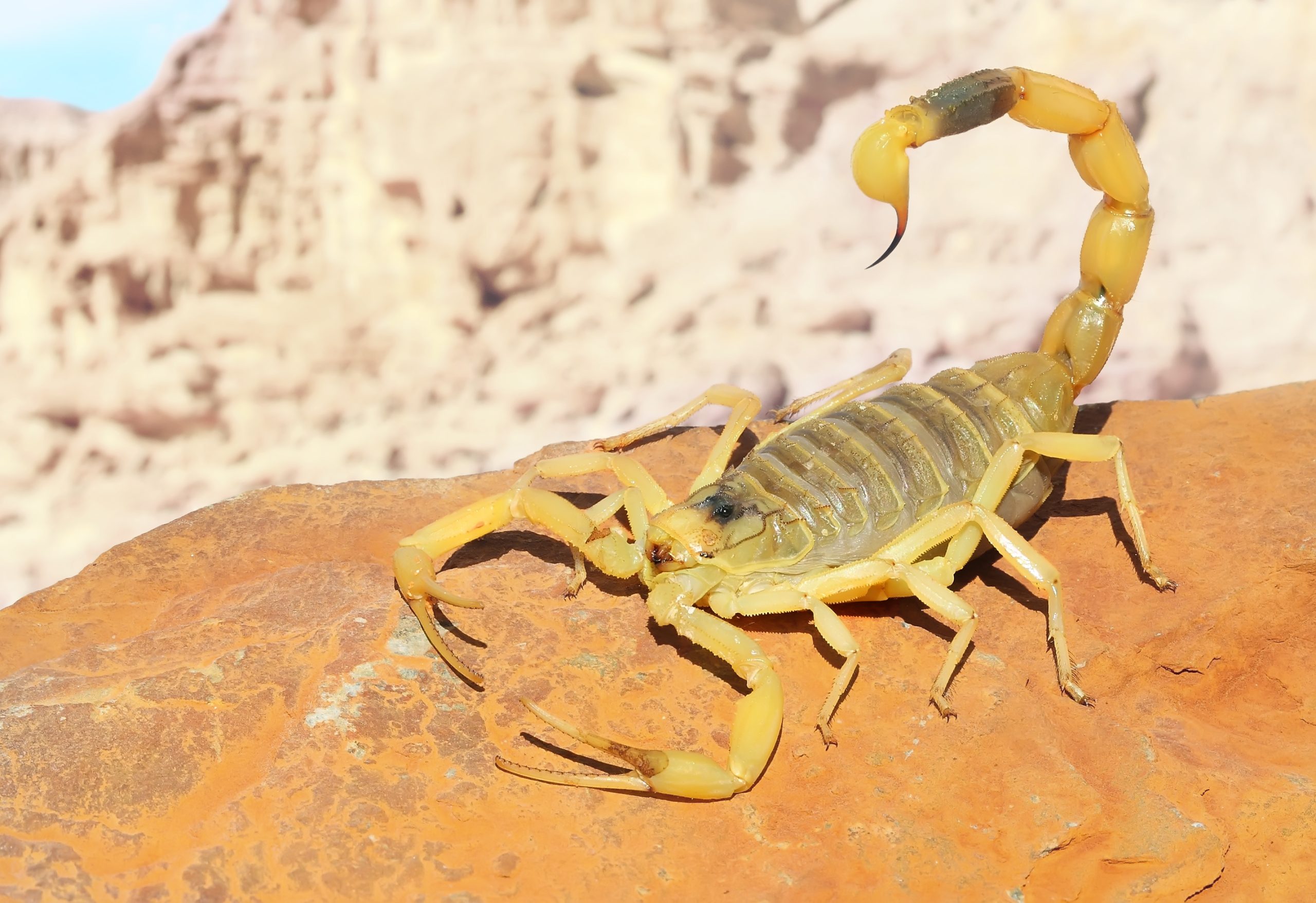
There are a number of species of so-called deathstalker scorpions within the Leiurus genus, found throughout the Middle East as well as North Africa and as far east as Iran. They are large scorpions, up to 11cm long, and nocturnal, hiding during the day in rock crevices or burrows they have dug themselves.
“Because of their potent venom, deathstalkers are one of the most dangerous scorpions on Earth,” reports the Animal Diversity website.
If stung, a person can suffer heart failure, pulmonary oedema, respiratory failure, gastrointestinal symptoms, lethargy, confusion, agitation and reduced consciousness, according to this research paper. In addition, it reports, treatment of human envenomation cases are “problematic because no medication currently in use has proved to be effective.” You have been warned.
Mediterranean black widow
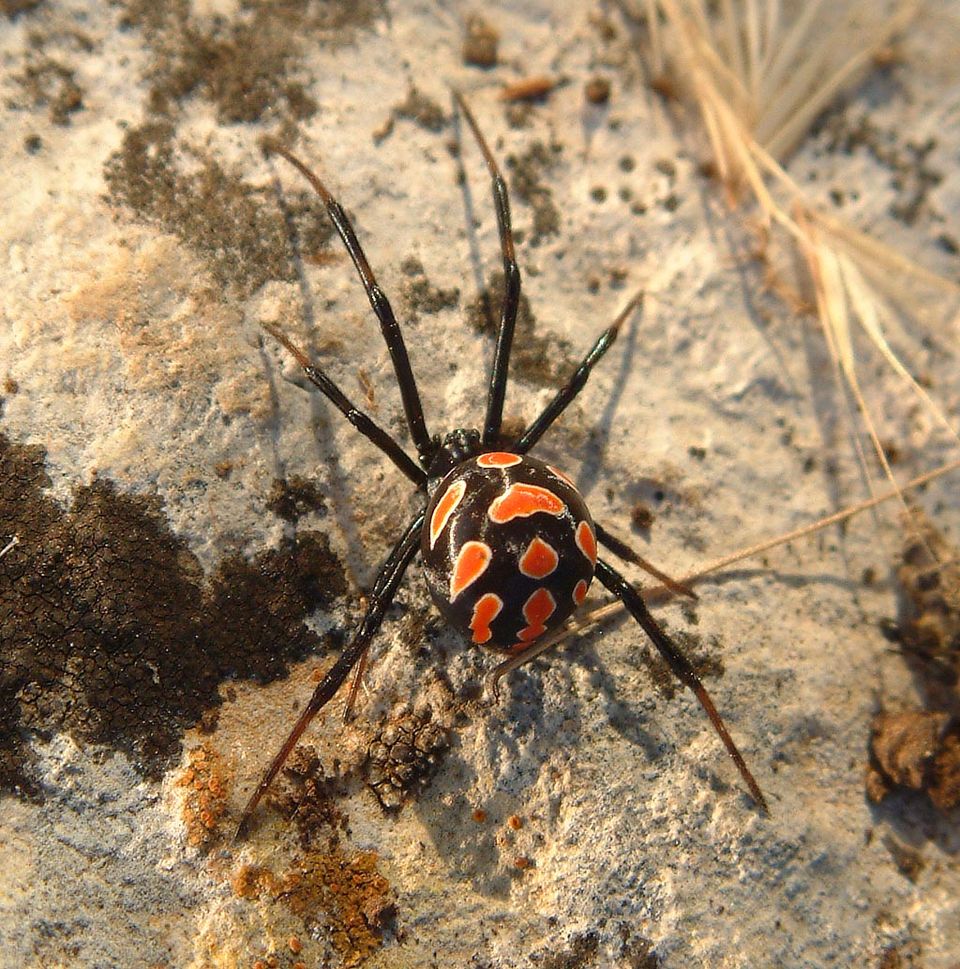
Black widows are one of the most famously venomous spiders in the world, and this species, Latrodectus tredecimguttatus, is found over a large area of mainly southern Europe (but including Ukraine and eastern Russia), as well as the Middle East, Central Asia and China.
They are spectacular spiders, with 13 usually red (sometimes orange or yellow) large, irregular spots on their abdomen, though even the females – the larger of the two sexes – are small and do not exceed 15mm.
- 10 deadliest, most venomous spiders on the planet: Are these dangerous spiders as fearsome and lethal as their reputation?
- World's 10 most agonisingly painful stings from insects and other creepy crawlies
Small can still be deadly, however – a bite can be extremely painful, causing nausea and vomiting in about 20 per cent of cases and fever and neuromuscular effects in about 10 per cent. Pain can continue for one to two days.
Arabian wolf
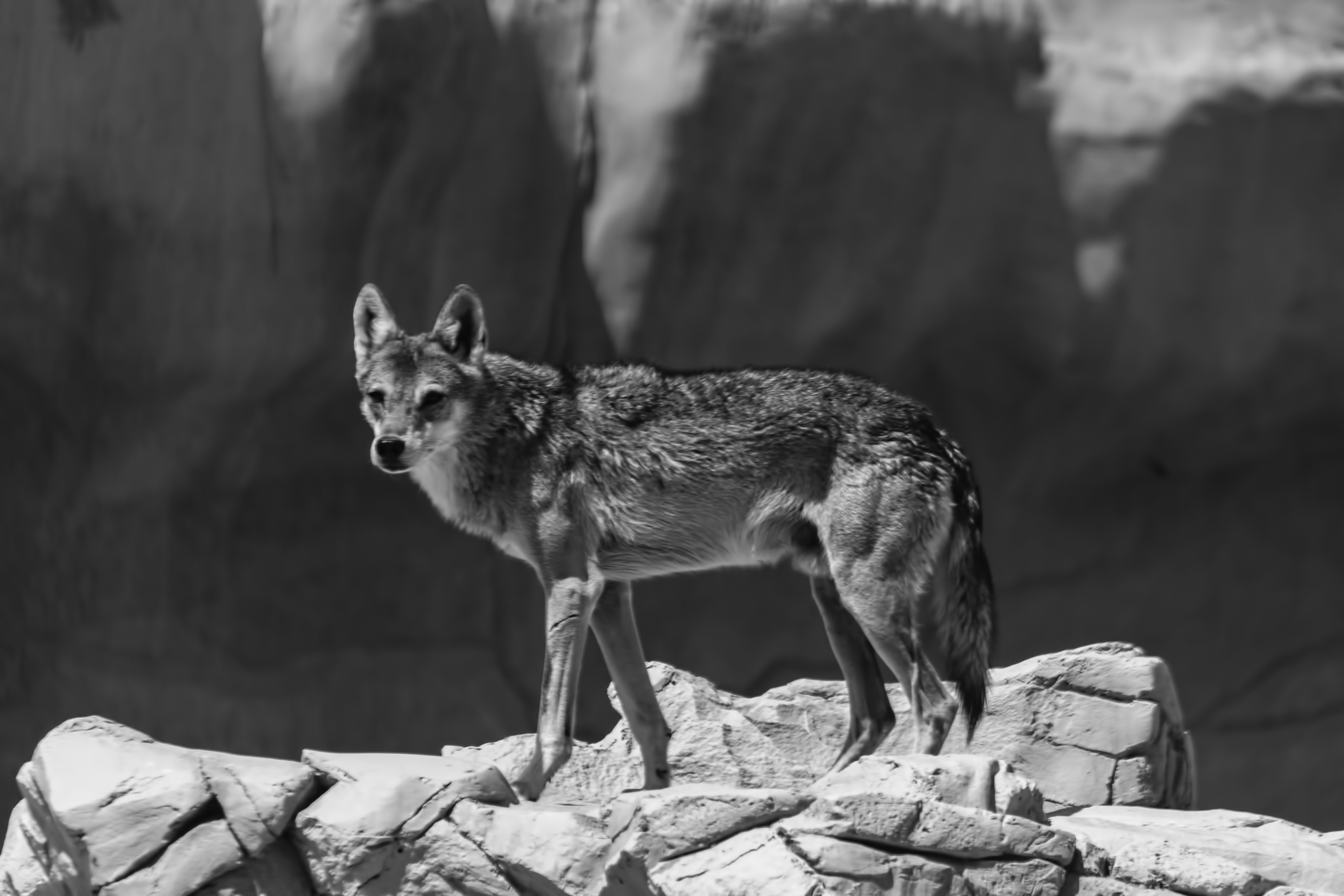
Though not a separate species to the grey wolf (it’s a subspecies), the Arabian or desert wolf (Canis lupus arabs) is nonetheless significantly different to its better-known, more northerly cousin. It is much smaller, weighing on average 18-20kg, roughly half the weight of a typical grey wolf, and has finer fur and larger ears.
- "Their eerie howling from a wintery mountainside will still bring a shiver to the spine" – 10 biggest wild dogs on the planet
- "These specialised teeth allowed them to crack, crush, and chew bones." 10 fearsome, deadly prehistoric dogs that roamed Earth millions of years ago
And where grey wolves can live in large packs and hunt cooperatively, Arabian wolves form much smaller groups and often hunt alone or in pairs. No wolf is much of a threat to humans, and the Arabian race even less so, but in their desert ranges they pursue wildlife ranging from gazelles and ibexes to cape hares, rodents and insects.
Striped hyena
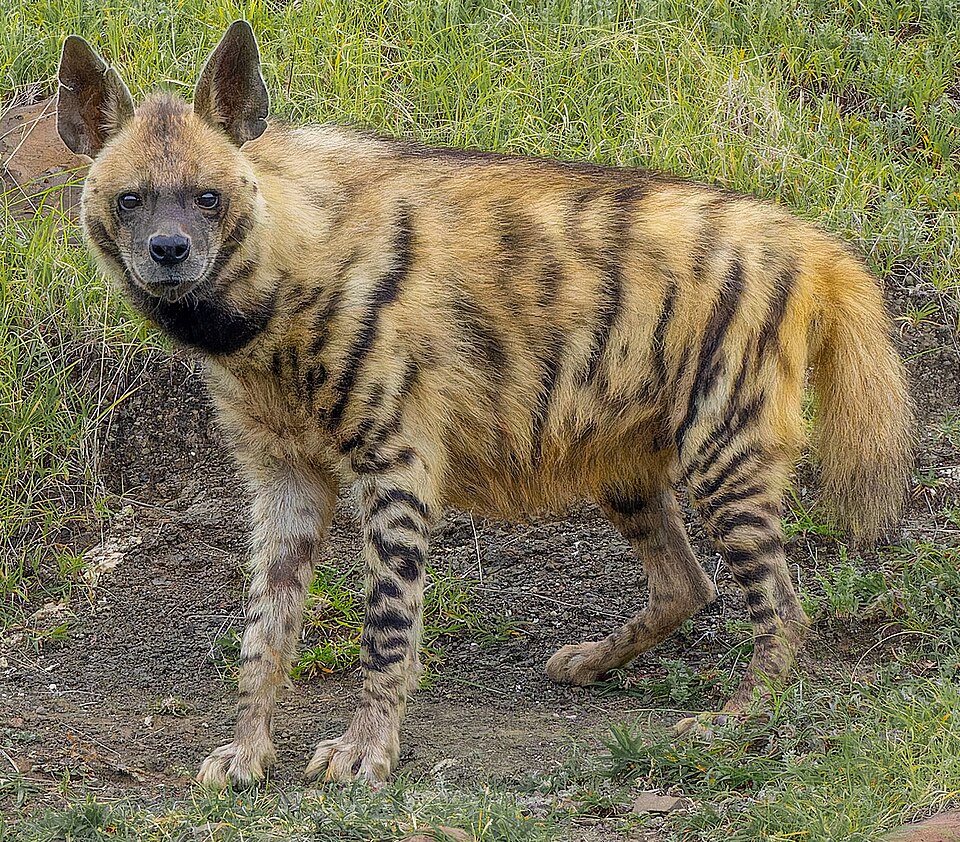
Found over a large area of North Africa, the Middle East and as far east as India, the striped hyena (Hyaena hyaena) is an animal of arid, mountainous regions and scrub woodland. While powerful carnivores with a famously strong bite, striped hyenas are largely solitary animals that will avoid humans if possible.
- These 8 astonishing, brutal hyena photos reveal the raw chaos, power and intelligence of these top predators
- "At worst it can cause necrosis, the death of tissues and organs while the rest of your body still lives." 10 deadliest animals in the Sahara Desert
They are – like most hyenas – mainly scavengers of carcasses taken by other predators or of animals that have died naturally. They are however persecuted by people, with superstitions such as their role as grave robbers providing a motive. In Morocco, they are hunted for use in traditional medicines.
Desert locust
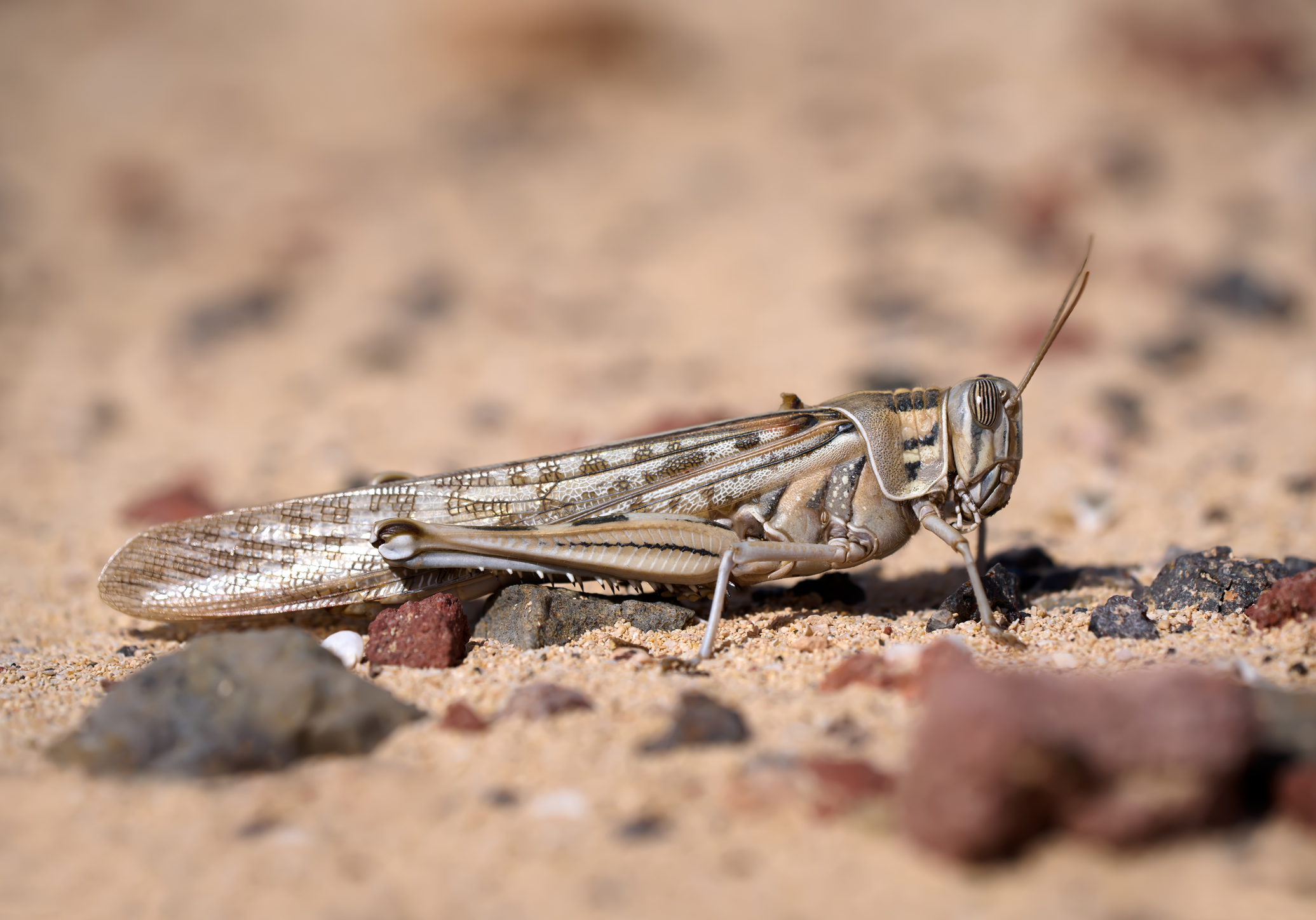
Considered the most destructive migratory pest in the world, the desert locust (Schistocerca gregaria) can form swarms millions strong and devastate crops and livestock pastures. A large swarm can eat its way through 1.8 million tonnes of crops or enough food to feed 81 million people.
Plagues broke out in early 2020 across East Africa, around the Red Sea and South-west Asia as weather patterns provided perfect climactic conditions for breeding. During that outbreak, the locust swarms reached four of Saudi Arabia’s most important agricultural areas, as well as threatening food supplies in Kuwait and Bahrain, according to this report in The Arab Weekly.
Desert locusts are usually solitary insects and of no danger to humans – only when they mass together do they become potentially deadly.
Stonefish
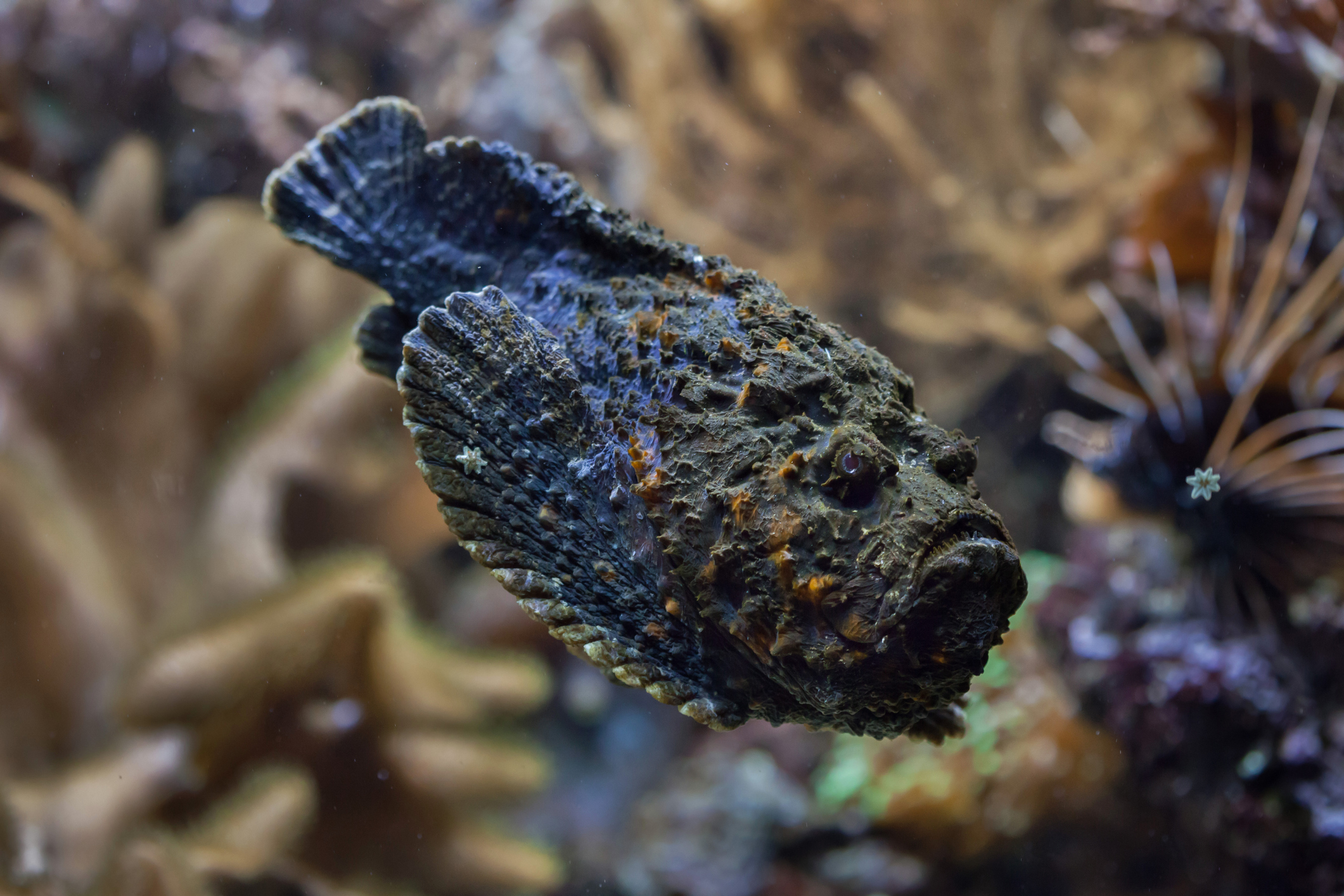
Though there are five different species of stonefish, they are all equally deadly and equally feared, and the title of the world’s most venomous fish could be applied to all of them, as far as is known. They can be found throughout the Red Sea and Persian Gulf, and this guide to harmful marine species of Jordan’s Gulf of Aqaba makes it clear they should be avoided at all costs.
- 10 animals that can kill – or seriously hurt you – even when they're dead
- 6 of the world's most venomous fish, from the deadly stonefish to the beautiful and dangerous lionfish
They live in shallow water with sandy or rocky bottoms where they are very well camouflaged. A sting can cause muscular paralysis, respiratory problems, shock and cardiac arrest. In the event of envenomation, immediate medical help should be sought – soaking the wound in water of up to 50˚C for 30-90 minutes is also recommended.
Box jellyfish
The words “box jellyfish” are sufficient to cause mild hysteria in Australia where the species is known for its deadly sting – there are rare sightings of jellyfish within the same genus in the Gulf of Aqaba, but according to this report in The Jerusalem Post, Alatina grandis is not as deadly as its southern hemisphere relatives.
- "Death can come within five minutes": Discover the 10 deadliest, most venomous, jellyfish on the planet
- Deadly box jellyfish discovered on Singapore's 'Island of Death Behind'
“Its sting can be painful and even dangerous, but it does not compare to the venom potency of the deadly species from Australia,” the report says. It is the largest in the Alatina genus, with its distinctively box-shaped body reaching a length of 230mm.
Oceanic whitetip shark
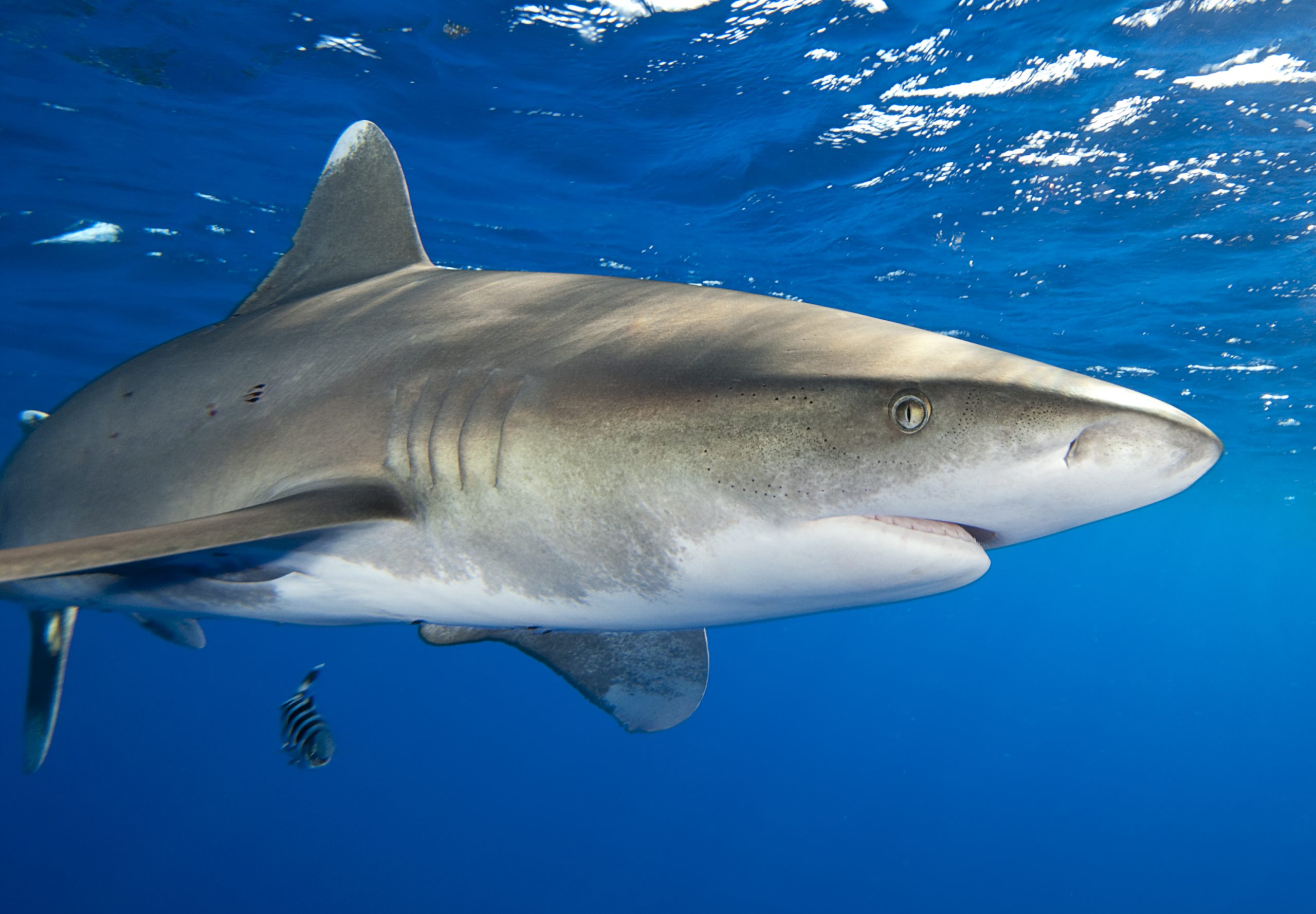
Two fatal shark attacks occurred in the Red Sea in 2022, with one of the incidents in which a 68-year-old woman lost an arm and a leg caught on video. Though not formally identified by the authorities in these and other attacks in 2018 on people, oceanic whitetip sharks (Carcharhinus longimanus) are regarded as dangerous and are known to inhabit the area.
A series of attacks in 2010 were specifically blamed on the species, but it was thought they had been lured inshore by livestock carcasses that had been thrown into the sea to attract fish and sharks for tourists.