
Bright, sweet and very tasty, fruit is an important part of our diet. But across the world there are fruits that you definitely would not want to go near.
From fruits containing the deadly alkaloid strychnine, to fruits that can cause blisters on the skin, it's worth avoiding the ones on our list below. Stick with what you know - an apple, perhaps?
The world's deadliest fruit
Fruit from the manchineel tree (Hippoman mancinella)
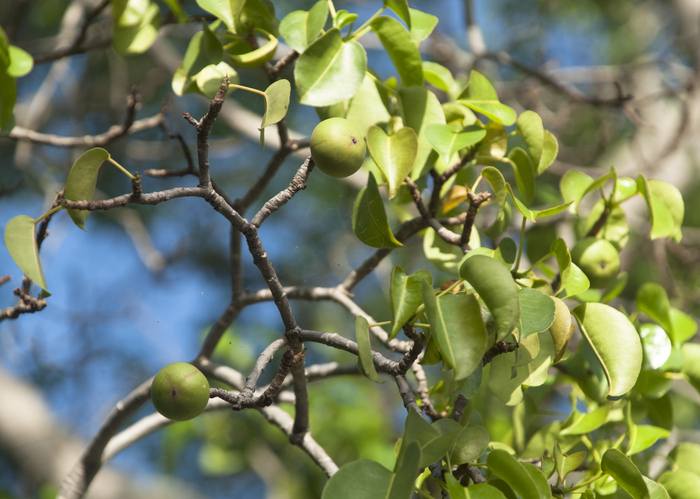
Dubbed 'the tree of death' and found in northern South America, the Caribbean and Florida, the manchineel tree has a fruit that looks a lot like the humble apple. Looks can be deceiving, however. In fact this fruit contains an eye-poppingly strong poison that can cause severe blisters if it makes contact with human skin. It's so toxic that mammals won't touch it, so the plant has to rely on the tides and currents of its coastal home to disperse its seeds.
Ackee fruit (Blighia sapida)
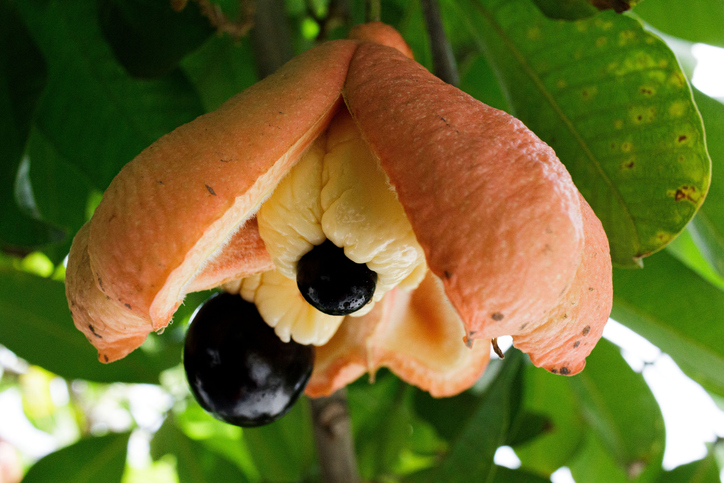
The ackee is part of Jamaica's national dish - ackee and saltfish - and the national fruit of the country, but if this fruit isn't prepared in the right way then it could mean curtains for whoever attempts to eat it. The pear-shaped fruit opens when ripe to reveal shiny black seeds.
In order to cook it you need to make sure the fruit has fully opened, when you then discard the seeds. The arils are then parboiled in salted water or milk. Unripened and unedible arils and seeds have high levels of hypoglycin A and hypoglycin B, which can lead to vomiting sickness, hypoglycemia and death. You should never eat ackee that hasn't been properly prepared and it's probably best to buy yours pre-prepared from a tin.
- "Ingestion can lead to liver failure, kidney failure, encephalopathy, and death" – 10 deadliest poisons found in nature
- Nature's deadliest poisons and toxins can kill in minutes – here's the terrifying reason why…
Desert gourd (Citrullus colocynth)
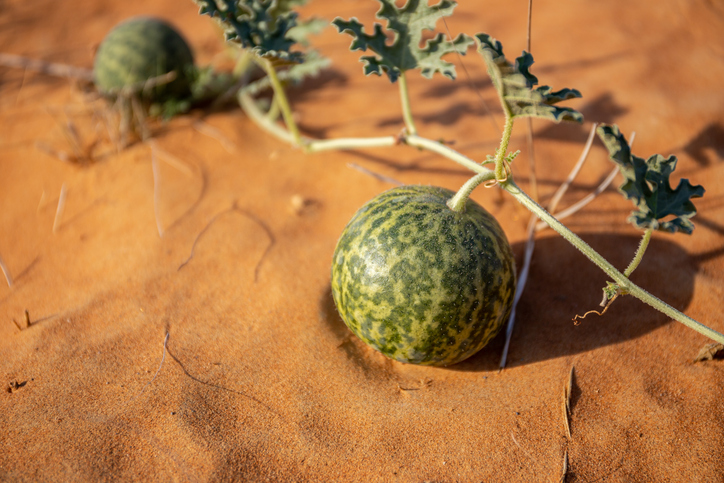
This fruit might look like a very appealing cross between a watermelon and a cucamelon, but you'd be well-advised to give it a wide berth. Often called the bitter cucumber, or vine of Sodom, it is in fact a poisonous plant that is native to the Mediterranean Basin and West Asia.
Like many members of the Cucurbitaceae family (cucumber, squash, pumpkin) the bitter cucumber contains cucurbitacins, although here they are toxic. It can cause severe stomach cramps, vomiting, and in some cases kidney or liver damage. Their bitter taste is a way of warning off herbivores.
Physic nut leaf fruit (Jatropha curcas)
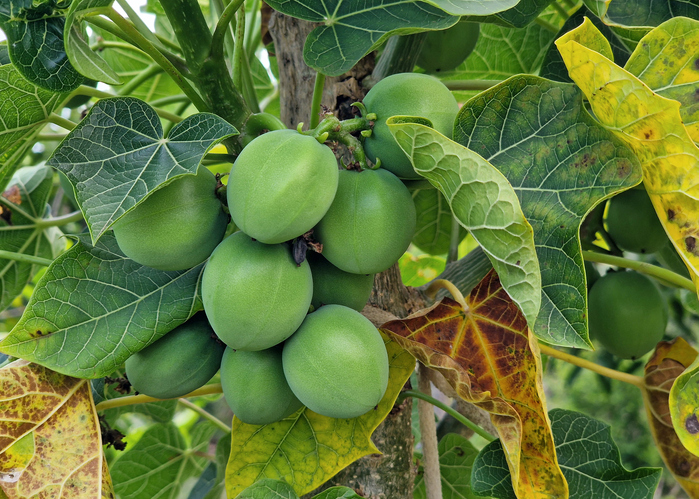
This evergreen shrub is native to Mexico, the Caribbean and Central and South America. Although there are versions of the tree that are non-toxic, in toxic varieties every aspect of the plant is poisonous, with the seeds particularly high in some very nasty poisons.
Symptoms of Jatropha poisoning include vomiting, diarrhoea, stomach pain and burning sensation in the throat. The seeds look a lot like edible seeds and so there have been many instances of poisonings because of mistaken identity. In fact the fruit contains an oil that can be used for several things, including soap production.
Strychnine tree fruit (Strychnos nux-vomica)
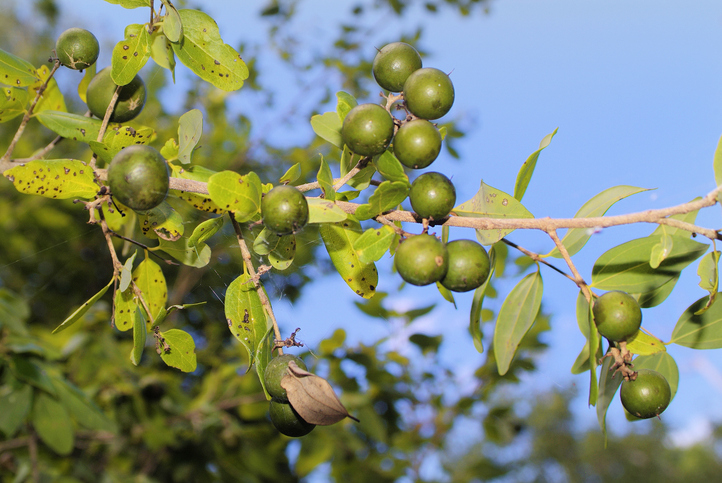
This unassuming tree with a short and thick trunk is deceptive. Native to southeast Asia its fruit hides one of nature's deadliest poisons. The toxin, strychnine - often used as a pesticide - can be found in the seeds contained within the large, apple-like fruit of the tree. It’s only a trace amount – the seeds contain approx. 1.5 per cent strychnine, and the dried blossoms 1 per cent.
However, it's still strongly advised against taking a bite of said fruit. An overdose of strychnine can lead to whole body convulsions until the muscles controlling breathing fail. During the whole process, the victim is painfully and horribly aware – the nerves in the brain are also stimulated, heightening perception. It’s been described as an “agonising way to die.”
Star fruit (Carambola)
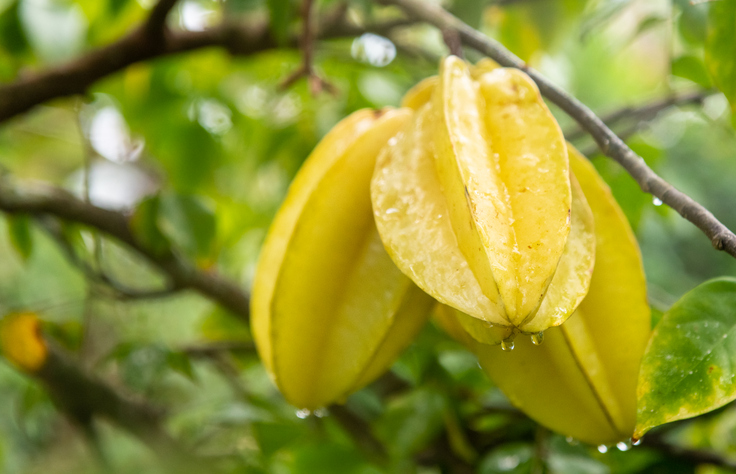
Eaten the world over and generally safe, large amounts of star fruit can be dangerous to people with kidney disease. Originally from Asia, it looks like a beautiful bright star when sliced. Impaired kidneys can't filter out the fruit's toxin caramboxin, while the fruit's high levels of potassium also pose an extra risk to people with kidney disease. It can cause confusion and seizures and can affect brain function. If you have healthy kidneys, then this fruit should be fine for you. But it not, steer clear.
Yew berries (Taxus baccata)
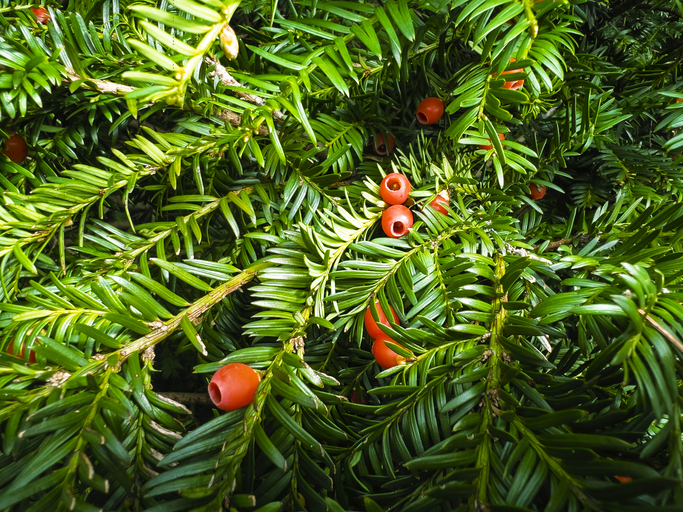
Bright red, very christmassy and found in churchyards all over the place, the yew tree is one of the most recognised trees in the UK and can grow to thousands of years old. Often associated with immortality, in fact if you accidentally eat the berries from a yew tree, you'll feel anything but immortal.
The whole of the yew tree is poisonous, containing taxines that can affect the heart and nervous system. The berries are not actually a real fruit and are made up of red arils around the seeds - a kind of modified cone. While the berries are poisonous to most mammals, birds, badgers and dormice can ingest the berries without being harmed.
Suicide tree fruit (Cerbera odollam)
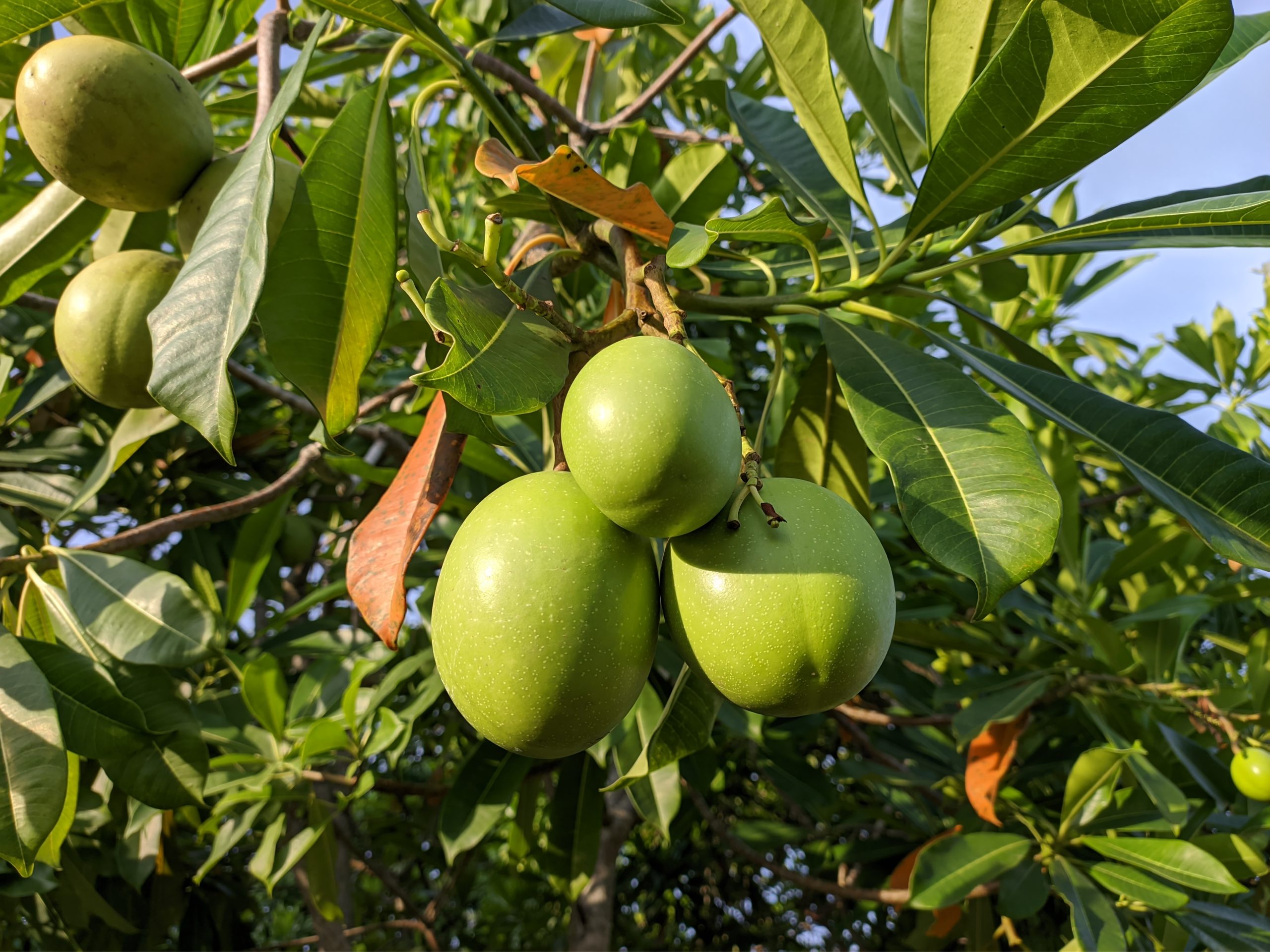
This tree species appeared as a poison fruit in the season finale of The White Lotus, but it's by no means a fiction. The plant, also called the pong pong tree, can be found in Southeast Asia, the Pacific Islands and northern Australia and the most concentration of the plant's poison is in the fruit's seeds. A tiny dose of the fruit's toxin cerberin can be fatal, as it attacks the heart. You'd experience palpitations, and then eventually heart failure.
A 2004 study found that the fruit was responsible for approximately one death per week in the southern Indian state of Kerala, primarily suicides. Its popularity as a murder weapon derives from the fact that it is difficult to detect in autopsies and its taste can be masked by strong spices.
Thornapple (Datura genus)
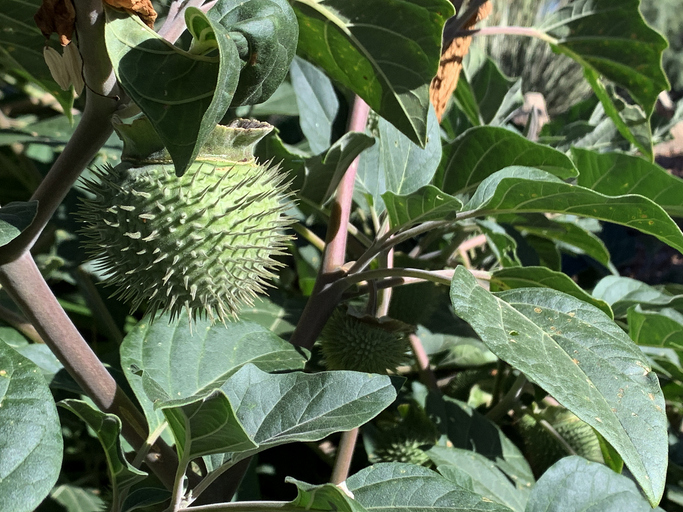
Also known as Jimsonweed in the US, everything about this plant is toxic and the spikey balls on the tree are seed capsules. Its toxins can affect the bladder and kidneys, cause nausea and vomiting, elevated blood pressure, coma and even death.
Known for its psychoactive properties, people are often poisoned by the thornapple due to mis-judging the amount able to be ingested, which is exceptionally small and very difficult to determine. The plants have also been associated with western witchcraft and are said to have been used by witches in their hallucinogenic ‘flying ointments'.
- World’s most poisonous plants
- What's the world's most poisonous tree?
- Most poisonous plants to cats
- 9 most poisonous mushrooms: deadly fungi you don't want to mess with
Elderberries (Sambucus)
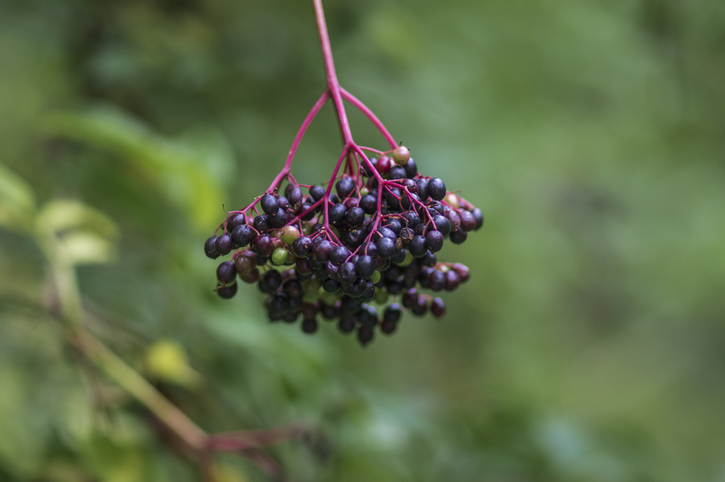
The fruits of the Sambucus are known and used across the world in tonics, drinks and herbal remedies. That said, there is a key difference between safe use and dangerous use when it comes to elderberries - most species must be cooked. If eaten raw, elderberries can be toxic, causing vomiting, abdominal cramps and diarrhoea. Other parts of the plants are also toxic.


