Spores are nature’s time capsules – protected by a tough outer layer that helps to shield them from extremes, the tiny, single-celled structures can lie dormant for years. Then, they spring back to life when conditions improve.
- "1 in 10 people will sustain long-term damage to their lungs, & for 1%, the infection can spread to their brain & spinal cord." What you need to know fungus storms
- 7 weirdest fungi in the world you (probably) haven't heard of, from the gross-looking bleeding tooth to the creepy dead man's fingers
Here are eight of the deadliest spores.
8 deadliest spores
The Zombie-Ant Fungus (Ophiocordyceps unilateralis)
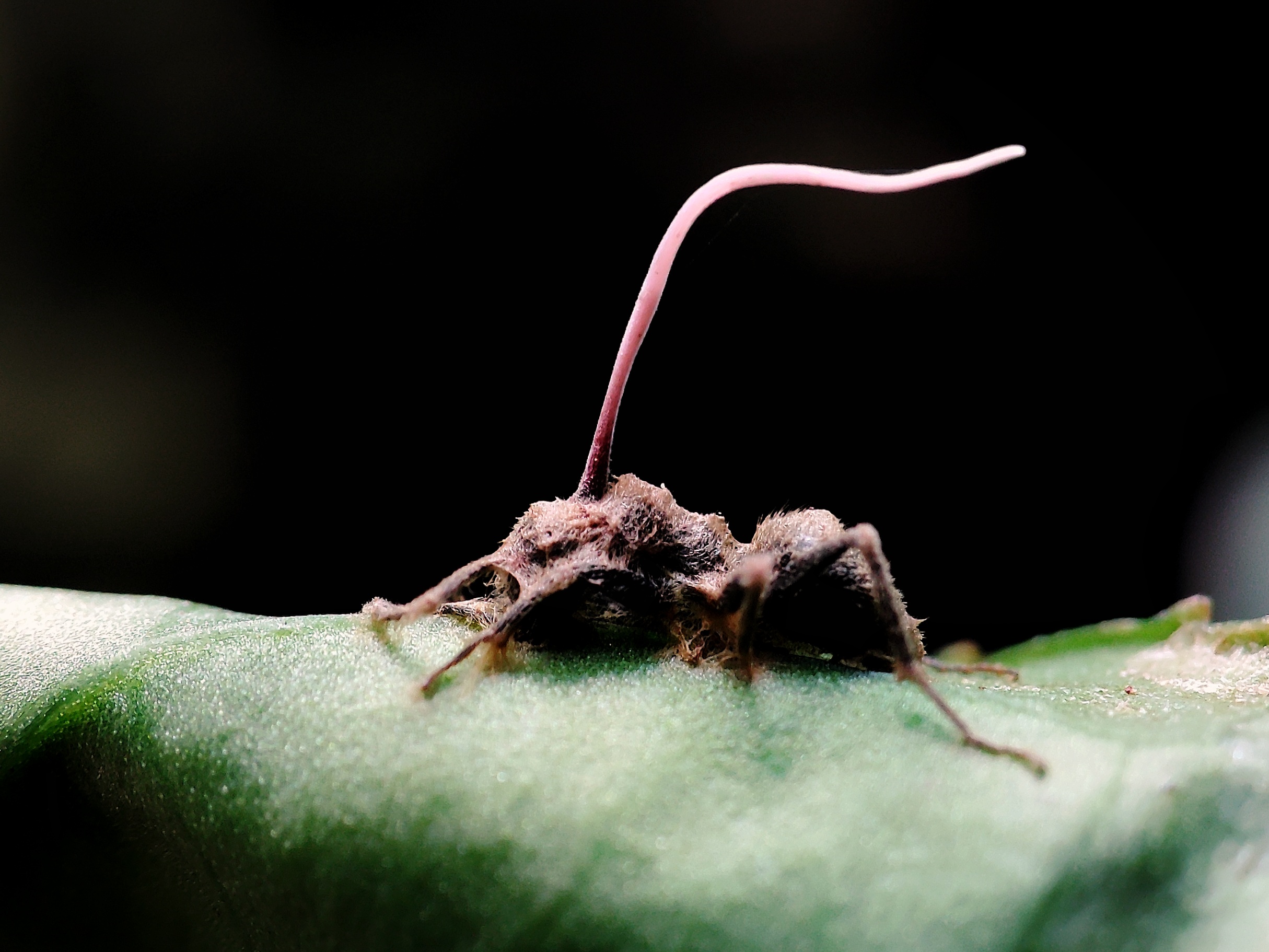
The name sums it up. The zombie-ant fungus turns ants into zombies. Found mainly in tropical rainforests, spores land on foraging carpenter ants and produce an enzyme that eats through the shell. The fungus then enters the ant and starts to control its behaviour. The hapless insect climbs a nearby plant and bites into a leaf 25 centimetres above the ground - the perfect temperature and humidity for the fungus to grow.
- Cordyceps and Orphiocordyceps: the zombie fungi made famous by The Last of Us
- “The cordyceps erupts from the ant’s head.” Deadly parasitic fungus infiltrates an ant’s body and mind in this BBC Planet Earth clip
The ant dies – but the fungus isn’t done yet. It consumes the mummified corpse and extends a long stalk out of the ant’s head, which then produces spores that fall to the floor. The gruesome lifecycle starts over.
Thankfully, the fungus doesn’t infect humans, but it did inspire the post-apocalyptic show The Last of Us, where humans become infected with a fungus that turns them into zombies.
Anthrax (Bacillus anthracis)
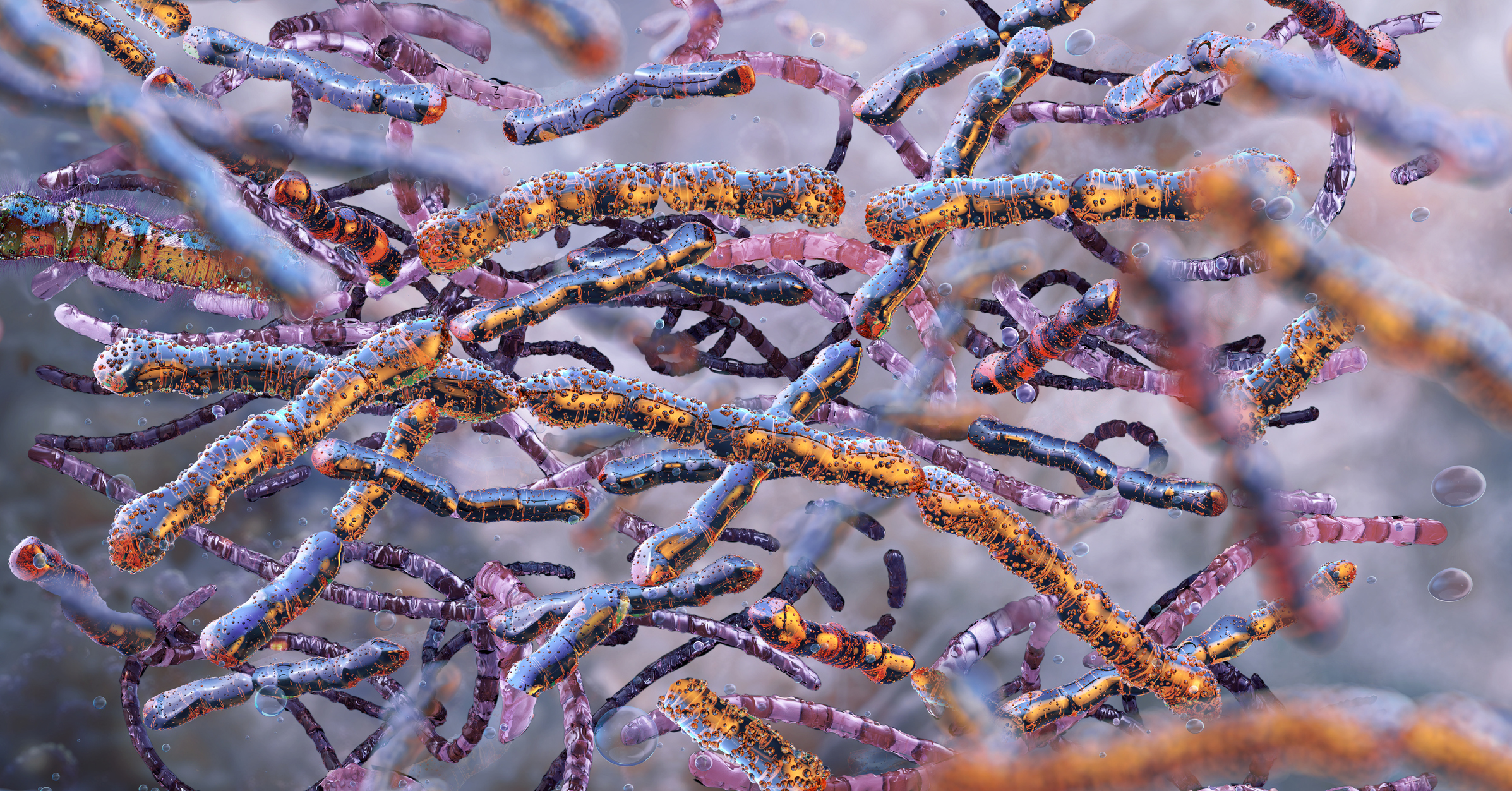
Bacillus anthracis is a tiny, rod-shaped bacterium and its spores can survive in the soil for decades. Herbivores die after being infected whilst grazing. Humans become infected in different ways. If the bacteria enters through a cut, it can cause black, boil-like lesions. If the spores are inhaled, it can cause high fever, extreme shortness of breath, shock and pneumonia. Up to 80% of those with this form of infection, die without treatment.
- Snake Island, Anthrax Island and beyond: 9 deadly Islands you'd be a fool to visit...
- "It conjures horror images of wide-eyed insanity, foaming at the mouth and an excruciating death." 10 deadliest diseases humans can get from animals
Anthrax is listed as a Tier 1 biological agent because of its potential use in terrorism. In 2011, letters containing anthrax spores were sent in the US mail. 22 people became infected, and five people died.
White-Nose Syndrome Fungus (Pseudogymnoascus destructans)
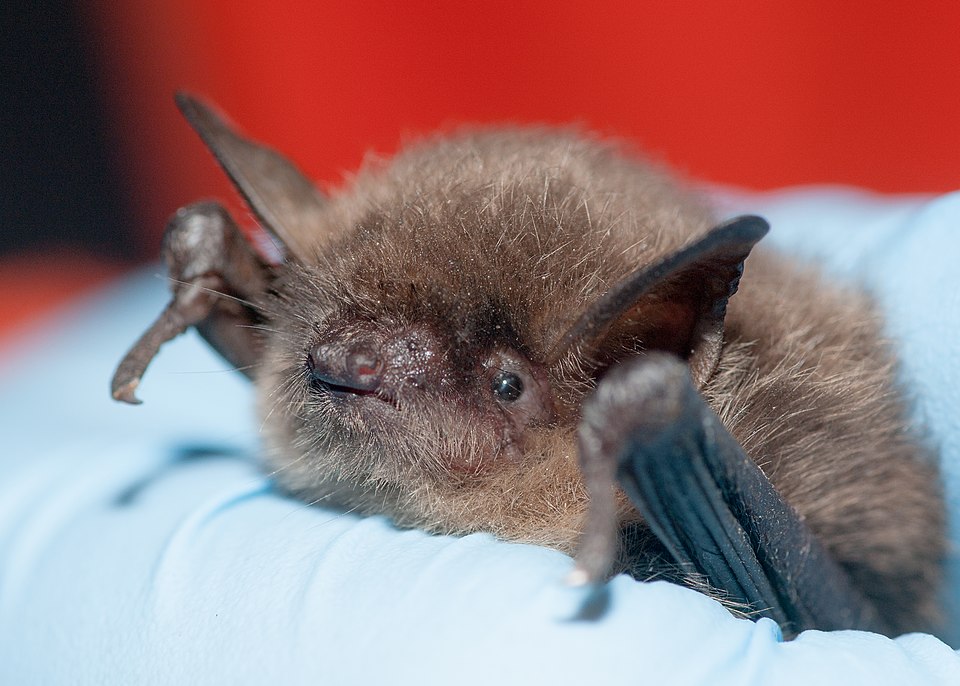
This fungus is harmless to humans but deadly to bats, where it causes a fuzzy white growth on the animal’s nose. The fungus flourishes at low temperatures and can be found in the cool, damp caves where bats like to hibernate. Bats pick up the spores when they rub against the walls, ceilings and floors of contaminated caves or other infected bats. Spores colonise their skin and the fungus invades.
This leads to White-Nose Syndrome, a fatal disease that has devastated bat populations in parts of the United States and Canada. Inside the animal, the fungus forces the bat to burn through its fat reserves and emerge from hibernation too early. Dehydration and emaciation are the ultimate cause of death.
Black fungus (Aspergillus fumigatus)
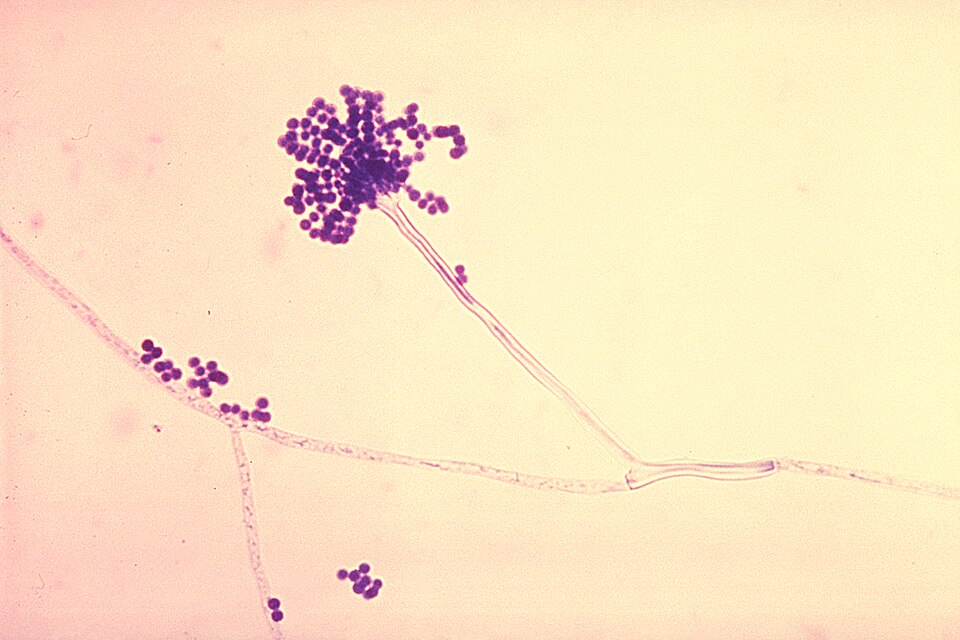
This common fungus is found in rotting leaves and compost heaps, where it plays a vital role in carbon and nitrogen recycling. Colonies of the fungus produce thousands of tiny grey-green spores which readily become airborne. Most people inhale hundreds of these spores every day without issue, but they can be deadly for people with chronic respiratory problems or weakened immune systems.
Symptoms of aspergillosis include shortness of breath, wheezing, high temperature, losing weight and feeling tired. Treatment can include steroids and antifungal tablets, but A. fumigatus still causes around 600,000 deaths every year with a mortality rate between 25 and 90%.
Ergot fungus (Claviceps purpurea)
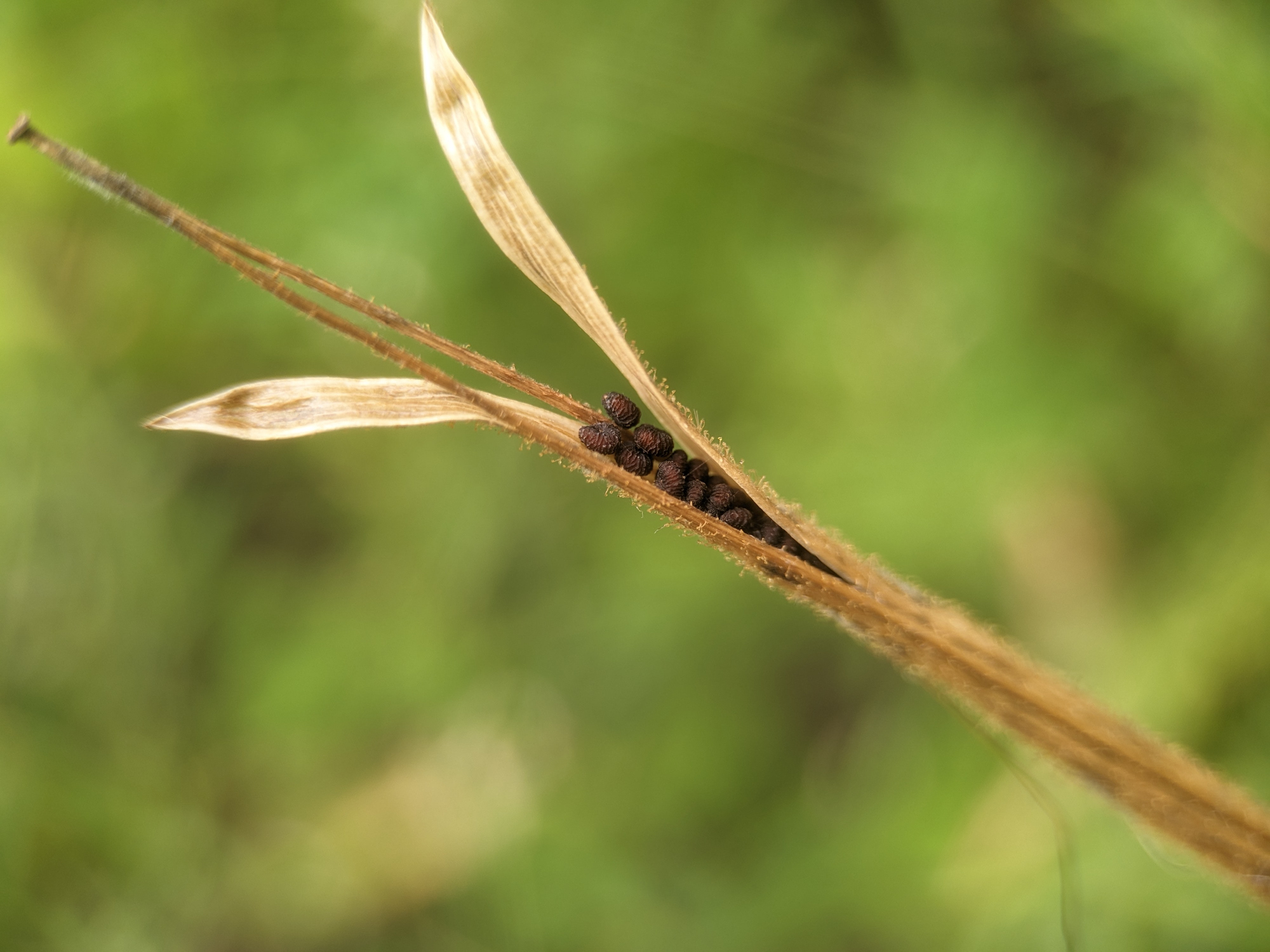
The parasitic ergot fungus infects rye and other cereal crops, where it replaces the healthy grain kernel with a dark, hard mass called a “sclerotium.” After the sclerotium falls to the ground, it germinates and produces a stalk-like structure which generates spores.
Eating any part of the fungus is ill advised because it produces toxic chemicals called alkaloids. This can cause ergotism, with symptoms including burning pain in the limbs, hallucinations, seizures and gangrene.
In the Middle Ages, this was known as ‘St. Anthony’s fire’ after the order of monks who tried to treat people. Today, thanks to modern agricultural practices and medicine, cases and fatalities are rare. When mass outbreaks occurred in the 19th century however, the death rate was around 40%.
Chytrid Fungus (Batrachocytrium dendrobatidis)
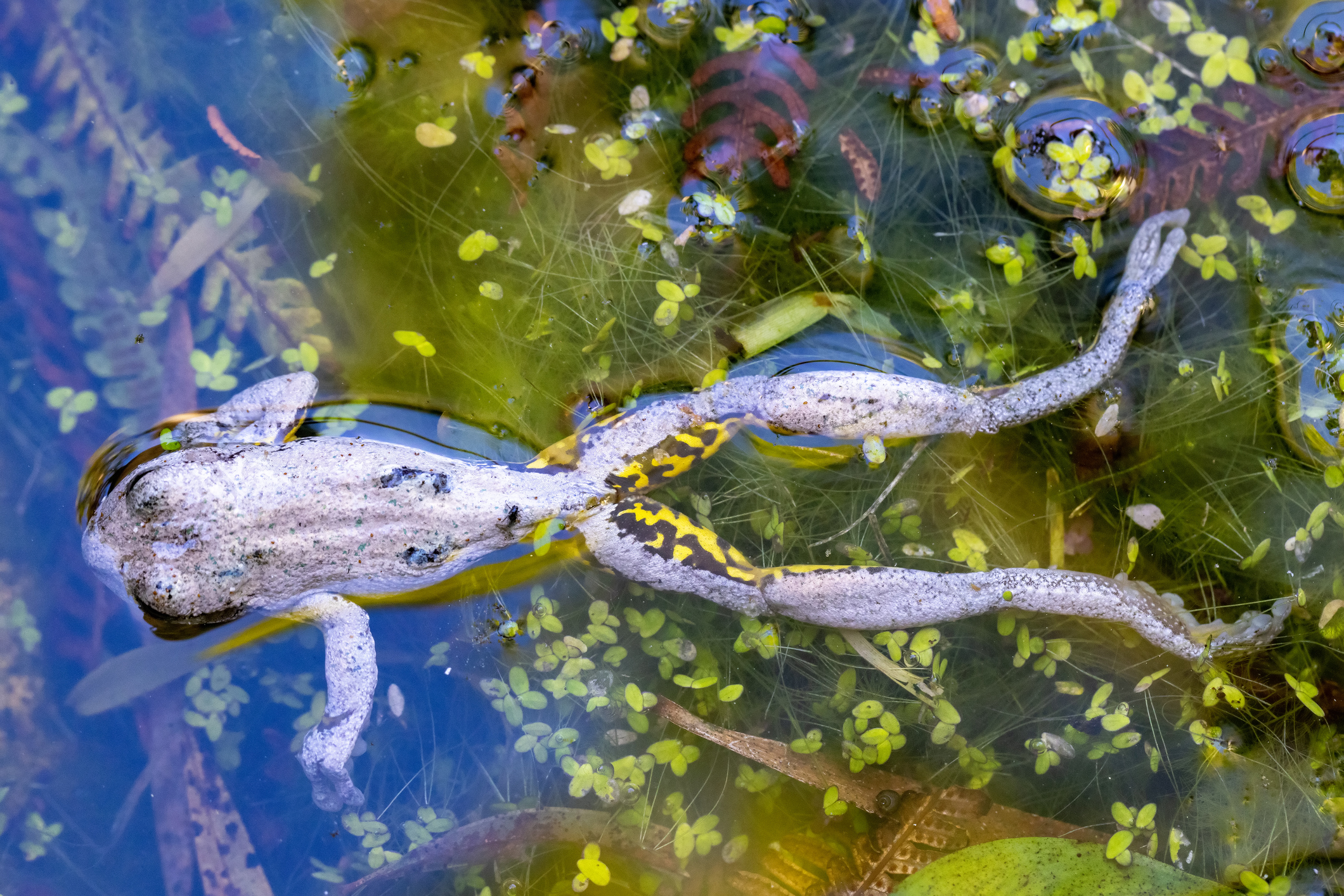
This fungus produces mobile spores that can swim through water using tiny propulsive tails called flagella. They don’t swim far – just a few centimetres - but they do swim with purpose. Spores use a process called chemotaxis to detect and move towards specific molecules present on the skin of their host, amphibians.
After they arrive, the host becomes infected. Chytridiomycosis damages the skin of frogs, toads and other amphibians, disrupting their balance of water and salt, and eventually causing heart failure.
Since the fungus was first identified in 1998, it has devastated amphibian populations around the globe and led to the extinction of an estimated 90 species. Humans are immune to the fungus, but we bear responsibility for its spread. Thanks to the international trade in amphibians, we have been shipping them around the world for over a hundred years.
Rust fungus (Puccinia)
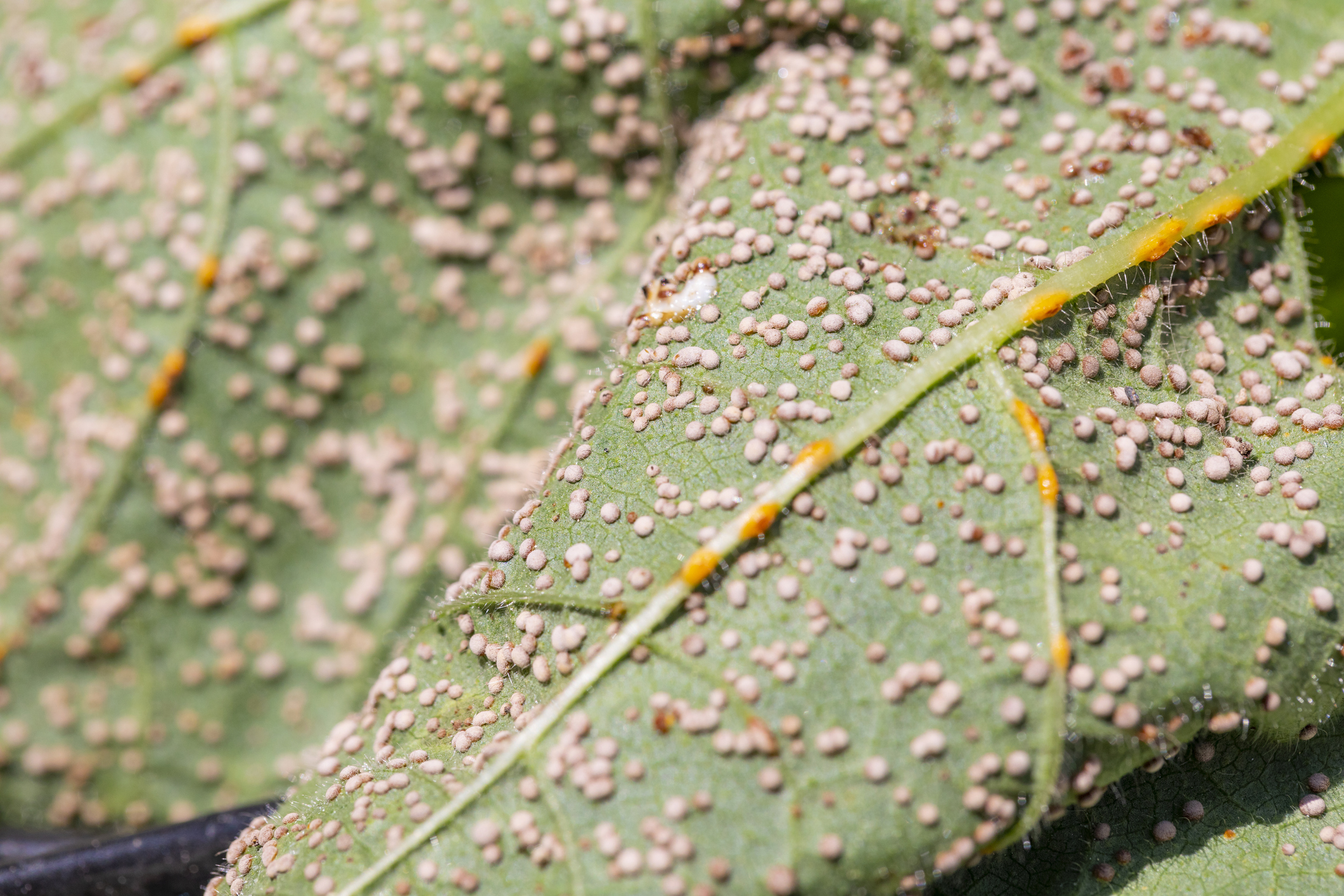
Rust fungi are deadly to plants, where their spores have caused devastating agricultural losses. There are more than 7,000 species of rust fungi, so-called because of the microscopic, rust-red spores they produce on the leaves and stems of infected plants.
The life cycle of the fungi can be complex. Most species can infect two different plant hosts and may produce up to five distinct spore-producing structures. Many economically important plants are vulnerable, including coffee, wheat and soybean. In Australia alone, stripe rust fungus causes over AU$1 billion in wheat loss every year. Now experts are trying to breed resistant strains.
Histoplasmosis Fungus (Histoplasma capsulatum)
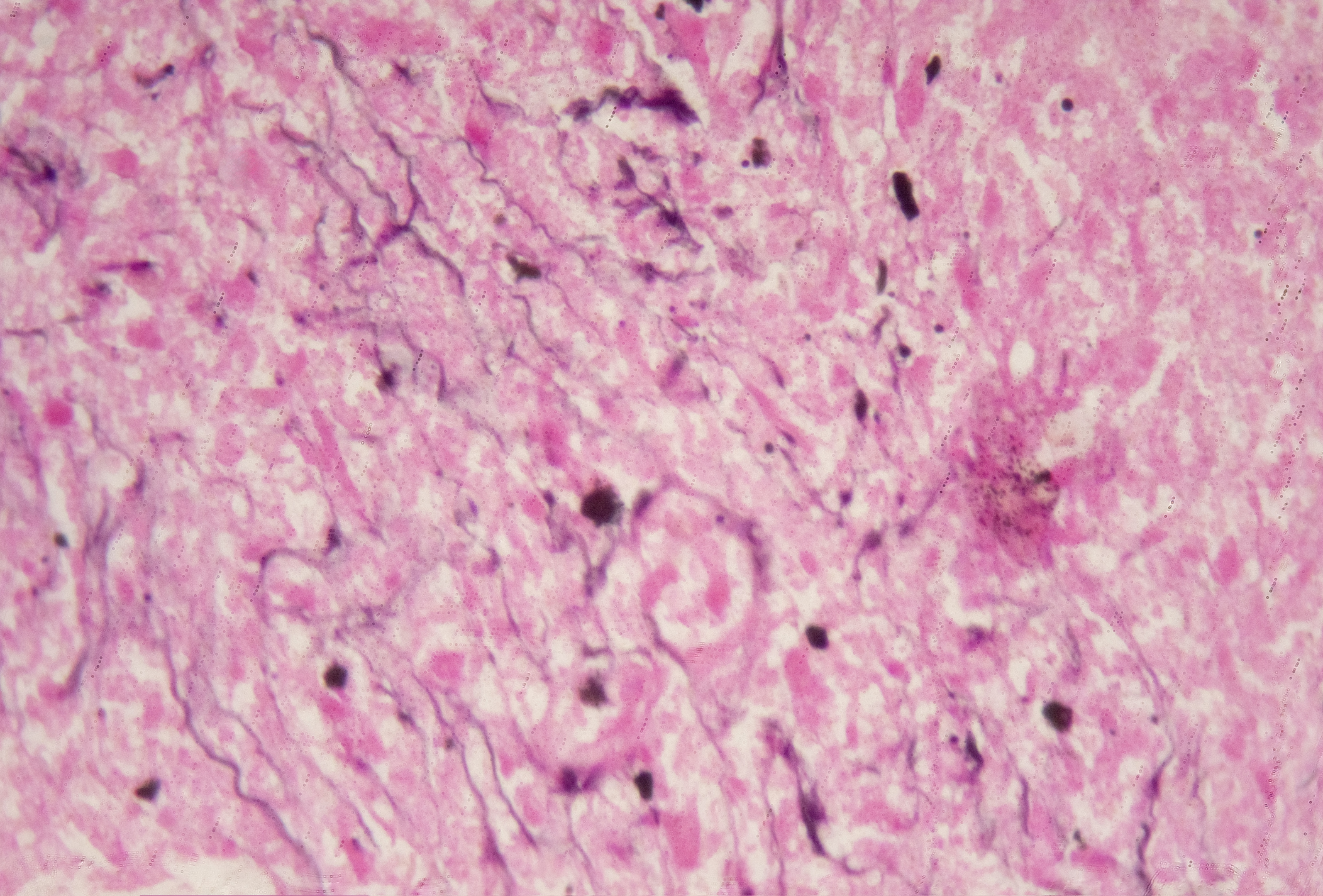
This fungus, which is found in pockets of Central America, South America, Africa and parts of Asia, thrives in soil that is rich in bird and bat droppings. Whilst birds are immune to infection, bats can become infected and act as carriers. People become infected when the ground is disturbed and they breathe in the spores.
When the spores reach the lungs, they transform into yeast, which can travel to the lymph nodes and spread to other parts of the body. Most infections are asymptomatic or generate mild systems, but severe infections can occur in those with weakened immune systems. Without antifungal treatment, the most serious version of the disease is 100% fatal.
- Spitting deadly venom and launching ‘bullet-like’ blobs – these are the most lethal projectiles in the natural world
- "It causes confusion, comas, and extreme daytime sleepiness and without treatment, it is generally fatal" 10 deadliest, most terrifying parasites on the planet
Top image: Microscopic view of a colony of Aspergillus fungi, 3D illustration. Credit: Gilnature/Getty Images