
Medieval and Early Modern Europeans had a curious habit of hauling animals into court, trying pigs, rats and even insects with straight‑faced solemnity, says Melanie Sherwood. Yet formal trials in the West are only part of the story. Across cultures and centuries, beasts have been ‘punished’ in all manner of inventive ways – by official decree, religious ritual, or, at times, an angry crowd taking matters into their own hands.
From egg‑laying cockerels condemned as heretics to honey‑stealing bears fined by the state, these tales reveal a surprisingly human urge to assign blame – even when the culprit has fur, feathers or scales.
11 animals on trial
Homicidal hogs
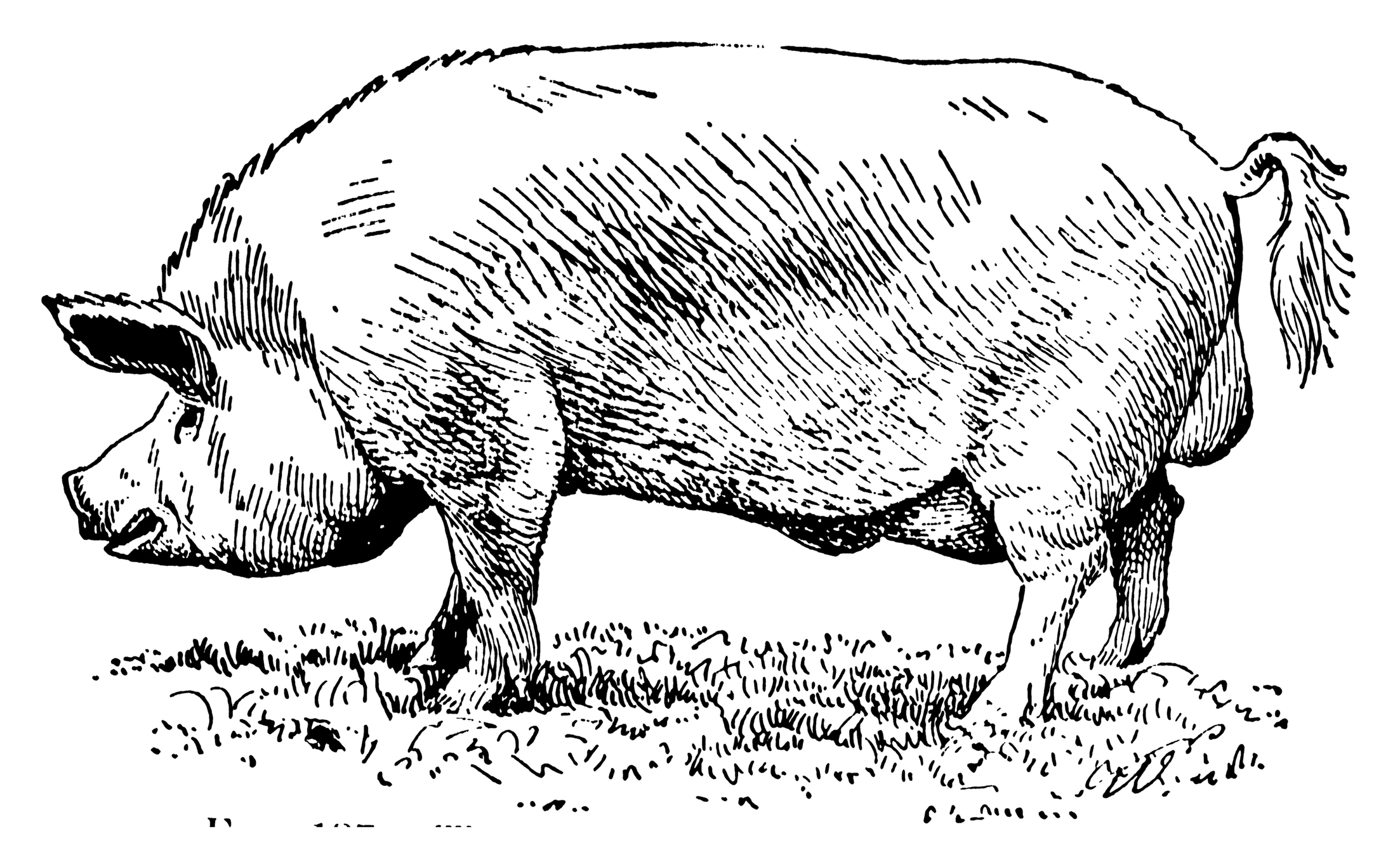
No creature appears in the historical record of animal trials quite as frequently as the pig. In one such example, a sow was tried for killing a child in Falaise, France, in 1386. A court heard how the hog preyed upon a baby in its cradle, mutilating the child’s face and arms in the process. Witnesses were called and the animal formally convicted.
It was then mutilated – apparently to mirror the victim’s injuries – and hanged. The crime and the punishment were documented in a fresco in the Church of the Holy Trinity in Falaise. You may be relieved to learn this was whitewashed over in the 19th century.
Weevils v holy wine
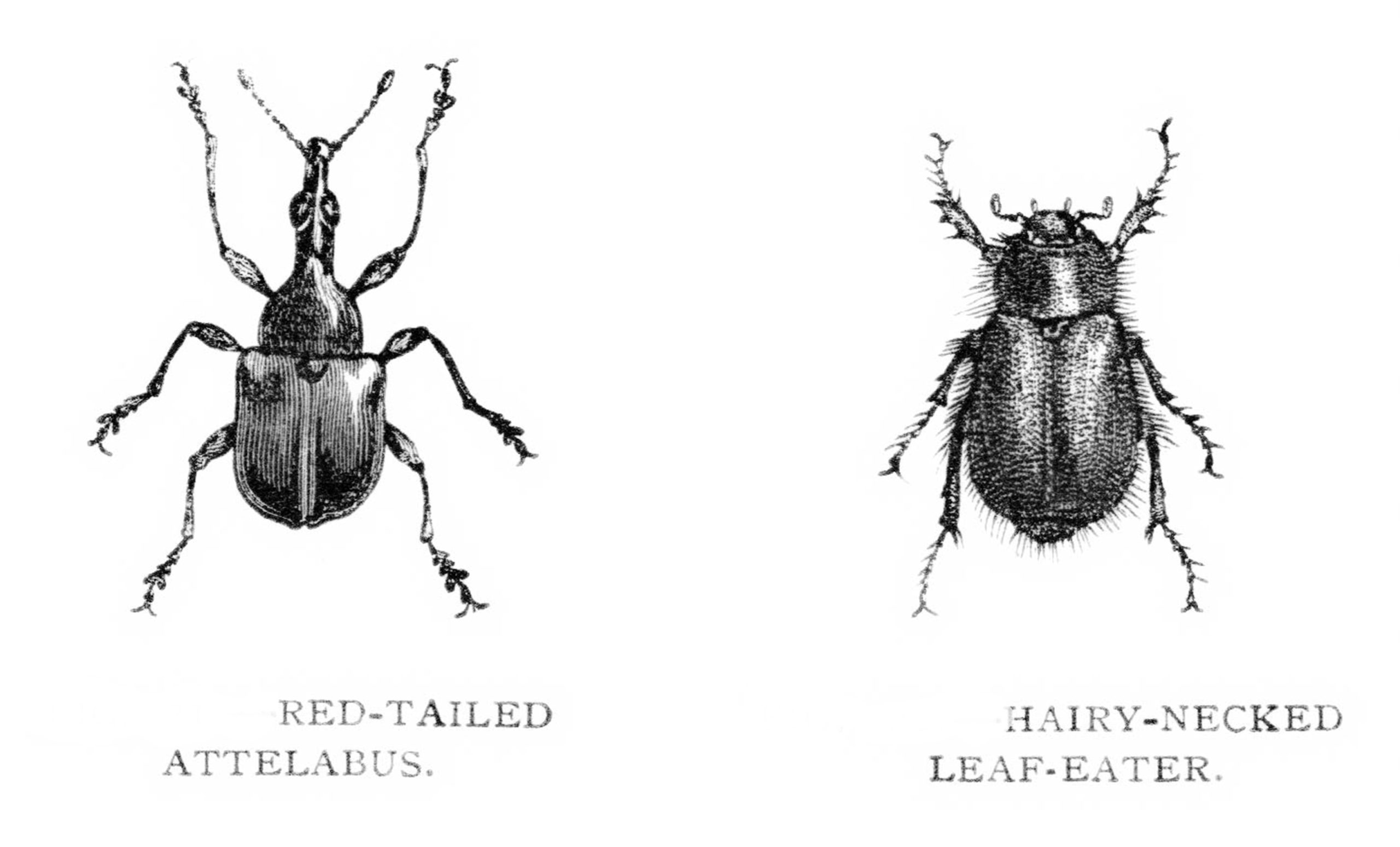
In the Early Modern era, some animal misdemeanours offended the authorities more than others – chief among them any affront to Church property. Thus, when weevils descended upon and destroyed a crop of holy grapes in St Julien, France, in 1587, legal proceedings were inescapable.
- He uses his huge, giant neck to wrestle and show off with. She uses hers to sew an intricate leaf cradle for her one, very precious egg
- 12 weirdest insects in the world - including a moth that resembles a poodle and a fly with eyes on stalks
The affair was treated with impressive earnestness: the trial dragged on for eight months, as learned minds debated the culpability of the tiny culprits. The final verdict has not survived – some say the records themselves fell victim to weevils – but what remains suggests that, while lawyers wrangled, impatient locals pragmatically set aside a separate plot for the pests, a safe distance from the sacred vineyard.
Crocs cast out
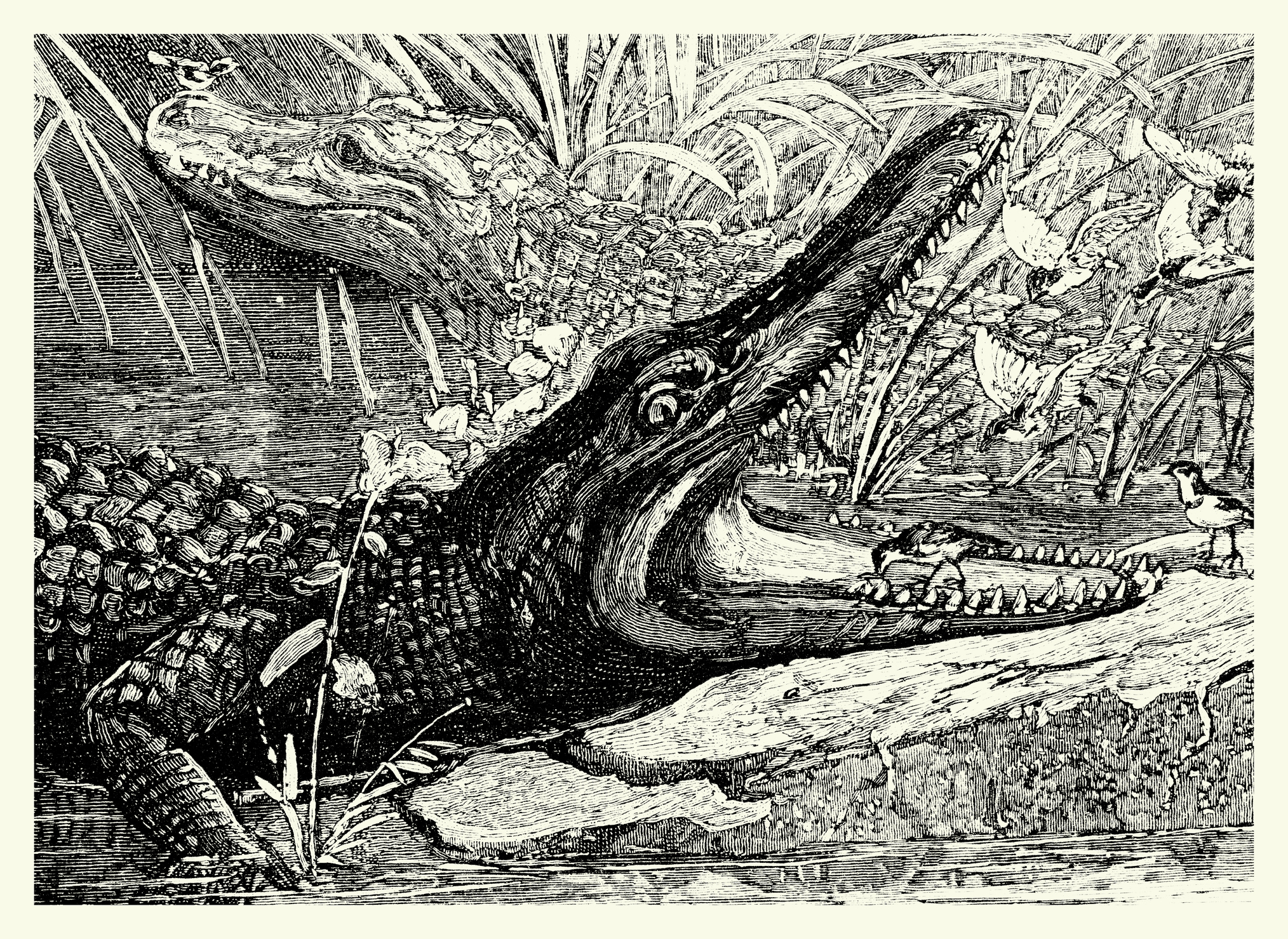
In 819, Han Yu – poet, Confucian scholar, and legendary Tang‑dynasty official – tackled a crocodile problem in Chaozhou with unusual flair. The region’s supersized reptiles were eating livestock and even children, but rather than dispatch troops, he staged a more poetic intervention: a sacrificial pig and goat were cast into the river, and Han read a formal decree ordering the crocodiles to leave within seven days. Legend has it a storm soon followed and the animals vanished.
- 10 deadliest rivers in the world including a 'boiling river' that 'cooks' animals from the inside out
- Staggering crocodile photos reveal just how ferocious these apex predators can be
Behind the theatrics, Han also organised river clearances and engineering works that likely did the real job. Today, the crocodile’s historic decline in the region is attributed to environmental change and human expansion. In 2022, an extinct species or croc (known to reach 6 metres), Hanyusuchus sinensis, was named in his honour.
A bear‑faced thief
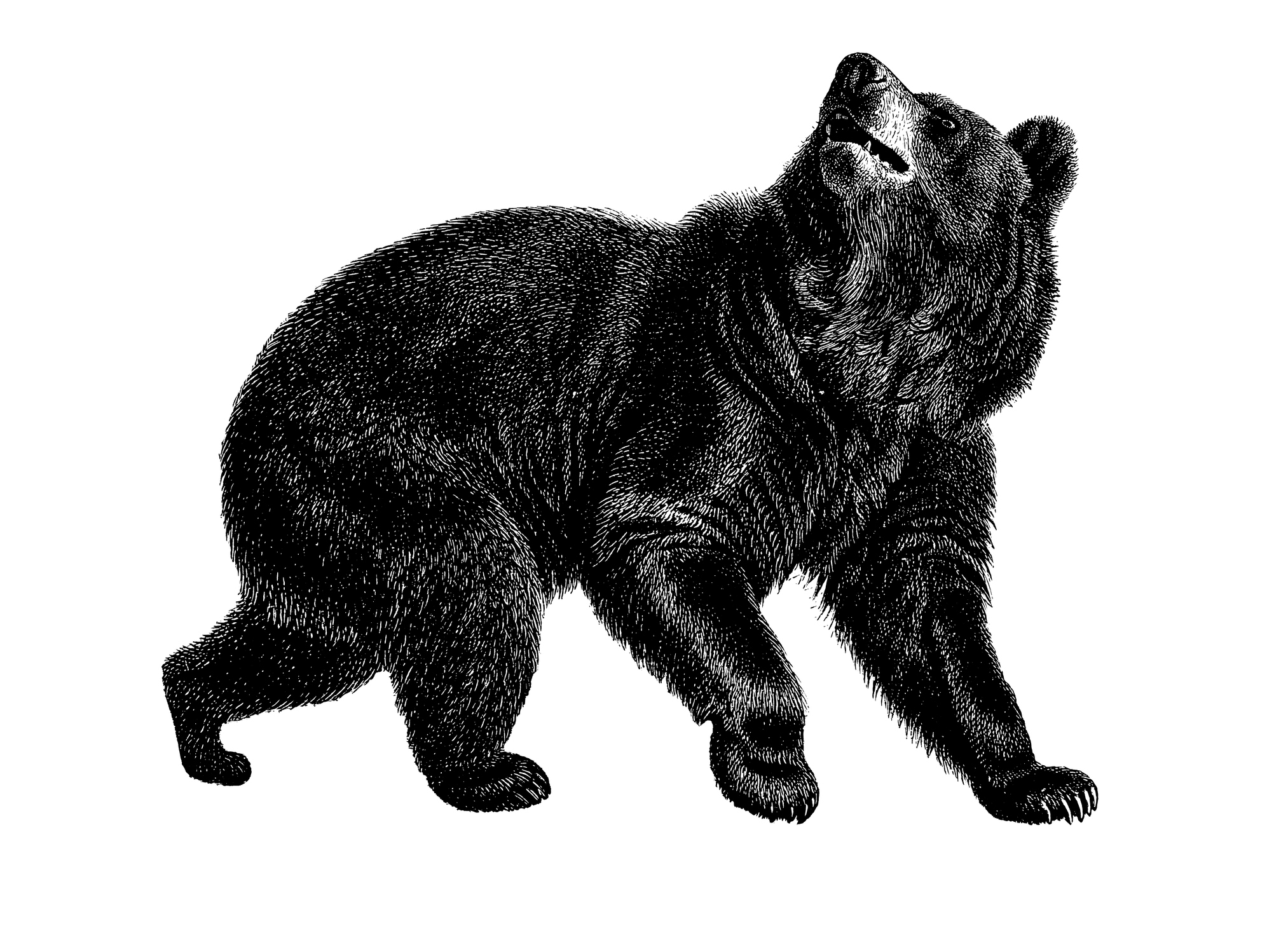
In 2008, a Macedonian court found itself presiding over an unusual offender: a honey‑raiding bear. The animal had repeatedly broken into a beekeeper’s hives, helping itself to the contents with sticky‑fingered enthusiasm. Unsurprisingly, the defendant failed to appear in court, and was duly convicted in absentia.
- What is the biggest bear in the world? Clue: it towers overs humans and weighs almost a tonne
- It's the largest, most powerful and deadliest bear on the planet – AND views us as prey, able to make short work of our puny bodies...
There was, however, a practical snag: as a protected wild animal, the bear had no legal owner to hold responsible. The solution was elegantly bureaucratic – the state was ordered to foot the bill, compensating the long‑suffering beekeeper for his losses.
Deadly heifer
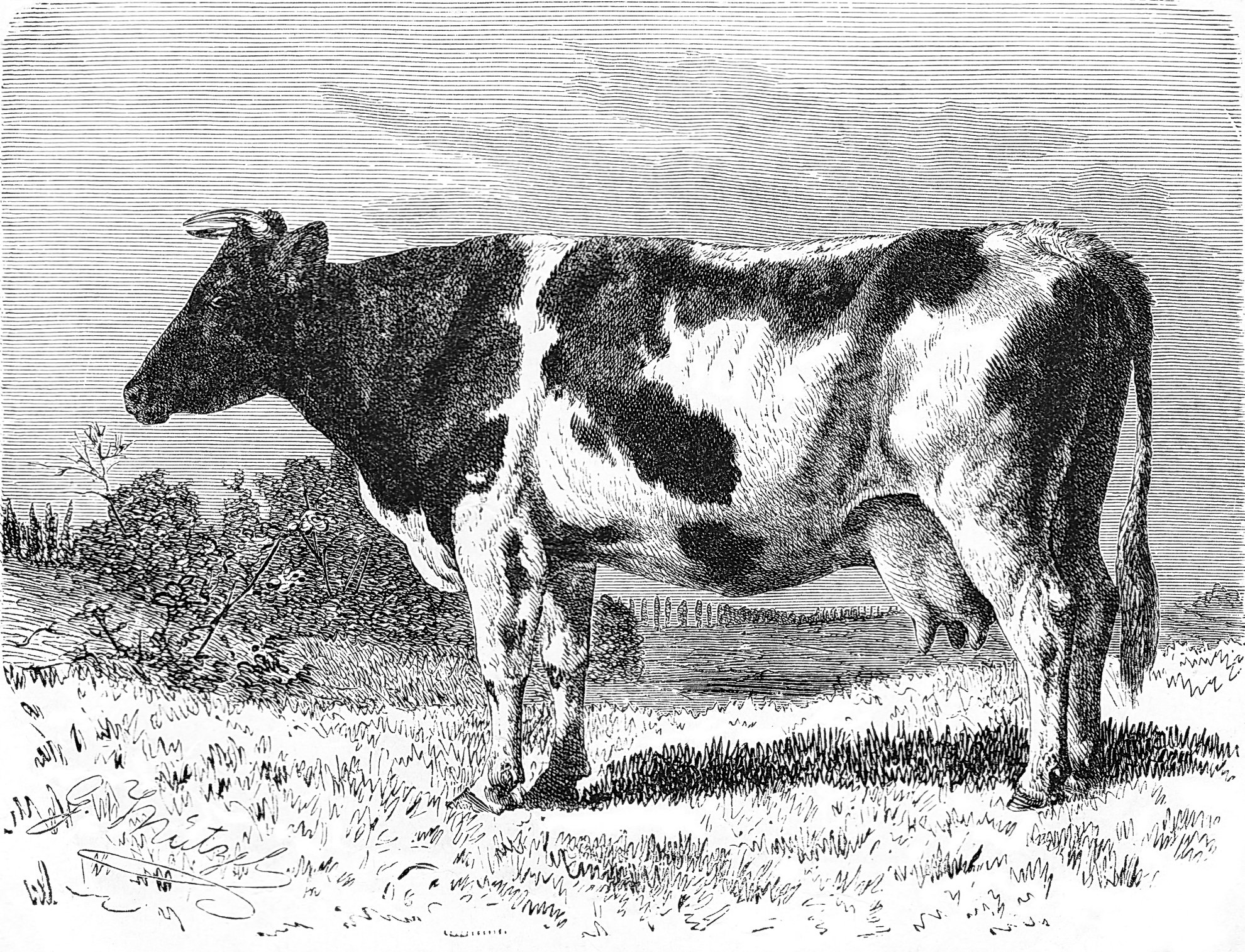
Early Modern Europeans were not above putting their livestock on trial – especially when human lives were at stake. In Saxony, Germany, in 1621, a cow stood accused after knocking over a woman, an incident that proved fatal.
The bovine brute was duly marched before a court – some later accounts even place the proceedings under the learned gaze of the University of Leipzig’s law faculty – where she was convicted of murder. Reportedly, the sentence came with curious stipulations: executioners were ordered to kill and bury the animal ‘unflayed’. Her flesh was not to be eaten, nor her hide turned to leather – justice, it seems, demanded not only death, but total disuse.
Rodent no show
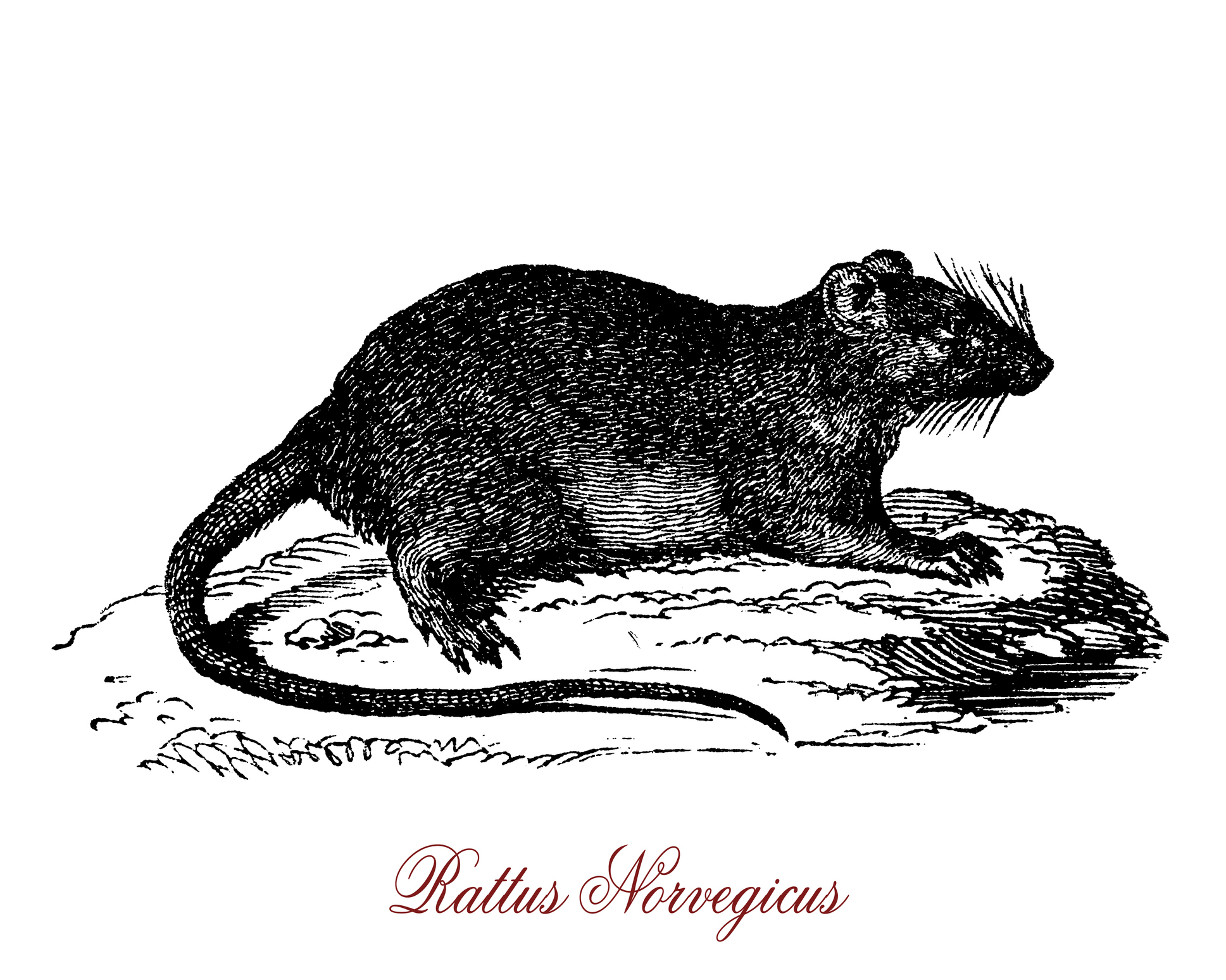
In 16th‑century France, Bartholomew Chassenee made a name for himself with his spirited – if unusual – advocacy on behalf of animals. In 1510, he was appointed to represent a colony of rats summoned to court for devouring a field of barley.
- Did you know the biggest rat in the world is nearly a metre long? That's one whopping rat...
- Meet the world's deadliest rat, which contains enough poison to kill an elephant
When the rodents inevitably failed to appear, Chassenee launched his genius creative argument: his clients could not safely attend, of course, as the journey would expose them to mortal danger from the region’s cats and dogs. Humans, he noted pointedly, might be excused under such peril – why not rats? Faced with this disarming logic, the judge was left thoroughly perplexed, and the case was quietly postponed indefinitely.
A heretical rooster
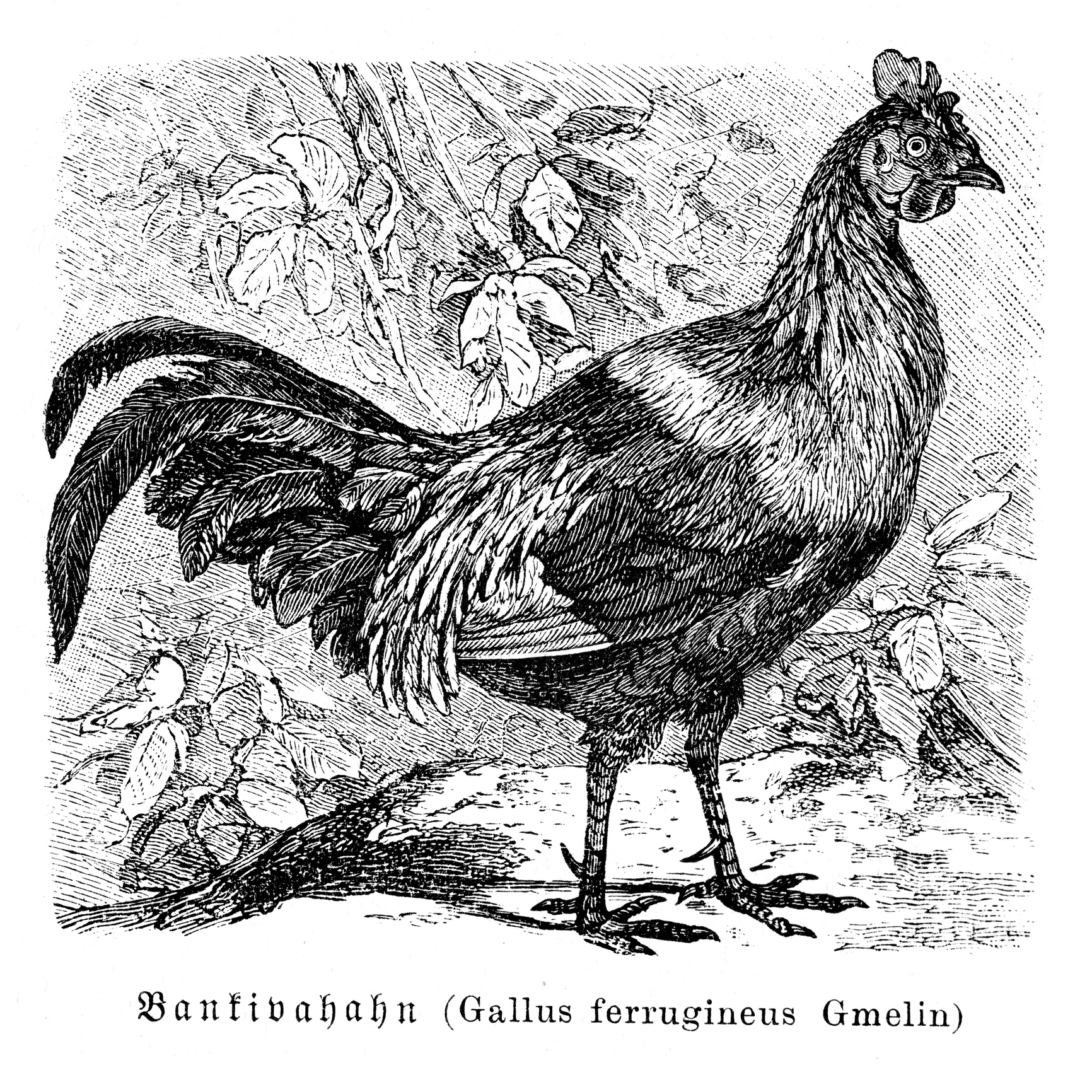
In 1474, in Basel, Switzerland, a rooster found itself at the centre of a most peculiar legal drama: it had allegedly laid an egg – a ‘heinous and unnatural’ feat linked to witchcraft and ominous portents.
Authorities treated the matter with straight-faced gravity. The incident was declared an act of heresy, a formal hearing was convened, and the unfortunate bird was duly convicted. Its sentence? Death by fire.
A sombre crowd gathered to witness the immolation of this feathered miscreant, the proceedings carried out with all the seriousness typically reserved for human heretics. While the case itself is generally accepted as genuine, the more theatrical flourishes in the affair owe much to later retellings rather than strictly contemporary accounts.
‘Kill the elephant’
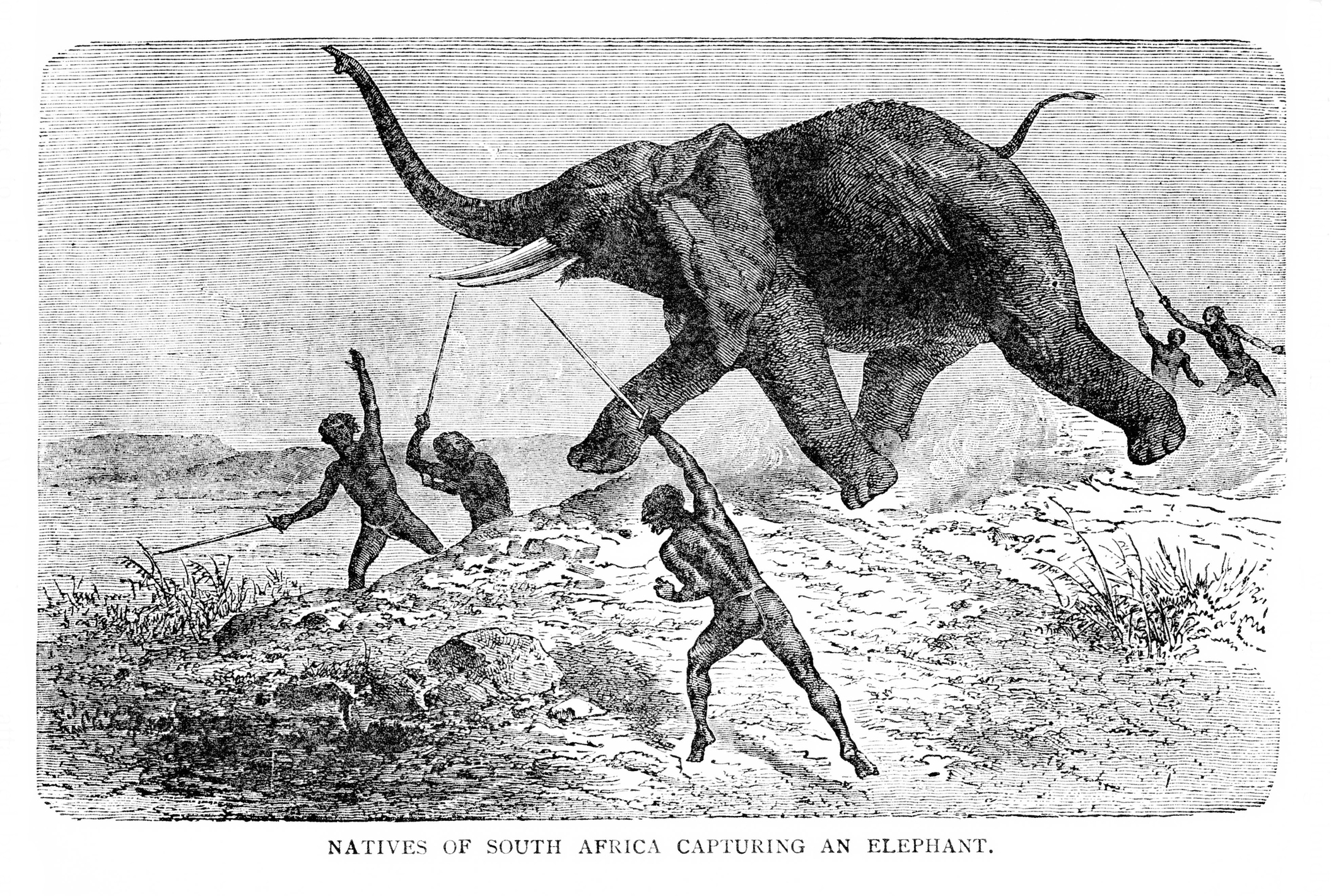
What began as a standard circus parade in Kingsport, Tennessee, 1916, quickly turned catastrophic for an elephant named Mary – and her newly hired handler. Just a day or two into the job, he reportedly provoked her by clumsily prodding her with a bullhook or similar tool. Mary retaliated by knocking him down and fatally crushing him. The crowd was horrified; the mood turned ugly. Cries of ‘Kill the elephant!’ soon escalated into a full‑blown lynch mob.
- "A bull elephant appeared from the bush. Ambling over to the carcass, the immense creature used his tactile trunk to gently caress the bones of his fallen comrade"
- Elephant graveyards: is there any truth in the legend elephants go to a special place to die?
Shooting her proved useless – bullets bounced off her tough hide – so a grim alternative was devised. Mary was led to a 100‑ton rail‑mounted crane in Erwin, Tennessee, and hanged. It was a brutal spectacle. The first attempt failed when the chain snapped, injuring her badly; she died during a second hanging.
Mole‑icious damage
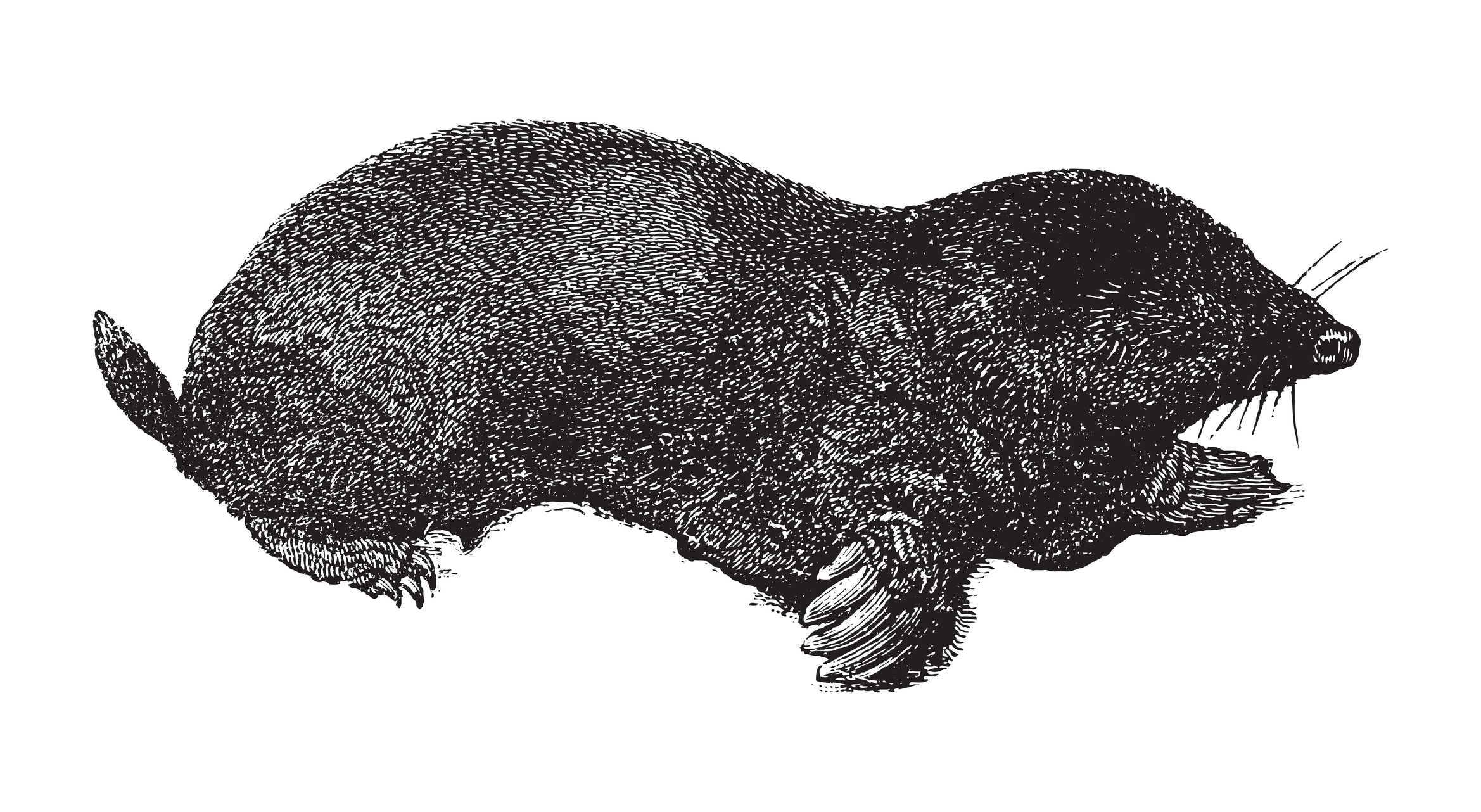
In 1519, a court in Stelvio in what is now northern Italy, took up the curious case of moles versus the local farmers. The burrowing culprits stood accused of wreaking havoc on crops, and the court – treating them as if they could be held to account – ordered their banishment from the fields.
The story takes a charming turn in later retellings: after an objection from the animals’ lawyer, the judge is said to have shown a touch of mercy, granting any young or vulnerable moles extra time to vacate the premises. Whether entirely factual or slightly embellished, it’s a tale of justice with a surprisingly gentle side.
Beastly bestiality
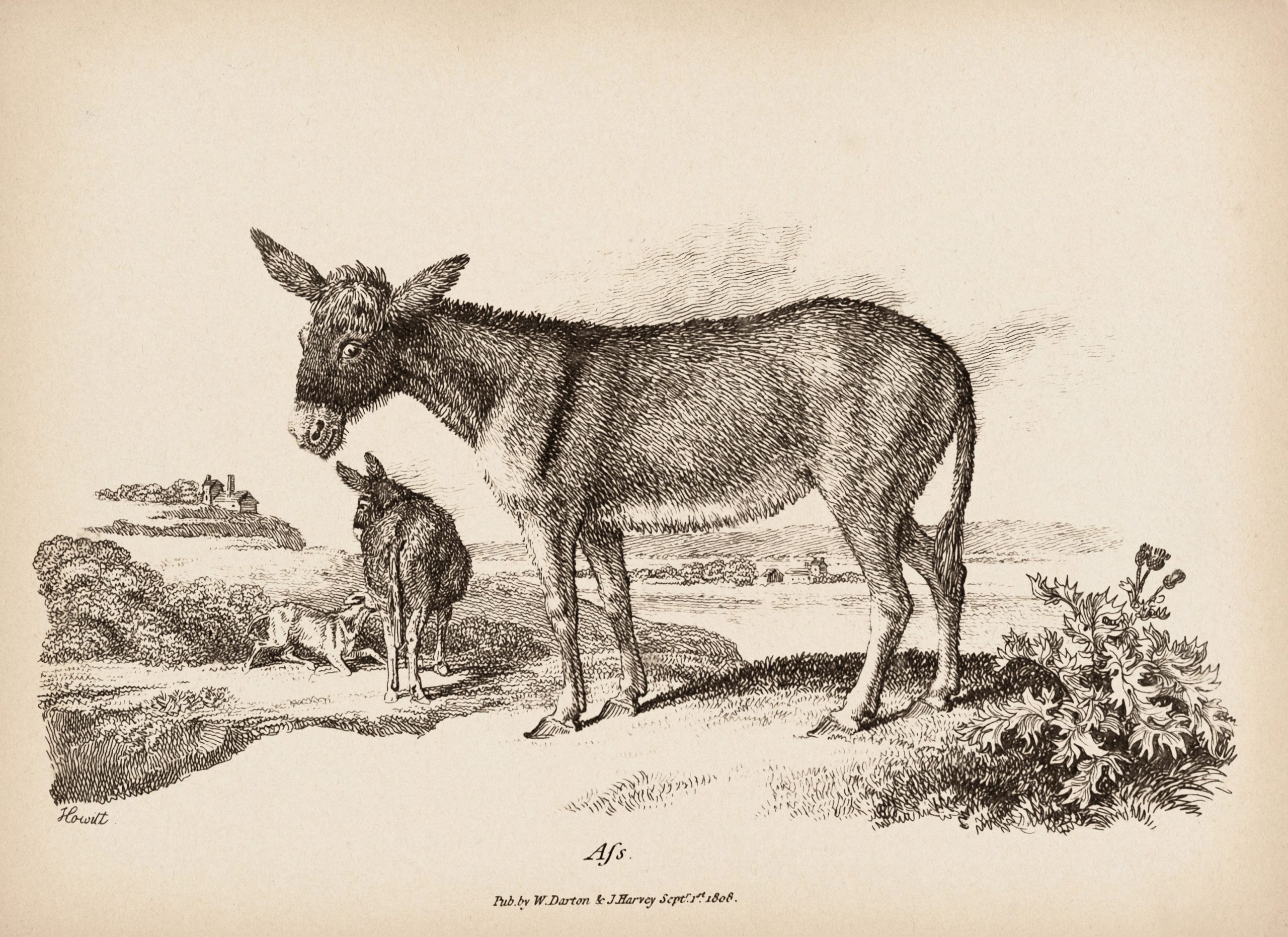
In 1750, the quiet town of Vanvres, France, was stirred by a case that combined scandal with solemn legal theatre. A man named Jacques Ferron was caught in the act, sexually assaulting a female donkey, prompting a trial that quickly captured public attention. In an unusual twist, the court heard from a host of character witnesses on behalf of the donkey – the jenny was so popular that the parish came to her defence. Even the local priest attested to her virtue, describing her as ‘a most honest creature.’ The judges ultimately ruled that the animal had taken no willing part in the offence. Ferron, by contrast, was shown little mercy and was sentenced to death, most likely by hanging.
Monkey agent
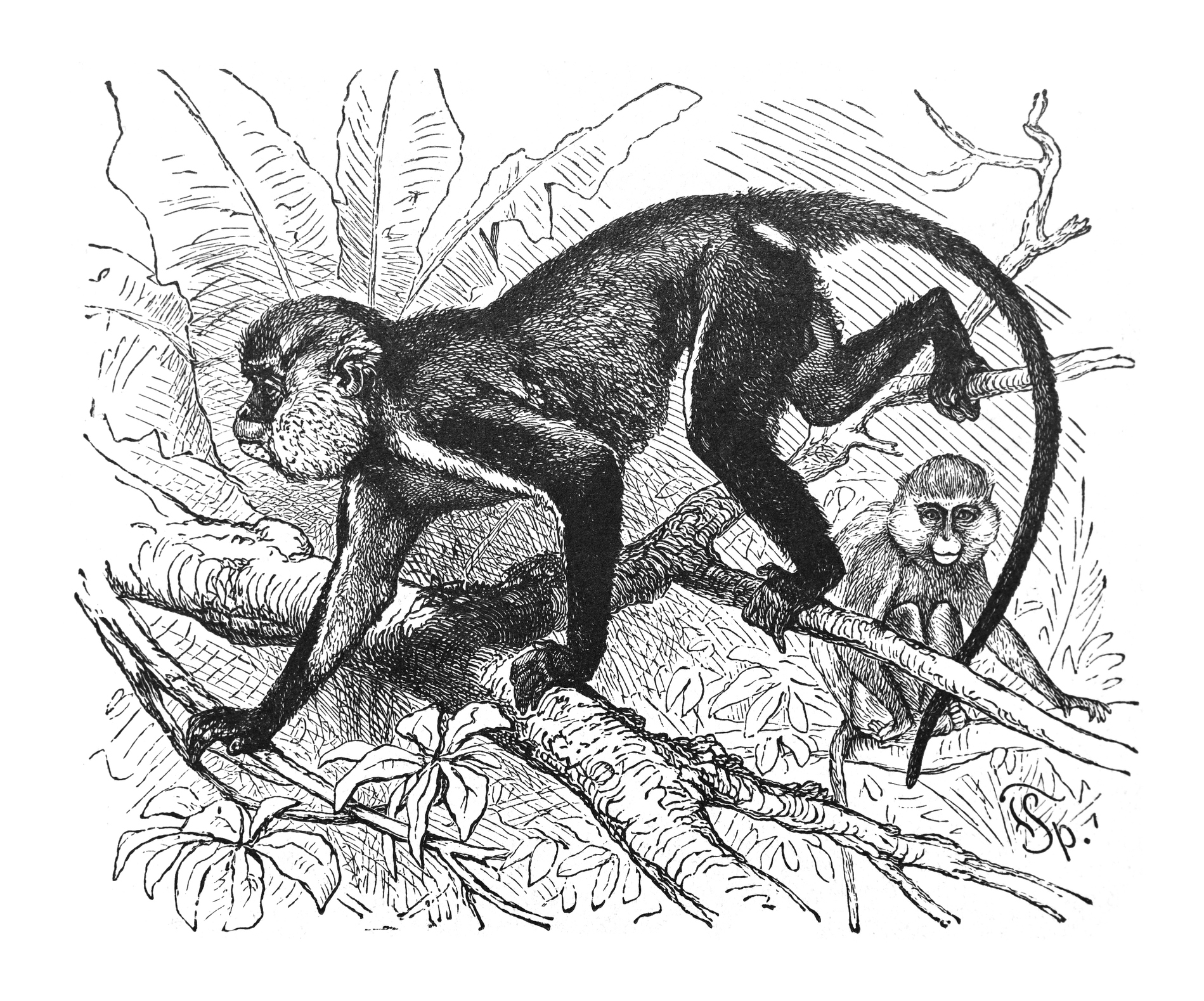
During the Napoleonic Wars, when Britain was on high alert for French enemies, even the most unlikely suspects could raise alarm. So, when a shipwreck off the coast of Hartlepool produced a lone survivor – who happened to be a monkey – according to folklore, the townspeople concluded he must be French, and therefore suspicious.
- What are the smallest monkeys and primates in the world? Meet the tiny creatures of the monkey world
- What's the biggest monkey in the world? Clue – it comes equipped with fearsome canine teeth that are amongst the longest of any primate
As the local legend goes, the unfortunate creature was put on trial, found guilty, and promptly hanged. Whether any of this truly happened is questionable, but the tale has stuck – earning Hartlepudlians their enduring nickname: ‘Monkey Hangers’.
Top image: In 1457 France, a sow and her piglets were tried for murder after the sow partially ate a child, who later died. The sow was found guilty and executed, but her piglets were found not guilty due to their young age. Illustration published 1863. Credit: Christine_Kohler/Getty Images


