The king cobra is one of the most venomous snakes on the planet. There is enough toxin in a single bite to kill more than a dozen people, but - luckily for us - these showstopping snakes prefer to eat other snakes, lizards, eggs and small mammals.
They live in the rain forests and plains of India, southern China and Southeast Asia, and when threatened, will raise themselves up to a third of their length and flare out their elongated rib cage to create an impressive-looking hood.
- Meet southern Africa's golden Cape cobra: A stunning yet lethal predator that's as deadly as the black mamba
- "One bite contains enough venom to kill at least 100 adult humans" 13 deadliest, most venomous, snakes on the planet
Here are seven of the most audacious king cobra-killing animals.
7 animals that can kill a king cobra
Mongoose
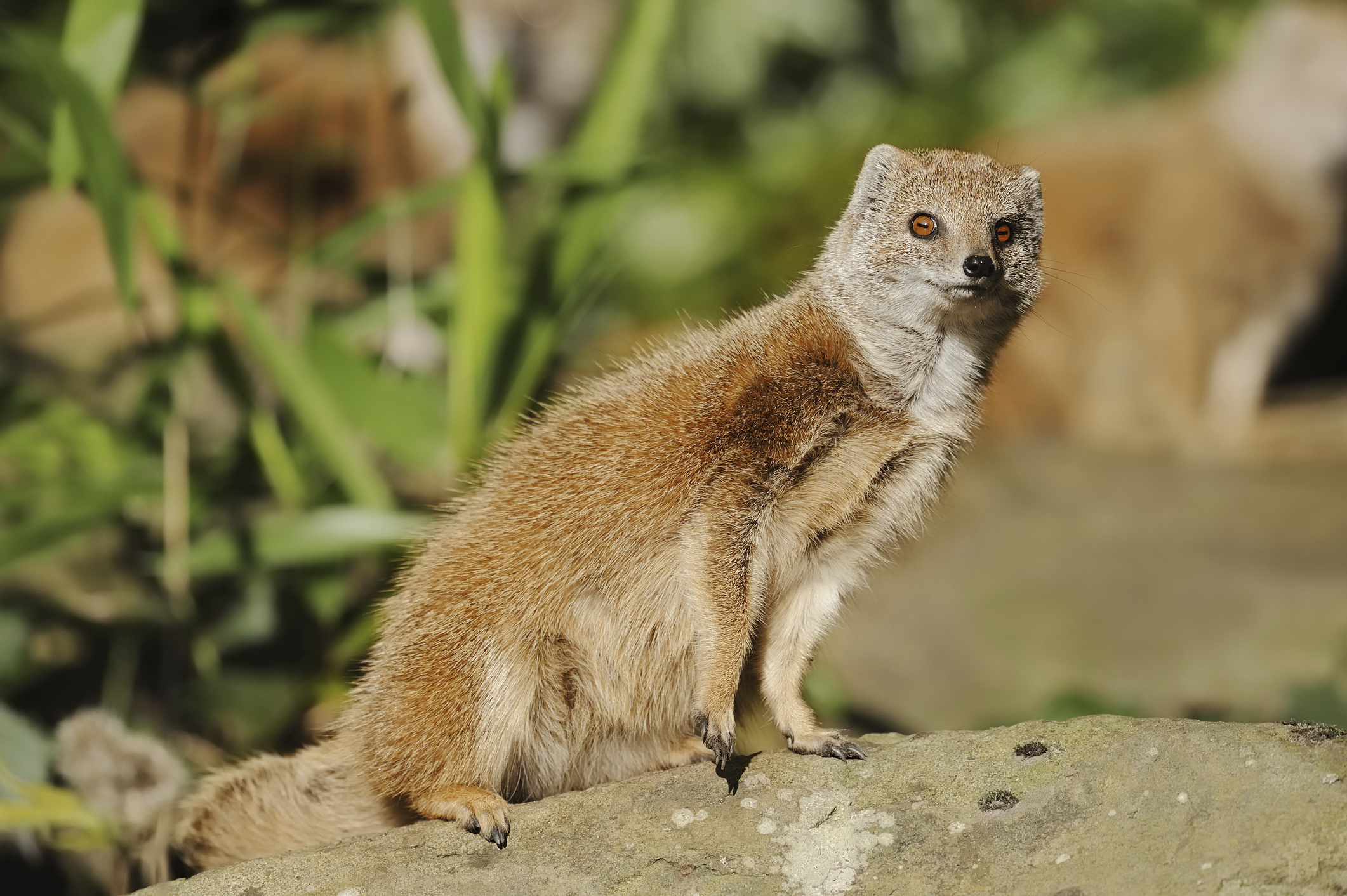
When Rudyard Kipling penned the fictional mongoose, Rikki-Tikki Tavi, as an agile, feisty snake-killer, he was bang on the money. Although the carnivorous mammals eat other delicacies, such as rodents and birds, some mongoose species actively hunt and kill king cobras. They’re remarkably good at it too. According to some estimates, 80% of attacks result in the reptile’s death.
- Snake venom cure: Scientists develop fake blood vessels to help reduce deadly bites
- This weird mammal occupies abandoned burrows and has a ‘sixth sense’ – and is best friends with a mongoose
First the mongoose dances around the snake, nimbly avoiding its strikes, until the aggrieved reptile inevitably tires and the mongoose lands its killer blow – a lethal bite to the head area. They seem almost cocky, and with good reason. Some species of mongoose have a genetic mutation which makes them immune to the snake’s venom.
Honey badgers
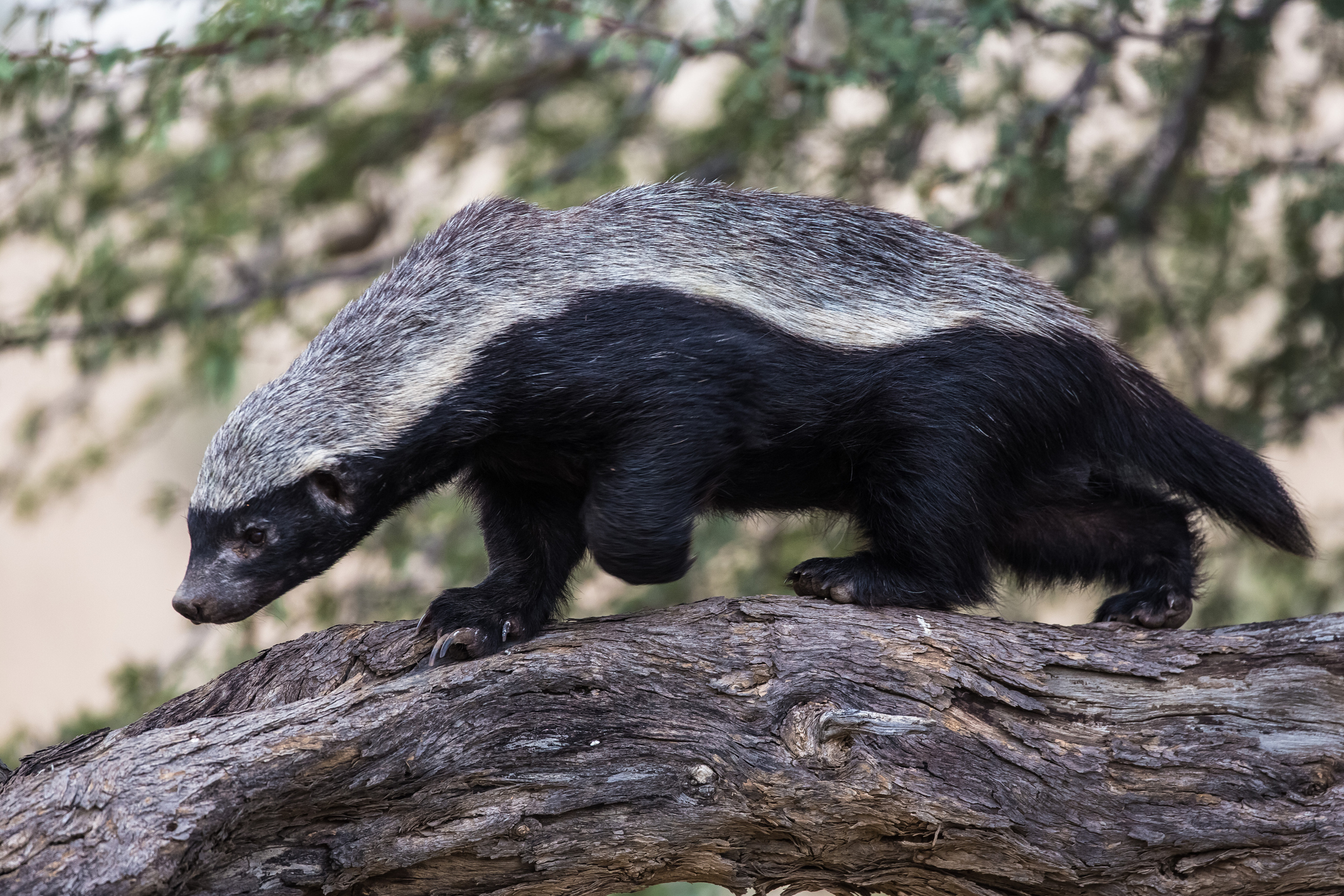
Don’t be misled by the sweet-sounding name, honey badgers are notoriously ballsy. The fox-sized carnivores have been known to ransack beehives, chase off cheetahs and steal from lions. If they get bitten, they can wriggle around inside their thicky, baggy-fitting skin to extricate themselves.
- 8 fearsome, lethal hunters: Meet nature’s ultimate attacking machines – according to Steve Backshall
- Head-butting, drowning and dive-bombing – discover 10 most aggressive, badass animals on the planet that aren't afraid to put up a fight
Venomous snakes make up around a quarter of their diet, which they can eat with relative impunity. In southwest Asia, where the species overlap, this includes king cobras. Like mongooses, honey badgers have a genetic mutation which helps to protect them from snake venom, but theirs is slightly different. It offers partial protection, meaning that if a honey badger does get bitten by a large venomous snake, the animal may temporarily lose consciousness before rousing itself to brave another day.
- Why are honey badgers so aggressive?
- Is this the world's most aggressive animal? Just the size of a fox, this badass raids beehives, steals from lions, shrugs off snake venom and never backs down…
Reticulated python
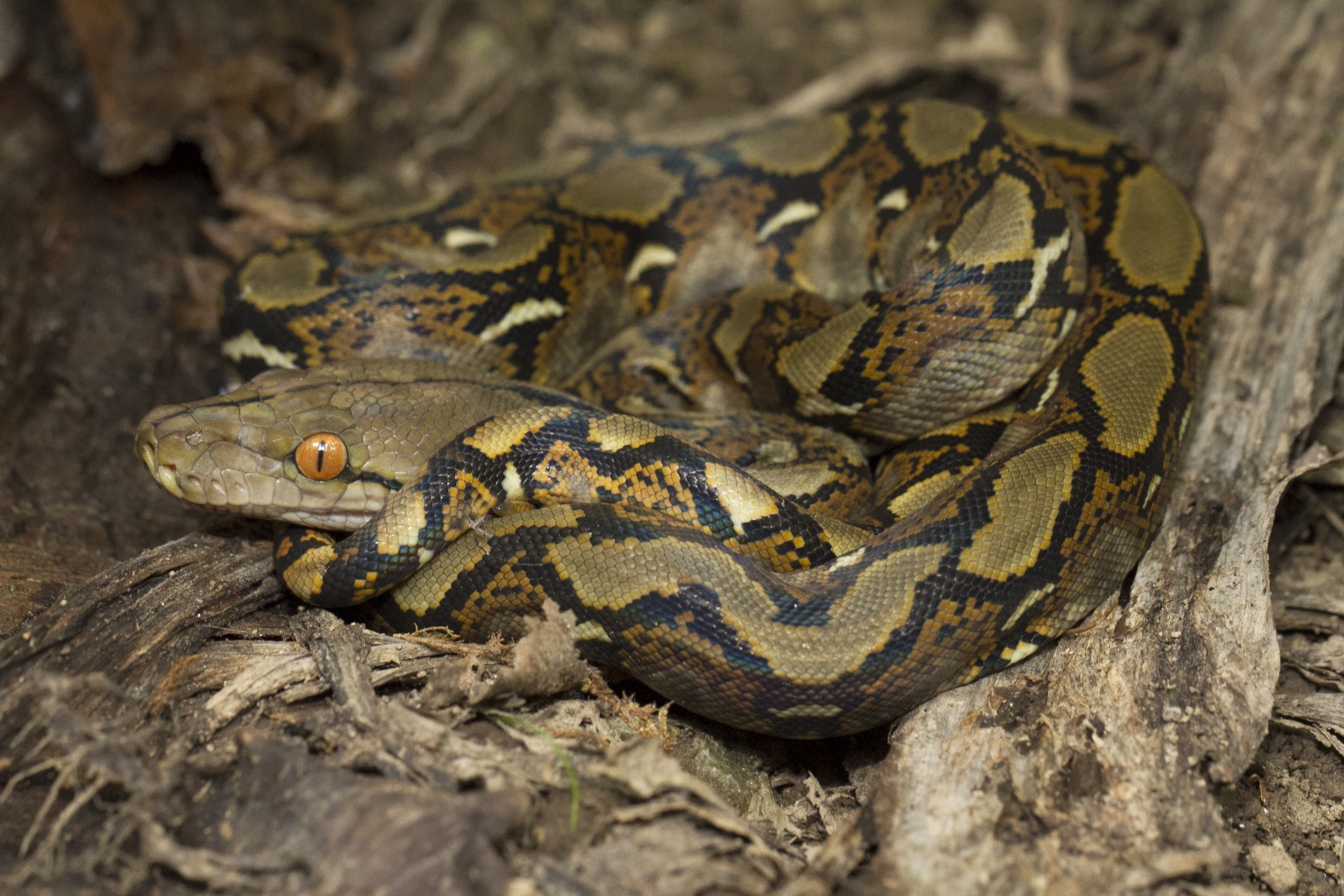
When the two species meet, it can be a clash of the titans. The king cobra may be the world’s biggest venomous snake, but reticulated pythons, which are not venomous, can grow bigger still. King cobras kill by injecting venom through their specialized, hollow fangs. Reticulated pythons are constrictors, which means they squeeze their prey to death.
- "That’s the length of a double decker bus!" 33ft monster tops biggest snakes in the world list
- With three fangs able to deliver lethal venom - instead of the usual two - this is probably the deadliest death adder ever
When the two species spar, the result can go either way, but in one particularly gruesome encounter, a cobra landed its fatal blow on the python just as the python squeezed the life out of the cobra. The result? Both snakes died in a tangled, grizzly mess.
Crested serpent eagle
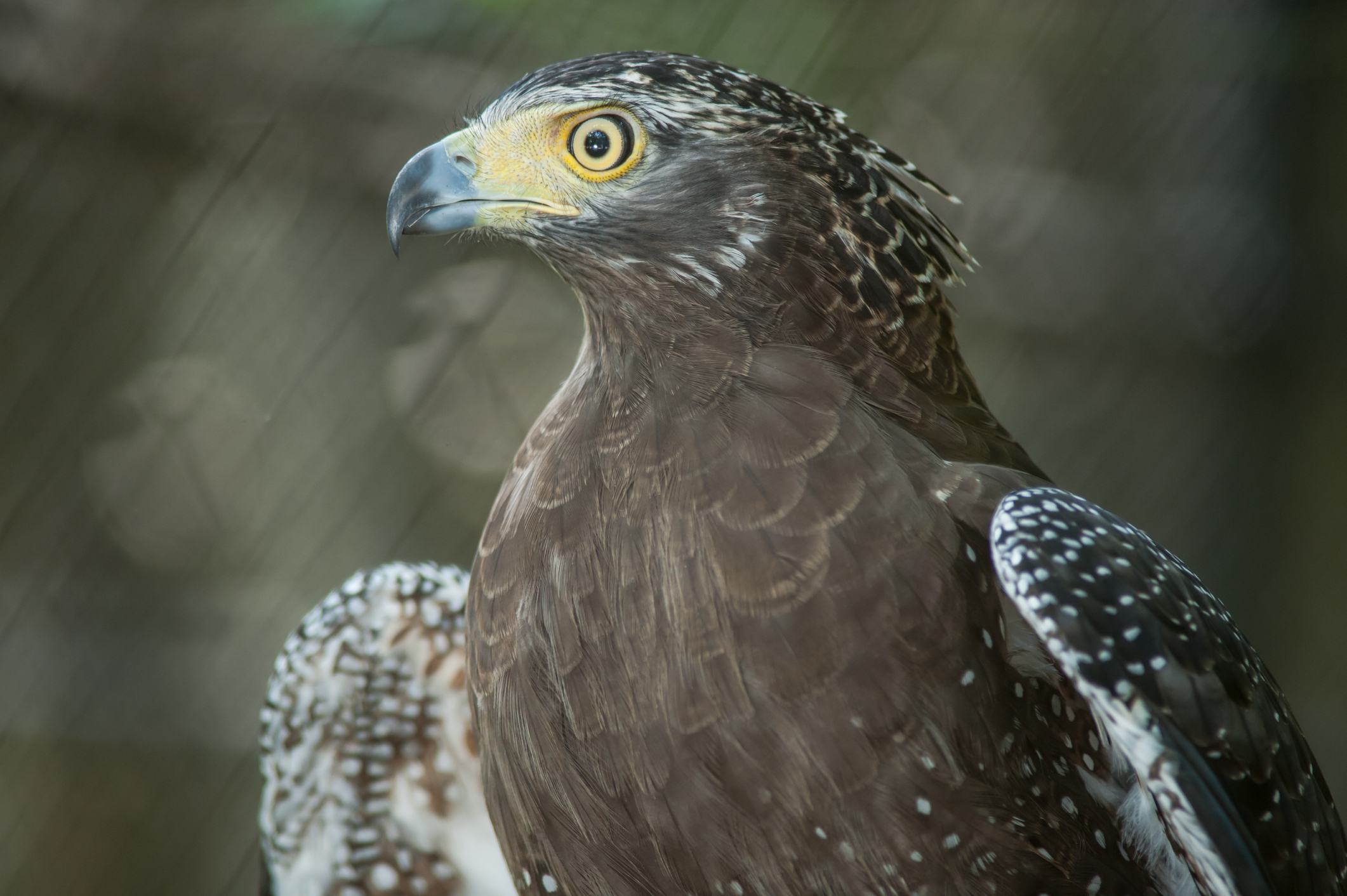
The name is a giveaway. Crested serpent eagles are specialised predators that feed heavily on snakes, including venomous ones such as black mambas and king cobras. The medium-sized raptor, listed as of ‘least concern’ by the International Union for the Conservation of Nature, often hunts from a standstill.
Glowering from its perch, adults swoop down on their prey, which they grasp with their claws as they crush or tear off the head. Unlike mongooses and honey badgers, they have no innate protection to the snakes’ venom, but if they can avoid being bitten, any venom they subsequently ingest gets broken down inside their stomachs.
Saltwater crocodile
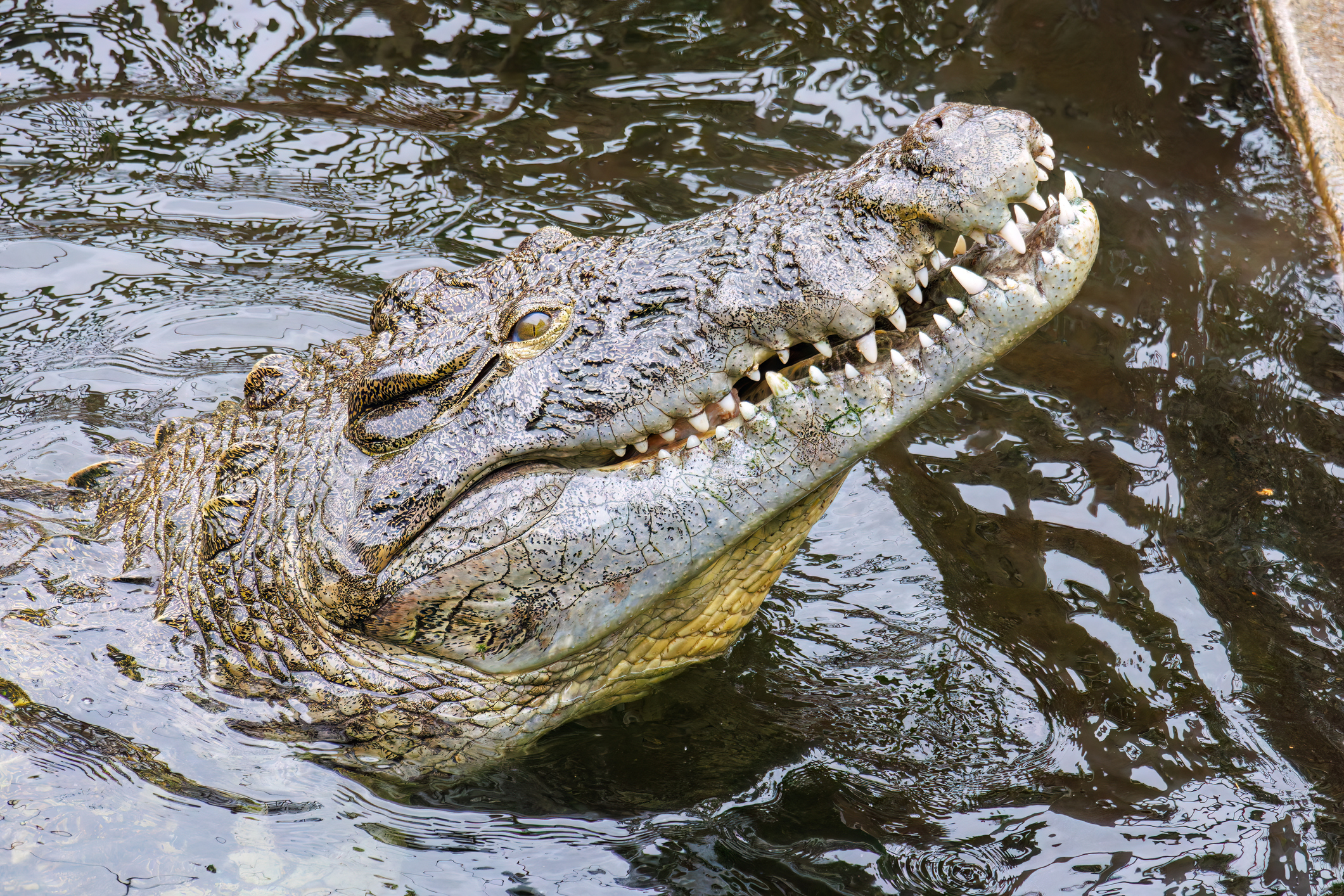
The king cobra may well be the longest venomous snake in the world, but it’s no match for the armoured bulk of the saltwater crocodile. Growing up to 6 metres long and weighing up to 1,000 kg, saltwater crocodiles are the world’s largest living reptile.
- 10 biggest reptiles on the planet, from giant turtles the size of cars to snakes as long as double decker buses
- "Stunned" fossil hunters just found the oldest ever reptile footprints on a riverbank in Australia
So, should a king cobra be swimming along, and should the opportunistic apex predator be lying in wait, things tend not to end well for the snake. The croc’s superior bite force, armoured hide and ambush-style attack, give it the edge, and with a few swift chomps, the snake is no more.
King cobra
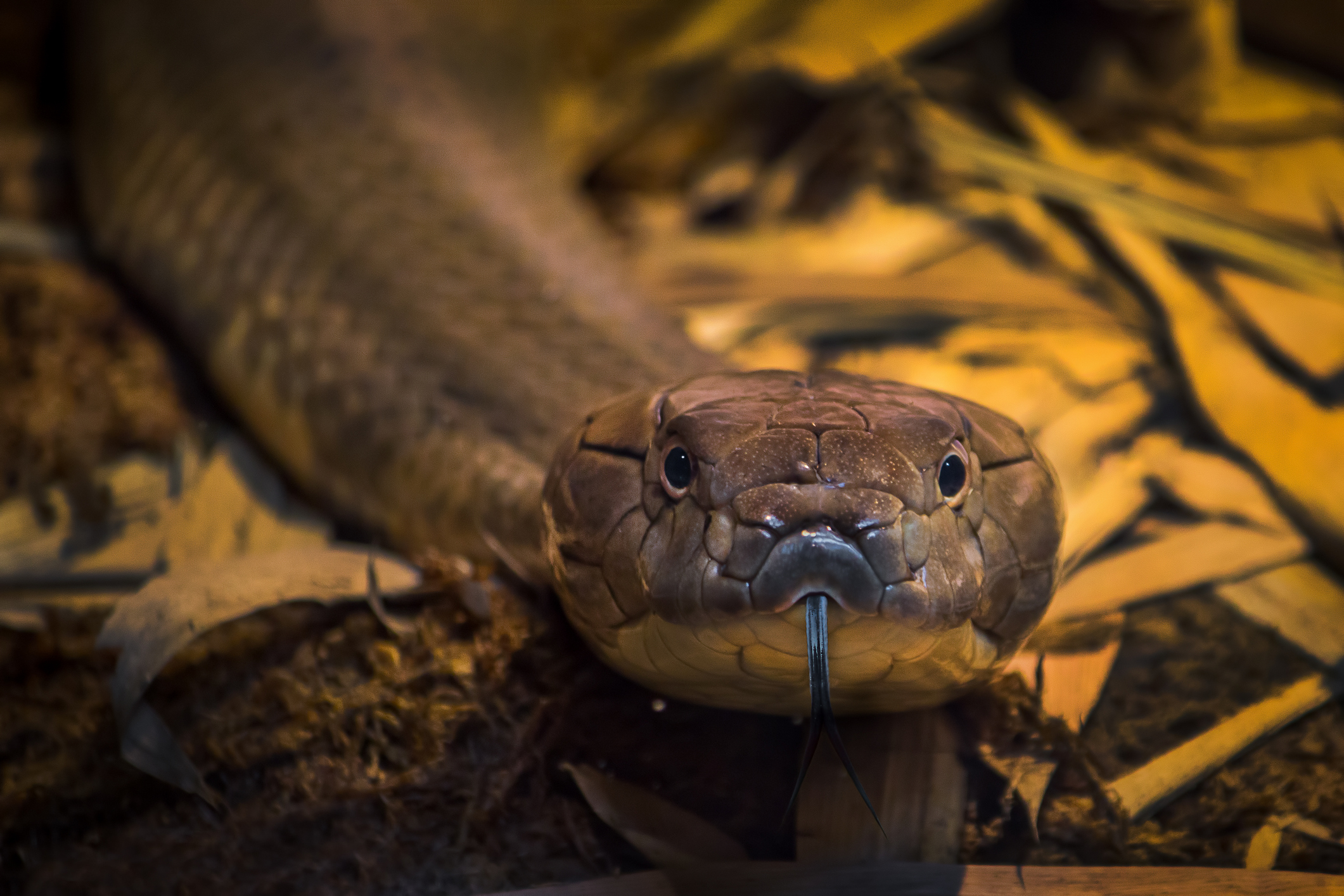
King cobras aren’t sentimental. On rare occasions, researchers have witnessed the reptiles killing and eating members of their own species. In one instance, towards the end of the mating season, an adult male bit, killed and then partially ate an adult female. On another, two males jostled for dominance in a villager’s cowshed, but instead of one snake backing down and slithering off, the stronger male killed and then swallowed his rival.
- 11 gruesome cannibal animals: Discover the surprising creatures that feast on their own kind
- 10 most beautiful snakes in the world – from sunshine-coloured vipers with beguiling eyelashes to monochrome marvels of the sea
No one knows exactly why the behaviour happens when there are easier meals to be had, but it could be a way of controlling population size. Alternatively, males may eat females if the female refuses to mate.
Humans
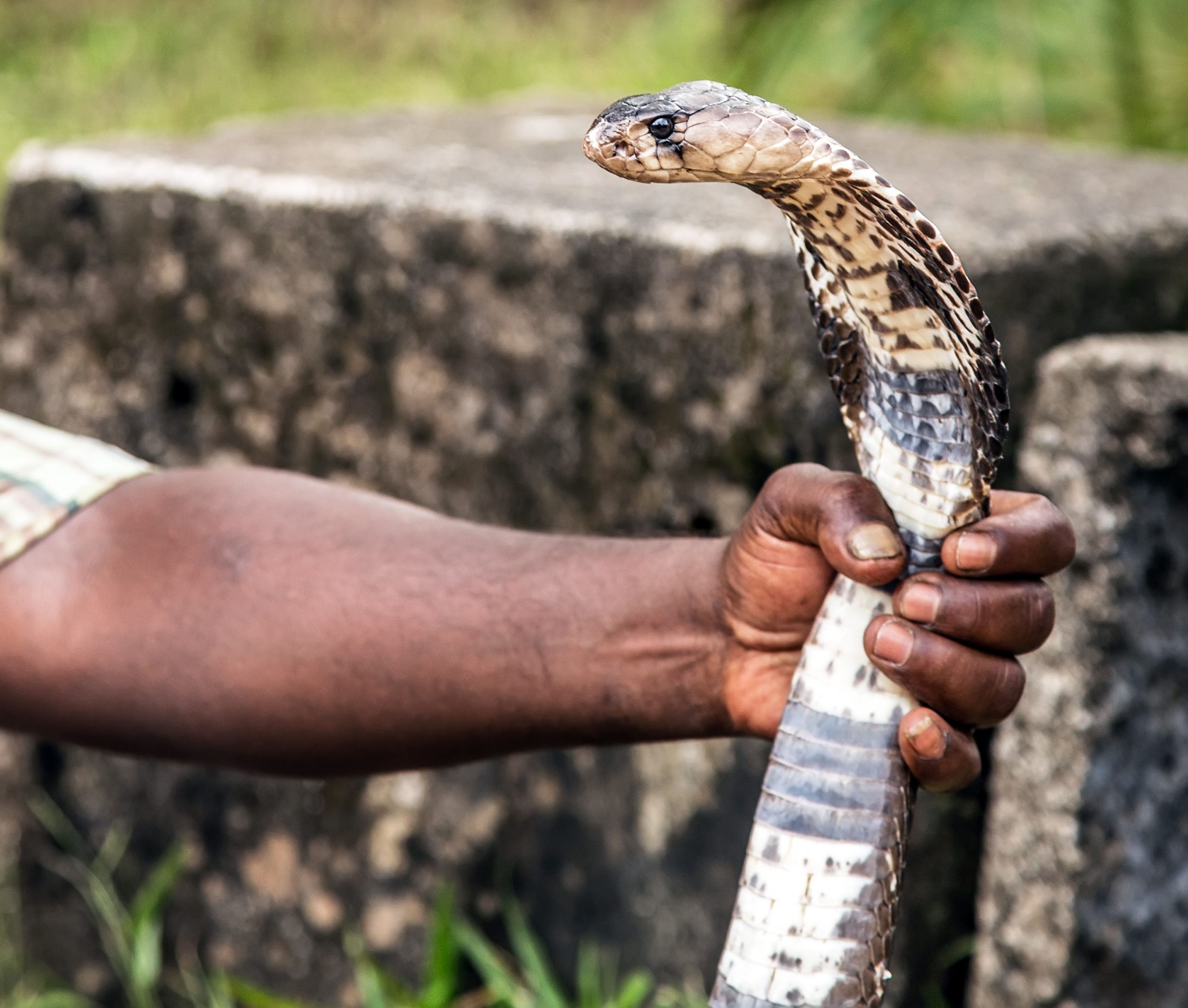
Like so many animals, king cobras prefer a quiet life. The shy animals will avoid humans whenever possible, yet despite this, we remain their biggest threat. Listed by the IUCN as vulnerable to extinction, king cobras are illegally harvested in large numbers for skin, food and medicinal purposes. They are also collected for the international pet trade, and threatened by ongoing habitat loss, as humans cut down the forests that they live in.
- Snake venom cure: Scientists develop fake blood vessels to help reduce deadly bites
- Spider-tailed horned viper: meet the "snake in spider's clothing" that fools its prey into a shocking death
Humans also destroy king cobras out of fear, yet the objective risk of dying from a king cobra bite is minimal. Their venom may pack a punch, but when threatened, the snakes typically deliver ‘dry’ venom-less warning bites to avoid escalation. That said, don’t take the chance. Steer clear and if you do get bitten, seek immediate medical care.