There’s something about the word talon that puts a shiver down your spine. It goes back to childhood. Talons are what dragons had in fairy tales and learning about dinosaurs ripping their prey to shreds with their talons added a thrill to museum visits.
The word talon is normally applied to birds of prey. The first recorded use was found in 15th century English texts describing the toes of a falconry bird. It is defined as any animal with long, curved nails and a powerful gripping force, to imply that it’s capable of well over what might be possible with just claws.
So what are these talon-possessing birds and how do they employ them?
10 Deadly Talons
Harpy Eagles
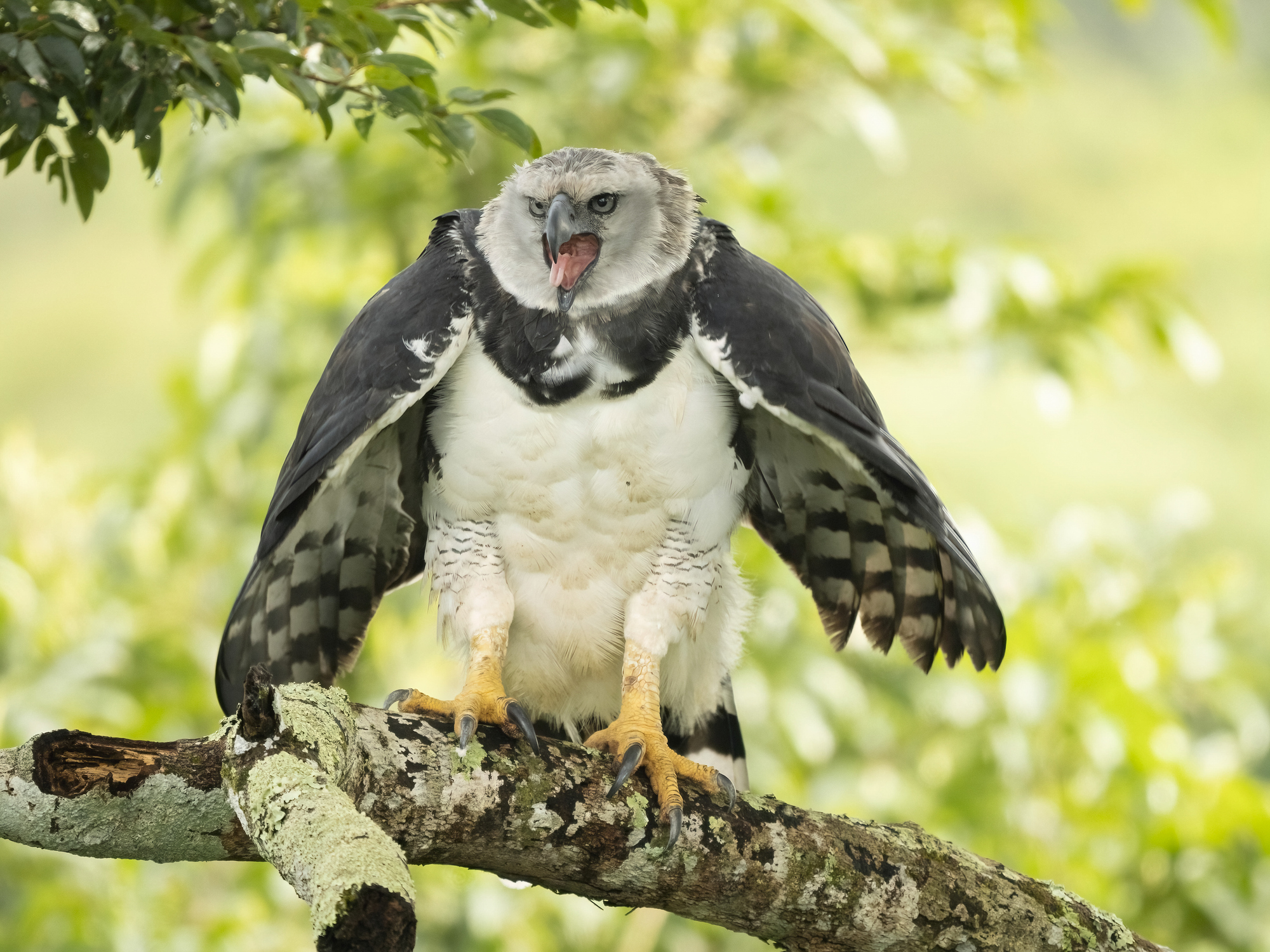
The magnificent raptors of the South American jungle have to be said to have the epitome of talons. Each of their massive toenails is as long as a man’s finger, and clutched together they can exert a crushing grip of 500 pounds per square inch. That will easily cave in the skull of a monkey or a sloth, their favourite prey. By contrast, a healthy adult man can grip with a raw force of up to 100 pounds per square inch at his strongest. Sloth skulls are safe in our hands.
Great Horned Owls
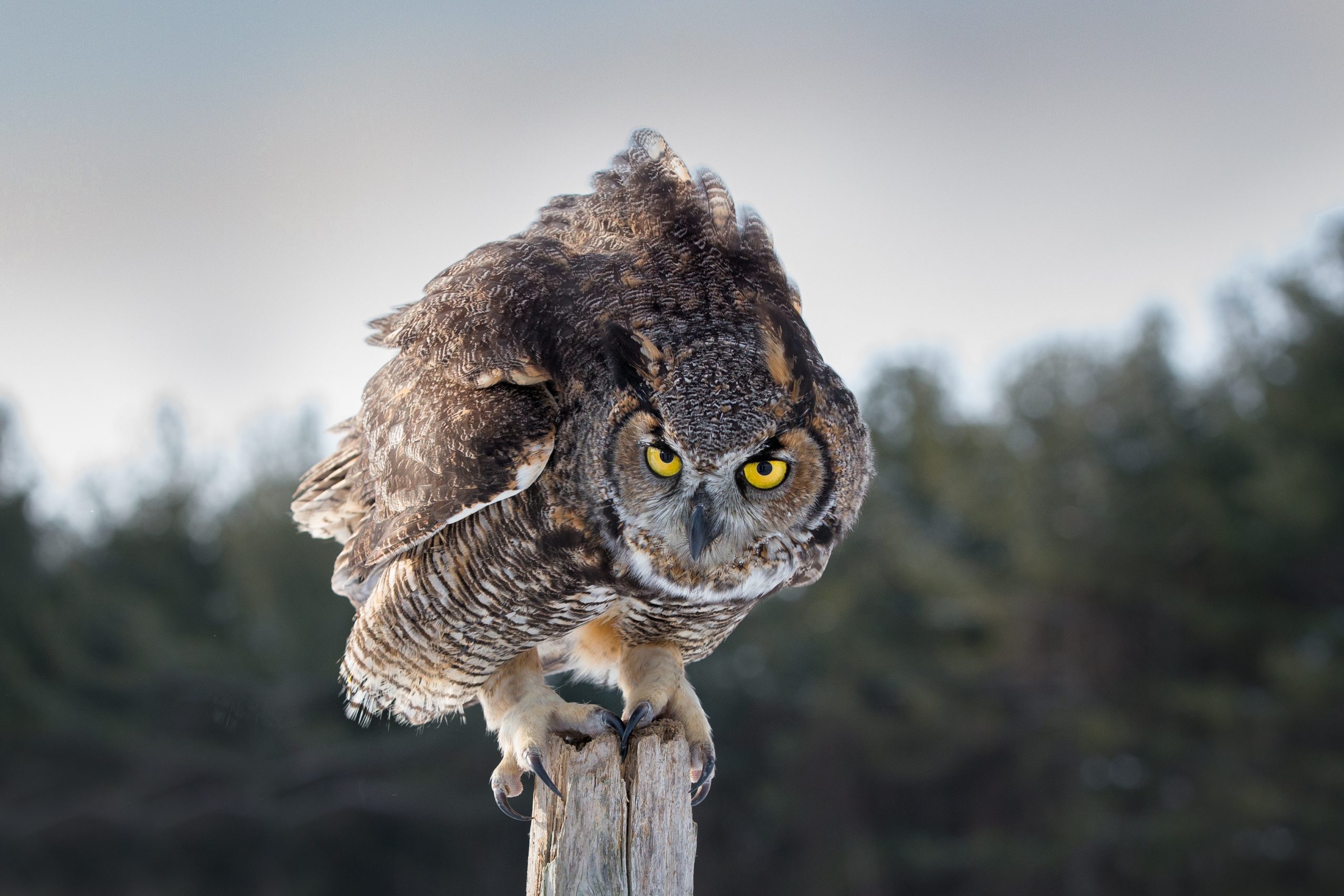
Not far behind the Harpy Eagle in gripping strength comes this nocturnal American predator. Swooping silently down on its next meal, it can spread its talons by around 20cm (nearly 8 inches) to wrap round a squirrel or large lizard and pulverise its bones for ease of transport back to its perch to consume. An incidental benefit of its large talons is that they can impale the prey and potentially kill it before it’s crushed. Small consolation.
Ospreys
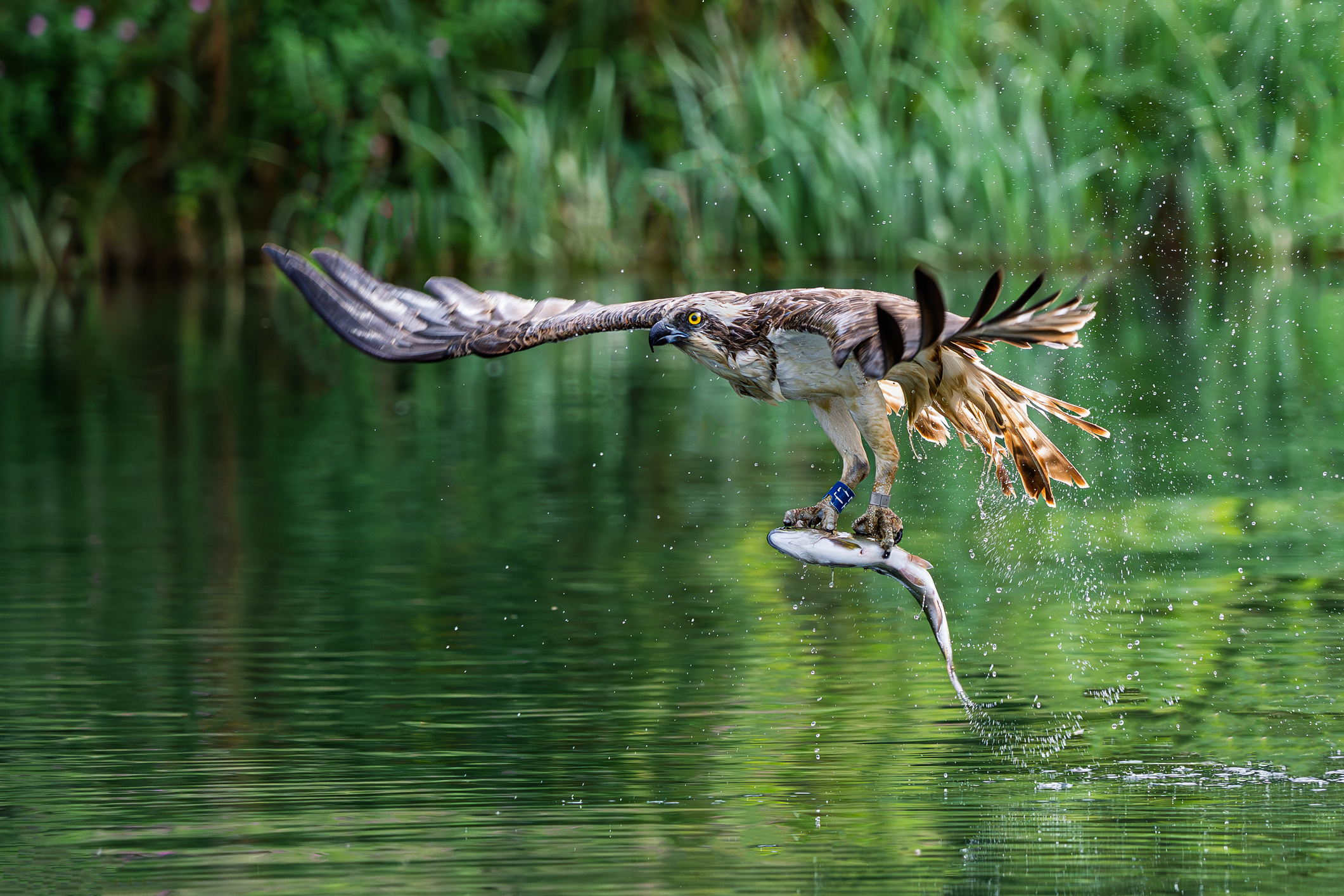
These highly specialised birds of prey are found all over the world and are famous/infamous (depending if you’re a birdwatcher or a fisherman) for taking large fish from lakes, rivers and the sea. They will use their considerable talons to sweep the prey out of the water and then grip it tightly in a fore-and-aft position to take it back to dry land. A slippery, thrashing fish will require considerable pressure to keep it secure in the air, and the bird’s talons do their job superbly.
Golden Eagles
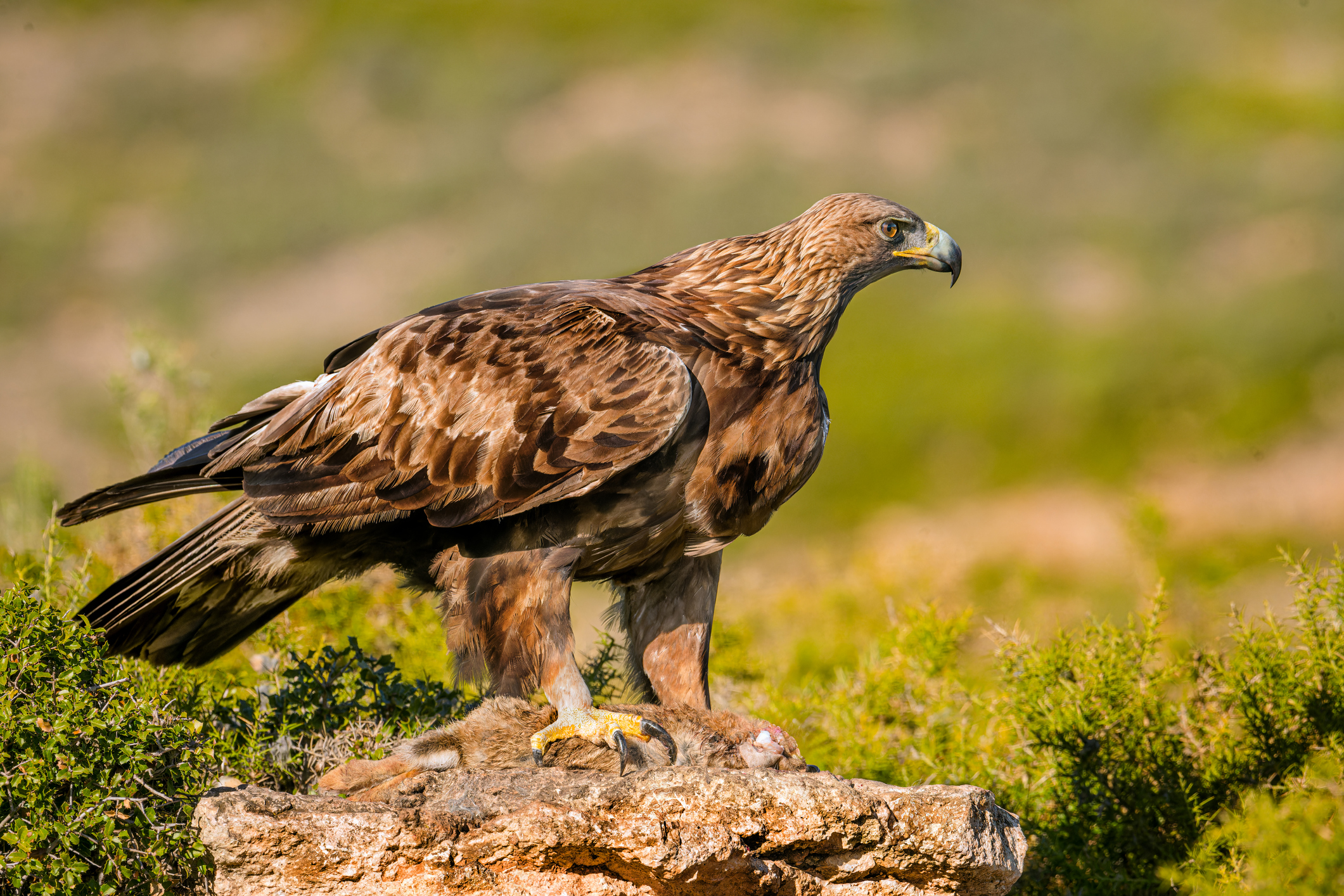
Subduing large prey such as rabbits, foxes, marmots and even small deer requires some formidable gripping action from this Northern Hemisphere raptor. The bird’s talons act like mechanical hooks that lock around the victim so they don’t have to tire themselves by applying the muscle power of their feet continuously. The massive hallux claw, or backward-facing hind toe, is particularly useful in sealing the victim’s fate.
Steller’s Sea Eagles
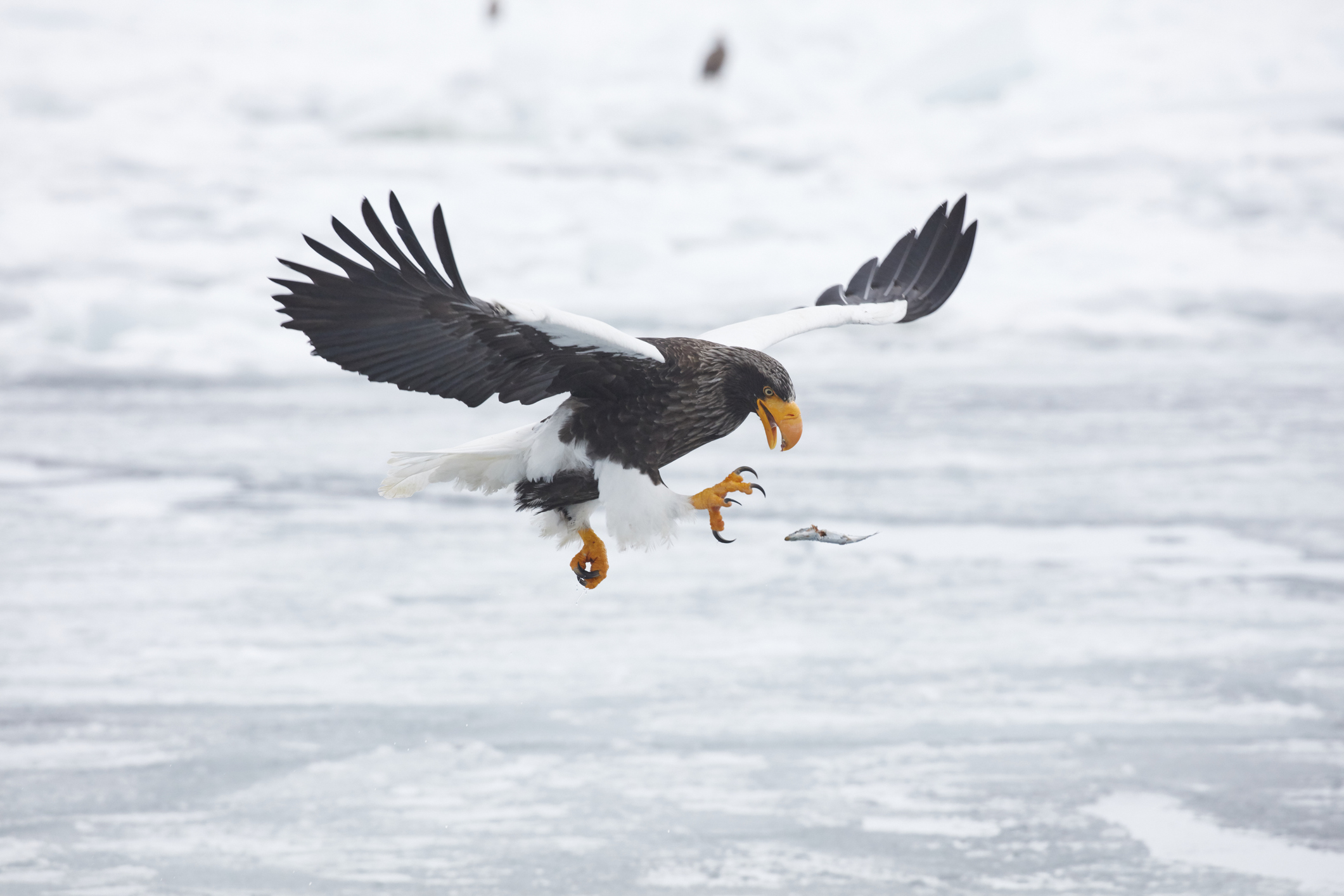
These large birds patrolling the coastal waters of northeastern Asia do not have such large talons as their Golden Eagle cousins, but they are very much more curved and act as highly efficient stabbing tools. Their feet are also equipped with spicules on the soles - bumpy projections that assist in preventing slippage of a large salmon that has been landed. The tight grip also deals with any violent flapping of a trapped seabird such as a Slaty-backed Gull, another of the Steller’s favourite meals.
- With deadly talons the size of a human hand and a prehistoric-looking beak, this is one of nature's most terrifying giants, able to reach speeds of 100mph
- What’s the biggest, heaviest eagle in the world? Meet the contenders – including a giant with a monster 3-metre wingspan
Hen Harriers
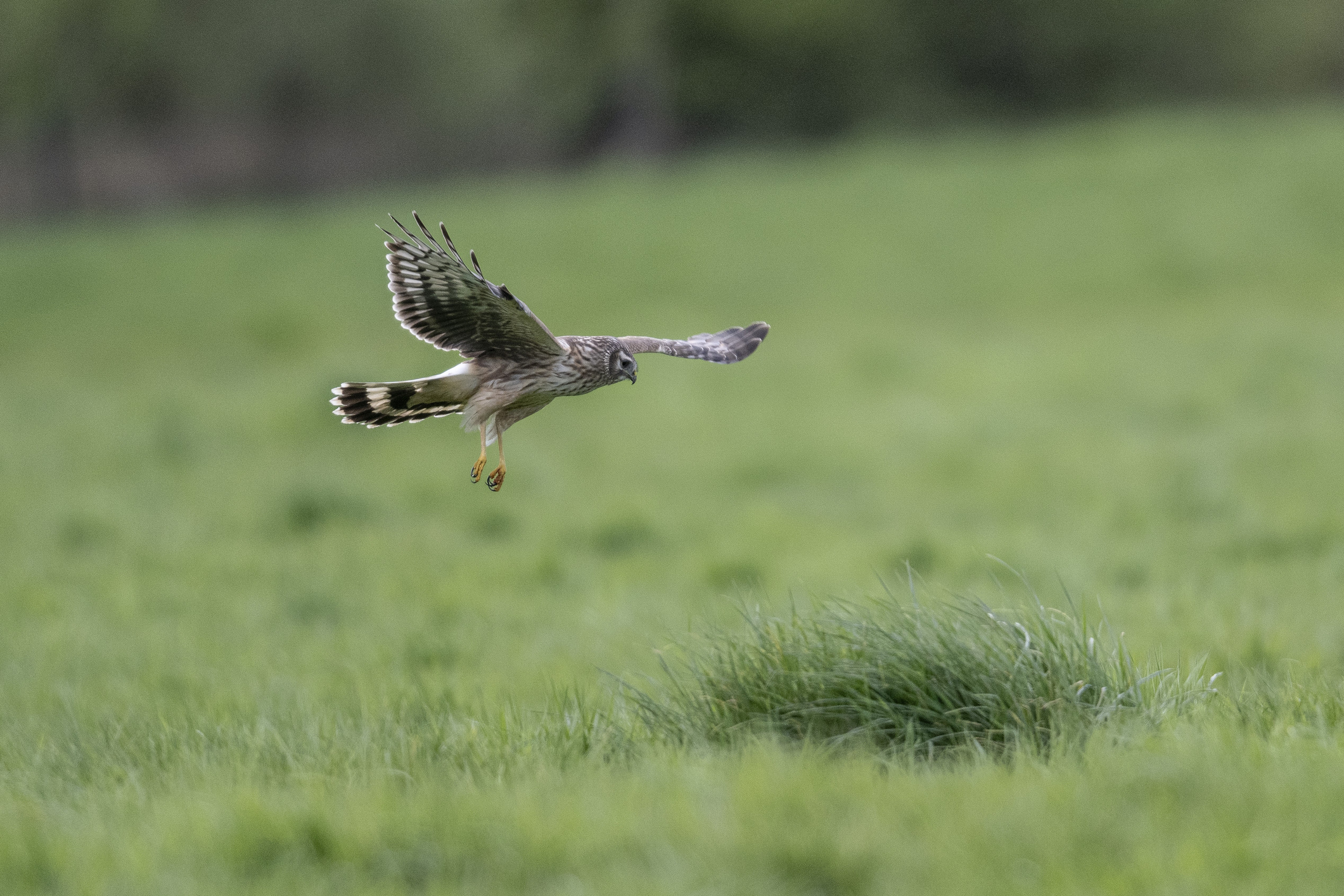
The medium-sized bird of prey relies on its talons to grip its prey in a snatch-and-grab hunting technique. Flying low over grasslands, it uses the element of surprise to lift small birds such as larks, frogs and even sometimes small rabbits. That form of predation requires clutching the prize close until the bird reaches a safe vantage point from which to pull apart its meal.
Gyrfalcons
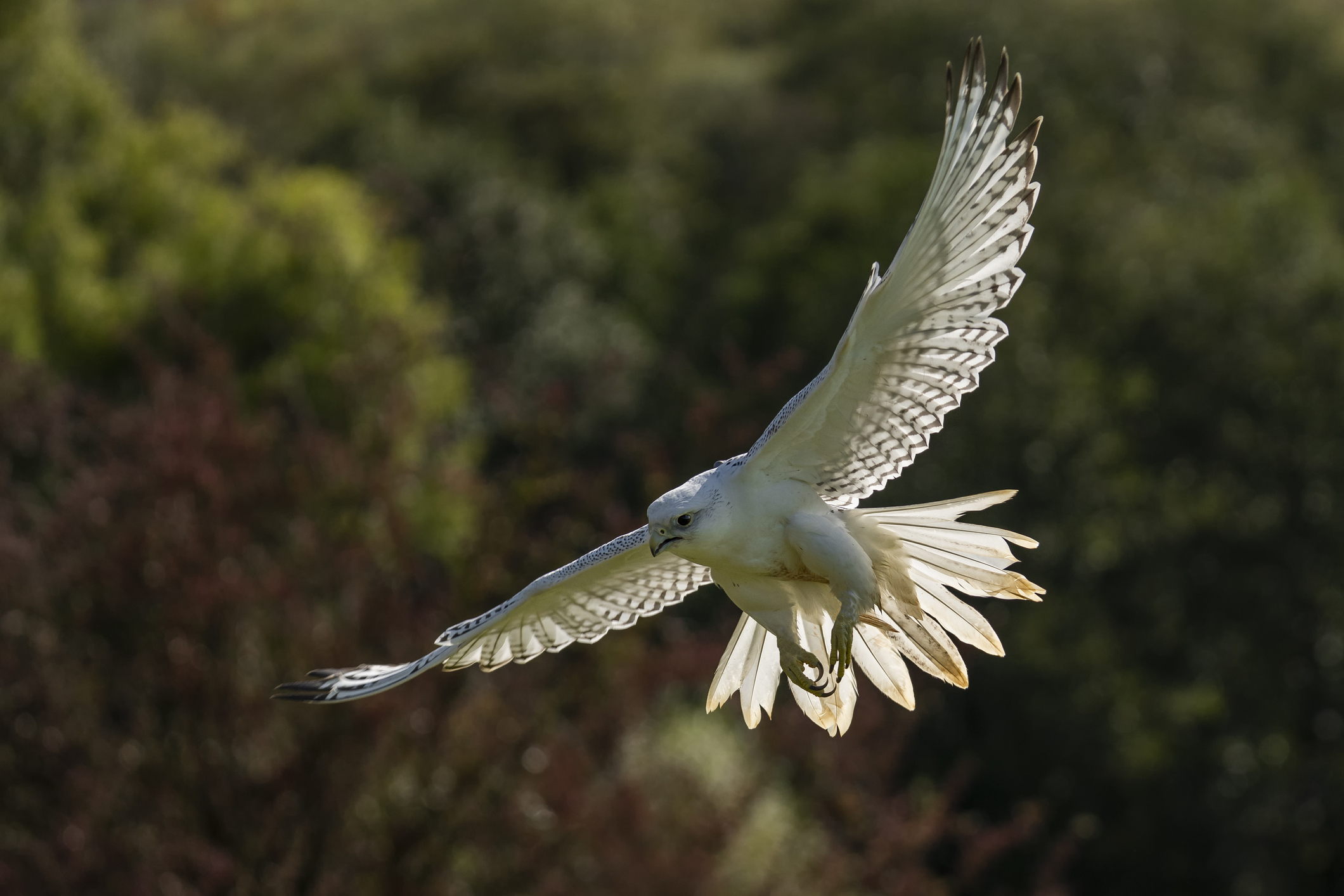
Any falconer will tell you that all the members of the falcon family of raptors are strong grippers – why do you think they use such thick gloves to handle them? The magnificent Gyrfalcon, resident of northern America and Siberia, is the world’s largest of the Falco genus and, naturally, it has the largest talons. It uses these to not only catch its food but also defend itself against its only known natural predator, the Golden Eagle. A rare talon-on-talon showdown between these two must be a sight to see!
Eurasian Goshawks
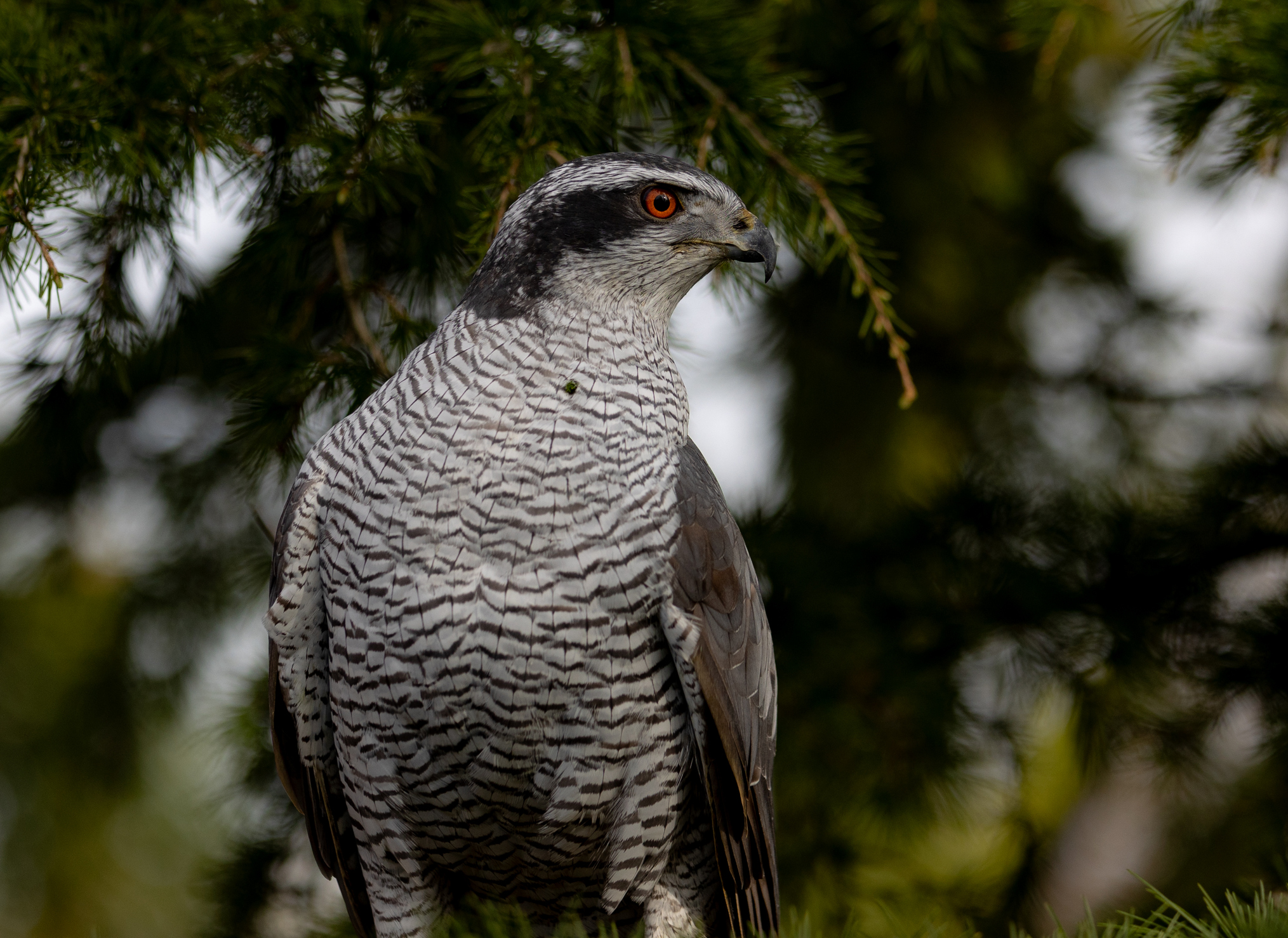
Of course, the hawk family has to be represented in any discussion of deadly talons. These powerful high-speed forest dwellers have many specialist skills, not least being able to fly accurately sideways and twist back and forth between closely packed trees and thick brush in dense woodland. Their efficient hunting technique involved driving the talons into the prey – a pigeon or a squirrel – and then squeezing and kneading it into submission. Occasionally, Goshawk pairs will team up to catch prey – 16 talons being better than just eight.
Harris’s Hawks
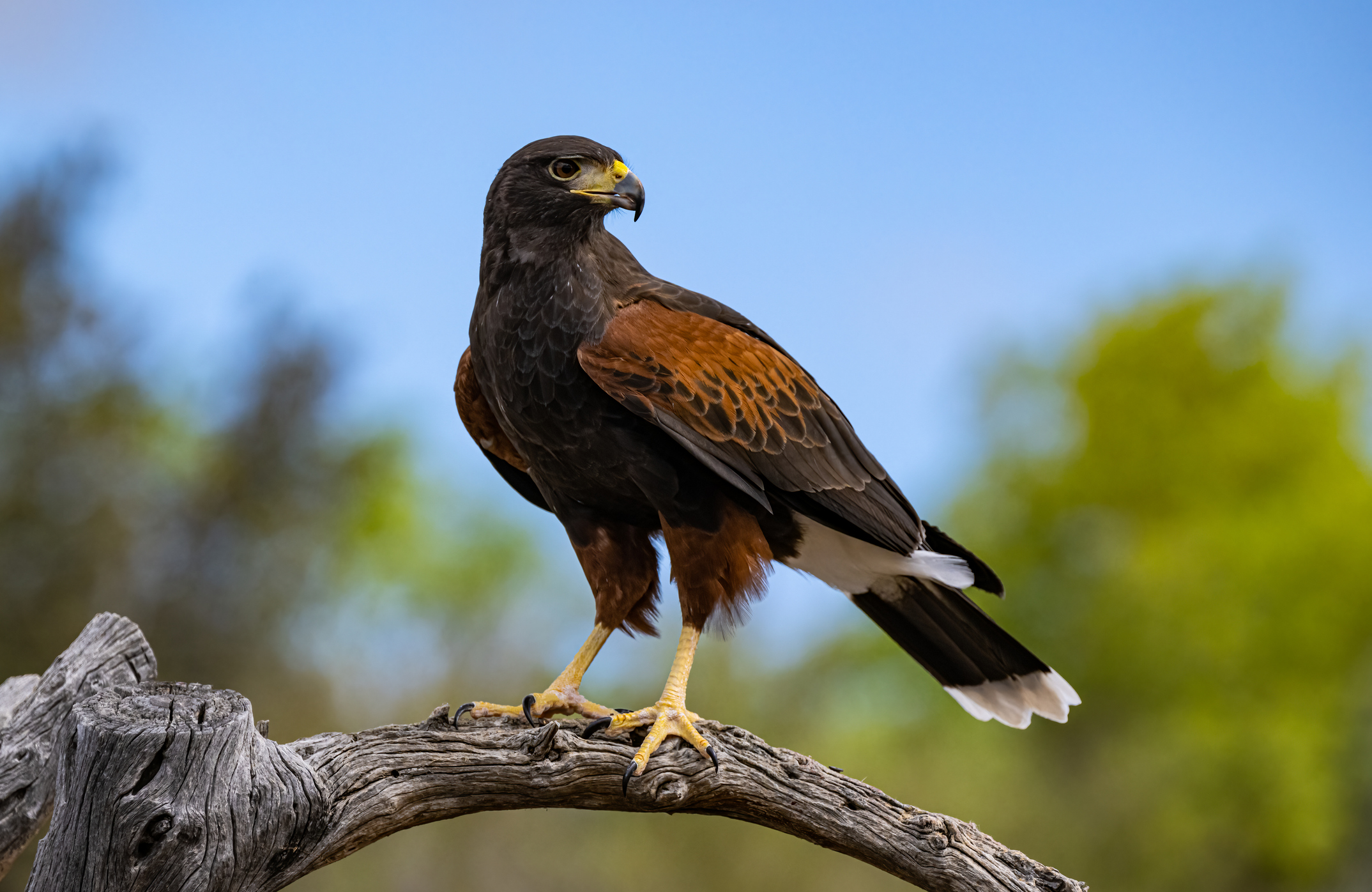
Pack hunting is a speciality of these Central and South American raptors and they have larger and stronger feet than other birds of prey of similar size. An arsenal of sharp talons will descend on a jackrabbit or a desert cottontail, either from the air or, unusually for a bird, running along the ground, and subdue it in record time. The meal is then shared round the team, as would happen with a pride of lions.
Merlins
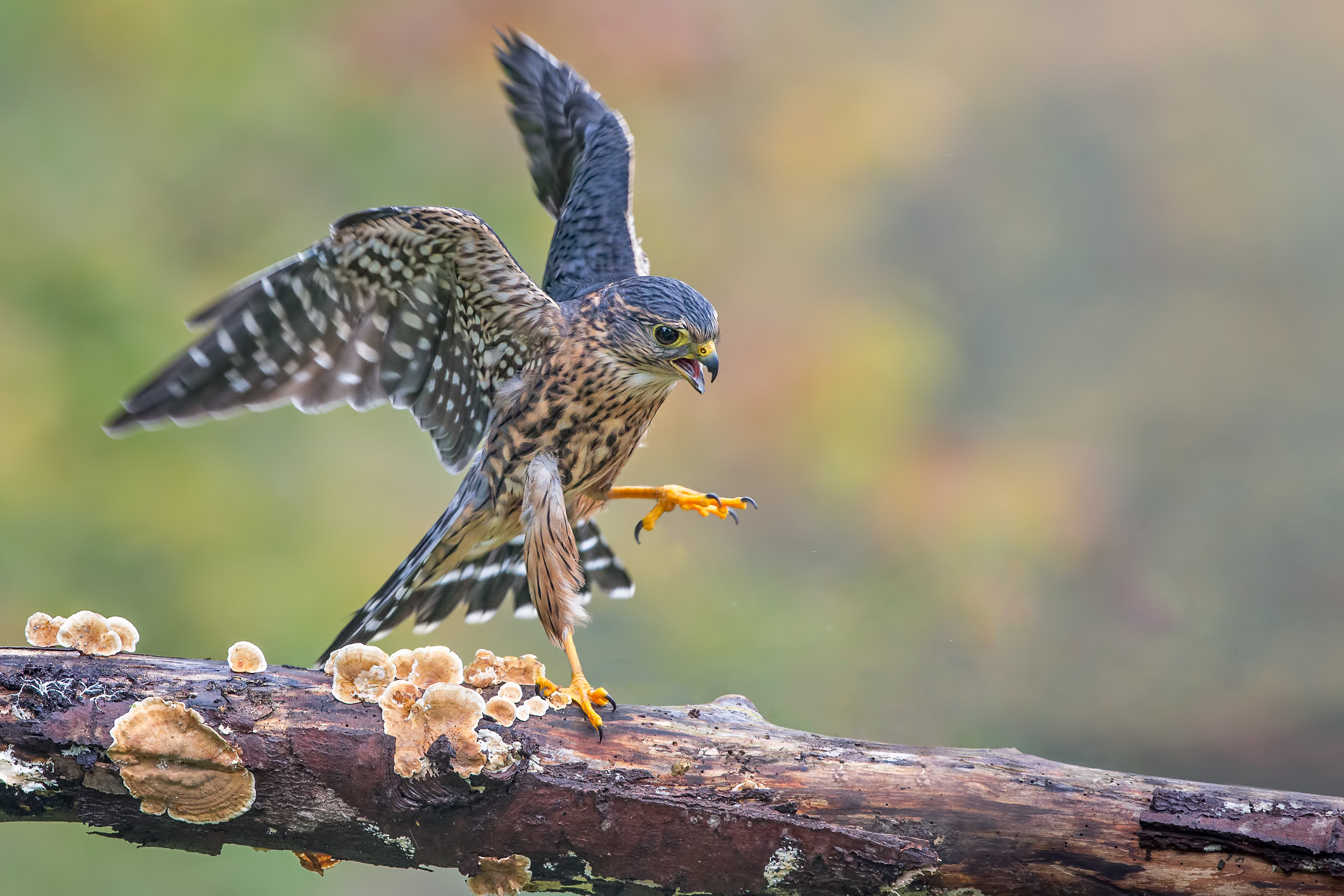
These small falcons are known for their sheer power, speed and agility in flight. Hand-in-hand, or foot-in-foot, with that comes efficient use of their talons to snatch small bird prey out of the air once the chase has reached its conclusion. For this reason, Merlins have historically always been popular with falconers. They demonstrate fascinating skill as they plunge into a flock of sparrows like a dolphin through a shoal of fish, or tailgate a pigeon, swooping and dodging and outmanoeuvring it.
No wonder, then, that the English language contains phrases such as “sharp as a talon” to describe a quick-witted person, “talons of justice”, for the swift and inescapable application of the law, and “baring your talons” to prepare for a fierce fight.
But there is also a Japanese proverb that goes, “A capable hawk hides its talons”, which is a gentler use of the word, you will agree.
top image: Harris’s Hawk perched on a dead tree in the Rio Grande Valley of Texas. Jeff R Clow/ Getty Images
More wildlife stories from around the world: