For years, the animals of Kenya’s Crescent Island were able to wander freely between the island and the mainland. Then, in 2020, rising waters swallowed the causeway – leaving them cut off. Now, researchers warn that the isolation is putting pressure on the island’s precious ecosystem.
- When lions raided wild dog dens in Botswana, wildlife guides didn’t expect to see this
- ‘I spent 4 days tracking a leopard in Mozambique. It led me to something terrifying.’
Crescent Island – named after its crescent-moon shape – is a privately managed wildlife sanctuary and tourist destination on the eastern side of Lake Naivasha, in Kenya’s Great Rift Valley.
Historically, as water levels fluctuated, the island alternated between being an island and being a peninsula. When the water levels were low, wildlife could cross between the island and the mainland via a causeway. Then in April 2020, rising water submerged the crossing. It has remained underwater ever since.
In 2025, Paige Chernisky from St. George’s University, Grenada, and colleagues spent three days surveying the island to assess how prolonged isolation has affected its wildlife. Their observations, reported in Frontiers in Sustainable Tourism, are concerning.
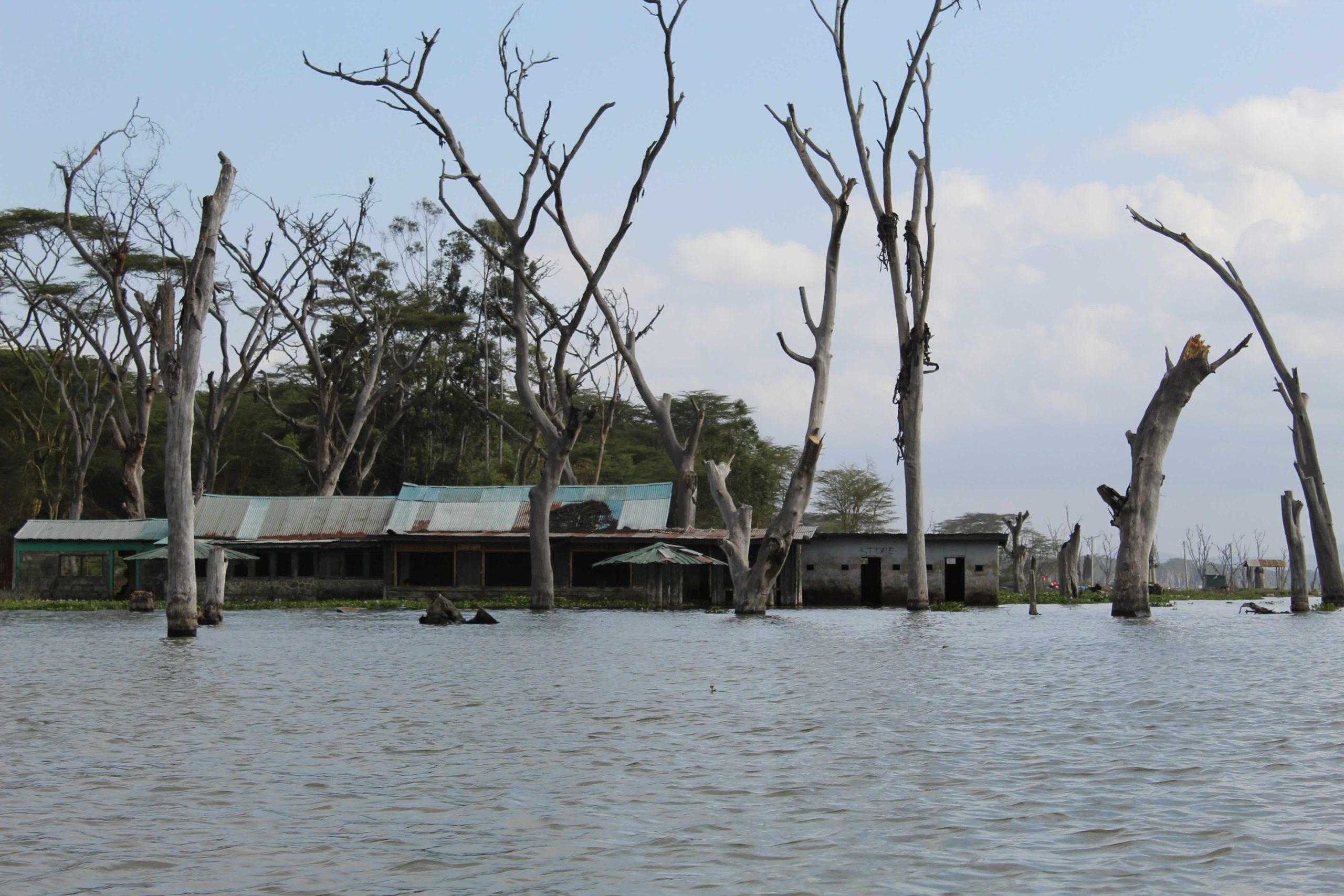
As water swallowed land, many shore-growing trees have become submerged. Now, their sun-bleached trunks protrude from the shallows, where invasive water hyacinths form dense mats that make it hard for native aquatic species to grow.
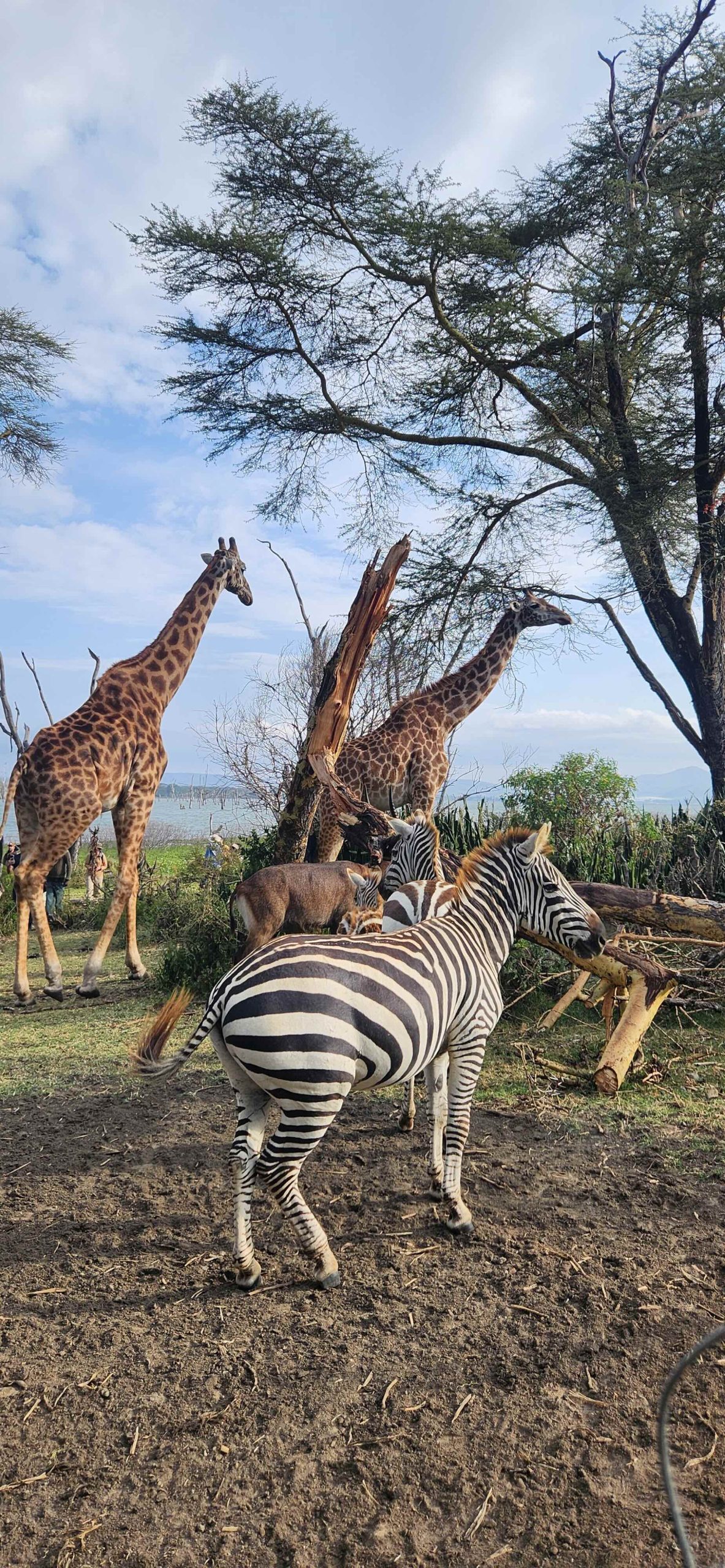
Onshore, the island is dominated by large, grazing herbivores, including impalas, waterbucks, zebras and giraffes. But the big predators that would normally regulate their numbers cannot reach the island from the mainland. At the same time, rising water levels have reduced the amount of land for grazing. Now, the barren-looking land shows signs of heavy overgrazing.
- In this Ethiopian city, people feed one of Africa’s deadliest predators mouth-to-mouth
- I finally managed to photograph Africa’s incredible wild dogs. These are my best shots
The increasingly cramped conditions could also make it easier for disease to spread among the island’s grazers. There are some worrying signs: records kept by island guides suggest that numbers of Thomson’s gazelles could be declining, and a necropsy of one dead animal revealed lesions in the lungs and liver – possible signs of an infectious disease.
The work shows how quickly rising water levels can destabilise isolated ecosystems. “I think the key message is that Crescent Island is experiencing a combination of ecological pressures that warrant closer monitoring and active management,” says Chernisky.
“At the same time, I think it is important not to frame Crescent Island’s future as predetermined,” she says. With continued monitoring, researchers will be able to determine the best course of action, with options including habitat restoration and strategies to reduce grazing pressure. “The aim”, says Chernisky, “is to support both the long-term welfare of the wildlife and the ecological sustainability of Crescent Island.”
More wildlife stories from around the world
- “Some believe that Gibraltar Falls was 1,000 times higher than Niagara Falls.” This could be the largest flood of all time
- Penguins are taking over a beach town in South Africa – and the locals love it
- Remote cameras catch chimps teaching youngsters how to use tools to hunt
- Mysterious new monkey species with orange lips discovered in the Congo rainforest
Top image: Crescent Island, Kenya. Credit: Paige Chernisky