
While teeth and claws usually steal the spotlight, many animals are armed with an additional weapon: the tail. Capable of catching prey, smashing bone, and delivering fatal defensive venom injections, tails are used for more than just balance and movement.
Here, we look into how this powerful appendage has evolved into a fearsome tool for survival in the animal kingdom.
Deadliest tails in the animal kingdom
Thresher shark
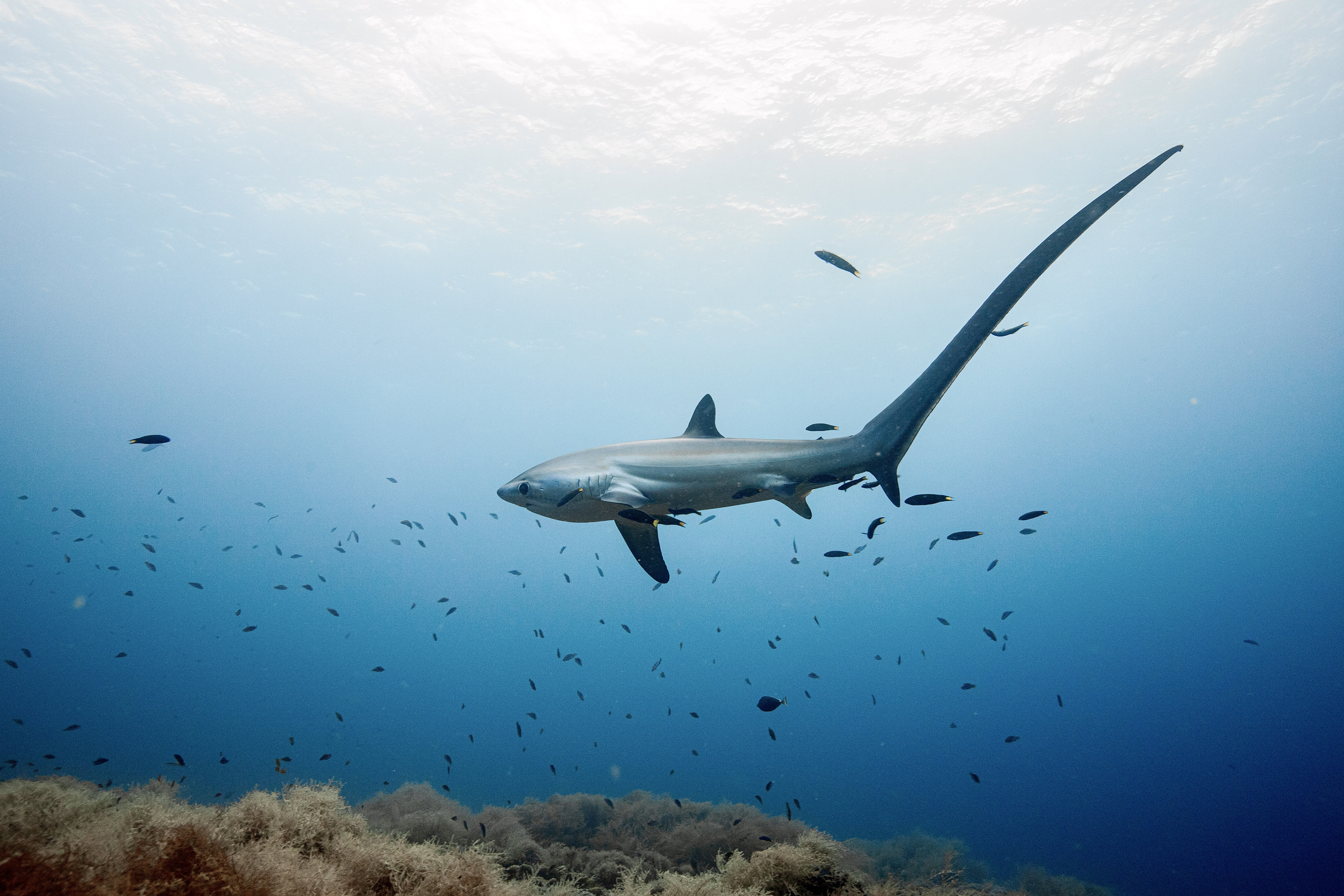
The thresher shark boasts the longest tail in the animal kingdom. In fact, thresher sharks are also one of the biggest shark species – due in no small part to their sizeable tail.
The thresher shark tail has a scythe-shaped upper lobe that can be as long as the shark’s body – and in some larger individuals it can reach up to 3 metres. Thresher sharks will hunt in a group, tail-slapping their prey and eating their stunned victims.
Watch a video of the thresher shark’s tail in action here.
Because of its unusual tail, we named the thresher shark as one of the weirdest sharks in the world.
Short-tailed stingray
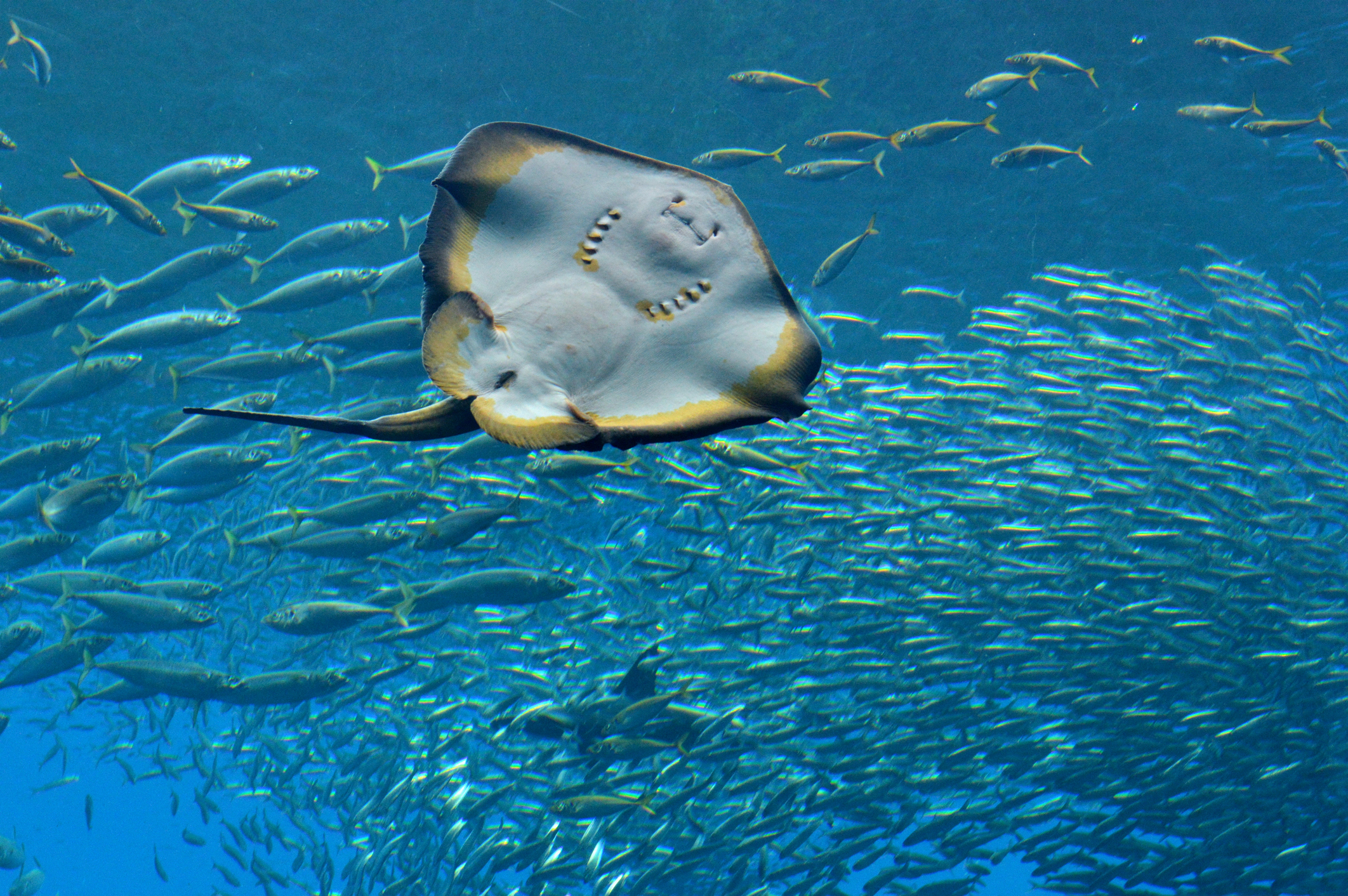
The short-tailed stingray is the creature responsible for the famous fatal strike on TV presenter Steve Irwin in 2006. This stingray species has a serrated, venomous spine near the base of its thick tail, which it can drive this into its victim with immense force – and is known to be able to pierce thick wetsuits and even human bone. The stingray is one of the deadliest animals in the Atlantic Ocean.
Humpback whale
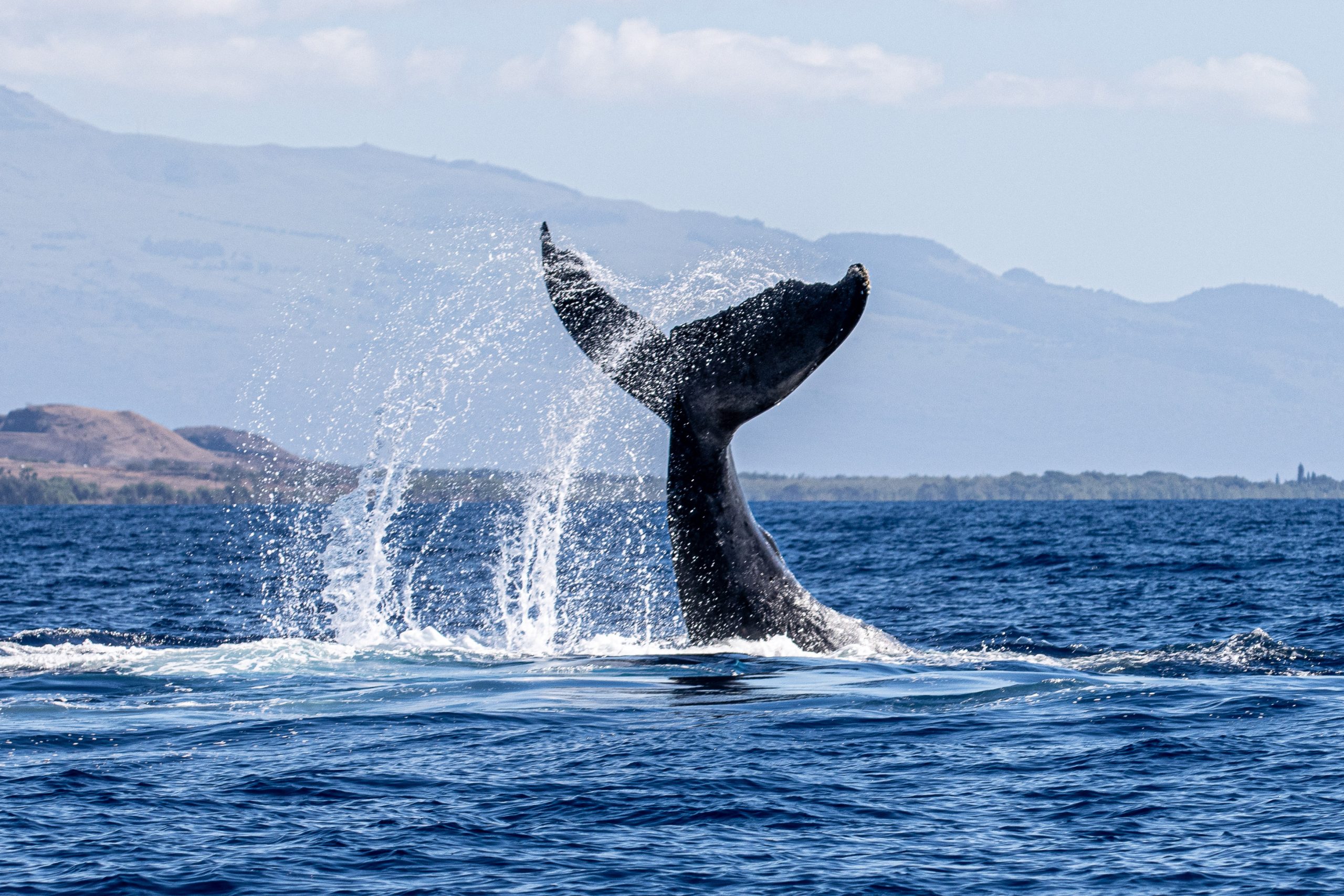
Due to the sheer scale of a humpback whale, its tail can be fairly deadly. That said, humpback whales are gentle giants, and they rarely use them to attack. A fully grown humpback whale weighs over 40 tonnes, and its tail can grow up to 5.5 metres in width. They’re known to engage in whale behaviours such as tail slapping, which is usually a harmless practice, but because of their immense size it can be dangerous if it hits a boat or swimmer.
Porcupine
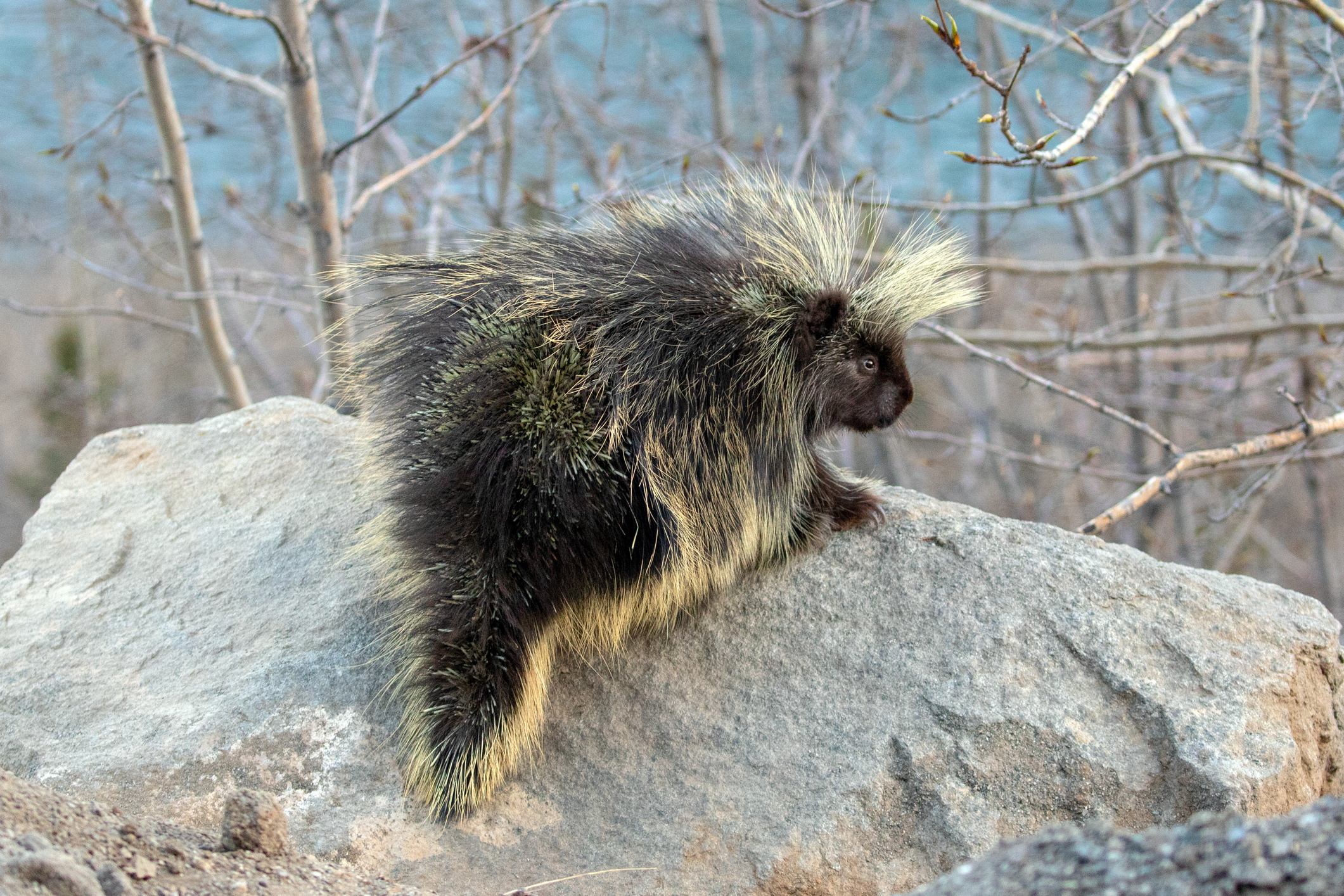
One of the toughest animals in the world, the porcupine is famed for its impressive defence system. The North American porcupine’s muscular tail is packed with up to 30,000 modified hairs. The animal can slap its tail to detach the barbed quills, driving them into its victim’s body, where they can cause fatal infections or even perforate the organs.
- It’s covered in terrifying quills so, what could possibly eat a porcupine?
- It has a squidgy nose, sharp quills and a prehensile tail – and this adorable footage shows a Brazilian porcupine shimmying up a tree
Saltwater crocodile
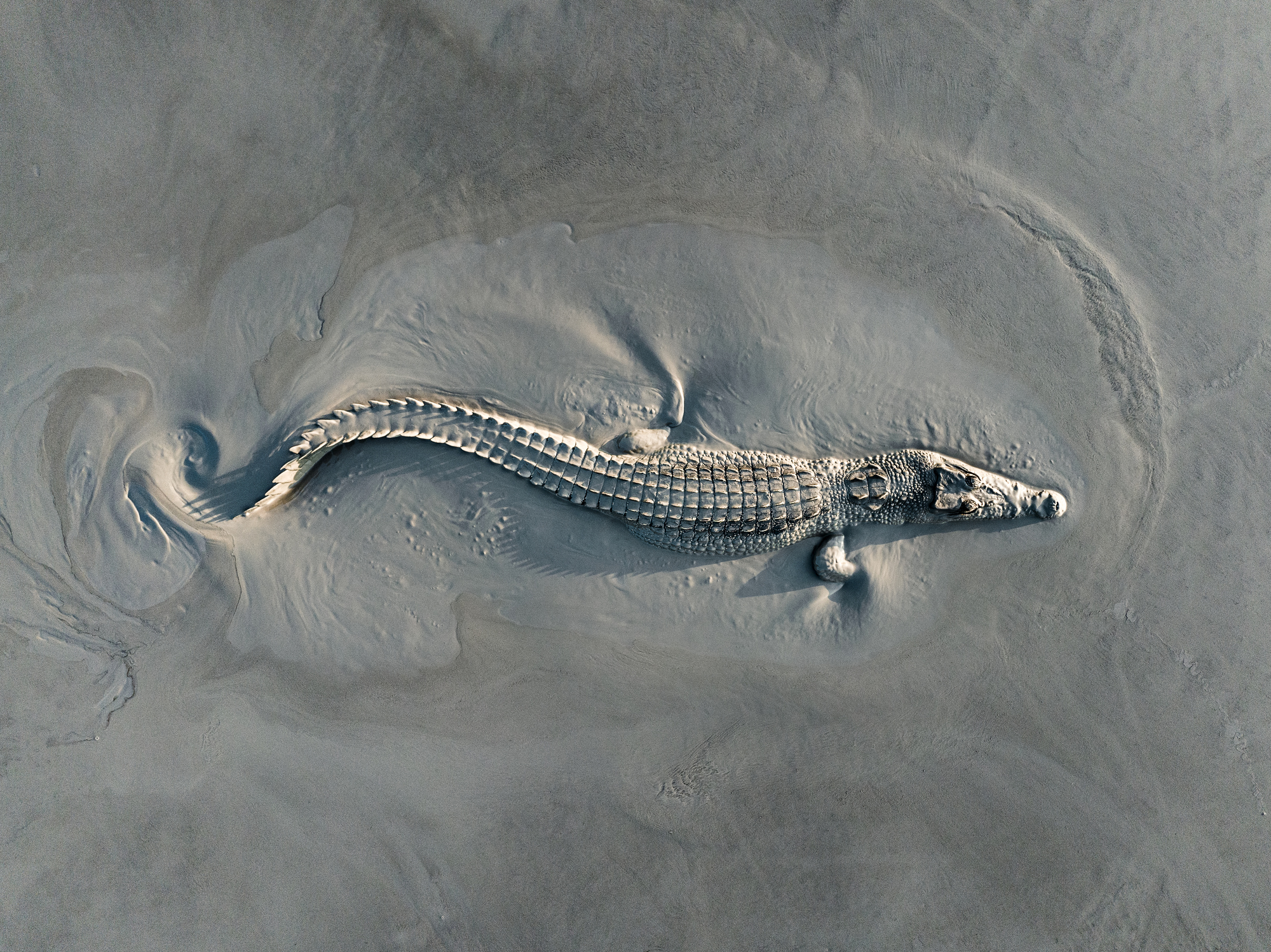
The largest living reptile on Earth possesses a muscled tail which helps propel it through the water. Up to seven metres long and known for its powerful bite – the strongest bite in the animal kingdom – the saltwater crocodile can knock down its prey with one swipe of its strong tail. This can break bones on contact, or more often will sweep the crocodile’s victim into deep water, where it can use its powerful bite to finish off the meal. No wonder the saltwater crocodile is considered to be one of the world’s deadliest reptiles.
- Australia’s most terrifying wildlife spectacle: 50 saltwater crocs crammed into one small stretch of river waiting to strike
- 9 animals that could take on (and probably kill) a saltwater crocodile
- Crocodile vs alligator: what's the difference between these two fearsome predators?
Deathstalker scorpion
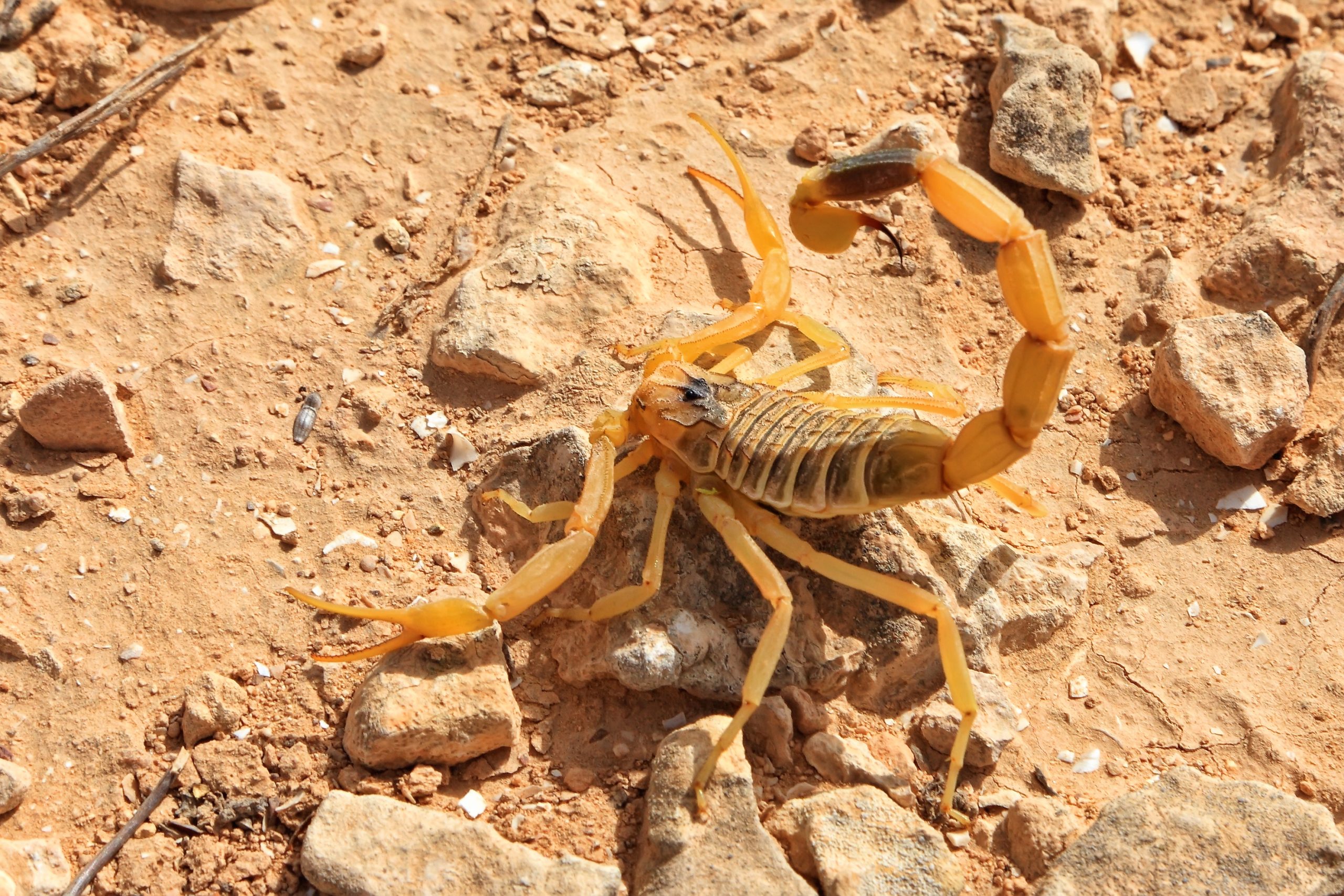
Yes, yes. We know. The tail-like structure found in scorpions is not technically a tail. Only vertebrates – animals with spines – have true tails. But we thought the deathstalker scorpion’s 'tail' was worth including here due to its highly potent sting, which can cause paralysis in its victims. Thanks to a complex cocktail of neurotoxins in the venom of the world’s deadliest scorpion, the sting can produce powerful effects, even at low doses. Within seconds of stinging, its prey will be immobilised or dead. And it’s dangerous for humans too. While a healthy adult might survive a sting, anyone with a compromised immune system (or young or elderly people) can succumb to its effects, facing possible paralysis.
We named the deathstalker scorpion as one of the deadliest animals in the Sahara Desert and the Middle East.
Top image: Saltwater crocodile tail. Credit: EAGiven/Getty Images


